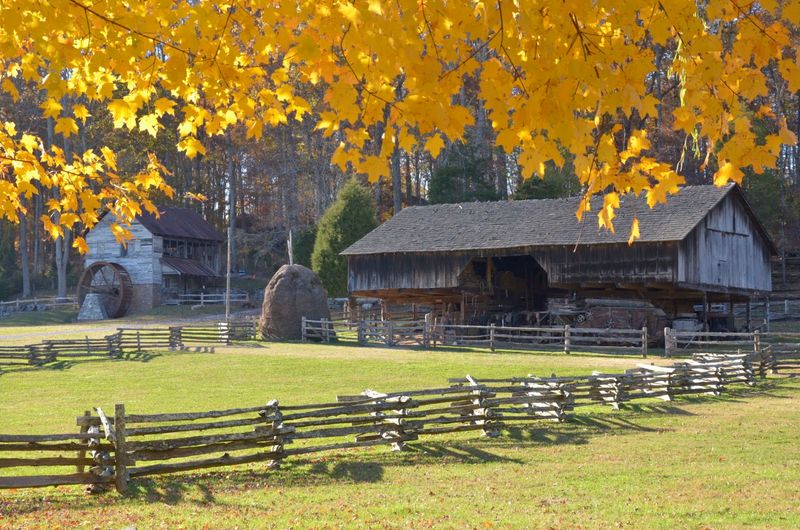
Just off Interstate 75 in Clinton, Tennessee, there is a place where goats wander past hand-built log cabins and peacocks strut like they own every inch of the grounds. The Museum of Appalachia is a Smithsonian-affiliated open-air museum that saved thousands of everyday mountain treasures from being forgotten.
It grew out of one man’s stubborn love for his neighbors and their stories, and today it lets you walk straight into pioneer life. If you have zipped past the sign on your way to the Smokies for years, this is your reminder to finally pull off and stay a while.
Where to Find This Clinton Time Capsule
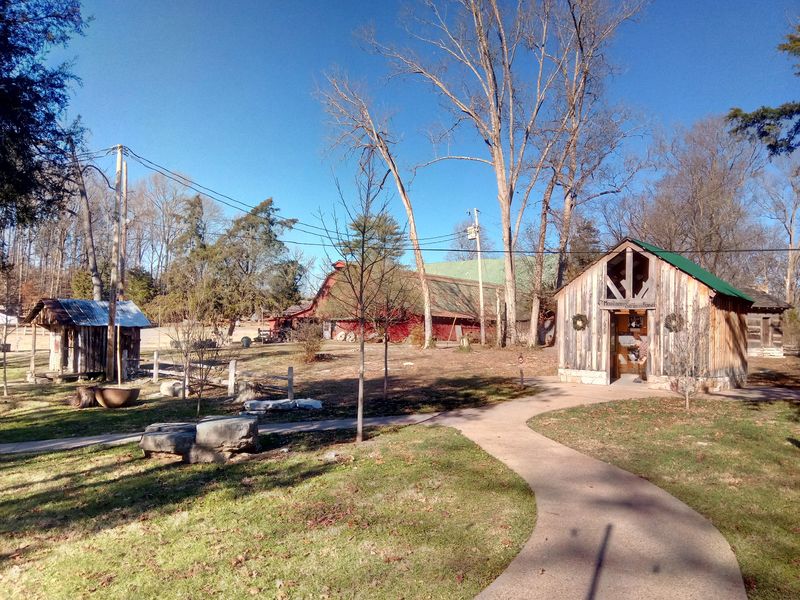
Set on rolling farmland at 2819 Andersonville Hwy in Clinton, Tennessee, the Museum of Appalachia sits close enough to the interstate that folks say it is easy to reach and simple to navigate. Anderson County residents have driven past the turnoff for years on their way to the mountains, only to discover later how much they were missing.
The property spreads across acres of pioneer buildings, exhibit halls, and open pasture rather than a single building you breeze through in an hour. Being Smithsonian-affiliated puts it in rare company, yet it never feels stuffy or corporate.
What lands right away is the scale. Plenty of guests admit they arrived expecting to spend sixty minutes and ended up staying three or four hours instead.
There is free parking, a gift and antique shop near the main house, and enough ground to let restless kids stretch their legs safely.
Sitting just north of Knoxville, it makes an easy weekend target for anyone rolling in from Kentucky, Georgia, or the Carolinas. Consider it the kind of stop that rewards the traveler willing to take the exit nobody else bothers with.
One Man’s Promise to Remember His Neighbors
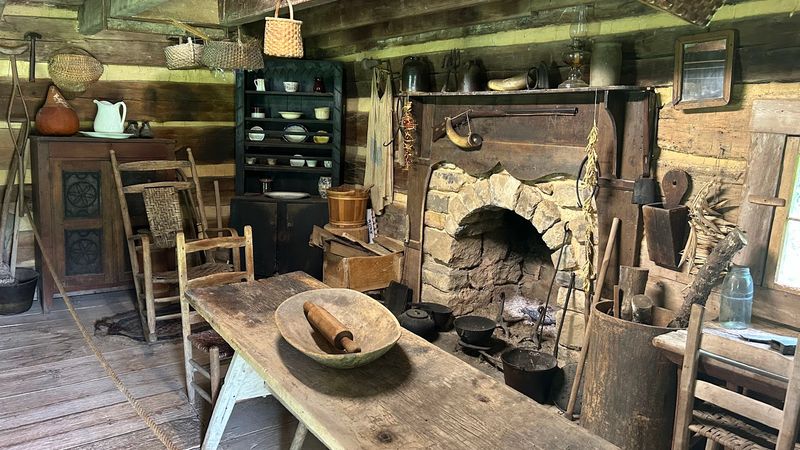
Every artifact here traces back to a single person’s determination to preserve the stories of friends and neighbors that might otherwise have vanished. That founding vision runs through the whole place like a thread, giving weight to objects that could easily have been tossed in a barn and forgotten.
Guests often walk away moved by how personal the collection feels, as though a neighbor rather than a distant institution assembled it all. The founder’s daughter even hand-wrote many of the relic descriptions, and those handwritten cards add a warmth you rarely find in a glass-case museum.
There is a real appreciation for the Appalachian people and their culture baked into every corner. Rich and famous names share space with wood carvers, crafters, and ordinary farmers, and each gets equal billing.
People come away saying the everyday folks feel just as compelling as the celebrated ones. One young visitor reportedly wondered aloud why history classes could not feel this alive, and that reaction sums up the museum’s quiet magic.
Preservation here is less about dusty relics and more about keeping human voices from slipping away.
Cabins, Cornbread History, and Famous Former Owners
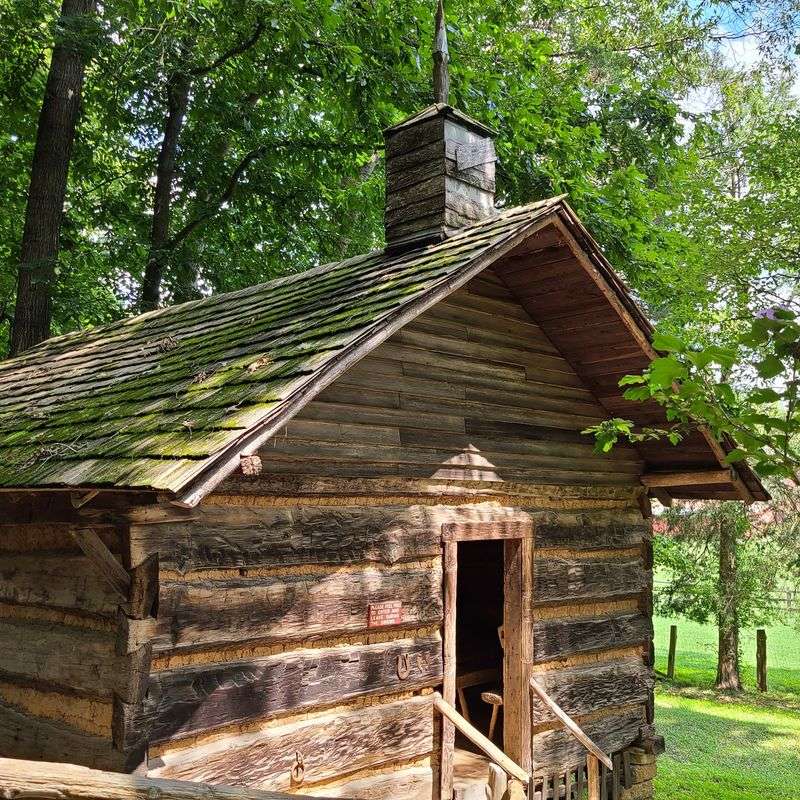
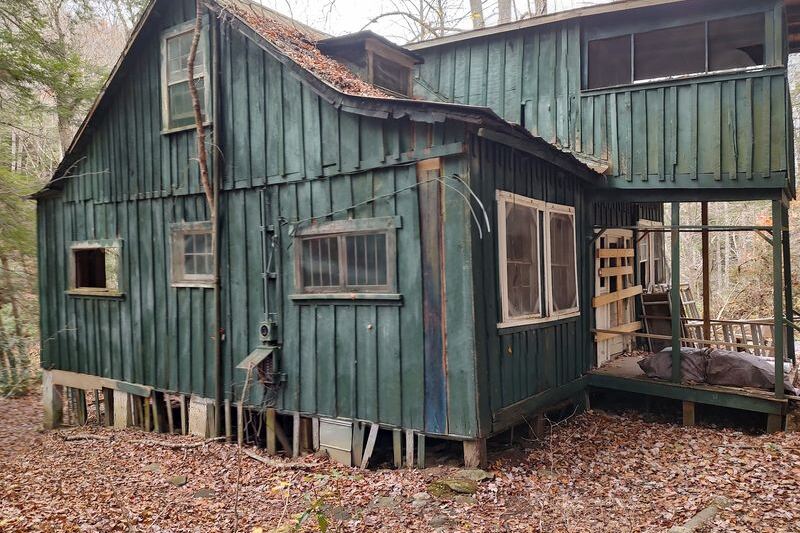
Wandering the grounds means crossing paths with roughly 38 historic buildings, from humble log cabins to a towering old mill. A one-way path threads through them all so you never lose your place or miss a stop along the way.
A few structures carry surprising pedigrees. There is a cabin connected to Daniel Boone lore that was used in filming a Daniel Boone show, plus a home tied to Samuel Clemens, better known as Mark Twain.
Standing where those names once lingered gives the ordinary log walls a jolt of significance.
Barns, mills, and homesteads round out the collection, each showing what daily life looked like a hundred years ago. Some interiors hold extensive exhibits packed with tools and household goods, while others simply let the bare rooms speak for themselves.
Homesteading and agriculture take center stage, so you leave with a real sense of how mountain families fed and clothed themselves. History buffs tend to slow way down here, reading every panel and lingering in doorways.
It is the sort of setting where an afternoon disappears before you notice.
The Feathered and Four-Legged Locals
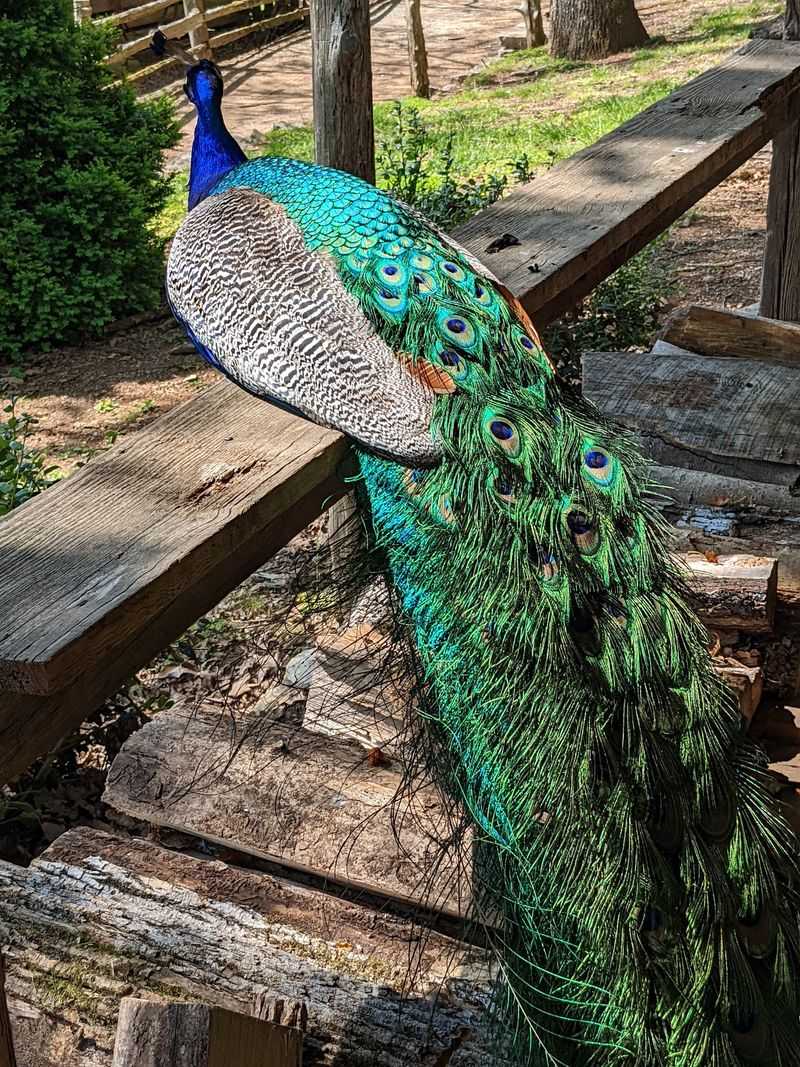
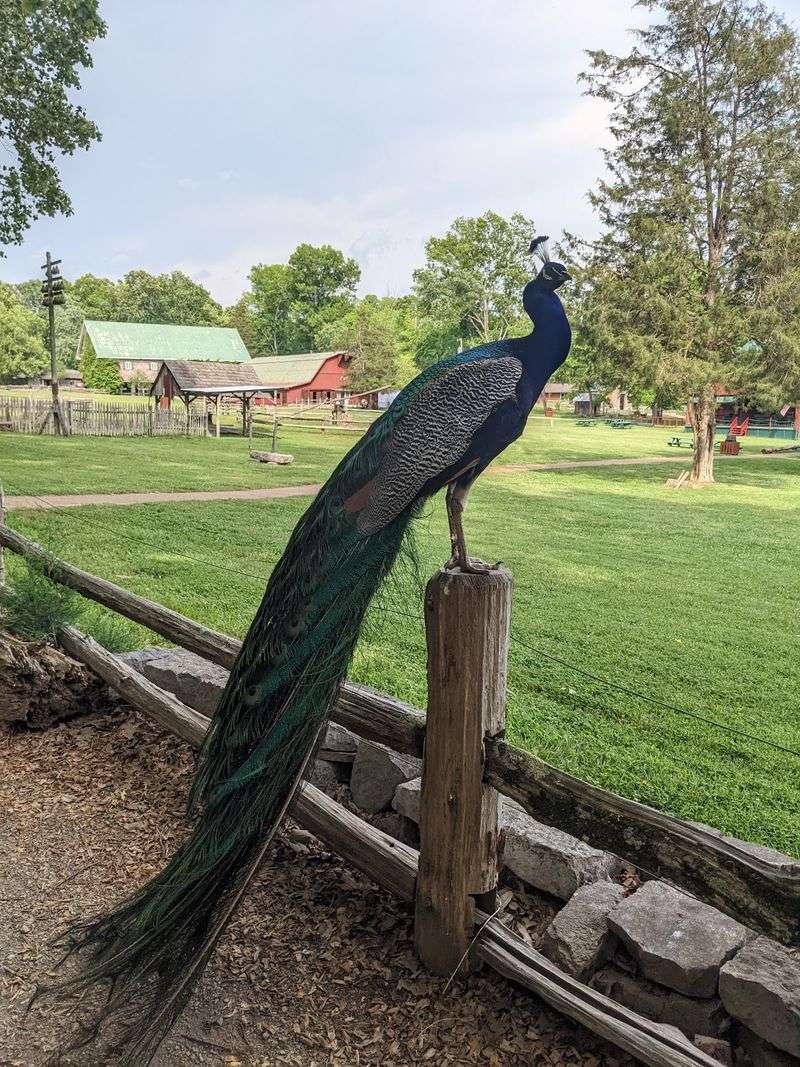
Nothing catches newcomers off guard quite like the resident animals that roam the property with total confidence. Peacocks are the undisputed stars, strutting across the paths in bold, colorful glory, and they show up again and again in the stories guests bring home.
They are far from the only critters, though. Goats amble around the buildings, and you might also cross paths with chickens, roosters, geese, ducks, pigs, miniature horses, sheep, and a few cats keeping watch.
The free-ranging crowd does more than entertain. Families mention how the animals make the whole site feel homey and lived-in rather than deserted like some historic parks can feel.
Kids especially light up when a peacock or a goat appears out of nowhere between two cabins. There is plenty of open space for little ones to move around safely while the animals do their unpredictable thing.
The museum owners have even joked that you are welcome to dine outdoors alongside the peacocks. Between the history and the livestock, the grounds strike a rare balance of learning and pure delight.
Stories That Read Like Your Neighbor Wrote Them
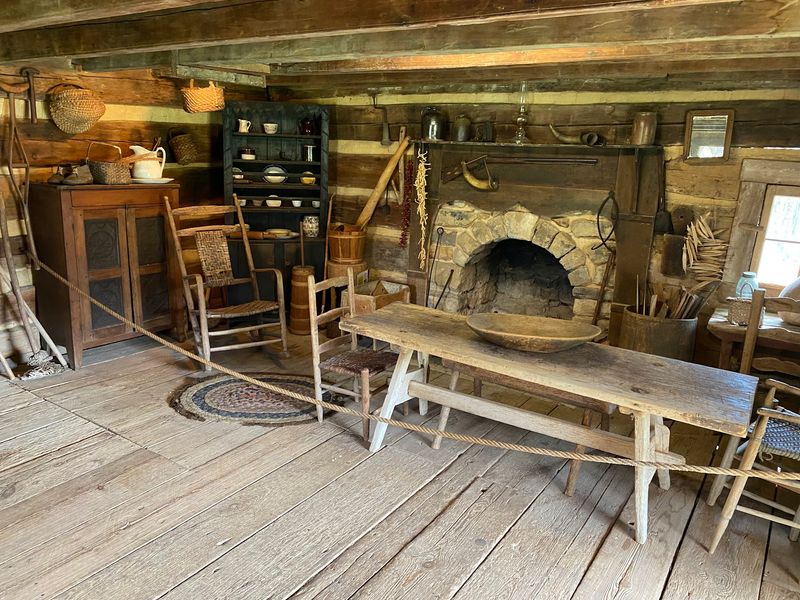
Housed in that first building, the Hall of Fame is where many guests say the museum truly rises above other pioneer collections. The original director gathered so many great stories that some people admit they could not possibly read them all in one visit.
Spread across two floors, the information comes arranged in an engaging, easy-to-follow flow rather than dry facts scattered at random. Tennessee residents in particular get a dose of local pride, since the displays sprinkle in state highlights and hometown heroes.
Detailed profiles of specific individuals from the area make the exhibits feel personal, even to people who already know the time period well. That human focus is exactly what keeps folks lingering far longer than they planned.
One family spent a full three hours in the Hall of Fame alone and still had to leave more unexplored. The curation earns steady praise for being clean, organized, and genuinely absorbing.
It has the feel of a place where your neighbor or friend happened to be the curator, which is precisely the effect the founders were after.
A Family Day That Actually Holds Everyone’s Attention
Bringing children here turns out to be a smart move, since the whole property works like a hands-on classroom. Some kids receive little maps to stamp as they move from building to building, earning a prize at the end, which keeps young explorers motivated.
Multiple generations tend to enjoy it together, with grandparents, parents, and teenagers all finding their own pace. There is enough open ground for kids to roam safely, and the surprise animal appearances keep even reluctant visitors smiling.
The grounds also host special events that pull families back season after season. A Candlelight Christmas celebration lets children wander decorated houses while crafts and music fill the air, and summer brings a lively Independence Day Anvil Shoot celebration.
Musicians sometimes play traditional Appalachian instruments, including a dulcimer group that performs in the Visitor Center on most Mondays. Between animals, buildings, and story stops, the museum becomes an easy learning option that never feels like a lecture.
For a weekend outing that pleases both the six-year-old and the sixty-year-old, it is hard to top.
Hours, Admission, and the Café to Time Right
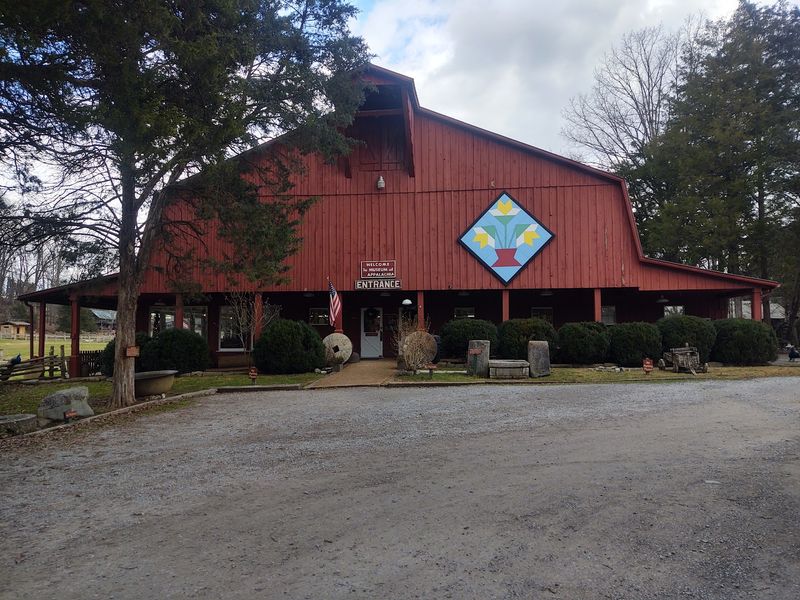
Planning a visit is refreshingly simple, since the museum keeps consistent hours seven days a week, open 9 AM to 6 PM from Sunday straight through Saturday. Parking is free, and most days the tour is self-guided, so you follow the numbered path at your own speed.
Admission runs around $20, and folks are honest that the overall experience leans a little pricey. That cost, the museum explains, goes toward preserving the extensive collection, educational programming, facility upkeep, and caring for all those animals.
The on-site café is beloved by locals for homemade Southern cooking at reasonable prices, but timing matters. Hours can vary and the kitchen is limited, especially midweek, so regulars suggest arriving early, ideally before the lunch crowd and well ahead of mid-afternoon.
The gift shop deserves its own visit, stocked with jellies and fruit butters, souvenirs, and crafts. Occasional guided tours of the Pioneer Village pop up, with dates announced on the museum’s social media the weekend before.
Pack a few extra dollars for the jelly wall, and set aside more time than you think you will need.
Why This Detour Deserves a Spot on Your List
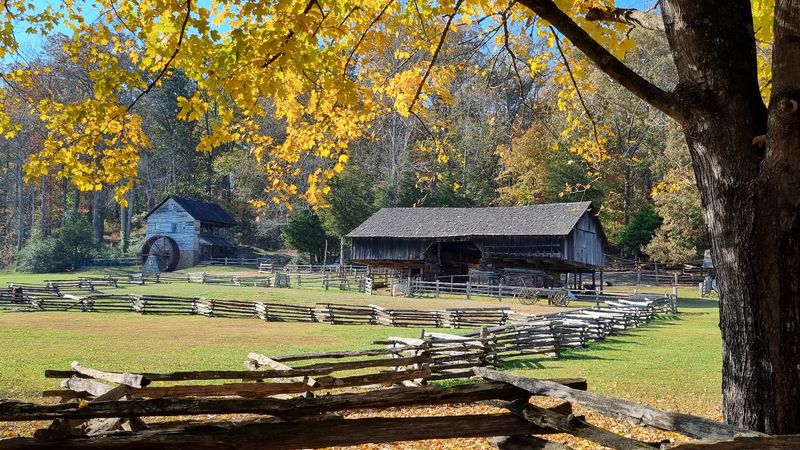
After years of watching travelers speed past on their way to the Smokies, the Museum of Appalachia quietly proves it was worth stopping for all along. Guests who finally pull off the interstate tend to kick themselves for waiting so long, and then start planning a return trip before they even leave.
What sticks with people is the blend of thoughtful history and unexpected joy, where a carefully written story sits just a few steps from a peacock or a curious goat. The property rewards curiosity, whether you spend ninety minutes or half a day walking its paths.
Holding a steady 4.7-star reputation across hundreds of guests, it clearly resonates with families, history lovers, and road-trippers alike. It captures the culture of Appalachia in a way that feels friendly and personable rather than distant.
For Tennessee locals looking to show off their state, and for near-state neighbors hunting an affordable weekend escape, this Clinton treasure delivers. Go hungry, go curious, and give yourself more time than you expect.
The mountain stories waiting here are the kind you carry home for good.
Share this story