New Jersey has a talent for hiding major surprises in plain sight, and Princeton may have one of the best examples on a college campus. Behind the daily rhythm of classes, sidewalks, and campus tours stands a chapel with towering Gothic stonework, carved details, and stained glass that feels far bigger than a quick stop.
It is not tucked in some remote corner or locked away for scholars only. Keep reading, because this university chapel turns a simple Princeton outing into a surprisingly rich look at architecture, history, music, and one of the state’s most memorable free indoor stops.
A Campus Landmark In Princeton
A college campus is not where everyone expects to find one of New Jersey’s most dramatic Gothic buildings, which is exactly why Princeton University Chapel gets such a double take. The chapel is at Princeton University Chapel, Princeton, NJ 08544, in Princeton, New Jersey, United States, right within the Princeton University campus.
That campus setting matters because the building does not sit apart like a detached monument. It belongs to the university’s daily landscape, with academic buildings nearby and a steady campus rhythm around it.
The chapel is open to the public, which gives the stop a rare mix of grandeur and accessibility. A person can add it to a Princeton walk without planning an elaborate itinerary or buying a ticket.
Its role is also larger than a pretty backdrop. The chapel functions as a sacred and ceremonial space while also standing as a major architectural feature of the university.
For New Jersey residents who enjoy finding proof that the state has serious historic range, this is a rewarding example. Princeton University Chapel turns a familiar college town into a place where local pride can look upward, quite literally, at stonework built to last.
A 1928 Gothic Revival Story
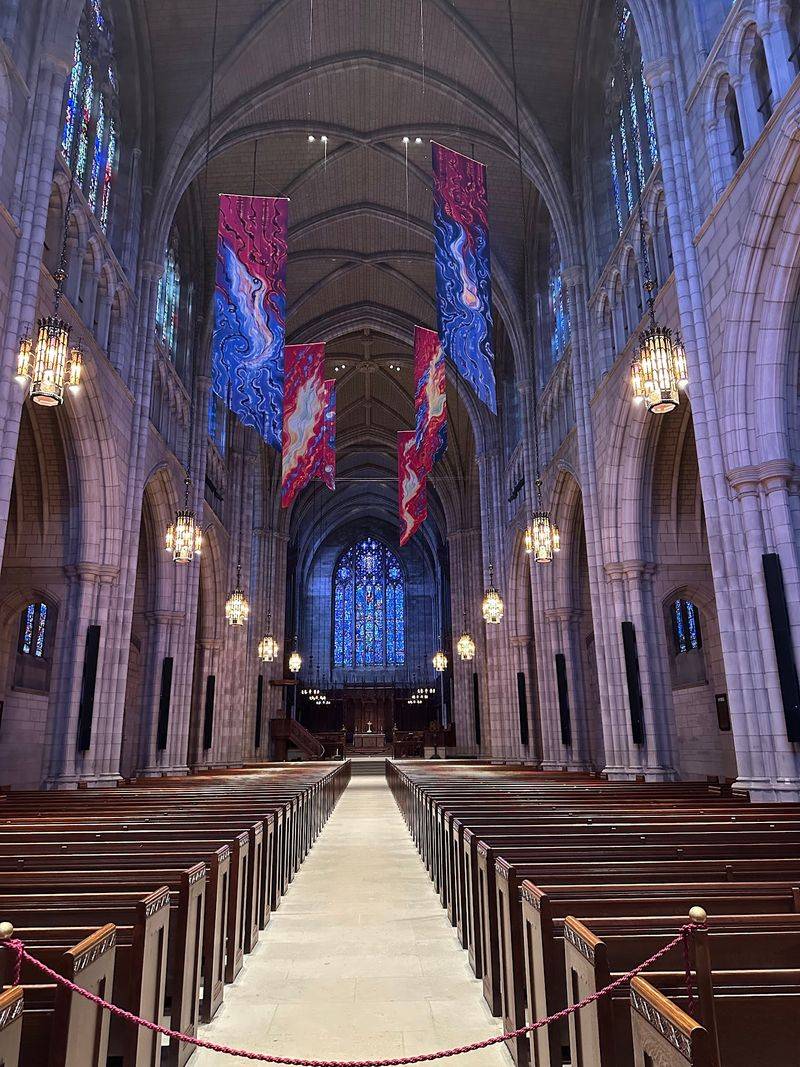
The story begins in 1928, when Princeton University Chapel was completed during a period when American universities often used architecture to express tradition and ambition. Its designer was Ralph Adams Cram, a leading American Gothic Revival architect of the early 20th century.
Cram’s name matters here because he designed churches, cathedrals, and university buildings across the country. Princeton’s chapel is often treated as one of his major works, and its design shows why.
The chapel draws from English medieval cathedrals, French Gothic churches, and the chapel traditions of Oxford and Cambridge. Those influences appear in the pointed forms, the long interior arrangement, and the careful attention to symbolic detail.
Yet the building is not a copy of one European place. It was planned for Princeton, with a restrained tower that fits the campus rather than overpowering it.
That decision keeps the chapel connected to the university around it. The result is formal without feeling removed from campus life.
For a state often reduced to quick stereotypes, this backstory is a useful correction. New Jersey can claim a nationally significant collegiate chapel, and it has been standing in Princeton for nearly a century.
Sandstone Walls With Academic Weight
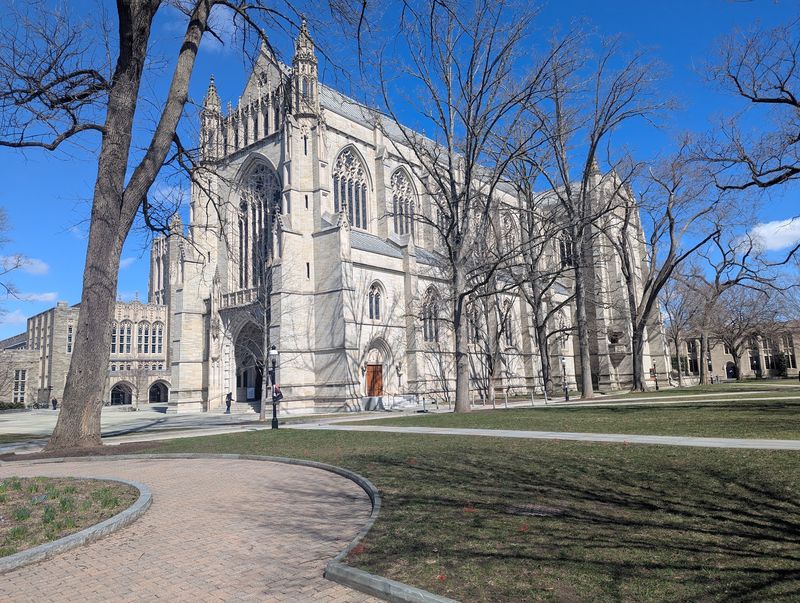
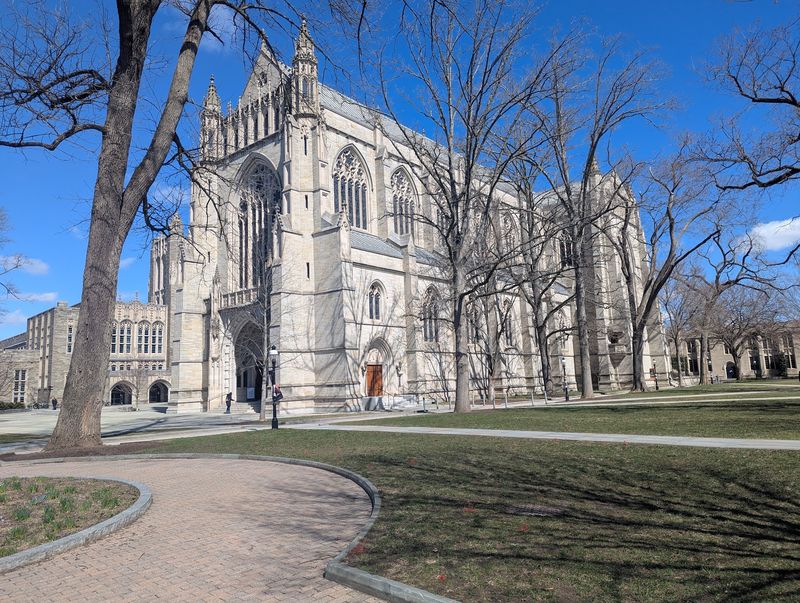
Stone can make a building feel serious before a person has read a single plaque, and the chapel’s sandstone exterior does that job with confidence. Its walls help ground the building in the Collegiate Gothic look that gives parts of Princeton such a recognizable character.
The exterior includes flying buttress-like supports, pinnacles, finials, pointed traceried windows, sculptural portals, and tall clerestory walls. Those details are not random decoration, since Gothic Revival design relies on vertical lines, craft, and symbolic form.
The chapel is also large for a university chapel. It is about 277 feet long and seats around 2,000 people, placing it among the largest university chapels in the world.
Scale is one of the reasons the building keeps people lingering on campus. It has enough presence to anchor a walk, but the restrained tower keeps it from feeling separated from the university setting.
That balance is part of the architectural intelligence at work. The chapel announces itself, then folds back into Princeton’s broader landscape of stone buildings and academic paths.
For a quick stop, there is a lot to study before reaching the door. The outside alone can turn a casual Princeton errand into an architecture break with actual substance.
The West Facade Of Scholars And Saints
A good facade can act like a table of contents, and the chapel’s west side gives readers plenty to decode. Its deeply recessed Gothic portals are among the most striking features of the exterior.
The carvings include figures representing scholars, saints, philosophers, and historical thinkers. That mix fits a university chapel especially well because it links spiritual tradition with the world of learning.
Instead of presenting the building as only a worship space, the facade frames it as part of a broader intellectual project. Princeton’s chapel was built for a campus, so its symbols reach into education, thought, and cultural history.
The detail also rewards anyone who slows down. A quick glance gives the basic Gothic impression, but a longer look reveals how many small choices are worked into the stone.
Even a small detail has a campus story attached. A docent shared that pinecones sculpted into the exterior are a nod to the Pine family, who helped pay the $2.5 million construction cost.
That little fact gives the stonework a human connection, not just an architectural one. The west facade is not merely an entrance, it is a carved argument that faith, study, memory, and craft can share the same doorway.
A Nave Built For Ceremony
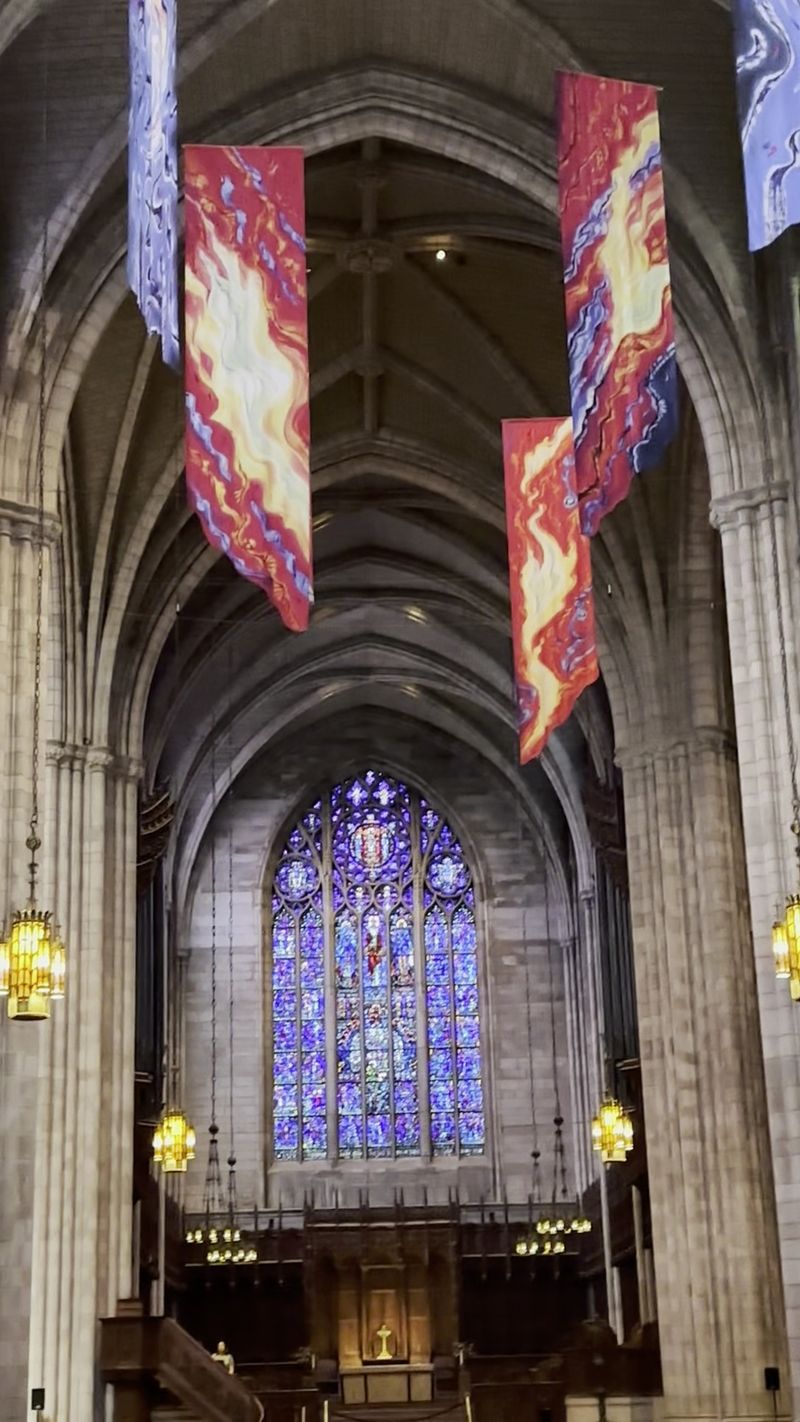
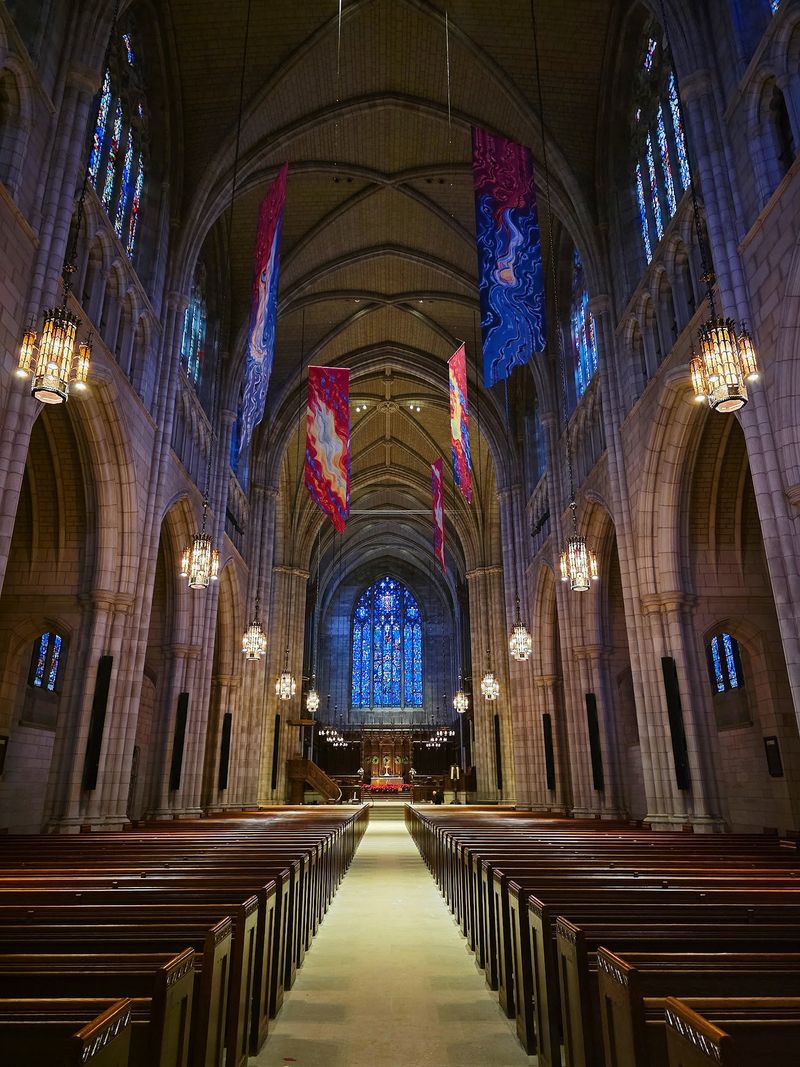
The inside changes the pace of a campus visit fast, partly because the chapel was built around procession and ceremony. Its long axial nave draws attention forward, while the high rib-vaulted ceiling emphasizes the vertical character of Gothic design.
The arrangement is not accidental. Gothic architecture often uses height, repetition, and line to guide attention, and Princeton University Chapel follows that tradition in a way that fits a ceremonial university setting.
Dark wood seating contrasts with pale stone inside the chapel. That combination helps define the long interior space without turning it into something cluttered or overly complex.
Capacity also shapes the experience. With seating for around 2,000 people, the chapel can support major gatherings, performances, services, and campus occasions.
The scale may surprise anyone expecting a modest campus chapel. This is not a small side room with a steeple attached, but a major interior built with an institutional purpose.
That sense of purpose is what makes the nave one of the chapel’s most important features. It gives the building room to function as a place for reflection, ceremony, and architecture-minded wandering, all under one very ambitious roofline.
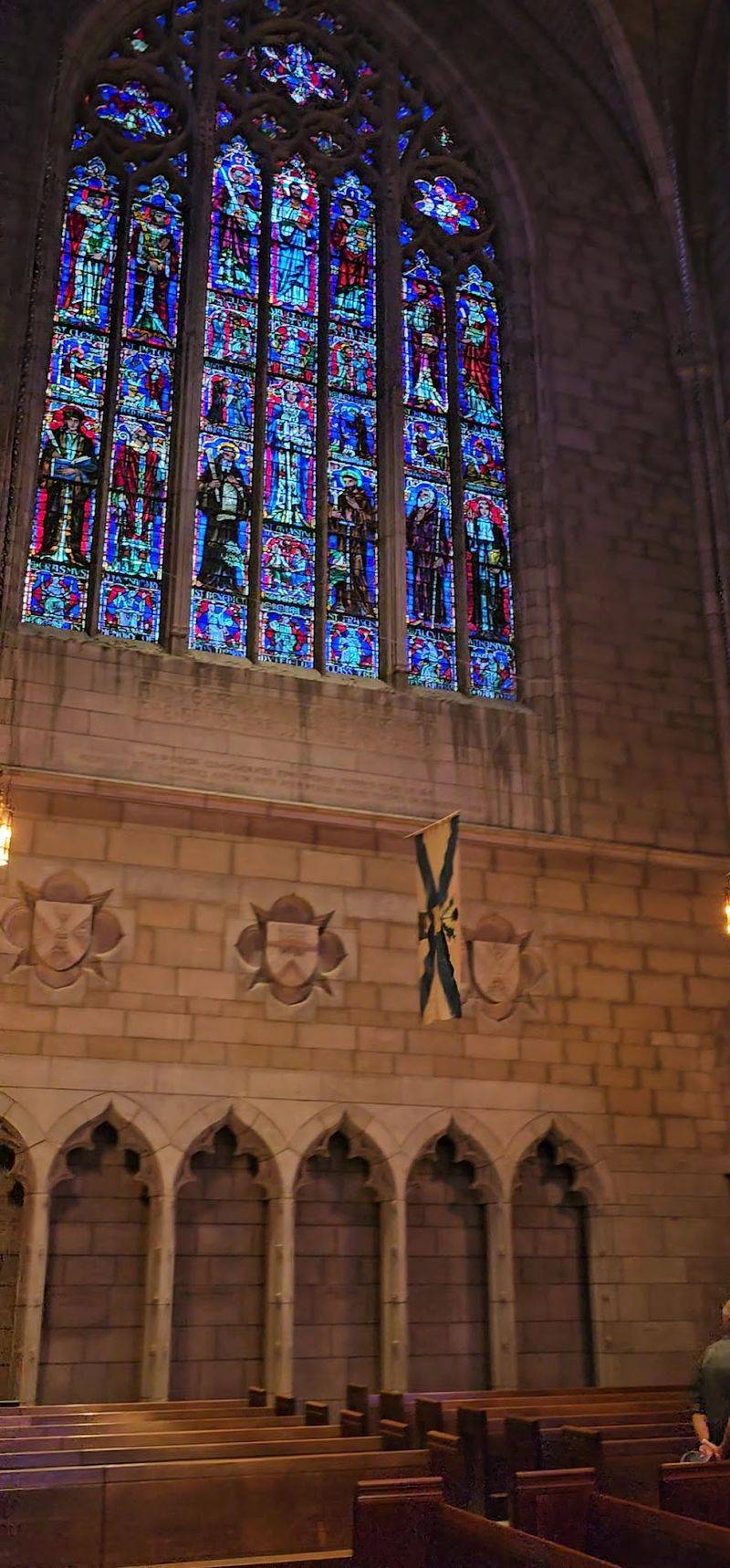
Stained Glass With A Storybook Brain
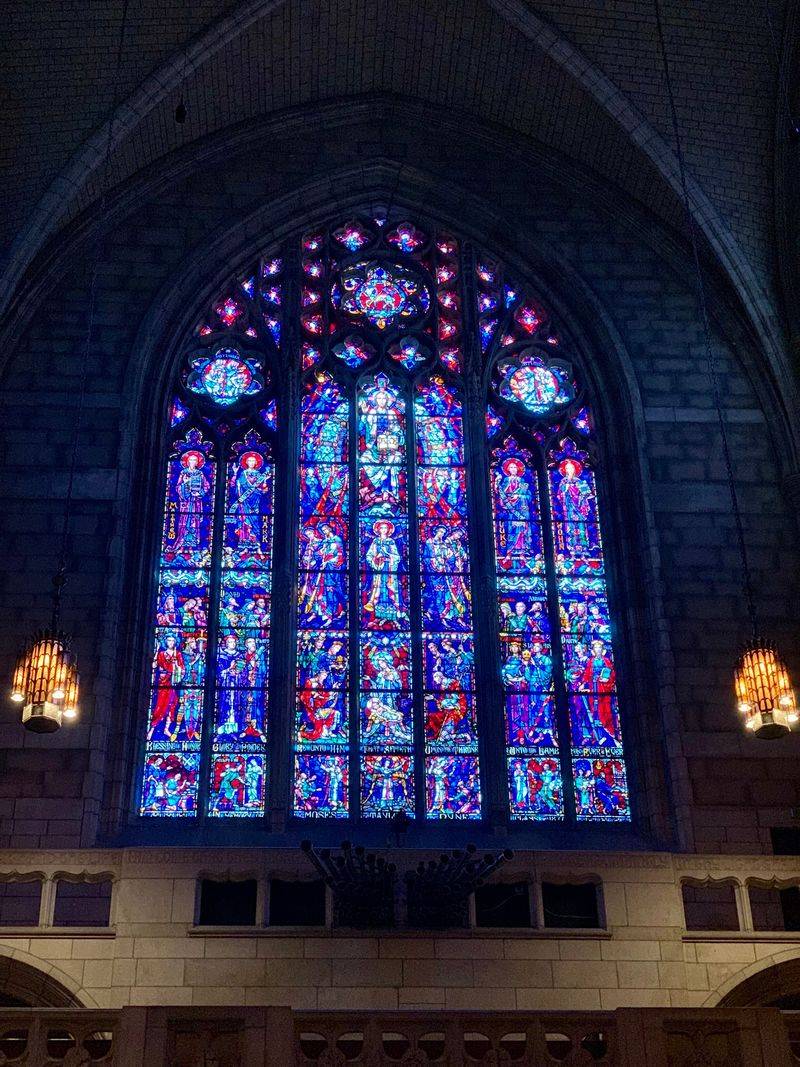
Here is where the chapel gets especially Princeton. The stained glass is not limited to traditional religious scenes, because the windows also include academic symbolism and secular intellectual history.
Figures and references connected with scientists, poets, philosophers, and educators appear in the glass. Isaac Newton, Johann Wolfgang von Goethe, and Dante Alighieri are among the names associated with the chapel’s window program.
That combination gives the building a distinctive identity. It reflects an attempt to bring religious tradition and modern academic humanism into the same architectural conversation.
The result is one of the features most often remembered after a visit. The glass functions like a lesson plan written in color, but without requiring a classroom chair or a syllabus.
Its value is not only decorative. The windows help explain what Princeton wanted the chapel to represent, which was not just devotion, but also learning, inquiry, and cultural memory.
That layered meaning gives the stained glass its storybook quality without turning it into fantasy. It is beautiful, yes, but it is also deeply tied to the university’s idea of knowledge as something worth placing in stone and glass.
Ceilings That Pull The Eye Upward
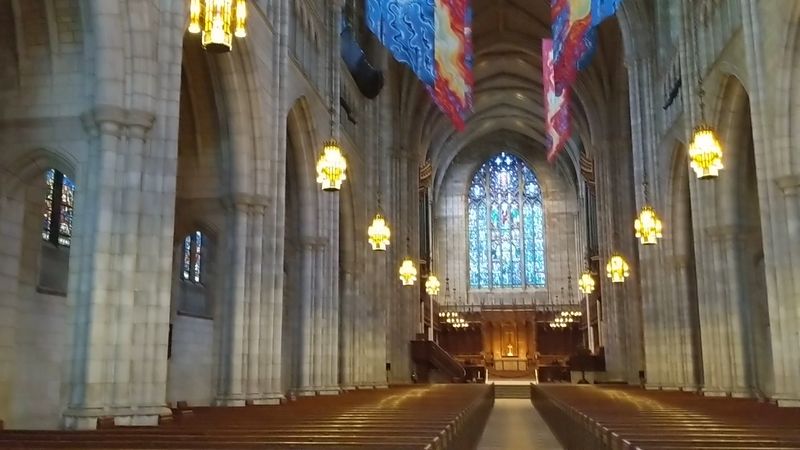
Necks may not file formal complaints, but the ceiling here gives them a workout. The chapel’s rib-vaulted design is one of the clearest expressions of its High Gothic Revival style.
Those ribs do more than decorate the ceiling. They organize the interior space and direct attention upward, reinforcing the vertical emphasis that defines much of Gothic architecture.
The high ceiling also works with the chapel’s long nave. Together, they create a strong sense of direction, moving the focus from the entrance toward the altar area.
Princeton University Chapel was designed with ceremony in mind, and the ceiling helps make that purpose legible. It turns the room into a structured path rather than a simple open hall.
The craftsmanship is part of the appeal for architecture fans. Stone, proportion, and repeated forms all contribute to a design that feels carefully planned rather than merely grand for the sake of size.
That is why the ceiling deserves its own pause. In a building full of famous glass and carved stone, the vaulting quietly explains the whole Gothic idea: lift the attention, guide the movement, and give the space a sense of order.
The Organ And Choral Tradition
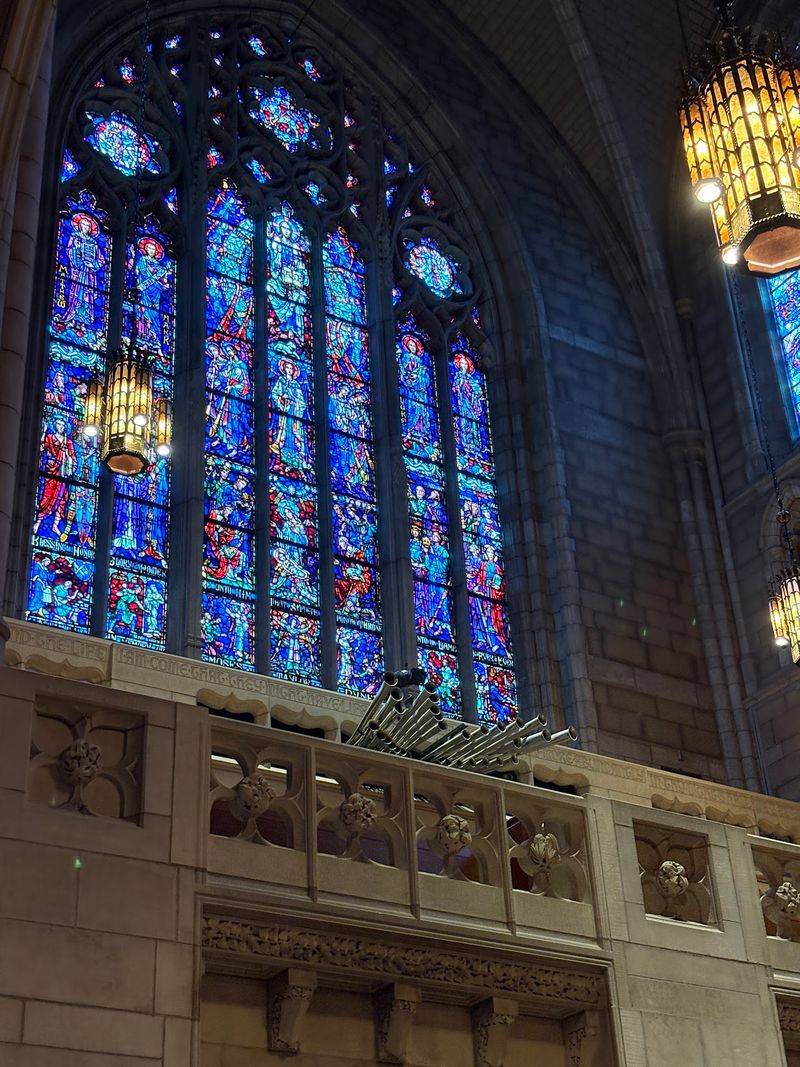
Music has a serious role in the chapel’s reputation, and not only because the building looks formal enough for a major performance. The chapel is known architecturally for acoustics, including long reverberation times, resonant organ sound, and strong choral projection.
The space was designed with sound in mind as well as sight. That makes sense in a chapel where services, concerts, choir programs, and ceremonial events are part of the building’s public life.
The organ is a major part of that identity. People regularly connect the chapel with organ music, choral singing, and the way the large interior supports performance.
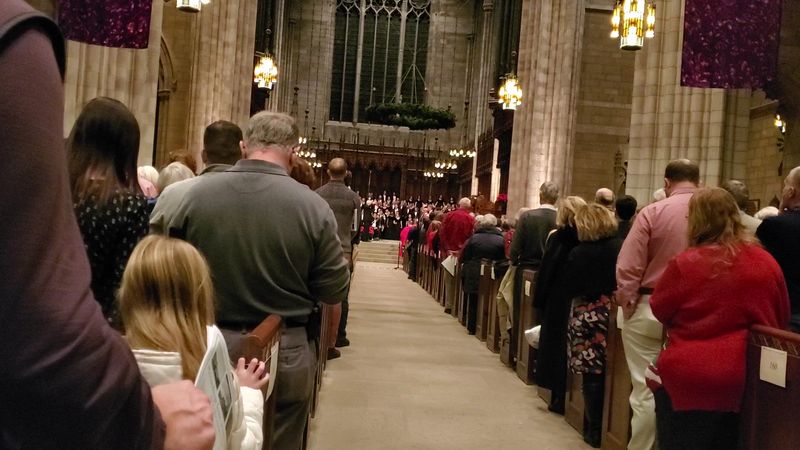
Princeton University Chapel has also hosted choir events, including school choir performances. Those gatherings show how the building serves both the university and the broader public.
Checking the chapel’s official website before a trip is a smart move for anyone hoping to attend a program. Schedules can matter, since the same building may function differently during services, events, tours, and open visiting hours.
Even without an event on the calendar, the musical design adds another layer to the stop. The chapel is not only architecture to look at, but a space planned for voices, organ, and ceremony to work together.
A Free Stop With A Big Payoff
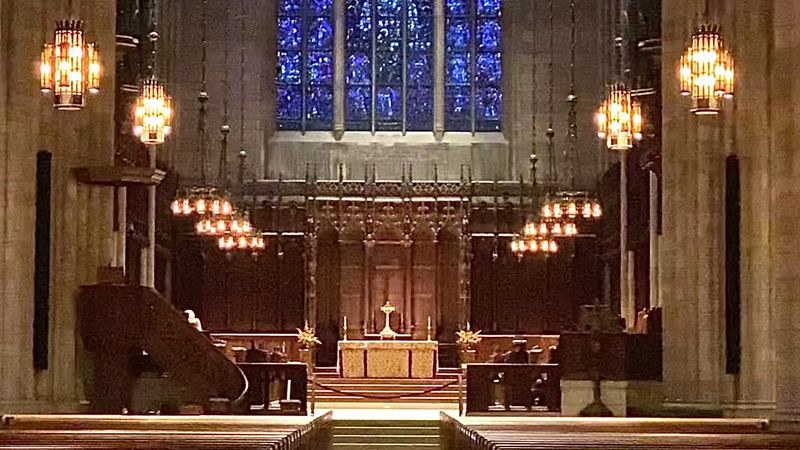
Free things in New Jersey that feel truly substantial deserve a little applause, even if the chapel itself calls for decorum. Entry to Princeton University Chapel is free, according to shared visit information, though guests are expected to follow rules and behave respectfully.
That detail makes the chapel especially useful for a Princeton day trip. It can fit into a campus walk, a downtown outing, or a short architecture-focused visit without adding a ticket cost.
The free access also makes the scale more surprising. A place this large, historic, and detailed can be entered without turning the stop into a formal tour purchase.
Respect is still part of the deal. Because the chapel is an active sacred and ceremonial space, a casual stop should not be treated like a loud photo session or a shortcut through campus.
That balance is simple enough. Enter quietly, follow posted guidance, and remember that the building may be serving different purposes depending on the day.
For local readers who like low-cost outings with genuine payoff, this is the kind of place that helps New Jersey win arguments. It is accessible, impressive, and grounded in a real campus story rather than a manufactured attraction.
Public Hours Worth Checking
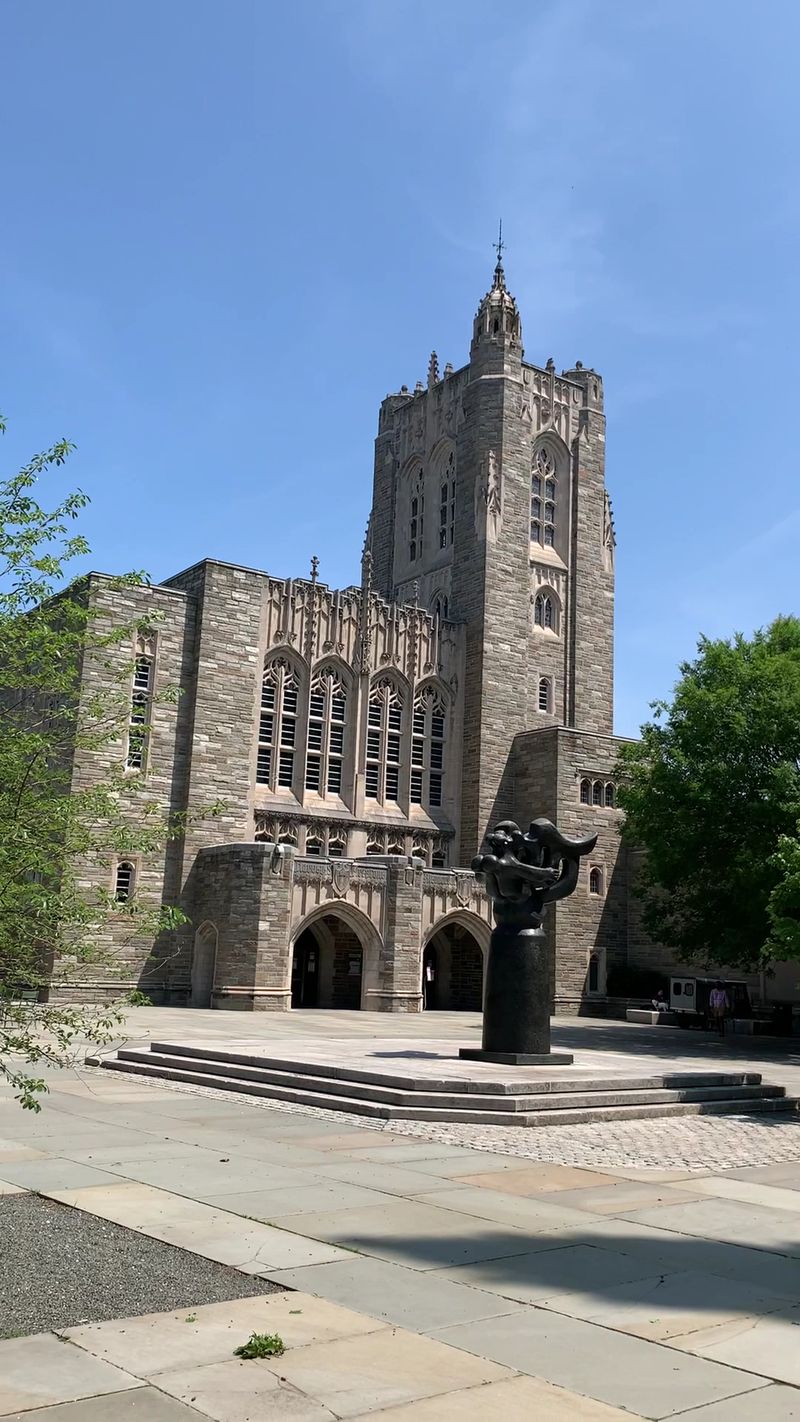
A good plan beats a locked door, especially on a campus where schedules can shift around services and events. Google Maps lists Princeton University Chapel as open daily from 9 AM to 11 PM, with the same hours shown for Monday through Sunday.
Those broad hours make the chapel easier to include in a Princeton outing. Morning, afternoon, and evening visits all appear possible under the listed schedule.
Still, the official chapel website is worth checking before making a special trip. Events, religious services, performances, university needs, or building policies can affect access at particular times.
The website listed for the chapel is religiouslife.princeton.edu/chapel. It is the most relevant place to look for chapel information tied to Princeton University’s own office.
Planning around the calendar can also improve the visit. Someone interested in music may want an event, while someone interested in architecture may prefer a quieter open period.
The hours are generous, but the setting deserves a thoughtful approach. A small amount of planning helps keep the visit smooth, respectful, and focused on the parts of the chapel that drew people there in the first place.
Campus Context Around The Chapel
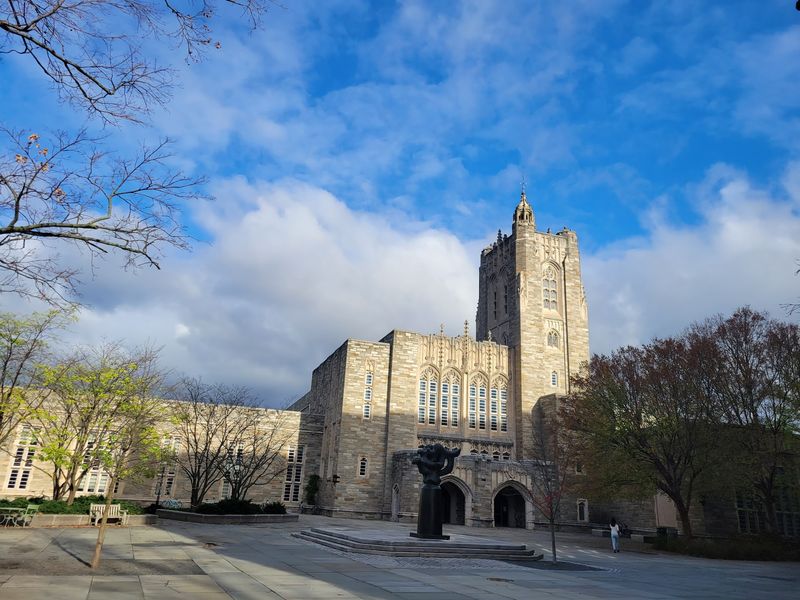
Princeton’s campus gives the chapel a strong supporting cast. The building is surrounded by other architectural landmarks, which helps explain why it feels connected to a larger place rather than standing alone.
The chapel adds to the campus character because its Gothic Revival style fits the university’s historic visual language. Stone buildings, academic spaces, and ceremonial architecture all work together in this part of Princeton.
That broader context is useful for day-trippers. A chapel stop can be part of a campus walk, rather than a single-purpose visit that ends after a few minutes.
People exploring Princeton University should remember that not every campus building is open to the public. The chapel, however, is identified as open to the public, making it one of the more accessible indoor highlights.
That distinction matters because it keeps expectations realistic. A campus can be explored from public paths and open spaces, but interior access varies by building and circumstance.
Princeton University Chapel works well as a centerpiece for a respectful campus route. It provides the architectural drama, the historical depth, and the practical access that make a short local trip feel more complete.
A Place For Quiet Reflection
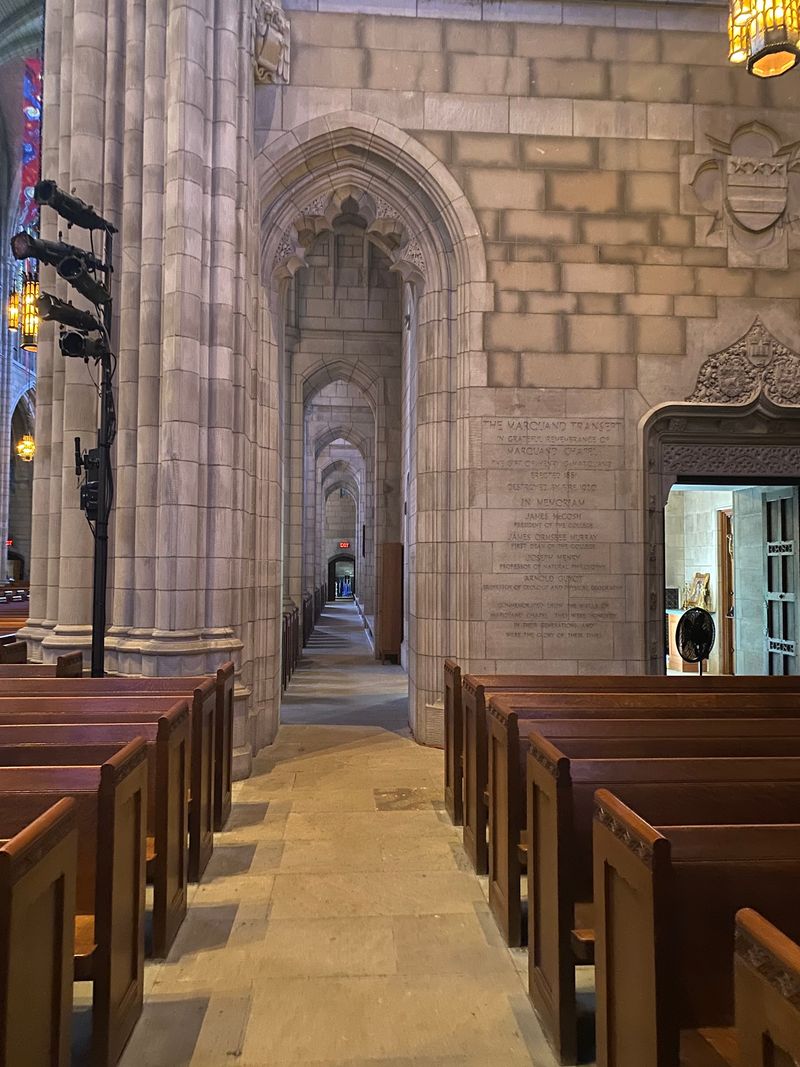
Not every impressive building needs a busy agenda. Princeton University Chapel also works as a place for prayer, reflection, and a calmer pause during a Princeton visit.
The chapel is a sacred space, and that identity remains central even when people come mainly for architecture. Its public access does not change the need for quiet behavior and basic courtesy.
People of different backgrounds may still find the building meaningful. Shared impressions often focus on the chapel’s peaceful character, its solemn scale, and the way the architecture supports reflection.
That range is part of its appeal. A person does not need to be a student, an architecture scholar, or a member of the university community to understand why the building matters.
At the same time, the chapel is not just a tourist stop. It hosts services and ceremonial events, so the public role and spiritual role overlap carefully.
That overlap is what keeps the visit grounded. The chapel invites attention, but it also asks for restraint, making it one of Princeton’s most rewarding places to slow down without turning the moment into a performance.
Small Details That Reward Patience
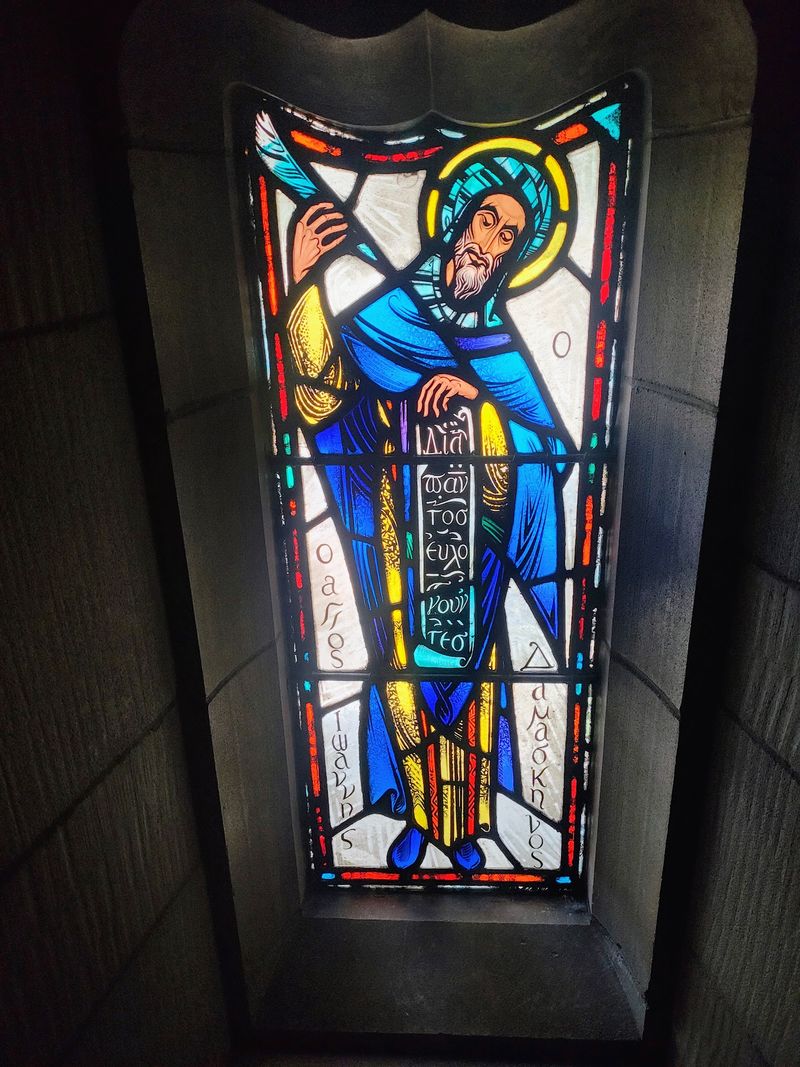
Big architecture gets the first gasp, but small details keep the brain busy afterward. Princeton University Chapel is full of features that reward a slower look, from exterior carvings to interior woodwork and symbolic glass.
The carved figures on the portals are a good starting point. Scholars, saints, philosophers, and historical thinkers turn the entrance into a kind of intellectual gathering in stone.
The pinecone detail adds a more personal thread. The pinecones carved into the exterior have been explained as a nod to the Pine family, whose support helped fund the chapel’s $2.5 million construction cost.
Inside, the wood seating, stained glass, organ, and ceiling design each contribute to the larger composition. None of those elements feels disconnected from the building’s academic and sacred purpose.
That is where the chapel becomes more than a quick photo stop. The longer someone studies it, the more the building reveals how carefully its parts were chosen.
Patience pays off here, not through hidden gimmicks, but through craftsmanship. Princeton University Chapel proves that good design can carry big meaning in tiny pieces, which is a very satisfying trick for a stone building.
A Soft Verdict For A Princeton Day Trip
Some places earn a visit because they are convenient, while others earn it because they shift expectations. Princeton University Chapel manages both, which is why it belongs on a short list of New Jersey campus landmarks worth seeing.
The practical side is straightforward. It is in Princeton, it is open to the public, entry is free, and Google Maps lists daily hours from 9 AM to 11 PM.
The richer reason to go is the building itself. Ralph Adams Cram’s 1928 Gothic Revival design, the sandstone exterior, the portal carvings, the long nave, the stained glass program, and the musical life all give the chapel unusual depth.
It suits architecture fans, Princeton day-trippers, local history lovers, people interested in sacred spaces, and anyone who likes finding proof that New Jersey has more range than outsiders assume. It is also a strong add-on to a campus walk, as long as guests stay respectful of the chapel’s active role.
The final takeaway is simple without being small. Princeton University Chapel is not hidden because no one knows it exists, but because too many people pass through Princeton without realizing how much story is waiting behind those Gothic doors.
Share this story