Somewhere along the South Carolina coastline, a small uninhabited island holds one of the most unexpected wildlife secrets in the entire United States. Thousands of rhesus monkeys roam freely across its marshes and trees, visible only from the water, completely off-limits to the public.
Most people who live just miles away have no idea this place even exists. Morgan Island is as real as it is surprising, and its story is far more fascinating than anything you might expect from a quiet Lowcountry landscape.
What Morgan Island Actually Is
Most islands along the South Carolina coast are known for beaches, history, or quiet fishing villages. Morgan Island is known for none of those things, and that is exactly what makes it so memorable.
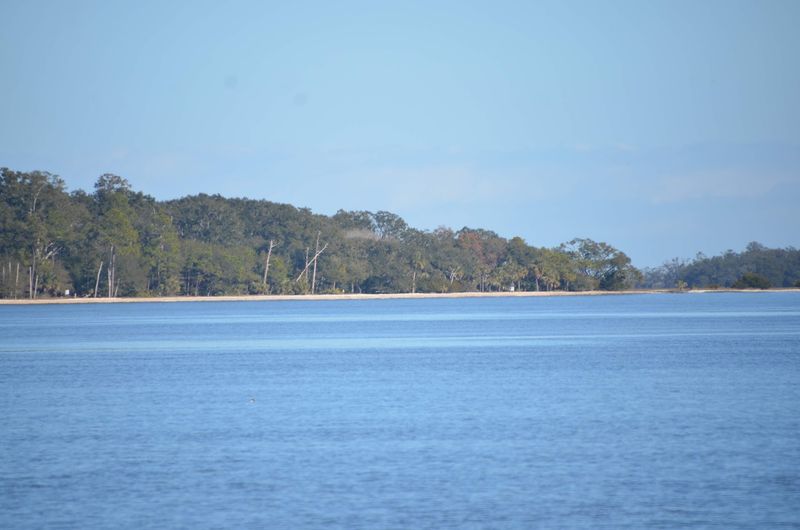
Located near Beaufort, South Carolina, Morgan Island sits within the ACE Basin, one of the largest undeveloped estuaries on the East Coast. The island is not open to the public and has no facilities, roads, or residents.
What it does have is roughly 3,500 free-ranging rhesus monkeys living across its roughly 4,400 acres of maritime forest and marsh. The South Carolina Department of Natural Resources manages the island, and access is strictly prohibited.
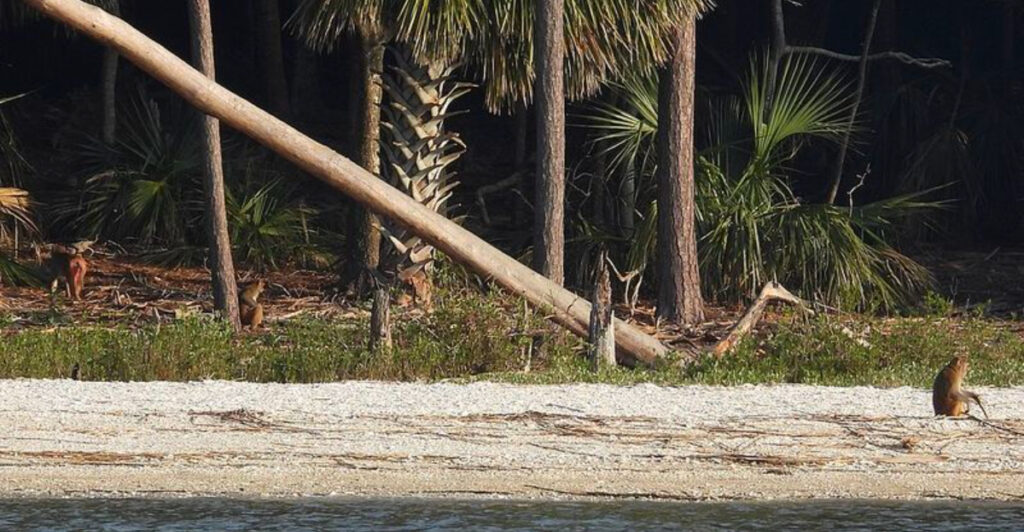
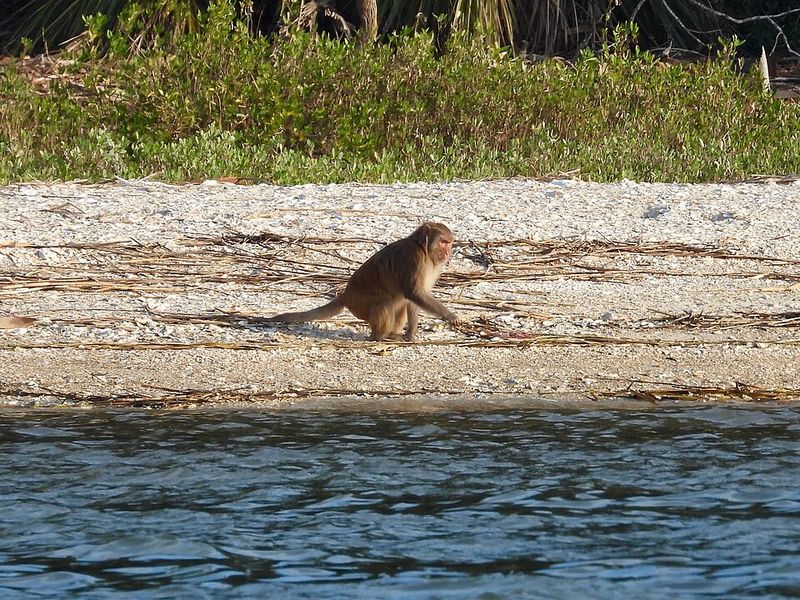
You can get close by boat, but setting foot on shore is not allowed. From the water, you can sometimes spot the monkeys moving through the tree line, which is an experience that feels almost surreal for anyone who did not know they were there.
How Thousands of Monkeys Ended Up in South Carolina
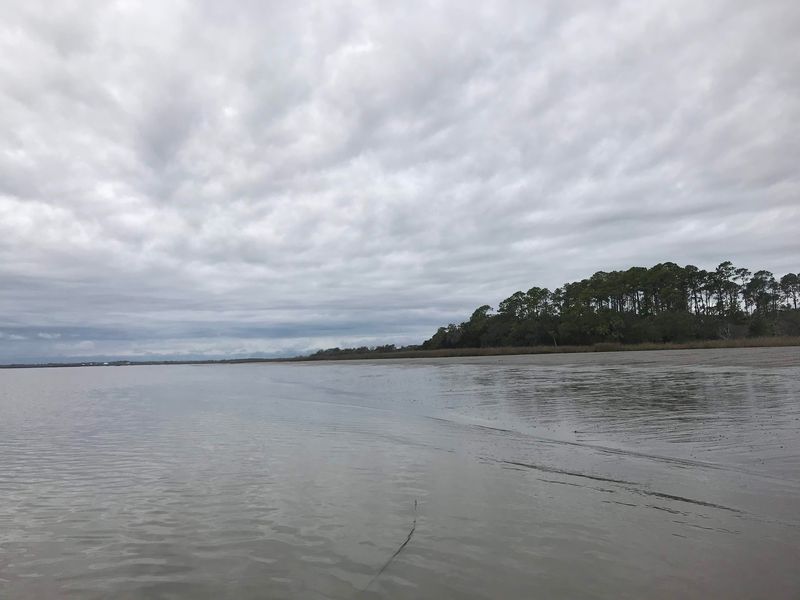
The story behind Morgan Island’s monkey population is rooted in science, not folklore. The rhesus macaques living there today are descendants of a colony originally housed at a research facility in Puerto Rico.
In the late 1970s, the Caribbean Primate Research Center needed to relocate its colony. Morgan Island was chosen as a new home, and the animals were moved to South Carolina beginning around 1979.
The island provided an isolated, self-sustaining environment where the monkeys could live with minimal human interference.
Charles River Laboratories, a biomedical research company, has managed the colony for decades. The monkeys are occasionally used in medical research studies, which is part of what funds their care and upkeep.
However, the vast majority of the population lives freely on the island year-round. Their presence there is the result of careful planning, not an accident of nature.
The Scale of the Colony Is Hard to Grasp
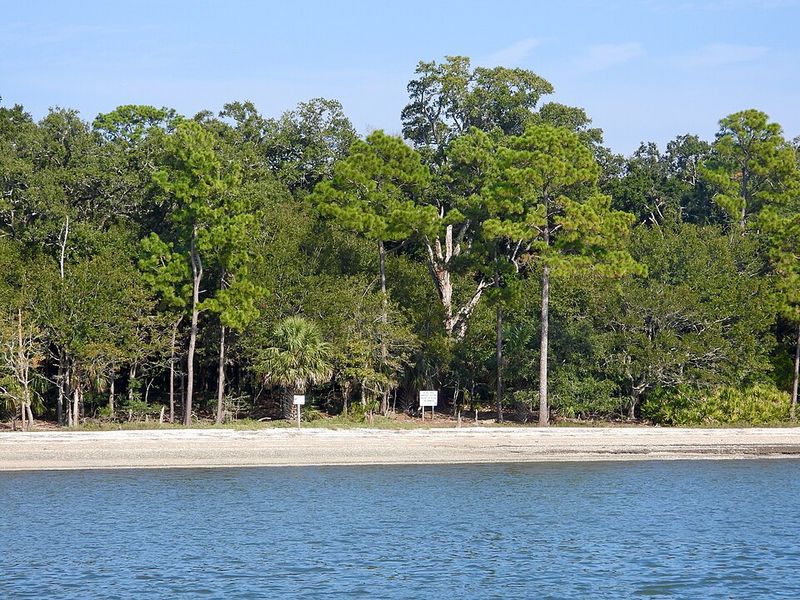
Numbers on paper rarely capture what something looks like in real life. Knowing there are roughly 3,500 monkeys on a single island sounds interesting until you start thinking about what that actually means in terms of density and behavior.
Rhesus macaques are social animals that live in large groups. They communicate loudly, move quickly through trees, and establish complex social hierarchies.
On Morgan Island, they have had decades to develop a stable, self-sustaining population with no natural predators to control their numbers.
Researchers and wildlife observers who have viewed the island from boats report seeing large groups of monkeys near the shoreline, especially in the early morning hours. The colony is monitored regularly, and population counts are conducted to track the health and growth of the group.
Seeing that many primates in a single location, in the middle of a South Carolina marsh, is something most people genuinely cannot picture until they witness it.
Why You Cannot Visit the Island
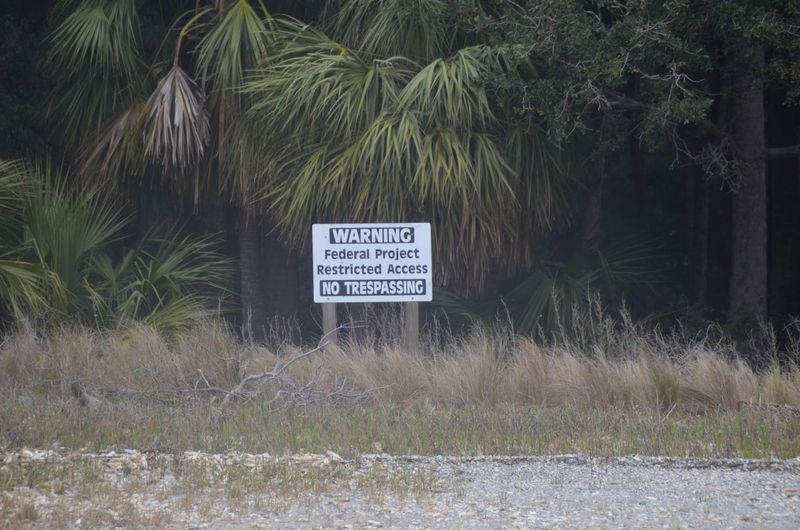
The no-access rule is one of the first things people ask about when they learn Morgan Island exists. The restriction is not arbitrary.
It serves both the safety of visitors and the welfare of the animals.
Rhesus macaques are known carriers of Herpes B virus, a pathogen that is relatively harmless to monkeys but can cause serious illness in humans. Direct contact with the animals poses a genuine health risk, which is one of the primary reasons the island remains closed to the public.
Beyond the health concern, the island functions as a controlled research environment. Disrupting the colony with regular human visitors would compromise the integrity of ongoing studies and stress the animals unnecessarily.
South Carolina law and federal regulations both support the restricted access policy. Signs posted along the waterways surrounding the island make the boundary clear, and law enforcement does patrol the area to ensure the rules are followed.
The ACE Basin and Why It Matters
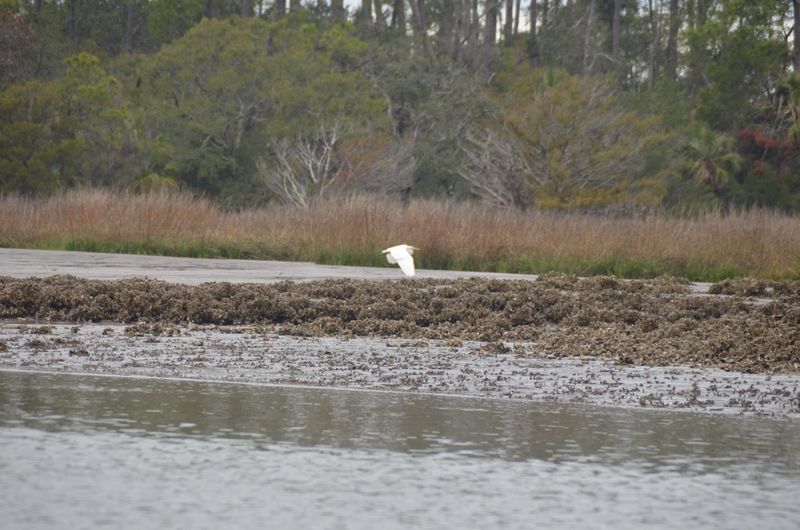
Morgan Island does not exist in isolation. It sits within one of the most ecologically significant landscapes on the entire East Coast of the United States.
The ACE Basin takes its name from three rivers that flow through it: the Ashepoo, Combahee, and Edisto. Together, they drain into a vast network of tidal marshes, forests, and barrier islands that cover hundreds of thousands of acres.
The basin has been protected through a combination of state, federal, and private conservation efforts that began in the late 1980s.
Because of its protected status, the ACE Basin supports an extraordinary range of wildlife beyond the Morgan Island monkey colony. Bald eagles, wood storks, loggerhead sea turtles, and countless migratory birds all rely on this ecosystem.
Morgan Island fits naturally into this broader conservation story, even if its most famous residents arrived by boat rather than by instinct. The basin gives the island its wild, undisturbed character.
Viewing the Monkeys from the Water
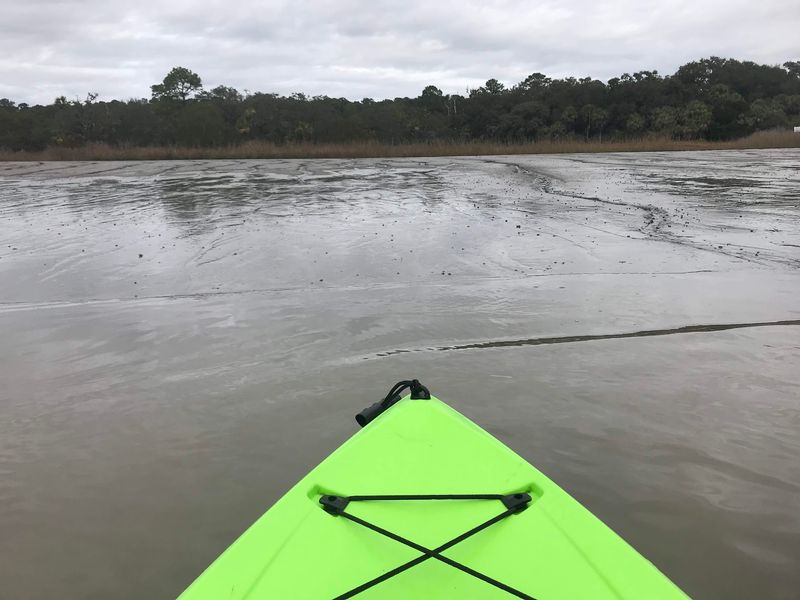
Getting close enough to actually see the monkeys requires a boat, some patience, and a willingness to sit quietly near the shoreline without making much noise. The monkeys do not perform on a schedule, but early mornings tend to offer the best chances of spotting activity near the water’s edge.
Several local outfitters and charter boat operators in the Beaufort area offer tours that include a pass by Morgan Island. These tours typically combine the monkey viewing with broader ACE Basin wildlife experiences, giving visitors a fuller picture of the region’s natural character.
Bringing binoculars is strongly recommended. The island’s vegetation is dense, and the monkeys blend into the tree line more easily than you might expect.
When a group does appear at the shore, the sight of dozens of primates moving along a South Carolina marsh bank is genuinely unlike anything else you will see in the continental United States.
Rhesus Macaques Up Close – What They Are Really Like
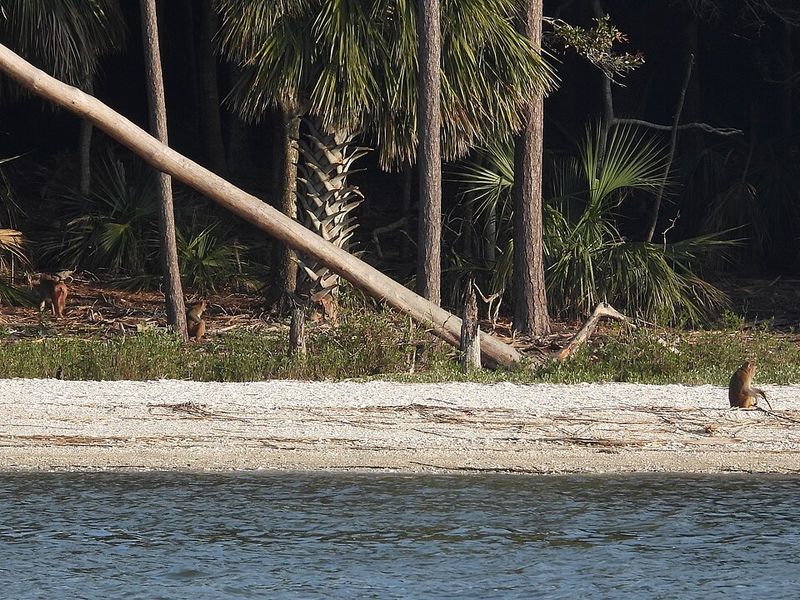
Rhesus macaques are among the most studied primates in the world. Their genetic similarity to humans has made them valuable subjects in medical research for over a century, contributing to breakthroughs in vaccine development and neurological studies.
In the wild, they are adaptable, intelligent, and highly social. Adults typically weigh between 8 and 17 pounds, with males being noticeably larger than females.
They eat fruit, seeds, roots, and insects, and they are capable swimmers, which makes an island environment a surprisingly good fit for them.
Their social groups, called troops, are led by dominant males and organized around female lineage lines. Younger monkeys learn behavior by watching older members of the group, and they communicate through a wide range of vocalizations and facial expressions.
On Morgan Island, these natural behaviors play out daily, unobserved by most of the world, in the middle of a South Carolina estuary.
The Research Connection That Keeps the Colony Running
Morgan Island is not simply a wildlife preserve. It operates as a free-range primate research facility, which is what funds the ongoing management of the colony and ensures the animals receive veterinary oversight.
Charles River Laboratories, which manages the site, supplies rhesus macaques to pharmaceutical and biomedical research institutions. The animals bred on Morgan Island are periodically used in studies related to vaccine testing and infectious disease research, among other areas.
This arrangement has made the colony a long-standing component of the United States biomedical research supply chain.
The research dimension of Morgan Island adds a layer of complexity to how people feel about the place. Some see it as a responsible way to maintain a large primate colony while supporting scientific progress.
Others focus on the conservation angle, noting that the animals live in a genuinely natural environment rather than in cages. Both perspectives are part of the island’s ongoing story, and neither fully cancels out the other.
What Locals Know That Most Tourists Do Not
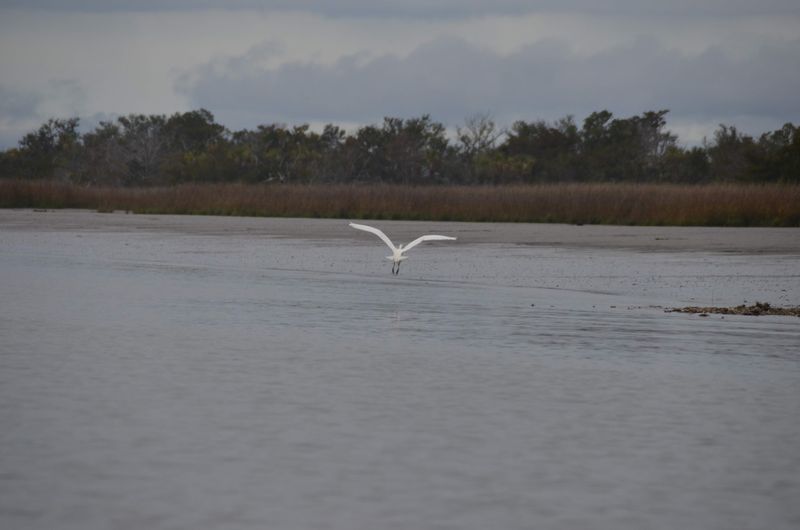
Ask most visitors to Beaufort about Morgan Island and you will likely get a blank look. The island does not appear on standard tourist maps, and it rarely comes up in mainstream travel coverage of the South Carolina coast.
But locals who spend time on the water know exactly where it is. Fishermen, kayakers, and boaters in the area have been aware of the monkey colony for years, and word has slowly spread through regional outdoor communities.
Some longtime Beaufort residents treat a boat trip past Morgan Island as a rite of passage for out-of-town guests.
The island has also gained attention through social media in recent years, with videos of monkeys spotted from boats drawing millions of views online. That visibility has turned a regional curiosity into something of a national conversation.
Even so, most Americans have never heard of it, which makes discovering it for the first time feel like finding a secret that has been hiding in plain sight all along.
Planning a Trip to See Morgan Island for Yourself
A trip to see Morgan Island works best when it is part of a broader Beaufort-area visit. The town of Beaufort itself is one of the most historically rich small cities in South Carolina, with antebellum architecture, waterfront parks, and a deep connection to Gullah Geechee culture.
For the monkey viewing specifically, booking a guided boat tour through a reputable local outfitter is the most practical approach. These tours typically operate during daylight hours and last several hours, covering multiple points of interest within the ACE Basin in addition to Morgan Island.
Arriving in the warmer months means longer days and more time on the water, but the monkeys are present year-round. Cooler months can actually offer clearer sightlines through the tree line as foliage thins out slightly.
Either way, the experience of floating past a South Carolina island populated by thousands of free-roaming primates is something that tends to stay with you for a long time.
Share this story