There is a restaurant in downtown Chicago where the pasta is still rolled by hand, the booths have hosted generations of families, and the recipes have barely changed in nearly a century. Most cities are lucky to have one place like this.
Chicago has The Village, and it has been quietly serving some of the most honest Italian food in the Midwest since 1927. From the minestrone soup to the cannoli, every dish carries the kind of weight that only decades of practice can produce.
This article takes you through everything that makes this legendary spot worth a visit, from its storied history and unforgettable atmosphere to the dishes that keep people coming back year after year.
A Century in the Heart of Chicago
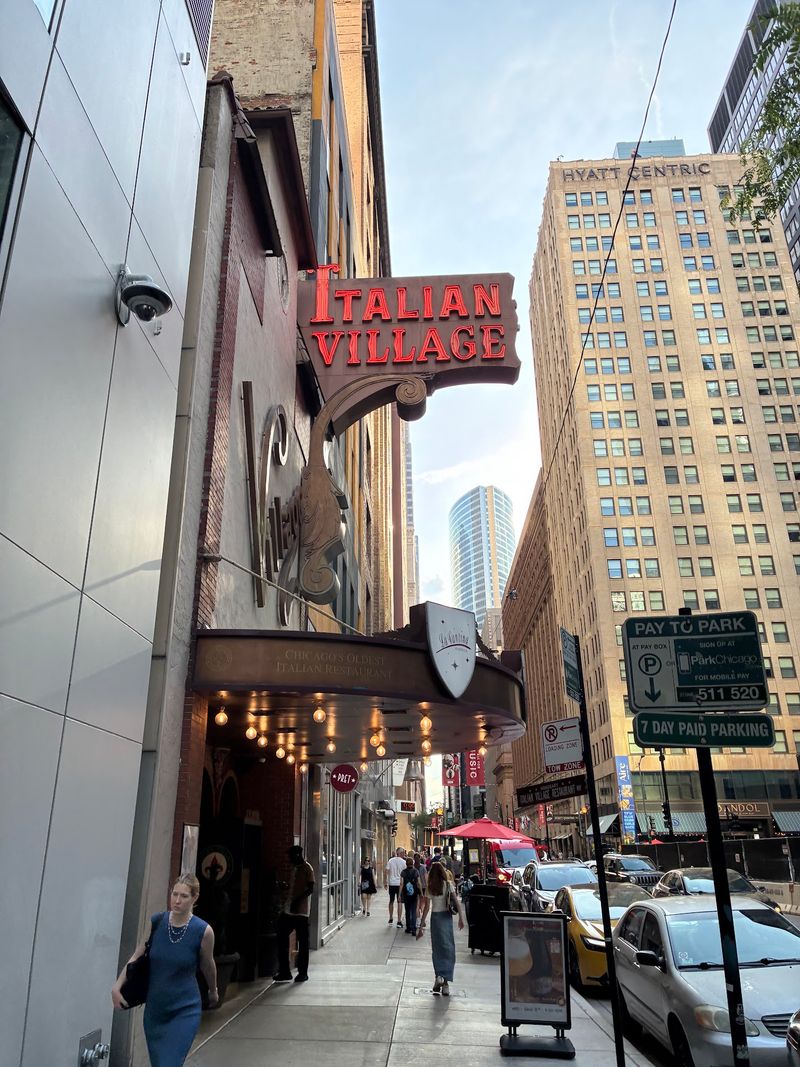
Right in the middle of downtown Chicago, at 71 W Monroe St, Chicago, IL 60603, The Village has been holding its ground since 1927. That is nearly a full century of serving hand-rolled pasta, slow-simmered soups, and old-world Italian dishes to everyone from neighborhood regulars to out-of-town visitors who stumbled in and never forgot the meal.
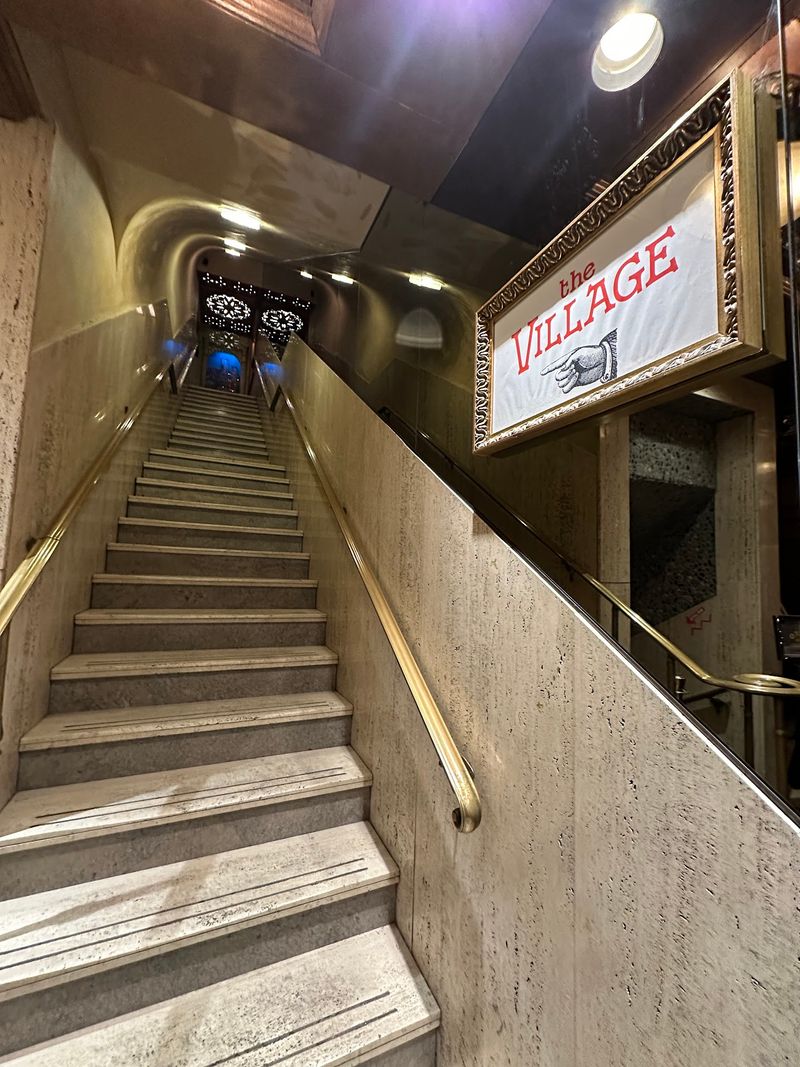
The restaurant sits just steps from the Theater District, which makes it a natural stop before or after a show. The location is central and easy to reach, though the entrance does involve a staircase from street level, so it is worth keeping that in mind if anyone in your group has mobility concerns.
The phone number is (312) 332-7005, and the website is thevillage-chicago.com, where you can make a reservation. Hours run from 11 AM to 8:30 PM Sunday through Thursday, and until 9 PM on Fridays and Saturdays.
Booking ahead is a smart move, especially on weekends, since the dining room fills up fast with both locals and tourists who know exactly what they are coming for.
Nearly 100 Years of Italian Tradition
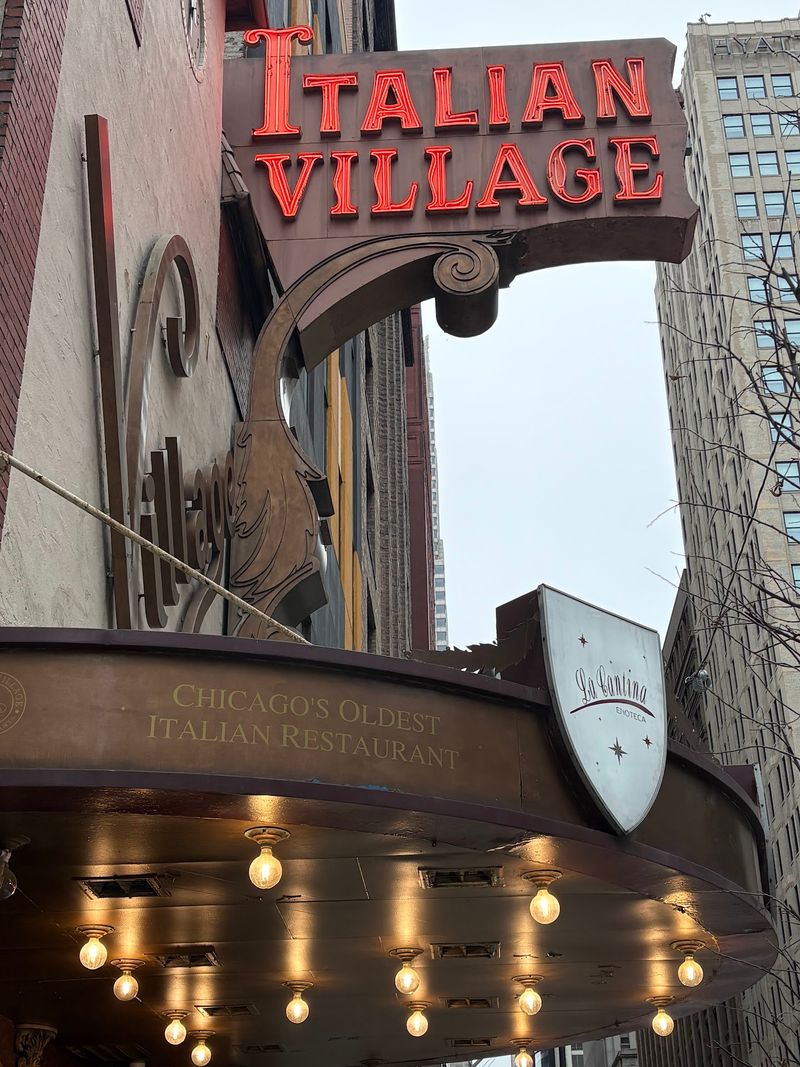
Opening in 1927 makes The Village the oldest Italian restaurant in Chicago, and that title is not just a marketing line. The kitchen has been operating through the Great Depression, World War II, the rise of fast food, and the explosion of trendy dining concepts, and it is still here, still rolling pasta by hand.
The restaurant was built on the idea that Italian cooking is not complicated, but it does require patience and care. The slow cooking methods used for the broths and soups are a direct reflection of that philosophy.
The minestrone, which gets mentioned constantly by guests, is rich and deeply flavored in a way that only comes from hours on the stove.
What is remarkable about a place this old is not just that it survived, but that it maintained its identity. The recipes have been passed down with real intention, and the staff carries that pride into every plate.
Visiting feels less like eating at a restaurant and more like being let in on a tradition that most cities lost a long time ago. That kind of continuity is genuinely rare in the modern restaurant world.
The Atmosphere That Feels Like a Different Era
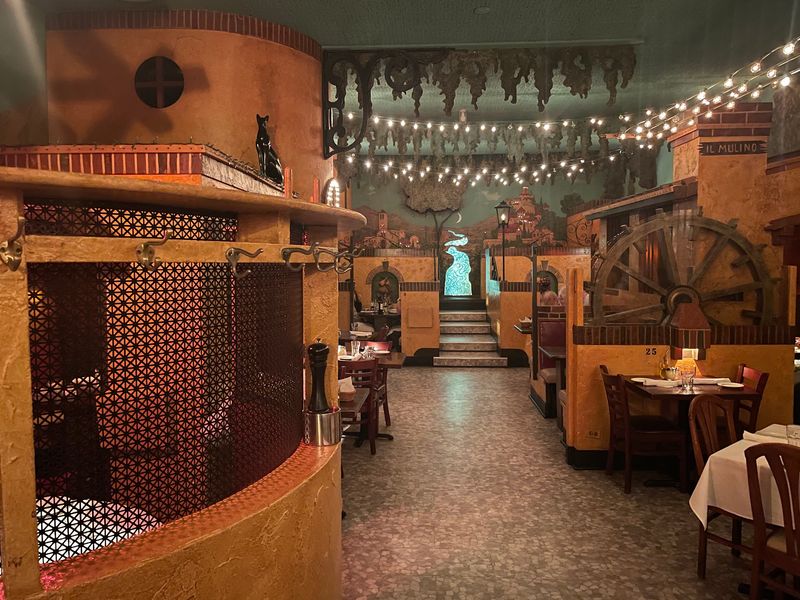
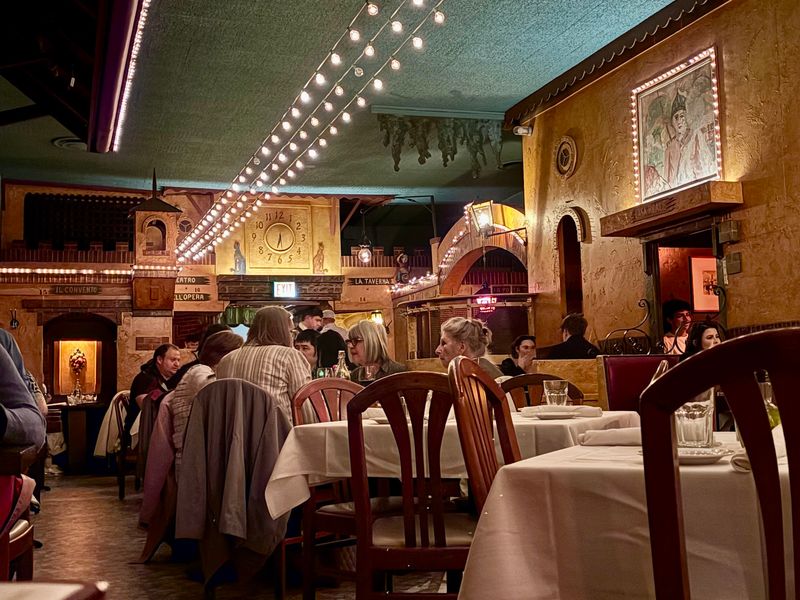
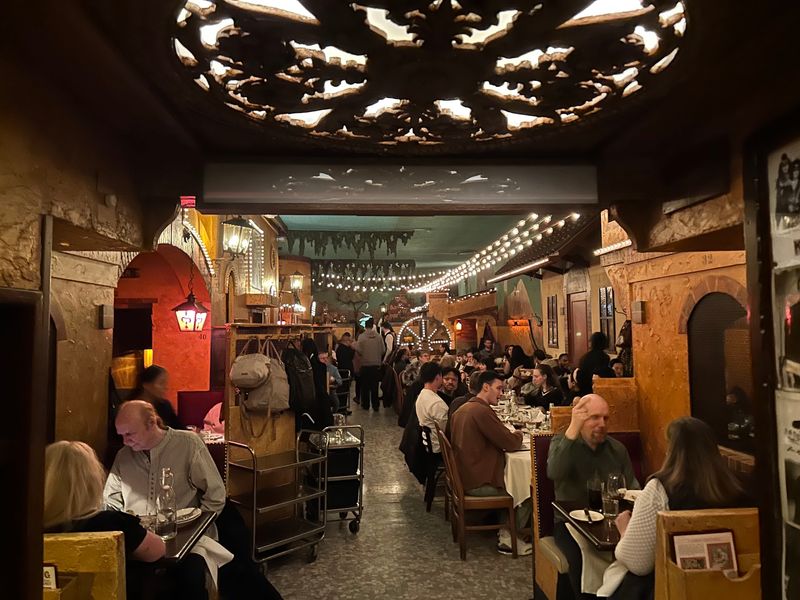
The dining room at The Village does not try to be modern, and that is exactly the point. The decor leans into the old-world Italian village concept with small cottage-style alcoves, warm dim lighting, and booth seating that wraps you into your own little world.
Some guests describe it as stepping into a Tuscan village, which is a fair description of the overall effect.
The lighting is low and flattering, the music is tasteful without being intrusive, and the general energy of the room is relaxed and unhurried. There is no rush here.
Tables are not turned over at breakneck speed, and the staff genuinely seems to want you to enjoy yourself rather than move you along.
One of the more talked-about features is Al Capone’s regular booth, which regulars and first-timers alike make a point of seeking out. Whether or not you are a history buff, there is something undeniably fun about eating in the same room where Chicago’s most infamous figure once dined.
The space is a little theatrical, a little old-fashioned, and completely its own thing. That combination is harder to pull off than it looks.
The Fresh Pasta That Started It All
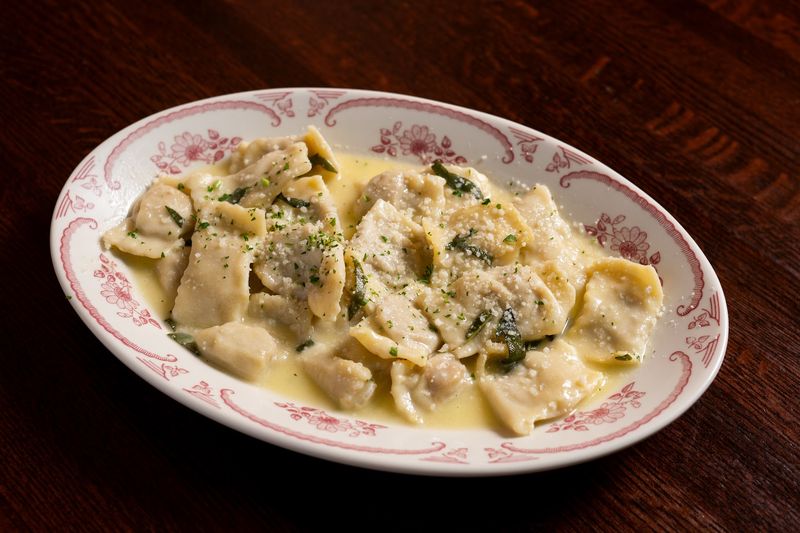
Fresh pasta is the backbone of everything at The Village. The kitchen has been rolling it in-house since day one, and that commitment shows up clearly on the plate.
There is a texture difference between fresh and dried pasta that is hard to describe but easy to taste, and once you have had a bowl of fettuccine Alfredo made with pasta that was rolled that morning, it is tough to go back.
The Alfredo is one of the most ordered dishes on the menu, and it earns that status. The sauce is creamy and well-balanced without being heavy, and the pasta holds it properly rather than letting it slide off or pool at the bottom.
Adding grilled chicken is a popular move, and the chicken is cooked well, staying moist rather than drying out the way it can in lesser kitchens.
The four-cheese ravioli is another standout, with a filling that is rich without being overwhelming and a pasta shell that has just the right amount of bite. The lasagna also comes up repeatedly in conversations about the best dishes here, layered generously and baked until the edges are golden.
Fresh pasta made with care is the kind of detail that turns a meal into a memory.
Signature Dishes Worth Ordering
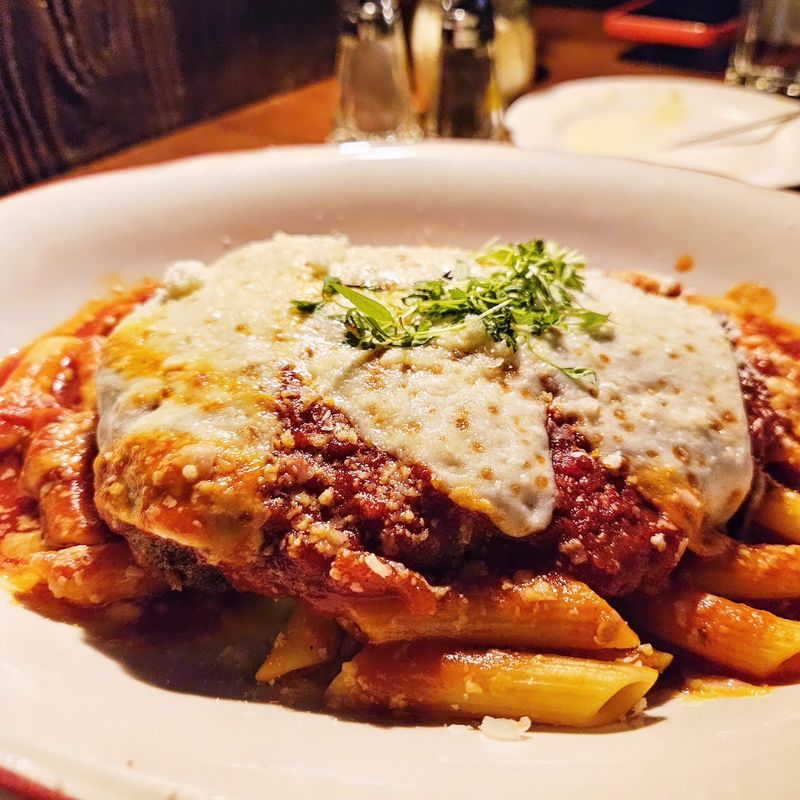
Chicken parmesan is the most mentioned dish at The Village by a wide margin, and it has clearly earned that reputation over the years. The breading is crisp, the chicken is tender, and the tomato sauce has the kind of depth that comes from a recipe that has been refined over decades rather than thrown together quickly.
Chicken marsala and chicken vesuvio are also popular choices, with the vesuvio featuring roasted potatoes and a garlic-forward sauce that is satisfying in a very straightforward way. The eggplant parmesan threads the needle between a crunchy exterior and a moist, flavorful interior, which is harder to achieve than most people realize.
Seafood ravioli shows up frequently in positive reviews, and the shrimp Tuscany is listed as a house specialty. The minestrone soup deserves its own mention as a starter.
It is rich, vegetable-forward, and clearly made from scratch rather than poured from a can. A warm bread basket arrives at the table after you order, and dipping that bread into the olive oil and parmesan already on the table is a small ritual that sets the tone for the whole meal.
These are dishes that feel like they were made by someone who actually cares.
Desserts That Close the Meal Properly
The dessert menu at The Village is not long, but what it offers lands consistently well. The cannoli is the star, and it shows up in review after review as a genuine highlight of the meal.
The shell is crisp, the filling is creamy and lightly sweet, and the whole thing is assembled properly rather than left to go soggy. For anyone trying a cannoli for the first time, this is a very good place to start.
Tiramisu is the other dessert that gets talked about most, and the classic version balances the cream, coffee, and ladyfingers in a way that feels clean rather than overly rich. A limoncello tiramisu appears on the menu occasionally and is worth ordering if it happens to be available the night you visit.
The rum cake is another option that has built a following among regulars, described as moist and well-flavored without being too sweet. Dessert at The Village does not feel like an afterthought tacked on to pad the check.
These sweets are part of the same tradition that runs through the whole menu, made with the same level of attention as everything else that comes out of the kitchen. Ending a meal here on a high note is genuinely easy to do.
Service That Makes You Feel Like a Regular
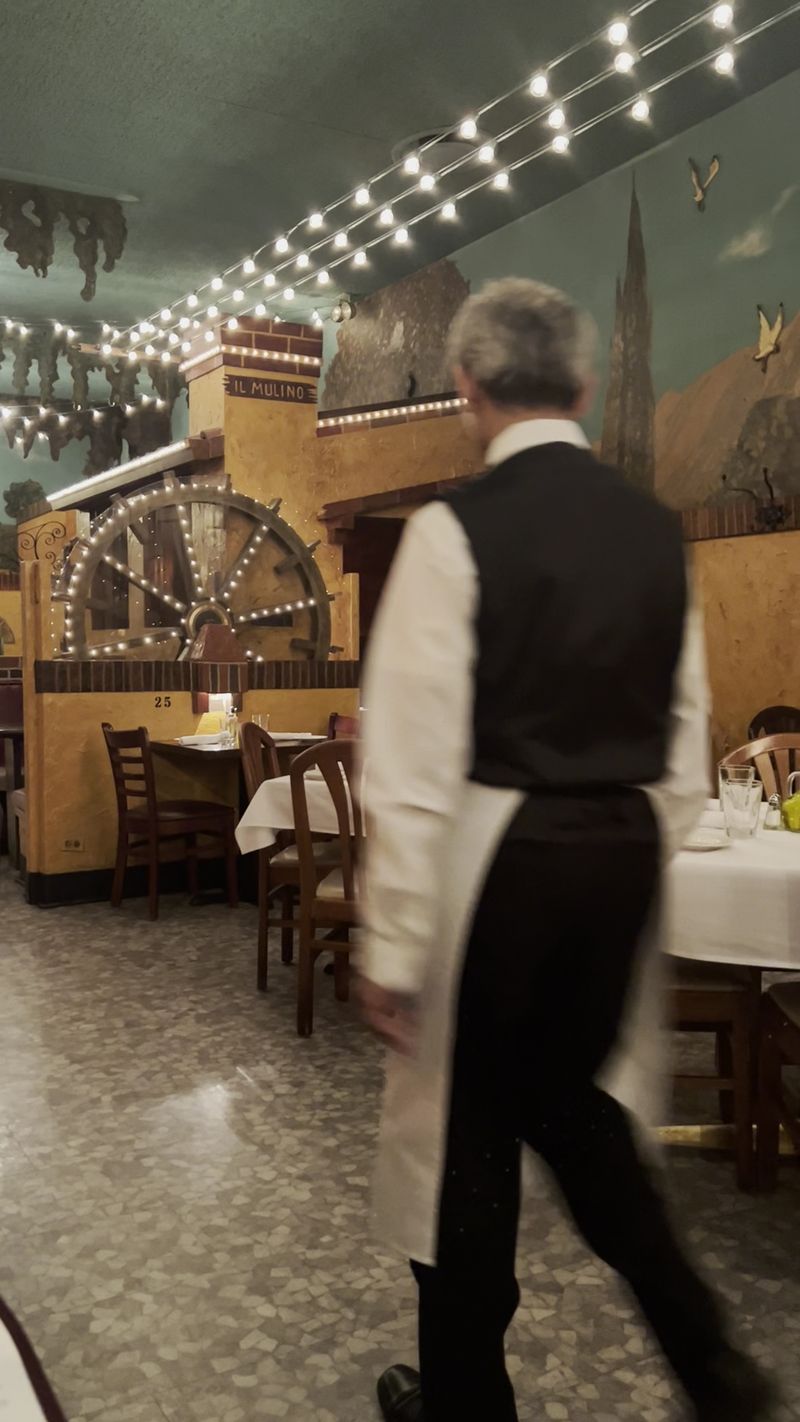
The service at The Village tends to be one of the most consistently praised parts of the experience. Staff members are attentive without hovering, and there is a warmth to the way they interact with guests that feels genuine rather than scripted.
Servers make recommendations with confidence, which is always a good sign that the kitchen staff and the front-of-house team are actually talking to each other.
Special occasions get real attention here. Honeymoon couples have been given private alcove tables with a complimentary cannoli.
Anniversary dinners are treated with care and intention. The management has been known to personally check in on guests to make sure the experience is living up to expectations, which is the kind of detail that turns a one-time visit into a long-term habit.
For larger groups, it is worth noting that the restaurant has a policy around splitting checks, so it is a good idea to clarify that at the time of your reservation. That small bit of planning can prevent any friction at the end of the night.
Overall, the service culture here reflects the same values as the food: steady, attentive, and built on the understanding that getting the details right is what keeps people coming back for decades.
A Romantic Destination in Downtown Chicago
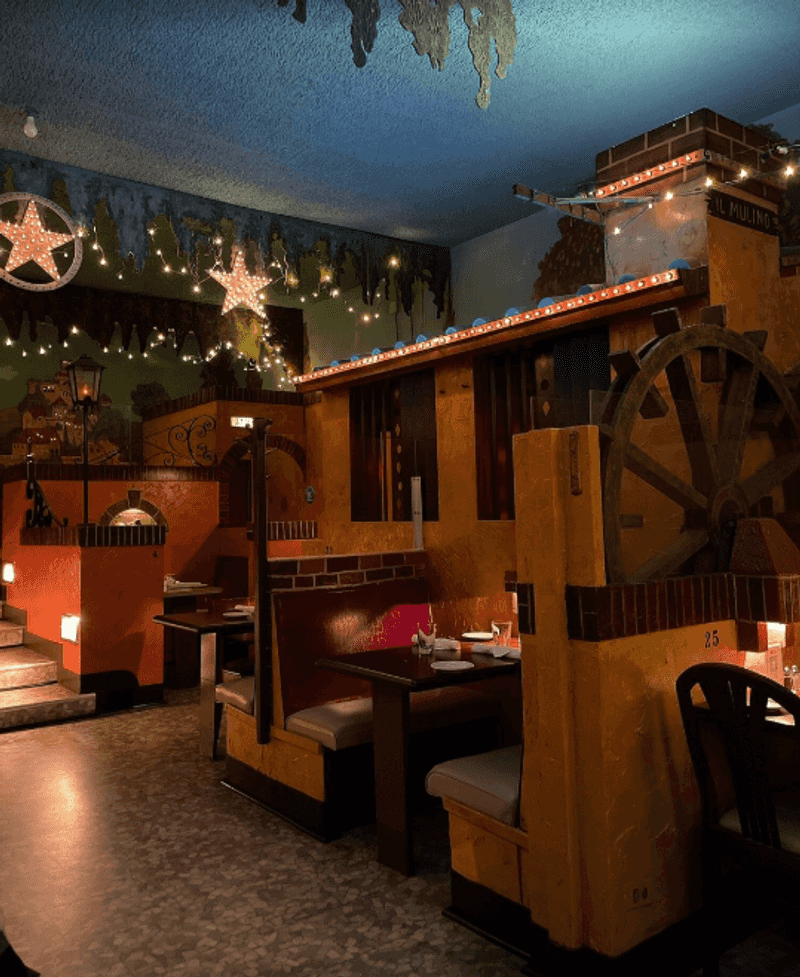
Few restaurants in Chicago carry the romantic atmosphere that The Village has built over nearly a century. The dim lighting, the cozy booth seating, the quiet corners, and the overall unhurried pace of the place make it a natural choice for date nights, anniversaries, and honeymoon dinners.
The setting does a lot of the work before the food even arrives.
The alcove tables are particularly well-suited for couples who want a sense of privacy in a busy dining room. These little nooks feel like their own separate spaces, and being seated in one feels like a small gift from the host.
The restaurant is described by many guests as one of the most romantic spots in the city, and the combination of old-world decor, attentive service, and reliably good food backs that claim up.
Chicago has no shortage of nice restaurants, but there are very few where the atmosphere has been this carefully preserved over such a long period. The Village does not need to reinvent itself every few years to stay relevant because the original version was already very good.
A candlelit dinner here feels like it belongs to a slower, more deliberate time, and sometimes that is exactly what a night out should feel like.
What to Know Before Your Visit
A few practical details can make a visit to The Village go more smoothly. Reservations are strongly recommended, particularly on Friday and Saturday evenings when the dining room fills up quickly.
The restaurant is open seven days a week, from 11 AM to 8:30 PM Sunday through Thursday and until 9 PM on Fridays and Saturdays. Calling ahead at (312) 332-7005 or booking through thevillage-chicago.com are both reliable options.
The entrance from street level involves a substantial staircase, and there is no elevator visible from the main entrance. Anyone with mobility concerns should contact the restaurant directly before visiting to ask about accessibility options.
The women’s restroom does not have a handicap stall, which is worth knowing in advance.
Pricing sits in the mid-to-upper range for downtown Chicago, which is consistent with the neighborhood and the quality of the ingredients. Skipping the garlic bread appetizer and going straight to the complimentary bread basket that arrives after you order is a tip that experienced guests pass along freely.
The bread is fresh, the olive oil and parmesan on the table are ready to go, and saving that money for a dessert or a second course is a trade worth making every time.
Why This Place Has Lasted Nearly 100 Years
Not many restaurants make it to 100 years, and the ones that do usually have something genuine at their core. The Village is approaching that milestone with a dining room that still fills up nightly, a menu that still draws first-timers and loyal regulars in equal measure, and a kitchen that still treats fresh pasta as a non-negotiable standard rather than a selling point.
The restaurant has a 4.5-star rating across nearly 5,000 reviews on Google, which is a meaningful number for a spot that has been around long enough to have served multiple generations of the same families. That kind of sustained approval does not happen by accident.
It comes from consistency, from caring about the details, and from understanding what the restaurant actually is rather than chasing what is trendy.
There will always be newer, flashier Italian restaurants in Chicago. New spots open every month with bold concepts and carefully curated social media presences.
But The Village does not need any of that. It has something those places cannot buy: nearly a century of earned trust, a kitchen that knows exactly what it is doing, and a dining room full of people who came back because the last visit was worth repeating.
That track record speaks for itself.
Share this story