There is a small town in central Illinois where the whistle of a steam engine still cuts through the afternoon air, and the smell of old iron and polished wood greets you like a handshake from the past. Tucked away from the usual tourist trails, this place draws families, grandparents, and die-hard rail fans who all leave with the same wide-eyed look.
The volunteers here treat every visitor like a personal guest, and the collection of historic equipment is genuinely jaw-dropping. By the time you finish reading, you will want to clear your weekend calendar and point your car toward Piatt County.
Where the Journey Begins: Address and Location
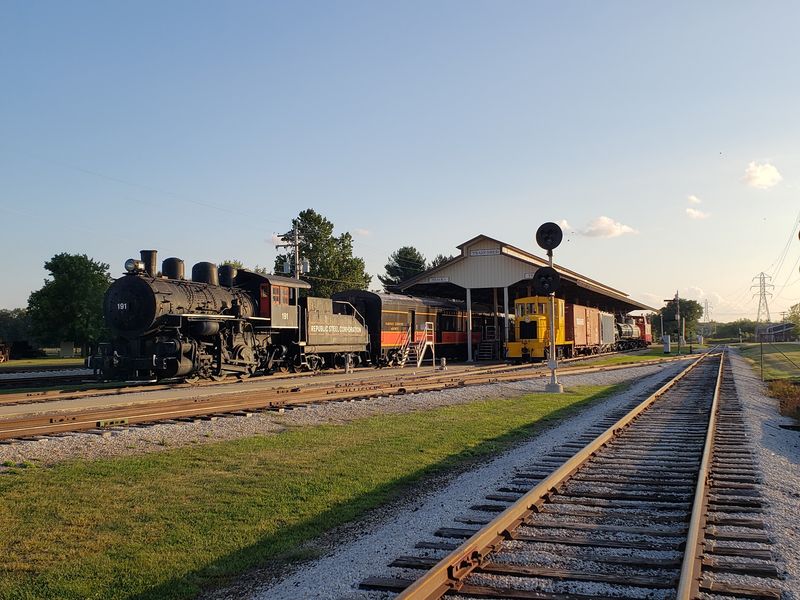
The first thing that hits you when you pull up to 992 Iron Horse Pl, Monticello, IL 61856 is how unexpectedly well-kept everything looks for a museum tucked into a rural Illinois town.
Monticello Railway Museum sits in Piatt County, about 25 miles east of Decatur and a short drive from Champaign-Urbana. The depot building itself is a charming, well-maintained structure that sets the tone for everything you are about to experience.
The surrounding grounds are spacious, with open yard space, picnic areas, and train sheds visible almost immediately. There is a clear sense that the people behind this place genuinely care about it.
Parking is easy and free, which is always a welcome surprise. The museum is open on Saturdays and Sundays from 10:30 AM to 3:30 PM, so plan your visit accordingly.
The phone number is (217) 762-9011, and the website at mrym.org has updated event listings. For a place this well-organized and community-driven, the rural location is not a drawback at all.
It is honestly part of the charm, making the whole trip feel like a genuine escape.
A Nonprofit with a Real Passion for Preservation
Not every museum runs on ticket sales and grant money alone. Monticello Railway Museum is a nonprofit organization powered almost entirely by volunteers who show up because they genuinely love trains, not because they are punching a clock.
That distinction matters more than you might expect. When someone explains how a steam engine works and their eyes light up mid-sentence, you know the information is coming from a real place.
The staff here fields questions with patience and enthusiasm, from curious five-year-olds asking why the train is so loud to adults wanting technical details about specific locomotive models. The knowledge runs deep across the board.
Restoration work is ongoing, and the museum is slowly bringing additional pieces of equipment back to operational condition. That long-term commitment to keeping history alive and moving, rather than just static on display, is what separates this place from a typical exhibit hall.
Memberships are available for families who want to support the mission and visit multiple times throughout the year. For a place run on this much heart and volunteer energy, that membership fee feels less like a cost and more like a contribution worth making.
The Train Ride That Makes Everyone Smile
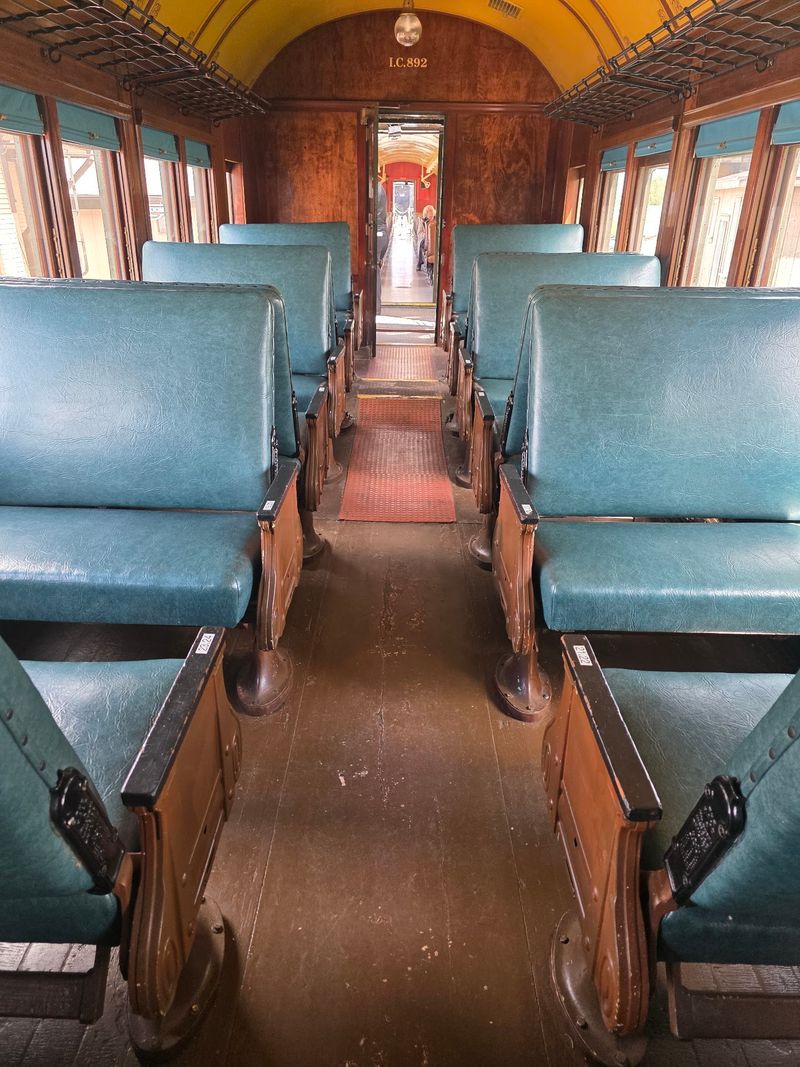
The centerpiece of any visit here is the train ride itself, and it delivers exactly what the name promises. Passengers board a real, working train and travel along an operational railroad while volunteers act as guides, pointing out details and answering questions along the way.
What makes this ride different from a theme park attraction is that you are free to walk between cars while the train is moving. That freedom to explore adds a layer of authenticity that most train experiences simply do not offer.
The cars themselves come from different eras, so each one has a slightly different feel, different seating, different windows, and different stories attached to the walls. One car even features a glass panel in the floor so you can watch the wheels turning over the tracks below you in real time.
The ride lasts about an hour round trip, with a stop in downtown Monticello where passengers can get off, grab a bite to eat, or browse the local shops before catching a later train back.
Tickets can be purchased online in advance or at the depot window on the day of your visit. Either way, keeping your ticket stub as a souvenir is a small but satisfying tradition worth starting.
The Steam Engine That Steals the Show
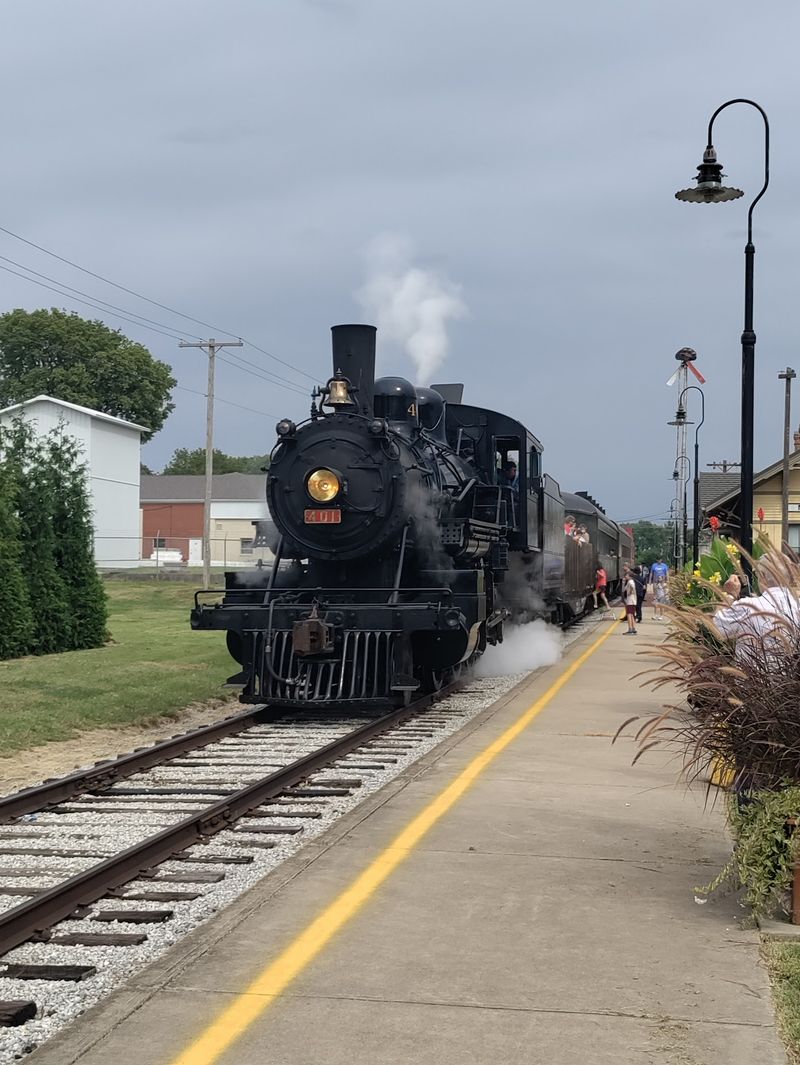
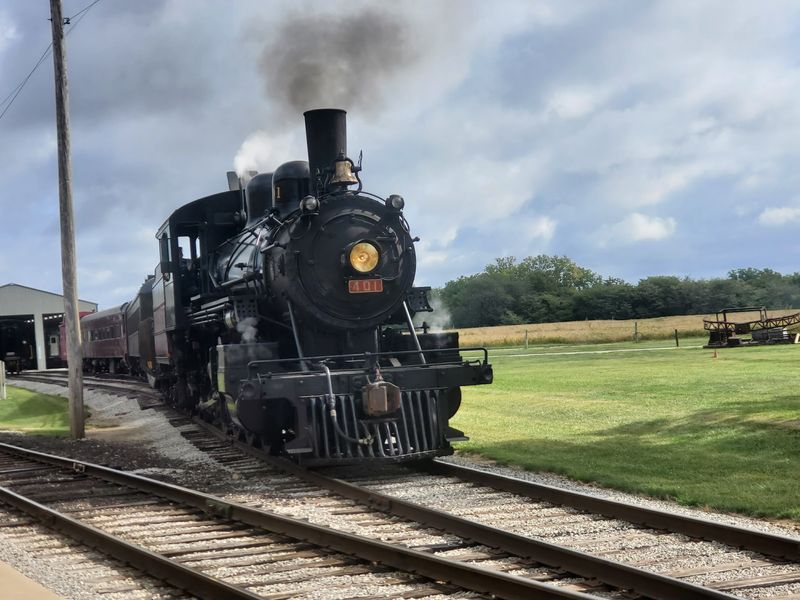
There is something about a working steam locomotive that no photograph fully captures. The sound, the heat radiating off the boiler, the rhythmic chuffing as it builds momentum down the track, all of it lands differently in person than anything you read or watch on a screen.
Monticello Railway Museum keeps a steam engine in active operation on days when conditions allow, and seeing it work its way around the yard and onto the main line is a genuine highlight. The C&IM 31 locomotive has been mentioned by visitors as one of the trains pulling passenger cars during regular operating days.
Steam locomotives represent a specific era of American transportation history that shaped towns, industries, and entire regions. Getting to ride behind one, or even just watch it operate from the platform, connects you to that history in a way that a placard on a wall never could.
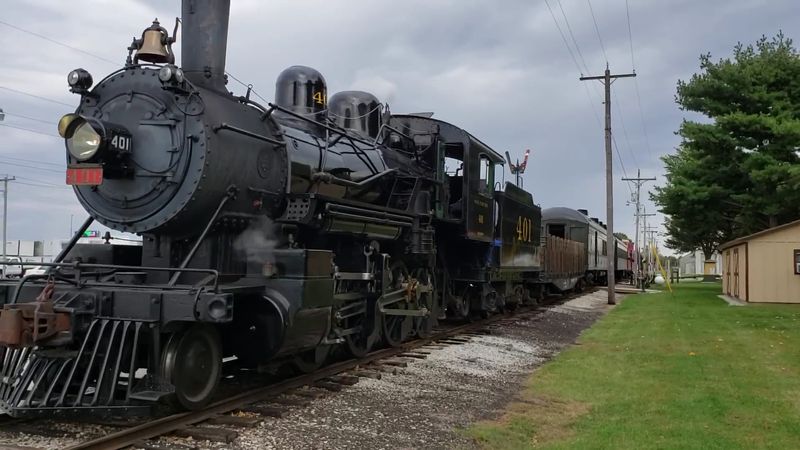
The museum also has the Southern 401, a steam locomotive that draws fans specifically to see it in person. Its presence alone has been enough to bring visitors from across the Midwest for special event days.
For anyone who grew up hearing about steam trains but never experienced one firsthand, this is the kind of moment that tends to stick with you long after the day is done.
Throttle Time: The Experience for Serious Rail Fans
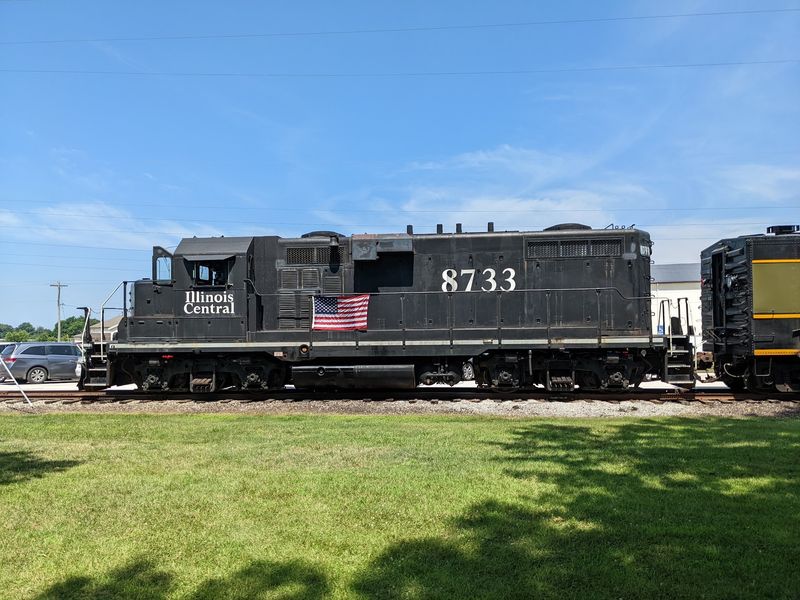
Most museum visits involve looking at things from a respectful distance. Throttle Time at Monticello Railway Museum flips that concept entirely by putting you in the driver seat of a real locomotive for a full hour.
This paid experience allows participants to actually operate a vintage diesel locomotive on the museum’s track, including lining their own switch in and out of the yard. That is not a simulator.
That is the real thing, with real controls, real feedback, and a real locomotive responding to your inputs.
The IC 6071, described as the first SD40 test bed ever built, sits in the collection and is slowly being worked back toward operational condition. For diesel enthusiasts, that single piece of equipment is worth the trip on its own.
Throttle Time draws rail fans who have spent years reading about locomotive operation and finally want to feel what it is actually like. The experience has earned consistent praise for being well-organized and genuinely educational, not just a novelty.
Booking in advance is strongly recommended since slots fill up quickly, especially on weekends. The fee is reasonable given the level of access, and participants consistently describe it as one of the most memorable things they have done at any rail museum anywhere.
The Train Sheds and Rolling Stock Collection
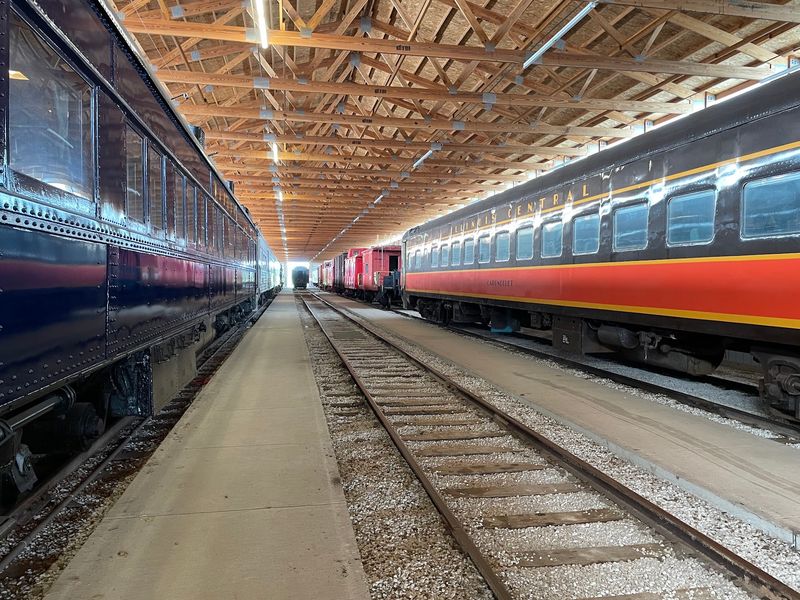
Beyond the rides and the hands-on experiences, the sheer size and quality of the rolling stock collection here is what tends to catch visitors off guard. The train sheds hold an impressive array of locomotives, freight cars, passenger cars, and specialty equipment from multiple decades of American railroad history.
Visitors are encouraged to walk through many of the display pieces, not just look at them from the outside. That open-access approach makes the collection feel alive rather than frozen behind velvet ropes.
The variety is remarkable. Equipment from different railroads and different eras sits side by side, letting you compare how passenger comfort, design priorities, and mechanical systems evolved over time.
The aquarium car is a particularly unexpected find that tends to surprise first-time visitors.
Each car tells a story about where it came from, what line it served, and what kind of passengers or cargo it carried. The volunteers stationed throughout the sheds are happy to fill in those details with genuine enthusiasm.
For families, the train sheds offer a natural way to spread out and explore at your own pace. Kids can run ahead to the next car while adults linger over the details, and nobody feels rushed.
Special Events That Bring the Museum to Life
Regular weekend visits are great, but the special events at Monticello Railway Museum take the experience to a completely different level. The calendar throughout the year includes themed train rides, community gatherings, and seasonal celebrations that draw visitors who might not otherwise make the trip.
The Polar Express ride during the winter season is one of the most talked-about events, bringing families out for a holiday-themed train experience that kids remember for years. The Donut Train is another crowd favorite, combining the novelty of a train ride with the universal appeal of fresh donuts served on board.
Pizza nights and Railroad Days events have built a loyal following among local families who treat the museum as a regular destination rather than a one-time visit. Some guests mention coming back year after year for these specific events.
One practical note about the Donut Train: it can get warm inside the cars when the train is stationary, so visiting during cooler months makes the experience more comfortable. That small tip can make a real difference in how much everyone enjoys the ride.
Checking the museum website before your visit is the best way to catch upcoming events. Some sell out in advance, so booking early is genuinely worth the few extra minutes it takes.
Model Trains and Interactive Exhibits for Kids
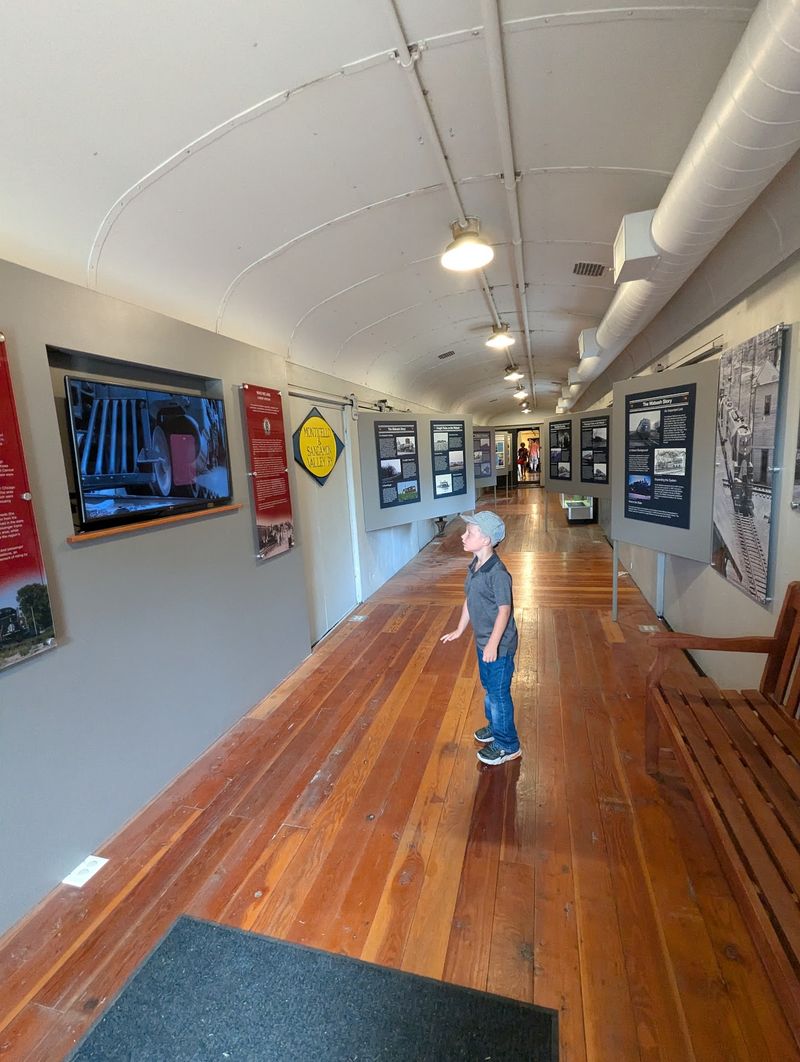
Younger visitors who might not fully appreciate the historical significance of a 1940s diesel locomotive still find plenty to love at this museum. The model train layouts give kids a chance to get hands-on in a way that feels genuinely interactive rather than just educational.
Children can operate model trains themselves, which turns a passive museum visit into something active and engaging. That kind of participation keeps attention spans intact and makes the whole outing more enjoyable for everyone in the group.
There is also a small locomotive on the grounds that kids can climb on, which tends to become an immediate favorite. Physical interaction with the equipment, even in a limited way, creates a connection that reading a sign about the same object simply cannot replicate.
The switch house is another interactive highlight, featuring sample switches that visitors can pull and release. It is a small detail, but it gives everyone a tactile sense of how railroad operations actually work in practice.
Parents traveling with very young children will find the museum manageable with a stroller on the paved areas, though a backpack carrier works better for navigating the train cars themselves. The grounds are open enough that kids have room to move around without feeling confined.
The Depot, Gift Shop, and Practical Visitor Details
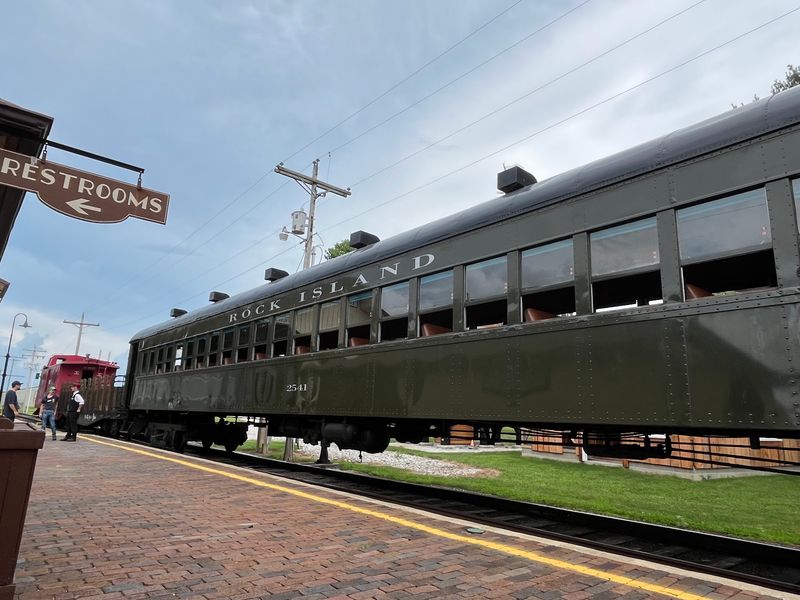
The depot building at the heart of the museum is clean, well-maintained, and genuinely pleasant to spend time in. It serves as the main hub for ticketing, information, and the gift shop, which carries a solid selection of train-themed souvenirs including postcards, t-shirts, small toys, and collectibles.
One detail worth mentioning: your physical ticket is returned to you after boarding, which means it doubles as a keepsake. That small touch feels thoughtful and is the kind of thing that makes a visit feel personal rather than transactional.
Tickets can be purchased online through the museum website before you arrive, which is especially useful on busy event days when lines at the depot window can get longer. The museum’s rating of 4.8 stars across nearly 500 reviews reflects how consistently well the operation runs.
The grounds include picnic space, which makes it easy to pack a lunch and turn the outing into a full afternoon rather than a quick stop. Bringing your own food and settling in for a few hours is a perfectly valid strategy here.
The museum is open Saturdays and Sundays from 10:30 AM to 3:30 PM and is closed Monday through Friday. Arriving closer to opening time gives you the most time to explore before the last train of the day departs.
A Stop in Downtown Monticello During Your Ride
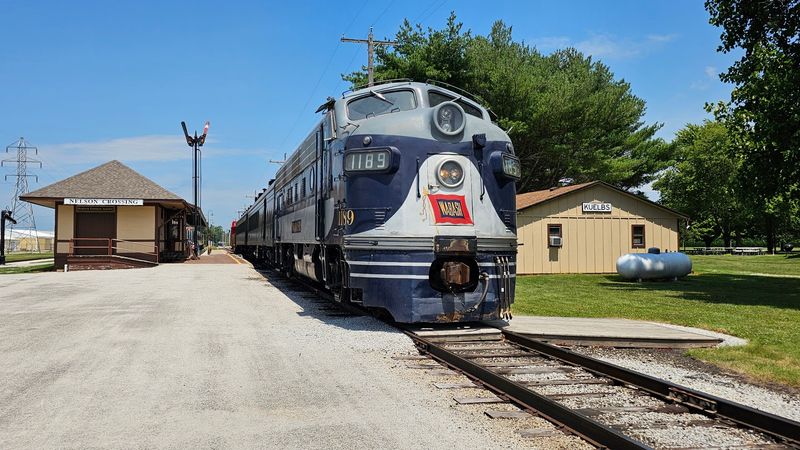
One of the more unexpected perks of the train ride at Monticello Railway Museum is the downtown stop. The train pauses in Monticello long enough for passengers to get off, explore the town, grab something to eat, or browse through antique shops before catching a later train back to the depot.
That optional detour turns a simple train ride into a mini day trip with a built-in itinerary. Small-town Monticello has a relaxed, unhurried pace that pairs naturally with the nostalgia already baked into the museum experience.
Antique shopping in a town like this tends to yield actual finds rather than mass-produced reproductions, and the local dining options give you a chance to support community businesses while you are already in the area. It is a genuinely pleasant way to extend the outing.
Families with younger children who need a break from walking through train cars will appreciate the open space and change of scenery that the downtown stop provides. Adults who want a quieter moment to themselves will find it there too.
The train schedule allows enough time at the downtown stop to feel relaxed rather than rushed. Checking the day’s specific timetable at the depot before boarding helps you plan how long you want to spend in town.
Why the Volunteer Culture Makes This Place Different
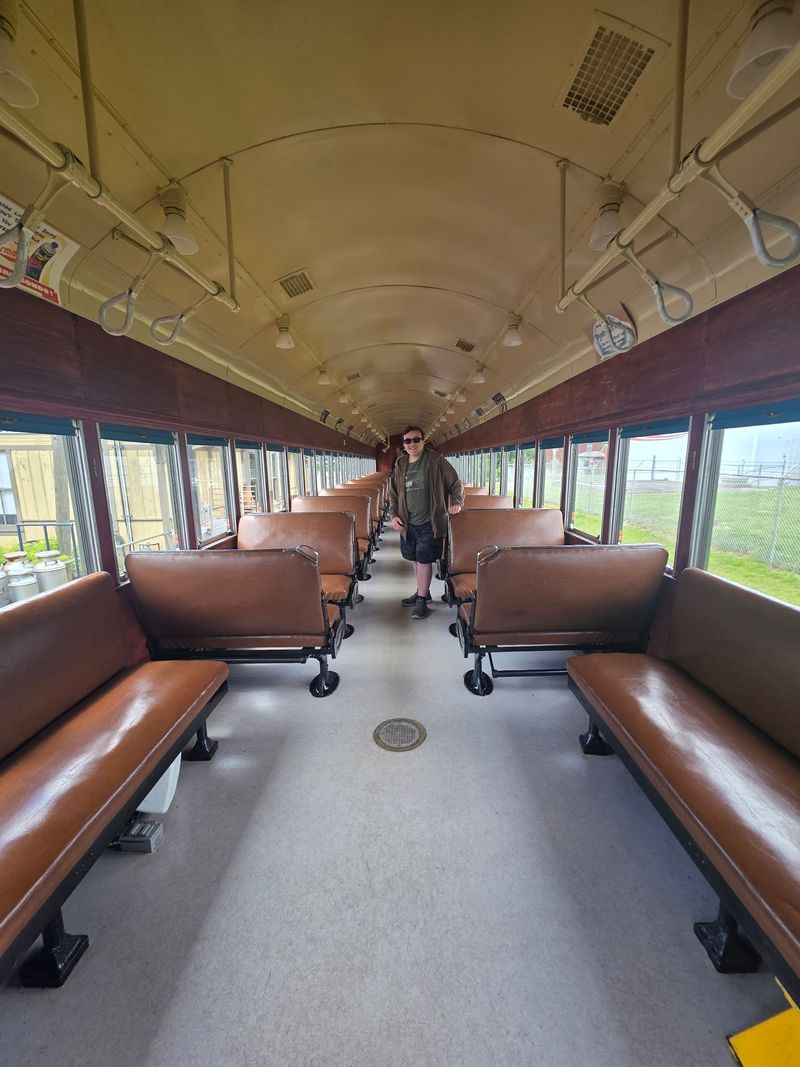
A lot of museums have staff. Monticello Railway Museum has people who actually want to be there, and the difference is immediately obvious from the moment you walk through the depot doors.
Every person working a given weekend, from the ticket window to the train cars to the sheds, is a volunteer. They come out on their own time because preserving this collection and sharing it with visitors genuinely matters to them.
That kind of motivation produces a completely different visitor experience than a paid position with a script.
Conversations with the volunteers tend to go longer than expected because the knowledge they carry is deep and the enthusiasm behind it is real. Train mechanics, railroad history, restoration challenges, operating procedures, all of it comes up naturally in the course of a normal visit.
The man who takes tickets has been described by returning visitors as a highlight in himself, the kind of person who remembers faces and makes every guest feel like a regular. That personal quality is rare in any public attraction.
For families making their first visit, the volunteer culture also means there is always someone nearby who is happy to point you toward the best things to see. You are never left to figure it out alone, which makes the whole experience feel genuinely welcoming.
Making the Most of Your Visit: Tips Before You Go
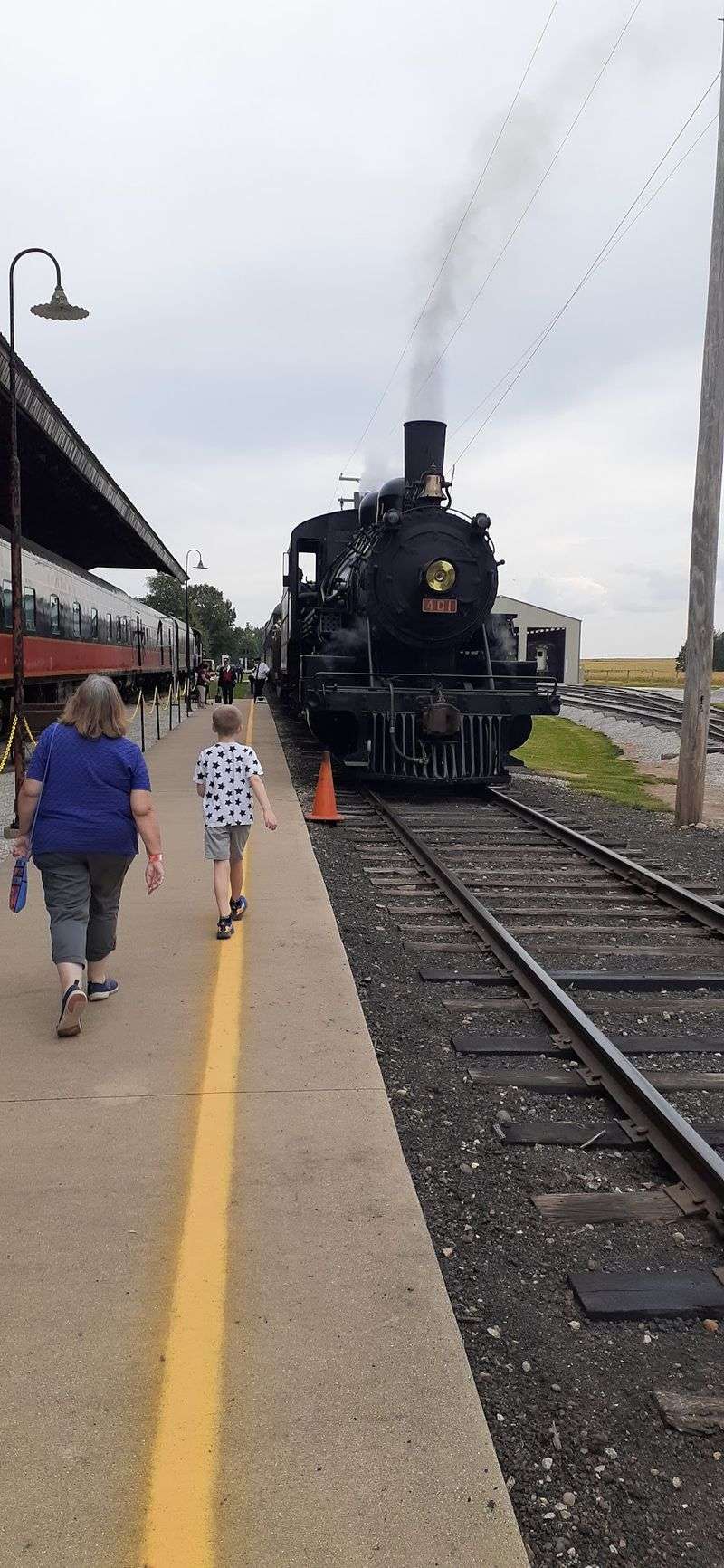
A little advance planning goes a long way at Monticello Railway Museum, and the effort pays off in a noticeably smoother, more enjoyable day. Buying tickets online before you arrive is the single best thing you can do, especially if you are visiting during a special event weekend.
Wear comfortable shoes. The grounds involve a fair amount of walking between the depot, the train sheds, and the tracks, and the terrain is a mix of pavement and gravel.
Comfortable footwear makes the whole experience more pleasant for everyone in your group.
Bring snacks or a packed lunch if you want to use the picnic area. There are food options available during the downtown Monticello stop, but having your own supplies means you are not dependent on timing or availability.
The museum opens at 10:30 AM on Saturdays and Sundays, and arriving close to that time gives you the best chance to board an early train and have the full afternoon for exploring the sheds and exhibits at a relaxed pace.
For families with very young children, a backpack carrier works better than a stroller inside the train cars. The museum is genuinely family-friendly, and a small amount of preparation makes it easy to enjoy every part of the experience without any logistical stress slowing you down.
Share this story