There is a spot in Minnesota where the Mississippi River curves just wide enough to reflect the full weight of the bluffs above it, and the view stops you cold. The bluffs rise sharply from the riverbank, and the town below feels like it was built to exist in exactly that space, not a foot too far in any direction.
What makes this place genuinely surprising is how much it packs into a small footprint, from a pottery legacy that shaped American kitchenware history to hiking trails that put you eye-level with bald eagles riding the thermals. Most people drive past it on the way somewhere else, and that is honestly their loss.
The Town That Clay Built
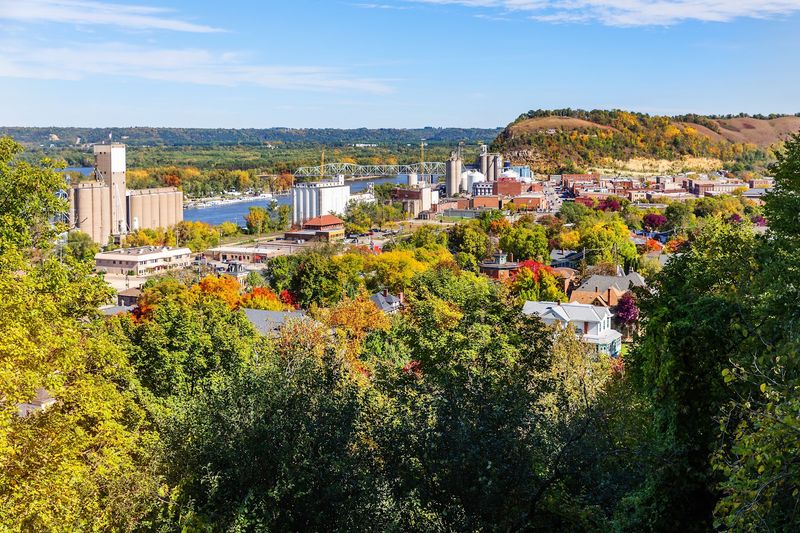
Red Wing, Minnesota, sits along the Mississippi River at 44.5660691, -92.5369563, and its identity is rooted in something most visitors do not immediately notice underfoot: clay. The land around Red Wing held some of the richest clay deposits in the upper Midwest, and by the late 1800s, the local pottery industry had grown into one of the most productive in the entire country.
The Red Wing Stoneware Company and later the Red Wing Union Stoneware Company produced crocks, jugs, and churns that showed up in farmhouses across the nation. That industrial heritage is not just history here.
It is still visible in the architecture, the museums, and the pride locals carry about where their town came from.
Walking the downtown streets, you get the sense that Red Wing has always known exactly what it is, a working river town that never needed to pretend otherwise.
Barn Bluff and the Views That Earn Themselves
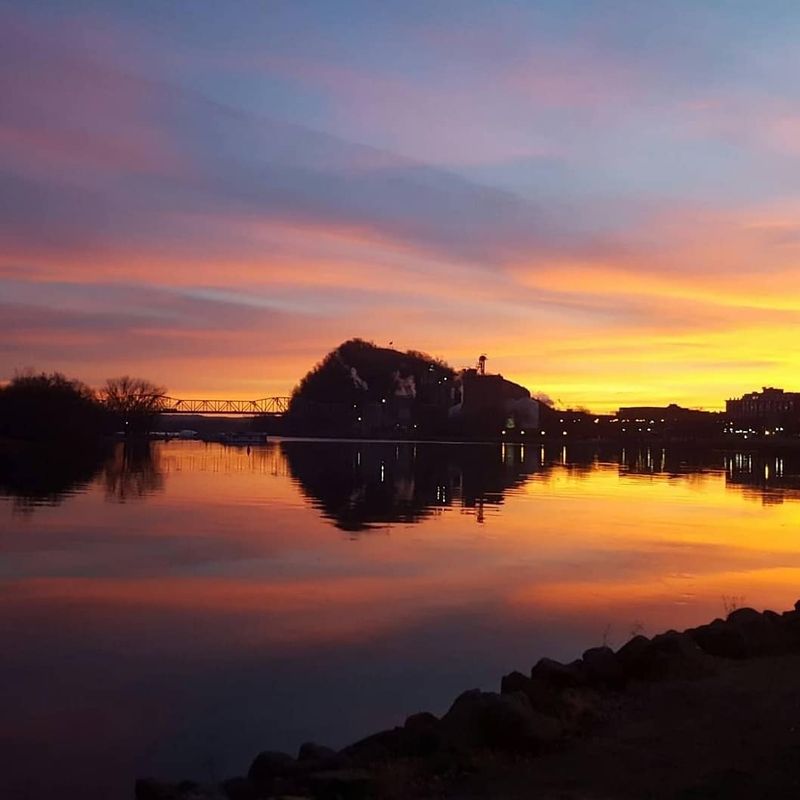
Barn Bluff is the kind of landmark that demands your attention the moment you arrive in Red Wing. It rises about 340 feet above the river, and the trails that wind up its rocky face are not exactly a casual stroll.
You earn the view at the top, and that makes it feel completely worth it.
From the summit, the Mississippi stretches out in both directions, wide and slow-moving, with the town arranged neatly below and the opposite bluffs mirroring the one you just climbed. On a clear morning, the light hits the river in a way that genuinely makes you stop talking mid-sentence.
The bluff has cultural significance too. Indigenous peoples recognized this landmark long before European settlers arrived, and its presence has shaped the town’s character ever since.
Most locals will tell you that no visit to Red Wing is complete without making the climb.
The Pottery Museum of Red Wing
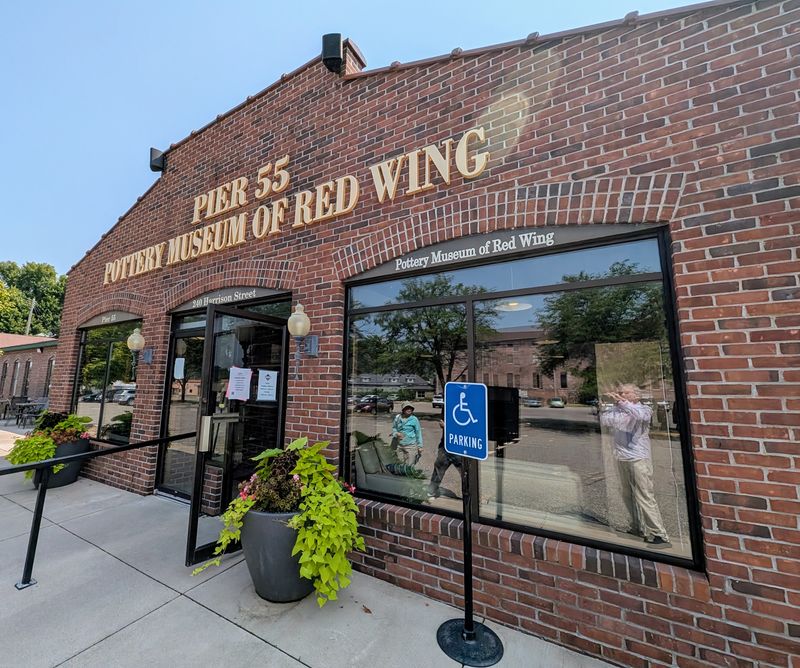
Few towns in America can claim a museum dedicated entirely to the pottery their soil produced, but Red Wing is not most towns. The Pottery Museum of Red Wing traces the full arc of the local clay industry, from the earliest stoneware operations of the 1860s through the mass production era of the early twentieth century.
The collection includes thousands of pieces, and the variety is genuinely impressive. Crocks with cobalt blue decorations, salt-glazed jugs, mixing bowls, and specialty pieces fill the exhibits in a way that tells a real industrial story rather than just displaying pretty objects.
What stays with you after a visit is how global the reach of Red Wing pottery actually was. Items made here ended up in kitchens across the country for generations.
The museum does a careful job of connecting those everyday objects to the specific people and place that made them.
The Cannon Valley Trail
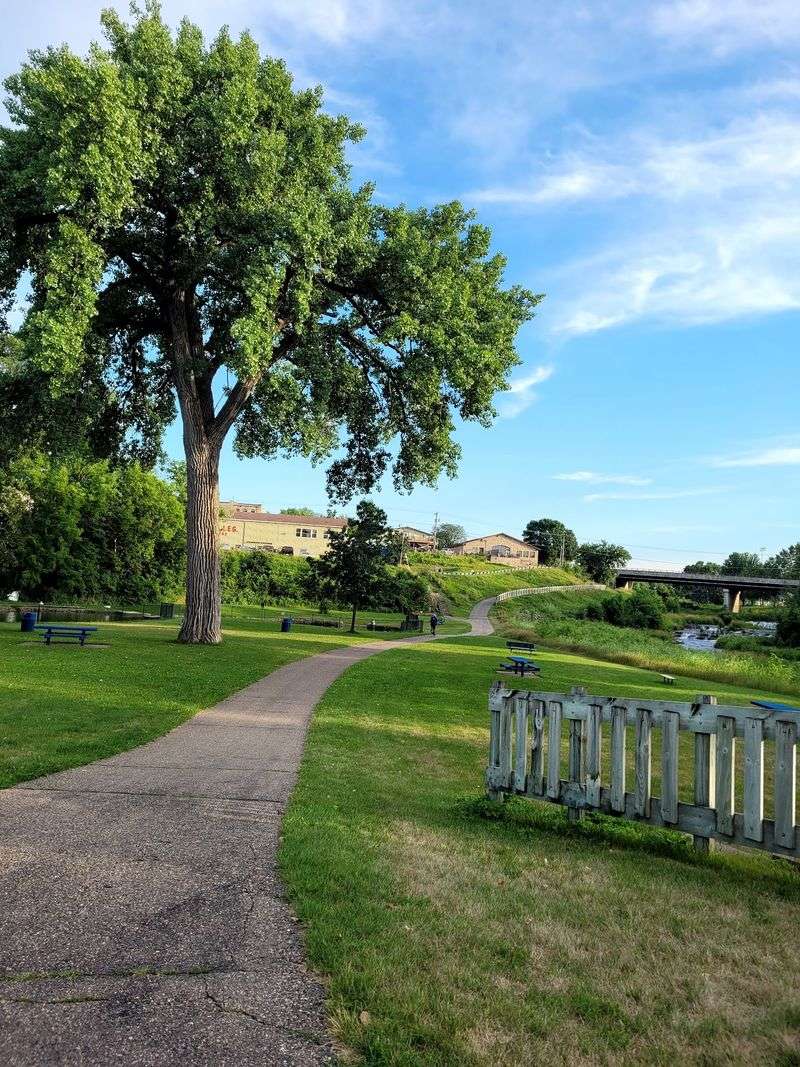
The Cannon Valley Trail runs roughly 19.7 miles between Red Wing and Cannon Falls, following the Cannon River through some genuinely beautiful stretches of southeastern Minnesota landscape. The trail is paved and well-maintained, making it accessible for cyclists, walkers, and inline skaters who want to move through the river valley at their own pace.
The scenery along the route changes with the seasons in ways that keep locals coming back year after year. Spring brings wildflowers along the riverbanks, summer fills the canopy overhead, and fall turns the whole corridor into something that looks almost too colorful to be real.
A wheel pass is required to use the trail, which helps fund its upkeep and keeps the experience consistently good. Starting from the Red Wing end gives you a gradual introduction to the valley before the landscape opens up further west toward Welch and beyond.
Red Wing Shoes and a Legacy Stitched Into the Town
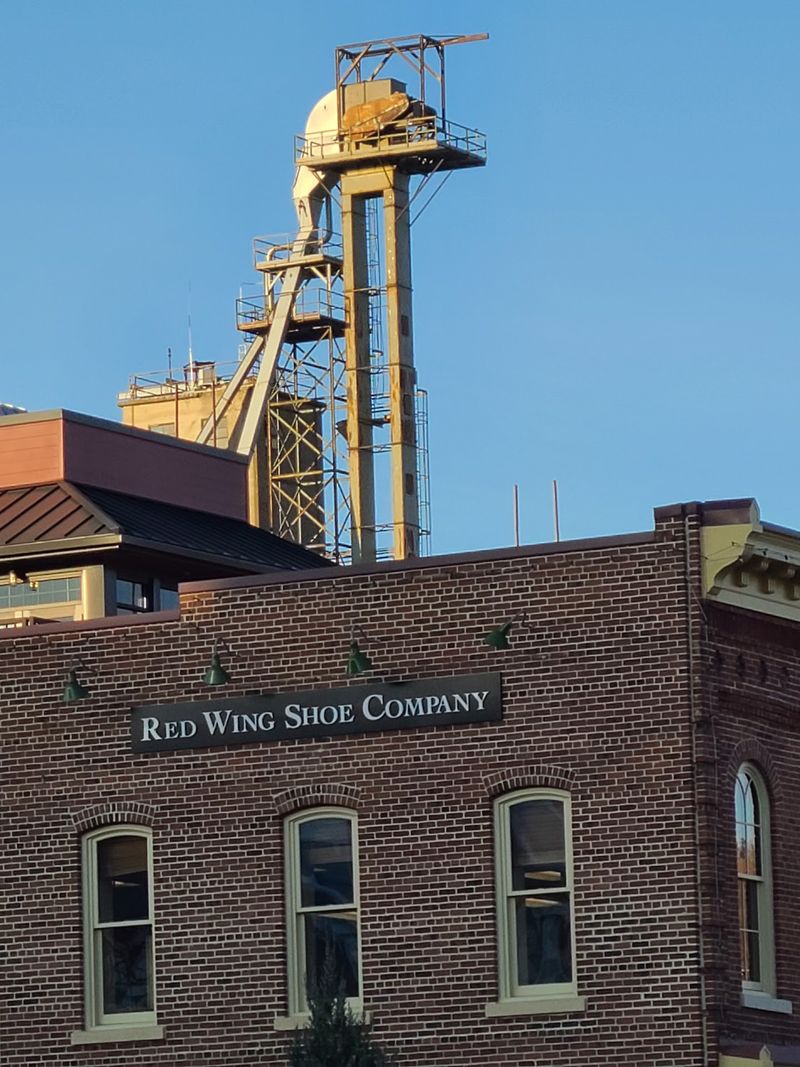
There is a good chance you have seen the Red Wing name on a pair of boots without knowing the town behind it. Red Wing Shoes was founded here in 1905, and the company has been making work boots and leather footwear in the region ever since.
The brand became synonymous with durable, American-made craftsmanship long before that phrase became a marketing trend.
The Red Wing Heritage Store in downtown gives visitors a chance to see the full range of the product line and learn about the manufacturing process. The leather, the construction methods, and the attention to fit are all part of a story that ties directly back to the working-class identity of the town itself.
For many visitors, stopping at the store is less about buying boots and more about connecting a familiar brand to its actual origin. That connection feels surprisingly meaningful when you are standing in the town where it all started.
The St. James Hotel and Its Place in River History
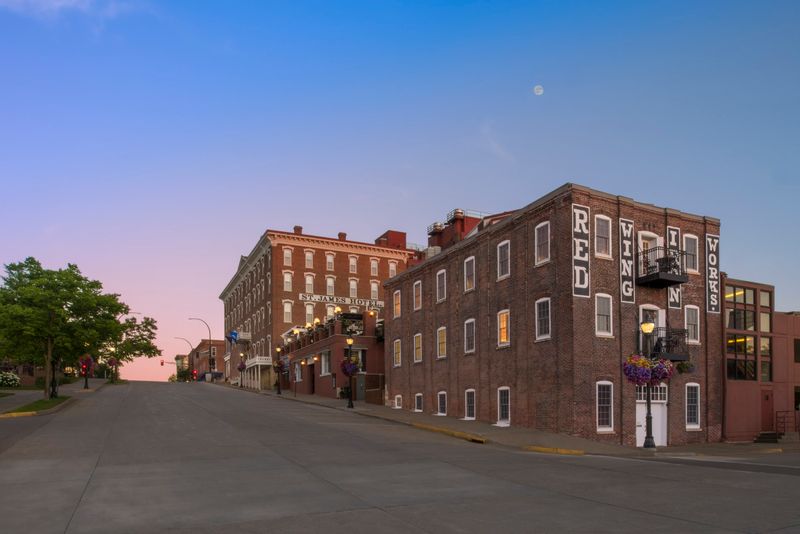
The St. James Hotel opened in 1875 and has been a fixture of Red Wing’s downtown ever since. Built during the height of the town’s grain trading era, the hotel was designed to serve the merchants, river captains, and travelers who passed through when Red Wing was one of the busiest wheat shipping ports in the world.
The building itself is a well-preserved example of Victorian commercial architecture, and staying there gives you a tangible connection to the town’s prosperous past. The rooms have been updated over the years, but the character of the original structure remains clearly visible in the details.
The hotel sits close enough to the river that you can feel the town’s relationship with the Mississippi just by walking out the front door. It is one of those places where the history is not just displayed on a plaque but actually built into the walls around you.
Birdwatching Along the Mississippi Flyway
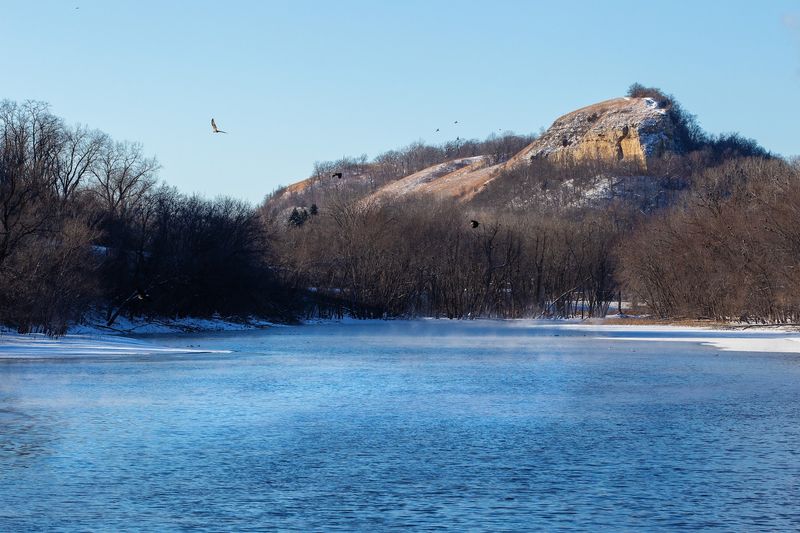
Red Wing sits directly along the Mississippi Flyway, one of the major migratory routes for birds traveling between their breeding and wintering grounds. That geographic position means the skies and riverbanks around town see an extraordinary variety of species throughout the year, and serious birdwatchers know this stretch of the river well.
Bald eagles are a consistent presence, particularly during the winter months when they gather near open water to feed. Watching a mature eagle work the river currents from the top of Barn Bluff is the kind of experience that does not require any prior interest in birdwatching to appreciate fully.
Frontenac State Park, located a short drive east of Red Wing, is specifically recognized as a premier birdwatching location in Minnesota. The park sits at a natural bottleneck in the flyway, concentrating migrating species in numbers that regularly draw birders from well outside the state.
Levee Road and the Waterfront That Anchors the Town
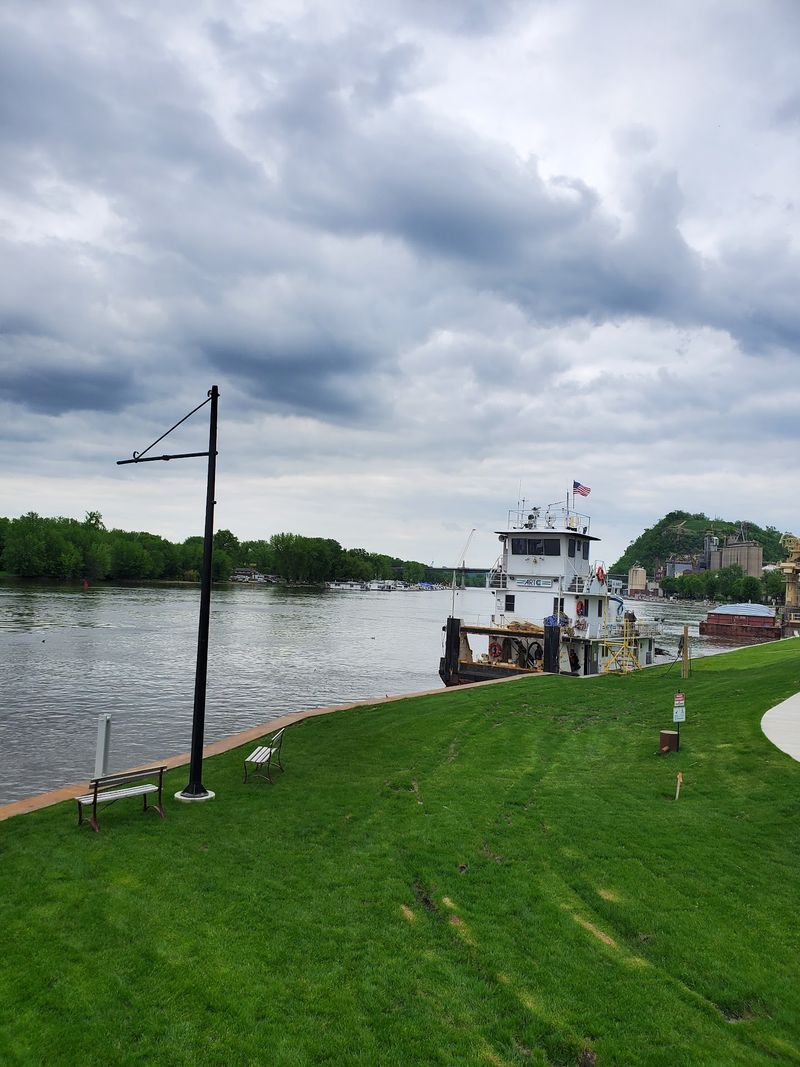
Levee Road runs along the Mississippi River through Red Wing and offers one of the most straightforward ways to understand what makes this town’s setting so distinctive. The river here is broad and calm, and the bluffs on either side create a natural frame that gives the whole scene a sense of scale that photographs struggle to capture.
Levee Park sits along this stretch and provides an open green space where locals gather on warm evenings to watch the river traffic and enjoy the light as it changes over the bluffs. It is a genuinely pleasant place to spend an hour without any particular agenda.
The waterfront also gives context to the town’s history as a river port. Standing there, you can picture the steamboats and grain barges that once made Red Wing one of the most economically significant stops on the upper Mississippi.
The river has not changed much, and that continuity is part of what makes this spot feel so grounded.
Goodhue County and the Agricultural Roots Surrounding Red Wing
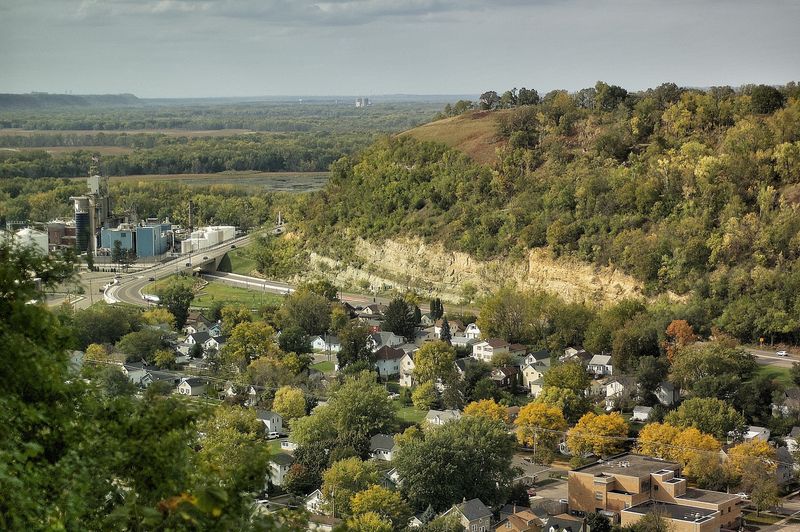
Red Wing serves as the county seat of Goodhue County, and the agricultural landscape surrounding the city is a big part of what shaped its character over more than a century and a half. The rich bottomland soil along the river valley made this region one of Minnesota’s most productive farming areas, and that productivity drove the grain trade that once made Red Wing famous across the Midwest.
Driving the county roads outside of town gives you a clear picture of how the bluff country landscape works. The terrain rolls and drops in ways that feel dramatic compared to the flat prairie further west, and the combination of farmland and wooded ridgelines creates a visual rhythm that is easy to appreciate from a car window.
The connection between the land and the town is not just historical. Local farms still contribute to the regional economy, and that agricultural identity remains a quiet but consistent thread running through Red Wing’s sense of place.
Planning Your Visit to Red Wing
Red Wing is located about 55 miles southeast of the Twin Cities along U.S. Highway 61, which itself is a scenic drive worth taking slowly.
The route follows the Mississippi River for much of the way, and the bluff scenery builds gradually until you arrive in town feeling like you have genuinely traveled somewhere different.
Fall is widely considered the peak season for visiting, when the hardwood forests covering the bluffs turn in full color and the cooler temperatures make hiking Barn Bluff especially rewarding. Spring is quieter and brings wildflowers to the valley trails.
Summer fills the downtown with activity and gives you the best conditions for cycling the Cannon Valley Trail.
The town is compact enough to explore on foot, and most of the major attractions sit within a short distance of the historic downtown core. A weekend gives you enough time to cover the highlights without rushing through any of them.
Share this story