Tucked into Bergen County, the small borough of Wallington has carried a quietly remarkable identity for more than a century. Polish-American families helped build this town from its industrial roots, and their presence never faded into the background.
Today you can still taste, hear, and feel that heritage in the restaurants, ceremonies, schools, and churches that make Wallington more than just another New Jersey stop on the map.
Wallington’s Polish story began with mills, workers, and Pulaski Avenue
Bergen County has no shortage of compact boroughs with layered histories, but Wallington stands out for how visibly one chapter of that history still shapes the place. Covering roughly one square mile, the borough sits close enough to Passaic and Garfield that early residents could walk or ride to factory work.
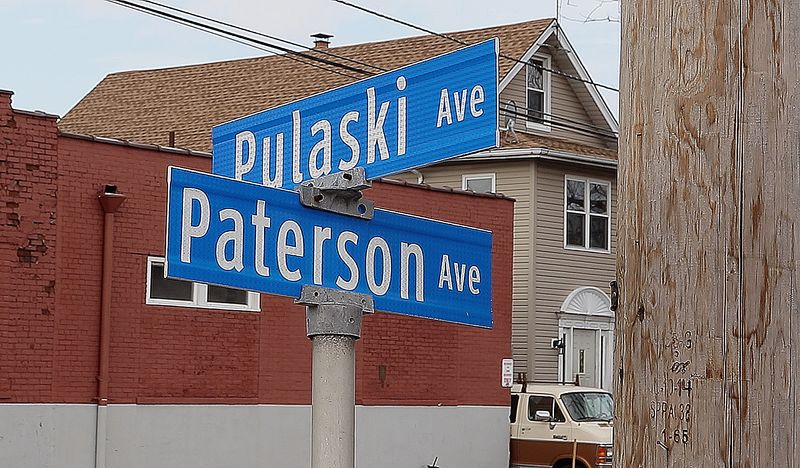
Wallington’s official municipal history describes how bridges and industrial access helped draw Polish mill workers to the area in the early twentieth century, and how the town’s center gradually shifted toward Pulaski Avenue as that community grew.
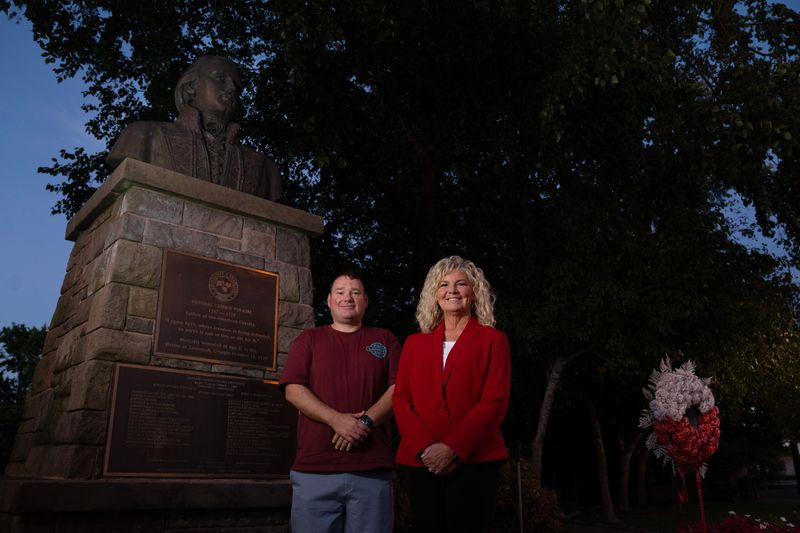
That street name is not coincidental. Pulaski Avenue honors General Casimir Pulaski, the Polish-born Revolutionary War hero whose memory runs through Polish-American communities across New Jersey and beyond.
For Wallington, the avenue became a practical and symbolic spine, connecting the neighborhoods where Polish workers settled with the churches, businesses, and gathering places that followed.
The labels “Little Warsaw” and “Little Poland” both circulate in local conversation and published coverage. NJ Monthly has used the “Little Poland” framing when writing about the borough’s food scene, and Polish community directories list Wallington as a notable Polish-American address in the region.
Neither label appears to be an official municipal designation. They function as local shorthand, a way of signaling cultural character rather than stating a formal title.
Understanding that distinction matters before you visit. Wallington is not a themed district or a preserved ethnic enclave.
It is a working borough where Polish-American identity developed organically over generations and continues to show up in everyday institutions. The industrial origin story is the foundation for everything that followed, from the food on Pulaski Avenue to the flag ceremonies at borough hall.
The quickest way into Wallington’s identity is through its food
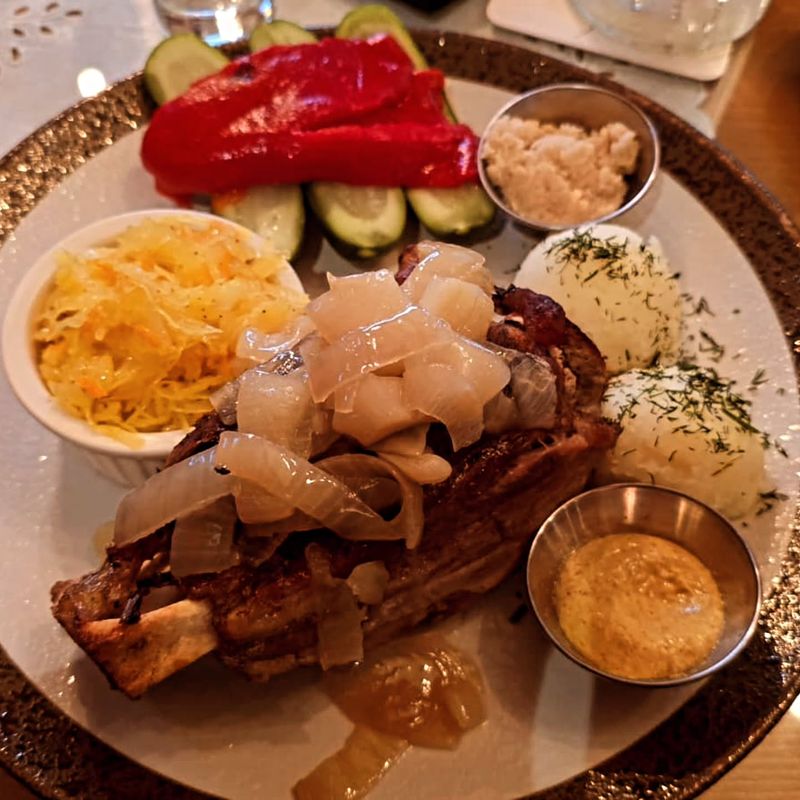
Before you look up parade schedules or church service times, make a restaurant reservation. Food is the most reliable and immediately accessible expression of Wallington’s Polish-American character, and two businesses in particular give visitors a genuine starting point.
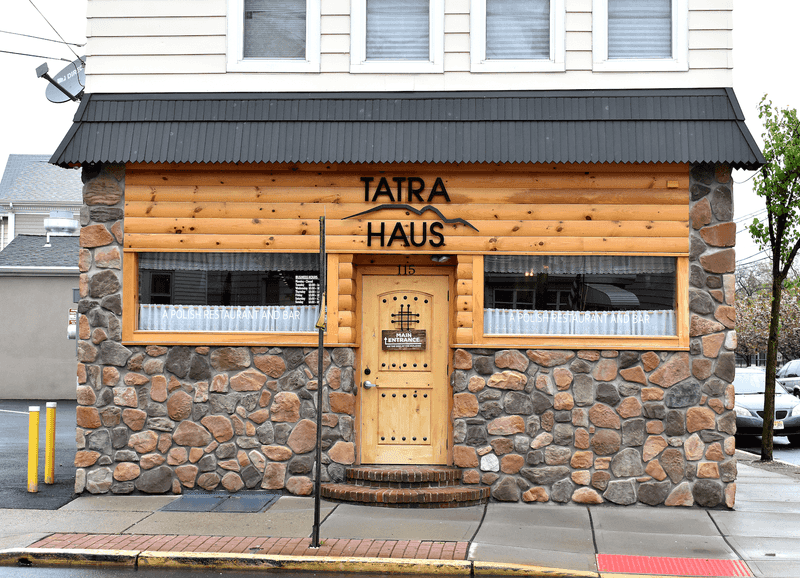
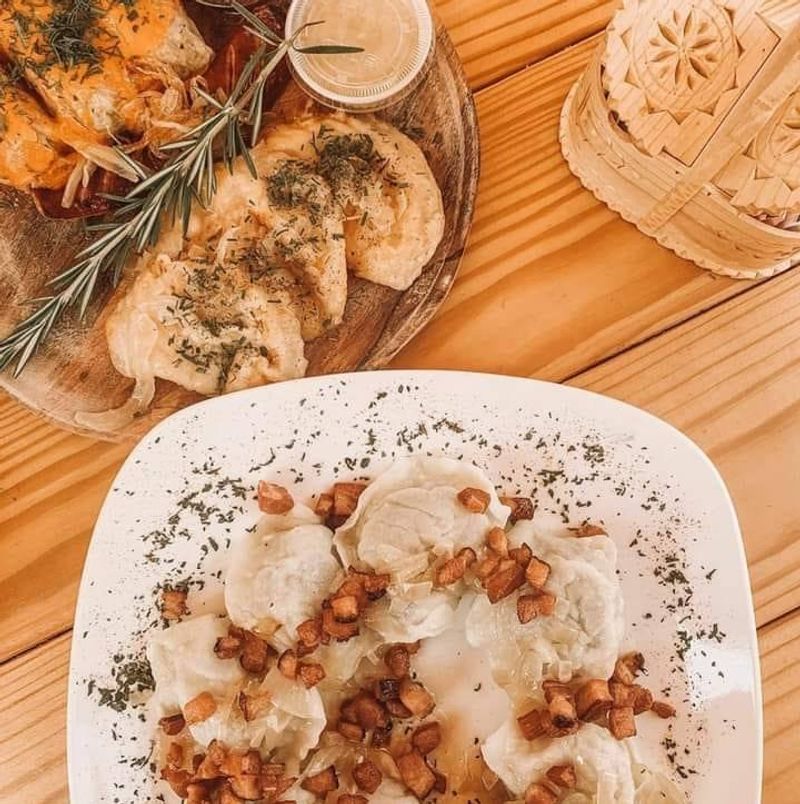
Tatra Haus describes itself as a Polish Highlander restaurant, which is a meaningful distinction. Polish Highlander cuisine comes from the Tatra Mountain region of southern Poland and carries its own specific flavors, preparations, and traditions.
That is not the same as generic Central or Eastern European food, and the restaurant’s own framing is the right one to use. Tatra Haus lists a Wallington address, outdoor seating, and takeout options, making it workable for different visit styles.
Wallington Exchange identifies itself as a traditional Polish restaurant and banquet hall, which suggests a somewhat different scale and atmosphere. A banquet hall setup often means larger gatherings, events, and a menu calibrated for celebration rather than a quick weekday lunch.
Checking their current availability before assuming walk-in access is worth the extra step.
Neither of these businesses exists primarily to entertain visitors. They serve a local community with real appetites and real regulars, which is exactly what makes eating there feel authentic rather than performative.
Menus, hours, and reservation requirements can change, so confirming current details directly with each restaurant before you go is strongly recommended.
Worth noting: not every restaurant in Wallington is Polish-focused. The borough has other dining options, and assuming that any establishment with a Wallington address serves Polish food would be a mistake.
Use each business’s own description as your guide, and let the food do the talking once you sit down.
Public ceremonies turn cultural pride into sound and spectacle
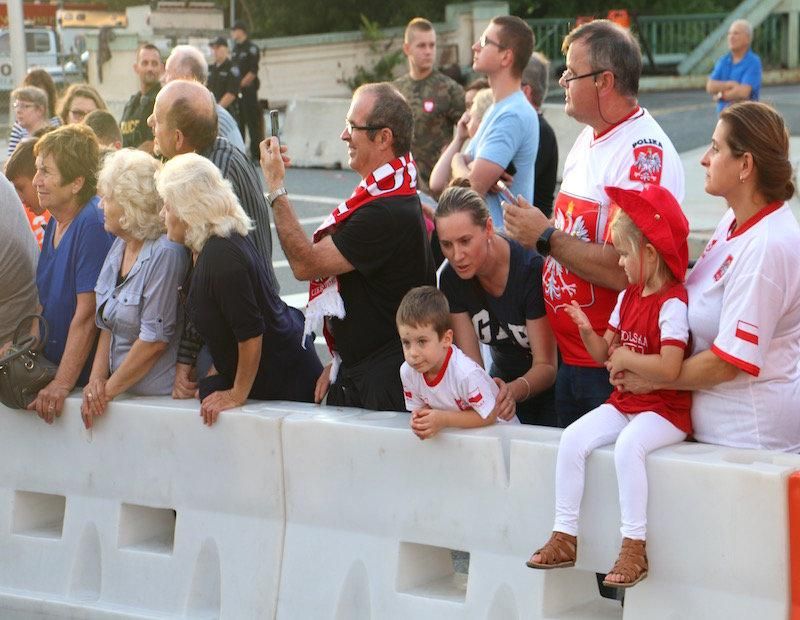
A restaurant meal tells you something about a community. A public ceremony tells you how that community chooses to present itself to the world.
Wallington has done both, and the civic side of its Polish-American identity is worth understanding before you plan a visit around it.
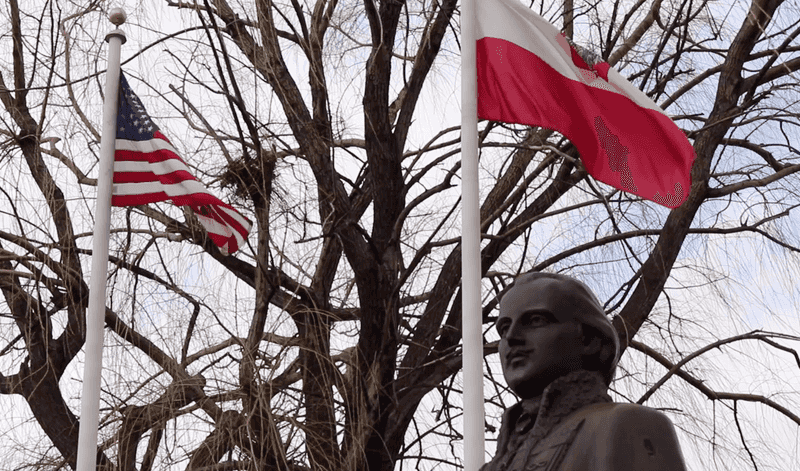
In November 2024, the borough hosted a Polish flag-raising ceremony that brought together local officials, residents, and students. The borough’s event listing for the 2024 flag-raising confirms that the program included both the Polish and American national anthems, an artistic presentation by the Polish school, and refreshments.
That combination of civic symbolism, music, student performance, and community gathering captures what “pride” looks like when it moves from abstract feeling into scheduled public life.
The music at that ceremony was anthem-based and community-performed, which is worth stating plainly. Wallington does not appear to have a continuous Polish folk-music scene running through its streets on any given afternoon.
What the evidence supports is something more specific and arguably more meaningful: organized performances at civic and cultural events, with students and community members participating together.
Polish-school programming has included dancing and music as part of student presentations, which connects the performing arts to the educational mission rather than treating them as entertainment for outsiders. When a child performs a Polish folk dance at a school event, that moment is primarily for the family watching, not for the visitor photographing.
Event details are time-sensitive. The 2024 flag-raising and the school programs cited here confirm that this kind of programming happens in Wallington, but specific dates and formats for future ceremonies should be confirmed through the borough’s official calendar or the Polish school’s own announcements before you make plans around them.
Schools and churches keep the tradition moving between generations
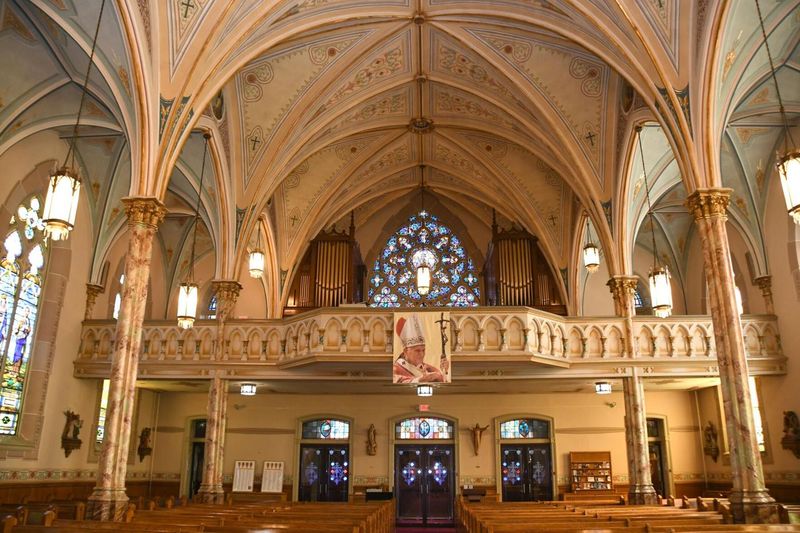
Restaurants and ceremonies can close or go on hiatus. The institutions that carry a cultural identity across decades are usually the quieter ones: schools where children learn a language their grandparents spoke, and churches where that language still appears in the liturgy.
Wallington has both, and they deserve more than a footnote.
St. Stanislaus Kostka Polish School was founded in 1980 with an explicit purpose: to teach Polish language, history, and culture to children in the community. Located at 127 Paterson Avenue, the school has operated for more than four decades, which means it has helped raise multiple generations of Polish-American children in Wallington.
Language education at that scale is not a weekend hobby. It is a deliberate, sustained commitment to keeping a living connection to heritage rather than letting it become purely ancestral memory.
Religious institutions add another layer. Transfiguration of Our Lord Polish National Catholic Church offers both English and Polish Sunday Masses, along with regular devotional and community activities.
Bilingual worship is a practical accommodation for a congregation that spans generations and language comfort levels, and it signals that the parish is actively serving Polish-speaking parishioners, not just honoring a historical association.
Most Sacred Heart parish participates in the annual General Casimir Pulaski Memorial Parade in both Wallington and New York City, and describes supporting Polish cultural events in the borough. Parade participation connects the local parish to a broader Polish-American commemorative tradition that extends well beyond Bergen County.
A practical note for anyone curious about visiting: these institutions exist to serve their communities. School classes are not open for observation, and worship services are not drop-in cultural experiences.
If you want to witness or participate in a public event connected to either institution, check their schedules in advance, confirm whether the public is welcome, and approach with the same courtesy you would extend to any active religious or educational community.
What can a visitor realistically do in one Wallington stop?
Wallington is not a Polish theme park. There is no visitor center handing out maps, no costumed guides, and no single attraction that anchors a full day trip on its own.
What the borough offers is more modest and more honest: a compact, genuinely Polish-American community where you can eat well, observe civic pride, and pick up a sense of a culture that has been quietly maintaining itself for over a century.
Start with a restaurant. Tatra Haus and Wallington Exchange both have Wallington addresses and Polish identities, but their formats differ enough that choosing between them depends on what kind of meal you want.
Tatra Haus offers takeout and outdoor seating, which suits a casual stop. Wallington Exchange’s banquet-hall orientation suggests calling ahead to understand current availability for walk-in dining.
After eating, Pulaski Avenue serves as a practical geographic anchor for a short walk through the borough’s commercial center. The scale is small enough that you will not need a car to move between nearby points of interest, but Wallington is not a formally designed walkable district, so manage expectations accordingly.
Street parking is generally available in a borough of this size, but confirming local parking rules before arriving avoids unnecessary frustration.
Check the borough’s official event calendar before you go. If a civic ceremony, parish event, or school performance happens to coincide with your visit, and if it is open to the public, that adds meaningful texture to what would otherwise be a food-focused stop.
The borough’s 2025 fall newsletter advertised a town festival with live music, food trucks, vendors, and family activities. That is general community programming, not a specifically Polish festival, but it reflects the kind of town-life event that can make a visit feel more alive than a solo restaurant trip.
The best single-stop Wallington visit pairs a meal at a Polish restaurant with a short walk and, if timing allows, a public event. Keep the expectations grounded, confirm all details before you travel, and the borough will deliver exactly what it promises: a real community with a real cultural identity, not a staged one.
The pride is visible without making every resident part of one story
Celebrating a community’s cultural identity and accurately describing that community are two different tasks, and getting both right at the same time takes some care. Wallington’s Polish-American presence is real, visible, and historically significant.
It is also one part of a borough that includes residents with other backgrounds, languages, and ancestry.
The Wallington school district describes a “large Eastern European population comprised mainly of families of Polish heritage” as a major influence on the high school community. That is meaningful evidence of cultural weight, but it comes from a school-community description, not a demographic survey.
The school is describing its student population and the influences that shape school culture, which is a different kind of statement than a Census count.
Older figures citing Polish ancestry percentages in the range of 45 to 51 percent circulate in some published references, but those numbers come from earlier Census or ACS-era data. The Census Bureau notes that ACS estimates are sample-based and subject to margins of error, and current ACS ancestry data should be consulted for the most recent figures rather than repeating older statistics as if they are current facts.
Ancestry and active cultural participation are also different things. A resident who reports Polish ancestry on a Census form may or may not speak Polish, attend a Polish church, enroll children in the Polish school, or participate in Pulaski parade events.
Converting an ancestry statistic into a statement about cultural uniformity overstates what the number actually measures.
None of this diminishes what makes Wallington worth visiting. A community does not need to be culturally uniform to have a strong and visible identity.
The Polish-American presence in Wallington is credible precisely because it shows up in specific, named institutions and documented events rather than in sweeping demographic claims. Acknowledging the full picture makes the celebration more honest, and more persuasive.
Little Warsaw is a nickname, but the culture is something you can encounter
A nickname tells you what people want a place to be known for. What actually sustains that reputation is something harder to summarize: a century of settlement and institutional investment that keeps showing up in daily life rather than fading into a historical marker.
Wallington’s Polish-American identity lives in restaurants serving Highlander dishes, in flag ceremonies where anthems are sung in two languages, in a Polish school that has been teaching children since 1980, and in parishes that march in the Pulaski parade year after year. Those are not tourist attractions.
They are the ordinary infrastructure of a community that decided its heritage was worth maintaining.
For a visitor, the right approach is simple: choose a Polish restaurant, check the borough calendar for any publicly accessible events, confirm current hours and access before you go, and treat every institution you encounter as belonging first to the people who built it. Wallington offers a compact, genuine taste of New Jersey cultural history – no admission fee required, no performance put on for your benefit.
The culture is just there, going about its life, which is the best possible reason to pay attention to it.
Share this story