There is a quiet stretch of land in southwestern Illinois where one of the greatest adventures in American history began. Long before the famous expedition set off into uncharted territory, Meriwether Lewis and William Clark spent an entire winter camped here, training their men, gathering supplies, and preparing for the unknown.
The spot is now a fully preserved historic site that brings that story to life in a way that is both educational and genuinely exciting. Whether you are a history lover or just someone looking for a meaningful day trip, this place will surprise you with how much it packs into a free visit.
Where It All Started: The Address and Setting
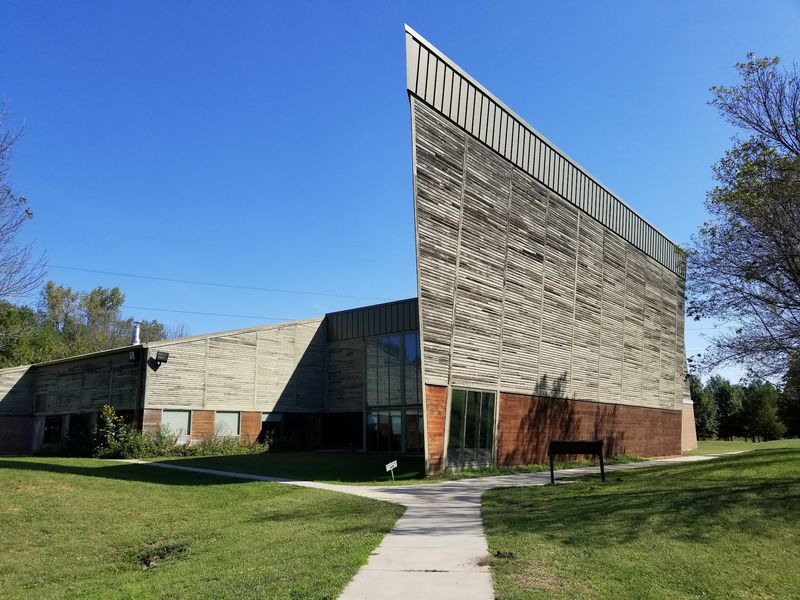
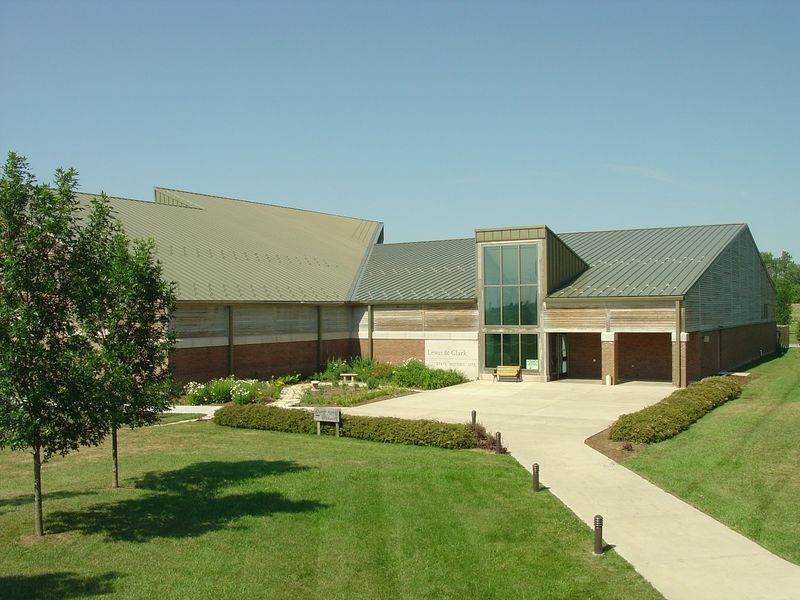
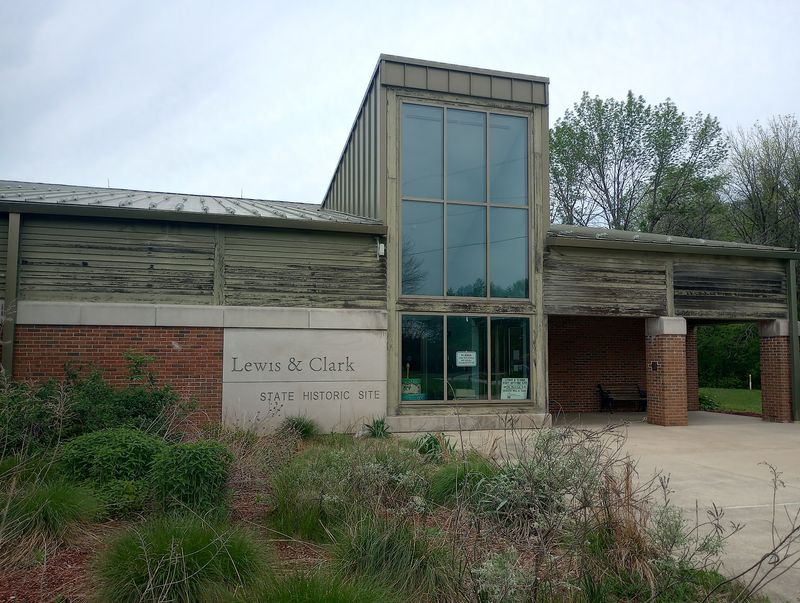
The Lewis and Clark (Camp River Dubois) State Historic Site sits at 1 Lewis and Clark Trail, Hartford, Illinois 62048, right near the confluence of the Missouri and Mississippi Rivers. That location is not a coincidence.
Lewis and Clark chose this exact area in the winter of 1803 to 1804 because the rivers provided a natural highway heading west.
Hartford is a small, quiet town, but the site itself feels significant the moment you arrive. The surrounding landscape still carries that wide, open character of the American frontier, with flat land stretching toward the river and big Midwestern skies overhead.
Free parking is available on site, and the building is modern and well maintained. The hours run from 9 AM to 5 PM every day of the week, making it easy to plan around any schedule.
You can reach the site by phone at +1 618-251-5811 or visit www.campdubois.com for more details before heading out.
The Winter Camp That Changed American History
Most people know Lewis and Clark for the journey west, but fewer know about the months they spent preparing right here in Illinois. Camp River Dubois, as it was called, served as the Corps of Discovery’s base camp from December 1803 through May 1804.
During that time, the men trained hard, built discipline, and got ready for a mission that had never been attempted before.
Clark was largely in charge of the camp while Lewis traveled to gather supplies and finalize plans. The men drilled daily, repaired equipment, and learned to function as a unit under demanding conditions.
That preparation made the difference on a journey that would cover thousands of miles through territory no American had ever formally explored.
Visiting the site today, you get a real sense of how much work went into those early months. The story does not start with the boats heading upriver.
It starts right here, in the cold Illinois winter, with two leaders and a crew determined to make history on their own terms.
The Full-Size Keelboat Replica That Steals the Show
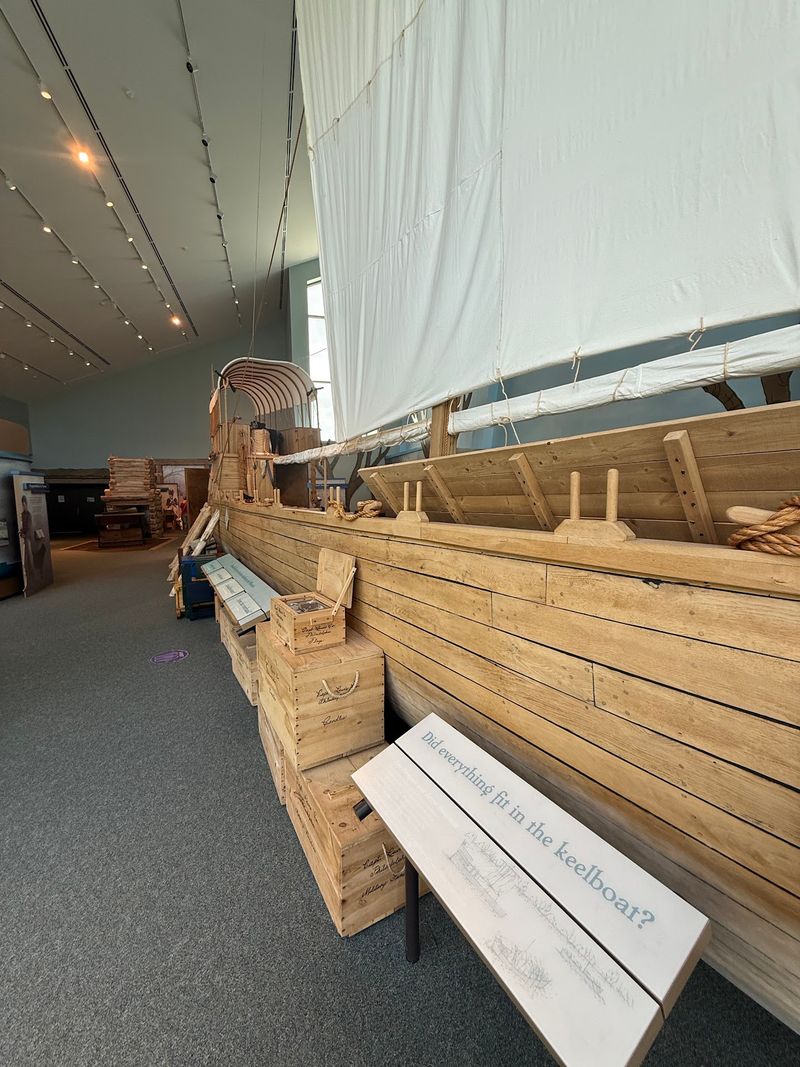
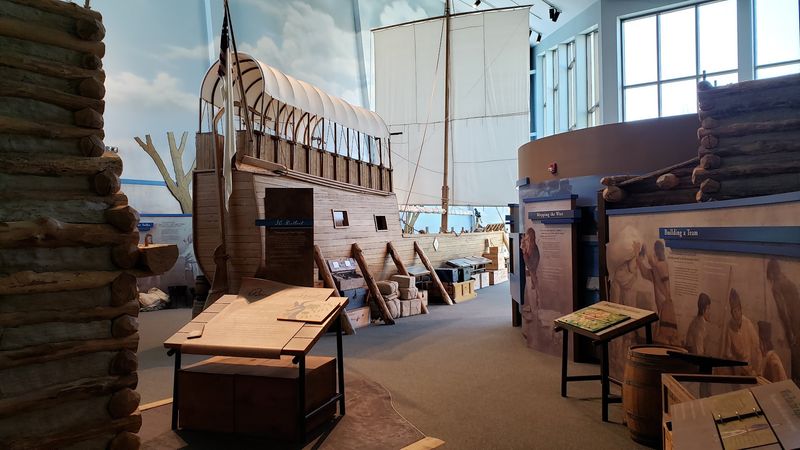
Few museum exhibits stop visitors in their tracks quite like the full-size keelboat replica at this site. The boat is enormous, and seeing it up close makes you instantly realize how physically demanding this expedition must have been.
The Corps of Discovery used a vessel just like this one to haul supplies, equipment, and more than 40 men upriver from Illinois.
The replica is built to accurate scale, so you get a real feel for the cramped quarters and the sheer weight the crew managed day after day. Exhibits around the boat explain how it was navigated, what it carried, and how the men worked together to move it against strong river currents.
There is also a keelboat cutout display that lets visitors get a cross-section view of the interior. Kids especially enjoy this feature because it turns a history lesson into something hands-on and visual.
Adults tend to linger here too, quietly doing the math on how hard it must have been to push that massive boat upstream mile after mile, month after month.
Interactive Exhibits That Make History Feel Personal
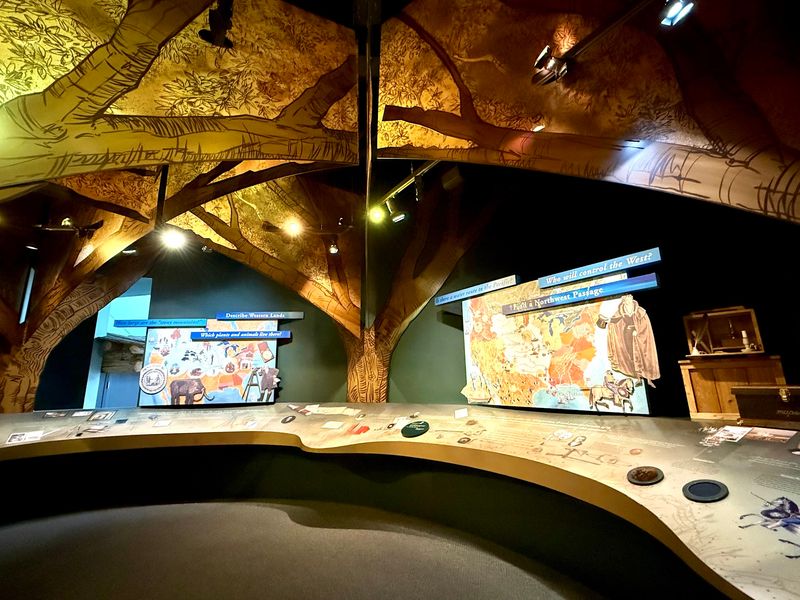
History museums can sometimes feel like a row of glass cases and long paragraphs on walls. This site takes a different approach.
The exhibits here are built to engage, with hands-on displays, maps you can study up close, and interactive elements that pull you into the story rather than just presenting it from a distance.
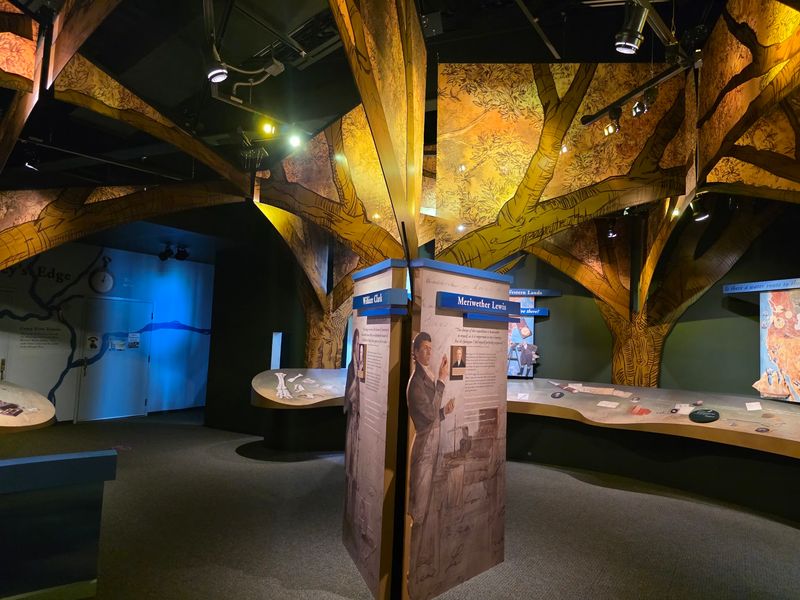
One highlight is a section where visitors can explore the expedition phase by phase, moving through the journey as the Corps of Discovery experienced it. The displays include period tools, navigation instruments, and detailed maps that show just how far into the unknown the crew traveled.
There is even a section dedicated to the creative but inconsistent spelling habits of Lewis and Clark themselves, which gives the whole exhibit a surprisingly human quality. Seeing their handwritten notes and personal quirks makes these historical figures feel like real people rather than textbook legends.
The museum manages to be both informative and genuinely entertaining, which is a harder balance to strike than most people realize.
The 15-Minute Film Worth Every Second
Tucked inside the interpretive center is a comfortable theater where visitors can watch a short film about the Lewis and Clark Expedition. At around 15 minutes, it is the right length to inform without overstaying its welcome.
The film covers the origins of the expedition, the role of President Thomas Jefferson, and the significance of what the Corps of Discovery accomplished.
The audio could use a small upgrade, but the content itself is well produced and clearly researched. It works especially well as a starting point before you explore the rest of the exhibits, giving you context that makes the displays more meaningful.
Watching it at the end works too, as a way to tie everything together after you have already absorbed the details.
The theater seats a decent group, so families and school trips can watch comfortably together. Staff members are happy to point you toward the screening schedule or start it up on request.
It is one of those small touches that separates a good museum from a great one, and it absolutely earns its place in the visit.
Junior Ranger Program for Young Explorers
Bringing kids to a history museum can be a gamble, but this site has a program specifically designed to keep younger visitors engaged from start to finish. Staff hand out Junior Ranger booklets at the front desk, and children use them to complete activities and answer questions as they move through the exhibits.
The booklets are thoughtfully put together, guiding kids to look closely at displays and think about what life on the expedition was actually like. At the end of the visit, a staff member asks each child what they learned and then leads them through a Junior Rangers oath, which turns the whole experience into a small ceremony that kids genuinely remember.
Parents report that the booklet keeps children focused in a way that free-roaming visits sometimes do not. The program adds structure without feeling like homework, and the oath at the end gives kids a sense of accomplishment.
For families traveling through the St. Louis area or looking for a meaningful stop near the Gateway Arch, this program alone makes the detour worth it.
The Reconstructed Fort and Outdoor Exhibits
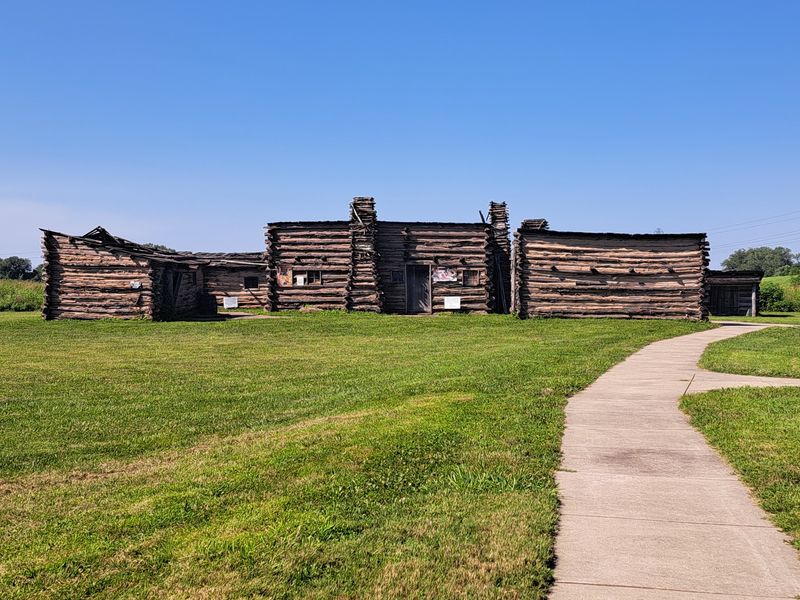
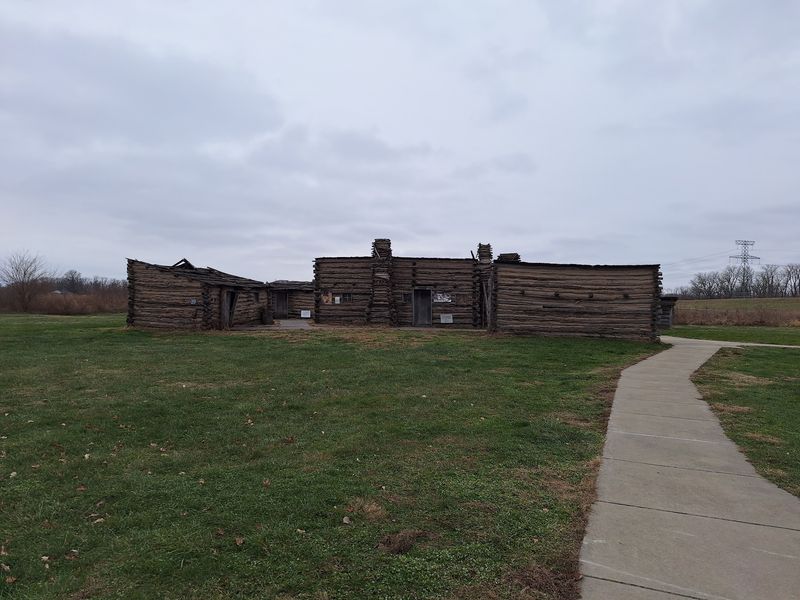
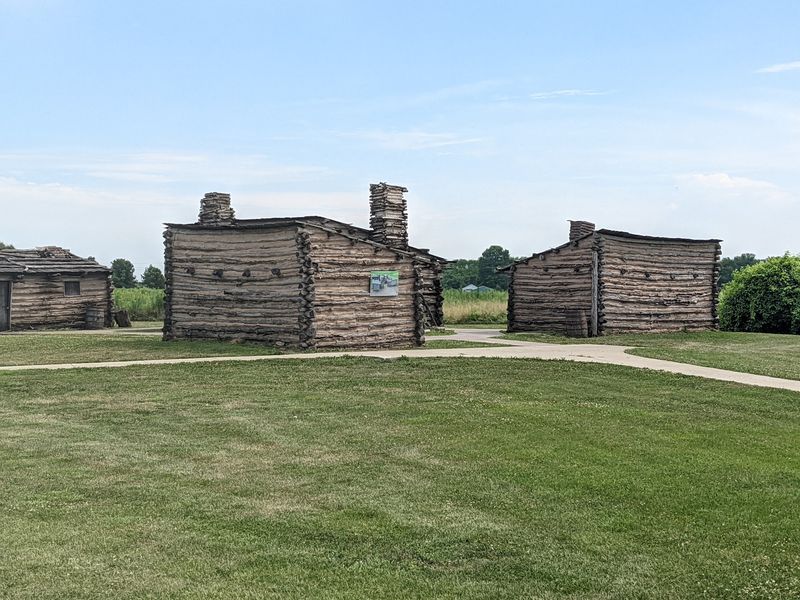
Outside the main interpretive center, the site features a reconstruction of the original Camp River Dubois fort, built to reflect what the Corps of Discovery’s winter quarters would have looked like in 1803. The log structures and wooden walls give the outdoor area a rugged, authentic character that photographs do not fully capture.
The outdoor exhibits have seen some wear over the years, and parts of the reconstructed buildings have been closed to visitors due to maintenance and pest-related issues. You can still walk the grounds, peer through windows, and get a solid sense of the layout and scale of the original camp.
Restoration work has been ongoing, and crews have been spotted working to bring the structures back to better condition.
Even in its current state, the outdoor area adds real value to the visit. Standing outside the reconstructed walls with the river not far off, you get a feel for just how exposed and isolated this camp must have felt in midwinter.
The natural setting does a lot of the storytelling on its own, without needing any signage to explain it.
Free Admission and What That Really Means
The word free tends to come with a catch, but at this site, the admission is genuinely free, and so is the parking. There is a guest book to sign and a donation box for those who want to contribute, but nobody pressures you, and nobody hands you a pitch at the door.
The experience stands on its own without needing a ticket price to justify it.
That generosity matters because it makes the site accessible to families on tight budgets, school groups, solo travelers passing through, and anyone who might otherwise skip a paid attraction. The quality of the exhibits, the staff, and the overall experience matches or exceeds what you would expect from a museum charging admission.
A gift shop on site offers books, souvenirs, and educational items related to the expedition, which is a natural way to support the site if you feel moved to do so after your visit. Many visitors leave a donation after seeing how much care has gone into maintaining the space.
The combination of free entry and high-quality content is rare, and it is one of the main reasons this site earns such strong reviews from nearly everyone who stops by.
The Staff Who Bring the Story to Life
A museum is only as good as the people inside it, and the volunteers and staff at this site are a genuine highlight. They are knowledgeable, approachable, and clearly passionate about the Lewis and Clark story.
Ask a question and you will get a real answer, not a rehearsed script.
The staff are happy to discuss specific details of the expedition, share lesser-known facts, and point out exhibits that first-time visitors tend to overlook. Several visitors have noted that the team here knows the material better than anything they have encountered on the Missouri side of the river, which is saying something given how many Lewis and Clark sites exist along the expedition route.
For solo travelers or those without a deep background in early American history, having engaged staff on hand makes a significant difference. They fill in context, answer follow-up questions, and make the visit feel like a conversation rather than a lecture.
The enthusiasm is contagious in the best way, and it leaves you with the kind of lasting impression that makes you want to tell other people about the place as soon as you get home.
Planning Your Visit: Tips and Nearby Attractions
The site is open seven days a week from 9 AM to 5 PM, which gives you plenty of flexibility for planning. A thorough visit takes about one to two hours, though you can spend more time if you explore the outdoor grounds and take a walk along the nearby Madison County Transit Confluence Trail.
From the site, you can drive the levee road to catch views of both the Mississippi and Missouri Rivers meeting in the distance. That view alone is worth a few extra minutes on your itinerary.
The site is also about a 20-minute drive from the Gateway Arch National Park in St. Louis, making it a natural addition to any trip to that area.
Nearby towns like Grafton and Alton offer additional stops for those turning the day into a longer outing. The site sits in a peaceful, uncrowded area that feels very different from a big city attraction, which is part of its appeal.
You can call ahead at +1 618-251-5811 or check www.campdubois.com to confirm hours and any exhibit updates before making the drive out.
Share this story