There is a bell sitting quietly on a remote island in Illinois that most Americans have never heard of, yet its story rivals anything you would find in a history textbook. Cast in France in 1741 and gifted by a king, this bell rang out to celebrate one of the most dramatic moments in American frontier history.
It has survived floods, wars, and the slow disappearance of the town around it. Today, a small but proud memorial protects it, and the journey to reach it is half the adventure.
Read on to find out why history lovers, road trippers, and curious families keep making the trek to see this remarkable piece of early American heritage.
Where Exactly This Memorial Sits
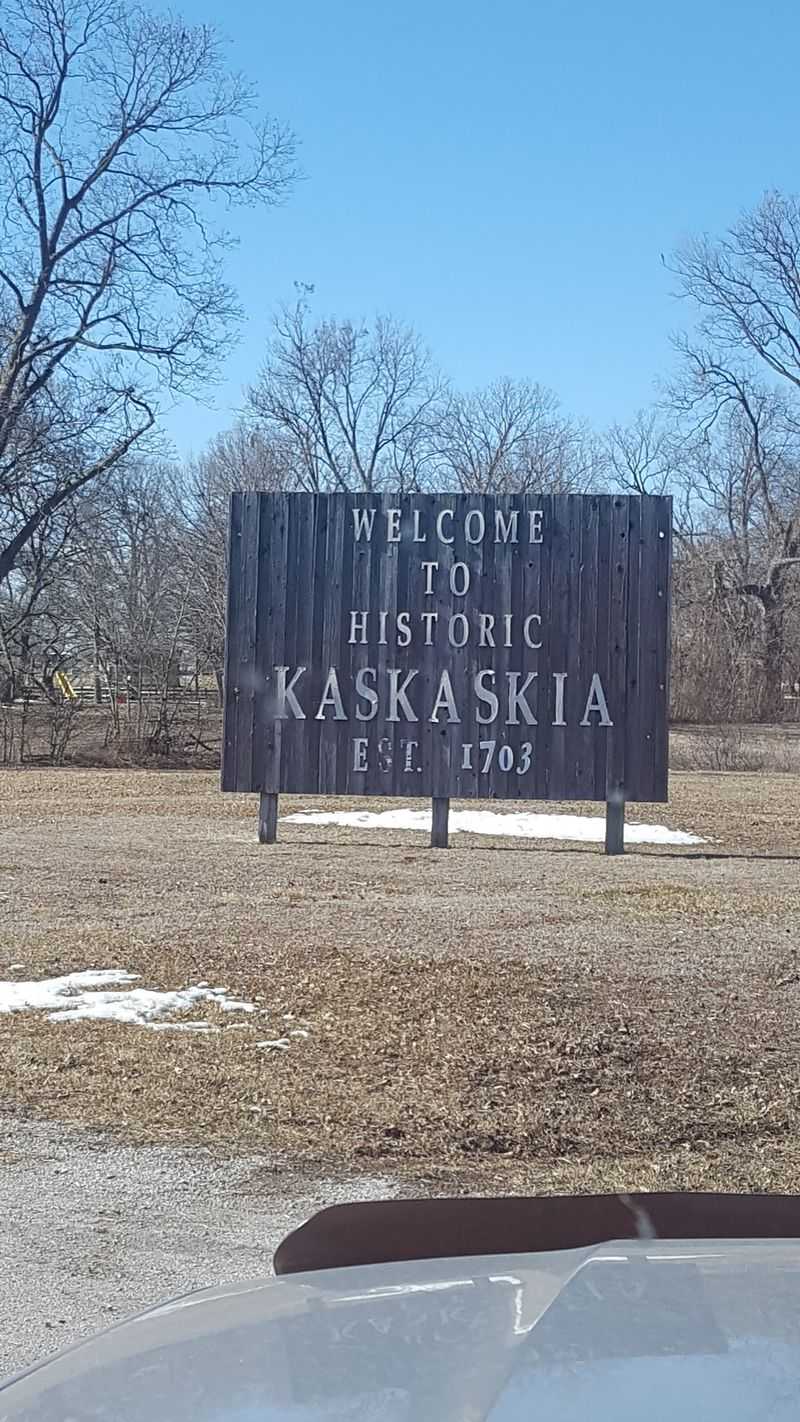
The address on the books reads 302 1st St, Chester, IL 62233, but the actual memorial sits on Kaskaskia Island, a quirky patch of Illinois land that ended up on the western side of the Mississippi River after the river shifted course centuries ago.
To reach it, you drive through Missouri, cross a small bridge, and suddenly find yourself standing on technically Illinois soil, even though the state line is behind you. That geographic oddity alone is enough to make a geography teacher’s head spin.
Kaskaskia is one of the smallest cities in Illinois and the only one west of the Mississippi River. The drive from Chester takes about 20 minutes each way, winding through flat Missouri farmland before the island appears.
The site is open 24 hours a day, seven days a week, and there is no admission fee. The phone number on file is +1 618-859-3031, and more details are available at the Illinois Historic Preservation website.
The French King Who Sent a Bell Across the Ocean
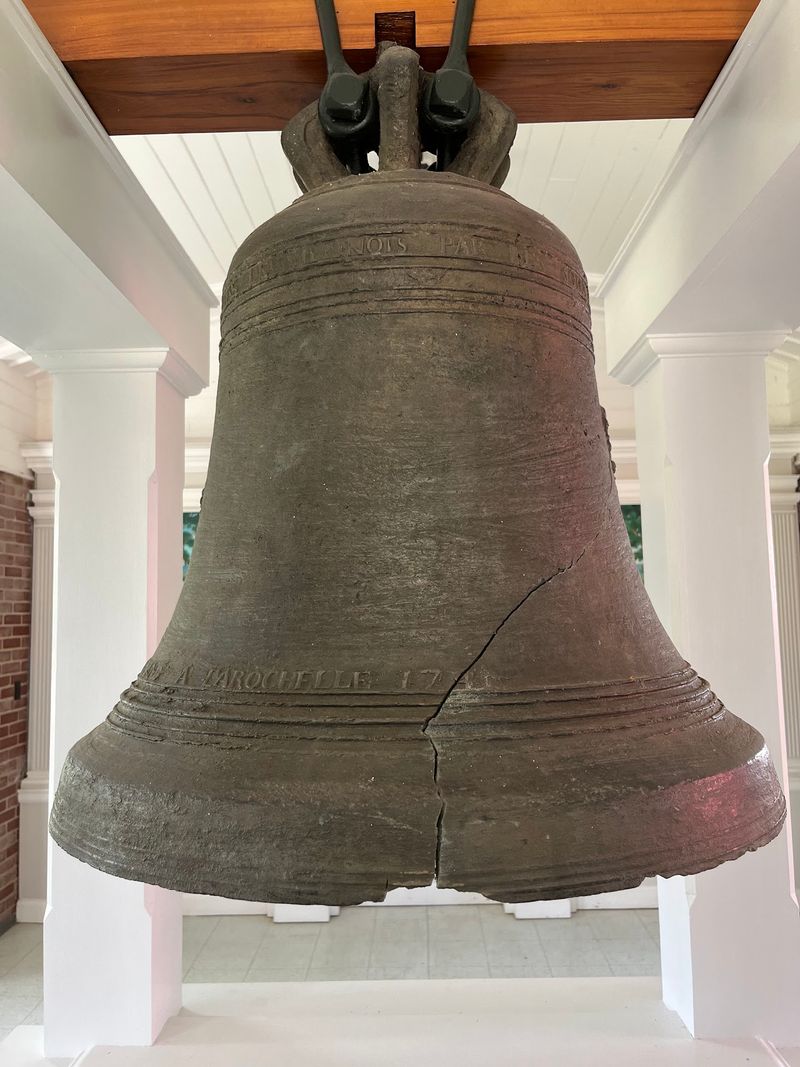
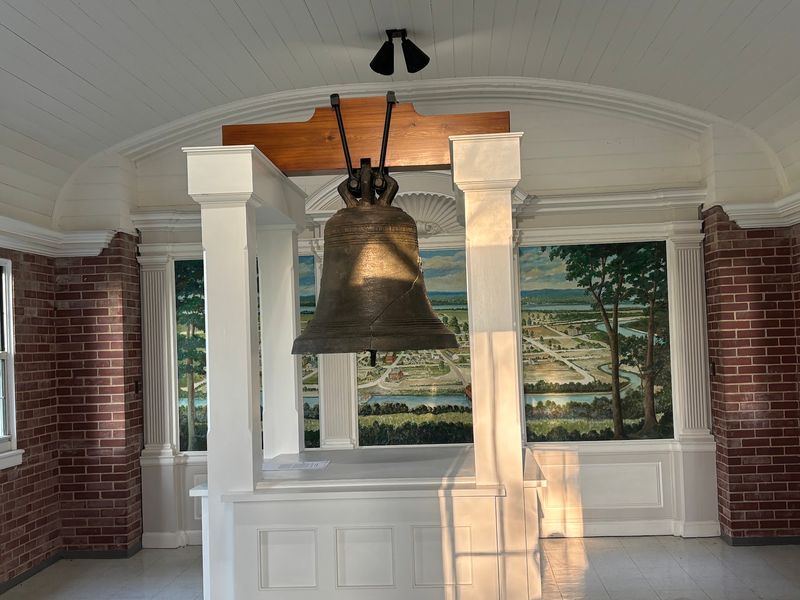
Back in 1741, King Louis XV of France sent a gift to the Catholic church in the frontier settlement of Kaskaskia: a bronze bell weighing about 650 pounds, cast in the town of La Rochelle.
The gesture was not unusual for the time. France controlled much of the interior of North America, and the church in Kaskaskia was an important religious and community hub for French settlers, Native Americans, and missionaries living along the Mississippi.
The bell made a long ocean voyage and eventually found its home hanging in the Church of the Immaculate Conception in Kaskaskia, which was then one of the most significant towns in the entire region. Few objects from that era have survived in such good condition.
What makes this bell remarkable is that it connects modern visitors to a version of America that predates the United States itself. Holding that thought while standing in front of it gives the whole visit a weight that no museum replica could ever replicate.
The Night George Rogers Clark Changed Everything
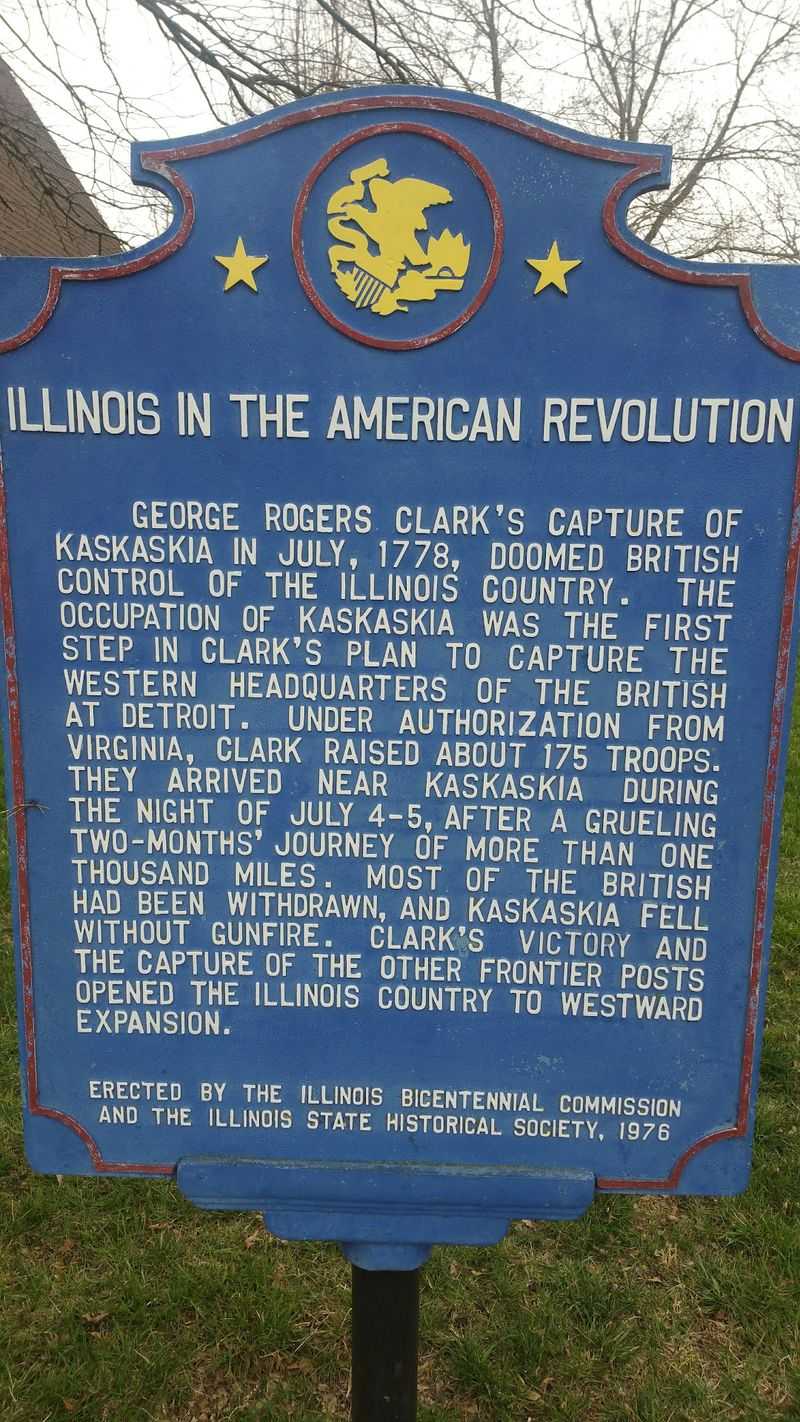
On July 4, 1778, just two years after the Declaration of Independence was signed, a Virginia militia officer named George Rogers Clark led a bold surprise capture of the British-held town of Kaskaskia without firing a single shot.
When the townspeople realized the British were gone and American forces had taken control, the bell in the church was rung to celebrate. That ringing on the Fourth of July is why this bell earned its nickname: the Liberty Bell of the West.
Clark is often described as one of the most underrated officers of the Revolutionary War, and his campaign through the Northwest Territory helped secure the region for the new United States. Without that campaign, the map of America might look very different today.
Every July 4th, the memorial honors that original celebration by opening the building fully so visitors can see the bell up close rather than through the iron grate. That one day a year draws a steady crowd of history enthusiasts who want to witness the tradition firsthand.
How the Memorial Actually Works When You Visit
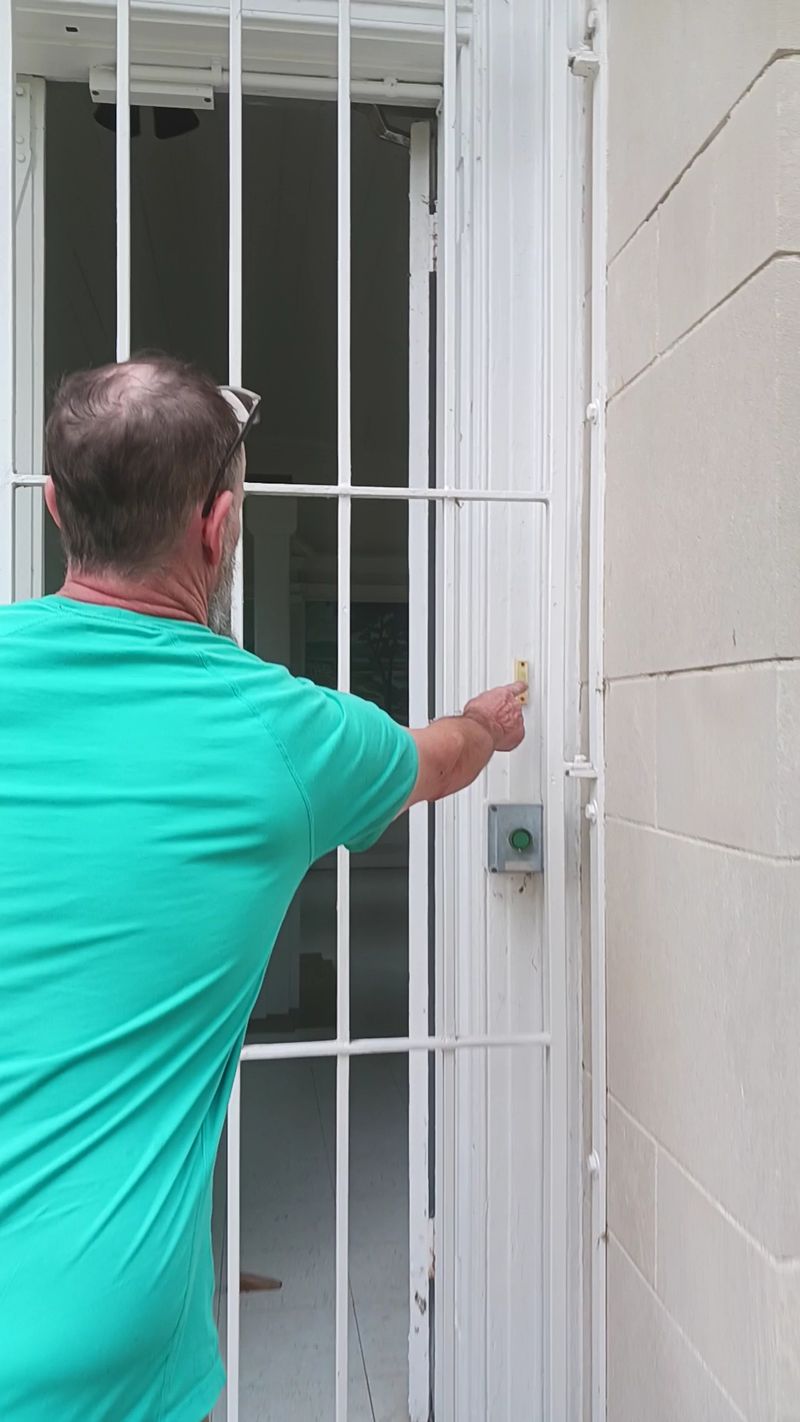
The setup at the memorial is not what most people expect, and knowing what to look for before you arrive saves a lot of head-scratching at the door. The bell sits inside a small brick building, protected behind an iron grate.
A green button near the entrance triggers the wooden door to swing open automatically, giving you a clear view of the bell through the metal grate. A second button starts a recorded narration that walks you through the history of the bell in a few minutes.
After a short time, the door closes on its own. If you want another look or want to hear the narration again, you simply press the button a second time.
The system is surprisingly smooth and works well for families with young kids who might need a moment to take it all in.
On most days, you cannot walk inside the building itself, but the view through the grate is clear enough to appreciate the bell’s size and the inscriptions on its surface. July 4th is the one day when the grate is opened for direct access.
Kaskaskia’s Rise as Illinois Territory Capital
Before Chicago was anything more than a marshy trading post, Kaskaskia was already a powerhouse. Founded around 1703, it served as the capital of the Illinois Territory and was one of the oldest and most established European settlements in the entire Midwest.
At its peak, Kaskaskia was home to a thriving mix of French colonists, missionaries, traders, and Native American communities. The town had a church, a fort, and a level of civic organization that most frontier settlements could only dream about.
When Illinois became a state in 1818, Kaskaskia was its first official capital, a fact that surprises many visitors who assume Springfield always held that title. The capital was later moved to Vandalia and eventually to Springfield as the state’s population shifted northward.
Standing in what remains of Kaskaskia today, surrounded by quiet farmland and the hum of the river, it is genuinely hard to picture the bustling colonial town that once stood here. History has a way of humbling even the most confident cities.
What the Mississippi River Did to This Town
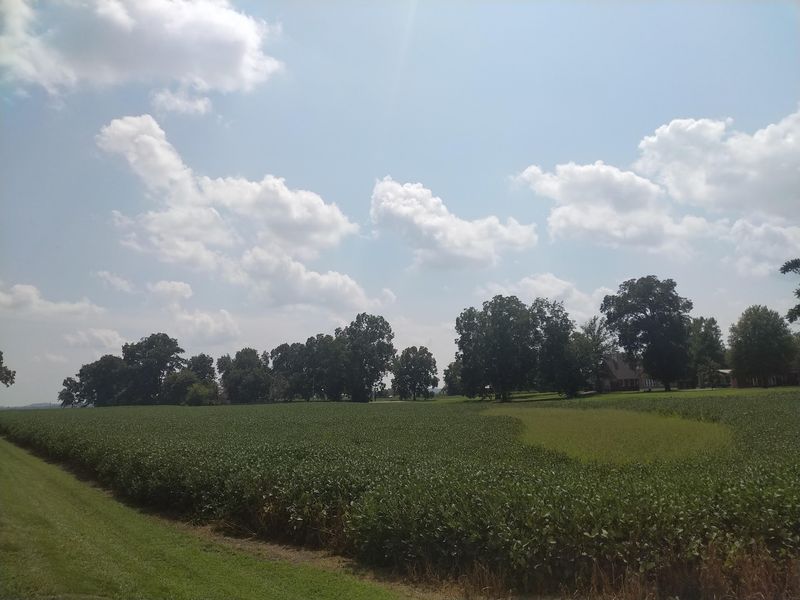
Kaskaskia’s dramatic decline is almost entirely the story of a river that refused to stay in its lane. Repeated and severe flooding throughout the 1800s slowly drove residents away, and a catastrophic flood in 1881 essentially ended the town as a functioning community.
The Mississippi shifted its course during that period, cutting Kaskaskia off from the Illinois mainland and leaving it stranded on what is now technically Missouri-side land. The streets are still laid out in a grid if you look closely, but most of them lead to nothing more than open fields.
The Church of the Immaculate Conception, which still stands next door to the bell memorial, has been relocated three separate times to escape rising floodwaters. That kind of persistence says a lot about the community’s dedication to preserving what little remained.
Today, only a handful of farming families still live on the island. The quiet and the wide open sky give the place a mood that is hard to describe, somewhere between peaceful and haunting, which makes the visit feel unlike any other historic site in the state.
The Church Next Door That Deserves Your Attention
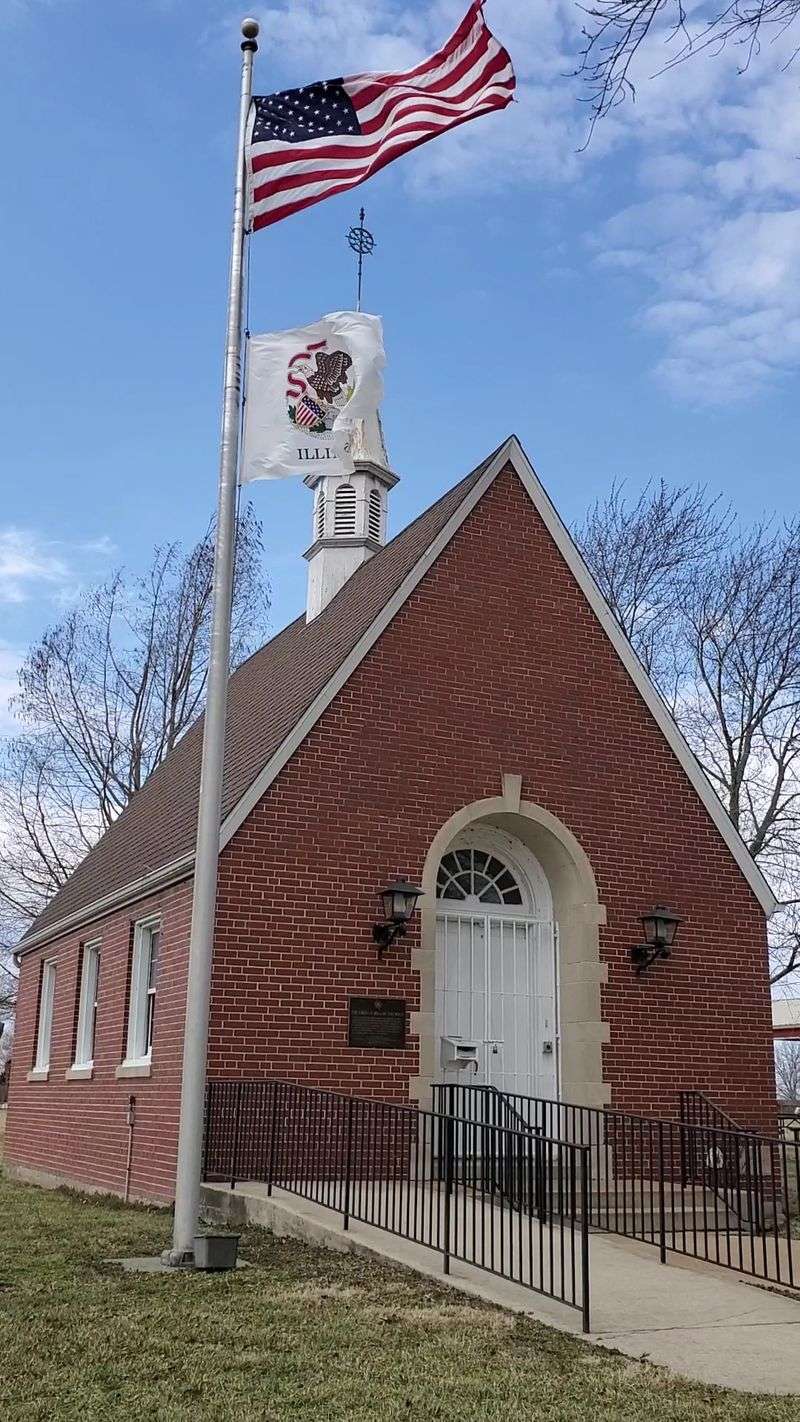
Right next to the bell memorial stands the Church of the Immaculate Conception, and it is easy to walk past it while focused on the bell, which would be a real shame. The church is genuinely beautiful in a way that feels out of place with the otherwise sparse surroundings.
Its white exterior and clean lines contrast sharply with the flat, open farmland stretching out in every direction. The building has been moved three times due to flooding, yet it still looks polished and well-cared-for, a testament to the small community that maintains it.
The church traces its origins back to the earliest days of the French settlement and has served the Kaskaskia community continuously for centuries. That kind of unbroken religious and cultural presence in such a remote location is genuinely rare in American history.
Visitors who take a few minutes to walk around the exterior and read the markers nearby often say the church adds a lot of emotional depth to the whole visit. The bell and the church together tell a more complete story than either one could manage alone.
Tips for Planning Your Visit
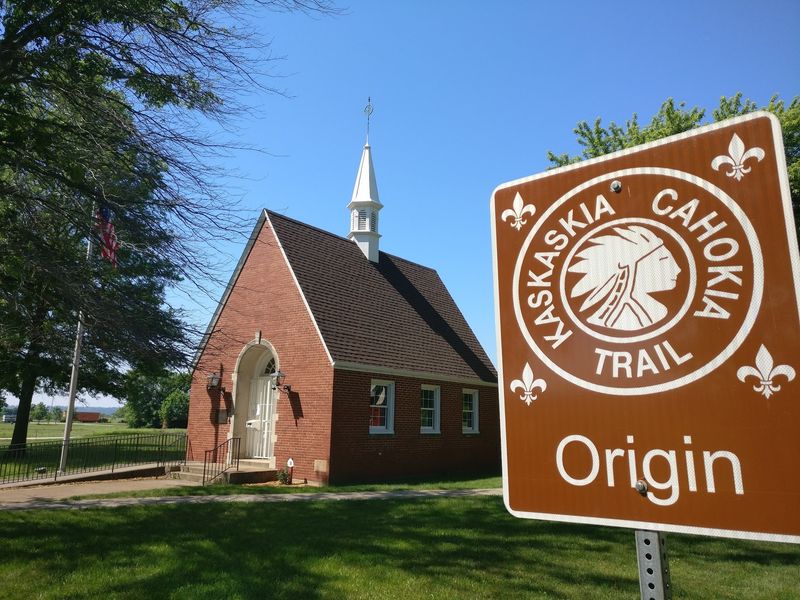
The memorial is free to visit and open around the clock every day of the year, which makes it one of the most flexible historic stops you can add to a road trip through southern Illinois or eastern Missouri. No tickets, no reservations, no crowds most days.
The drive from Chester takes roughly 20 minutes each way, and the road through Missouri farm country is straightforward. A GPS is helpful because cell service can be spotty once you get onto the island itself, so downloading an offline map before you leave is a smart move.
There are outdoor restrooms available at the site, which is a genuine relief given that there are no stores, cafes, or gas stations anywhere nearby on the island. Pack snacks and water before you make the drive, especially if you are bringing kids along.
The site works well as a picnic spot, and the open space around the memorial is calm and pleasant on a nice day. July 4th is the best day to visit if you want full access to the bell, but any clear day offers a rewarding and peaceful experience worth the detour.
Why This Place Stays With You Long After You Leave
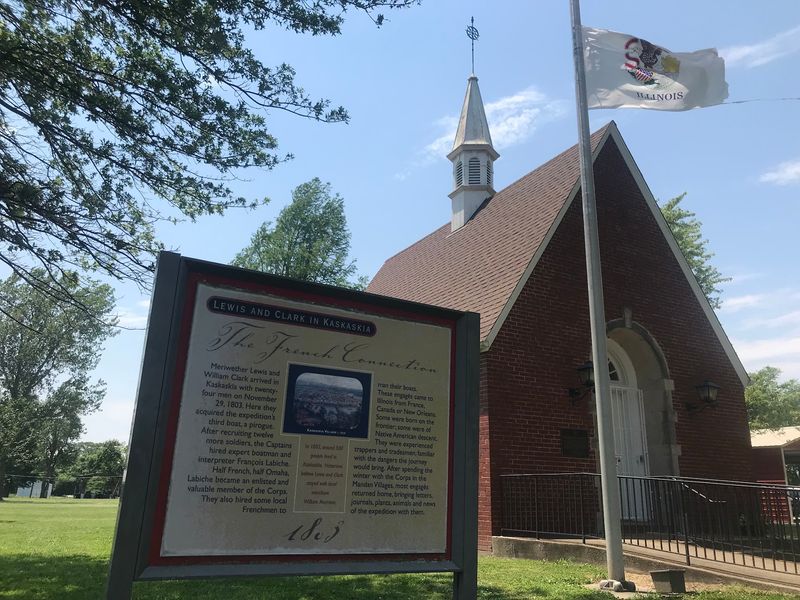
Most roadside historic sites check a single box and send you on your way, but Kaskaskia Island layers story on top of story in a way that keeps you thinking about it long after the drive home. A French king, a Revolutionary War hero, a vanished capital city, and a river that rewrote the map all share the same small patch of ground.
The quietness of the island amplifies everything. There are no gift shops, no tour buses, and no background noise beyond the wind and the occasional sound of farm equipment in the distance.
That simplicity forces you to actually sit with the history instead of being distracted by it.
George Rogers Clark, who made this bell famous, remains one of the least celebrated major figures of the American Revolution, and visiting this spot feels like a small act of correcting that oversight. The bell rang for freedom in 1778, and the memorial keeps that moment alive without any fanfare.
Road trips through the Midwest are full of unexpected stops, but few of them carry this much genuine weight. Kaskaskia Bell State Memorial is the kind of place that earns a permanent spot in your mental list of places worth returning to someday.
Share this story