Most people think of Illinois as a flat stretch of cornfields and black soil prairies, so stumbling across sand dunes in the middle of Will County feels like a genuine plot twist. A nature preserve tucked along IL-113 near Braidwood holds a landscape so different from its surroundings that it almost feels out of place, and that is exactly what makes it worth the trip.
Sand left behind by glaciers thousands of years ago created soil conditions that support plants and animals you would not expect to find anywhere near Chicago. From six-lined racerunner lizards darting across sandy patches to prickly pear cactus growing wild among oak savannas, this place plays by its own ecological rules, and the trail through it all is short enough for just about anyone to handle.
Where Exactly You Will Find This Hidden Preserve
The address is straightforward: 24329 IL-113, Braidwood, Illinois 60408, and the preserve sits in Will County, roughly an hour south of downtown Chicago. Getting there is easy enough by car, and the parking area near the entrance is small but functional.
Braidwood itself is a quiet town, and the preserve blends into the rural landscape so naturally that first-time visitors sometimes drive past the entrance before spotting it. A mowed grass trail begins near the trailhead, and that is your main route through the preserve.
The Will County Forest Preserve District manages the site, and their phone number is +1 815-727-8700 if you need details before visiting. More trail information, including an interactive map, is available at reconnectwithnature.org.
The preserve has no admission fee, which makes the decision to stop by an easy one.
There are no restrooms or picnic tables on site, so planning ahead with water and snacks is genuinely the smartest thing you can do before heading out.
The Ice Age Left Something Behind Here
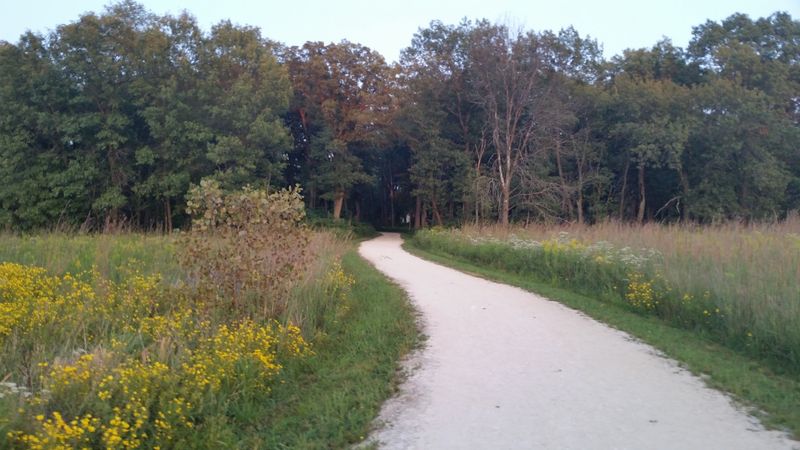
Long before Illinois became farmland, glaciers moved across this region and left behind deposits of sand that look wildly out of place among the surrounding black soil prairies. That sand is the foundation of everything that makes this preserve so ecologically distinct.
Because sand drains water quickly and holds far less moisture than typical Midwestern soil, the plants and animals here had to adapt to conditions closer to those of a semi-arid environment. That geological quirk is the reason prickly pear cactus grows here naturally, something most people would never expect to find in northern Illinois.
The dunes themselves are largely overgrown now, blanketed by grasses, shrubs, and wildflowers, so you will not see dramatic open sand hills like those at a beach. What you will see is a textured, layered landscape where the sandy past quietly shapes every living thing growing on top of it.
That slow-burn revelation, where the geology tells its story through the plants around you, is what gives the preserve its quiet but lasting appeal.
A Half-Mile Trail That Delivers More Than You Expect
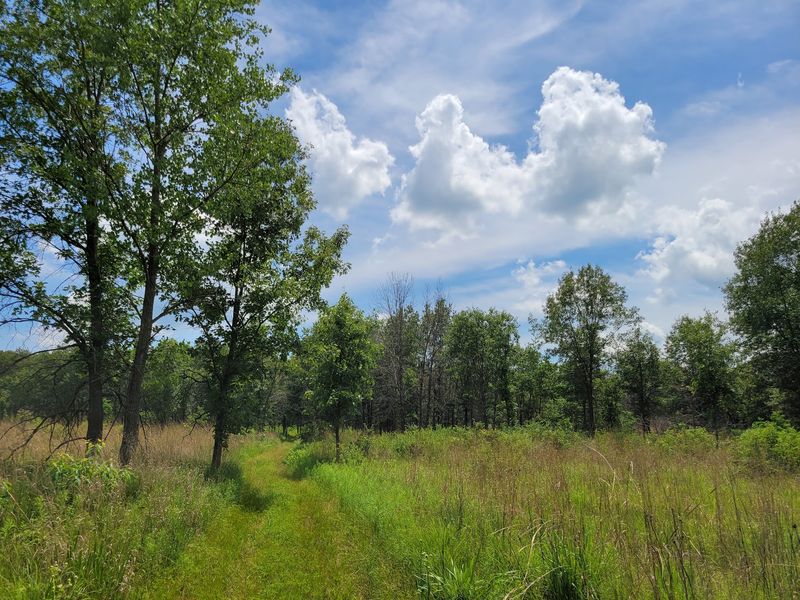
The main trail here is a 0.5-mile mowed grass loop, and before you roll your eyes at the short distance, give it a fair chance. A half mile through this particular landscape packs in more ecological variety than many longer trails elsewhere in the region.
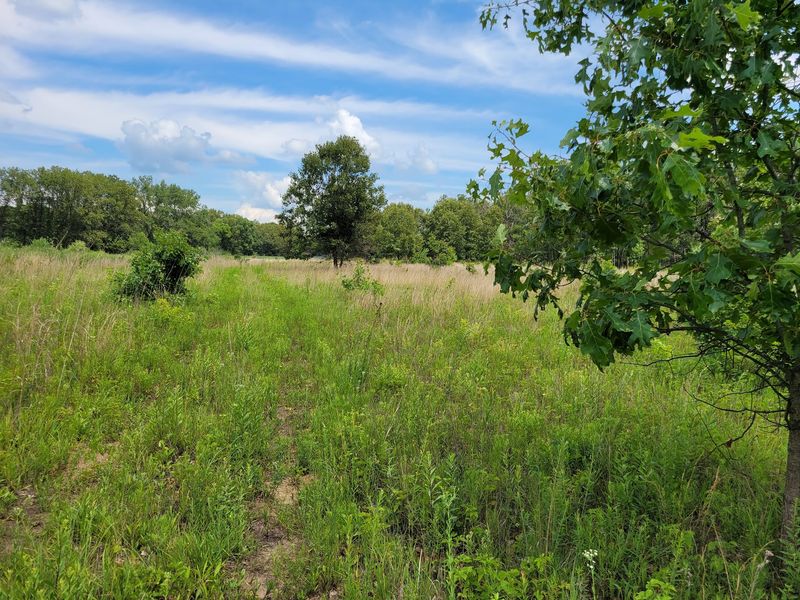
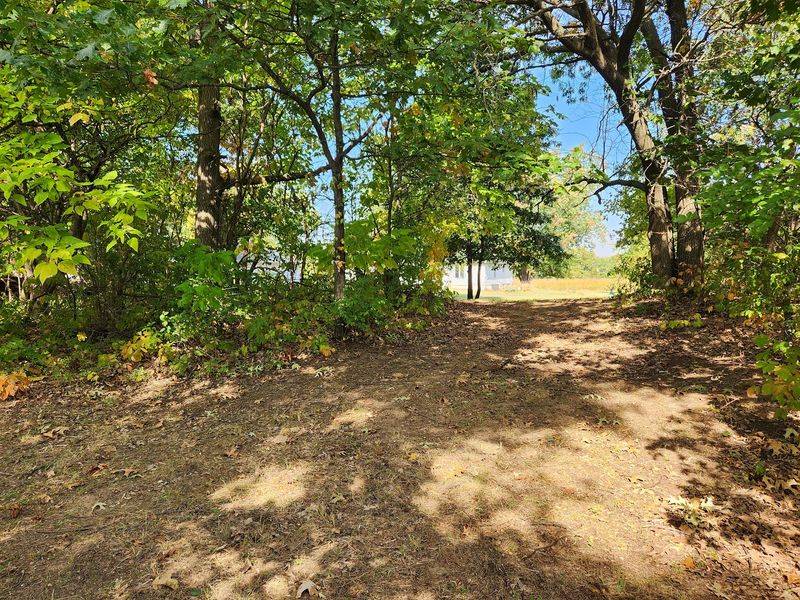
The path moves through open prairie sections, patches of oak savanna, and areas where the sandy soil is visible beneath sparse ground cover. The trail is well-maintained along the designated loop, and the mowed grass surface makes it accessible for most fitness levels, including kids and older adults.
Some visitors have noted that trails beyond the main loop are either undeveloped or not maintained for regular pedestrian use, so sticking to the official mowed path is the practical choice. The Forest Preserve District has confirmed that the preserve’s state designation limits where trails and public access can be built.
Short as it is, the loop rewards slow walkers the most, because the details here are small and easy to miss if you rush through without pausing to look around you.
The Lizards Nobody Knew Illinois Had
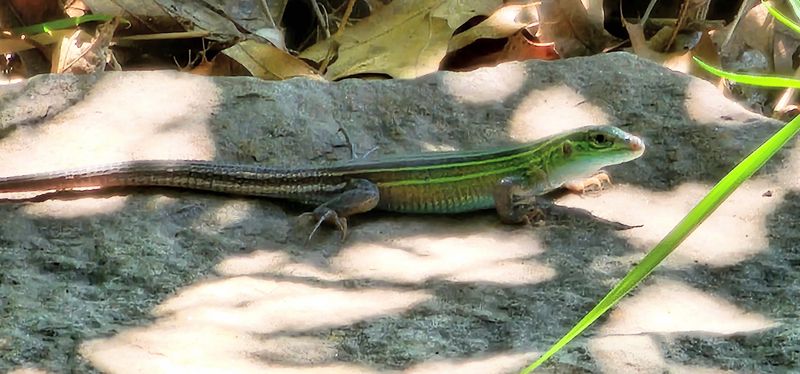
Six-lined racerunner lizards are the kind of wildlife discovery that stops people mid-stride. Fast, small, and vividly striped, these lizards dart across sandy patches so quickly that you might question whether you actually saw one at all.
What makes them especially interesting is that they represent the only native lizard species found in the Chicago region. They thrive here precisely because of the dry, sandy soil conditions created by those ancient glacial deposits, and you simply will not find them in the surrounding prairie landscapes.
The best time to spot them is on warm, sunny days when they come out to bask on exposed sandy ground. Move slowly and quietly, and keep your eyes low to the ground near the open sandy areas along the trail.
Many visitors say they had no idea lizards even existed in Illinois before visiting this preserve, and that surprise alone tends to become the highlight of the trip. It is one of those small, unexpected encounters with nature that sticks with you long after you have driven home.
Prickly Pear Cactus Growing Wild in the Midwest
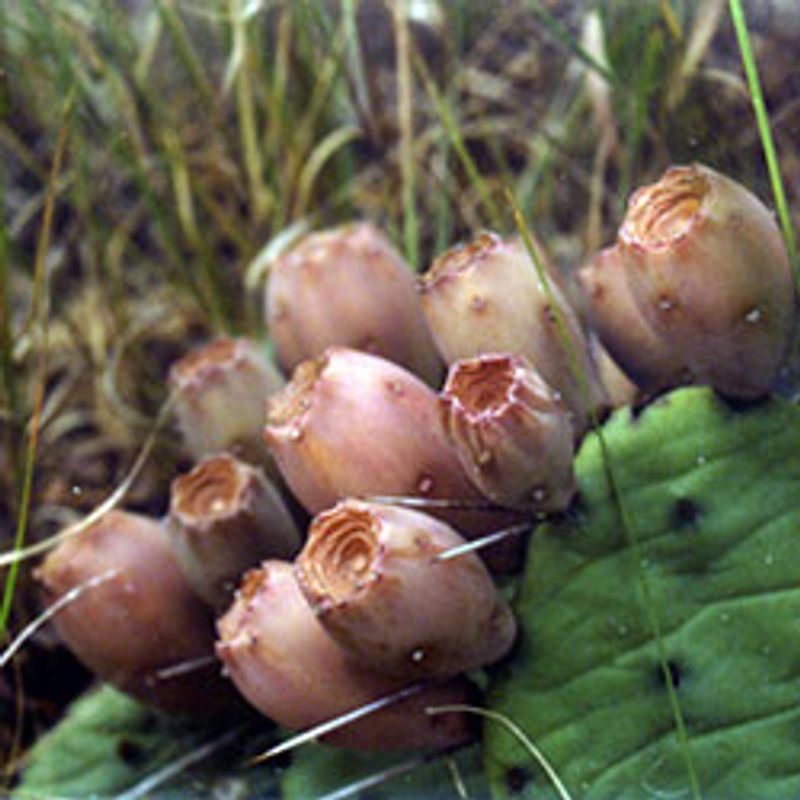
Prickly pear cactus in Illinois sounds like a joke, but here it grows without any help from humans, rooted directly in the sandy glacial soil of the preserve. Seeing it in person for the first time genuinely catches you off guard.
The cactus thrives here because the sandy substrate drains so efficiently that the soil stays dry enough to support plants more commonly associated with the American Southwest. This is not a curated garden display; it is a naturally occurring population of a plant that found its niche in a very specific set of conditions.
During summer months, the prickly pear produces bright yellow flowers that contrast sharply with the surrounding greens and browns of the prairie. That pop of color against such an unexpected backdrop makes for a memorable visual, and it is one of the details that photographers tend to seek out specifically.
The cactus is a living reminder that ecosystems do not always follow the rules we assume they do, and that a patch of sand in the middle of Illinois can quietly host something extraordinary if the conditions are right.
Oak Savannas and Prairie: A Rare Combination
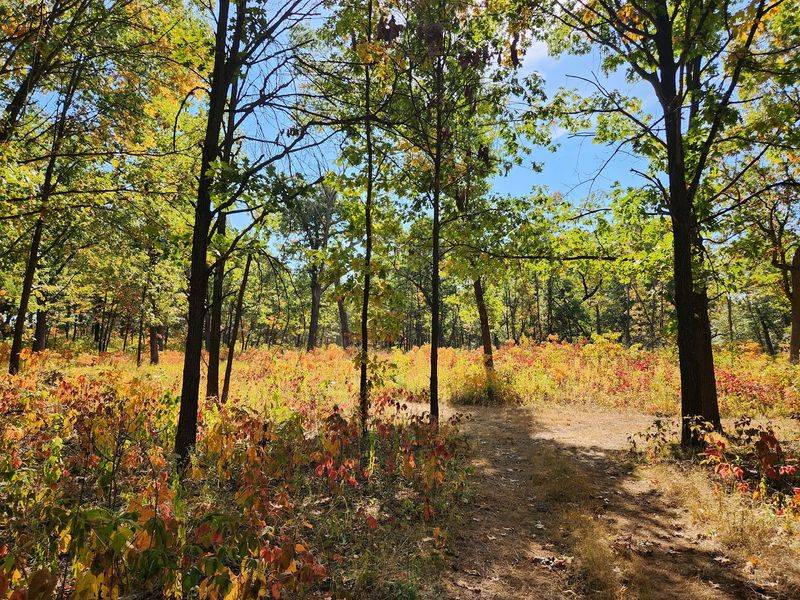
Oak savannas are one of the rarest ecosystems in North America, and Braidwood Dunes and Savanna Nature Preserve protects a genuine example of one. The combination of widely spaced oaks, open grassy understory, and sandy soil creates a setting that feels more like a painting than a park.
The savanna blends into prairie sections along the trail, and that transition between the two habitats happens gradually and naturally. Sassafras trees appear alongside the oaks, adding another layer of botanical interest that most casual hikers would not expect from a Will County preserve.
Prairie plants fill the open areas with seasonal color and texture throughout the warmer months. Wildflowers, native grasses, and low shrubs create a dense, layered ground cover that supports a surprising range of insects and birds even in a relatively small area.
The overall effect of walking through the savanna is one of quiet openness, where the canopy is light enough to let sunshine pour through and the trail feels less like a corridor and more like a path through something genuinely wild and unhurried.
Wildlife Beyond the Lizards
The six-lined racerunner lizards get most of the attention, but the preserve supports a broader cast of wildlife that rewards patient observers. Ornate box turtles are among the most notable residents, and they are closely tied to the same sandy, well-drained habitat that defines this preserve.
Ornate box turtles are a state-listed species in Illinois, and their presence here reflects the ecological quality of the land. Spotting one on or near the trail is a genuine treat, and it tends to happen when you least expect it, often when you stop moving and simply look around.
Birds are active throughout the preserve as well, particularly in the savanna sections where the open canopy provides good foraging habitat. The mix of prairie, oak woodland, and sandy clearings creates edge habitat that attracts a variety of species across the seasons.
The floral diversity also draws pollinators in significant numbers during peak bloom periods, and the buzzing activity of bees and butterflies moving between wildflowers adds its own kind of energy to what is otherwise a very quiet and peaceful place to spend an afternoon.
Best Times to Visit and What to Bring
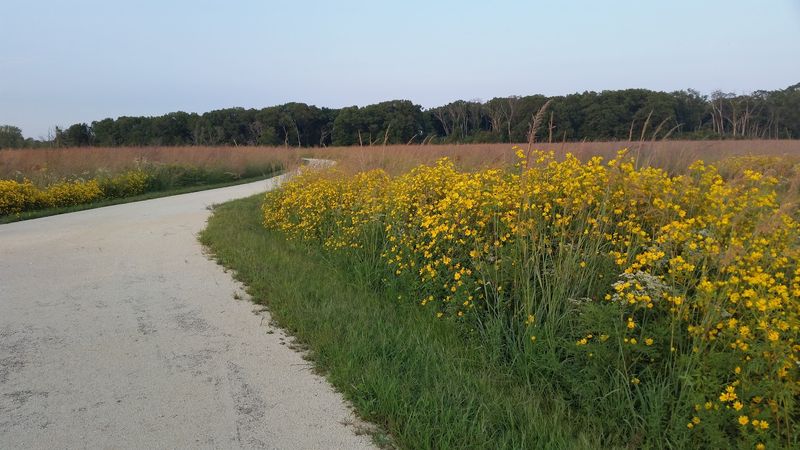
Late spring through early fall offers the most rewarding visits, with wildflowers peaking in late spring and the lizards most active during the warmest summer months. Fall brings a shift in color as the prairie grasses turn golden and the oaks drop their leaves across the sandy floor.
The preserve gets very little foot traffic compared to more developed parks, which is a significant part of its appeal. Visiting on a weekday morning in spring or early summer gives you the best chance of having the trail almost entirely to yourself.
Since there are no restrooms, no water fountains, and no benches on site, packing your own water and snacks is essential. Comfortable walking shoes with good grip handle the mowed grass trail well, and long pants are worth considering during peak tick season in early summer.
A pair of binoculars and a field guide to Illinois plants or reptiles turn this short walk into a genuinely educational outing. The preserve is not dog-friendly, so leaving pets at home is the right call before making the drive out to Braidwood.
Why a Place This Small Matters This Much
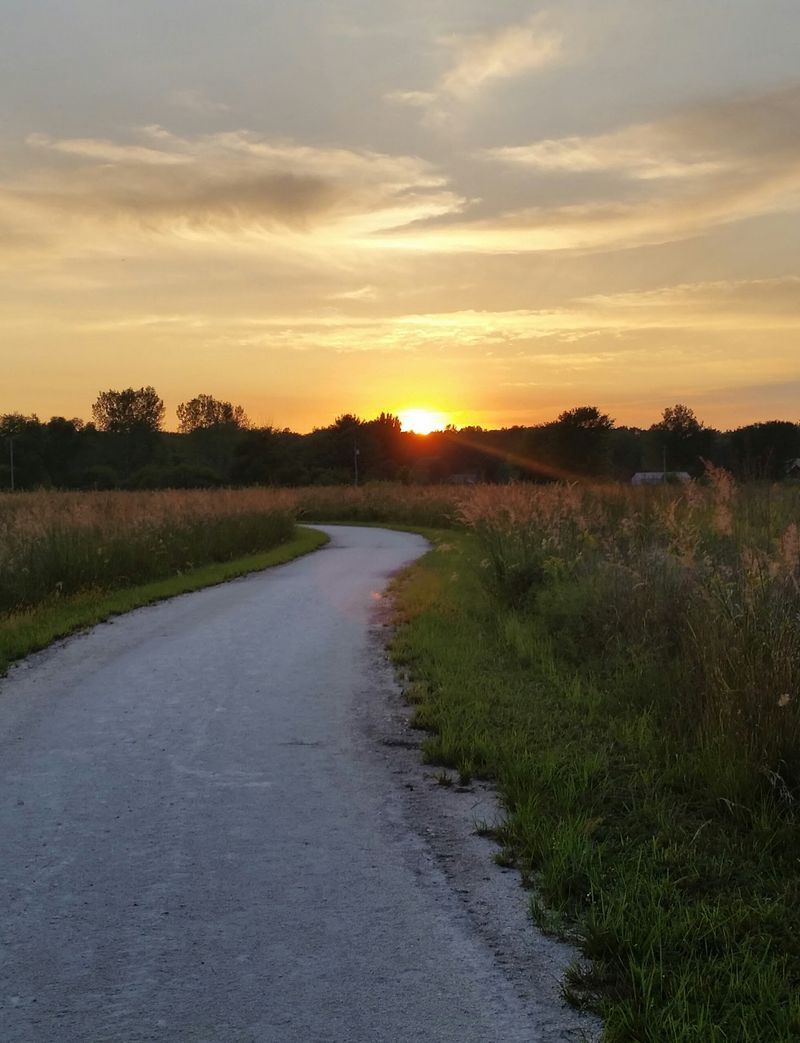
A half-mile trail and a few dozen acres might not sound like much, but the ecological value packed into this preserve is genuinely disproportionate to its size. The state of Illinois designated it as a nature preserve specifically because of the high-quality natural communities it protects.
That designation comes with real restrictions. It limits where trails can be built and where the public can access the land, all in service of protecting the rare plants and animals that depend on these very specific conditions.
That is not a flaw in the management; it is the point of the whole operation.
Places like this one are increasingly rare in a state where most of the natural landscape has been converted to agriculture or development. A functioning sand dune ecosystem with native cactus, rare lizards, and protected turtles within an hour of Chicago is something worth protecting carefully.
The preserve stands as a quiet but important reminder that Illinois holds more ecological variety than its flat reputation suggests, and that sometimes the most surprising landscapes are the ones hiding in plain sight just off a two-lane highway in Will County.
Share this story