
There is a place in northern Illinois where the air feels warm and humid even in the dead of January, where butterflies land on your hand and koi fish the size of footballs glide beneath your feet. Most people drive past Rockford without a second thought, but tucked along the Rock River is a botanical treasure that genuinely surprises first-time visitors.
I had no idea what to expect when I first pulled up, and by the time I left, I was already planning my return trip. This conservatory packs an extraordinary amount of beauty, wildlife, and seasonal wonder into one compact, welcoming space that the whole family can enjoy.
Where the Tropical World Begins: Location and First Impressions

Nicholas Conservatory and Gardens sits at 1354 N 2nd St, Rockford, IL 61107, right along the scenic Rock River, and the setting alone is worth the trip before you even step inside.
The building has a clean, modern greenhouse aesthetic that hints at what waits inside. From the parking lot, you can already spot the outdoor gardens stretching toward the riverbank, and on a warm day, the whole area buzzes with a calm, natural energy that city life rarely offers.
Rockford is about 90 miles northwest of Chicago, making this an easy day trip from the suburbs without the stress of a long haul. The conservatory earns a 4.7-star rating from over 2,600 visitors, which is the kind of consistent praise that actually means something.
The staff greet you warmly at the door, ticket prices are reasonable at around ten dollars for adults, and the whole experience feels thoughtfully put together from the moment you arrive. First impressions here tend to stick around long after the drive home.
11,000 Square Feet of Tropical Wonder Indoors
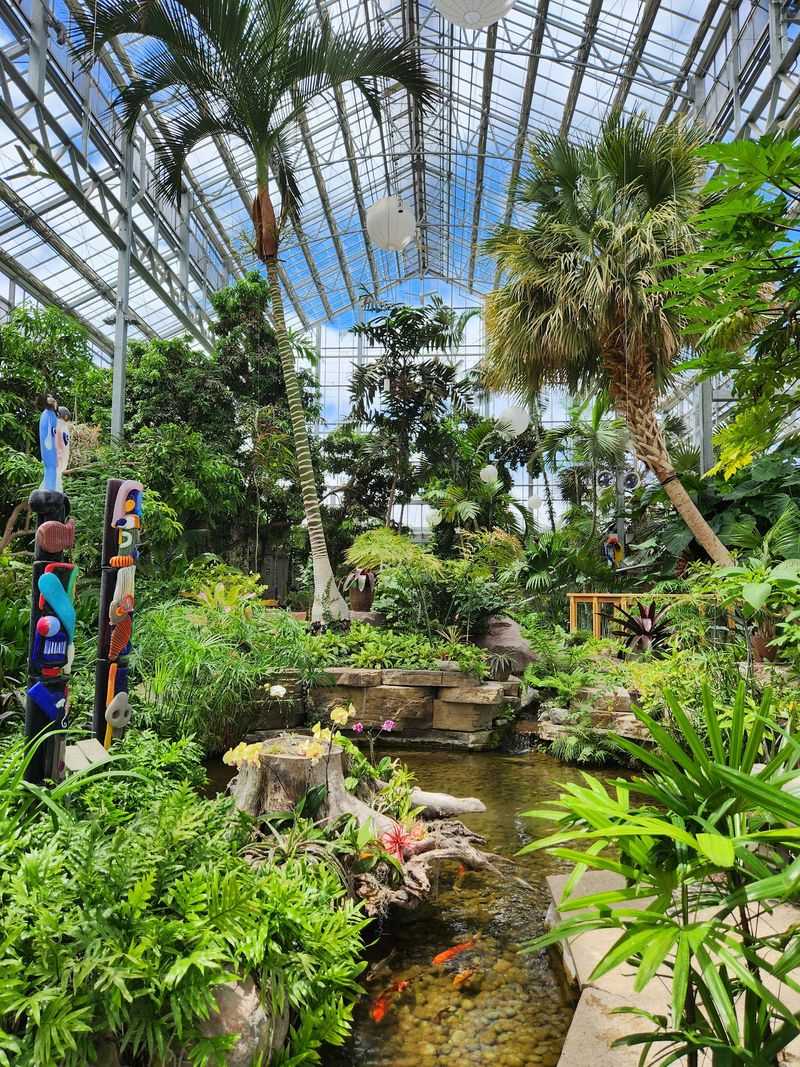
The indoor space at this conservatory covers 11,000 square feet, and every inch of it is packed with tropical plants, trees, and flowers that you simply would not find growing naturally anywhere near Illinois.
Towering palms stretch toward the glass ceiling, broad-leafed tropicals crowd the pathways, and the air carries a warm, earthy humidity that feels almost medicinal after a cold Midwestern winter. Streams and small ponds wind through the plant displays, adding a gentle soundtrack of moving water to the whole experience.
One visit during a gray January showed me just how powerful this place can be as a mood-lifter. The contrast between the icy parking lot and the lush green interior is genuinely striking, and it takes about thirty seconds inside before your shoulders drop and your pace slows down.
The conservatory also features rotating seasonal exhibits that change the interior feel throughout the year. Whether you visit in February or August, there is always something new growing, blooming, or on display that gives you a fresh reason to come back.
The Butterfly Exhibit That Everyone Talks About
Ask almost anyone who has visited Nicholas Conservatory what their favorite part was, and the answer comes back the same way every time: the butterflies.
The seasonal butterfly exhibit, often titled something like “The Secret Life of Butterflies,” transforms part of the conservatory into a live butterfly habitat where dozens of species flutter freely around you. Kids and adults alike hold out sugar sticks and feel the tiny tickle of a butterfly landing directly on their fingers, which is the kind of moment that gets photographed and talked about for weeks.
Tickets for the butterfly experience sell out quickly, so booking in advance through the conservatory website is strongly recommended. Tuesday admissions have been offered at a reduced rate in the past, so checking the current pricing schedule before your visit is a smart move.
The exhibit runs seasonally, typically through late spring, and the energy inside during those weeks is electric in the best possible way. Grandparents, toddlers, and everyone in between find something genuinely magical about sharing space with living butterflies that have no interest in personal boundaries.
Koi Fish, Lagoons, and Water Features That Set the Mood

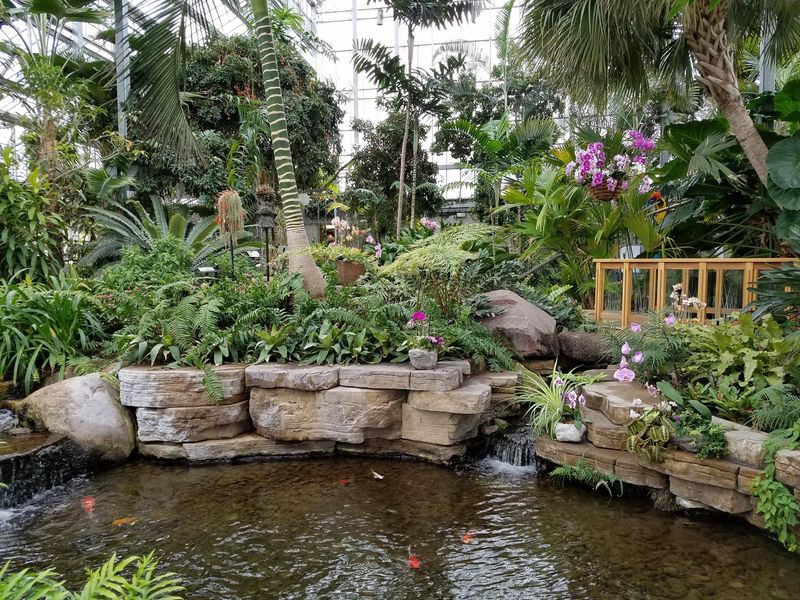
One of the quieter delights of this conservatory is the network of water features that flow through both the indoor and outdoor spaces, and the koi fish that call those waters home.
Some of these koi are genuinely enormous, the kind of size that makes kids stop mid-sentence and just stare. They move slowly and deliberately through the clear water, their orange, white, and black patterns catching the light in a way that feels almost decorative, like living artwork placed specifically to slow you down.
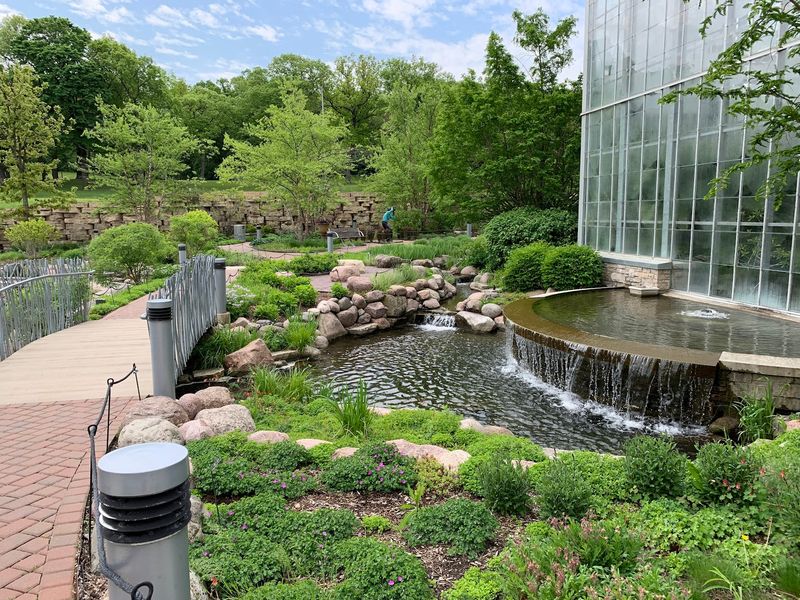
The outdoor lagoon adds another layer to the experience, with fountains and patio areas that make for a peaceful place to sit and recharge. On a warm afternoon, the sound of water combined with the sight of swans gliding past creates an atmosphere that feels far removed from the everyday.
Parents should keep a close eye on young children near these water features, as many of the ponds have minimal barriers. That said, the water elements are one of the most consistently praised aspects of the conservatory, and they genuinely elevate the whole visit from pleasant to memorable.
The Outdoor Gardens Along the Rock River

The outdoor grounds at this conservatory deserve just as much attention as the tropical greenhouse inside, and on a clear summer day, they are honestly the better half of the experience.
Rose gardens stretch across well-maintained beds, offering a rotating palette of colors and fragrances that peak in late spring and early summer. Sculptures are tucked into corners and along pathways, and waterfalls cascade into small ponds that reflect the surrounding greenery.
Every turn along the walking paths reveals something worth pausing to look at.
The Riverwalk runs right alongside the property, which means cyclists and joggers pass through regularly, giving the space a lively, community-oriented feel. Responsible dog owners are welcome to bring leashed pets along the outdoor paths, which adds to the relaxed, neighborhood-park atmosphere.
Fall visits have their own appeal, since the roses tend to hold their blooms longer than expected, and the cooler air makes for a comfortable stroll. Visiting in early spring means the outdoor plants may not yet be in bloom, so timing your trip between late May and October gives you the fullest outdoor experience this garden has to offer.
Seasonal Events That Keep Visitors Coming Back Year-Round

One visit to Nicholas Conservatory is rarely enough, and that is largely by design. The events calendar here rotates with the seasons in a way that gives regulars a new reason to return every few months.
The Aglow Holiday display transforms the conservatory grounds into a light-filled experience each winter, with decorative installations spread across both indoor and outdoor spaces. Visitors who have attended this event describe being genuinely amazed by the scale and artistry of the lighting, which covers nearly every surface in sight.
Summer brings Food Truck Nights, where local vendors park outside and visitors can grab a meal while wandering the gardens in the evening. These events draw a community crowd and have a casual, festive energy that feels nothing like a typical museum outing.
Other past exhibits have included dinosaur figures crafted from recycled plant materials and a garden train display featuring miniature Rockford landmarks built with trestle bridges made from actual sticks and branches. Each seasonal exhibit adds a fresh layer of creativity to the conservatory experience, which is why so many families mark it as a recurring stop on their year-round activity list.
The Orchid Show and Rare Plant Displays
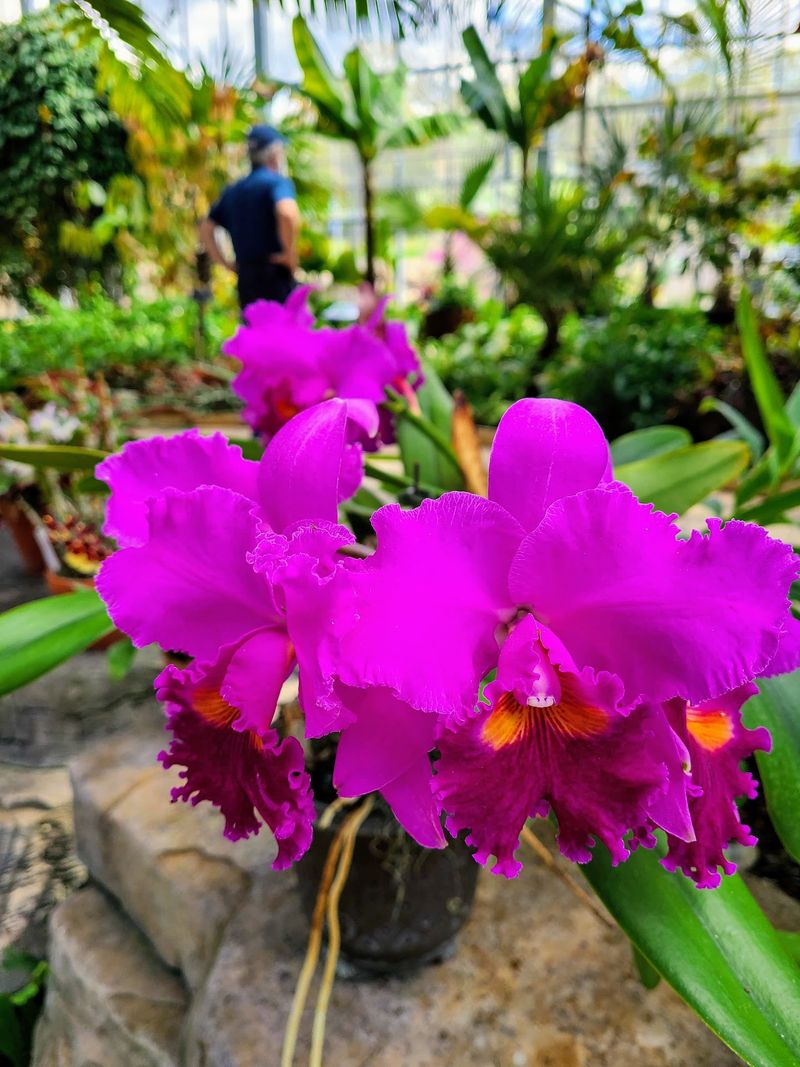
Orchid enthusiasts tend to get a particular look in their eyes when they talk about the annual orchid show at this conservatory, and after seeing it myself, that reaction makes complete sense.
Orchids are notoriously fussy plants that require precise conditions to bloom well, and the conservatory’s controlled tropical environment gives them exactly what they need. The result is a display of color and variety that most people would never get to see outside of a professional greenhouse setting.
Beyond orchids, the conservatory is also known among plant lovers for its occasional display of rare and unusual specimens. The corpse flower, one of the most famous and famously pungent plants in the botanical world, has been a topic of conversation among visitors who timed their trip to catch a rare blooming event.
These kinds of rare plant moments are hard to predict, but the conservatory does a good job of communicating upcoming highlights through its website and social channels. Following along before your visit means you might time your trip to catch something truly unusual, the sort of botanical event that most people only read about in science class but never actually see in person.
A Conservatory Built for Families and Young Learners

Few places manage to be genuinely engaging for a three-year-old and a thirty-five-year-old at the same time, but this conservatory pulls it off with a relaxed, exploratory setup that invites curiosity at every level.
The butterfly feeding experience alone is the kind of hands-on activity that young children talk about for days afterward. Holding a sugar stick and waiting for a butterfly to land requires patience and stillness, which turns out to be a surprisingly effective way to get kids to slow down and pay attention to the natural world around them.
The conservatory also features a learning center and gift shop that round out the visit in a practical way. The gift shop carries nature-themed items that make for easy souvenirs, and the learning center offers context that helps children connect what they are seeing with broader ideas about ecosystems and plant science.
The overall atmosphere is calm and welcoming rather than overwhelming, which matters when you have young kids in tow. There are no massive crowds pushing past each other, and the layout encourages a leisurely pace that lets families explore at their own speed without feeling rushed or out of place.
Swans, Wildlife, and the Living Ecosystem Outside
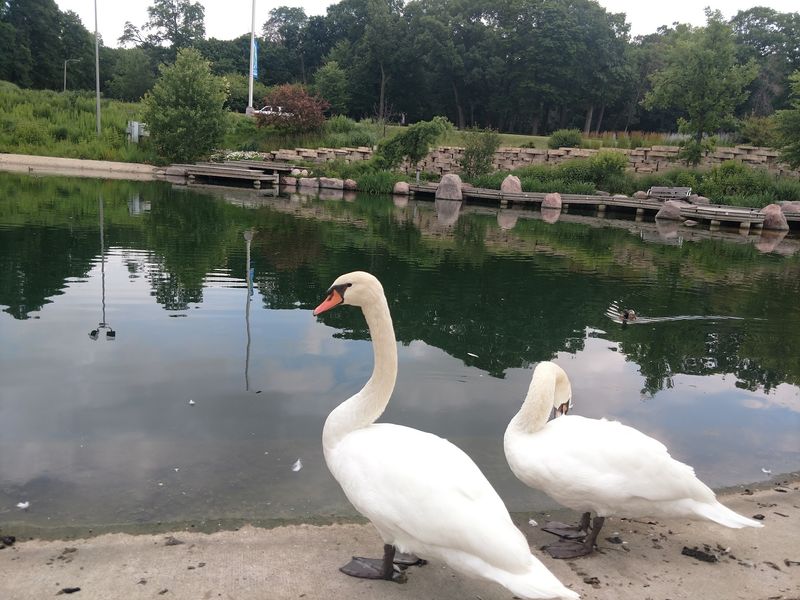
The outdoor grounds at this conservatory support a surprising amount of wildlife, and on a good day, the natural activity around the lagoon feels like a bonus nature documentary playing out right in front of you.
Swans have been spotted gliding across the lagoon with the kind of effortless grace that makes everyone nearby stop and reach for their phone camera. The combination of the fountain, the landscaped surroundings, and a pair of swans moving through the water is the sort of scene that photographs beautifully and feels even better in person.
The Rock River runs alongside the property, attracting birds and other wildlife that add to the natural texture of the outdoor experience. Cyclists using the Riverwalk path occasionally slow down to take in the garden views, and the general atmosphere along this stretch of the river is one of the more pleasant urban nature corridors I have come across in the Midwest.
Spending time in the outdoor spaces before or after the indoor conservatory visit adds a completely different dimension to the trip. The contrast between the controlled tropical interior and the open-air riverfront setting gives the whole outing a satisfying sense of variety that keeps the experience from feeling one-note.
Practical Tips for Planning Your Visit
Getting the most out of a trip to this conservatory comes down to a few simple planning choices that make a noticeable difference in the overall experience.
The conservatory is open Wednesday through Friday from 10 AM to 4 PM, and on weekends from 10 AM to 3 PM. It is closed on Mondays and Tuesdays, so checking the schedule before making the drive is worth the thirty seconds it takes.
The phone number is 815-987-8858, and the website at nicholasconservatory.com has up-to-date exhibit and event information.
Admission runs around ten dollars for adults, with reduced rates for seniors and children, which makes this one of the more affordable half-day outings in the region. For popular seasonal exhibits like the butterfly show, purchasing tickets in advance online is strongly recommended since walk-in availability can be limited on busy weekends.
Arriving closer to opening time on a weekday gives you the most relaxed experience, with fewer visitors and more space to linger. The outdoor gardens are free to explore and connect to the Riverwalk, so even a quick visit to the grounds without going inside is a worthwhile stop when passing through Rockford.
Share this story