Most people book a flight when they want cobblestone charm, alpine scenery, or the kind of historic village that makes you feel like you have traveled back in time. Turns out, you might just need to drive to New Hampshire instead. The Granite State is home to a surprising number of small villages that carry a distinctly old-world character, from compact mill communities that echo Scottish industrial towns to lakeside harbors that could pass for Switzerland on a postcard. Some of these places have protected historic districts, covered bridges, and buildings that predate the American Revolution.
Others have mountain backdrops so dramatic that visitors genuinely do a double-take. Whether you are a history enthusiast, a casual road-tripper, or someone who simply loves a good village green, this list has something worth discovering. Read on to find out which New Hampshire villages are doing Europe better than you might expect.
1. North Sandwich
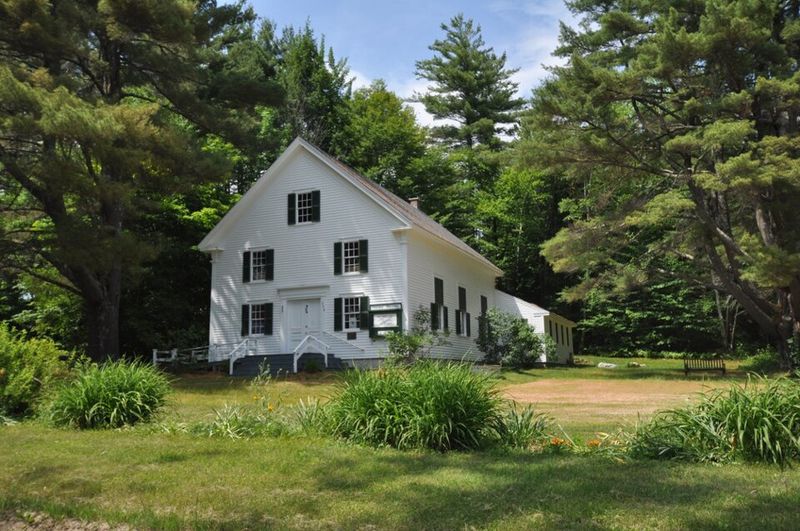
The town of Sandwich was originally considered so remote that colonial authorities expanded its land grant just to make it worth settling. That remoteness is now its greatest selling point. North Sandwich sits even deeper into the countryside than its more visited neighbor, tucked into the foothills of the White Mountains with forests on all sides.
Early European settlers arrived in 1767, and by 1830, the broader town had farms, mills, stores, and a full roster of working artisans. The Durgin Bridge, a covered wooden bridge built in 1864, still stands in the eastern section of the town and remains one of its most photographed landmarks.
Sandwich Mountain, rising to 3,993 feet, provides the kind of backdrop that rural hamlets in northern England or Wales are famous for. Artists and summer residents have been drawn here since the 1800s, and it is not hard to understand why.
2. Harrisville Village
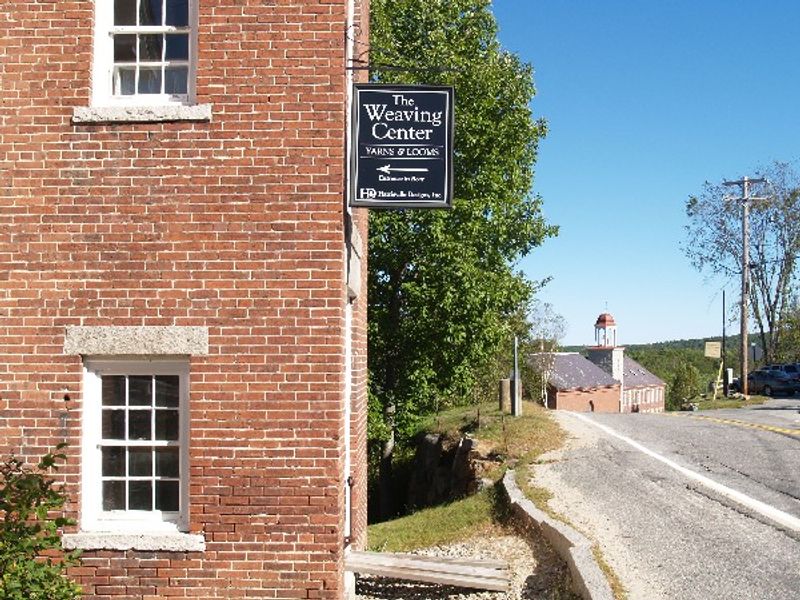
Few villages in the entire northeastern United States can claim what Harrisville has: a fully intact 19th-century industrial community that earned National Historic Landmark status in 1977. The district covers around 200 acres and 135 structures, making it one of the most complete examples of early American mill architecture anywhere in the country.
Bethuel and Cyrus Harris built the first brick mill here in 1822 for manufacturing woolen cloth. Cheshire Mill No. 1, constructed in 1848 from New Hampshire granite, features a distinctive bell tower that gives the village an almost ecclesiastical profile from a distance.
Harrisville Designs, founded in 1971, continues the wool yarn and cloth tradition inside the original Harris Mill building. The oldest residence in the village is Abel Twitchell’s Georgian-style house, built in 1774 on a ledge above Goose Brook. The orderly brick structures descending along the mill pond could genuinely be mistaken for a Scottish industrial village.
3. Hancock Village
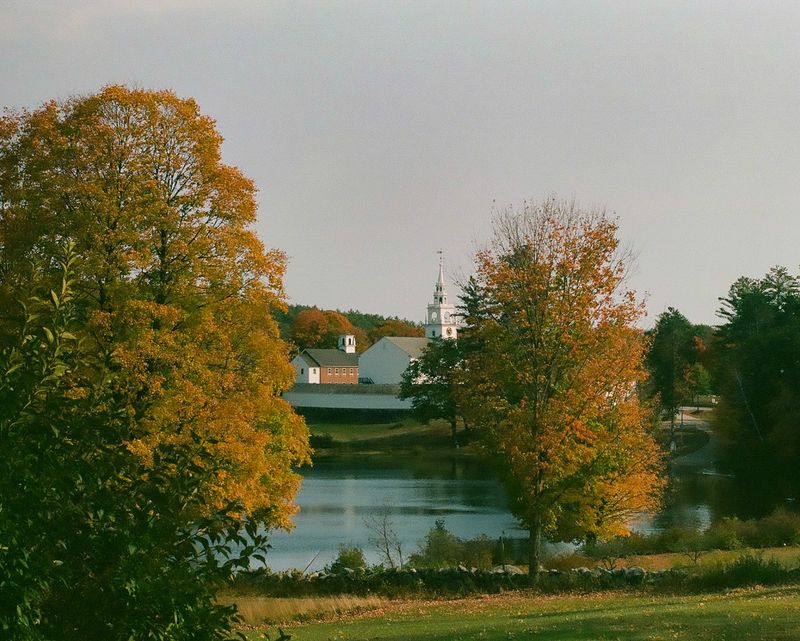
An authentic bell cast by Revere and Son hangs in Hancock’s 1820 meetinghouse and chimes on the hour, which is either charming or mildly inconvenient depending on how close your hotel room is. Either way, it is the kind of detail that sets this village apart from most places in New England.
Main Street in Hancock is almost entirely listed on the National Register of Historic Places, lined with Georgian Revival clapboard and red-brick buildings that have changed very little over the centuries. The Hancock Inn, established in 1789, is New Hampshire’s oldest continuously operating inn and has hosted a U.S. President among its long list of guests.
The village common features a bandstand built in 1909 that still hosts summer programs. A short walk from the inn leads to the town lake, which includes a small beach. Compact, historic, and walkable, Hancock is exactly the kind of place that makes visitors slow down and actually look around.
4. Francestown Village
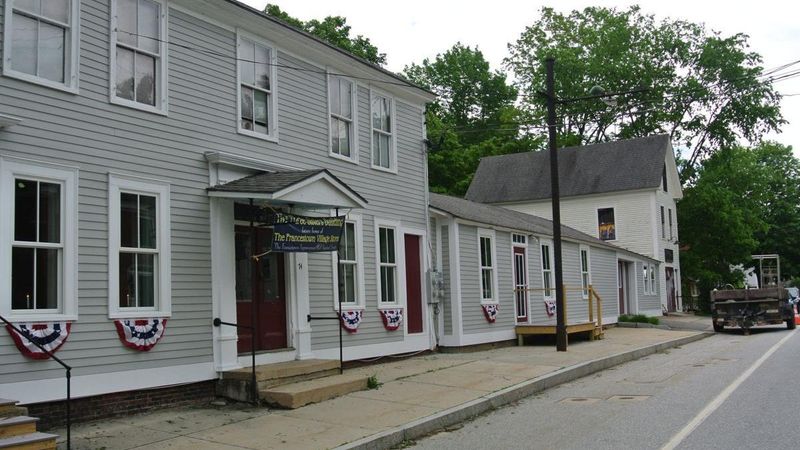
Incorporated in 1772, Francestown has been quietly doing its own thing for over two and a half centuries, and it shows. The village center gathers Colonial homes closely together along a Main Street with actual sidewalks, which is a small but meaningful detail in a state full of villages that are easier to admire from a car window than on foot.
The Levi Woodbury Homestead, built between 1787 and around 1834, sits on a five-acre lot bordered by traditional stone walls, while an 1883 Victorian home with ten-foot ceilings and original hardwood floors adds architectural variety to the mix.
During the early 20th century, wealthy city residents discovered Francestown as a summer retreat, often restoring colonial-era homes in the process. The Annual Scarecrow Contest is one of those community traditions that sounds quirky until you see it and realize it is actually delightful. Rural roads and rolling hills complete the picture of a village that would not look out of place in rural England.
5. Center Sandwich
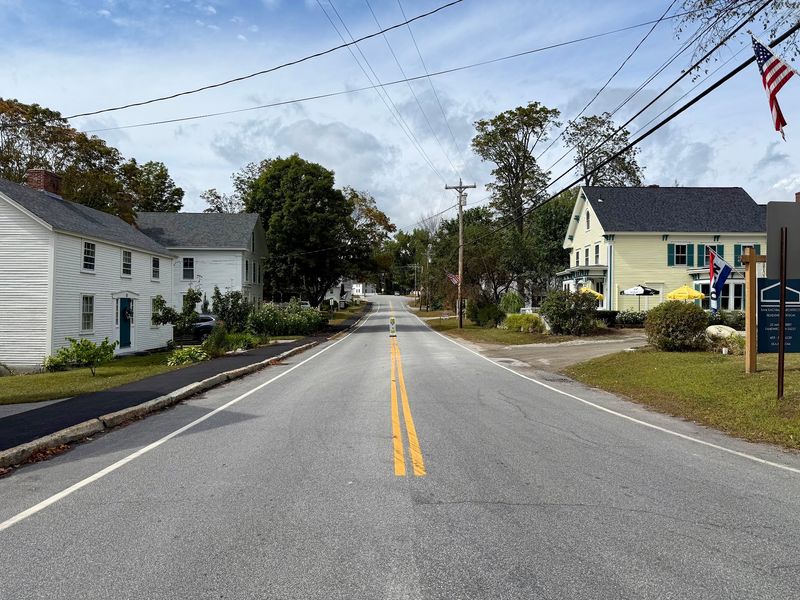
Seventy-three historic properties and one beautifully preserved village green are not a bad combination for a place you can drive to without a passport. Center Sandwich sits at the corner of Main and Maple Streets, where the village green anchors a cluster of buildings that were mostly standing before the Civil War.
The Samuel H. Wentworth Library, completed in 1915, is a fine example of Collegiate Gothic architecture, the kind of style more commonly associated with Oxford than New England. Two churches, two meeting halls, a historical house museum, and the town hall all share the same compact district.
Creamery Brook and the Red Hill River both run along the edges of the historic district, adding a quiet countryside feel to the layout. With sixty-five pre-Civil War structures still intact, Center Sandwich is less a village and more a living archive of 19th-century New England life.
6. Tamworth Village
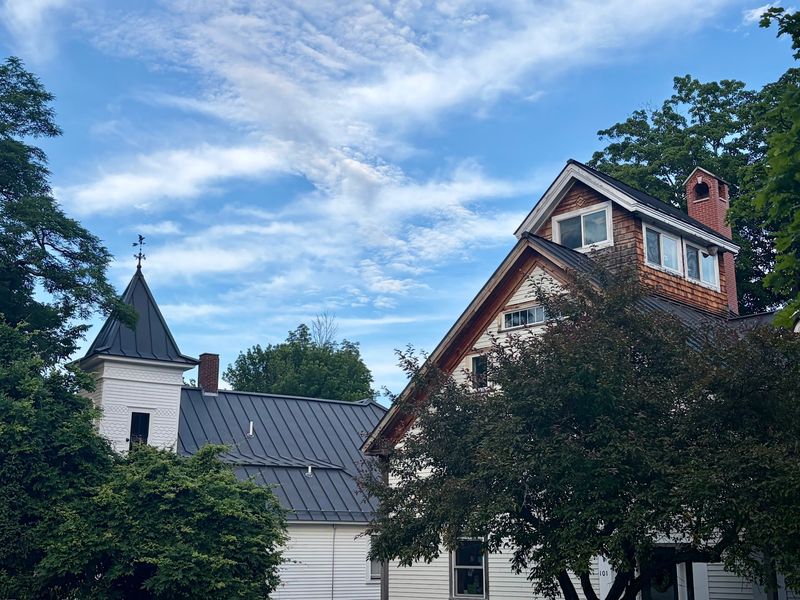
Grover Cleveland spent his summers here, and so did Henry James and E.E. Cummings, which says a lot about what kind of place Tamworth is. Founded in 1766, the village has long attracted people who want history, scenery, and a slower pace all in one package.
The Barnstormers Theatre, established by Cleveland’s son Francis, holds the distinction of being the oldest continuously operating professional theater in the United States. It still presents plays each summer, giving Tamworth a cultural life that punches well above its population size.
The Cook Memorial Library, a Queen Anne-style building completed in 1895, overlooks the village center with the kind of architectural confidence that makes you want to go inside and read something long. The Remick Country Doctor Museum and Farm offers hands-on workshops in traditional skills alongside actual farm animals. Add stone walls, agricultural fields, and a mountain backdrop, and Tamworth earns its place on any list of New Hampshire’s most European-feeling villages.
7. Chocorua Village
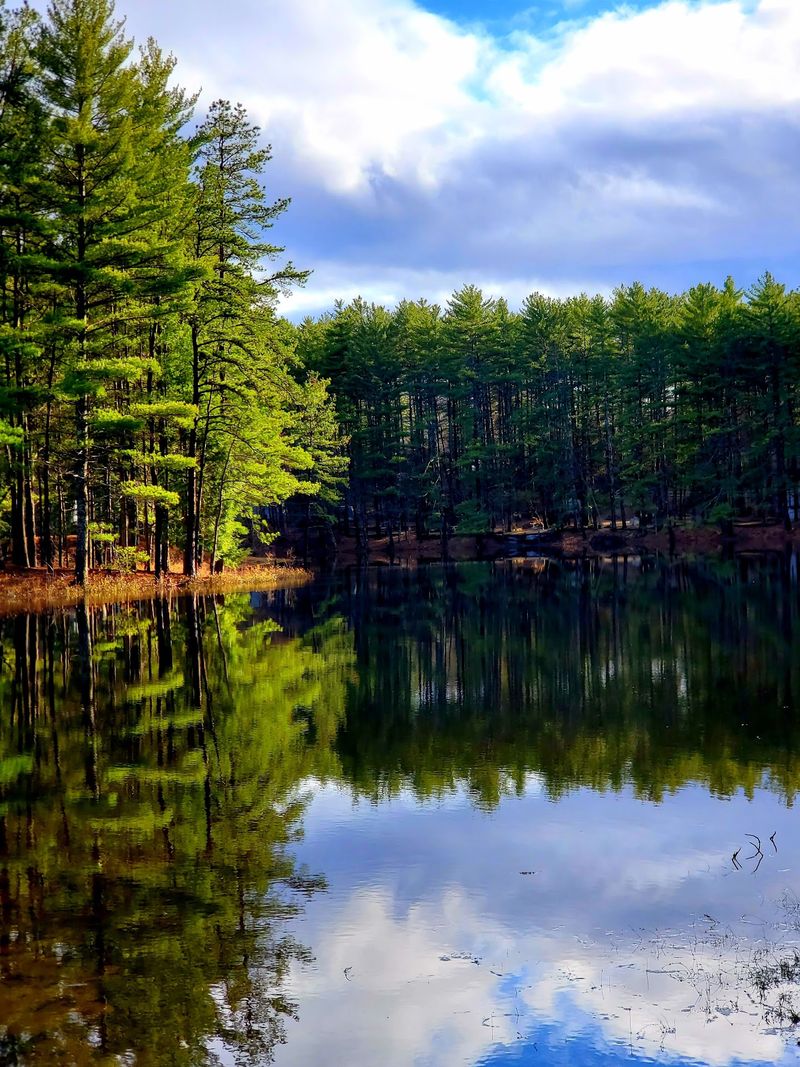
Mount Chocorua is known as the Matterhorn of the White Mountains, and once you see its triangular rocky summit rising above the treeline, the comparison makes complete sense. This is one of the most-climbed and most-photographed mountain peaks in the world, and it forms the dramatic backdrop for one of New Hampshire’s smallest and most scenically gifted communities.
Chocorua Village itself is an unincorporated community within the town of Tamworth, sitting at the edge of a landscape that the National Register of Historic Places recognized in 2005. The Chocorua Lake Basin Historic District covers over 6,000 acres and protects a remarkable collection of late 19th and early 20th-century summer resort houses.
The Chocorua Lake Conservancy has ensured that no billboards, commercial buildings, or private residences are visible along the shorelines, keeping the view essentially unchanged for over a century. Some of the farmhouses in the area date back to the 1790s and 1840s, adding genuine historical depth to an already striking landscape.
8. Gilmanton Iron Works
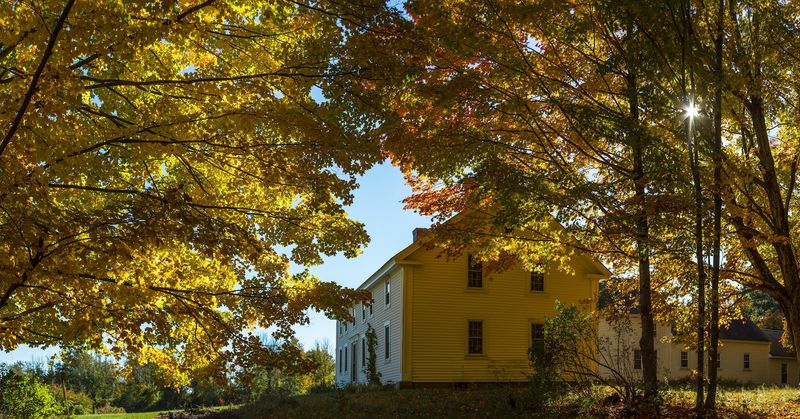
The name Gilmanton Iron Works sounds like it belongs on a map somewhere between Edinburgh and the Scottish Highlands, and the village itself does little to argue against that impression. Its town charter dates to 1727, making it one of New Hampshire’s older communities, and its development centered on an iron-mining operation at what is now called Crystal Lake, which began in 1778.
The Gilmanton Ironworks Library, completed in 1917 and designed by Boston architect Willard M. Bacon, stands as Belknap County’s first Colonial Revival-style library building. A fire in 1915 destroyed a significant portion of the village, but the library branch managed to save most of its collection and reopen in temporary quarters, which is a remarkable piece of local resilience.
Expansive open fields bordered by century-old stone walls define the landscape today. Lakes, forests, and historic homes give the village the feeling of a place that has been deliberately preserved rather than accidentally overlooked. It is scenic, tranquil, and genuinely old-world in character.
9. Contoocook Village
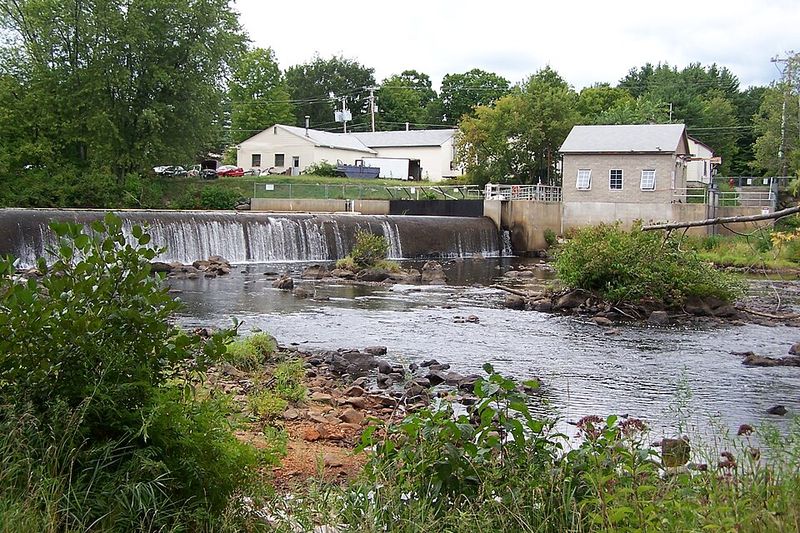
The oldest surviving covered railroad bridge in the United States is not in Vermont or Pennsylvania. It is right here in Contoocook, and that fact alone earns this compact village a spot on any list worth reading. Built between 1849 and 1850 and substantially rebuilt in 1889, the Contoocook Railroad Bridge uses a double-web Town lattice truss design and once carried active rail traffic until the early 1960s.
The nearby Contoocook Railroad Depot, also built in 1850, adds to the historic streetscape. When regular train service began in 1850, the village celebrated with speeches, a band performance, and a large public dinner, which sounds like exactly the kind of community event that small European market towns are famous for organizing.
The bridge now serves as a public footpath, making it accessible to anyone who wants to walk across a piece of genuine American railway history. A distinct historic center within the broader town of Hopkinton, Contoocook combines river scenery, railroad heritage, and a covered bridge into one very photogenic package.
10. Sanbornville
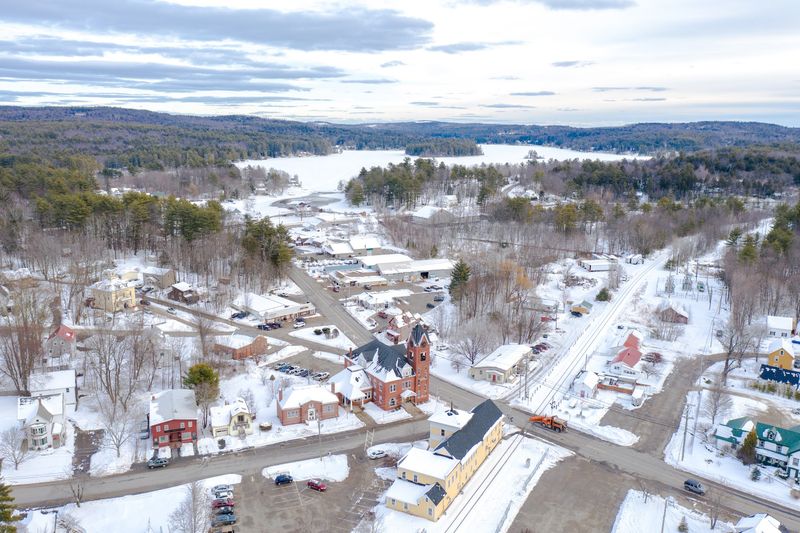
Named in honor of John Sanborn of the Boston and Maine Railroad in 1895, Sanbornville carries its railroad heritage in its very name. The village serves as the principal center of Wakefield, a town incorporated in 1774 that borders Maine and sits within a landscape of seven glacier-carved lakes.
The Wakefield Town Hall and Opera House, built in 1895, stands in Sanbornville as the community’s most prominent historic structure. The Garvin Building, recognized as the first structure ever built in the village, has been carefully restored by the Wakefield Heritage Commission, ensuring that the earliest chapter of local history remains visible.
Wooded valleys, forested hills, and lakeside scenery surround the village on multiple sides, giving it the peaceful, countryside character of a small rural community that has not tried too hard to modernize. The Lakes Region setting, with its combination of water, forest, and traditional buildings, gives Sanbornville a quiet appeal that rewards visitors who take the time to look past the main road.
11. North Conway Village
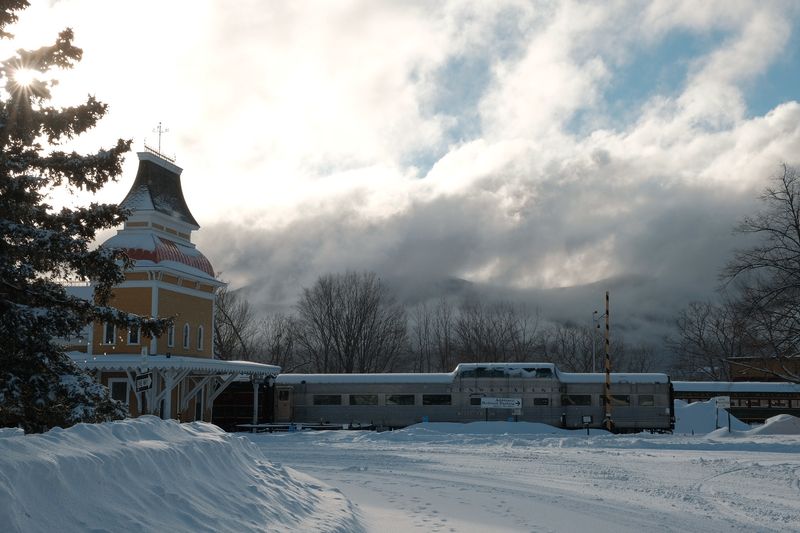
A Victorian railroad station with the White Mountains as its backdrop is a combination that very few places in North America can claim. North Conway Village has exactly that, and the Conway Scenic Railroad still operates from the station today, giving visitors a functional piece of history rather than just a preserved one.
The broader North Conway area has developed into a major tourist destination over the decades, but the village itself maintains a distinct historic identity separate from the surrounding commercial strip. The grand station building, with its period architecture and mountain views, is the kind of structure that European alpine resort towns built in the late 1800s to signal their arrival as serious destinations.
The White Mountains provide a dramatic, high-relief backdrop that shifts in appearance with the seasons, making the village look genuinely different in summer, autumn, and winter. For anyone interested in the intersection of Victorian architecture and alpine scenery, North Conway Village delivers both without requiring a transatlantic flight.
12. Sunapee Harbor Village
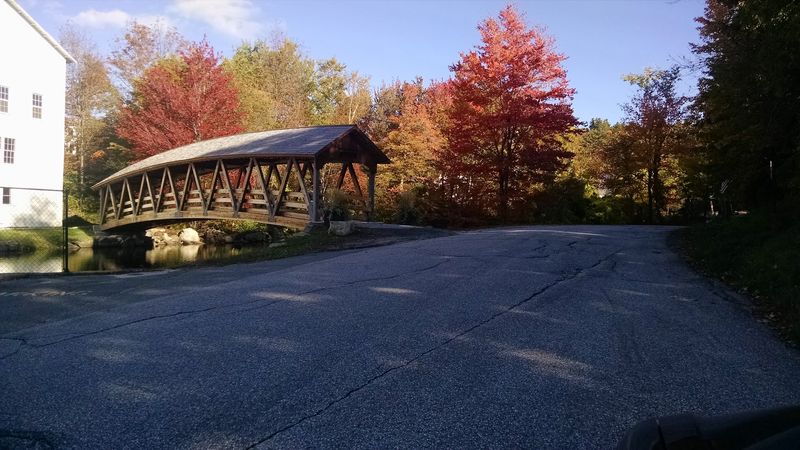
Lake Sunapee’s harbor village has been attracting summer visitors since the mid-1800s, when railroads and steamboats first made it accessible to travelers from the cities. Grand hotels and steamboat service defined that early era, and while the grand hotels are gone, the harbor’s compact, historic character has remained largely intact.
The Livery, originally built as a horse stable for the adjacent Harbor House Hotel, is the last remaining commercial structure from Sunapee’s steamboat era and now functions as a community gathering space. The Sunapee Historical Museum preserves documents, photographs, and artifacts from both the steamboat period and the village’s earlier manufacturing history.
The Riverwalk begins at the harbor and passes the Old Town Hall, now known as the Harbor House Livery, which dates to the 19th century. Surrounding green hills frame the lake on all sides, creating a visual setting that consistently draws comparisons to small Swiss and northern Italian lakeside communities. Kayaking, scenic boat tours, and waterfront dining round out the visitor experience at this quietly European corner of New Hampshire.
Share this story