There is a place in southern Minnesota where the street signs have a distinctly European feel, where a massive glockenspiel chimes in the town square, and where bratwurst is taken just as seriously as any local tradition. The architecture looks like it belongs somewhere along the Rhine River, and the annual festivals draw visitors from across the country who come just to experience the culture firsthand.
This is not a theme park or a staged attraction. It is a real, living community that has kept its German heritage alive for well over a century, and once you see it for yourself, you will completely understand why people keep coming back.
The German Roots That Built New Ulm
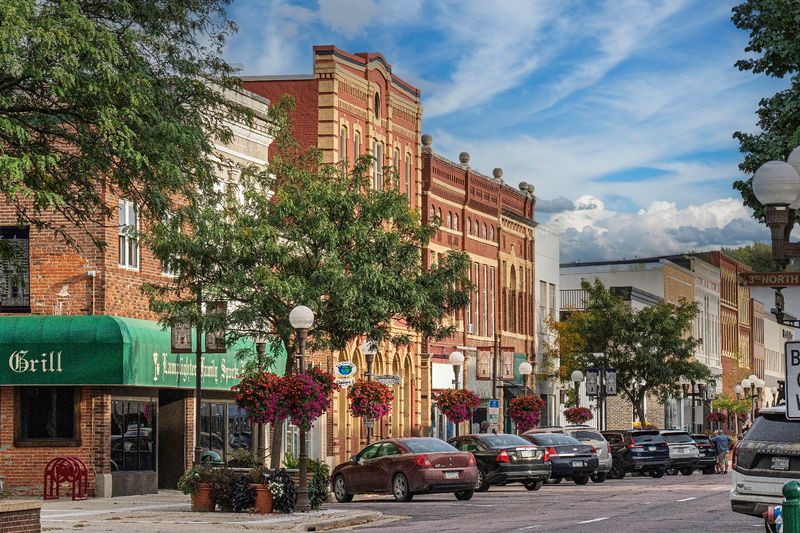
Few American towns wear their heritage as openly as New Ulm, Minnesota, located at 100 North Broadway, New Ulm, Minnesota 56073, United States. Founded in 1854 by German immigrants, the city was deliberately designed to reflect the culture, language, and traditions its settlers brought from their homeland.
Those early settlers were not just looking for farmland. They wanted to recreate a community where German customs, music, and craftsmanship could thrive.
That vision held, and it shaped everything from the architecture to the annual celebrations still happening today.
Walking through downtown, you get the sense that the past is not just remembered here. It is actively maintained.
The pride residents take in their German roots is visible on nearly every corner, making New Ulm unlike any other small city in the upper Midwest.
The Glockenspiel That Stops Traffic Three Times a Day
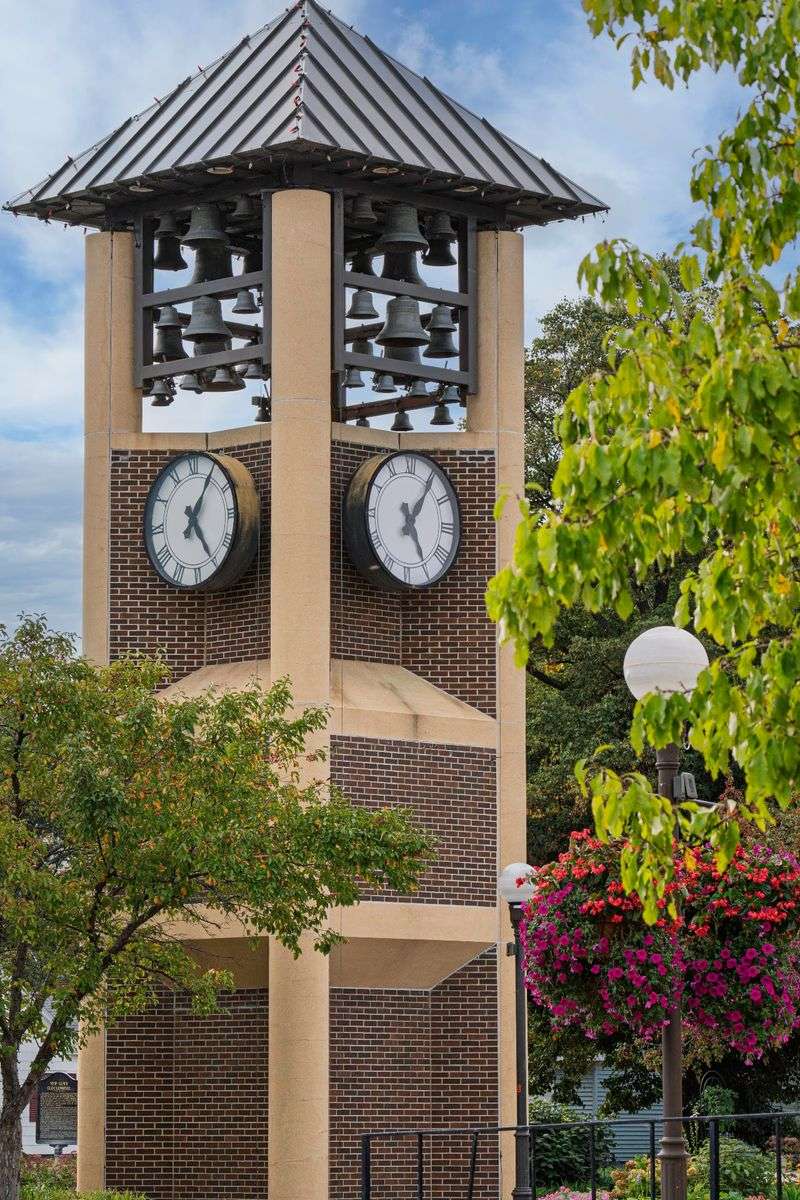
Right in the heart of downtown stands one of the most unusual public clocks in the entire country. The New Ulm Glockenspiel is a free-standing carillon tower that performs three times daily, at noon, 3 p.m., and 5 p.m., drawing crowds of curious visitors who gather on the sidewalk just to watch.
When the music begins, miniature polka-costumed figurines emerge and rotate around the tower while the bells play traditional German melodies. It sounds like something out of a European fairy tale, and honestly, it kind of is.
The tower stands 45 feet tall and was dedicated in 1980 as a gift to the city. What makes it so memorable is that it is not behind glass or inside a museum.
It sits right on the street, completely free to watch, and it performs every single day regardless of weather or season.
Hermann the German Monument Standing Guard on the Hill
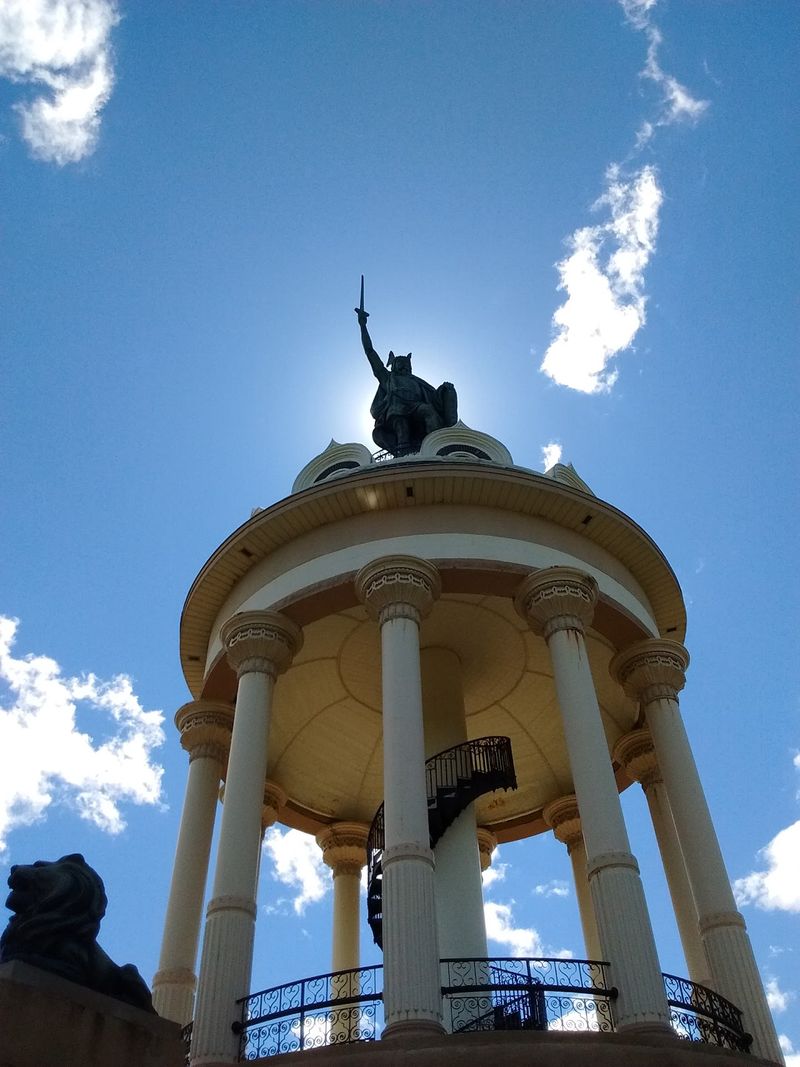
High above the city on a wooded hill stands one of the most striking monuments in Minnesota. The Hermann Monument, also called the Hermann Heights Monument, depicts Hermann of the Cherusci, a Germanic tribal leader who is celebrated in German culture as a symbol of freedom and resistance.
The copper statue itself stands 102 feet tall when you include the base, and on a clear day you can see for miles across the Minnesota River Valley from the observation platform. The view alone is worth the short climb up the hill.
Hermann was dedicated in 1897, making it one of the oldest monuments of its kind in the United States. Local German fraternal organizations still maintain the site with genuine care.
There is something quietly powerful about standing next to this towering figure and realizing it has watched over this town for well over a century.
Schell’s Brewery and Its Surprisingly Beautiful Grounds
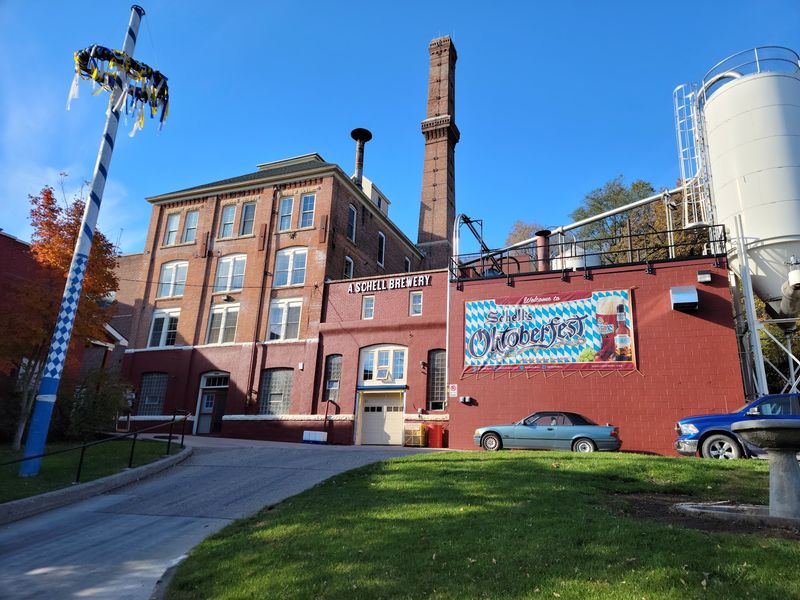
August Schell Brewery has been operating in New Ulm since 1860, making it one of the oldest family-owned breweries in the entire United States. The brewery sits along Cottonwood River on the edge of town, surrounded by manicured gardens, peacocks roaming the grounds, and historic brick buildings that look more like a European estate than a working production facility.
The Schell family has owned and operated the brewery for generations, and that continuity shows in how carefully the property has been preserved. The mansion on the grounds dates back to the 19th century and is genuinely beautiful.
Even setting aside what is actually produced here, the grounds themselves are a destination. Families come to walk the gardens, history lovers come for the museum, and architecture enthusiasts come just to photograph the buildings.
It is one of those places that surprises you once you actually arrive and see it in person.
German Architecture Woven Into Every Block Downtown
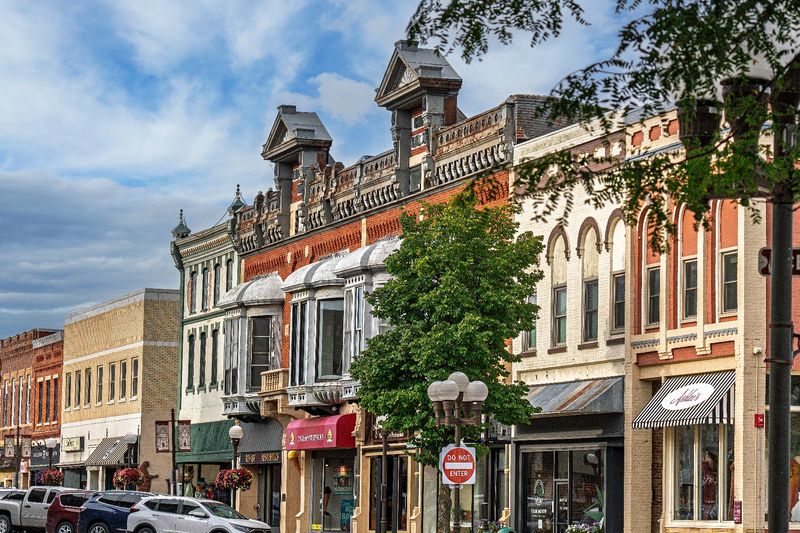
One of the first things you notice walking through downtown New Ulm is how consistent the architecture feels. Brick buildings with ornate facades, decorative cornices, and European styling line the main streets, creating a visual atmosphere that genuinely does not look like a typical Midwestern small town.
Many of these structures date back to the late 1800s and early 1900s, built by craftsmen who brought their skills directly from Germany. The attention to detail in the stonework and brickwork is remarkable for a city of this size.
Local preservation efforts have kept many of these buildings intact and in active use. You will find shops, restaurants, and offices operating inside structures that are well over a hundred years old.
That combination of living city and preserved history is what gives New Ulm its rare texture. It never feels like a museum, because people actually live and work here every day.
Wanda Gag House and a Famous Local Artist’s Story
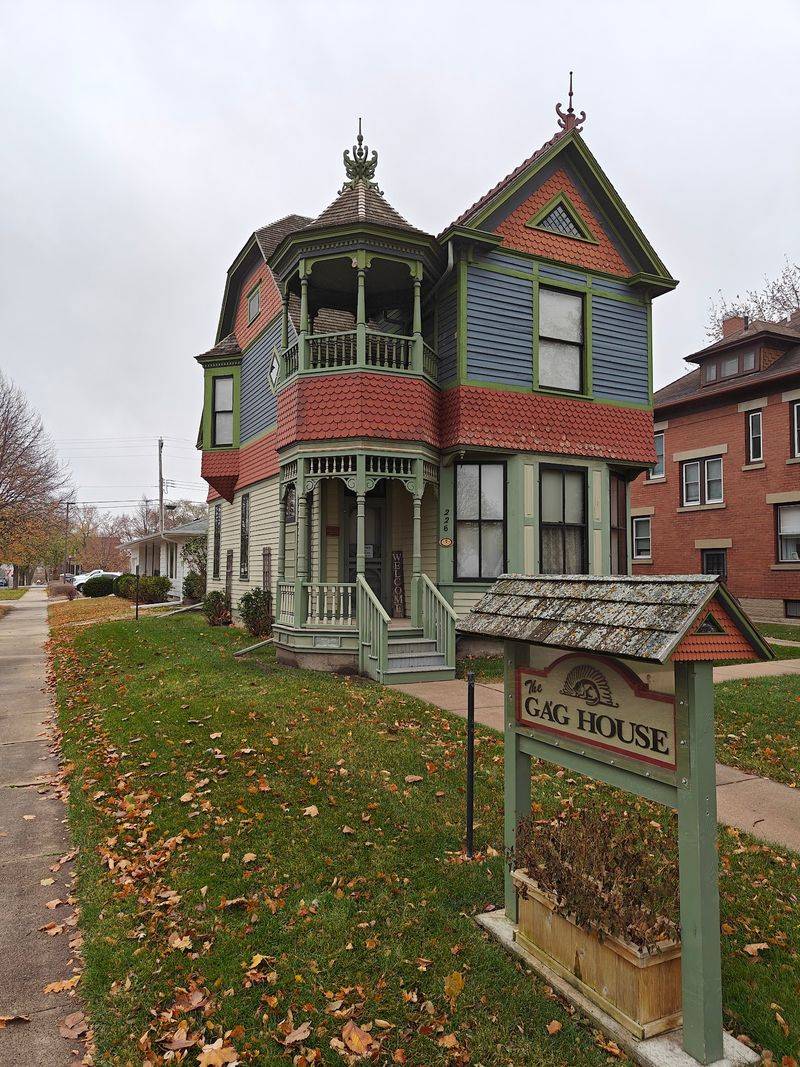
Not everyone knows that the author and illustrator of the beloved children’s book “Millions of Cats” grew up in New Ulm. Wanda Gag was born here in 1893, and her childhood home still stands as a historic site that visitors can explore.
Gag went on to become one of the most important figures in American children’s book illustration, and “Millions of Cats,” published in 1928, is considered one of the oldest American picture books still in print. That is a remarkable legacy for a small city in southern Minnesota.
The Wanda Gag House offers a window into the artistic and cultural life that shaped her work. For anyone who grew up reading her books, standing in the home where she spent her childhood carries a quiet, personal kind of weight.
It is one of those stops that feels more meaningful the more you know about her story.
Brown County Historical Society Museum and Its Deep Collections
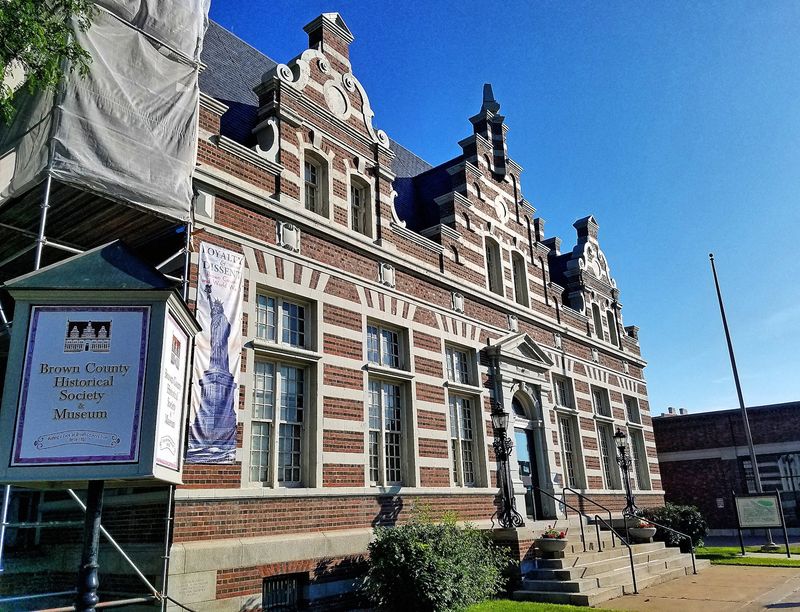
The Brown County Historical Society Museum occupies a striking building in downtown New Ulm and holds one of the most thorough regional history collections in southern Minnesota. The exhibits cover everything from the earliest German settlement of the area to the Dakota War of 1862, which had a direct and devastating impact on New Ulm.
The museum does not shy away from the more difficult chapters of the city’s history. The 1862 conflict is presented with care and context, helping visitors understand the complex and often painful history of the region beyond the cheerful German festival narrative.
Artifacts, photographs, and documents fill the galleries, and the building itself is worth a look. Spending an hour or two here gives you a much richer understanding of why New Ulm developed the way it did.
The history here is layered, and the museum does a genuinely good job of presenting all of it honestly.
Fasching and Oktoberfest Celebrations That Fill the Streets
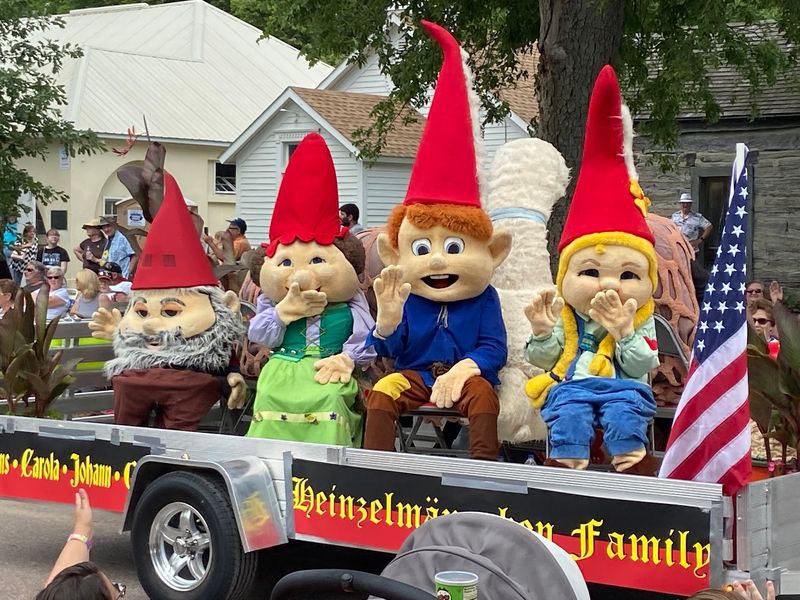
New Ulm takes its German festivals seriously in a way that goes well beyond decorations and costumes. Fasching, the German pre-Lenten carnival tradition, and Oktoberfest are both celebrated here with parades, traditional music, dancing, and food that reflect genuine cultural practice rather than a commercial imitation.
Oktoberfest in New Ulm typically draws thousands of visitors each fall, filling the streets with polka bands, traditional dress, and the kind of communal energy that is genuinely hard to find anywhere else in the Midwest. Locals participate with real enthusiasm, not just as performers for tourists but as people celebrating their own heritage.
These events have been part of the city’s rhythm for generations. If you happen to be planning a trip to southern Minnesota in the fall, timing your visit around Oktoberfest is one of the most memorable ways to experience what makes New Ulm feel so distinctly different from every other small city nearby.
The Minnesota River Valley Views Surrounding the City
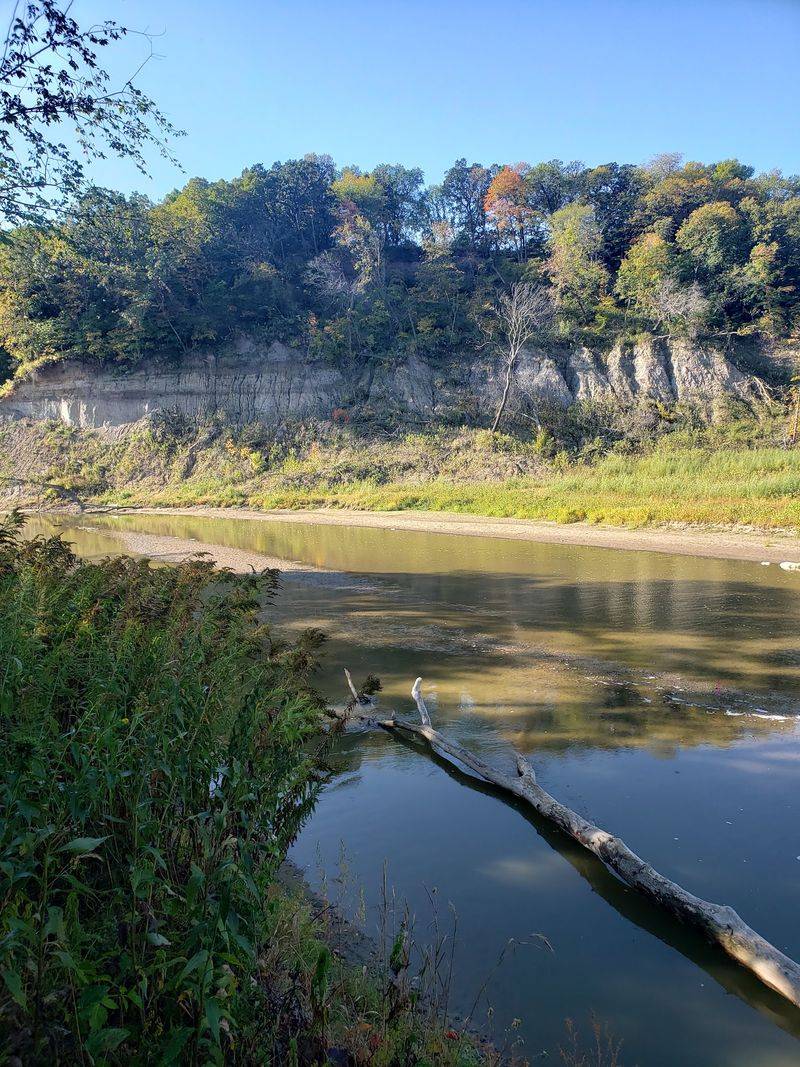
New Ulm sits at the confluence of the Minnesota River and the Cottonwood River, and that geography creates some genuinely beautiful scenery just outside the city limits. The river valley here is wide and green, with bluffs and wooded hillsides that frame the town in a way that feels almost cinematic on a clear day.
From the Hermann Monument, the view stretches across the valley floor and over the rooftops of the city below. It is one of those views that stops you mid-sentence when you first see it.
The surrounding area also offers opportunities for outdoor exploration along the river corridors and nearby parks. Flandrau State Park sits just south of the city and provides a quiet natural escape with wooded trails and a swimming area along the Cottonwood River.
The combination of natural beauty and cultural richness gives New Ulm a depth that many visitors do not expect when they first arrive.
Flandrau State Park Right on the Edge of Town
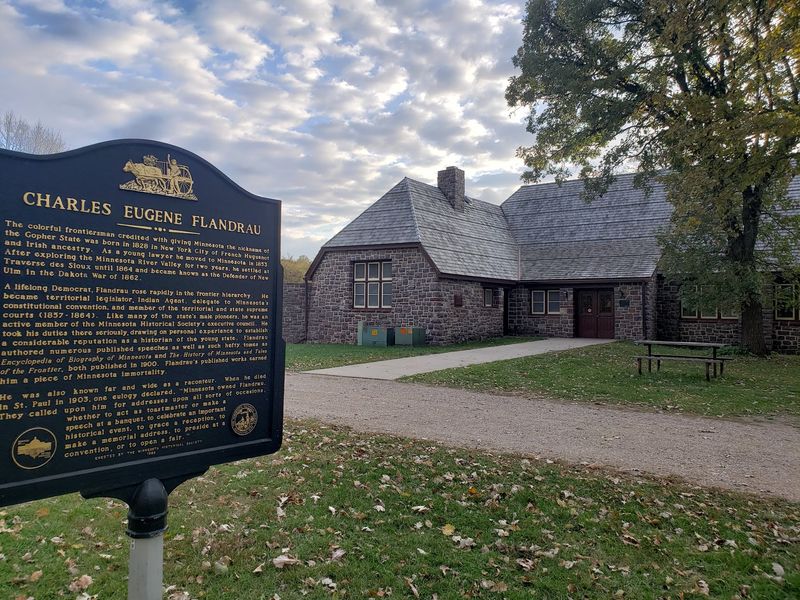
Most people do not realize that a full state park sits within walking distance of New Ulm’s downtown. Flandrau State Park hugs the Cottonwood River just south of the city and offers hiking trails, a campground, and a sand-bottom swimming pond that families genuinely love during the summer months.
The trails wind through oak forest and along the river, giving you a completely different experience from the German architecture and festivals happening just a mile or two away. The contrast between the cultural downtown and the quiet woods of Flandrau is one of the things that makes a visit to New Ulm feel surprisingly well-rounded.
Camping here is a popular option for visitors who want to spend more than a single day exploring the area. The park is well-maintained and not overly crowded, which means you can actually enjoy the trails without feeling like you are sharing them with half the state on a weekend afternoon.
German Food Traditions Still Very Much Alive Here
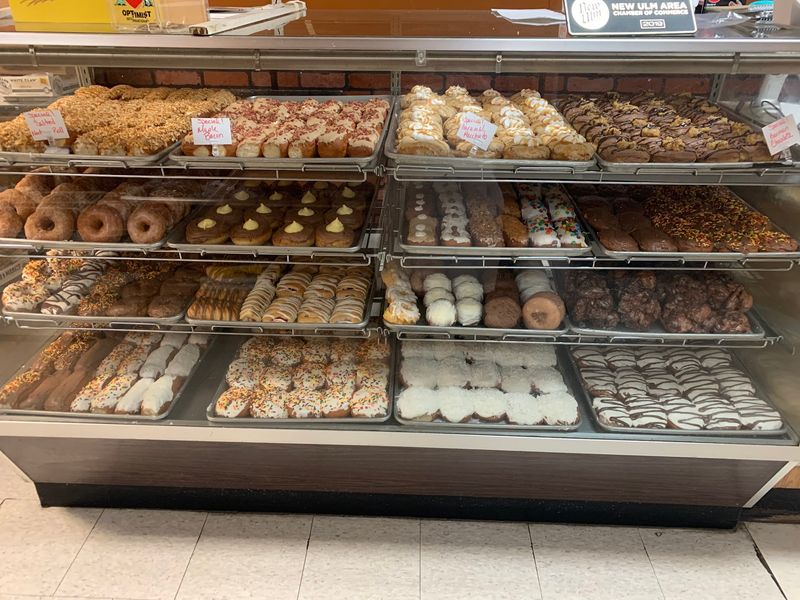
Food is one of the most direct expressions of culture, and in New Ulm, that expression is thoroughly German. Local restaurants serve dishes rooted in central European tradition, including bratwurst, schnitzel, sauerkraut, and dense, hearty breads that reflect the cooking styles brought over by the original settlers.
What makes the food scene here feel authentic is that these dishes are not novelties or tourist gimmicks. They appear on menus because the community actually eats them.
Generations of families have grown up with these flavors as part of their everyday lives.
Local bakeries carry on old-world pastry traditions with strudels and other German-style sweets that pair perfectly with a cup of coffee on a slow morning. The food in New Ulm rewards visitors who take the time to sit down and eat slowly rather than rushing from one attraction to the next.
Some of the best moments here happen at the table.
The Polka Music Tradition That Refuses to Fade Away
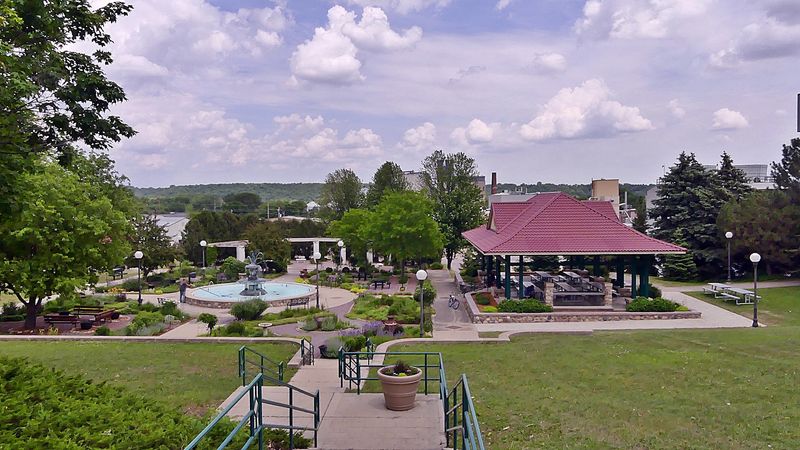
Polka is not just background music in New Ulm. It is a living tradition that locals actively perform, teach, and celebrate.
The city has produced polka musicians who have competed and performed at regional and national levels, and the music shows up regularly at community events throughout the year.
For anyone who has only heard polka in passing, hearing it played live by musicians who genuinely love the genre is a completely different experience. There is a physical energy to it that recordings simply cannot capture.
Local venues and festival stages feature polka performances throughout the year, and during major celebrations like Oktoberfest, the music becomes almost inescapable in the best possible way. Even visitors who arrive skeptical tend to find themselves tapping their feet within a few minutes.
The rhythm gets into you whether you plan for it or not, and that is exactly the point of a tradition this deeply rooted.
Downtown Shopping With a Distinctly Old-World Character
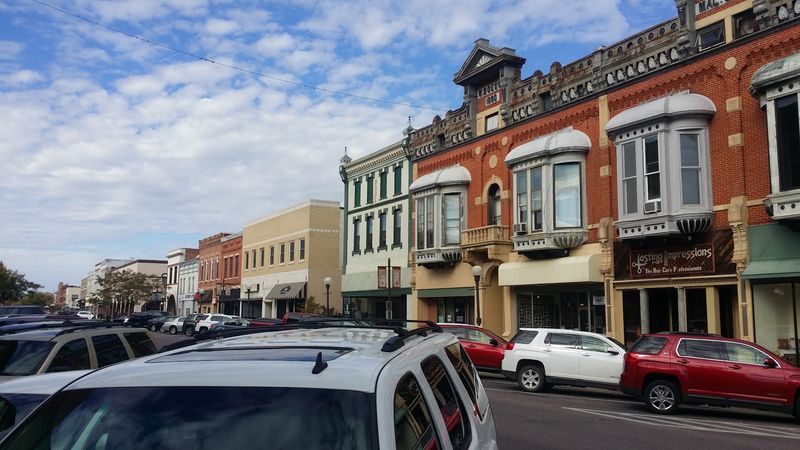
Shopping in New Ulm has a character that is hard to find in most small American cities. The downtown storefronts carry a mix of locally owned shops selling German imports, handcrafted goods, regional foods, and unique gifts that reflect the city’s heritage without feeling kitschy or overdone.
Specialty shops stock items like nutcrackers, cuckoo clocks, imported chocolates, and traditional German clothing and accessories. These are not mass-produced souvenirs.
Many of the items come from actual importers or local artisans with real connections to the culture they represent.
Browsing the downtown shops is genuinely enjoyable even if you are not planning to buy anything. The storefronts themselves are visually interesting, and the relaxed pace of shopping in a small city like this is a welcome change from the usual retail experience.
Plan to walk slowly and look up occasionally. The buildings above the storefronts have details worth noticing.
Turner Hall and the Legacy of German Athletic Clubs
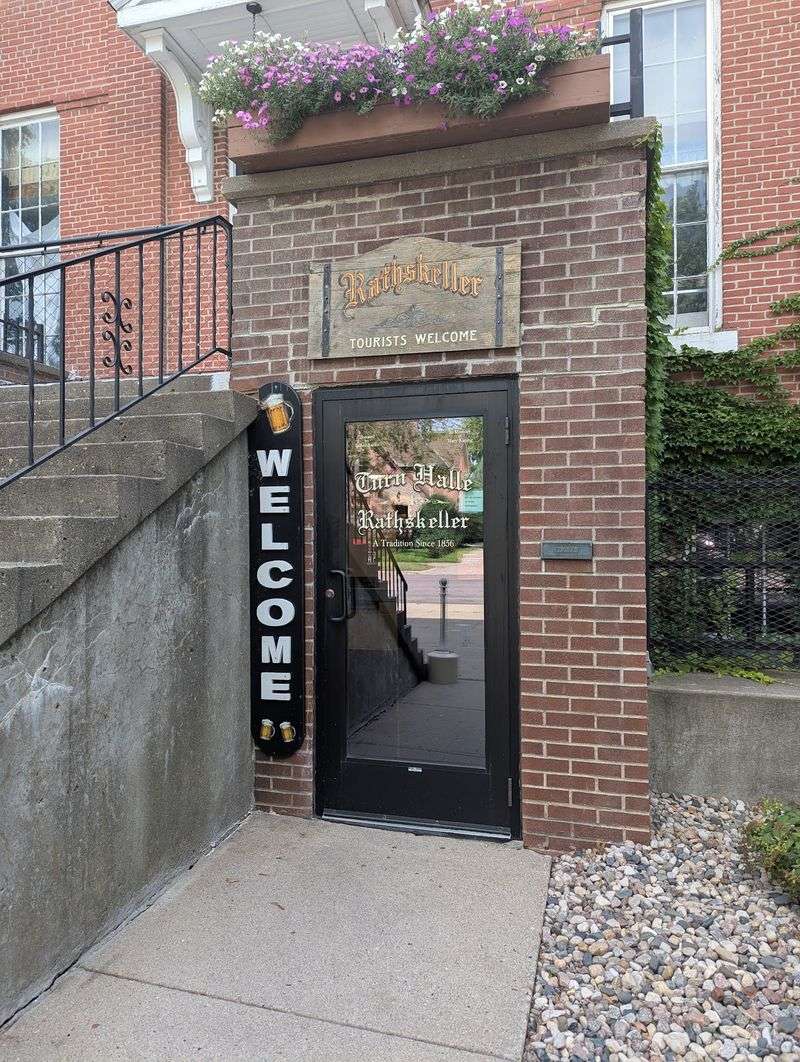
Turner Hall in New Ulm is one of the oldest and most historically significant buildings in the city. Built by the local Turnverein, a German athletic and social organization that was deeply influential in 19th-century immigrant communities, the hall has served as a gathering place for generations of New Ulm residents.
The Turnverein movement promoted physical fitness, civic engagement, and democratic values among German immigrants across the United States. In New Ulm, that movement helped shape the social fabric of the entire community from the very beginning.
Turner Hall still hosts community events today, and its continued use gives it a vitality that preserved-but-closed historic buildings often lack. Walking past or inside the building, you can feel the weight of everything that has happened within those walls over the past century and a half.
It is a reminder that the German immigrant story in New Ulm was never just about food and festivals.
Why New Ulm Stays With You Long After You Leave
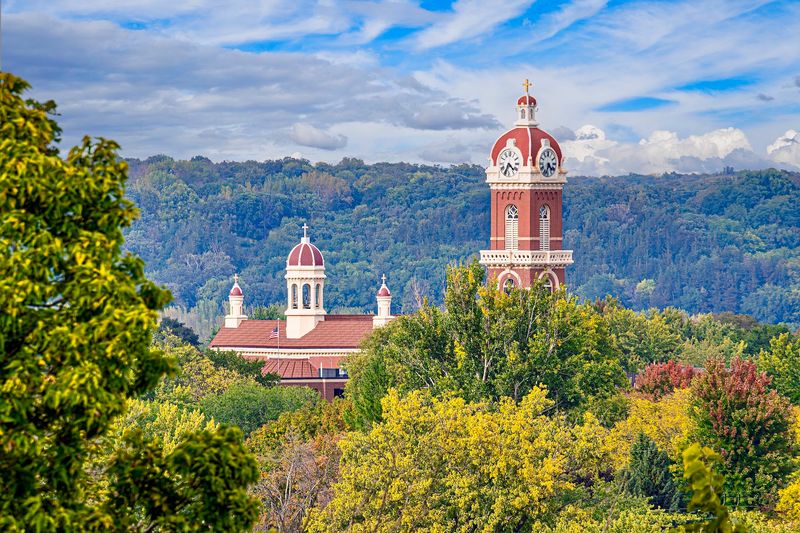
Most small towns are easy to forget once you drive away. New Ulm is not one of them.
There is something about the combination of genuine history, living culture, and physical beauty that makes this city stick in your memory in a way that is hard to fully explain until you have experienced it yourself.
The people here are not performing their heritage for visitors. They are simply living it, and that authenticity is exactly what makes the whole place feel so different.
You sense it in the festivals, in the food, in the architecture, and in the quiet pride that residents carry without making a big show of it.
If you find yourself drawn to places with real stories behind them, New Ulm belongs on your list. And once you visit, you will likely start looking for more towns like it across the Midwest, because places this specific and this genuine are rarer than most people realize.
Share this story