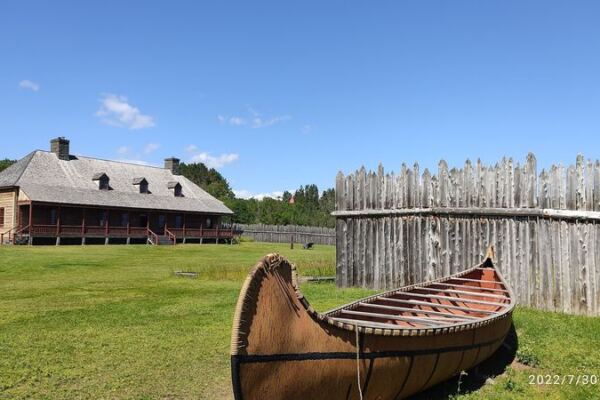
Drive through southwestern Minnesota and you will pass mile after mile of flat, open farmland with barely a tree in sight. Then, almost without warning, the land drops away into wooded river bluffs, rolling hills, and creek-crossed trails that feel like they belong somewhere else entirely.
That contrast is what makes this small state park so genuinely surprising. Most people have never heard of it, and that might be exactly what makes it worth the trip.
A Park That Surprises You From the First Step
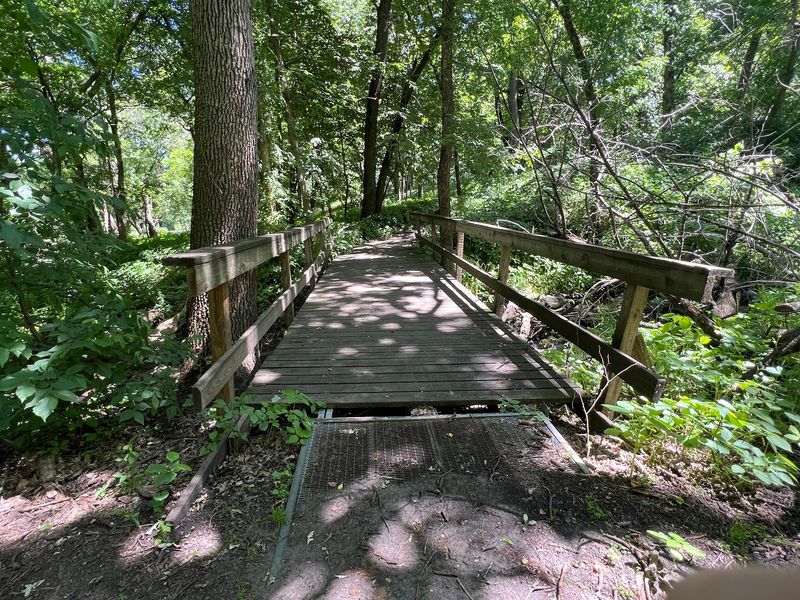
Most visitors heading to Kilen Woods State Park at 50200 860th St, Lakefield, MN 56150, expect flat prairie and not much else. Southern Minnesota has that reputation, and honestly, it is not entirely wrong.
But this park flips that expectation almost immediately. The moment you leave the parking lot and hit the trail, the land starts to roll.
The trees close in. The air feels cooler and quieter than it did on the drive over.
That first surprise is what keeps people coming back. You are not just visiting another flat grassland loop.
You are stepping into a landscape that feels genuinely out of place in the best possible way. The park sits along the Des Moines River, and that river corridor is responsible for everything that makes this place feel so unexpectedly lush and alive.
The Des Moines River Makes Everything Possible
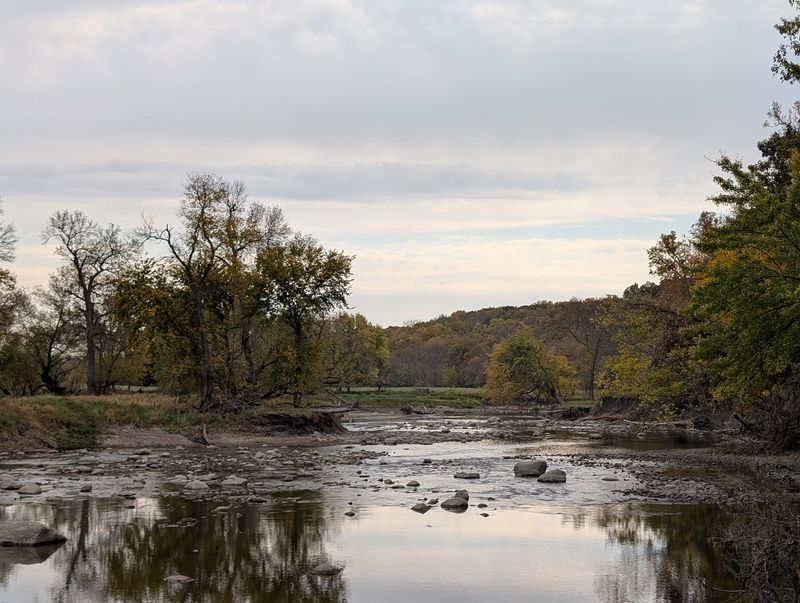
Rivers do more than just flow. They carve valleys, build bluffs, and create the kind of terrain that gives a park its character.
At Kilen Woods, the Des Moines River is the reason the whole place exists the way it does.
The river corridor creates a sheltered, wooded environment that feels dramatically different from the surrounding agricultural landscape. Tall oaks line the bluffs above the water.
The valley below holds moisture and shade that the open fields around it simply cannot offer.
From certain points on the trail, you can look down at the river winding through the trees below. The view is genuinely beautiful in a quiet, understated way.
It does not shout at you. It just sits there, patient and lovely, waiting for you to slow down long enough to appreciate it.
That kind of scenery is rare in this part of the state.
Gnarled Oak Woods That Feel Ancient
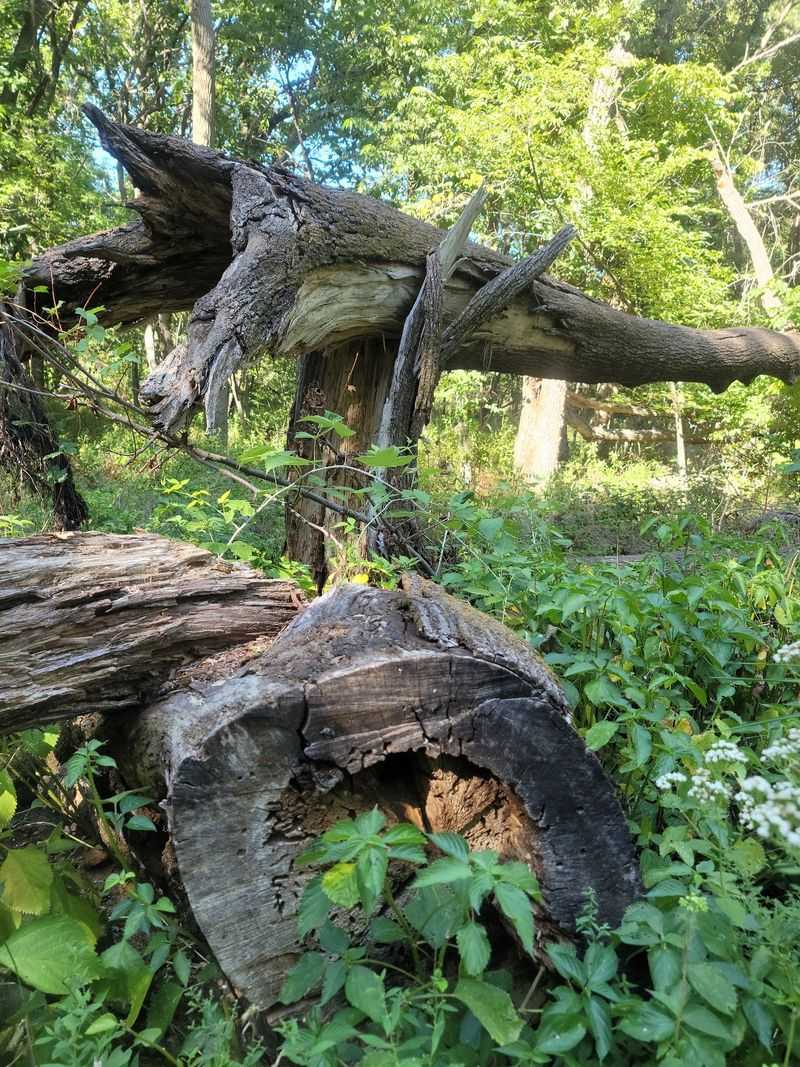
There is something almost storybook about a forest of old, gnarled oaks. The branches twist at odd angles.
The bark is thick and deeply furrowed. Light filters through the canopy in shifting patterns that change every few minutes as clouds pass overhead.
Kilen Woods has exactly that kind of forest, and it is one of the park’s most memorable features. The oak woodland along the Des Moines River corridor feels mature and well-established, the kind of place where you half expect to find a fox watching you from behind a root system.
Oak savannas are increasingly rare in Minnesota, so walking through a healthy stretch of them carries a quiet significance beyond just enjoying the shade. The park also transitions between woodland and open prairie within the same trail loop, which means the scenery keeps shifting in ways that hold your attention mile after mile.
Rolling Hills That Catch Most Visitors Off Guard
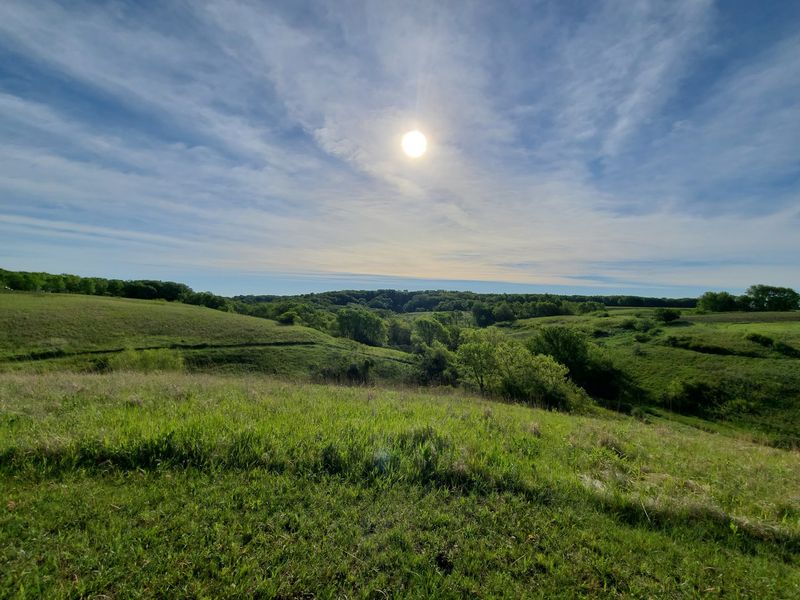
Southwestern Minnesota is not exactly famous for its elevation changes. So when the trail at Kilen Woods starts climbing, the reaction from most first-time visitors is genuine surprise mixed with a little extra breathing effort.
The hilly terrain here is a direct result of the river valley geology. The Des Moines River has been cutting through this landscape for a long time, and the result is a series of ridges, slopes, and overlooks that give the park a more dramatic feel than its size might suggest.
One spot in particular, sometimes called Dinosaur Ridge by visitors familiar with the trail, offers a lookout over the river that rewards the climb with a view worth every step. The mix of flat and moderate inclines makes the trails accessible without feeling too easy.
You feel like you earned the scenery, and that always makes it taste better.
Creek Crossings That Add a Little Adventure

Few things on a trail make you feel more connected to a landscape than crossing a small creek on a wooden bridge. There is something genuinely satisfying about it, even if the creek is only a few feet wide.
Kilen Woods has several of these crossings along its trail network, and they add a nice sense of rhythm to the hike. You move through the woods, drop down toward a creek, cross over, and climb back up into the trees.
Repeat. Each crossing gives you a moment to stop, look at the water, and hear something other than your own footsteps.
The creeks themselves are pretty little features, running clear over rocky beds and eventually finding their way down toward the Des Moines River. After a wet spring, they run fast and full.
In drier months, they slow to a gentle trickle. Either way, they are worth pausing over for at least a minute.
Prairie Sections That Burst With Wildflowers and Butterflies
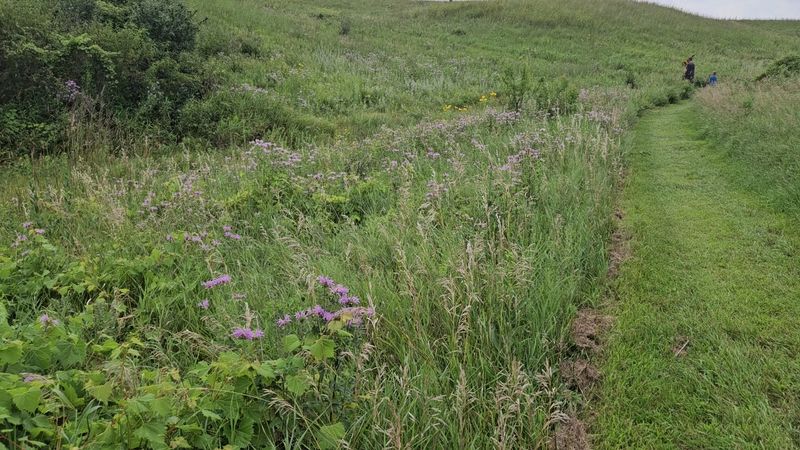
The trail at Kilen Woods does not stay in the woods the whole time. Parts of it open up into restored prairie, and in summer, those sections become something genuinely beautiful.
Orange butterfly weed blooms in bold clusters along the trail edges. Purple loosestrife adds contrast.
And floating above all of it, bright yellow orange sulphur butterflies drift across the grassland in numbers that feel almost theatrical. It is one of those scenes that makes you reach for your phone and then realize no photo is going to do it justice.
The prairie sections also offer pastoral views back down toward the woodland and the river valley below. Standing in an open meadow with oak woods in front of you and farmland somewhere far behind you creates a visual layering that feels surprisingly rich.
These moments are why the hiking club trail, roughly two miles long, keeps earning repeat visits from people who have already done it before.
The Hiking Club Trail and What Makes It Worth Completing
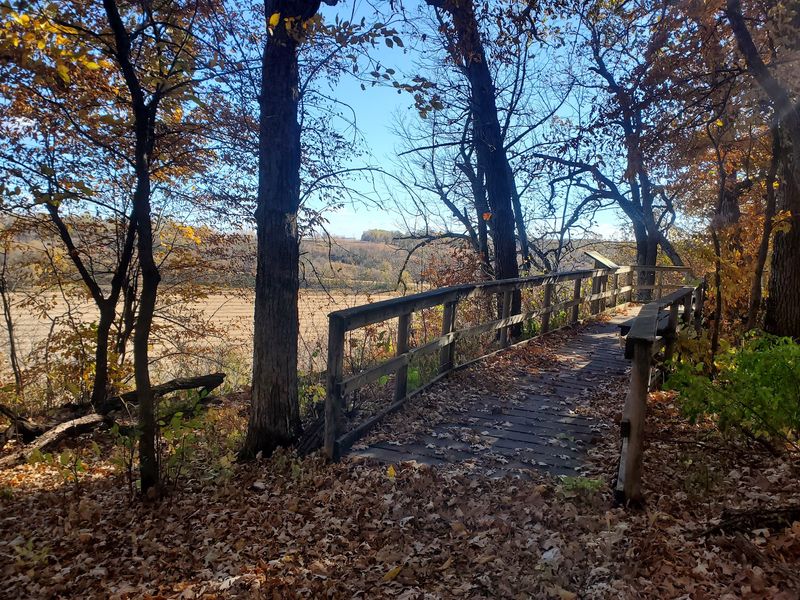
Minnesota’s state parks participate in a hiking club program that encourages visitors to complete designated trails and collect passwords at each park. Kilen Woods has its own hiking club trail, and it covers about two miles of the park’s best terrain.
The route takes you through the oak woodland, across the creek bridges, up toward the river overlook, and out through the prairie section. It is a genuinely well-designed loop that hits the park’s highlights without feeling rushed or repetitive.
The mix of forest, water, and open grassland within such a short distance is part of what makes the trail feel more substantial than its mileage suggests.
One thing worth knowing before you go: the park does not sell hiking club patches on-site. You will need to handle that part of the program through other channels.
But the trail itself is the real reward, and it does not require a patch to appreciate it.
Birding That Rewards Patience and Slow Walking
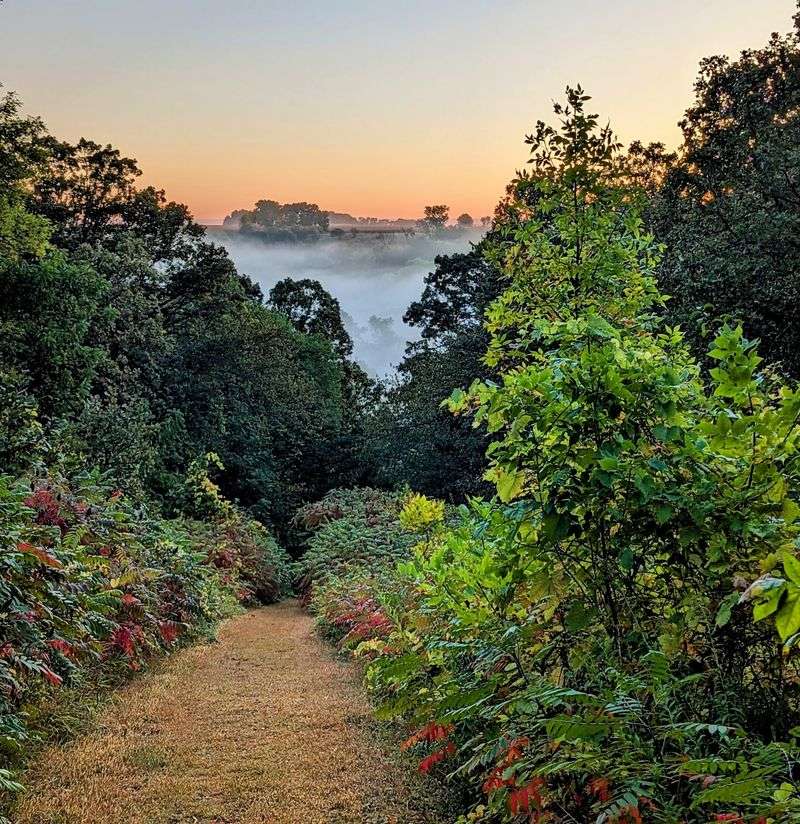
Slow down on the trail at Kilen Woods and the birds start to reveal themselves. The mix of woodland, prairie, and river corridor creates a variety of habitat types in a small area, which is exactly the kind of setup that attracts a solid range of species.
Visitors during spring and early summer consistently spot multiple bird species on a single walk. The wooded sections hold woodland birds that prefer the shade and shelter of the oak canopy.
The prairie openings attract grassland species that need open sky and tall grass. The creek edges and river bluffs add a third layer of habitat that brings in additional variety.
You do not need to be a serious birder to enjoy this aspect of the park. Just walk slowly, keep your eyes up, and bring binoculars if you have them.
Memorial Day weekend tends to be particularly active, when migration and nesting activity overlap in productive ways.
A Campground That Earns Genuine Loyalty

Camping at Kilen Woods is a genuinely relaxed experience. The campground is small, which keeps the atmosphere quiet even during busier weekends.
Sites are grassy and well-spaced, with large oaks providing shade in the right spots.
The facilities are clean and modern, including updated bathroom and shower buildings that campers consistently appreciate. Hot showers after a full day on the trail are the kind of thing that turns a good camping trip into a great one.
The campground has both electric and non-electric sites. The non-electric loop tends to offer more privacy and a slightly more natural feel.
A few sites sit at elevations that give you a view of the surrounding landscape, which is a nice bonus when you are sitting around the fire in the evening. One practical note: the park does not have a dump station on-site, so plan accordingly if you are bringing an RV or trailer.
Stargazing That Benefits From the Rural Darkness
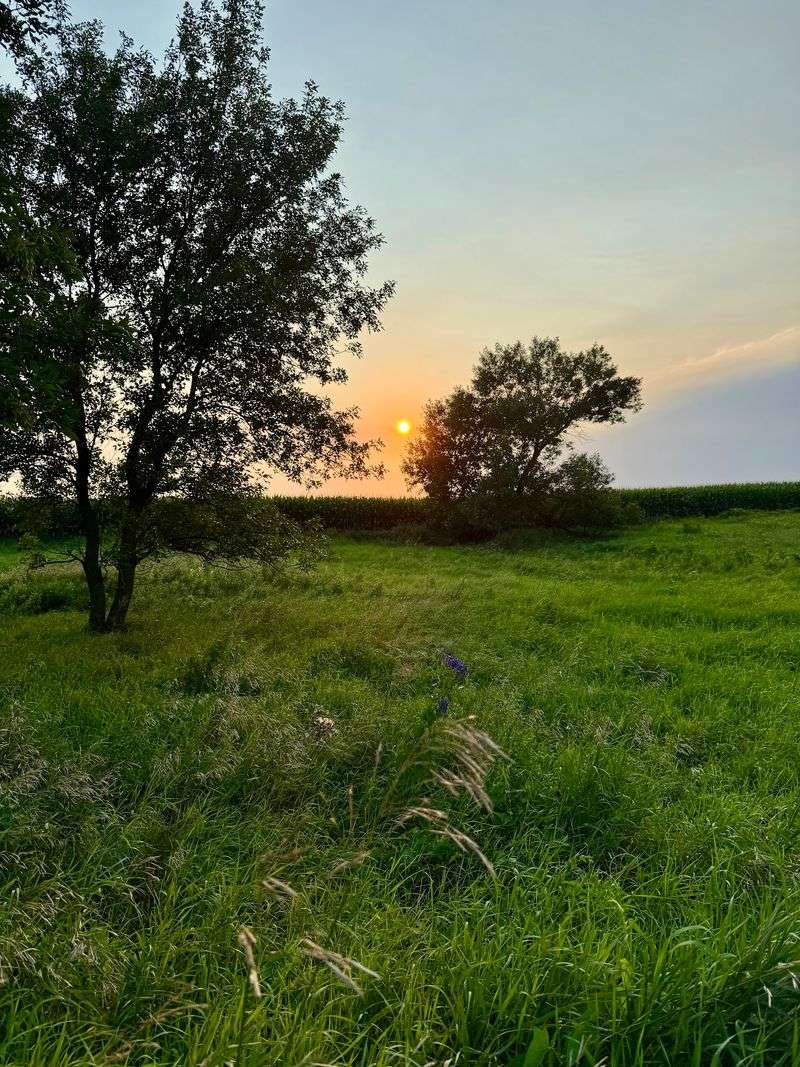
One of the quieter benefits of visiting a state park surrounded by farmland is the darkness. Southwestern Minnesota does not have a lot of light pollution, and on a clear night at Kilen Woods, the sky above the campground is remarkable.
Campers who have stayed here mention the stargazing as a genuine highlight, particularly in September when the air is clear and the summer haze has lifted. The open prairie sections of the park give you unobstructed sightlines to the horizon, which makes the experience feel even more expansive than it would under a tree canopy.
You do not need any equipment to enjoy it. A camp chair, a blanket, and a willingness to sit still for a while are the only requirements.
In a world where truly dark skies are becoming harder to find, this is the kind of thing that quietly earns a place on the list of reasons to return.
The Sioux Loop and What It Offers
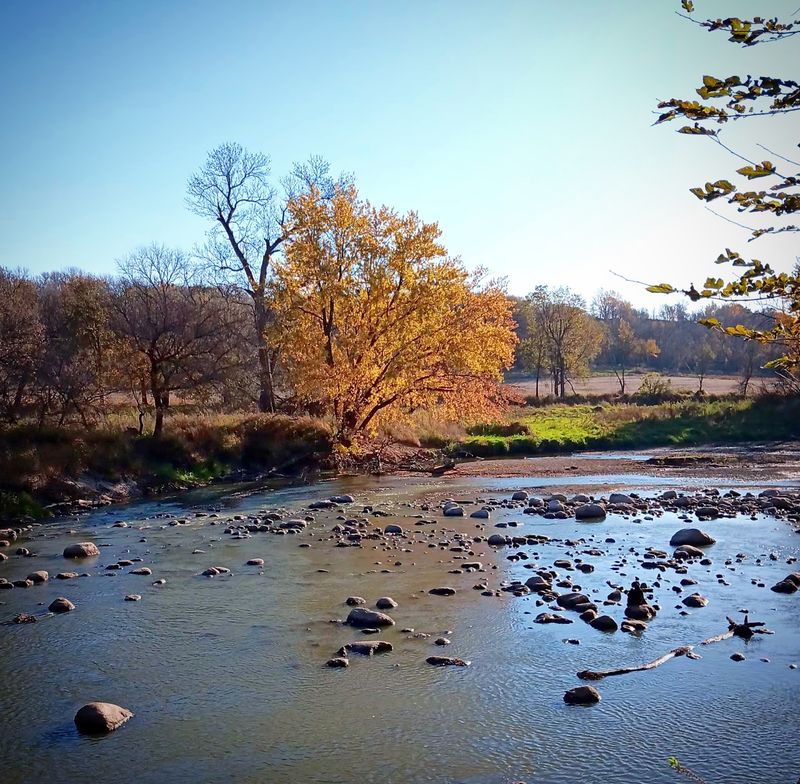
Among the named trails at Kilen Woods, the Sioux Loop draws consistent praise from visitors who want a well-rounded hike without committing to anything too demanding. The loop moves through the park’s mixed terrain in a way that feels thoughtfully routed.
You get woodland sections where the tree cover is dense and the light filters down in long shafts. You get open stretches where the prairie spreads out and the sky takes over.
And you get the elevation changes that make the whole thing feel more interesting than a flat loop through similar terrain would.
The trail is generally well-maintained and easy enough to follow, though some hikers have noted that the Avenza map does not always match the physical trail exactly. Bringing a sense of direction and some attentiveness to the actual trail markers will serve you better than relying solely on digital navigation.
The hike itself is worth every step.
Rock Creek Trail and the Wooded Hillside Descent
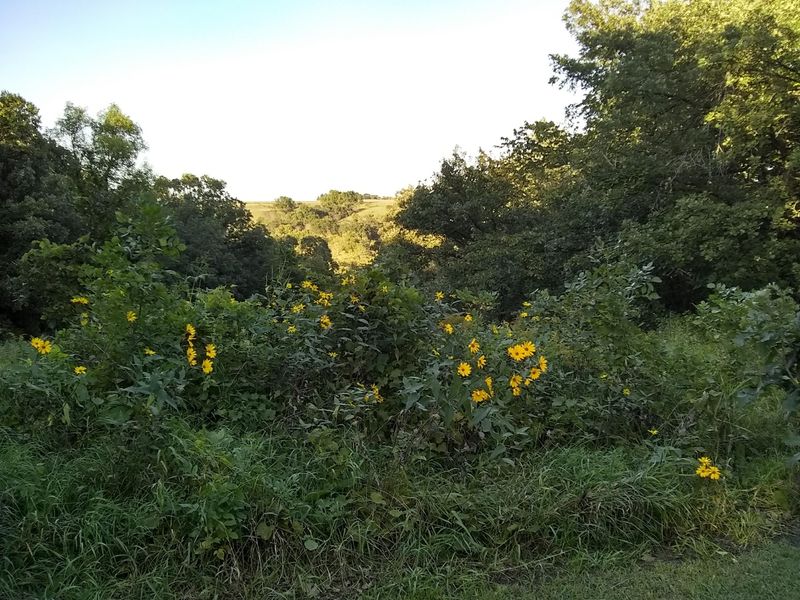
The Rock Creek Trail starts at the main parking lot and takes you downhill through dense woodland toward the Des Moines River. The descent is gradual enough to be enjoyable rather than stressful, and the tree cover makes it feel like you are moving through a genuinely wild space.
This trail is a good choice for visitors who want to get close to the river corridor without a lot of elevation gain on the return. The wooded hillside setting feels different from the more open sections of the park, offering a shadier, more enclosed atmosphere that has its own kind of appeal.
The creek itself runs through the lower section of the trail before joining the river, and the sound of moving water accompanies much of the hike. It is a quieter trail in terms of visitor traffic, which means you are more likely to spot wildlife moving through the understory without disturbance.
What the Surrounding Farmland Actually Adds to the Experience
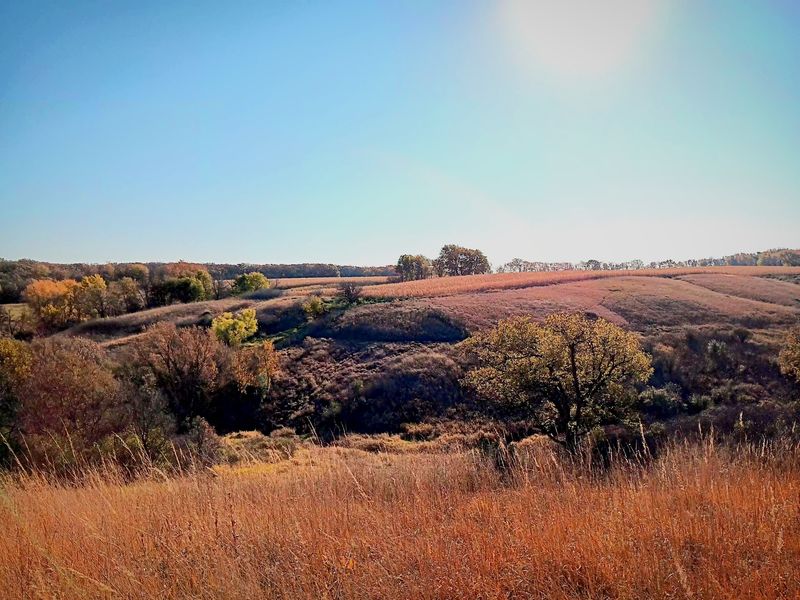
It might seem like the farmland surrounding Kilen Woods is just context, the unremarkable setting you drive through to get to the park. But that contrast is actually a big part of what makes the park feel so striking once you arrive.
When you have been driving through flat, open fields for an hour, dropping into a wooded river valley with rolling hills and creek crossings hits differently than it would if you had come from a more varied landscape. The surrounding simplicity amplifies everything the park offers.
From the higher points on the trail, you can look out over the tree canopy and see the agricultural plains stretching away in the distance. It is a view that puts the park’s geography in context and makes you appreciate just how unusual this little patch of woodland and bluffs really is in this part of Minnesota.
That perspective alone is worth the drive.
Practical Tips for Planning Your Visit
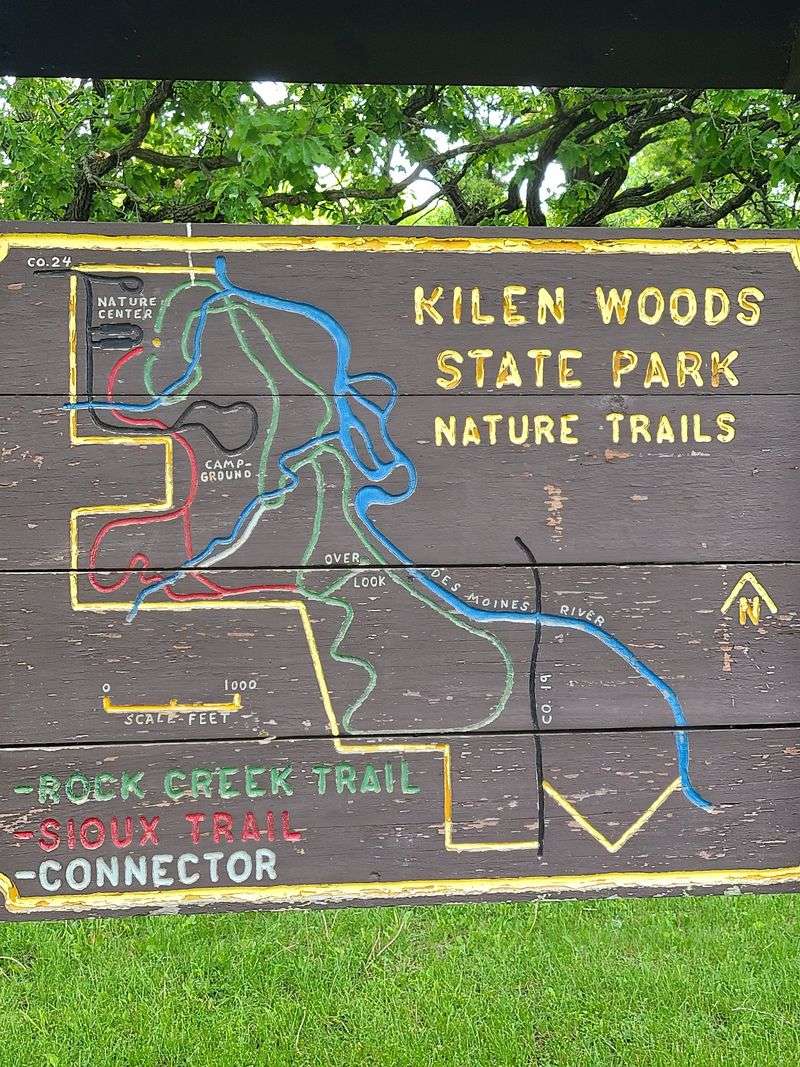
A few practical things will make your visit to Kilen Woods run more smoothly. The park is small, so most people can explore the majority of the trails in about two hours of active hiking.
Plan accordingly if you are driving a significant distance.
Bug protection is genuinely important here, especially in summer. The wooded, moist environment near the creek and river corridor creates ideal conditions for mosquitoes.
Head nets may look a little unusual, but experienced visitors swear by them, particularly during evening hours near the campground.
The park does not have a dump station, so RV and trailer campers should plan for that ahead of time. The visitor center does not sell merchandise or hiking club patches on-site.
Arrive with a Minnesota State Parks vehicle permit, bring water, wear sturdy shoes for the hilly terrain, and give yourself enough time to slow down and actually absorb what makes this park worth visiting.
Why This Small Park Deserves a Spot on Your Minnesota List
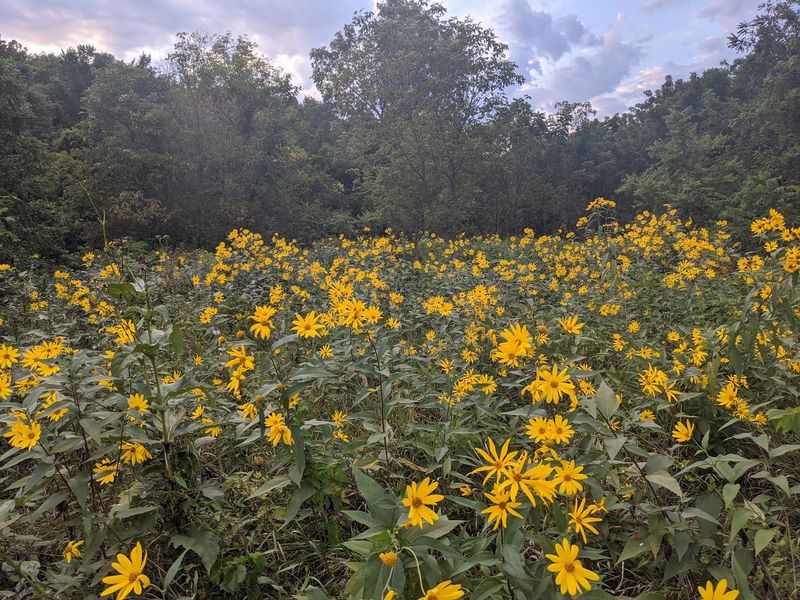
Kilen Woods does not have a dramatic waterfall or a famous landmark that pulls crowds from across the state. What it has is something harder to manufacture: a genuine sense of surprise and quiet beauty that rewards visitors who take the time to find it.
The combination of oak woodland, prairie, creek crossings, river bluffs, and starry nights creates an experience that is richer than the park’s modest size suggests. It is the kind of place that earns loyal repeat visitors rather than one-time tourists, and that loyalty says something real about what the park delivers.
Southern Minnesota has plenty of state parks worth exploring, and Kilen Woods fits naturally into a longer road trip through the region. Whether you camp for a night or just stop for a two-hour hike, the park has a way of staying with you longer than you might expect from a small patch of woods tucked behind a field of corn.
Share this story