Tucked between the pancake houses and outlet malls of the Smokies sits a hangar most people speed right past on their way to Pigeon Forge. Inside waits a collection of rare warbirds, some of which still start their engines, plus a surprising jumble of old cars, uniforms, and Hollywood pieces that nobody expects.
For under the price of a movie ticket, you can sit in a real fighter cockpit and swap stories with volunteers who genuinely love this stuff. If you thought the only planes near Sevierville were the ones flying overhead, this place will change your mind fast.
Here is everything worth knowing before you go.
Two Decades of Quiet Preservation
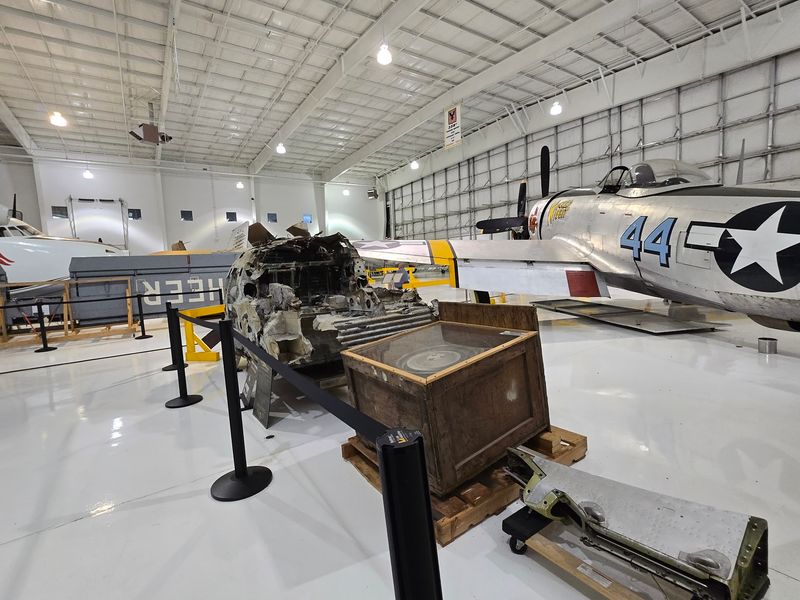
Longevity says a lot about a small museum, and this one has been standing for more than twenty years while still looking immaculate and new. That kind of upkeep does not happen by accident.
The whole operation reads as a labor of love rather than a slick commercial attraction. People who run it clearly care about honoring aviation history, and the neat, tidy condition of every corner backs that up.
Preservation is the real mission here. Instead of chasing gimmicks, the museum focuses on keeping important pieces of history intact and telling their stories clearly.
Regulars mention that the displays feel clean and easy to understand, the sort of place where you sense that someone dusts the artifacts and double-checks the placards. Two decades in, it has earned its reputation the slow, honest way.
Rare Warbirds You Rarely See Elsewhere
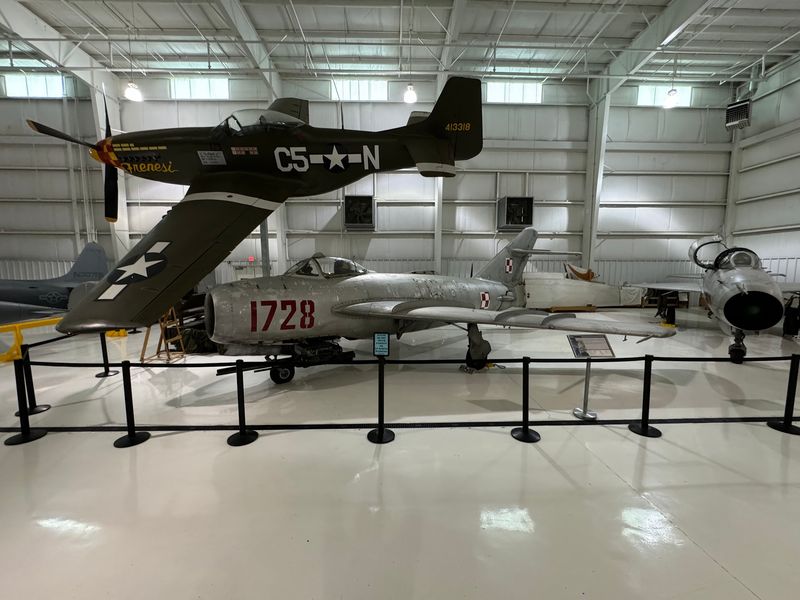
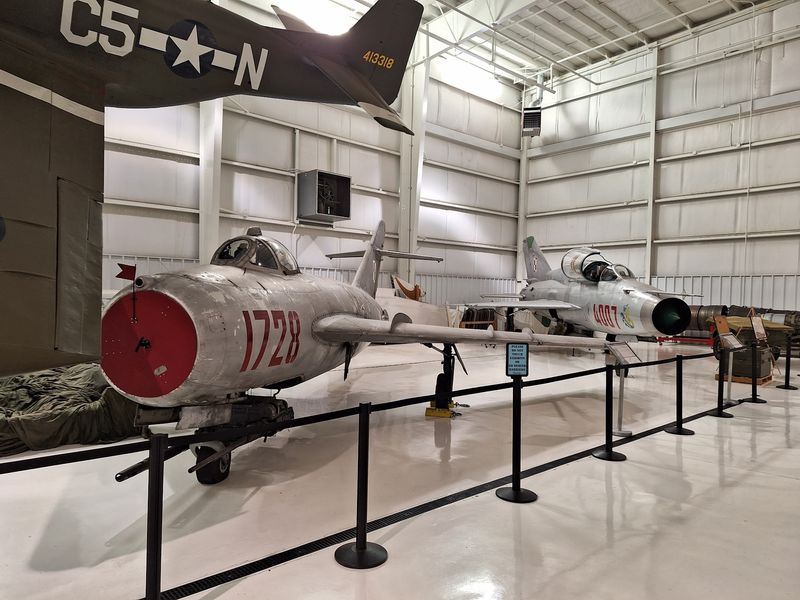
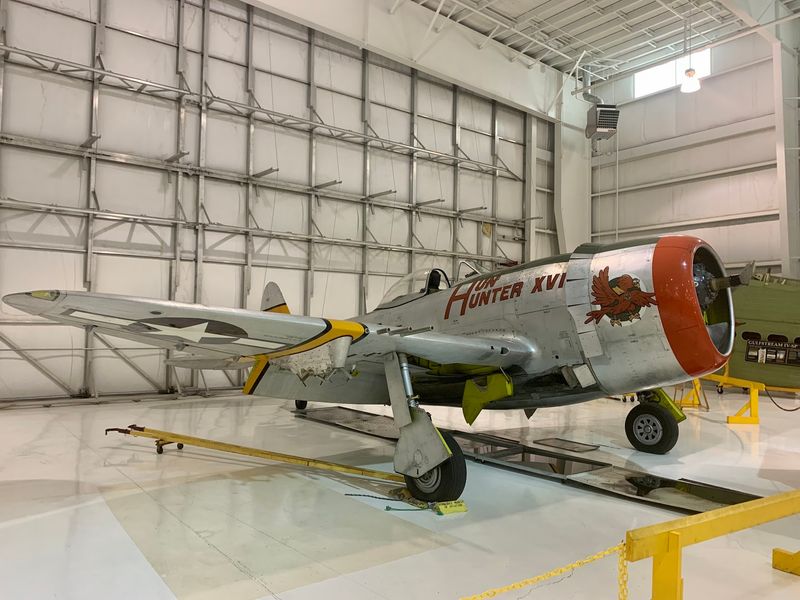
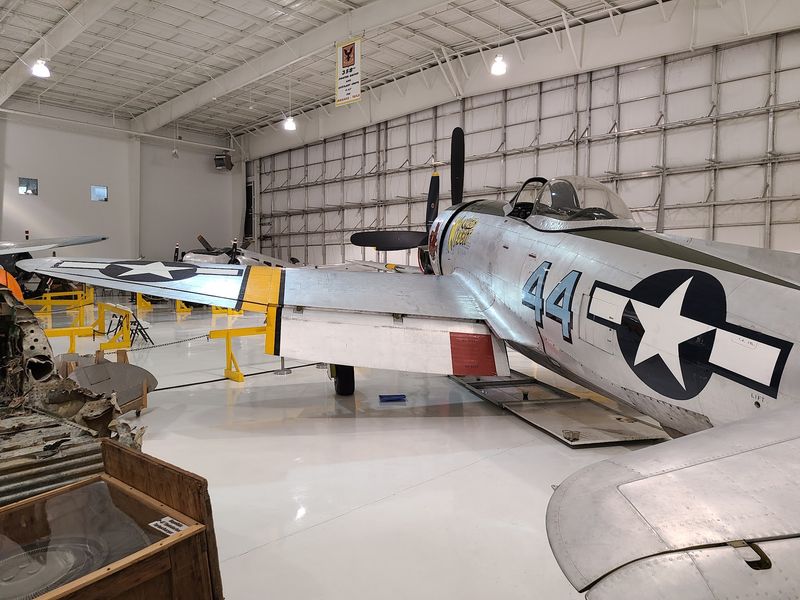
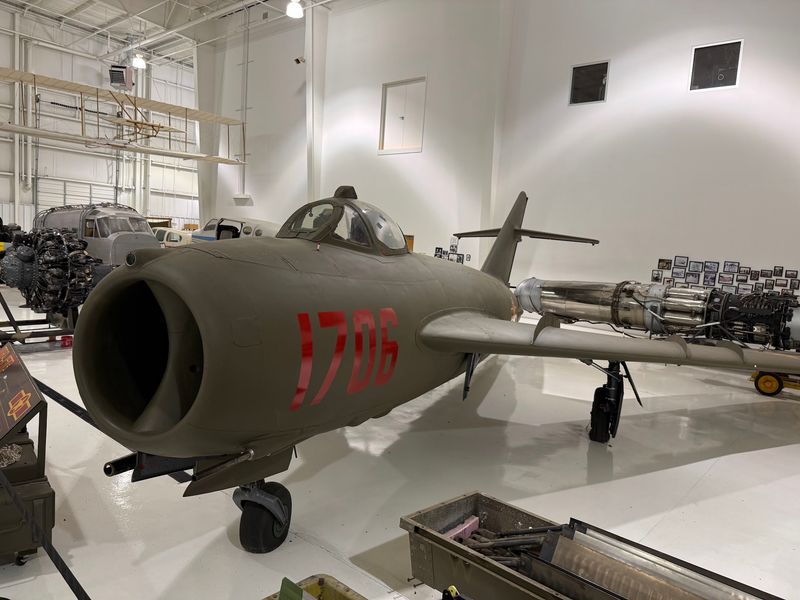
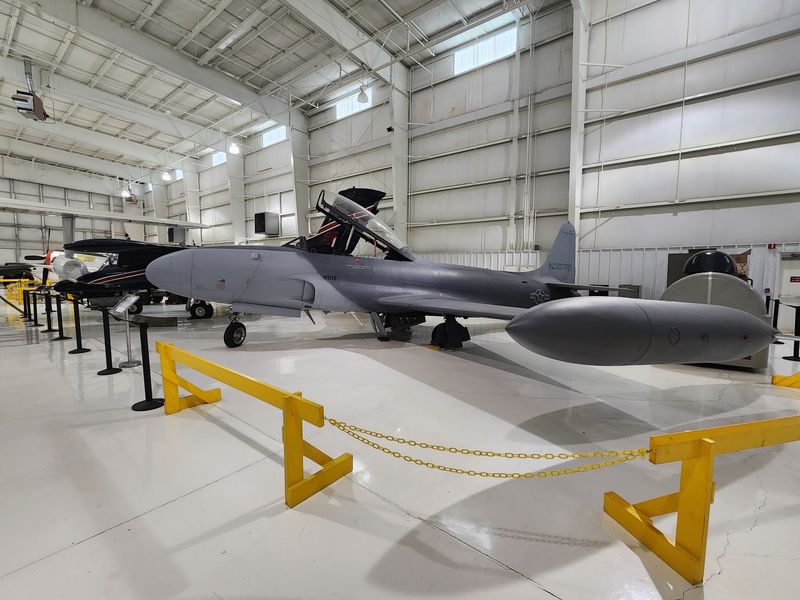
The heart of the collection is its warbirds, and these are not the same tired planes you spot at every roadside airfield. Several are aircraft you simply do not see very often, which is exactly why enthusiasts drive out of their way to catch them.
Early WWI and WWII planes anchor the lineup, alongside a Skyraider that gets its own share of attention. Each one carries the weight of the era it flew in, and the museum leans into that with clear history laid out beside every machine.
For anyone with a soft spot for military aviation, the depth here punches well above the building’s size. It is compact, sure, but the quality of the metal parked inside makes the trip worth it.
Serious plane people tend to leave grinning, and that tells you plenty.
Engines That Actually Roar to Life
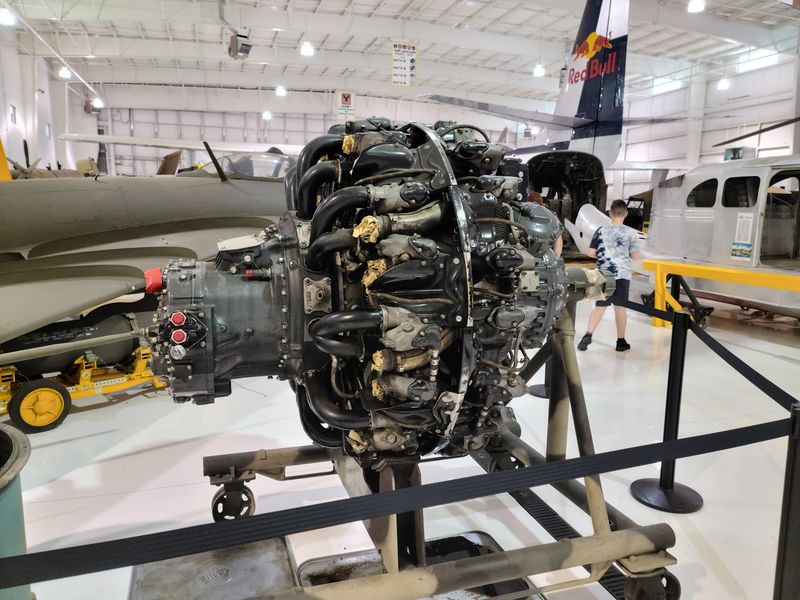
Here is a detail that catches people off guard: some of these planes still run. A collection where the machinery is not just frozen in place feels alive in a way that static exhibits cannot match.
Live demonstrations are part of what the museum offers, and the hangar holds an assortment of piston and jet engines set up so you can study how they work. Seeing the guts of an aircraft up close turns abstract history into something you can actually wrap your head around.
The variety of engines from different planes is a quiet highlight that sneaks up on you. You wander in expecting whole aircraft and end up fascinated by the raw power plants that pushed them through the sky.
It is the kind of surprise that keeps mechanically curious folks lingering longer than they planned.
Climb Into a Real Fighter Cockpit
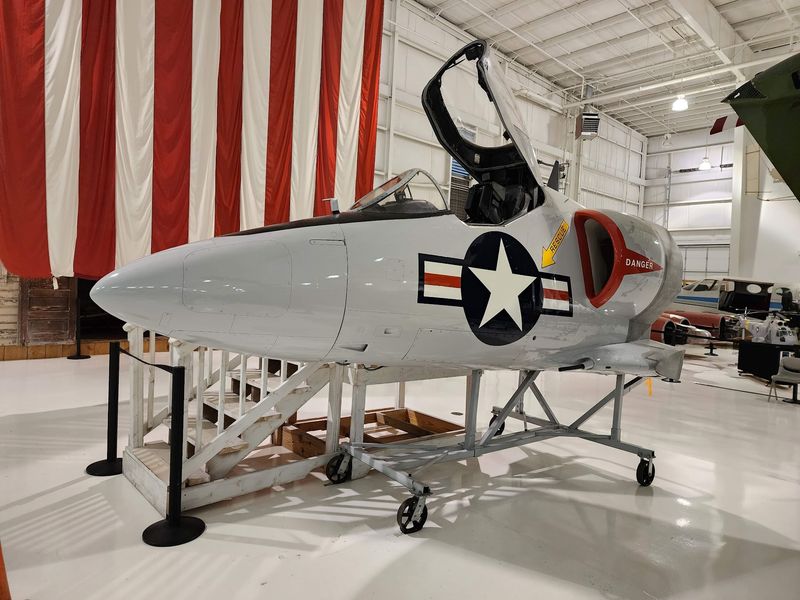
Not many museums let you actually climb aboard the exhibits, but this one does. Guests have found themselves settling into the cockpit of a fighter jet, and the thrill of it lands the same whether you are eight or forty-eight.
The magic usually starts with a volunteer wandering over to ask if you would like to hop in. One young airplane fanatic got the invitation and, naturally, jumped at it while the guide answered every question fired his way.
Grown-ups get their turn too. An adult visitor from Massachusetts managed to slide into a fighter cockpit and left calling the whole experience a perfect ten.
That hands-on touch is what nudges the museum from interesting to genuinely memorable, and it costs you nothing extra.
The Gallery Before the Hangar
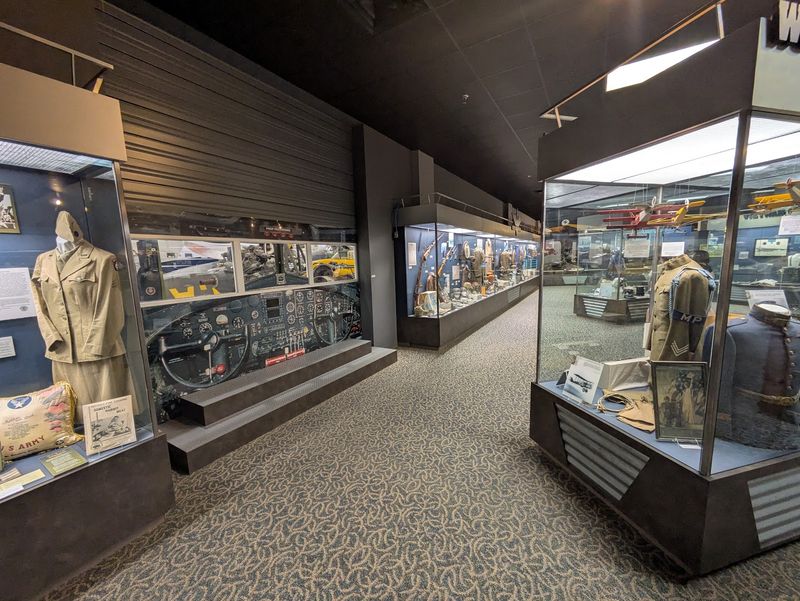
Before you reach the big open hangar, the first half of the museum plays a different game. Rows of glass cases hold artifacts you read about and study, laid out in a neatly organized timeline that walks you through the decades.
Pilot gear through the years fills much of this space, along with uniforms and historic pieces tied to different wars. The organization impresses people who like their history in tidy chronological order rather than scattered around at random.
What surprises many is how much information is packed into every square foot. There is something to read around nearly every corner, with visual and audio elements backing up the displays.
Move through slowly and you will absorb far more than a quick lap allows, so pace yourself before the hangar pulls you in.
Surprises Beyond the Planes
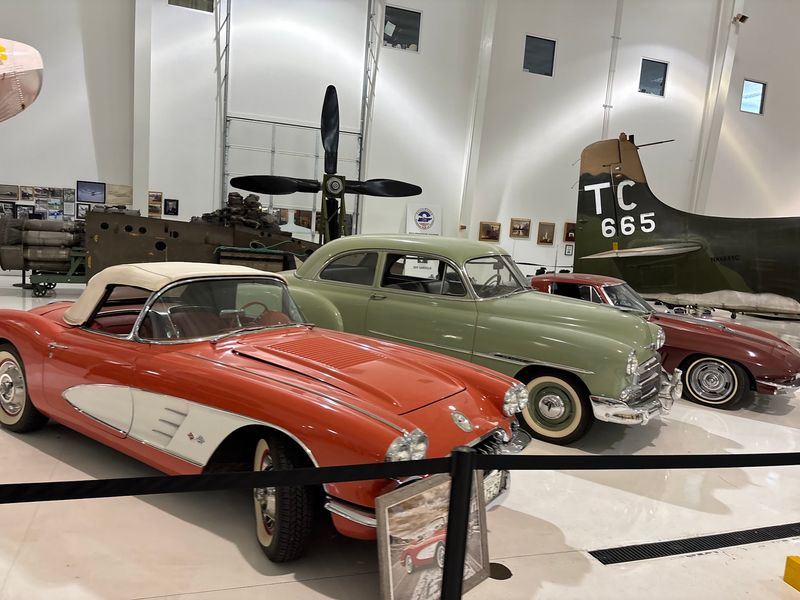
Aviation may headline the marquee, but the museum tucks in oddities that catch guests completely off guard. Old cars and motorcycles share floor space with the aircraft, which is not what anyone drives out expecting to find.
Military vehicles like jeeps round out the mix, and there is even a Hollywood exhibit thrown into the blend. The result feels less like a single-topic museum and more like a treasure hunt where each turn reveals something unrelated to the last.
These extras are the surprises the title promised. You come for warbirds and stumble onto vintage motorcycles, film memorabilia, and rows of military gear.
For a smaller museum, that unexpected range keeps the pace fresh and gives you plenty of reasons to slow down and look twice.
Volunteers Who Bring It All Alive
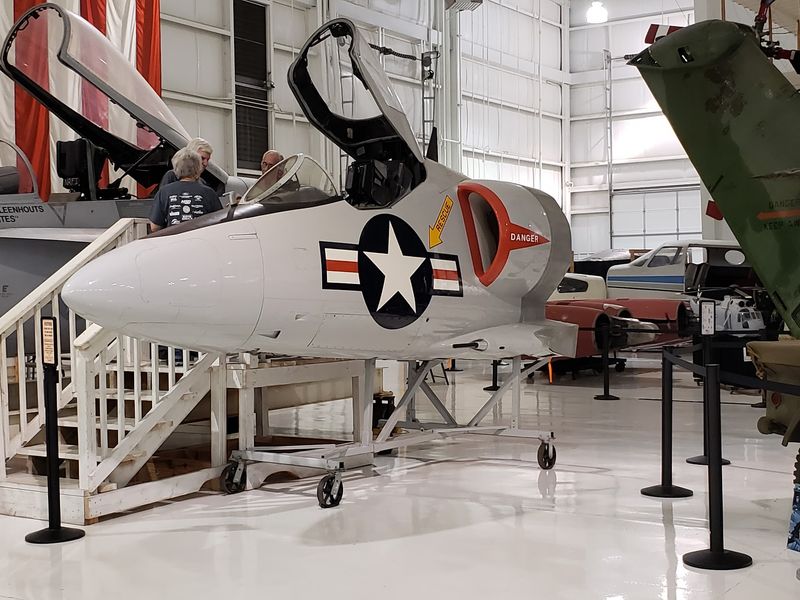
The people staffing this place turn a good museum into a great one. Knowledgeable volunteers roam the floor, ready to answer questions or simply share the passion that keeps them coming back.
Stories abound of a gentleman volunteer taking extra time with kids, breaking down aircraft details until even the youngest guests understood. One longtime figure, Mr. Hixson, gets singled out as an absolute gem by the folks lucky enough to cross paths with him.
At the front desk, the women running things have a knack for making guests feel like old friends dropping by. They chat, they explain, and they clearly know their aircraft inside and out.
That warmth is a big reason people say they would happily return, and it is the quiet engine behind the whole experience.
Honoring Every Side of the Story
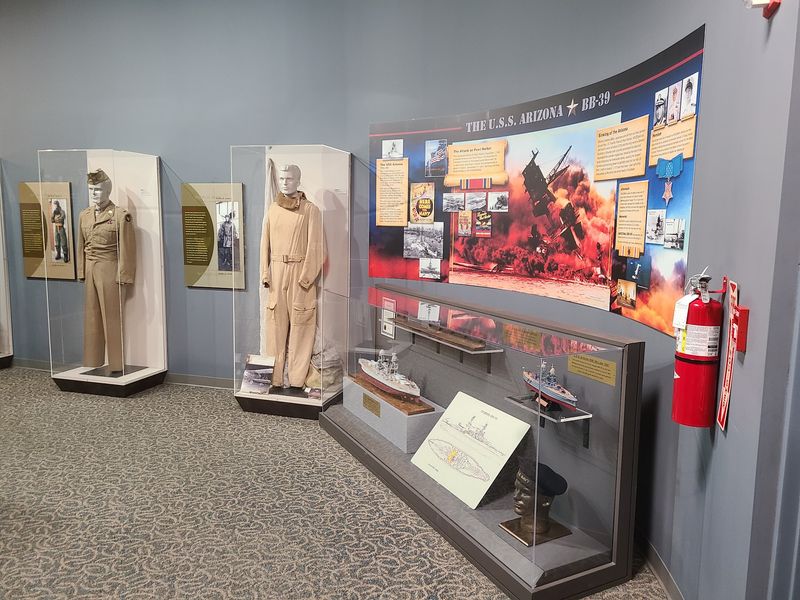
Thoughtful curation sets this collection apart from a simple parade of hardware. The layout honors military service, aviation, and historical timelines together, giving the exhibits a sense of purpose beyond the machines themselves.
One detail an Air Force veteran appreciated was the focus on chaplaincy and religious service, a corner of wartime history that plenty of museums skip entirely. It adds a human dimension to all the metal and engines.
Even more striking is how the dioramas represent both the American side and the opposing side of each war. That evenhanded approach shows a respect for the full story rather than a one-sided highlight reel.
Guests who care about history done right tend to notice, and it deepens the whole visit in a way you feel more than you expect.
A Rainy-Day Escape From the Tourist Traps
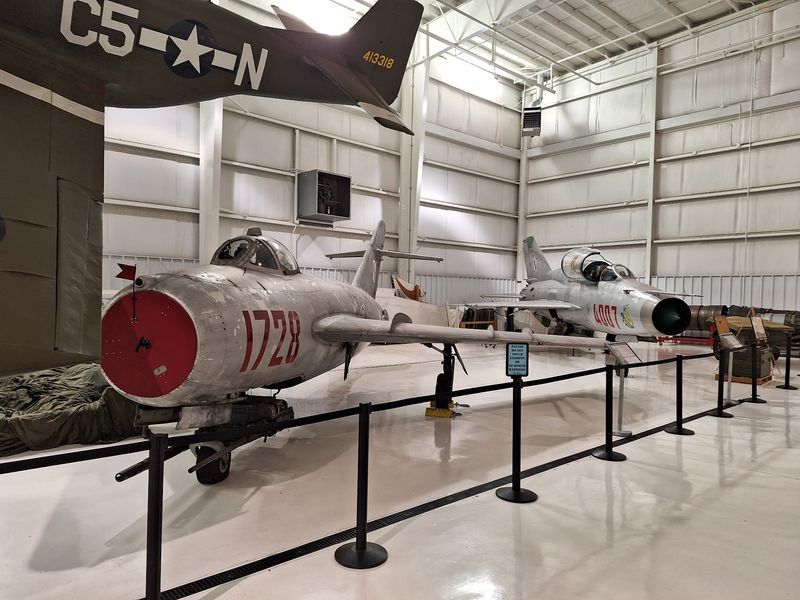
Smoky Mountain weather does not always cooperate, and that is where this museum quietly shines. Everything sits indoors, making it a smart pivot when the rain rolls in and outdoor plans fall apart.
Guests specifically choose it as a way to dodge the area tourist traps on a wet afternoon. The large hangar and the enclosed gallery mean you stay dry while still filling a couple of hours with something worthwhile.
Because it flies under the radar, the crowds stay thin even during busy stretches. More than one group has practically had the run of the place.
Trade a soggy walk down the strip for time among rare aircraft, and the rainy day suddenly turns into the best part of the trip.
Who Gets the Most Out of a Visit
Being honest about the fit saves everyone some frustration. Teenagers and adults are the sweet spot here, especially anyone with a genuine curiosity about planes or history.
Small children can lose interest, since much of the appeal lives in the reading and the details rather than flashy, hands-on play. Several parents note that little ones grew bored while the grown-ups happily lingered.
That said, a plane-obsessed kid will be over the moon, particularly if a volunteer offers a cockpit seat.
Military aviation enthusiasts basically hit the jackpot. Photographers do too, given how much rare metal sits within camera range and the fact that you can take pictures of everything.
Know your crew before you go, and you will land exactly the kind of afternoon you were hoping for.
Hours, Prices, and Insider Savings
Planning the logistics is refreshingly simple. The museum runs Tuesday through Saturday from 10 AM to 6 PM, and it stays closed on Sunday and Monday, so build your visit around a midweek or Saturday slot.
Admission lands on the affordable side, a point people bring up again and again. State residents and military guests can snag a discount, and if you grab one of those coupon books floating around the area, there is a coupon inside worth five dollars off.
Budget roughly an hour and a half to see everything at a comfortable pace. The gift shop near the end carries souvenirs priced more reasonably than most in the region, from hats to a little something for everyone.
Between the low ticket and the fair prices, this is one Smoky Mountain stop that will not dent the vacation wallet.
Why This Stop Earns Its Wings
Small on the outside, generous on the inside, this museum keeps surprising the people who take a chance on it. Rare warbirds, running engines, a cockpit you can climb into, and a scattering of cars and Hollywood oddities add up to far more than the modest building suggests.
The friendly volunteers and the fair prices seal the deal. You walk out having learned something, snapped a few good photos, and spent less than you would at almost any other attraction nearby.
For Tennesseans and weekend drivers looking to sidestep the usual tourist crush, this hangar in Sevierville is a proud little secret worth sharing. Fold it into your next Smoky Mountain trip, rainy day or not, and you will understand why so many guests already plan to come back.
Where to Find This Hidden Hangar
The address to plug into your GPS is 135 Air Museum Way, Sevierville, TN 37862, and the good news is that it lives up to its reputation as easy to find with plenty of parking.
Sevierville sits just north of the tourist rush of Pigeon Forge and Gatlinburg, so you get the Smoky Mountain location without fighting the worst of the crowds. Families making the drive from Knoxville, Chattanooga, or across the state line from Georgia and Kentucky can reach it in a comfortable weekend window.
What makes the spot clever is its position. You are close enough to the big attractions to fold it into a vacation day, yet far enough off the main strip that it stays quiet.
Show up on a rainy afternoon and you may practically have the hangar to yourself, which is a rare luxury in these parts.
Share this story