Whether you’re a weekend paddler or someone who dreams of multi-day wilderness trips, the United States has kayaking destinations that can genuinely take your breath away. From sea caves carved into sandstone cliffs on Lake Superior to clear alpine water framed by the Sierra Nevada, the variety is remarkable.
Some spots are calm enough for beginners, while others demand serious experience and preparation. This list covers 14 of the best places to kayak across the country, from the swamps of Georgia to the glacial waters of Alaska, giving you a solid starting point for planning your next water adventure.
Apostle Islands National Lakeshore, Wisconsin
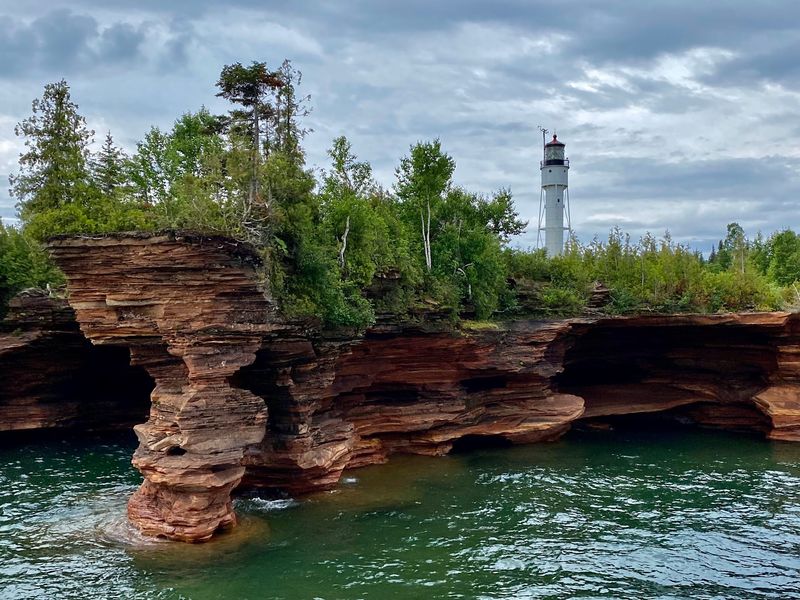
Sea caves may not be the first thing you associate with Wisconsin, but the Apostle Islands along Lake Superior completely change that picture. Wind and waves have carved openings, arches, chambers, and passageways into the sandstone cliffs over thousands of years, creating a coastline that rewards exploration from the water like few places in the Midwest can.
The national lakeshore includes 21 islands paddlers can explore, with beaches, historic lighthouses, forested shorelines, and spectacular sandstone formations scattered throughout the archipelago. Two official kayak launch areas are available on the mainland at Meyers Beach and Little Sand Bay.
Lake Superior demands respect, though. Water temperatures stay very cold even in summer, and the National Park Service recommends proper sea kayaking equipment and real experience before heading out.
Guided trips are a particularly smart option for paddlers who are unfamiliar with the lake’s unpredictable moods.
Everglades National Park, Florida
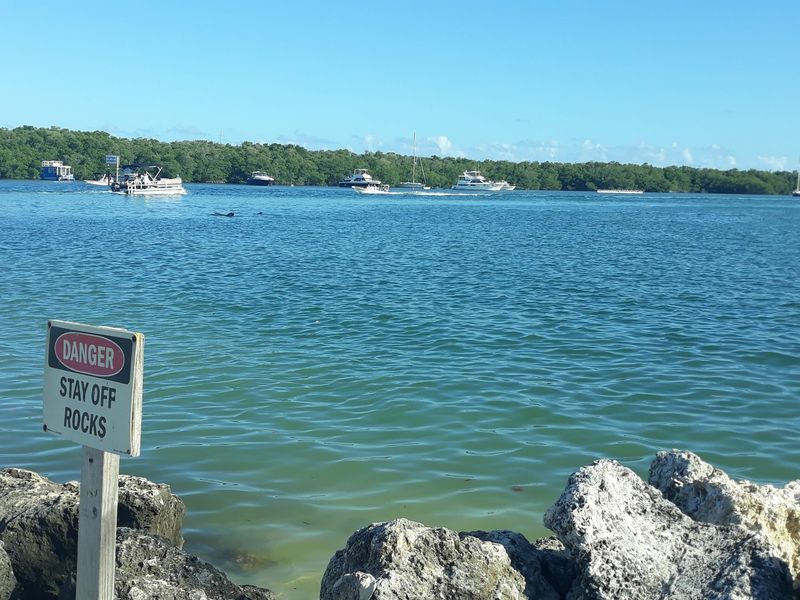
Few kayaking destinations in America feel as wild as the Everglades. Rather than towering mountains or rocky coastlines, paddlers move through freshwater marshes, mangrove forests, shallow bays, and the maze-like waterways of the Ten Thousand Islands, where getting genuinely lost in the best possible way is a real possibility.
Everglades National Park maintains numerous canoe and kayak routes ranging from short excursions to multi-day wilderness trips. Kayakers can bring their own boats, rent equipment in or near the park, or join trips with permitted guides who know the waterways well.
Wildlife is a major part of what makes this place unforgettable. Alligators, crocodiles, wading birds, turtles, and dozens of other species share the water with paddlers.
Conditions shift considerably with tides and water levels, so checking with park staff about current trail conditions before launching is not optional, it is essential.
Glacier Bay National Park and Preserve, Alaska
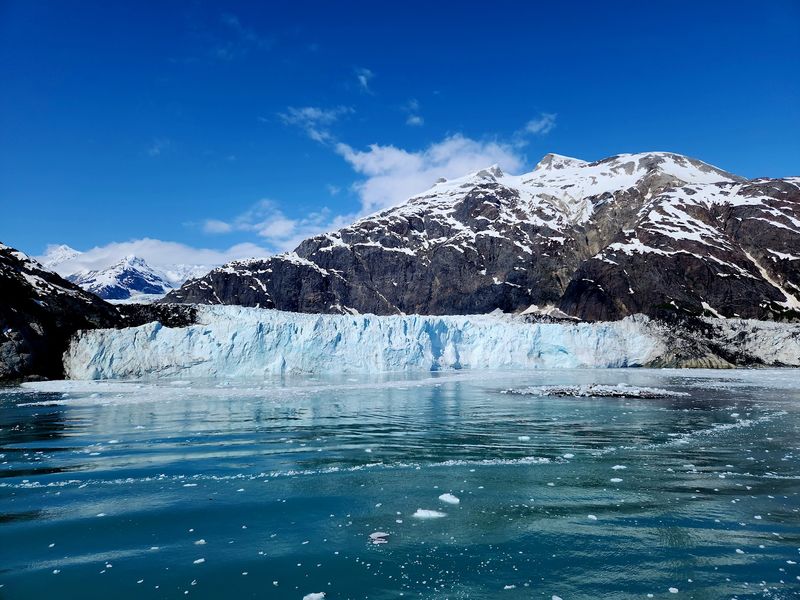
Glacier Bay belongs near the top of any serious paddler’s list. Sea kayaking here puts you among enormous mountains, remote shorelines, and some of Alaska’s most iconic glacial scenery, the kind of landscape that makes you feel genuinely small in the best possible way.
Kayakers can begin trips from Bartlett Cove or arrange transportation farther into Glacier Bay through designated drop-off services. Guided day trips, kayak rentals, and overnight kayaking opportunities are all available during the operating season, which runs through the warmer months.
This is not casual recreational paddling. Tides in Glacier Bay can be extreme, and cold water, wildlife, rapidly changing weather, and remote conditions add layers of challenge that demand preparation and experience.
From May 1 through September 30, overnight backcountry kayakers must complete a required registration and orientation process and obtain a free permit before heading out.
Boundary Waters Canoe Area Wilderness, Minnesota
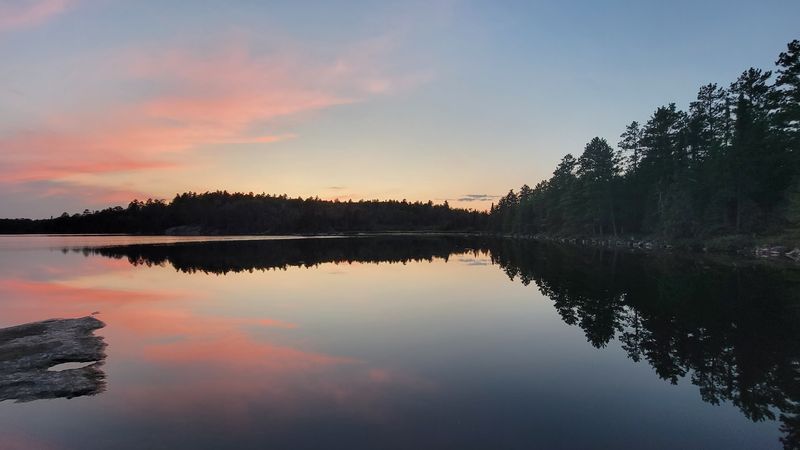
The Boundary Waters is legendary among paddlers, and for good reason. Located within Superior National Forest along the Canadian border, this vast wilderness is a labyrinth of interconnected lakes, rivers, portages, forests, and remote campsites that can keep you exploring for days without retracing a single stroke.
Although traditionally associated with canoeing, the Boundary Waters is also an excellent destination for properly equipped kayakers, particularly those drawn to multi-day wilderness trips where the route itself becomes the entire point of the journey.
The U.S. Forest Service requires permits for visits here.
From May 1 through September 30, overnight paddle trips require quota permits, while different rules apply during other seasons and for day use. The Forest Service confirmed the 2026 quota season and reservation system earlier this year, so planning ahead is essential.
Solitude, clean water, and starry skies are the real rewards waiting on the other side of that permit process.
Black Canyon National Water Trail, Nevada and Arizona
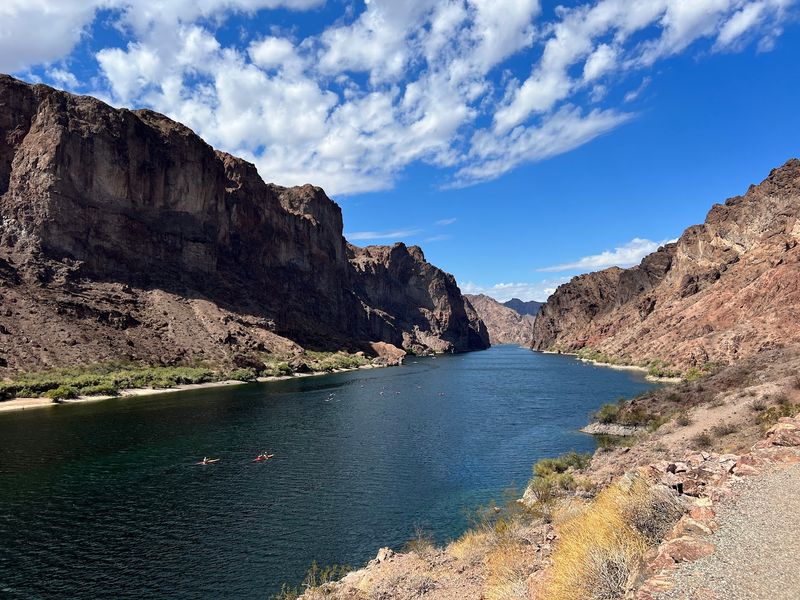
Paddling the Colorado River beneath massive desert canyon walls just downstream from Hoover Dam is the kind of experience that sounds almost too good to be real. The Black Canyon National Water Trail in Lake Mead National Recreation Area makes it completely accessible to prepared paddlers.
The designated water trail runs approximately 30 miles and includes caves, beaches, coves, hot springs, desert wilderness, wildlife habitat, and historic structures connected with the construction of Hoover Dam. The contrast between blue-green water, dark canyon walls, and surrounding desert creates one of the most visually striking kayaking environments in the entire Southwest.
Willow Beach is the most popular location for launching or taking out personal paddlecraft, and kayak rentals and guided services operate in the area. Launching directly below Hoover Dam requires access through authorized vendors because that section falls within the Hoover Dam Security Zone, so planning your entry point in advance matters.
Channel Islands National Park, California
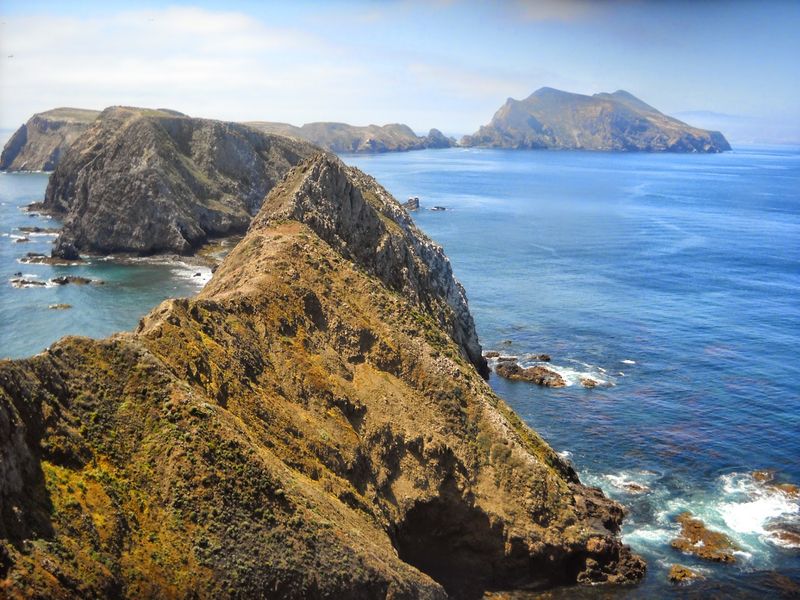
California’s Channel Islands offer some of the most dramatic sea kayaking on the West Coast, and the area around Scorpion Beach on East Santa Cruz Island is where that reputation is most firmly earned. The National Park Service describes it as a world-class sea kayaking destination, pointing to its accessible shoreline, clear water, towering cliffs, caves, nearby camping, and available boat transportation from the mainland.
The sea caves are the headline attraction here. Ocean swells, cold water, currents, and waves entering the caves can create genuinely hazardous conditions, which is why the National Park Service specifically recommends that inexperienced visitors use an authorized guide rather than attempt independent sea kayaking along this coastline.
For properly prepared and experienced paddlers, exploring Santa Cruz Island from the water can easily become one of the most memorable highlights of any California trip. The scenery from the water simply cannot be replicated from shore.
Buffalo National River, Arkansas
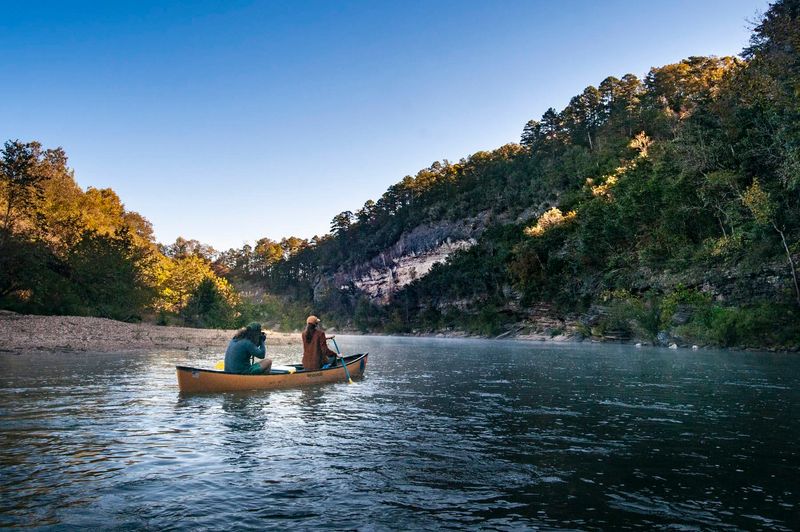
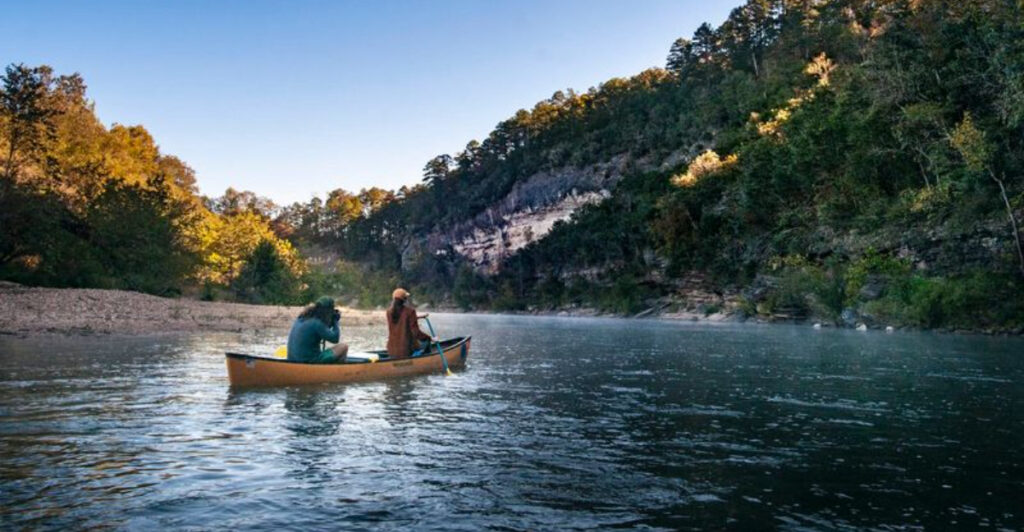
The Buffalo National River offers a completely different type of kayaking experience from anything on this list. Flowing freely for approximately 151 miles, the river winds past towering bluffs, forested Ozark hills, gravel bars, and stretches of quiet water that feel genuinely removed from the modern world.
What you encounter depends heavily on where and when you paddle. Spring generally brings more water to the upper river, creating faster and more challenging conditions.
As the season progresses, paddling opportunities tend to shift downstream toward more dependable water levels.
The Lower District is identified by the National Park Service as having year-round paddling potential, making it the most reliable section for visitors who cannot plan around seasonal water conditions. River levels can rise quickly after storms, however, so checking conditions before launching is always the smart move.
The Buffalo rewards paddlers who come prepared and stay flexible with their plans.
Lake Powell and Glen Canyon, Arizona and Utah
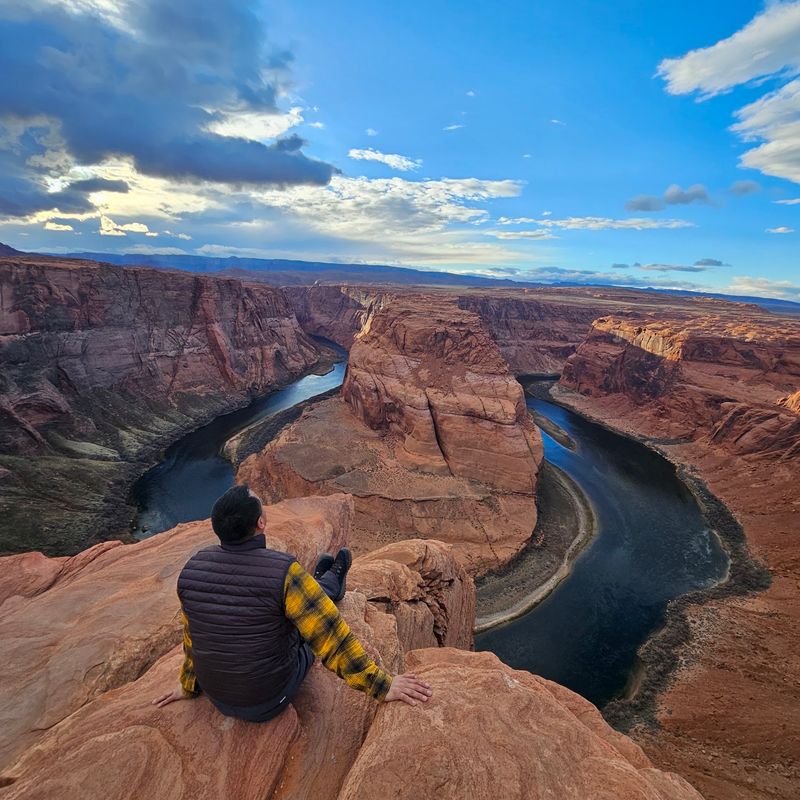
Few places show the scale of the American Southwest quite like Glen Canyon. Kayaking on Lake Powell allows paddlers to leave the larger motorboats behind and slip into narrow coves and side canyons surrounded by walls of sandstone that tower hundreds of feet overhead, creating an experience that feels private even on a popular reservoir.
The National Park Service lists kayaking opportunities both on Lake Powell and on the Colorado River below Glen Canyon Dam. Areas around Wahweap and Lone Rock are popular for shorter trips, while places like Moqui Canyon offer longer exploration options for paddlers with more time.
Another route is the Colorado River between Glen Canyon Dam and Lees Ferry. Paddlers typically launch at Lees Ferry and arrange an upstream backhaul, then float downstream.
A free backcountry river permit is required for that section. Water levels, boat traffic, and weather should always be checked before any trip here.
Acadia National Park, Maine
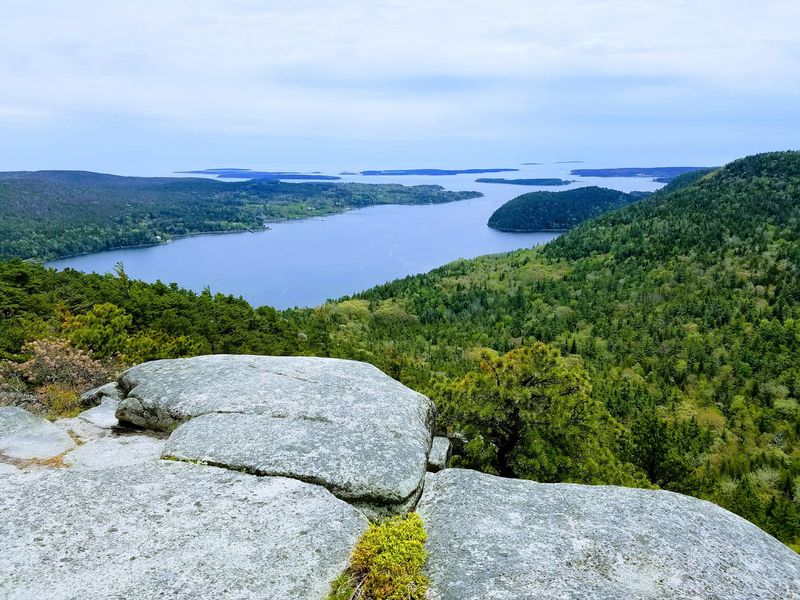
Acadia gives kayakers two genuinely different experiences depending on which direction they point their bow. Within the park, paddlers can explore inland waters including Long Pond, Eagle Lake, Echo Lake, and Jordan Pond, each with established boating access points and their own character, though individual regulations vary by lake.
Then there is ocean kayaking along one of the most rugged coastlines in the eastern United States. Mount Desert Island has public launches and coastal access around communities including Bar Harbor, Northeast Harbor, and Southwest Harbor, and guided kayaking trips operate around Frenchman Bay for visitors who prefer company and local expertise.
The Maine coast is beautiful but unforgiving. Fog, tides, rough seas, and cold water can create dangerous situations with little warning, making independent ocean kayaking much better suited to experienced paddlers.
Beginners can stick to calmer inland waters or explore the coast with a qualified guide and still come away with an extraordinary day on the water.
Okefenokee National Wildlife Refuge, Georgia
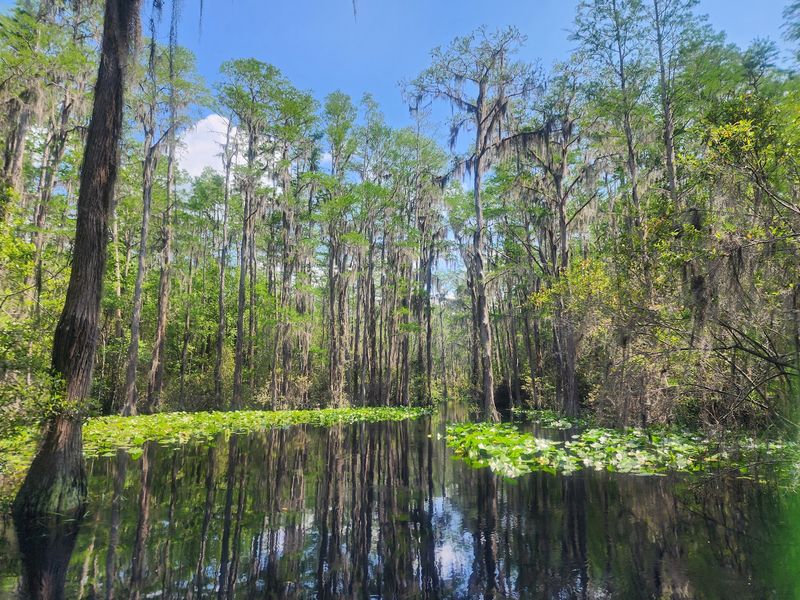
Kayaking through the Okefenokee feels like entering a world that exists outside of normal time. Dark water winds through cypress forests, open wet prairies, islands, and wetlands filled with wildlife that seems entirely unbothered by the occasional passing paddle.
Alligators are among the refuge’s most famous residents, and herons, egrets, and other birds appear regularly along the waterways. The U.S.
Fish and Wildlife Service currently allows both day-use and overnight paddling trips. Visitors can bring their own canoes or kayaks, and rentals are available locally through established providers near the refuge.
Day-use routes can be accessed through several locations, including the Suwannee Canal Recreation Area and Stephen C. Foster State Park.
More adventurous paddlers can reserve wilderness camping permits and spend nights deep inside the refuge, surrounded by sounds and scenery that very few people ever experience. Trail conditions and hours can vary, so checking with refuge staff before any trip is a smart first step.
Congaree National Park, South Carolina
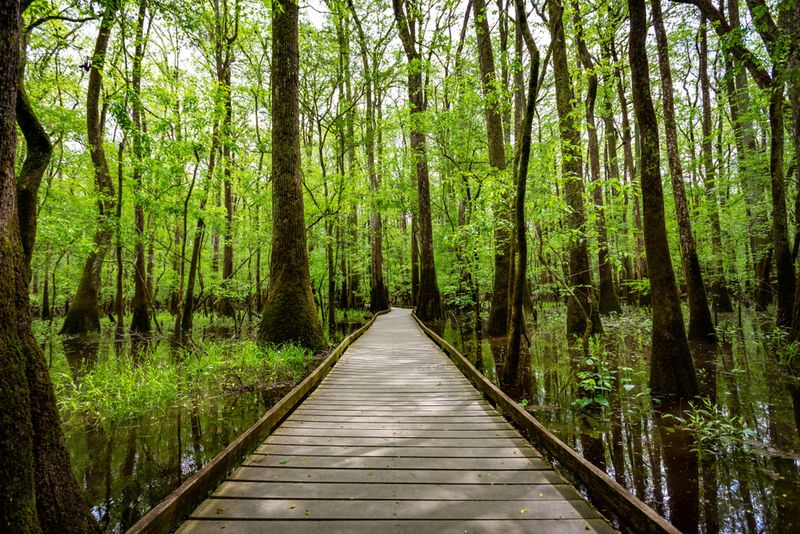
One of the most interesting ways to experience Congaree National Park is from the seat of a kayak on Cedar Creek. The marked Cedar Creek Canoe Trail stretches roughly 15 miles through the Congaree Wilderness before reaching the Congaree River, and the scenery along the way is unlike anything most paddlers have seen before.
Overhead, an extraordinary old-growth forest rises above the water, containing some of the tallest trees in eastern North America. Wildlife along the creek can include river otters, turtles, deer, wading birds, and occasionally alligators sharing the same quiet corridor.
The park does not directly rent kayaks, but authorized outfitters in the Columbia area currently provide equipment and guided paddling options for visitors who need gear. Water levels and fallen trees can influence conditions on Cedar Creek considerably, so checking current conditions before departure is always worthwhile.
This is a paddling trip that rewards patience and a slow, unhurried pace.
Ozark National Scenic Riverways, Missouri
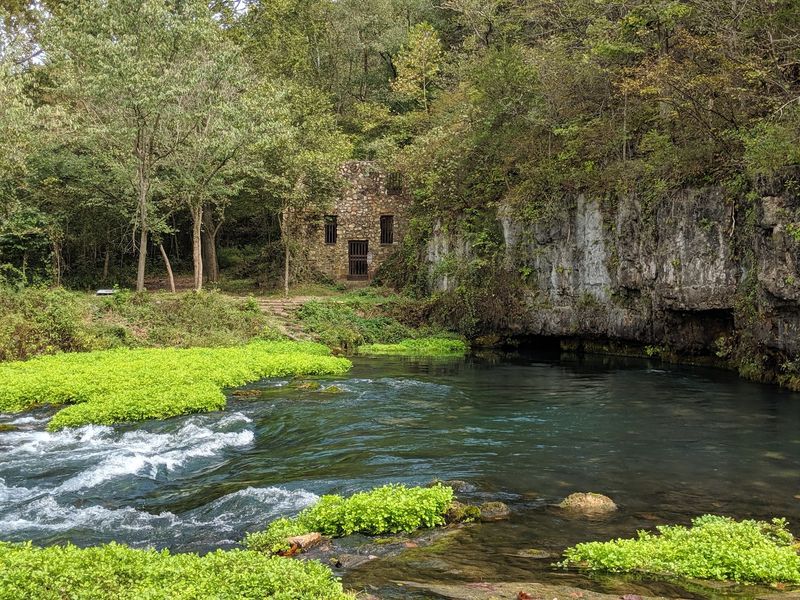
Spring-fed rivers are the stars of Ozark National Scenic Riverways, and they genuinely earn that status. The Current River and Jacks Fork River flow through a landscape of forests, springs, caves, bluffs, and gravel bars that makes Missouri’s Ozarks feel like a completely different part of the country from the moment you put your kayak in the water.
Kayaking is actively supported throughout the park. Visitors can bring their own craft or rent kayaks through licensed outfitters that provide equipment and transportation between access points.
There are no park fees specifically for floating privately owned watercraft on the Current or Jacks Fork rivers within the park boundaries, which makes this one of the more accessible options on the list.
Both rivers can change character after heavy rain, and individual landings occasionally close temporarily. The National Park Service advises paddlers to verify current river and access conditions before heading out, a step that takes a few minutes and can save a lot of frustration.
Grand Teton National Park, Wyoming
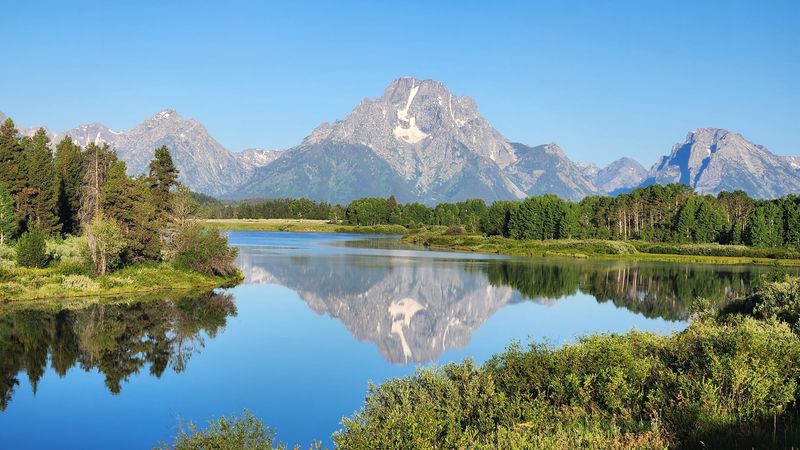
It is hard to imagine a more dramatic backdrop for a kayak than the jagged peaks of the Teton Range rising sharply above the water. Grand Teton National Park permits non-motorized boats on several lakes, including Jackson, Jenny, Phelps, Emma Matilda, Two Ocean, Taggart, Bradley, Bearpaw, Leigh, and String lakes, giving paddlers plenty of options depending on mood and skill level.
Jackson Lake is particularly impressive for its size and sweeping mountain views, while smaller lakes like String and Leigh tend to offer a quieter and more intimate experience on the water. Experienced paddlers can also kayak sections of the Snake River, though some stretches contain swift currents, braided channels, logjams, and other hazards that require serious attention.
A Grand Teton boat permit is required before launching, and aquatic invasive species requirements also apply. For visitors mainly chasing scenery rather than technical river paddling, the park’s alpine lakes are genuinely hard to beat anywhere in the country.
Lake Tahoe, California and Nevada
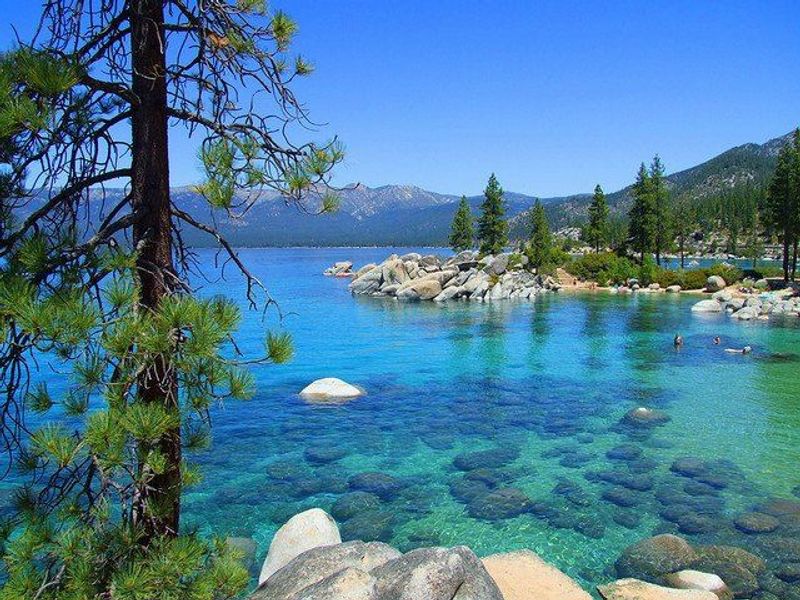
With some of the clearest water found anywhere in North America and the Sierra Nevada rising on all sides, Lake Tahoe is practically built for kayaking. The southwestern shoreline is especially scenic, and D.L.
Bliss State Park remains one of the most established paddling access points on the California side of the lake.
California State Parks identifies Lester Beach within D.L. Bliss as a popular launch spot for kayaks, paddleboards, and canoes.
The state has also posted 2026 summer operations and camping information for the park, so advance planning for peak season is a good idea for anyone hoping to secure a spot.
From the water, paddlers see Tahoe’s rocky shoreline, forested coves, and extraordinary water clarity from a perspective that land-based visitors simply cannot access. Afternoon wind can build quickly on a lake this size and create rough conditions, so starting early in the morning and monitoring the forecast closely are habits worth developing before any paddle here.
Share this story