
Some countries are expensive because housing takes a huge bite out of a paycheck. In others, groceries, restaurant meals, transportation, utilities, and imported goods are what make everyday life surprisingly costly.
And the most expensive places are not always the ones people expect. This list ranks the 14 sovereign countries with the highest cost of living according to Numbeo’s 2026 Cost of Living Index, which compares everyday consumer expenses to New York City, excluding rent.
Switzerland
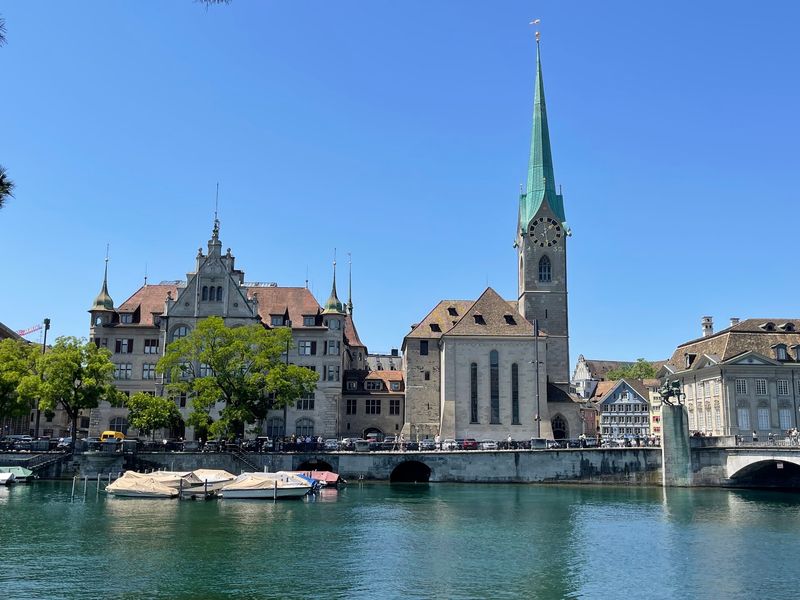
Switzerland sits at the very top of Numbeo’s 2026 ranking, and honestly, it has earned that throne. With a Cost of Living Index of 110.7, everyday expenses run about 10.7% higher than New York City before rent even enters the picture.
Groceries score 109.7 and restaurant prices hit 111.3, making a simple lunch feel like a small investment. But here is the twist: Switzerland’s local purchasing power index is an extraordinary 170.6, meaning residents are generally well-equipped to handle those prices.
Strong salaries cushion the blow for locals in ways that visiting tourists simply do not experience. Someone arriving with earnings from a lower-cost economy will feel the difference immediately at a grocery checkout or cafe counter.
The World Bank’s International Comparison Program confirms that wealthier nations tend to carry sharper price levels across the board. Switzerland is expensive, yes, but it is also one of the highest-paying countries on the planet, which makes the experience very different depending on whose wallet is open.
Solomon Islands

Nobody puts the Solomon Islands on their mental list of expensive places, which makes its appearance near the top of this ranking genuinely jaw-dropping. Numbeo gives this Pacific nation a Cost of Living Index of 102.3, placing everyday expenses just above its New York City benchmark before rent.
The explanation is not luxury. The culprit is geography.
Remote Pacific island countries face brutal import costs, expensive logistics, and virtually no economies of scale, according to the World Bank. When nearly everything on store shelves has traveled thousands of miles to get there, prices climb fast.
Fuel, packaged food, electronics, and manufactured goods all carry that transport premium baked right into the price tag. Local produce can offset some costs, but imported staples remain stubbornly expensive.
One important note: crowdsourced indexes can be less stable for smaller countries where fewer data points are available. Numbeo relies on contributed and manually gathered price data, so the Solomon Islands’ exact placement is best treated as a useful snapshot rather than an ironclad permanent ranking.
Still, the structural cost pressures facing small island economies are very real and well-documented.
The Bahamas

Picture turquoise water and white sand beaches, then picture paying New York City prices for a bag of groceries. That is the financial reality of life in The Bahamas.
Its 2026 Cost of Living Index of 98.8 places everyday expenses just below New York’s benchmark and third among sovereign countries worldwide.
Groceries carry an index of 100.9, and restaurant prices climb even higher to 109.0. Those numbers reflect a familiar island-economy challenge: nearly everything consumable has to be shipped in, and shipping is not cheap.
Small island economies depend heavily on imported goods and face transportation costs that larger countries with domestic supply chains simply do not encounter. Every container ship docking in Nassau adds a cost layer that eventually shows up on a price tag.
For vacationers, the premium feels like part of the resort experience. For year-round residents buying weekly groceries or grabbing a casual dinner, those same prices are simply the baseline cost of daily life.
The Bahamas is a beautiful place to live, but beauty, as it turns out, comes with a measurable surcharge at the checkout counter.
Iceland

Travelers returning from Iceland have a familiar refrain: everything costs more than expected. That reputation is fully backed by data.
Numbeo’s 2026 Cost of Living Index places Iceland at 97.2, making it the fourth most expensive sovereign country for everyday consumer spending.
Geographic isolation does a lot of the heavy lifting here. Iceland is a small island nation in the North Atlantic, which means consumer goods often travel significant distances before landing on store shelves.
A relatively small domestic population further limits the economies of scale that help keep prices lower in larger markets.
Restaurant meals, convenience store snacks, transportation, and alcohol all tend to catch visitors off guard. Locals, however, benefit from Iceland’s status as a high-income economy, where salaries are comparatively strong.
The World Bank’s international price-comparison research consistently shows a clear link between national income levels and elevated consumer prices. Iceland fits that pattern well.
Expensive, yes. Unaffordable for residents, not necessarily.
The gap between what something costs and whether a person can comfortably afford it is a distinction worth keeping in mind throughout this entire list.
Singapore
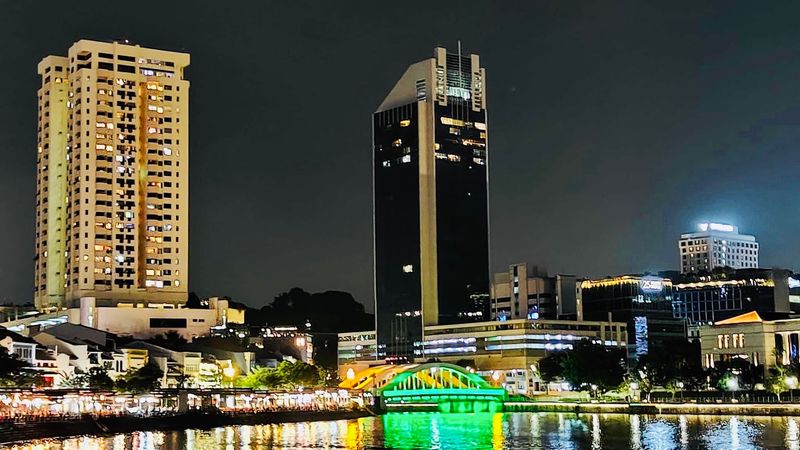
Asia’s most expensive country on this list is a city-state that punches well above its geographic weight class. Singapore’s 2026 Cost of Living Index sits at 87.7, making it the fifth-ranked sovereign nation globally for everyday consumer expenses before rent.
What makes Singapore fascinating is how dramatically lifestyle choices shape the financial experience. Grab a meal at a local hawker center and spend very little.
Walk into an international restaurant or buy imported groceries at a upscale supermarket and the bill tells a completely different story.
Singapore is a densely populated global business hub with limited land and an economy that depends heavily on imports. Those structural realities push prices upward across multiple spending categories.
The standard index used here also excludes rent, which is a significant omission given how expensive Singapore’s housing market can be.
For a fuller picture, Numbeo’s Cost of Living Plus Rent Index drops Singapore to 67.0, reflecting New York as the housing benchmark. Either way, Singapore remains one of the clearest examples of how personal spending habits can dramatically shift the experience of living somewhere that carries a premium reputation.
Norway
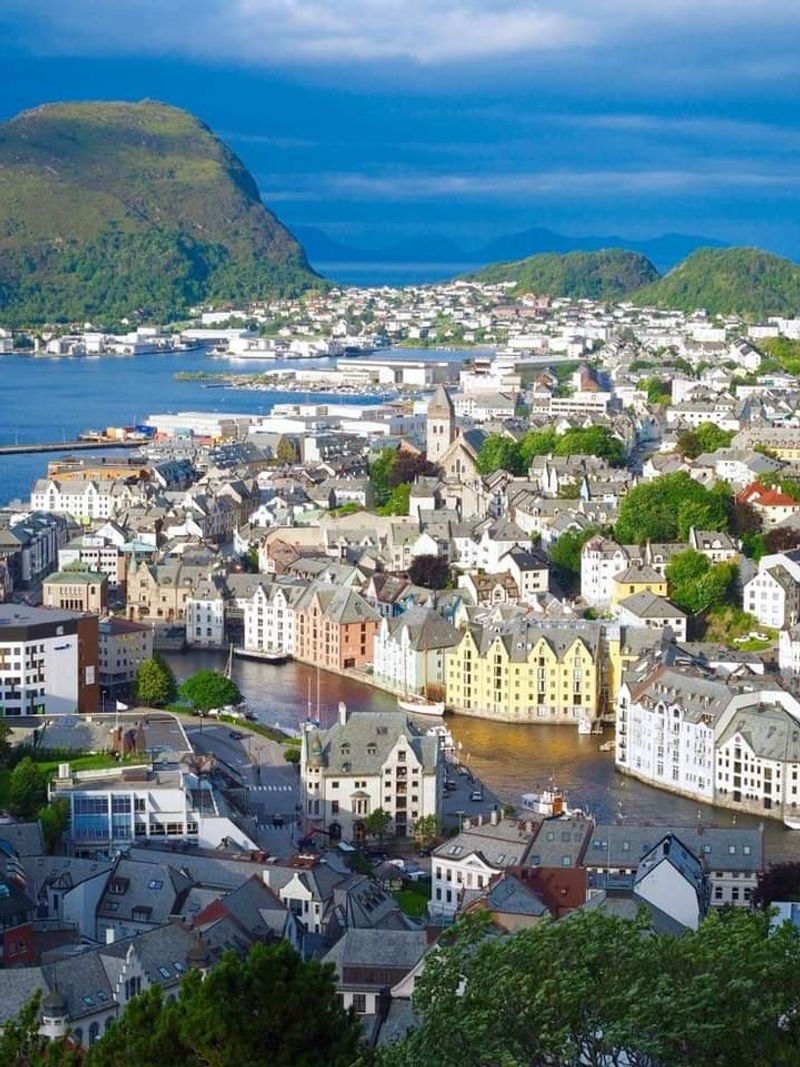
Norway has a well-earned reputation for making visitors do a double-take at restaurant menus. A Cost of Living Index of 83.7 puts it sixth among sovereign countries, and anyone who has ordered a beer or a sandwich in Oslo will not be surprised by that ranking.
Restaurant meals are especially costly compared with most of Europe. Groceries, transportation, and everyday services can also deliver sticker shock to first-time visitors.
The price environment is genuinely elevated across multiple spending categories, not just one or two standout items.
Yet Norway’s story is more layered than simple expensiveness. The country pairs high prices with strong wages, generous social protections, and one of the highest standards of living anywhere in the world.
Numbeo calculates a separate Local Purchasing Power Index precisely because sticker prices alone do not tell the full story of what life costs a resident.
A Norwegian earning a local salary navigates the same price tags very differently than a traveler converting foreign currency. That gap between perceived expense and actual affordability shows up repeatedly in Nordic economies, and Norway is one of the most striking examples of the phenomenon.
Israel

Seventh place on this list belongs to Israel, with a 2026 Cost of Living Index of 79.7. For households living there, elevated prices tend to show up across groceries, restaurant dining, transportation, and everyday services simultaneously, rather than in just one category.
Housing adds another dimension entirely, though rent is not captured in the headline index used for this ranking. That gap matters.
A country-level cost-of-living figure that excludes housing can tell you what a bag of groceries or a taxi ride costs, but it cannot tell you how difficult it is to secure an apartment in a competitive urban market.
Tel Aviv regularly appears on global lists of expensive cities, and the pressure of housing costs on top of already elevated consumer prices creates a financial environment that the standard index does not fully communicate.
For anyone researching relocation rather than a short visit, Numbeo’s Cost of Living Plus Rent Index is the more complete companion tool. The headline figure is useful for comparing consumer spending across countries, but it represents only part of what a household budget in Israel actually has to cover on a monthly basis.
Denmark

Denmark follows Israel closely with an index of 78.9, and its restaurant-price sub-index of 80.7 is one of the more eye-catching individual figures in Numbeo’s 2026 detailed table. Eating out in Copenhagen is not a casual, budget-friendly activity for most international visitors.
Those prices exist within a broader Nordic economic model built on high incomes, strong labor protections, and extensive public services. That context changes how residents experience the cost of daily life compared with what a visitor perceives at a cafe or supermarket.
A traveler notices the price of a coffee immediately. A Danish resident’s monthly financial reality also factors in salary level, public healthcare, subsidized education, and which services are provided by the state rather than paid for out of pocket.
Those invisible benefits do not show up in a consumer price index.
Still, from the perspective of anyone arriving from most other countries, Denmark is firmly among Europe’s most expensive places for routine spending. The price tags are real, even if the full financial picture of living there is more nuanced than any single index number can capture on its own.
Luxembourg

Small in size, very high in price. Luxembourg ranks ninth among sovereign nations with a Cost of Living Index of 78.0, and its position is no accident.
This tiny country is consistently ranked among Europe’s wealthiest economies, and high incomes tend to support elevated prices across services, dining, and consumer goods.
The World Bank’s international price comparisons show that price levels in richer economies rise sharply alongside income per person. Luxembourg fits that pattern almost perfectly.
Its highly international population, which includes a large proportion of cross-border workers from Belgium, France, and Germany, adds another layer of economic complexity.
Residents can sometimes sidestep Luxembourg’s prices by shopping or dining just across the border. That cross-border flexibility makes real-world cost comparisons particularly interesting for people actually living and working in the region.
Luxembourg also hosts major European Union institutions and a large financial sector, which keeps demand for services and real estate persistently high. For a country that could fit inside many American counties, its economic footprint is enormous, and its consumer prices reflect the prosperity and international demand that come with that outsized role in European economic life.
Grenada

Grenada is the second small island economy on this list, and its Cost of Living Index of 76.4 puts it ahead of the Netherlands, Austria, Ireland, Finland, and even the United States. For a Caribbean island nation that most people associate with spices and beaches rather than financial rankings, that placement is genuinely striking.
The structural explanation is the same one that pushed the Solomon Islands so high: geography and logistics. Importing food, fuel, building materials, vehicles, and manufactured goods across open ocean adds costs that domestic producers in larger countries simply do not face.
Those extra costs land directly on retail prices.
The World Bank has repeatedly flagged distance, limited domestic markets, and expensive shipping as structural disadvantages for small island developing states. Grenada is a textbook example of those pressures in action.
What makes Grenada’s inclusion especially instructive is the contrast between cost and wealth. The country does not have the high average incomes of Northern Europe, yet its consumer price index still outranks several wealthy European nations.
Geography can drive prices higher regardless of a country’s overall economic development level, and Grenada makes that point more vividly than almost any other entry on this list.
Netherlands
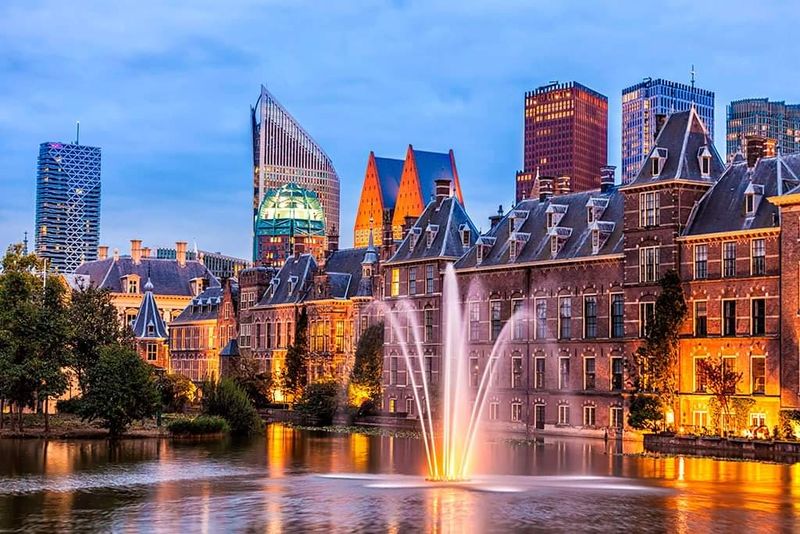
Ranked 11th among sovereign nations, the Netherlands carries a Cost of Living Index of 73.4. Groceries sit at 68.4 on Numbeo’s sub-index, while restaurant prices climb to 74.1, reflecting a country where eating out costs noticeably more than cooking at home.
For expatriates and international workers, the headline index misses something significant. Amsterdam and other popular Dutch cities have housing markets that can dramatically inflate monthly living costs, and rent is excluded from the standard ranking used here.
Anyone using this number as a relocation guide should pair it with Numbeo’s Cost of Living Plus Rent Index for a fuller picture of what a household budget actually needs to cover. The gap between the two measures can be substantial in cities where demand for housing consistently outstrips supply.
Even without housing factored in, the Netherlands remains one of Europe’s costlier destinations for everyday consumer spending. Its strong economy, high wages, and well-developed infrastructure make it an attractive place to live and work, but attractiveness tends to come with a price, and the Netherlands is no exception to that pattern.
Austria
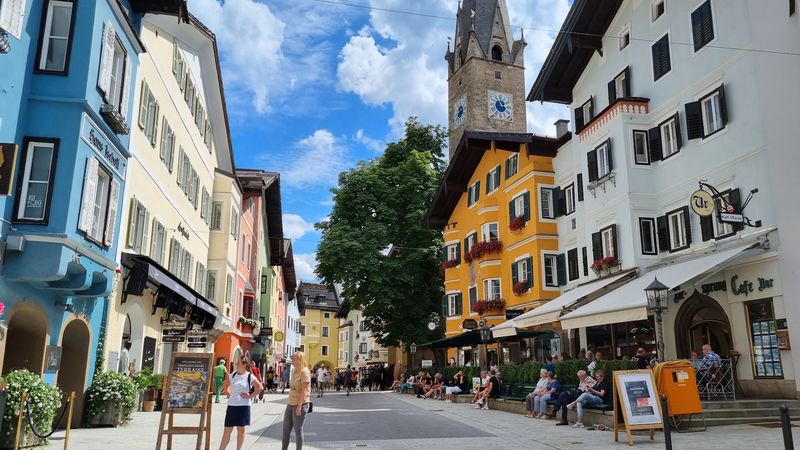
Vienna regularly tops global quality-of-life surveys, and Austria as a whole offers an enviable combination of culture, infrastructure, and public services. But quality comes at a price, and Austria’s Cost of Living Index of 71.3 confirms it ranks among Europe’s more expensive countries for everyday consumer spending.
The country’s strong service economy and high-income population create conditions where prices across restaurants, transportation, and everyday goods settle at a consistently elevated level. That is not unusual for a wealthy European nation, but it is worth understanding before budgeting a trip or a move.
Affordability for residents depends heavily on whether someone earns local wages. An Austrian salary goes much further against Austrian prices than a foreign income being converted at the border.
Public infrastructure, including excellent transportation networks and healthcare access, also offsets some of the sticker-price pressure that visitors notice most.
The tension between high prices and high living standards is a recurring theme across this entire ranking, and Austria captures it well. Expensive by global standards, comfortable for those earning locally, and genuinely impressive in what those prices buy in terms of public quality of life and urban livability.
Ireland

Ireland lands at 13th with a Cost of Living Index of 70.6, capturing everyday expenses like groceries, restaurants, transportation, and utilities. That number, however, leaves out the category that has dominated Irish news cycles for years: housing.
Rent in Dublin and other Irish cities has risen sharply over the past decade, and that pressure does not appear in the headline figure used for this ranking. The result is that Ireland’s 13th-place position understates the full financial challenge facing households, particularly younger renters in major urban areas.
For a traveler, the consumer prices they encounter in restaurants and shops will already feel elevated compared with many other destinations. For someone trying to rent a home on top of managing those everyday costs, the financial picture becomes considerably more demanding.
Numbeo’s Cost of Living Plus Rent Index is the more appropriate tool for anyone evaluating Ireland as a place to actually live rather than simply visit. The headline index tells part of the story accurately.
The housing chapter, however, is where Ireland’s cost-of-living narrative gets most complicated and most consequential for the people who call it home every day.
Finland
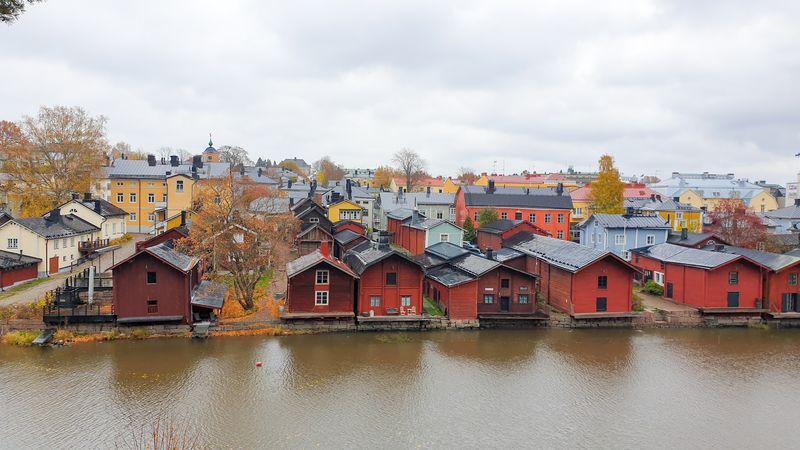
Finland closes out the list with a 2026 Cost of Living Index of 69.0, just edging above the United States at 68.8 and Germany at 68.7. Those are remarkably close numbers, and they illustrate how competitive the middle of this ranking really is among wealthy nations.
Like its Nordic neighbors on this list, Finland pairs elevated consumer prices with strong public services and comparatively high incomes. Grocery bills, restaurant tabs, and transportation costs run higher than in many parts of the world, but residents also benefit from publicly funded healthcare, education, and social support systems.
That distinction between cost and affordability matters enormously. A pricey grocery basket tells you what things cost.
It does not tell you whether a typical Finnish household can comfortably afford it, which is a very different question with a much more reassuring answer in Finland’s case.
Numbeo addresses that gap through its Local Purchasing Power Index, which compares average net salaries against a typical consumer basket. Finland consistently performs well on that measure.
Expensive by global standards, yes, but also a country where most residents have the financial means to meet those costs without serious strain.
Share this story