In Gettysburg, one remarkable museum and visitor center provides the essential context for understanding the famous battlefield just beyond its doors. Civil War artifacts, interactive galleries, personal stories, and a powerful film reveal the events and people behind three of the most consequential days in American history.
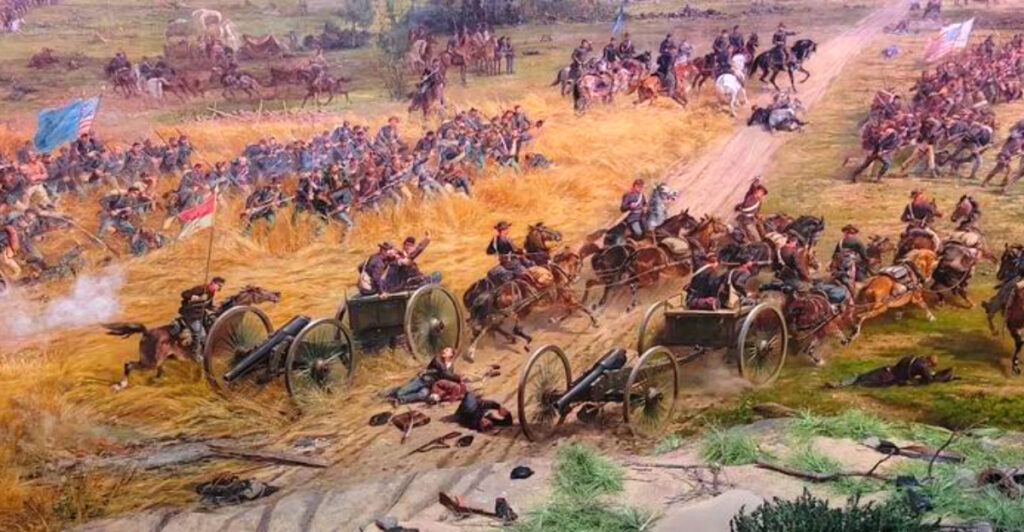
The highlight is an enormous 360-degree Cyclorama painting that surrounds visitors with a dramatic depiction of Pickett’s Charge. Experiencing the museum first can completely change the way you see the monuments, ridges, and fields waiting outside.
The Gateway to Hallowed Ground: Location and First Impressions
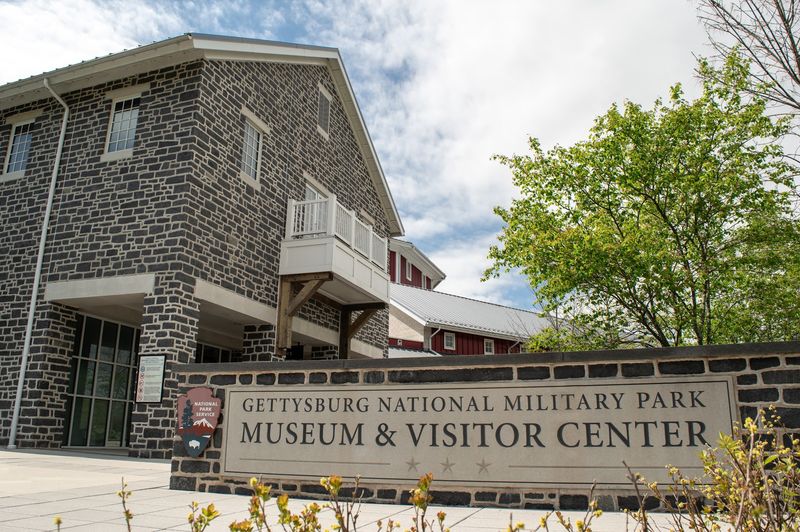
Some buildings announce themselves with grandeur, but the Gettysburg National Military Park Museum and Visitor Center takes a different approach entirely. Tucked along 1195 Baltimore Pike, Suite 100, in Gettysburg, Pennsylvania 17325, the 139,000-square-foot facility is designed to look like a cluster of traditional Pennsylvania farm buildings, faced with local wood, stone, and brick.
That choice is deliberate and quietly brilliant. Rather than imposing a modern structure onto a historic landscape, the architects created something that feels like it belongs here, almost as if it grew up from the Pennsylvania soil alongside the surrounding countryside. Native plants, relocated boulders, and mature trees complete the picture.
Open daily from 8 AM to 5 PM and reachable at 1-877-874-2478, the center is operated by the Gettysburg Foundation in partnership with the National Park Service. Free parking is available right on site, so the experience begins without any logistical headaches, which is a refreshing way to start a day steeped in history.
A Film That Sets the Stage Before You Take a Single Step Outside
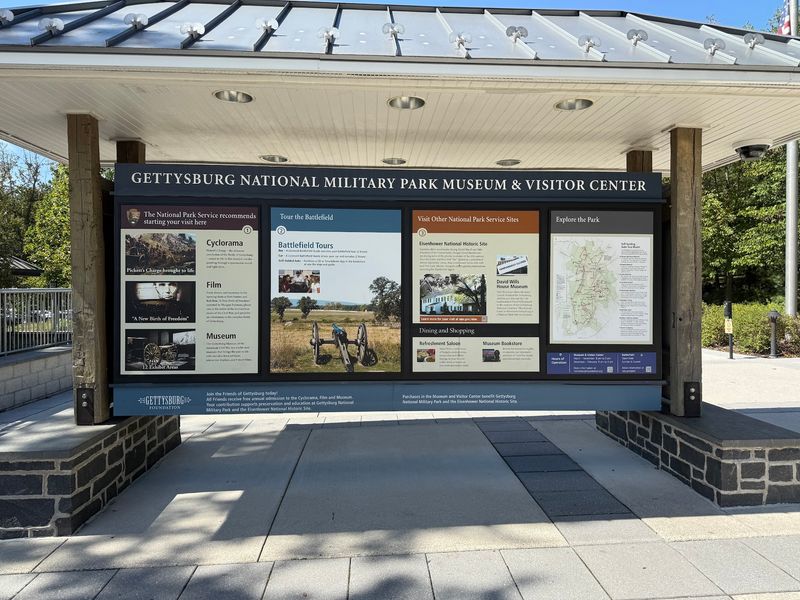
Before exploring a single acre of battlefield, sit down and let Morgan Freeman’s voice wash over you. The 20-minute introductory film, titled ‘A New Birth of Freedom,’ is the first experience most visitors encounter inside the Visitor Center, and it earns every second of your attention.
Rather than rattling off dates and troop counts, the film builds an emotional framework around the conflict, explaining why Gettysburg mattered so deeply to a fractured nation. It covers the broader context of the Civil War, the stakes of the battle, and the human courage that defined three brutal days in July 1863.
Closed captioning is available, making the film accessible to a wide range of visitors. Many people report that by the time the credits roll, they feel genuinely moved rather than simply informed. That shift in emotional readiness transforms what could have been an ordinary sightseeing trip into something far more meaningful, and the best part of your visit is still waiting just ahead.
The Cyclorama: North America’s Largest Painting Will Stop You Cold
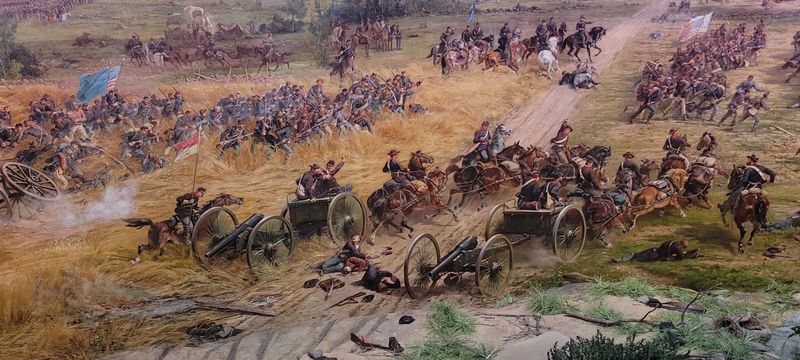
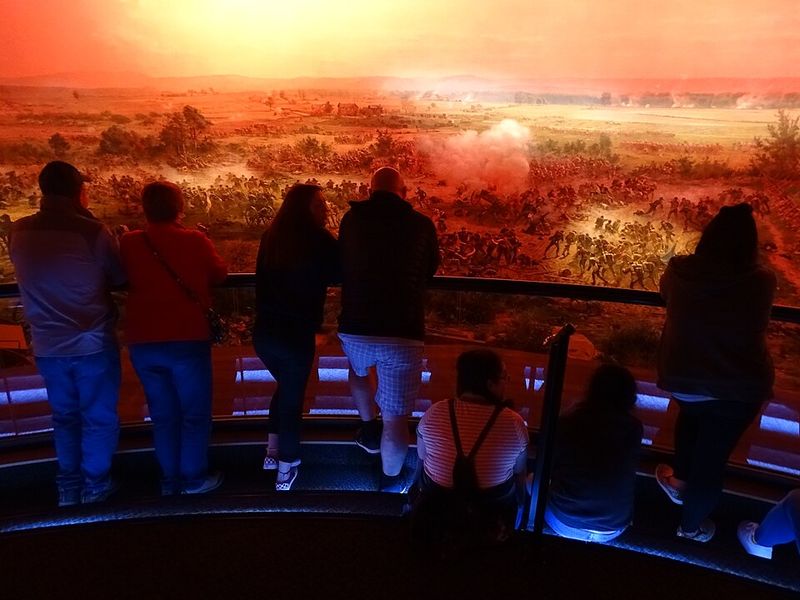
Few moments in museum-going can genuinely steal your breath, but the Gettysburg Cyclorama manages it without any fanfare. The painting measures 377 feet in circumference and stands 42 feet tall, making it widely regarded as the largest painting in North America, and it depicts Pickett’s Charge on July 3, 1863, with extraordinary detail.
French artist Paul Philippoteaux and his team spent over a year creating the original canvas in the 1880s. A multimillion-dollar restoration completed between 2004 and 2008 brought the colors and fine details back to vivid life. A three-dimensional foreground blends seamlessly with the painted scene, creating an illusion of depth that genuinely convinces your eyes something is moving.
A dramatic sound and light show accompanies the painting, layering cannon fire and battlefield sounds over the visual experience. Standing in the center of that circular room, surrounded on all sides by the chaos of Pickett’s Charge, delivers a visceral understanding of the battle’s intensity that no textbook photograph could ever replicate.
22,000 Square Feet of Civil War Stories You Cannot Find Anywhere Else
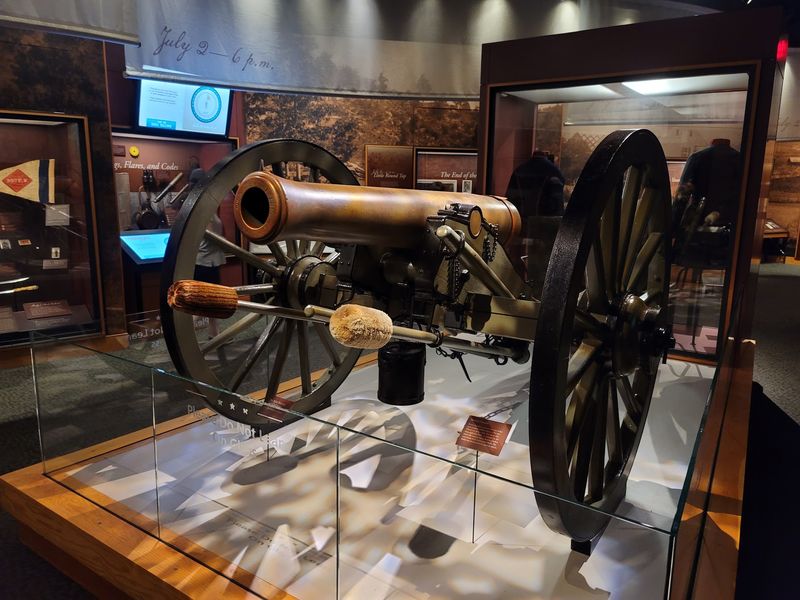
History museums can sometimes feel like warehouses of old things, but the Gettysburg Museum of the American Civil War operates on an entirely different philosophy. Spread across 22,000 square feet of exhibit space, the galleries weave individual human stories into the larger narrative of the entire conflict, not just the three days fought here.
Rare uniforms, period firearms, and authentic cannons fill the display cases, each one connected to a specific person or moment. Interactive elements invite visitors to engage rather than simply observe, making the experience genuinely dynamic for all ages. The curation is thoughtful and balanced, presenting perspectives from multiple sides of the conflict without losing sight of the human cost involved.
Plan on spending at least two to three hours here, because rushing through this space would be doing yourself a disservice. The artifacts and personal accounts have a cumulative effect, building layer upon layer of understanding so that by the time you walk outside, the battlefield landscape reads like an open book rather than an empty field.
Licensed Battlefield Guides: The Secret Weapon for Truly Understanding the Field
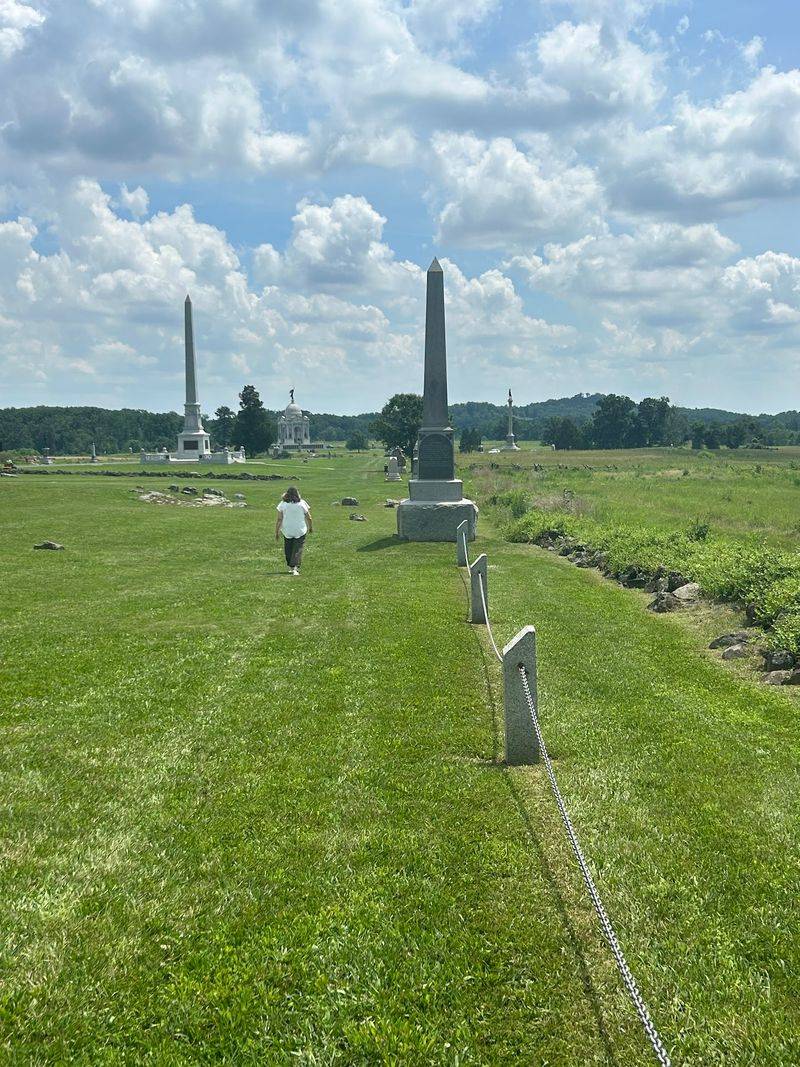
The Gettysburg battlefield covers roughly 6,000 acres, and without expert guidance, even the most enthusiastic visitor can feel lost among the hundreds of monuments and markers. That is exactly why the Licensed Battlefield Guides program exists, and booking one is arguably the single best decision you can make for your visit.
These guides are rigorously tested and certified by the National Park Service, meaning they have demonstrated an exceptional depth of knowledge before they ever climb into your car. They offer two-hour tours in your own vehicle, narrating the action at each stop with the kind of specific, colorful detail that transforms a roadside marker into a gripping story. Bus tours are also available for those who prefer not to drive.
A skilled guide can explain why General Lee chose to attack Cemetery Ridge on the third day, what the terrain of Little Round Top meant for Union defenders, and how the fighting at Devil’s Den unfolded in real time. That layered expertise turns a good visit into an unforgettable one.
Ranger Programs That Bring the Battlefield to Life in Real Time
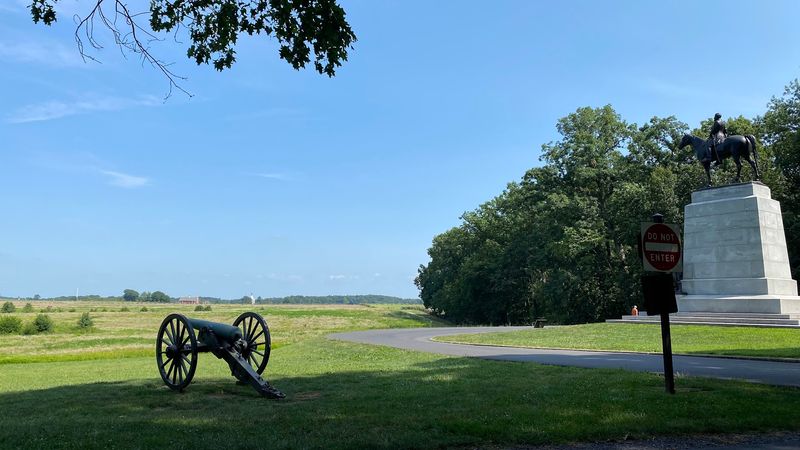
There is something uniquely powerful about hearing a National Park Service ranger speak on the very ground where history unfolded. The free ranger-led programs at Gettysburg cover everything from specific battle episodes to broader themes of the Civil War era, and they run throughout the day on a rotating schedule.
Battlewalks take small groups to specific locations on the field, where rangers explain the action that took place at that exact spot. Living history demonstrations add another dimension entirely, with reenactors portraying soldiers or civilians and demonstrating period skills, equipment, and daily routines. These presentations are designed to connect visitors of all ages to the human reality of the conflict rather than its abstract military mechanics.
Check the daily schedule at the National Park Service Information Desk inside the Visitor Center as soon as you arrive, because popular programs fill up quickly. Catching even one ranger talk during your visit tends to unlock a level of appreciation for the battlefield that self-guided exploration alone simply cannot provide, and it costs absolutely nothing extra.
The Virtual Reality Experience: History Through a Whole New Lens
Beyond the film and the Cyclorama, the Visitor Center offers a virtual reality experience called ‘Ticket to the Past: Unforgettable Journeys,’ which takes immersive storytelling in a genuinely exciting direction. Rather than reading about a historical moment or watching it on a flat screen, the VR format places you directly inside a reconstructed version of it.
Closed captioning is available for the experience, reflecting the same commitment to accessibility found throughout the facility. The technology complements rather than competes with the traditional exhibits, offering a different sensory entry point for visitors who respond well to hands-on or visually dynamic formats. It is particularly popular with younger visitors, though adults consistently find it just as engaging.
Think of it as the museum’s way of acknowledging that people absorb history differently, and that no single format works for everyone. Adding this experience to your itinerary adds a surprisingly fresh perspective to a visit already packed with powerful moments, and it serves as a vivid reminder that the events of 1863 were lived by real people in real places.
Dining at the Refreshment Saloon: A Historically Inspired Pit Stop
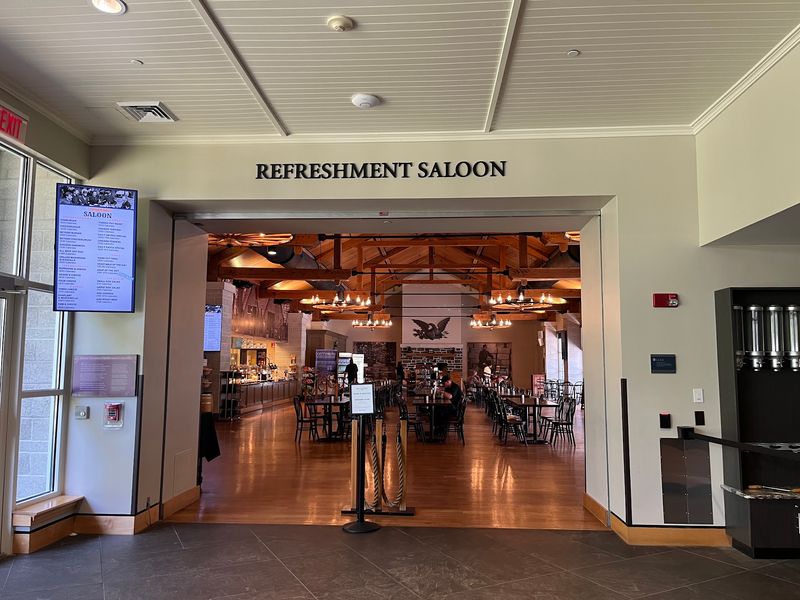
Civil War soldiers visiting Gettysburg during the conflict itself would sometimes find relief at civilian refreshment saloons, informal spots that offered food and a brief escape from the weight of the war. The Visitor Center’s on-site Refreshment Saloon nods to that tradition with a charming, historically inspired atmosphere that makes grabbing lunch feel like part of the experience.
The broader dining options also include the Battlegrounds Cafe and Grille, which serves hot and cold items ranging from made-to-order coffee and sandwiches to hot dogs, pizzas, paninis, and regional treats like Adams County apple dumplings and ice cream. Boxed lunches can be ordered in advance, which is a smart move for families or groups planning to eat outdoors at one of the picnic areas near the battlefield.
Refueling on-site means you do not lose momentum by driving into town and back, keeping your focus where it belongs. After hours of absorbing the museum’s emotional weight, a good meal in a comfortable setting does wonders for recharging both body and curiosity before heading back out to the field.
The Museum Bookstore: Where Every Purchase Supports Preservation
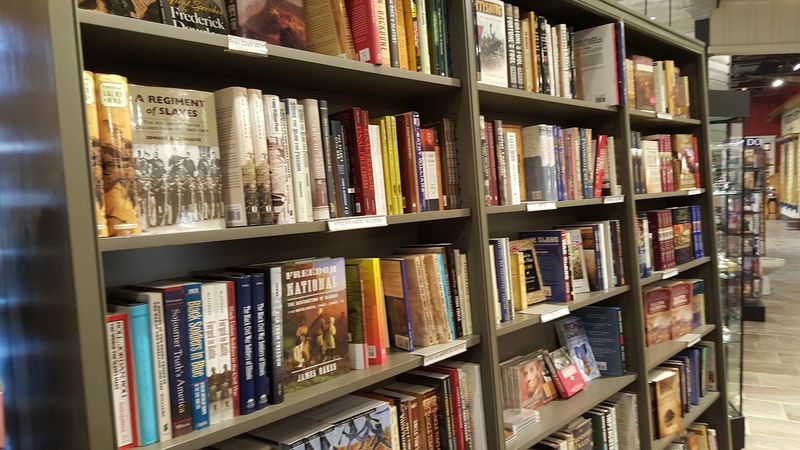
Gift shops at historic sites can sometimes feel like afterthoughts, but the Gettysburg Museum Bookstore operates with a clear sense of purpose. Every purchase made here directly supports the Gettysburg Foundation’s ongoing mission of battlefield preservation and public education, which means shopping here is genuinely contributing to something meaningful.
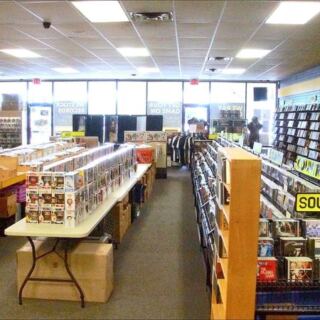
The book selection alone is remarkable, covering everything from rigorous military histories and regimental accounts to accessible narratives aimed at general readers and younger audiences. Apparel, keepsakes, maps, and reproduction items round out the inventory, giving visitors plenty of options for taking a piece of Gettysburg home with them. The range of price points makes it easy to find something suitable regardless of budget.
For those with a deeper scholarly interest, the McKenna Foundation Resource Room within the facility provides free public access to research materials focused on the Battle of Gettysburg and the broader Civil War period. That combination of retail and research access in one location makes this bookstore far more than a souvenir stop. It is a genuine extension of the educational experience that began the moment you walked through the front door.
Accessibility and Practical Comforts That Make Every Visitor Feel Welcome
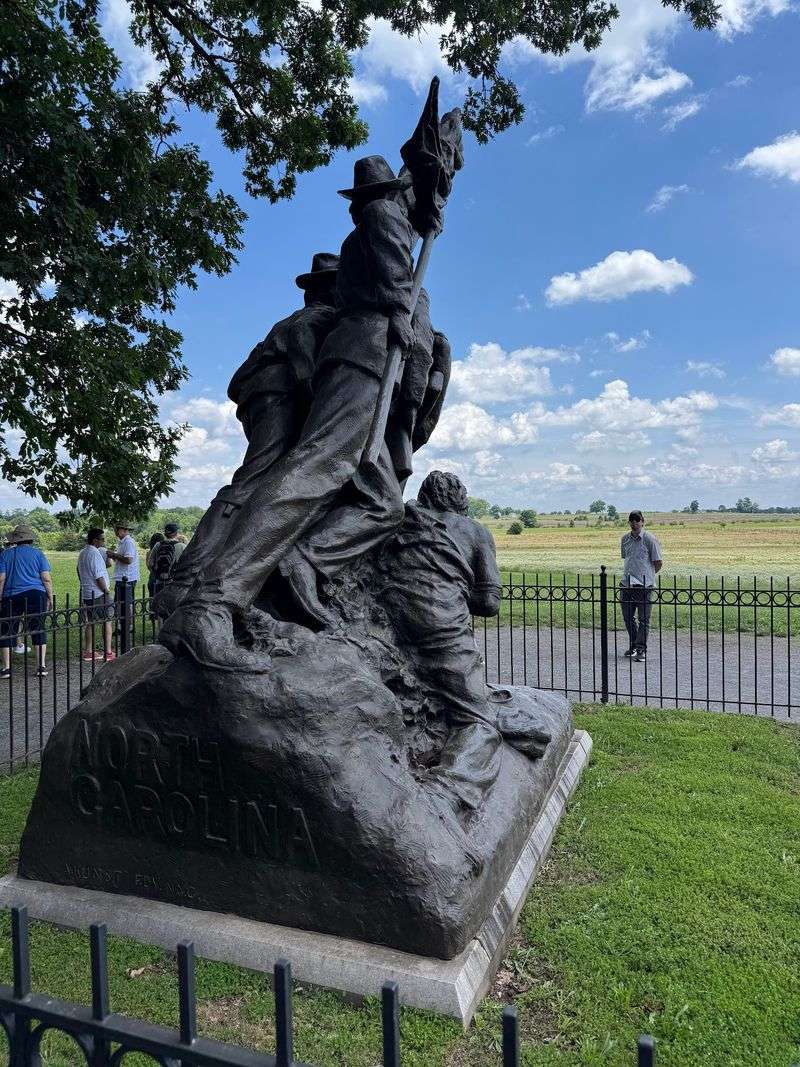
A historic site of this scale and significance should be welcoming to every visitor, and the Gettysburg National Military Park Museum and Visitor Center takes that responsibility seriously. Ample free parking and a dedicated curbside drop-off area right at the entrance make arrival smooth for visitors with mobility considerations.
Wheelchairs are available at no charge at the National Park Service Information Desk, and a limited number of scooters can be rented for those who need them. Service animals are warmly welcomed throughout the facility. Both the introductory film and the virtual reality experience include closed captioning, ensuring that visitors with hearing differences can engage fully with every major presentation.
Restrooms are clean and well-maintained throughout the park, and a lost-and-found system is in place to handle the inevitable small mishaps that come with a full day of exploration. These practical details might seem minor individually, but together they create an environment where visitors can focus entirely on the history rather than worrying about logistics. That kind of thoughtful planning reflects genuine respect for every person who walks through the door.
Best Times to Visit and How to Plan Your Day Like a Pro
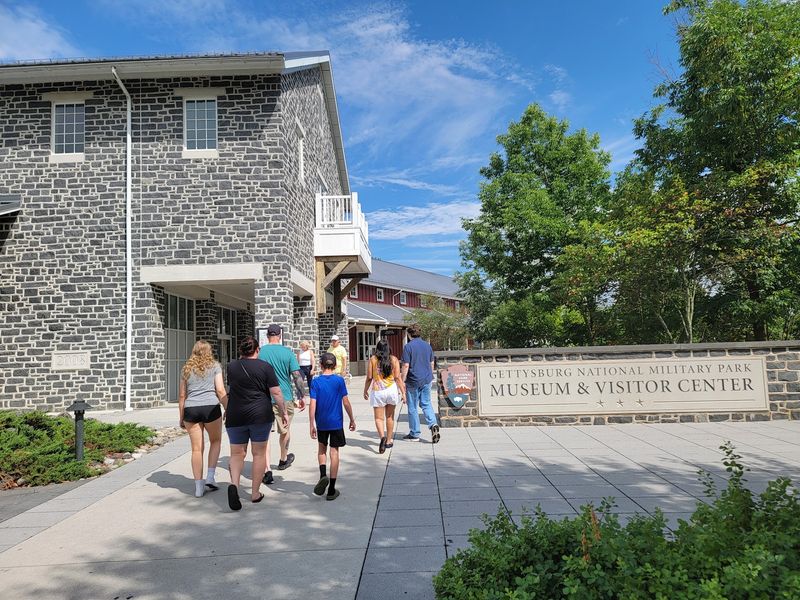
Gettysburg draws visitors year-round, and each season genuinely offers something different. Summer is the busiest period, especially around the battle’s anniversary on July 1 through 3, when the park buzzes with ranger programs, living history events, and large crowds. Arriving early in the morning on those peak days makes a significant difference in how smoothly your visit flows.
Autumn is widely considered the most visually stunning time to visit, with cooler temperatures and fall foliage turning the battlefield landscape into something almost painterly. Spring, particularly April and May, sees a surge of student groups but remains a comfortable and rewarding time for adult visitors as well. Winter brings smaller crowds and clearer sightlines across the open fields, making it an underrated option for those who want a more contemplative experience.
Booking tickets online in advance is strongly recommended regardless of season, as it saves time at the door and guarantees your spot for the film and Cyclorama. The Visitor Center opens at 8 AM daily, and arriving close to opening gives you the best chance of exploring the museum in relative quiet before the midday crowds arrive.
Share this story