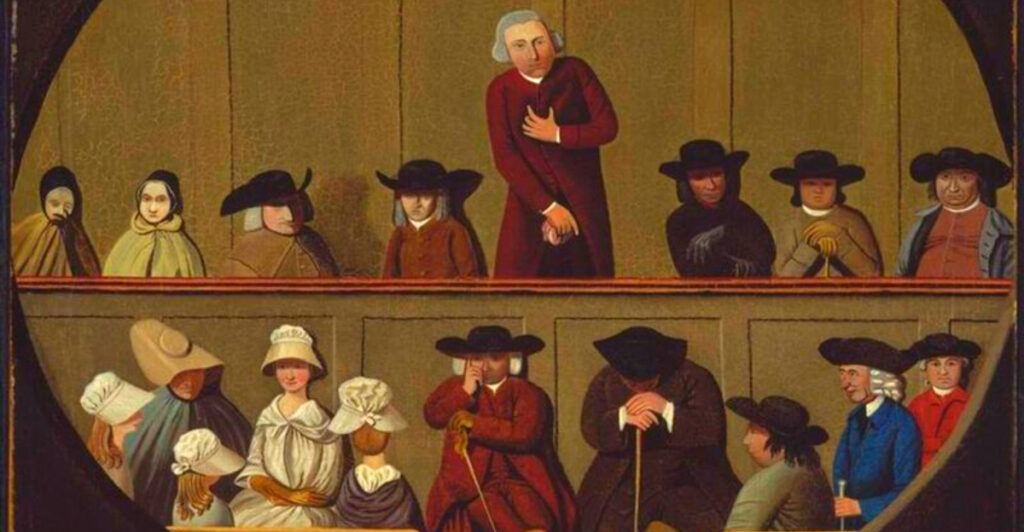
Colonial America had rules for nearly everything, and not all of them were reasonable by today’s standards. Governments in the 1600s and 1700s regulated religious practice, personal clothing choices, sexual behavior, speech, and even where people could live. Some of these laws reflected deep religious beliefs, while others were tools of economic control or outright racial oppression. Reading through them today offers a genuinely eye-opening look at how differently early American society understood the relationship between government and personal freedom.
The 12 rules explored here are historically documented, though enforcement varied widely by colony, decade, and local authority. A few were rarely applied in their harshest form, but their presence in legal codes tells us something important about the values and priorities of the people who wrote them. Whether surprising, troubling, or simply strange, each one reveals a side of colonial life that textbooks often skip over.
1. You Could Be Punished for Skipping Church

Church attendance in early colonial America was not a matter of personal preference in many communities. Virginia’s 1610 laws made repeated absence from church services punishable by increasingly severe penalties, including, at least on paper, death for a third offense. No evidence suggests that extreme sentence was ever carried out, but fines and whipping for skipping services were documented.
Puritan New England governments took a similarly firm approach. Officials viewed regular worship as essential to maintaining public morality, and they weren’t shy about using legal pressure to enforce it.
Virginia’s statute from 1619 required attendance at morning and evening prayer, with fines for absence. The idea that a government could legally compel religious participation seems completely foreign today. Virginia’s 1786 Statute for Religious Freedom eventually helped shift that thinking, laying groundwork for the First Amendment’s protections that Americans now take for granted.
2. Working on Sunday Could Get You in Trouble
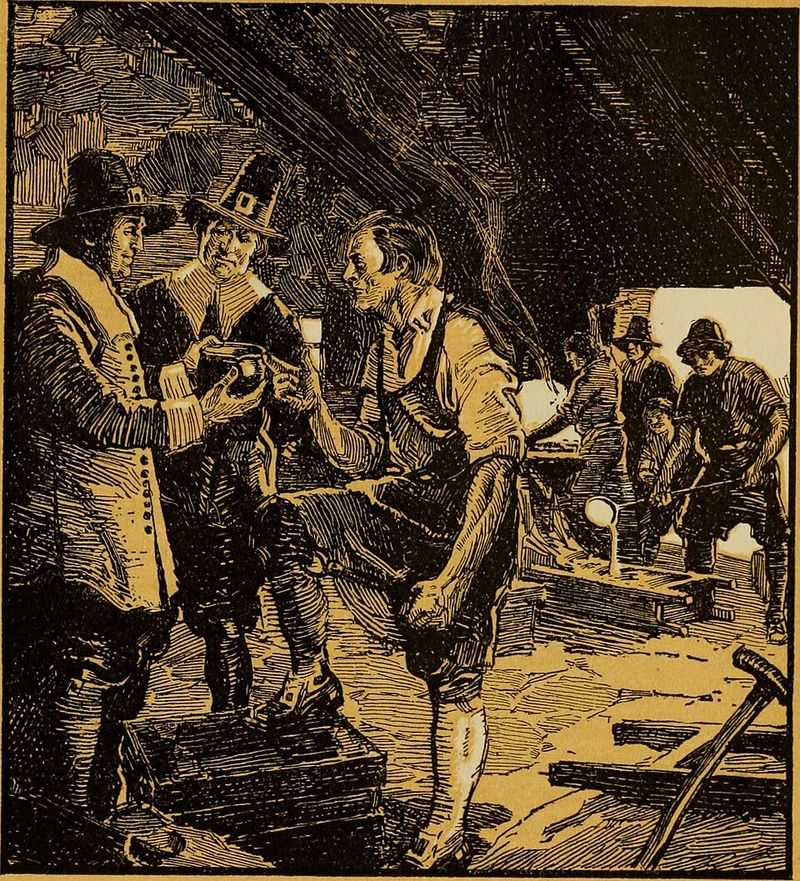
A Boston woman was once fined ten shillings for doing needlework on the Sabbath. That single documented case captures just how seriously colonial authorities took Sunday restrictions, commonly called blue laws.
These regulations went far beyond encouraging rest. Working, trading, traveling, dancing, and playing public sports could all result in legal penalties depending on the colony and the decade. Puritan communities considered Sunday a sacred obligation for the entire public, not just churchgoers.
The Fourth Commandment provided the theological foundation, but local governments enforced it with real legal consequences. Authorities believed that a community’s spiritual standing depended on collective observance, not just individual piety.
Blue laws persisted well into the 20th century in parts of the United States. The U.S. Supreme Court upheld their constitutionality in 1961, though their practical enforcement has nearly disappeared. Still, their colonial roots were far stricter than any surviving version today.
3. Your Clothes Could Reveal Whether You Were Breaking the Law
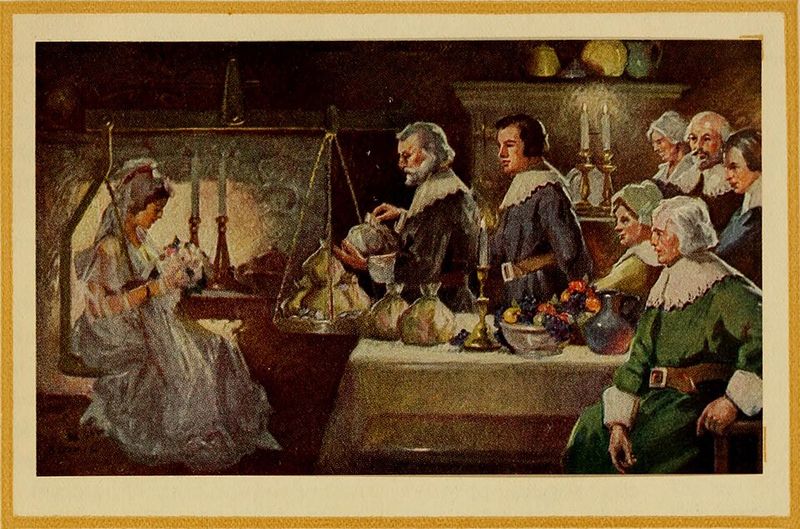
Massachusetts Bay Colony passed its first sumptuary law in 1634, prohibiting lace, gold, silver, and silk adornments for ordinary residents. A follow-up law in 1651 got even more specific. Anyone worth less than 200 pounds was banned from wearing gold or silver lace, silk hoods, or scarves, with a ten-shilling fine per violation.
Magistrates, military officers, and the already wealthy were exempted. The law wasn’t about preventing waste. It was about making sure clothing continued to signal social rank clearly and accurately.
Colonial authorities believed that visible social hierarchy was both natural and divinely supported. Allowing someone of modest means to dress like a gentleman threatened that order in a very public way.
Enforcement was inconsistent, and the laws eventually faded. But for a period, your outfit could genuinely make you a target for a government official with a tape measure and a ledger.
4. Quakers Could Be Punished Simply for Practicing Their Faith
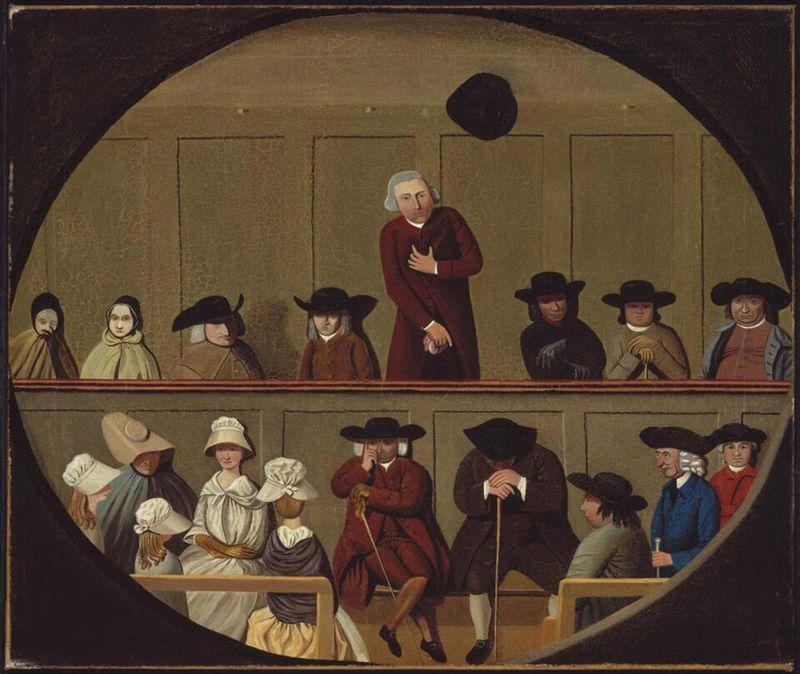
Massachusetts Bay Colony began targeting Quakers in 1656, viewing their religious practices as a direct threat to Puritan social order. Early punishments included whipping, imprisonment, and banishment. When Quakers returned after being expelled, authorities escalated.
In October 1658, Massachusetts passed a law making it a capital offense for a Quaker to enter or remain in the colony. Four people tested that law and paid with their lives. Marmaduke Stephenson, William Robinson, Mary Dyer, and William Leddra were executed in Boston between 1659 and 1661.
King Charles II intervened in 1661, explicitly forbidding Massachusetts from executing anyone for Quakerism. The episode marked a turning point in the Puritan government’s ability to enforce its religious monopoly.
The deep irony is hard to miss. Many colonists had arrived in America seeking relief from religious persecution in England, yet built systems that persecuted others with equal severity.
5. Blasphemy Could Be a Serious Crime
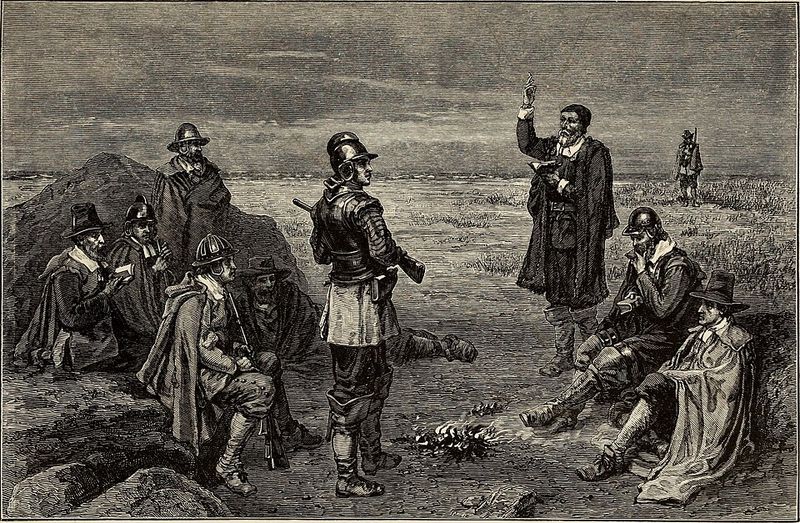
In 1636, Massachusetts Bay Colony made blasphemy punishable by death. Maryland’s Act of Toleration in 1649 included capital punishment for denying that Jesus Christ was the son of God. These weren’t fringe proposals. They were formally enacted statutes in functioning colonial governments.
Colonial authorities treated Christianity as the foundation of public order, not merely a private belief system. An attack on religious doctrine was therefore treated as an attack on the community’s legal and moral structure.
Punishments in practice ranged widely. Fines, public humiliation, and physical penalties were more common outcomes than execution. But the existence of death as a possible sentence for a verbal or written offense is jarring by any modern standard.
A comment made casually today, whether online or in conversation, could have brought a colonial resident before a court in the 1600s. The boundary between personal opinion and criminal offense looked very different then.
6. Public Drunkenness Could Put You in the Stocks

Virginia passed its first laws against public drunkenness in 1619, making it one of the earliest recorded colonial regulations of personal behavior. Other colonies followed with their own statutes. John Holmes of Plymouth Colony was documented as being fined and placed in the stocks for public intoxication.
The stocks were a wooden frame that locked a person’s feet and sometimes hands in place in a public location. The offender sat exposed to the community for hours, subject to taunts and sometimes thrown objects.
Public punishment served a dual function. The person in the stocks suffered personal humiliation, and everyone watching received a clear message about what the community would not tolerate.
There was no discreet ticket or private citation. The punishment was the spectacle itself. Colonial authorities understood that visible consequences shaped community behavior more effectively than fines that nobody else could see.
7. Taverns Needed Government Permission to Operate

Running a tavern in colonial America meant operating one of the most important public institutions in the community. These establishments served as inns, news exchanges, meeting places, and commercial hubs all at once. That central role made them targets for close government oversight.
Local authorities required tavern owners to obtain licenses before operating. Officials could regulate prices, restrict gambling, control conduct, and set standards for lodging and food quality. Losing a license meant losing the business entirely.
The licensing system wasn’t purely about control. Authorities genuinely depended on well-run taverns to support travelers, facilitate commerce, and maintain orderly public gathering spaces. A badly managed establishment could disrupt an entire community’s economic and social functioning.
Tavernkeepers occupied an unusual position. They were private business owners operating under significant government supervision, expected to serve public needs while following rules that officials could change or revoke at any time.
8. Gossip and Slander Could Bring Public Punishment

Colonial courts regularly heard cases involving defamation, slander, and speech considered disruptive to community harmony. Words carried legal weight in a way that feels unfamiliar today. Offenders could face fines, public humiliation, or physical penalties depending on the severity of the offense and the local legal code.
The ducking stool is one of the most documented instruments associated with punishing disorderly speech, particularly among women labeled as persistent troublemakers or “scolds.” The device placed the offender in a chair and submerged them in water as a public censure.
Its actual use varied considerably across different colonies and time periods. Some communities used it regularly, while others rarely or never deployed it. Historical records show it was more common in England than in the American colonies.
Colonial authorities had no social media to monitor. They still developed detailed legal frameworks for policing what people said about each other and about institutions they considered sacred or essential.
9. Unmarried Couples Could Be Prosecuted for Having Sex
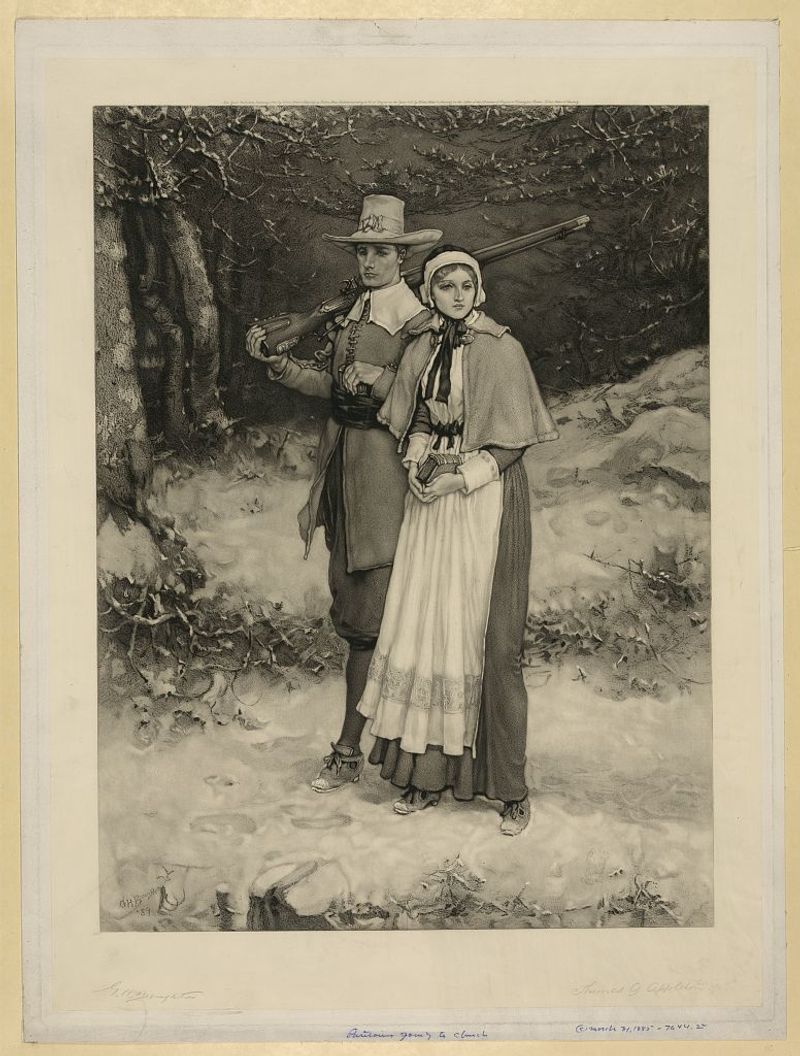
Court records from multiple colonial jurisdictions contain documented cases of unmarried couples prosecuted for fornication. This wasn’t a rare or theoretical enforcement. Officials actively pursued these cases, and pregnancy frequently served as the most straightforward evidence brought before judges.
Punishments varied by colony and by decade. Fines were common. Whipping appeared in some records. Public confession or humiliation in front of the congregation was required in certain Puritan communities.
The legal framework reflected a genuine belief that private behavior between individuals had public consequences. A community’s moral standing was understood as collective, not individual, and authorities felt responsible for maintaining it.
What two consenting adults do privately is now considered entirely outside the government’s legitimate concern in the United States. That boundary took a very long time to establish legally. Colonial records make clear that for much of early American history, the government disagreed with that principle entirely.
10. Adultery Could Technically Carry the Death Penalty
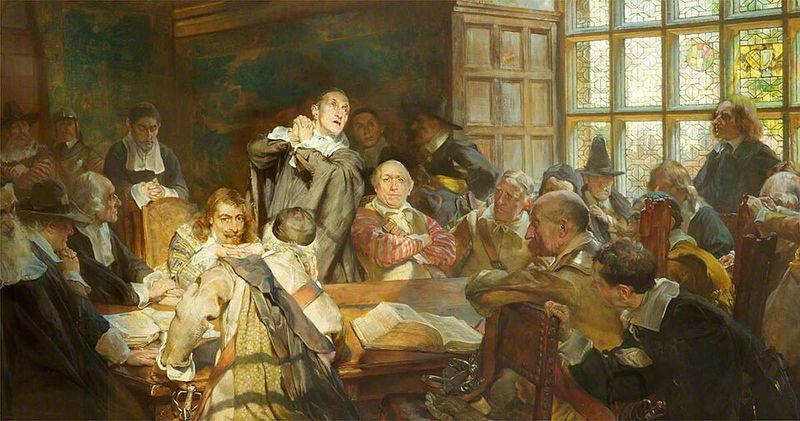
Puritan Massachusetts included adultery among offenses theoretically subject to capital punishment. The statute placed marital infidelity in the same legal category as other crimes considered threats to religious and social stability. That framing tells you a great deal about how colonial governments understood marriage.
Actual executions for adultery were exceedingly rare. Historians have documented very few cases where the death penalty was seriously pursued for this offense. Courts more commonly imposed fines, whipping, public humiliation, or required confession before the congregation.
The gap between what the law permitted and what courts actually did was significant. But the statute’s existence mattered. It signaled that adultery was not merely a private betrayal between two people. It was an offense against the community’s religious order, and the state claimed authority to punish it accordingly.
Modern American law treats marriage as a civil contract. Colonial Massachusetts treated it as a sacred institution whose violation could justify state-sanctioned punishment at the most severe level.
11. Parents Could Face Extreme Laws Over “Stubborn” Children
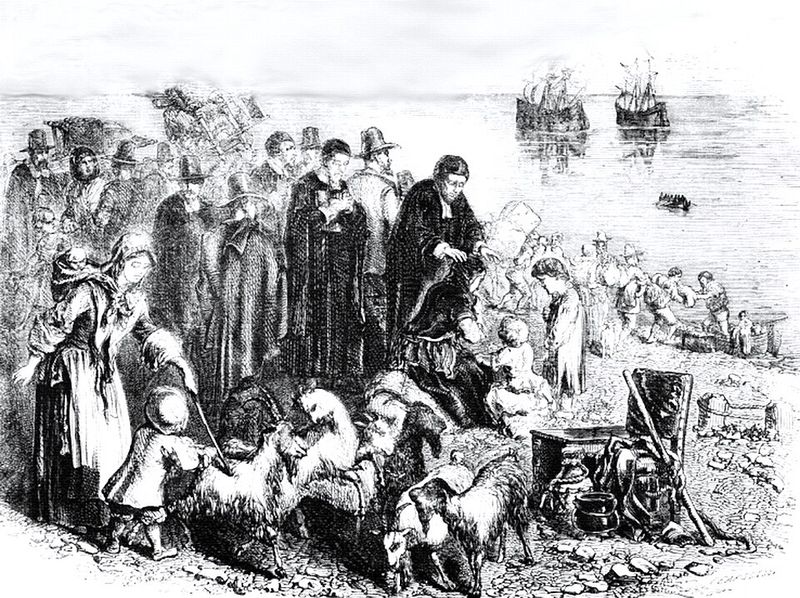
Massachusetts enacted its Stubborn Child Law in November 1646, drawing directly from Deuteronomy 21:18-21. The statute stated that a male child sixteen or older who persistently disobeyed his parents and lived in “sundry notorious crimes” could be put to death following formal legal proceedings.
Historians have found little evidence that any child was actually executed under this provision. Only one prosecution under the specific statute is clearly documented. In 1665, John Porter Jr. faced charges, but his mother refused to testify against him. He received public humiliation and a fine instead of execution.
The law’s importance lies less in its enforcement than in its existence. Colonial Massachusetts considered household authority so fundamental that it built capital punishment into the legal code to reinforce it.
The law technically remained on Massachusetts’ books until 1973, when it was finally repealed, making it one of the longest-lasting colonial statutes in American legal history.
12. Communities Could Tell People Where to Live
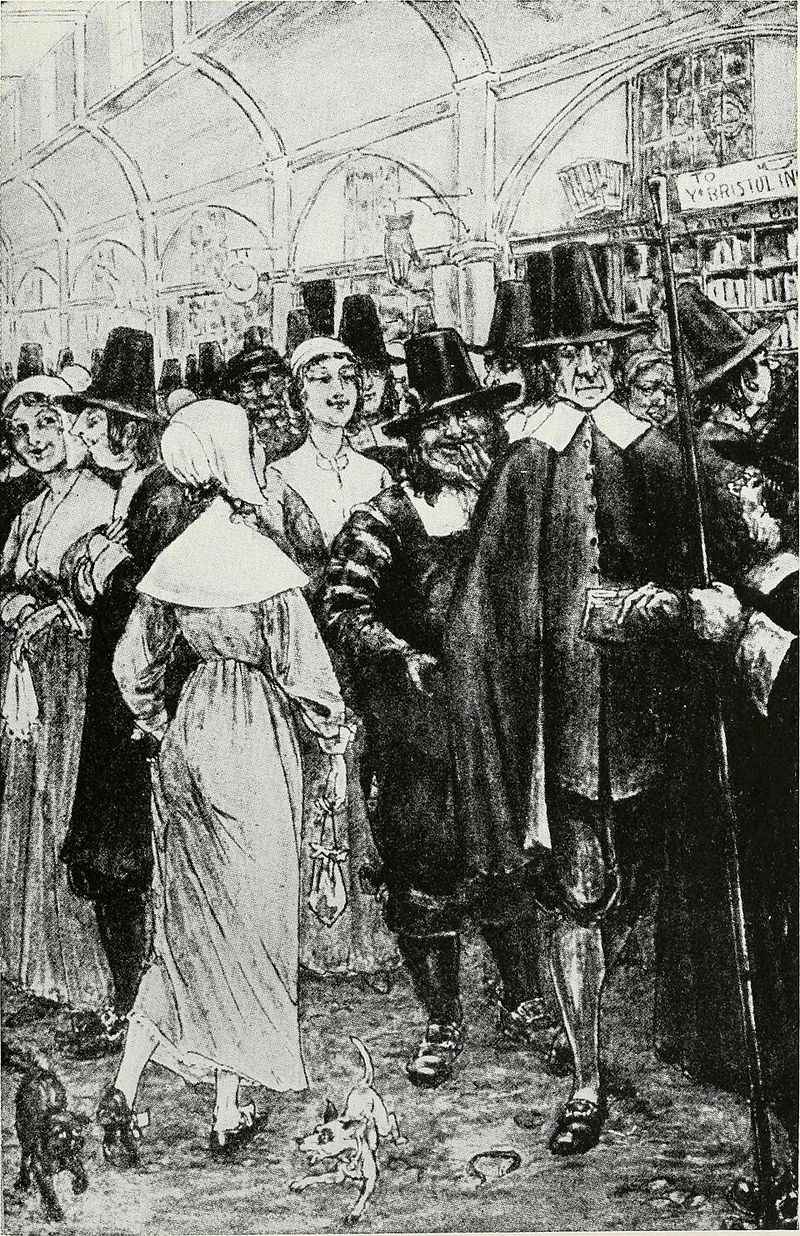
“Warning out” was a formal legal practice used across colonial New England that allowed town officials to order newcomers to leave before they established legal residency. The process was primarily economic in motivation. Towns feared that impoverished newcomers might eventually require public financial support.
Being warned out didn’t always mean immediate removal. Sometimes it simply meant the town was officially on record as having no obligation to support that person financially if they fell into poverty. Other times, officials actively pressured families to move on.
The practice reveals that freedom of movement, something modern Americans generally take as a given, was conditional in colonial communities. Whether you could stay somewhere depended partly on whether local authorities considered you a financial asset or a potential liability.
Settlement laws of this kind existed in England as well, and colonists transplanted the practice to America. They remained in use in some form well into the 18th century across multiple colonies.
Share this story