Free zoo admission in a major city sounds too good to be true, but Chicago pulls it off beautifully. Tucked inside one of the city’s most beloved green spaces, this zoo has been welcoming families, solo visitors, and curious minds for generations.
Kids can press their noses against glass enclosures, wave at gorillas, and actually interact with farm animals in a hands-on setting that most paid attractions can’t match. By the time you finish reading, you’ll have every reason to plan your visit.
Where It All Begins: Address, Location, and Getting There
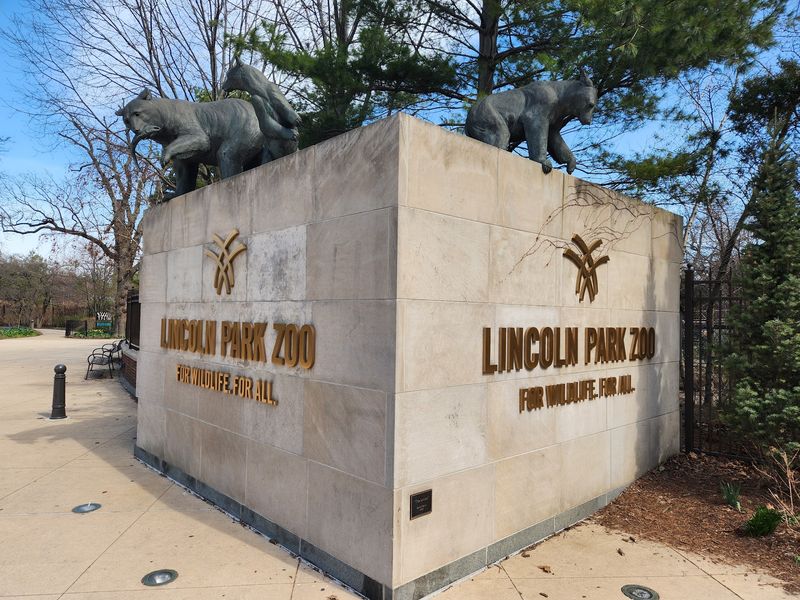
Lincoln Park Zoo sits at 2001 N. Clark Street, Chicago, IL 60614, right in the heart of Lincoln Park on the city’s North Side.
The zoo is free to enter every single day of the year, which is a rare and genuinely impressive commitment for a city attraction of this quality.
Getting there is straightforward whether you drive, take public transit, or ride a bike. The zoo is close to several CTA bus routes, and the nearby Stockton Street sometimes offers free parallel parking if you arrive early enough.
Paid parking is also available on-site, with fees based on how long you stay.
The grounds open at 8 AM, though early morning hours between 8 and 10 AM on weekdays are reserved for members only. Most indoor exhibits open at 10 AM, so planning your arrival around that time means you’ll hit the sweet spot when animals are active and the pathways are still relatively quiet.
Weekday mornings are especially ideal for families with strollers, since the wide paths are easy to navigate and the crowds are manageable.
A Zoo With a History as Long as the Lake Is Wide

Lincoln Park Zoo is one of the oldest zoos in the United States, founded in 1868 when the city of Chicago received a gift of two swans from New York’s Central Park. What started as a modest swan pond gradually grew into a full-scale zoological garden that now spans 35 acres in the middle of a bustling metropolis.
The zoo has operated continuously since its founding, surviving the Great Chicago Fire, economic downturns, and sweeping changes in how zoos approach animal care and conservation. Today, it balances its historic roots with modern, thoughtfully designed habitats that prioritize animal well-being.
One of the most remarkable things about this place is that it has remained free throughout its entire history, supported by the Chicago Park District and private donations. That funding model has allowed the zoo to keep investing in its facilities and animal programs without passing the cost to visitors.
The result is an attraction that feels premium in every way except the price tag, which remains exactly zero. Walking through the grounds, you get the sense that everyone here, staff and visitor alike, genuinely values what this place represents.
The Farm-in-the-Zoo Experience Kids Absolutely Love
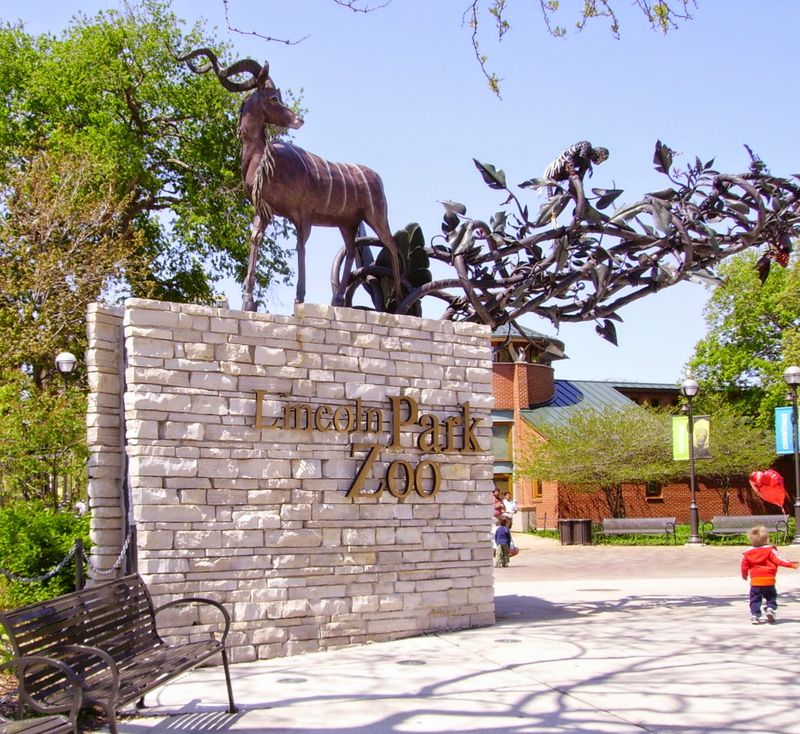
The Farm-in-the-Zoo is genuinely one of the most charming spots on the property. Kids can get close to cows, goats, pigs, and chickens in a setting that feels like a real working farm, complete with a classic red barn, garden beds, and the kind of earthy atmosphere that makes city kids wide-eyed with curiosity.
Hands-on interaction is a big part of the experience here. Children can watch milking demonstrations, observe farm chores, and sometimes pet the animals directly, depending on the day and the animals’ temperament.
Staff members are usually nearby to answer questions and share fun facts about farm life and agriculture.
The exhibit also carries an educational thread throughout, connecting urban visitors with the realities of food production and sustainable farming. Informational signs explain where food comes from and how farms operate, making it a learning experience that doesn’t feel like homework.
For families visiting from the city, this is often the moment that sparks the most conversation on the drive home. There’s something about standing next to a real cow or watching a chicken scratch around in the dirt that no screen or textbook can replicate.
Gorillas, Lions, and the Big Cats That Stop You in Your Tracks
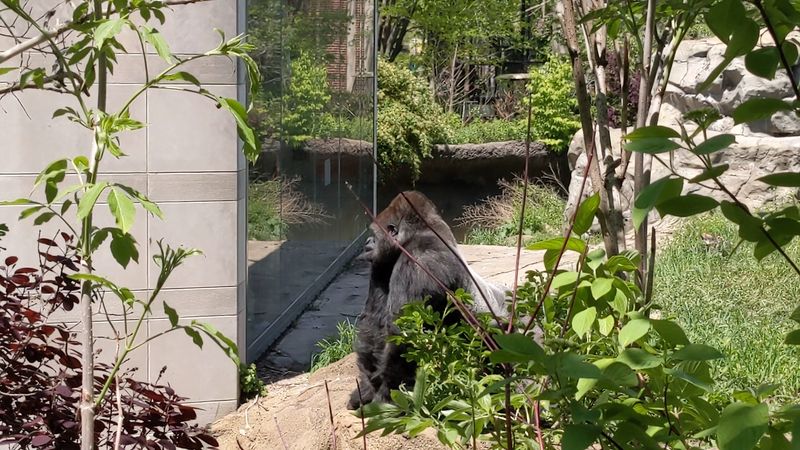
The large mammal exhibits at Lincoln Park Zoo are consistently among the most talked-about parts of any visit. The Regenstein Center for African Apes houses western lowland gorillas in a habitat designed to mirror the complexity of their natural environment, with climbing structures, forested areas, and enough space for the animals to move around freely and behave naturally.
The lion habitat draws crowds throughout the day, and for good reason. Watching a full-grown African lion stretch out on a rock ledge or pace along the viewing glass is a moment that reminds you exactly why people love zoos.
The enclosures here feel spacious and thoughtfully constructed, giving visitors excellent sightlines without compromising the animals’ comfort.
The big cat area also includes other species that tend to surprise visitors who weren’t expecting such variety. Snow leopards and other felids round out the collection, each in habitats that reflect their natural geography.
The care and attention that goes into each enclosure is visible, and the animals consistently appear healthy, alert, and engaged with their surroundings. Few things match that electric feeling of locking eyes with a big cat through the glass.
Polar Bears, Seals, and the Aquatic Side of the Zoo
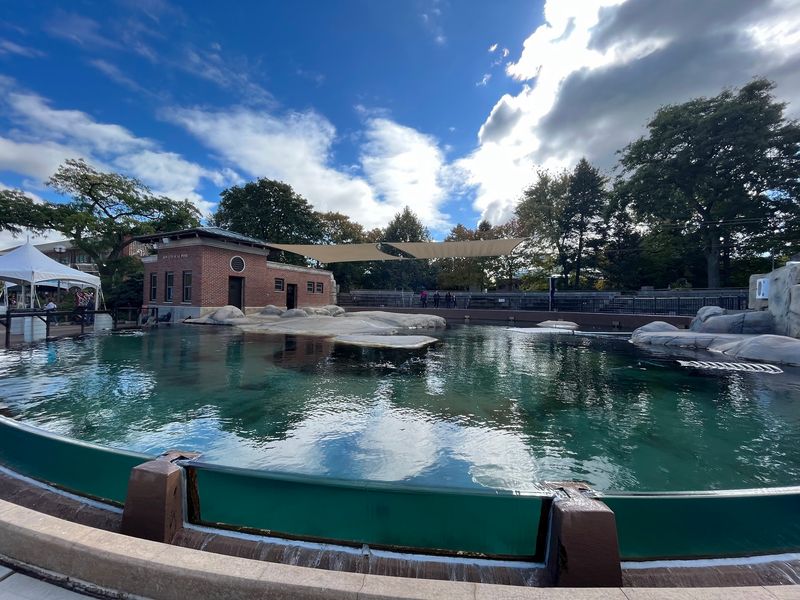
The polar bear habitat is a crowd favorite, particularly when the bears decide to take a swim. The underwater viewing panels give a perspective that’s genuinely hard to find anywhere else, and watching a polar bear glide through the water just inches from the glass is the kind of thing that stays with you long after you leave.
The seal pool is another highlight, especially around feeding time. Arriving near 11:25 to 11:30 AM gives you a front-row seat to the feeding routine, when the seals become noticeably more energetic and entertaining.
The surrounding area is open and easy to navigate, making it a comfortable spot for families to gather and watch.
On warmer days, the polar bears tend to be less active outdoors, so timing your visit during cooler weather or earlier in the morning increases your chances of catching them in full motion. The aquatic exhibits as a whole offer a refreshing contrast to the land-based habitats throughout the rest of the zoo, and the combination of animals here keeps the visit feeling varied and dynamic from one section to the next.
The Reptile House: Surprisingly Beautiful and Worth Every Minute
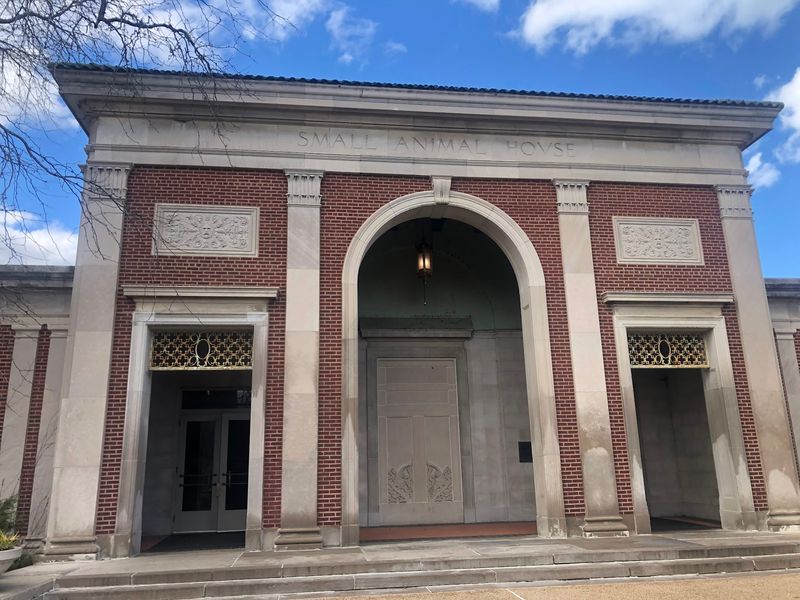
Many visitors walk past the reptile house without a second thought, but that’s a mistake worth correcting. The building itself is visually striking, with carefully designed terrariums that recreate tropical and desert environments in impressive detail.
The plant life alone is worth pausing to admire, and several visitors have described the space as unexpectedly beautiful.
Inside, you’ll find a diverse collection of snakes, lizards, turtles, and amphibians, each in a habitat that reflects their natural range. The lighting and layout make it easy to spot even the more camouflaged residents, and informational panels throughout the exhibit explain the ecological roles these animals play in their native environments.
The reptile house also tends to be quieter than the outdoor exhibits, which makes it a nice retreat on a hot afternoon or a drizzly day. The temperature inside is warm and consistent, which is good for the animals and surprisingly comfortable for visitors too.
Children who might initially hesitate at the idea of reptiles often leave this building with a completely different attitude, which is exactly the kind of perspective shift that makes a zoo visit genuinely valuable beyond just the visual spectacle.
Bird Encounters in the Aviary and Beyond
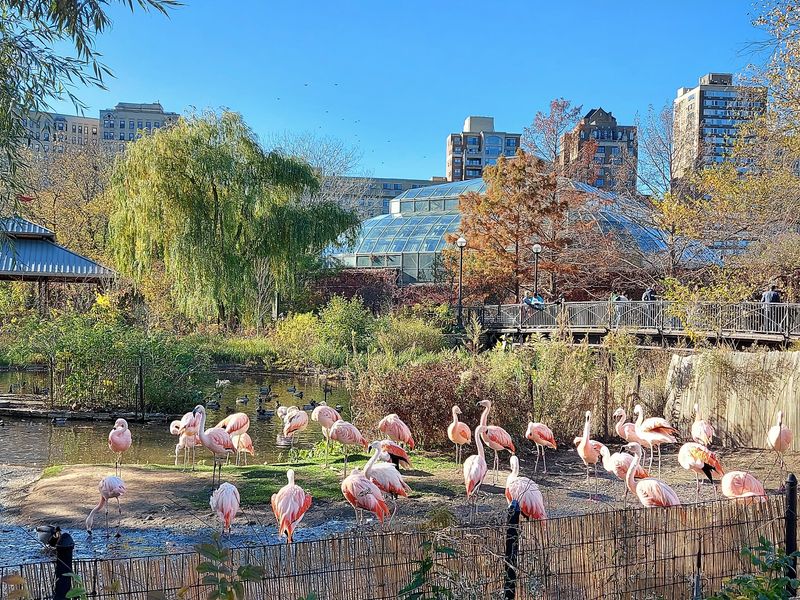
The bird collection at Lincoln Park Zoo spans a wide range of species, from the flamingos that stand in elegant clusters near the water to the diverse residents of the indoor aviary. The aviary is one of those places where the experience depends partly on who you encounter during your visit.
Staff members stationed near the bird exhibits often share detailed knowledge about individual animals, their behaviors, and their conservation status.
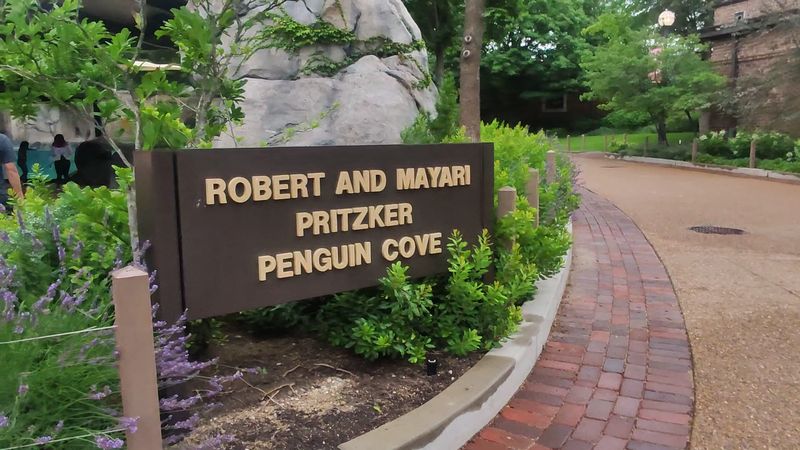
The penguin exhibit draws its own crowd, with feeding times being particularly popular. Watching penguins move through the water at speed is genuinely fun, and the exhibit design gives visitors a clear view of both the above-water and underwater activity.
Outside, the flamingo habitat is a natural photo stop, with the birds’ vivid coloring standing out beautifully against the zoo’s green landscaping. The variety across the bird section keeps things interesting, since each species has its own personality and behavioral quirks that make extended watching worthwhile.
Birding enthusiasts tend to linger here longer than anywhere else on the property, and it’s easy to understand why once you start paying attention to the small details that most people walk right past.
The Nature Boardwalk: A City View You Won’t Expect
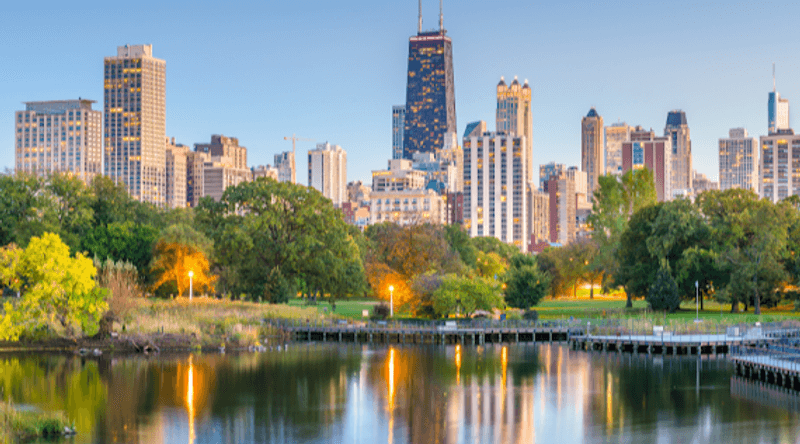
Connected directly to the zoo grounds, the Nature Boardwalk wraps around a restored pond ecosystem that supports native birds, turtles, fish, and aquatic plants. The boardwalk itself is a peaceful, easy walk that feels completely separate from the energy of the city surrounding it.
What makes this spot genuinely special is the backdrop. The Chicago skyline rises just beyond the treeline, creating a visual contrast between urban architecture and natural habitat that’s hard to find in most cities.
It’s the kind of view that makes you stop mid-stride and just take it in for a moment.
The boardwalk is accessible to strollers and is wide enough for groups to walk comfortably side by side. Early mornings tend to be quieter here, with more wildlife visible before the midday foot traffic picks up.
Turtles sunning on logs, herons wading through the shallows, and dragonflies hovering over the water are all common sights depending on the season. The Nature Boardwalk is one of those bonus experiences that visitors sometimes discover by accident and end up remembering just as fondly as the zoo exhibits themselves.
Practical Tips for Making the Most of Your Visit
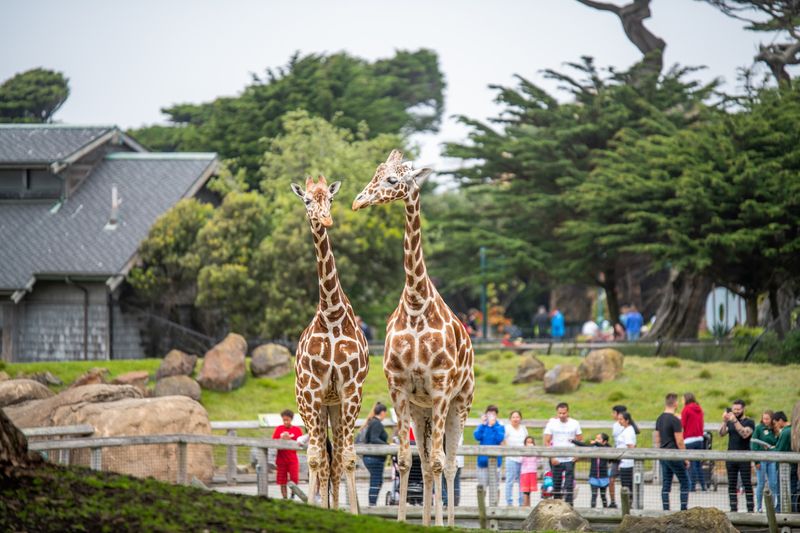
A few practical details can make a real difference in how your visit goes. Arriving around 11 AM tends to be a good sweet spot: most animals are active and visible, the indoor exhibits are open, and the feeding schedules for seals and other animals are within reach.
Very early arrivals before 10 AM are best reserved for zoo members.
Weekday mornings consistently offer the best combination of open pathways, active animals, and easy parking. Weekend visits are still enjoyable but expect larger crowds, especially near popular exhibits like the gorillas and polar bears.
Bringing your own snacks and food is allowed and can save money, though the on-site cafe offers a good variety and its revenue supports the zoo’s free admission model.
Strollers move easily throughout the grounds, and the paths are well-maintained in all seasons. Parking is available on-site for a fee, and free parallel parking on nearby streets like Stockton is sometimes possible if you arrive early.
The zoo is open year-round, and each season brings a different atmosphere, from snowy winter walks to the full greenery of summer that makes the whole property feel like a living park.
Food, Gifts, and the Little Extras That Round Out the Day
The on-site cafe operates on a cafeteria-style model where you grab a tray and select from multiple food stations before checking out together. That setup is particularly handy for families with kids who all want something different, since you can satisfy multiple preferences in a single stop rather than making several separate purchases.
Food prices are on the higher side compared to a standard city lunch spot, but given that zoo admission is free, most visitors find the overall cost of the day quite reasonable. The cafe’s revenue goes back into supporting the zoo’s operations, which gives spending there a purpose beyond just refueling.
The gift shop is a popular final stop, with a solid selection of plush animals, educational toys, and zoo-branded merchandise. Prices lean toward the premium end, but the quality is generally good and the selection is thoughtful enough to feel curated rather than generic.
Snow cones and other snack vendors scattered around the grounds offer lighter options for those who don’t need a full meal. The overall food and retail experience adds a satisfying finishing layer to a visit that was already delivering well before you ever reached the checkout line.
Why This Zoo Keeps Drawing People Back Season After Season
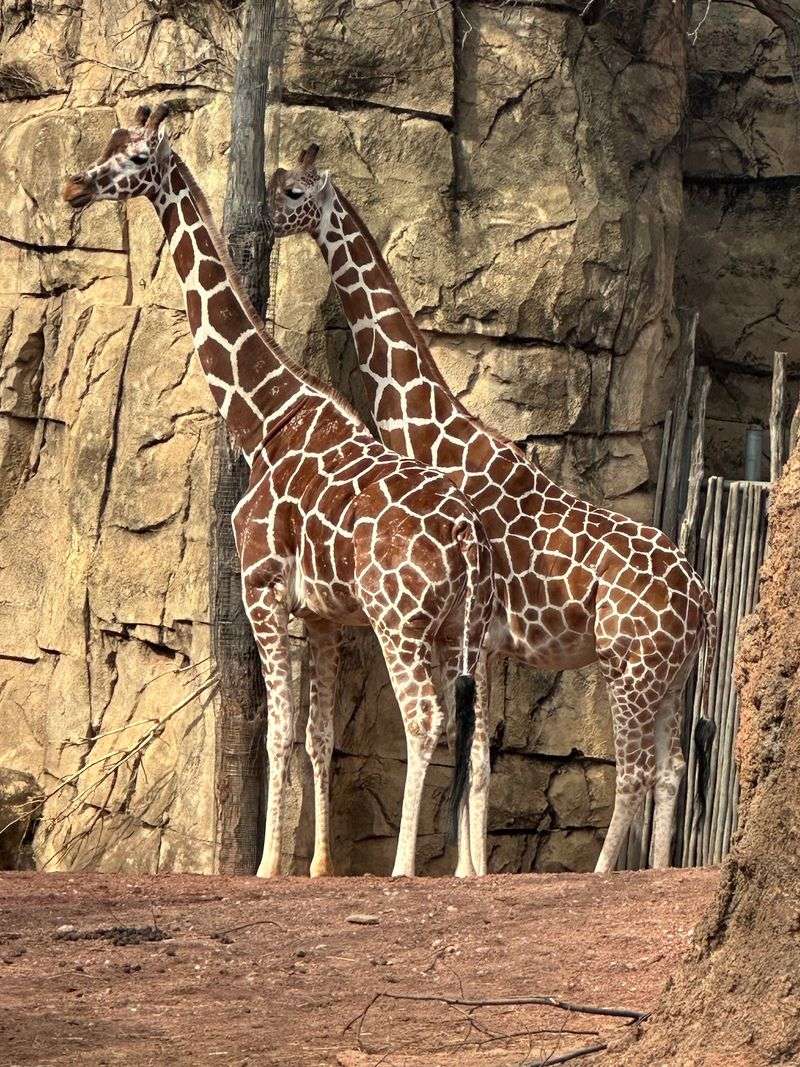
The repeat visitor rate at Lincoln Park Zoo says something meaningful about what the place gets right. The combination of free admission, a genuinely diverse animal collection, beautiful landscaping, and a location embedded in one of Chicago’s best parks creates a formula that’s hard to argue with.
Each season shifts the atmosphere in noticeable ways. Spring brings blooming trees and newborn animals.
Summer fills the grounds with energy and extended weekend hours until 7 PM. Autumn wraps the whole property in warm color, and winter offers a quieter, almost meditative version of the zoo that regular visitors tend to appreciate deeply.
The staff’s visible enthusiasm is something that comes up repeatedly in conversations about the zoo. Educators at exhibits share information freely, keepers interact thoughtfully with the animals during feeding and care routines, and the overall sense of institutional pride is easy to feel from the moment you walk through the gates.
Lincoln Park Zoo has been part of Chicago’s identity for over 150 years, and based on everything about how it operates today, it seems set to hold that place for a long time to come. That kind of staying power is earned, not given.
Share this story