Europe is home to some of the world’s most powerful concentrations of private wealth, and not all of it lives where you might expect. While London and Paris grab most of the headlines, cities like Geneva, Milan, and Munich quietly compete at the very top.
This list ranks 13 European cities by the number of residents with at least $1 million in liquid investable assets, based on the World’s Wealthiest Cities Report 2025 by Henley and Partners and New World Wealth. Real estate is excluded, so what you see here is cold, hard financial wealth: stocks, cash, bonds, and crypto.
London, United Kingdom
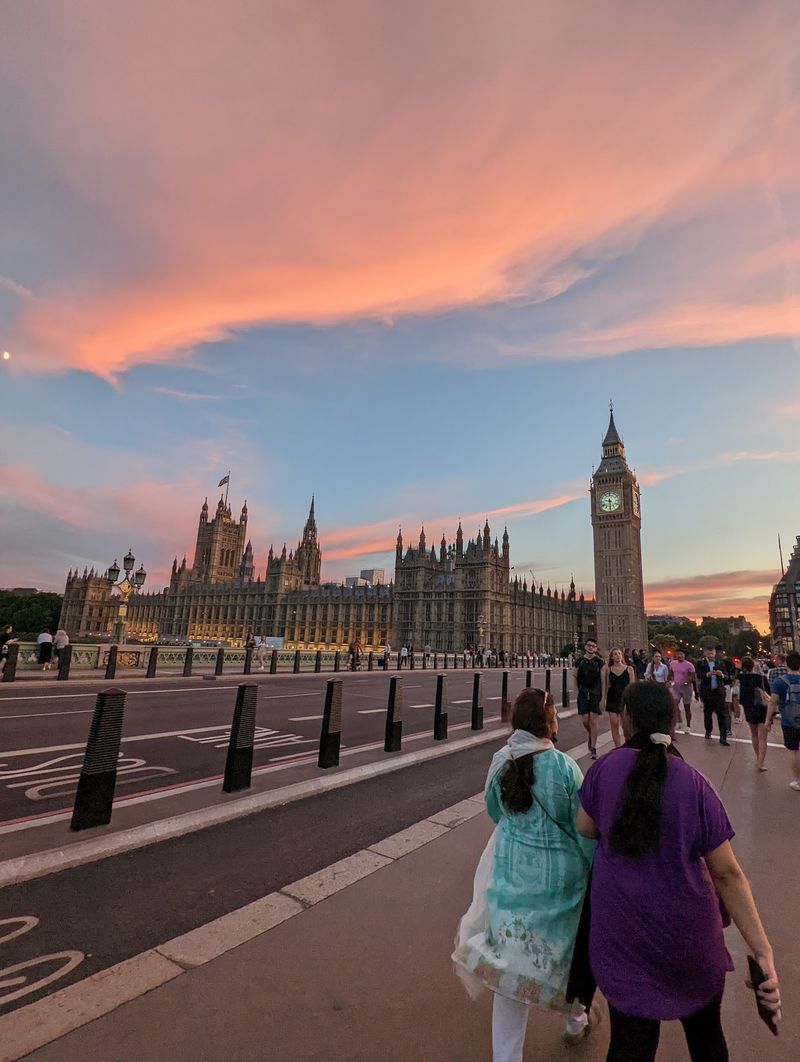
No city in Europe comes close to matching London when it counts its millionaires. With 215,700 residents holding at least $1 million in liquid investable assets, London sits sixth globally and first across the entire continent.
It also claims 352 centi-millionaires and 33 billionaires, making it a genuine heavyweight in global private wealth.
Here is the twist though: London’s millionaire population actually shrank by 12% between 2014 and 2024. That makes it one of only two cities in the global top 50 to post a decline over that decade.
Wealthy residents have been leaving, drawn away by tax changes, Brexit uncertainty, and competing lifestyle destinations.
Even so, London’s financial infrastructure is unmatched in Europe. Banking, private equity, investment management, law, and family offices all cluster here in ways that keep serious capital flowing through the city.
Losing some millionaire residents has not cost London its crown as Europe’s private-wealth capital. The city remains a magnet for institutional money and corporate headquarters, and its global connections run deeper than any rival on this list.
London is bruised, perhaps, but very much still standing at the top.
Paris, France

Second place in Europe belongs to a city that has never struggled to attract admiration. Paris counts approximately 160,100 millionaire residents, placing it seventh globally and comfortably ahead of every other European city except London.
Add 277 centi-millionaires and 22 billionaires, and you have a city that punches well above its geographic size.
Henley’s definition of Paris stretches beyond the famous ring road to include the broader Ile-de-France region, which matters when comparing figures with more narrowly defined cities. The millionaire population grew about 5% between 2014 and 2024, a modest but positive result compared to London’s decline.
Paris earns its wealth from an unusually wide range of industries. Luxury goods, fashion, finance, technology, professional services, and some of Europe’s largest corporate groups all call the region home.
That diversity acts as a cushion, preventing any single sector from dragging the whole economy down. Only two European cities appear in the global top 10 for millionaire residents, and Paris is one of them.
Behind the museums, cafes, and cobblestones, the French capital runs a very serious financial operation that keeps it firmly among the world’s elite wealth centers.
Milan, Italy
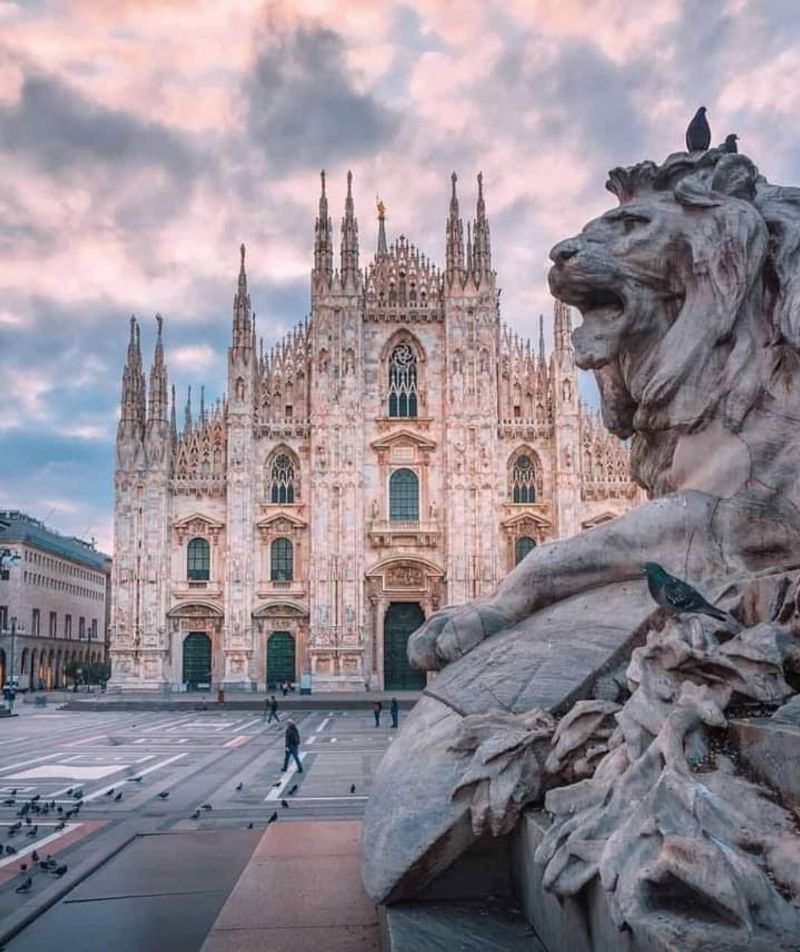
Quietly and without much fuss, Milan has transformed itself into one of Europe’s most formidable concentrations of private wealth. Approximately 115,000 millionaires now call this city home, placing it 11th globally and third among all European cities.
That is a remarkable position for a city that many outsiders still associate mainly with fashion week and risotto.
The growth figures tell an even more compelling story. Milan’s millionaire population jumped roughly 24% between 2014 and 2024, outpacing most of its European rivals.
Banking, insurance, luxury retail, design, manufacturing, media, and professional services all feed wealth into the city from multiple directions at once.
Milan has also started attracting internationally mobile wealthy residents who are drawn by Italy’s tax incentives for new arrivals and the city’s combination of business opportunity and exceptional lifestyle. The food alone could probably close the deal.
What was once simply Italy’s richest business city has grown into something larger. By the measure that matters here, liquid investable wealth held by actual residents, Milan now competes directly with the world’s major financial capitals.
Northern Italy’s economic engine is running at full speed, and the numbers prove it.
Frankfurt, Germany
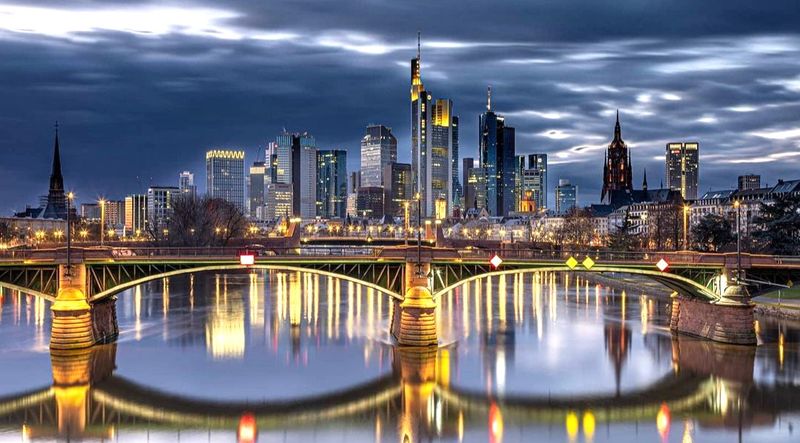
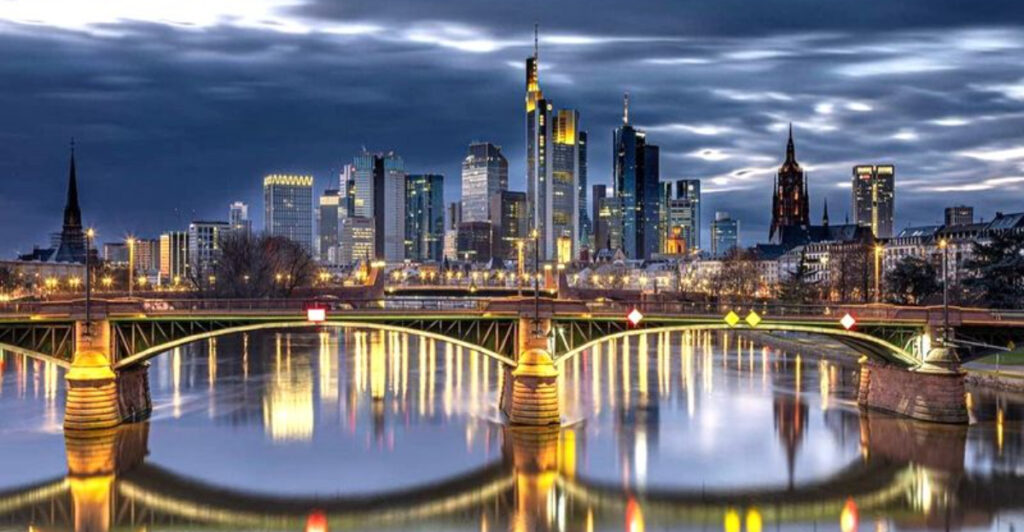
Germany’s financial heartbeat lives in a surprisingly compact city on the banks of the Main River. Frankfurt is home to approximately 80,300 millionaire residents, along with 132 centi-millionaires and 13 billionaires, making it the highest-ranked German city for private wealth concentration.
For a city of its size, that is a genuinely impressive number.
The reason is not hard to find. Frankfurt hosts the European Central Bank, the Deutsche Bundesbank, major commercial lenders, asset managers, insurers, and one of Europe’s most active stock exchanges.
When financial institutions cluster together, wealth tends to follow. The millionaire population grew around 9% from 2014 to 2024, a steady and respectable pace.
Frankfurt will never win a beauty contest against Paris or Milan, and it makes no effort to. Its appeal is purely functional: this is where the money works.
Bankers, fund managers, compliance officers, and financial lawyers fill its glass towers during the week and its restaurants on Friday evenings. The city lacks the glamour of some rivals on this list, but when measured by resident investable wealth, it outranks every other German city without breaking a sweat.
Substance over style, every single time.
Zurich, Switzerland
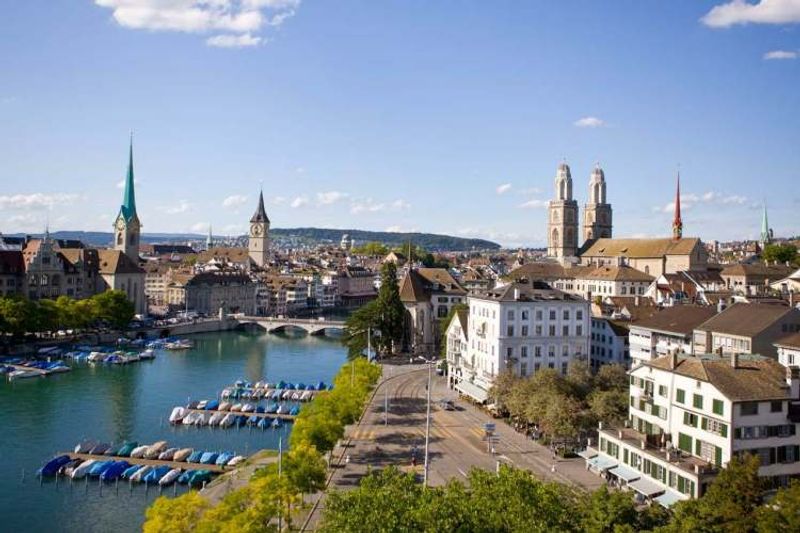
Consider this: the Canton of Zurich is home to roughly 77,800 millionaires, 180 centi-millionaires, and 10 billionaires in a region with a total population that most major cities would consider a slow Tuesday. The concentration of private wealth here, relative to the number of people actually living in the area, is genuinely extraordinary by any global standard.
Switzerland’s banking tradition runs deep, and Zurich sits at the center of it. Wealth management, private banking, asset management, insurance, and international finance have made this city-region one of the most capital-dense places on earth.
The millionaire population grew roughly 10% over the decade through 2024, a solid result in an already saturated market.
High salaries, political stability, a strong currency, low taxes compared to neighboring countries, and a quality of life that consistently tops global rankings all make Zurich a place where wealth does not just arrive but tends to stay. The lake is stunning, the trains run on time, and the financial infrastructure is among the most sophisticated anywhere.
For a region of its modest physical size, the amount of private capital concentrated in and around Zurich is almost difficult to believe until you look at the data.
Geneva, Switzerland
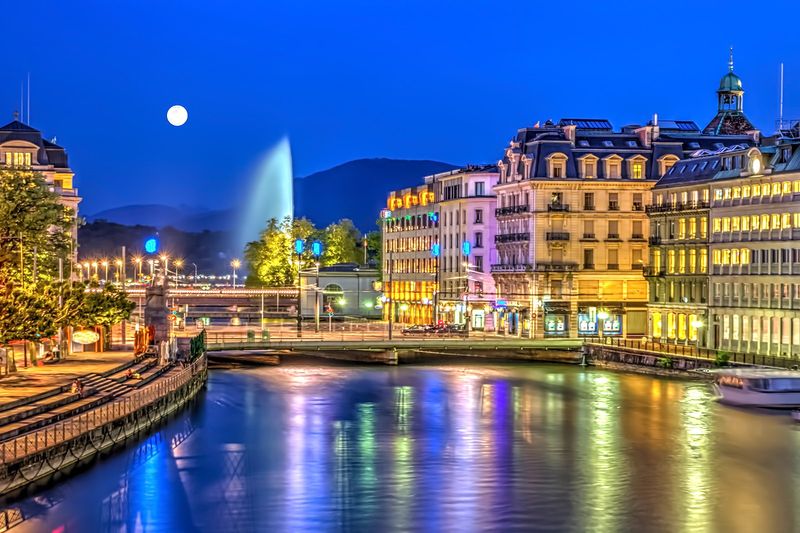
Fewer millionaires than Zurich, but more billionaires and centi-millionaires. Geneva’s wealth profile is skewed sharply toward the ultra-rich in a way that sets it apart from almost every other city in Europe.
Henley counts approximately 70,200 millionaires in the Canton of Geneva, but also 215 centi-millionaires and 14 billionaires. That centi-millionaire figure alone beats Milan, Frankfurt, Zurich, and Munich despite Geneva’s far smaller population.
The millionaire population grew approximately 26% between 2014 and 2024, a faster pace than Zurich and one of the stronger growth rates among European cities in the top tier. Private banking, commodity trading, international organizations, diplomatic missions, and long-established wealth management infrastructure have all contributed to this concentration.
Geneva is, in many ways, a city built around money and diplomacy in roughly equal measure. The United Nations, the Red Cross, the World Health Organization, and dozens of other international bodies base themselves here, creating a permanent population of highly paid international professionals.
Layer private banking and commodity wealth on top of that, and you get one of the densest pockets of global capital anywhere on the planet. Small city, enormous financial footprint.
Munich, Germany
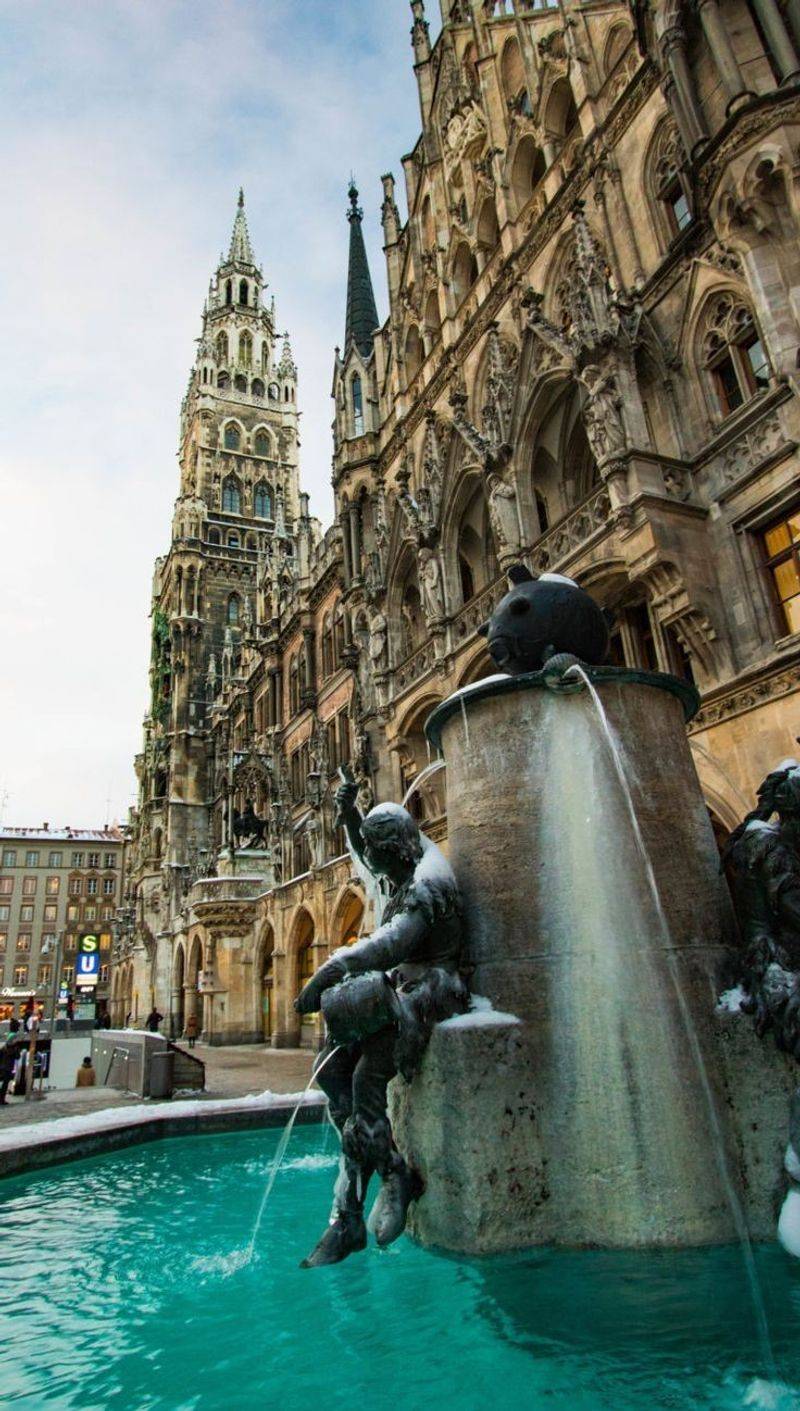
Ask someone to name Germany’s wealthiest city and many will say Frankfurt. They would be wrong, at least by this measure.
Munich trails Frankfurt by millionaire count, but its wealth story is arguably more interesting because it comes from a much more diverse economic base rather than a single dominant sector.
Approximately 69,800 millionaire residents call Munich home, and its population of wealthy people grew roughly 17% between 2014 and 2024. Automobiles, engineering, insurance, technology, electronics, media, and advanced manufacturing all generate substantial executive and entrepreneurial fortunes across the city and its surrounding region.
Living in Munich also helps explain why wealthy people choose to stay. The Bavarian capital offers high-end neighborhoods, excellent schools, strong corporate employment, easy access to the Alps for skiing and hiking, and a quality of life that regularly appears near the top of global liveability rankings.
It is a place where people with money find it very easy to spend it well. The beer gardens are world-famous, the architecture is impressive, and the business connections run deep.
Munich has quietly built one of Europe’s most durable and well-rounded wealth ecosystems, one solid industry at a time.
Rome, Italy
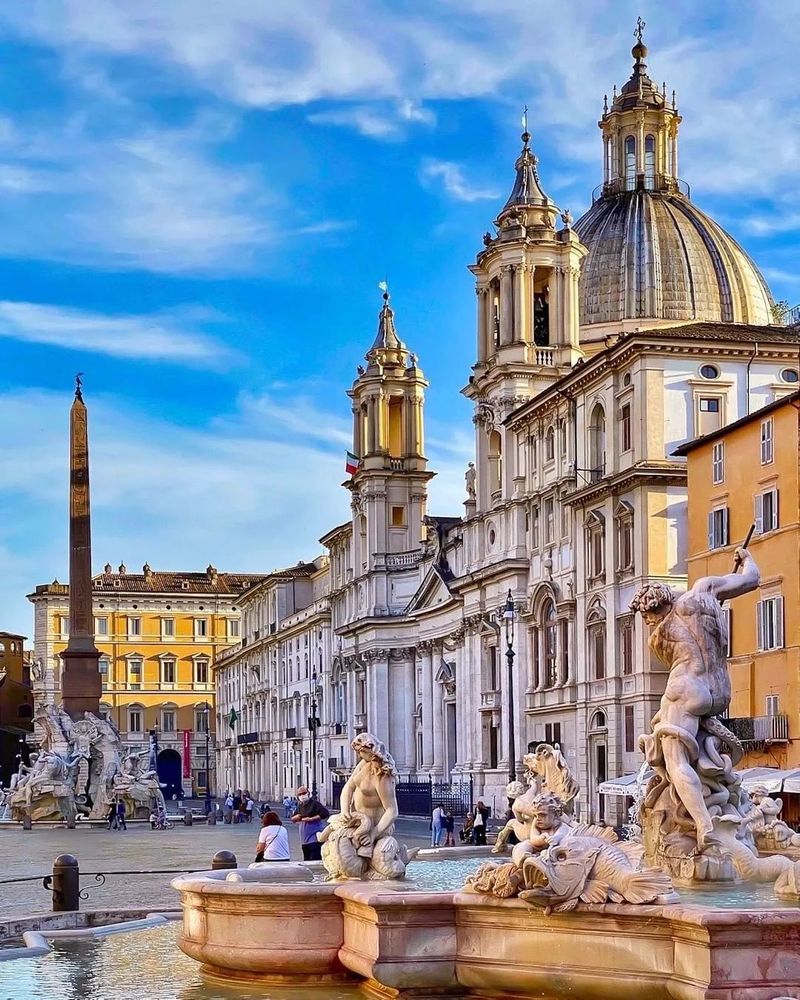
Ancient ruins and government ministries dominate Rome’s reputation, but the city has a financial side that rarely gets the attention it deserves. Henley counts approximately 51,800 millionaire residents, along with 83 centi-millionaires and nine billionaires, placing Rome firmly among Europe’s leading wealth centers even if it rarely appears on the typical finance industry map.
The millionaire population grew around 9% over the decade to 2024. Rome’s wealth draws from a genuinely mixed pool: established family fortunes, property holdings, professional services, media companies, government-linked industries, luxury businesses, and the enormous tourism economy that flows through the city year-round.
The gap between Rome and Milan tells its own story about how Italian wealth has organized itself geographically. Milan sits far ahead, reflecting the north’s dominance in modern Italian business.
Rome’s strengths lie more in institutional wealth, old money, and the economic activity generated by being the capital of a G7 nation. More than 50,000 millionaire residents is nothing to dismiss lightly, and the Eternal City earns its place on this list.
History might be Rome’s most famous export, but private capital has been accumulating here for a very long time too.
Amsterdam, Netherlands
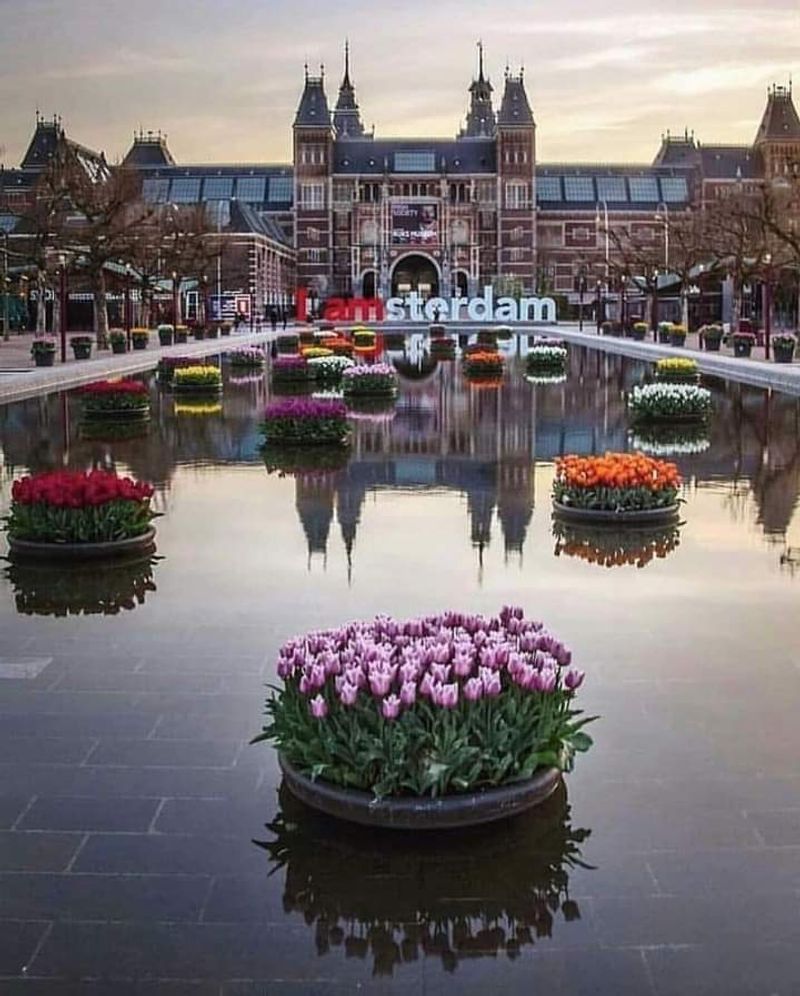
Few cities of Amsterdam’s physical size have managed to pack in quite so much financial firepower. Approximately 46,100 millionaires live in the Dutch capital, and that number grew by roughly 32% between 2014 and 2024, one of the strongest growth rates among major Western European cities over that period.
For a city often celebrated for its cycling culture and canal houses, those figures carry serious weight.
Amsterdam’s wealth engine runs on a broad mix of finance, technology, global trade, multinational headquarters, logistics, professional services, and a startup scene that has produced some genuinely significant companies. The Netherlands has centuries of experience in international commerce and capital markets, and Amsterdam remains the country’s central business hub by a comfortable margin.
Several major global corporations have their European or global headquarters in or near Amsterdam, drawn by the country’s favorable tax environment, English-speaking workforce, and exceptional connectivity. The city’s compact geography makes its concentration of wealthy residents particularly striking when you calculate wealth per square kilometer.
Amsterdam proves, convincingly, that you do not need to be a sprawling metropolis to build a serious pool of private capital. You just need the right industries, the right policies, and apparently very good coffee.
Madrid, Spain
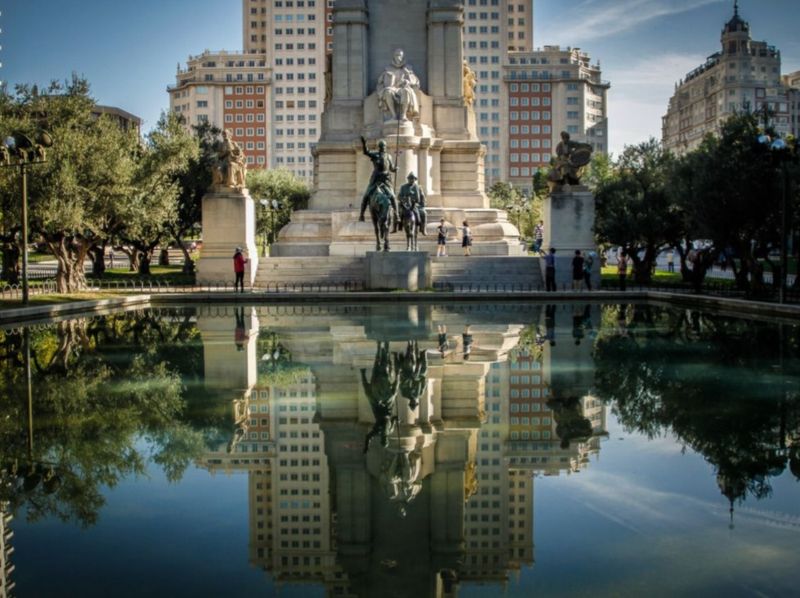
Spain’s capital brings approximately 34,900 resident millionaires to the table in the 2025 Henley ranking. Growth over the previous decade was comparatively modest at around 5%, but Madrid’s position as the business and administrative center of one of Europe’s largest economies gives it a structural advantage that numbers alone do not fully capture.
Banking, corporate headquarters, professional services, real estate, and generational family wealth all contribute to Madrid’s millionaire count. The city serves as the command center for many of Spain’s biggest companies and financial institutions, creating a steady pipeline of executive and entrepreneurial wealth that keeps the total figure respectable.
Madrid has also attracted growing interest from international high-net-worth individuals who want Mediterranean lifestyle without paying Monaco prices. The climate is excellent, the food scene is genuinely world-class, flights connect to virtually everywhere, and property remains more affordable than in comparable European capitals.
That combination has made Madrid increasingly competitive as a destination for wealthy relocation, particularly from Latin America and among digital nomads with serious financial portfolios. The gap between Madrid and the top European cities is wide, but the Spanish capital is working with real strengths that should keep its millionaire population growing steadily in the years ahead.
Vienna, Austria
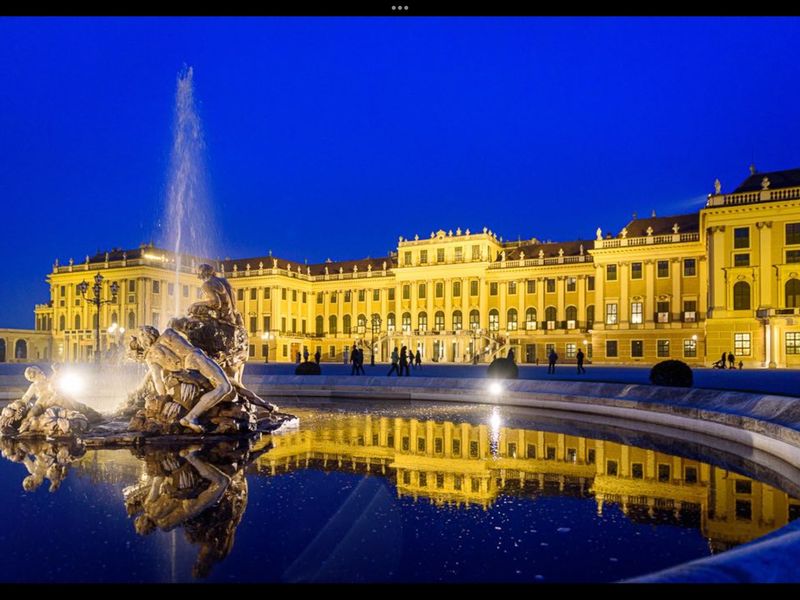
Vienna carries a kind of old-world financial gravitas that younger cities simply cannot replicate. Approximately 31,500 millionaire residents call the Austrian capital home, and that figure grew by roughly 20% between 2014 and 2024, one of the more impressive growth rates among the cities in the lower half of this list.
Austria’s capital combines traditional family wealth with modern finance, industrial ownership, professional services, and strong business connections across Central and Eastern Europe. Vienna sits at a geographic crossroads that gives it economic reach well beyond Austria’s own borders, particularly into markets that Western European cities find harder to access directly.
The city’s appeal to wealthy residents is straightforward and hard to argue with. Extensive public services, world-class cultural institutions, historic architecture, excellent healthcare, and one of Europe’s most established luxury property markets make Vienna a genuinely comfortable place to be rich.
It consistently ranks among the most liveable cities in the world, and wealthy people notice. Vienna is not trying to be the next Frankfurt or London.
It has its own financial identity, built on stability, discretion, and a long history of managing money quietly and effectively. For wealth that prefers calm to chaos, Vienna is close to perfect.
Moscow, Russia
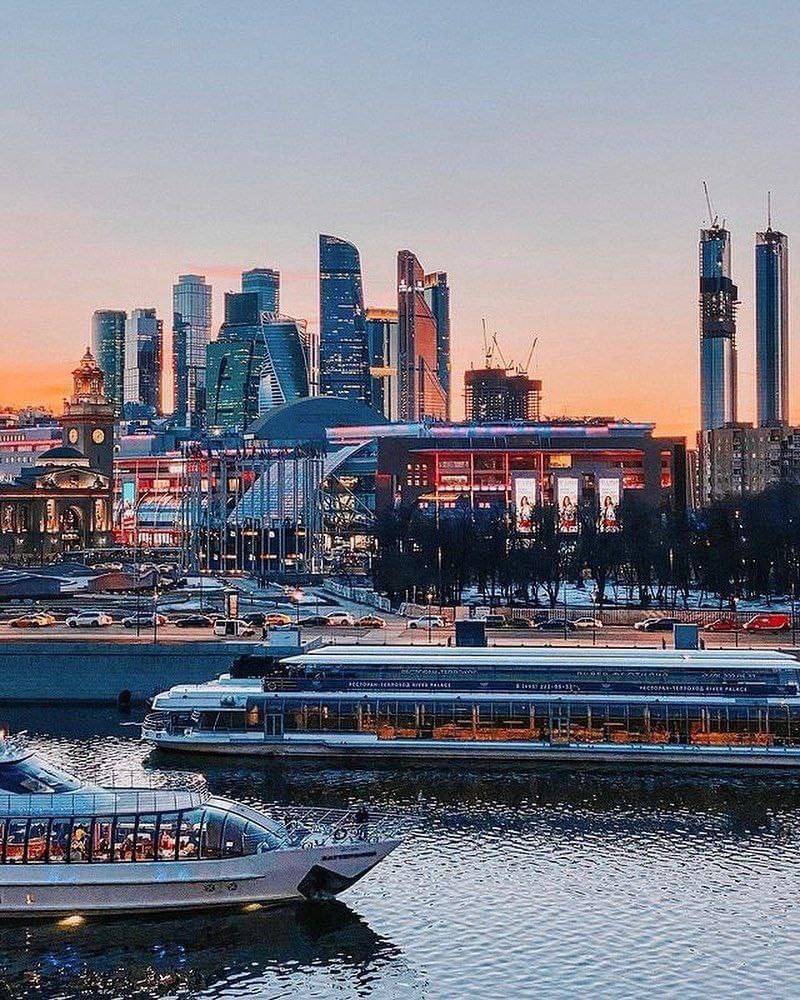
The numbers here tell a story that is hard to find anywhere else on this list. Moscow has approximately 30,000 millionaire residents, which already sounds impressive until you notice that among them are 178 centi-millionaires and 23 billionaires.
That ratio of ultra-wealthy individuals to ordinary millionaires is extraordinary and reflects how concentrated Russian private wealth has historically been at the very top.
The broader trend, however, points sharply downward. Moscow’s millionaire population fell approximately 25% between 2014 and 2024, the steepest decline of any European city in the global top 50.
Sanctions, geopolitical disruption, capital relocation, and emigration by wealthy residents have fundamentally reshaped the city’s private-wealth landscape over the past decade.
Some of that wealth has moved to Dubai, Abu Dhabi, Istanbul, and other cities willing to accept Russian capital. What remains in Moscow is still substantial by most measures, but the trajectory is unlike any other city on this list.
Even after significant losses, the concentration of billionaire and centi-millionaire wealth keeps Moscow in the conversation among Europe’s major private-wealth centers. It is a city where the headline millionaire figure understates the true scale of wealth sitting at the very top of the pyramid.
Berlin, Germany
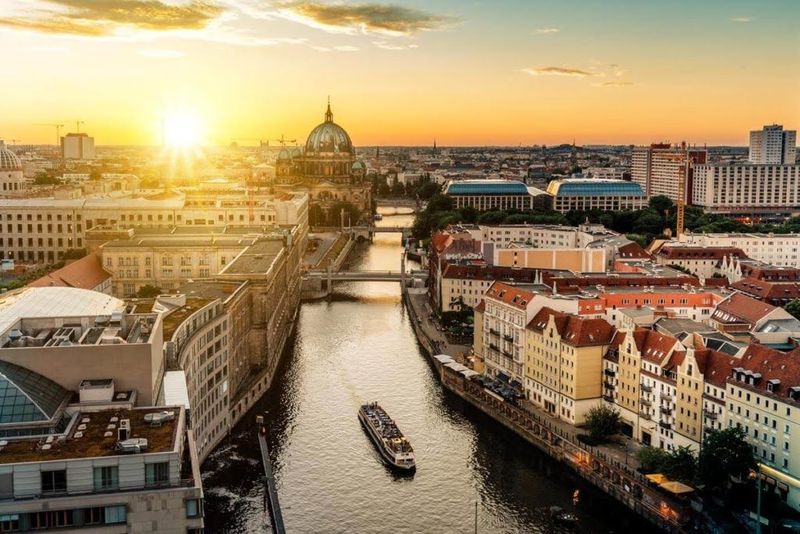
Berlin closes the list, but its trajectory deserves more attention than its current ranking suggests. Approximately 28,400 millionaires now live in the German capital, and that number grew by about 25% between 2014 and 2024, a genuinely impressive rate that puts Berlin among the faster-growing wealth centers in Western Europe over that period.
The city’s economy looks nothing like Frankfurt’s finance-heavy model or Munich’s corporate-industrial machine. Technology startups, creative industries, media companies, research institutions, professional services, and a rapidly appreciating property market have become the primary wealth generators in Berlin over the past decade.
Several significant tech companies have roots or major operations here, and the startup funding scene has produced a growing number of entrepreneurs with serious paper wealth.
Berlin spent much of its post-reunification history as one of Western Europe’s more affordable major capitals, a reputation it has been steadily shedding. Property prices have climbed sharply, rents have followed, and the city now attracts internationally mobile professionals who once would have chosen Amsterdam or Paris.
It is still younger and scrappier than most cities on this list, but Berlin’s direction of travel is clear. The money is arriving, the infrastructure is improving, and the millionaire count keeps climbing.
Share this story