Some trips are about relaxing on a beach or browsing museums. But for sports fans, the best vacations are built around stadiums, traditions, and the kind of atmosphere you simply cannot get from watching a game on television.
America has no shortage of incredible sports destinations, and the cities on this list offer experiences that go far beyond just buying a ticket and finding your seat. Whether you love baseball, football, racing, or just want to understand why millions of people are obsessed with a particular team or venue, these 15 cities deliver the real thing.
From century-old ballparks to record-breaking racetracks, each stop on this list gives you a genuine reason to plan your next trip around sports.
Yankee Stadium, New York, New York
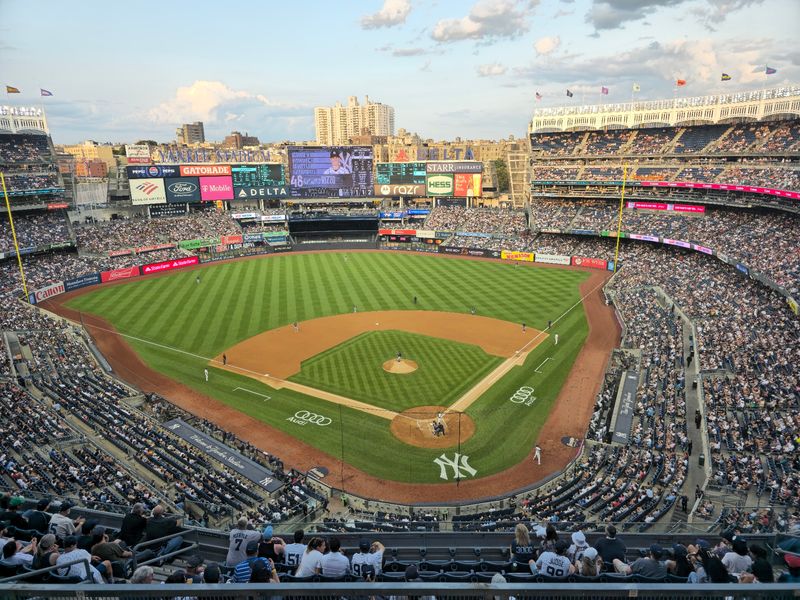
Few sports addresses carry as much weight as Yankee Stadium in the Bronx. The current ballpark opened in 2009, but it carries the full legacy of one of the most celebrated franchises in American sports history.
Championship banners, retired numbers, and Monument Park connect every modern game to a lineage stretching back more than a century.
Official stadium tours run throughout the season and off-season, giving fans access to the Yankees Museum, the dugout area, and other sections of the ballpark. Single-game tickets for the 2026 season are available through the team’s official site.
What makes New York especially compelling for sports travelers is the sheer volume of options surrounding a Yankees visit. A baseball weekend here can easily expand into a broader New York sports experience involving other venues, neighborhoods, and iconic moments from American athletic history.
Fenway Park, Boston, Massachusetts
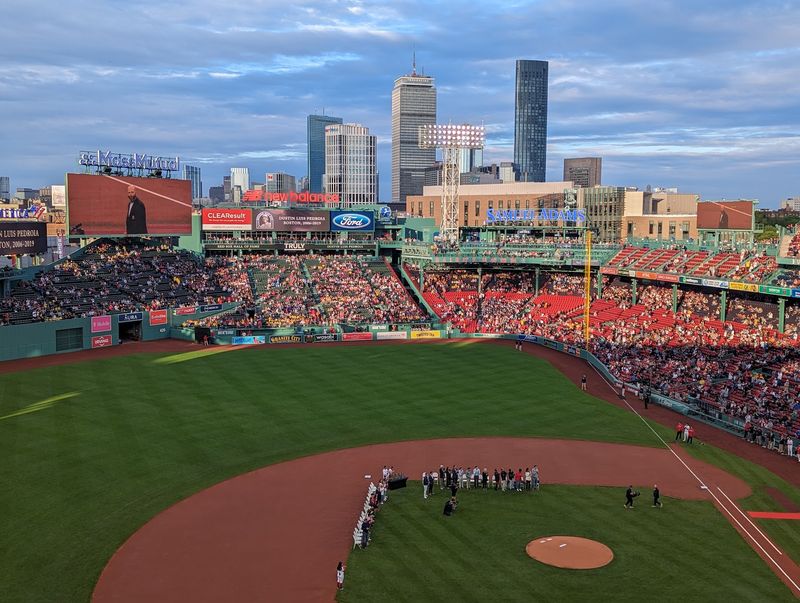
Opened in 1912, Fenway Park is the oldest active Major League Baseball ballpark in the country, and it genuinely looks and feels the part. The Green Monster looming over left field, the manual scoreboard, the narrow concourses, and the tight seating layout all remind you that this place was built long before the era of retractable roofs and giant video boards.
The Red Sox continue to play their full home schedule here, with 2026 single-game tickets available through official channels. Stadium tours operate even on non-game days, making Fenway accessible to fans who want to explore without the full game-day crowd.
Boston adds another layer to the experience. The city has one of the strongest sports cultures in the country, and Fenway sits right in the middle of it.
Walking the surrounding neighborhood before a game is part of the tradition, not just an afterthought.
Wrigley Field, Chicago, Illinois
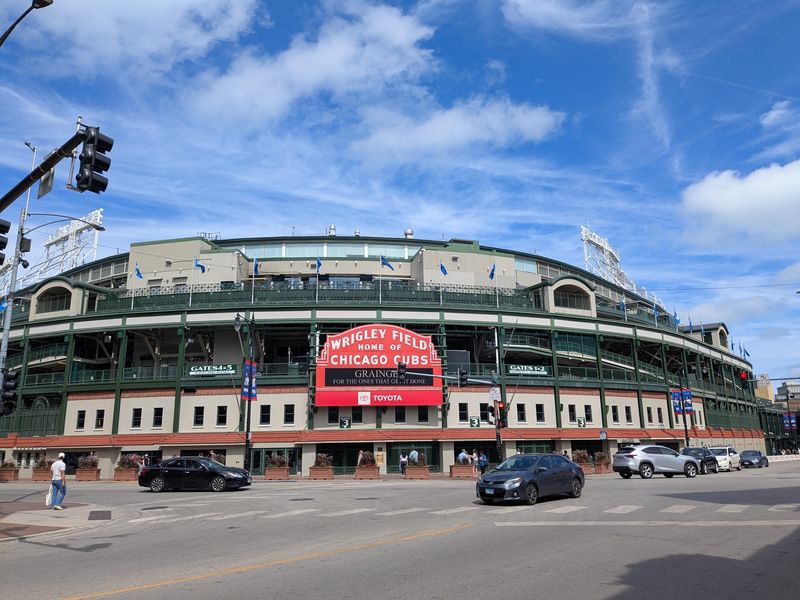
Built in 1914, Wrigley Field has been the Cubs’ home for more than a century, and the neighborhood wrapped around it has grown into a sports destination in its own right. The ivy-covered outfield walls and hand-operated scoreboard are details you notice immediately, and they have not been replaced to look more modern.
That is a deliberate choice, and it works.
The Cubs are actively playing there, with 2026 tickets on sale and current game-day information available through the club’s official website. Wrigley also hosts concerts and other events throughout the year.
Arriving early and walking through Wrigleyville before the first pitch is genuinely worth the extra time. Bars, restaurants, and rooftop bleachers line the streets surrounding the stadium, creating an atmosphere that extends well beyond the outfield walls.
Chicago sports culture is layered and intense, and Wrigley sits at the center of all of it.
Lambeau Field, Green Bay, Wisconsin
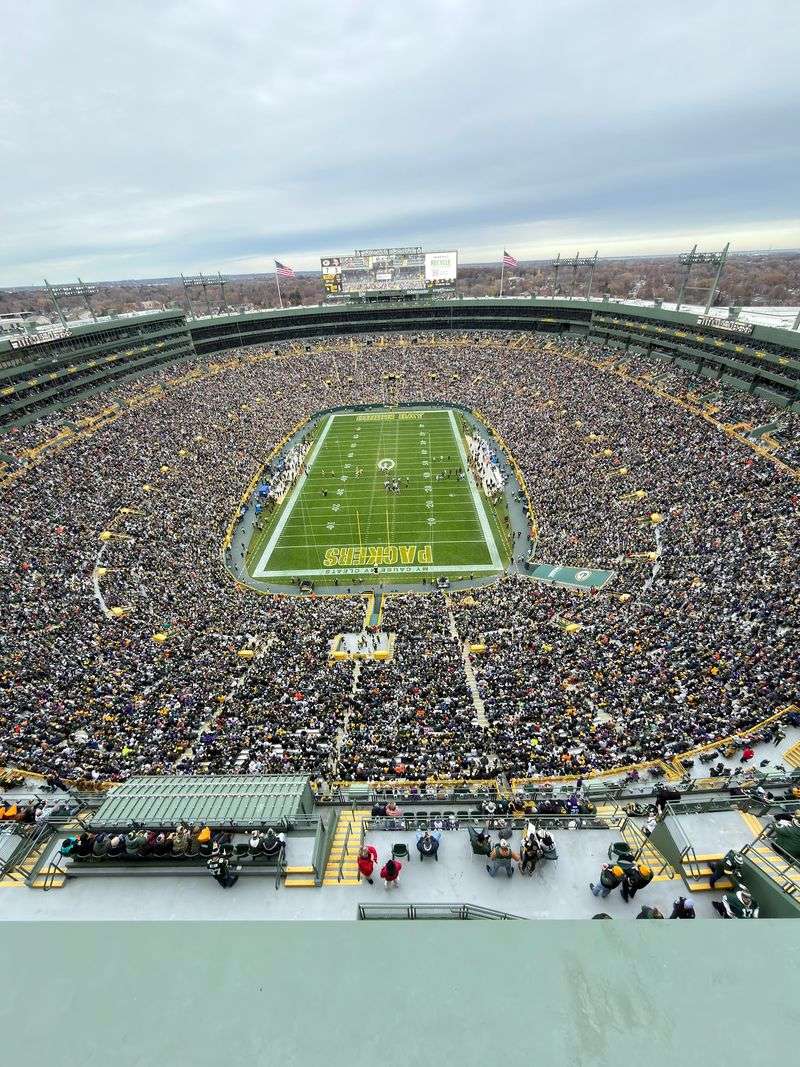
Green Bay is not a major metropolitan city, and that is exactly what makes Lambeau Field so unusual. The Packers are community-owned, the fan base is multigenerational, and the stadium itself has been at the heart of that relationship since 1957.
There is a sense of football loyalty here that you simply do not find in most NFL markets.
The team continues to play its full home schedule at Lambeau, with 2026 season information available through the Packers’ official site. Year-round tours of the facility are also offered, covering the field, the locker room area, and the team’s extensive history.
A cold-weather game in Green Bay is often described as a defining NFL experience, but the atmosphere holds up even in milder conditions. The tailgating culture, the surrounding community, and the sheer history of the venue make this one of professional football’s most genuine destinations for anyone serious about understanding the sport.
Dodger Stadium, Los Angeles, California
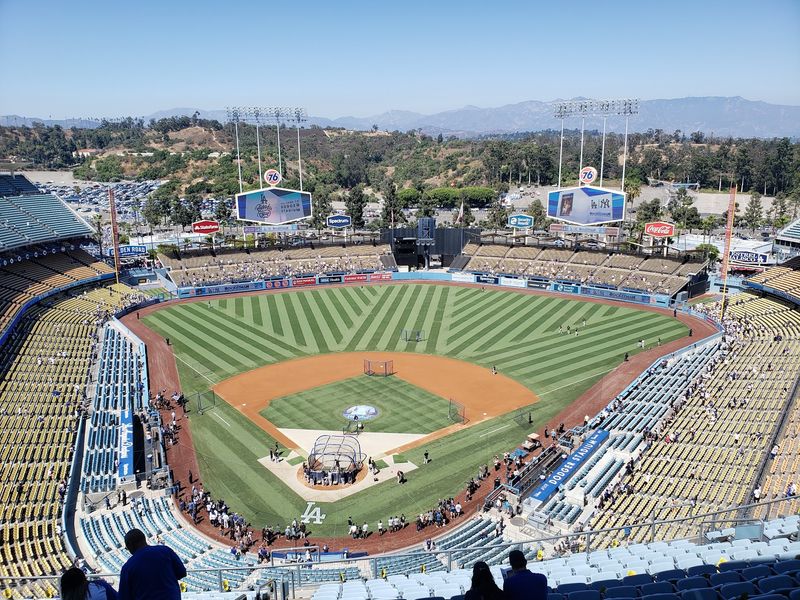
Opened in 1962, Dodger Stadium ranks as MLB’s third-oldest active ballpark, behind only Fenway and Wrigley. Its hillside location gives it a setting that newer stadiums cannot replicate, with views of the surrounding hills and an open-air design that feels distinctly California.
The architecture is clean and classic without trying to look retro.
The Dodgers continue to operate the stadium for home games and tours, with current visitor information and 2026 ticket options available through the team’s official channels. The club’s recent run of success has also made game-day energy noticeably stronger in recent seasons.
Evening games here have a particular appeal. As the Southern California light fades and the stadium lights take over, the setting shifts in a way that photographs rarely capture accurately.
Los Angeles has no shortage of professional sports, but Dodger Stadium has a character that sets it apart from the city’s newer venues and makes it worth prioritizing on any West Coast sports trip.
Oracle Park, San Francisco, California
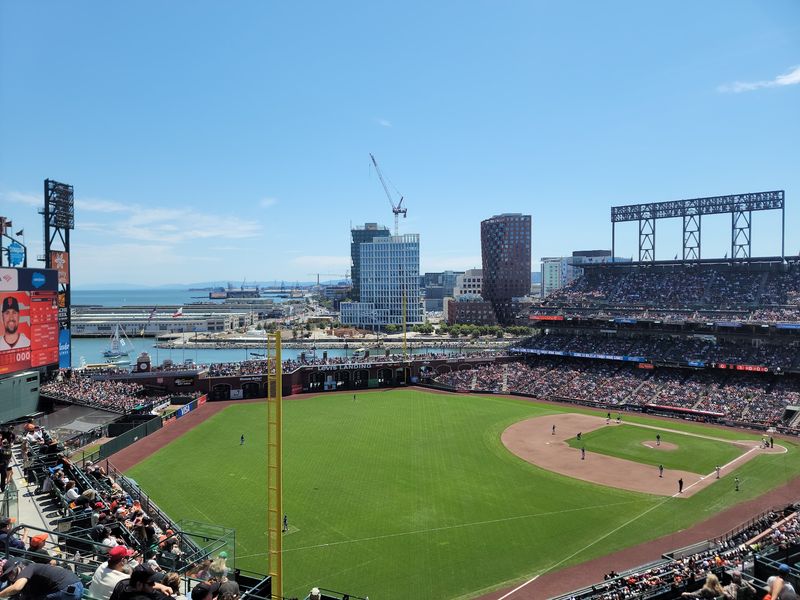
McCovey Cove is not just a clever marketing concept. It is a genuine feature of Oracle Park that changes how fans experience the game.
Kayakers and boaters gather in the water beyond right field before and during games, hoping to retrieve a home run ball that clears the fence and splashes into the bay. No other MLB stadium offers anything quite like it.
The Giants continue to play their full home schedule at Oracle Park, with 2026 tickets and events available through official team channels. The Willie Mays statue outside the park and the World Champions Walk add historical weight to a venue that already benefits from one of the best urban settings in baseball.
San Francisco’s waterfront location gives the park a backdrop that makes even a quiet Tuesday night game feel like an occasion. Baseball fans who appreciate setting as much as scoreboard outcomes tend to rank Oracle Park among their favorites after visiting.
PNC Park, Pittsburgh, Pennsylvania
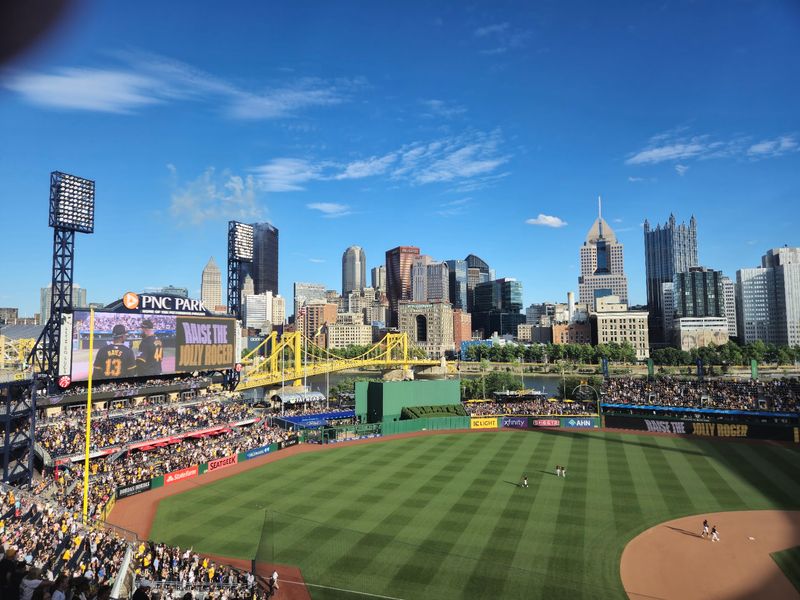
PNC Park opened in 2001, which makes it one of the younger stadiums on this list, but it earned its reputation quickly. The riverfront location gives the outfield a direct view of downtown Pittsburgh and the Allegheny River, creating one of the most visually striking backdrops in professional baseball.
On a clear night, the city skyline beyond the fence is genuinely hard to beat.
The Pirates maintain an active 2026 schedule, confirming PNC Park as a current operating MLB venue. MLB’s own stadium guides have consistently highlighted the park’s setting and design as standout features among modern ballparks.
Walking across the Roberto Clemente Bridge from downtown before a game is a ritual for many visiting fans, and for good reason. The approach from the city side gives you a full view of the stadium before you ever reach the gate.
Pittsburgh also has deep football and hockey traditions, so a sports weekend here rarely runs out of things to do.
Lincoln Financial Field, Philadelphia, Pennsylvania
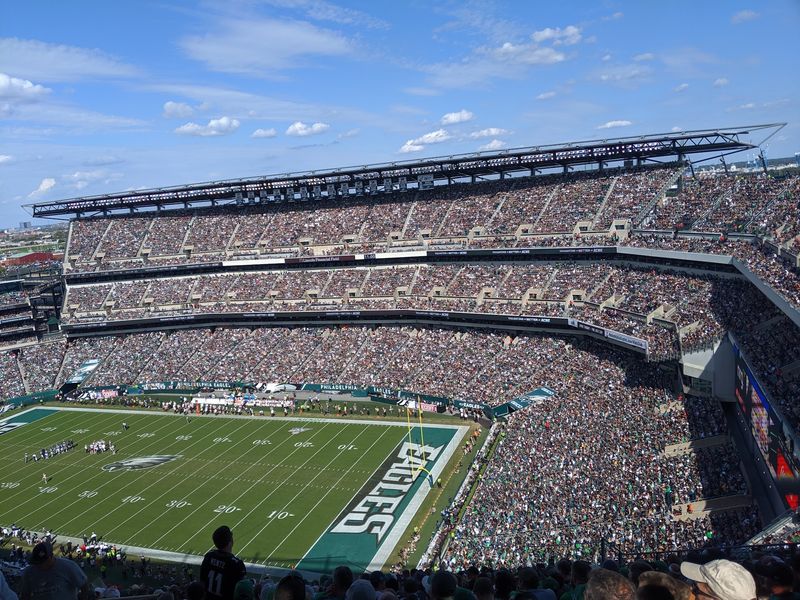
Philadelphia’s sports culture has a specific intensity that is hard to describe accurately without experiencing it firsthand. An Eagles game at Lincoln Financial Field is one of the clearest ways to feel it.
The crowd is loud, committed, and knowledgeable, and the tailgating scene in the South Philly Sports Complex parking areas begins hours before kickoff.
The Eagles’ official 2026 schedule lists multiple regular-season home games at the stadium, confirming it as an active NFL venue. The surrounding sports complex places the stadium close to Citizens Bank Park and Wells Fargo Center, creating one of the most concentrated professional sports districts in the country.
For visitors who want a game-day environment built around real fan passion rather than polished entertainment production, Philadelphia delivers consistently. The noise, the tailgating, and the crowd investment in the outcome make this one of the most memorable atmospheres in professional football, regardless of which teams are playing.
Pro Football Hall of Fame, Canton, Ohio
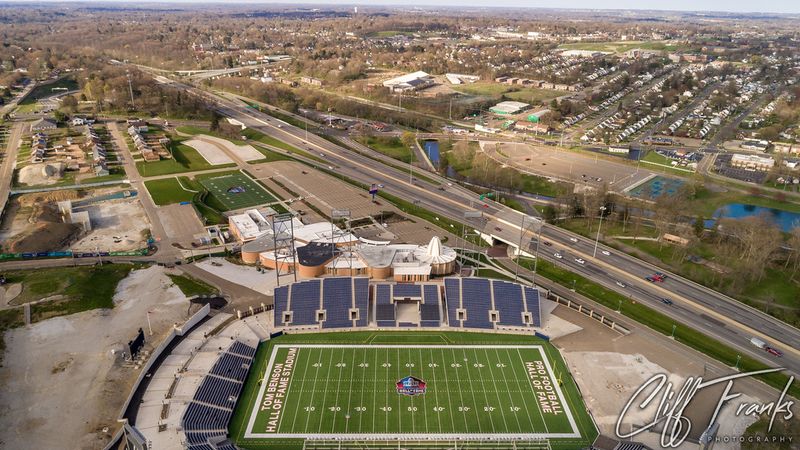
Not every great sports destination requires a live game. Canton’s Pro Football Hall of Fame offers something that no stadium can provide: a complete, curated history of professional football organized across exhibits, galleries, and interactive installations.
For longtime NFL followers, it is the kind of place where a planned two-hour visit regularly turns into a four-hour stay.
The museum remains open and operating, with published 2026 visitor hours and admission details available through the Hall’s official website. Exhibits cover legendary players, landmark games, championship seasons, historic equipment, and the coaches and executives who shaped the modern game.
Canton also hosts the annual enshrinement ceremony and the Hall of Fame Game, which marks the unofficial start of each NFL season. If your sports travel is motivated by history and context rather than just attending live events, this stop belongs near the top of your planning list.
Few places in American sports tell a more complete story.
Indianapolis Motor Speedway, Indianapolis, Indiana
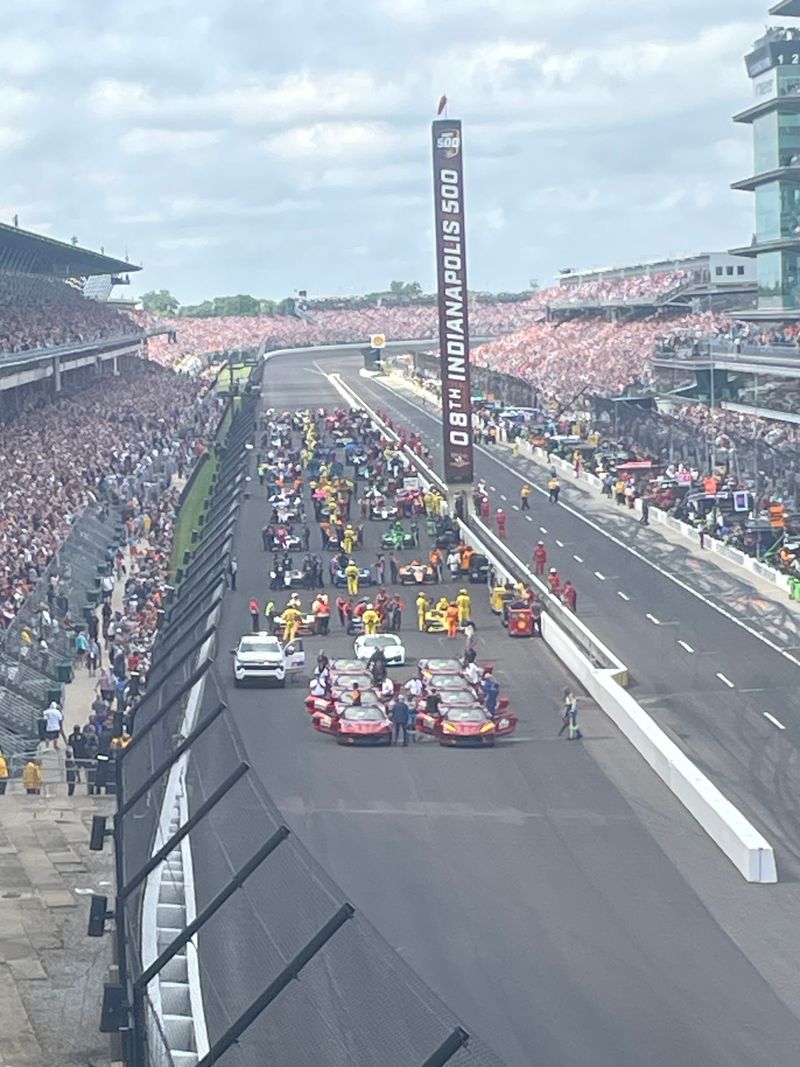
The Indianapolis 500 is one of the oldest and most recognized motorsports events in the world. The 2026 running marked the 110th edition of the race, a number that puts into perspective just how long this event has been part of American sports culture.
Even fans who rarely watch auto racing tend to know what the Indy 500 is.
Indianapolis Motor Speedway’s official 2026 calendar extends well beyond May, including NASCAR’s Brickyard weekend, IMSA competition, vintage racing events, and other motorsports programming throughout the year. The speedway’s IMS Museum also operates on-site, offering exhibits on racing history and significant vehicles from past competitions.
The sheer scale of the facility is something that photographs do not communicate well. The infield alone is large enough to contain several major sporting venues.
For someone whose sports experience is mostly built around stadiums and arenas, standing at the edge of that oval for the first time tends to leave a lasting impression.
AT&T Stadium, Arlington, Texas
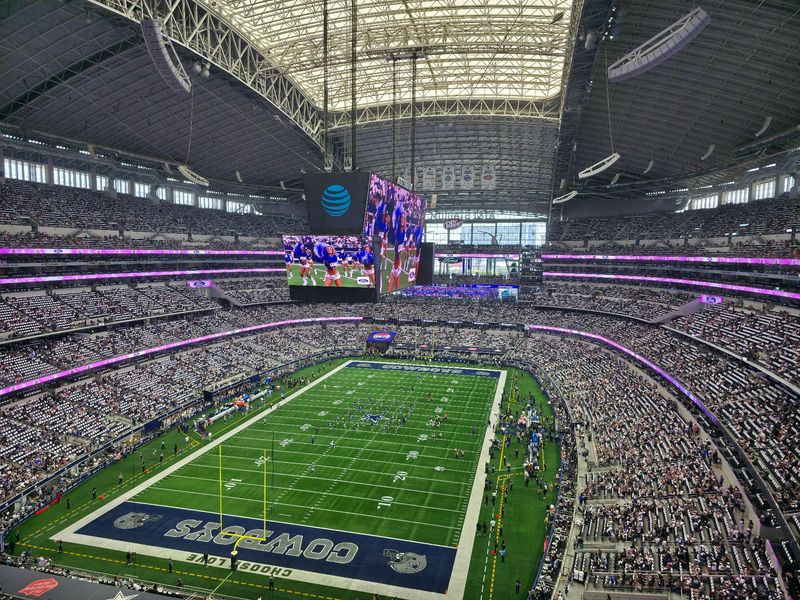
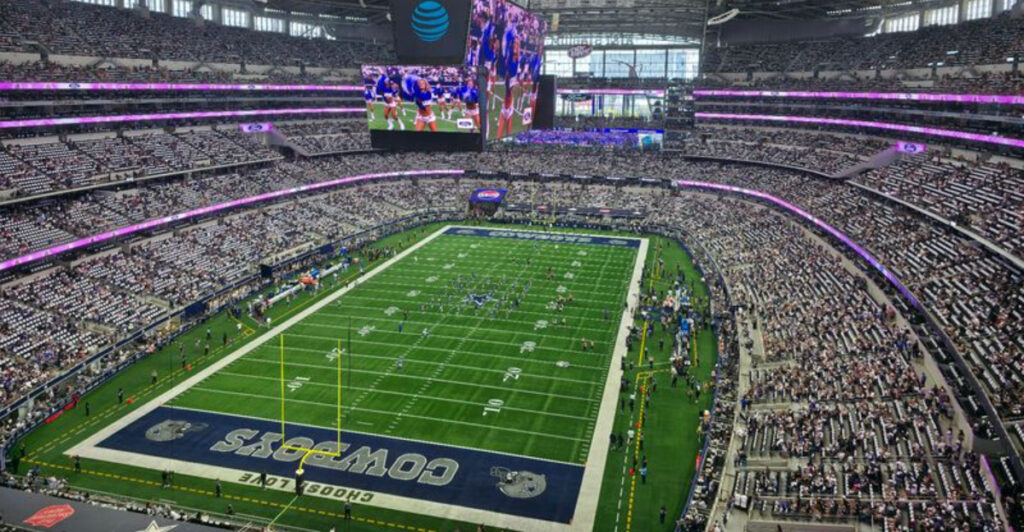
AT&T Stadium was built to be impossible to ignore, and it succeeds on that goal. The Dallas Cowboys’ home in Arlington is one of the largest domed stadiums in the world, and the center-hung video board above the field remains one of the most talked-about features in American sports architecture.
The numbers behind the building are genuinely staggering.
The stadium continues to operate as a major multipurpose venue, hosting Cowboys games alongside college football, concerts, Monster Jam, and other large-scale events throughout the year. Official stadium tours run regularly, giving fans access to areas beyond the standard spectator sections, including field-level access and suite areas.
For fans who appreciate the modern, high-production side of professional sports rather than the historic and nostalgic side, Arlington is a strong destination. It represents a very different vision of what a sports venue can be compared to places like Fenway or Wrigley, and that contrast is part of what makes visiting both ends of the spectrum worthwhile.
Arrowhead Stadium, Kansas City, Missouri
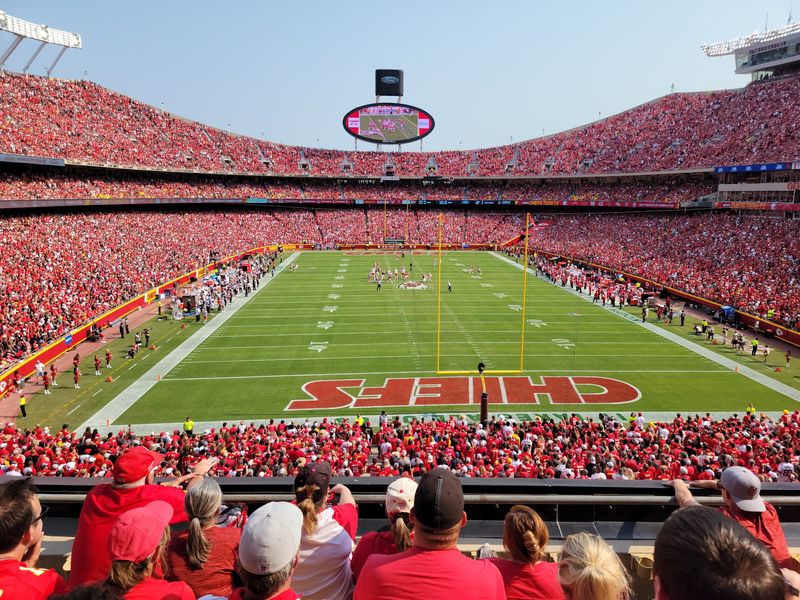
Arrowhead Stadium has held a Guinness World Record for crowd noise, which tells you something useful about what attending a Chiefs game actually feels like. The atmosphere is built from a combination of a deeply loyal fan base, a strong tailgating culture in the surrounding parking areas, and a stadium that was designed to amplify crowd sound rather than absorb it.
The Chiefs’ official 2026 schedule lists preseason and regular-season home games at the stadium throughout the year. Tickets are in consistent demand, so planning ahead is practical advice rather than a generic reminder for this particular venue.
Kansas City’s barbecue culture makes the destination work on multiple levels for traveling sports fans. Spending the afternoon at one of the city’s well-regarded barbecue spots before heading to the stadium is a reasonable way to structure the day.
The game is the main event, but Kansas City gives you genuinely good reasons to arrive early and stay late.
Lumen Field, Seattle, Washington
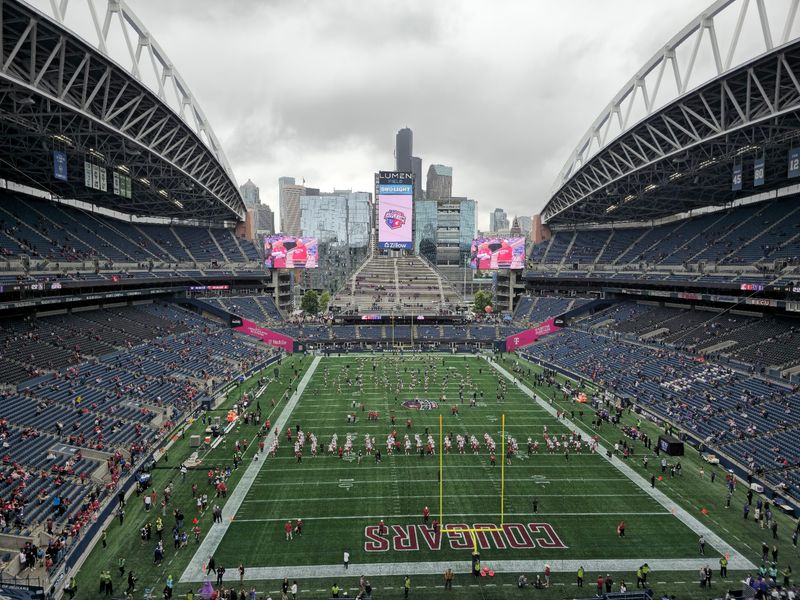
Seattle’s football culture is built around crowd noise, and Lumen Field is the structure that focuses it. The stadium’s partially covered design traps sound in a way that has made Seahawks home games some of the loudest in professional football.
Visiting teams have consistently struggled there, and the crowd’s role in that is not accidental.
The Seahawks’ official 2026 schedule confirms multiple current home games at Lumen Field. The stadium’s location near downtown Seattle also makes it easier to combine a game with time in the city, since the waterfront, Pike Place Market, and other well-known Seattle destinations are all within reasonable distance.
Seattle also supports major-league baseball with the Mariners playing at T-Mobile Park nearby, which means a well-timed trip can include more than one sporting event. Football is the bigger draw at Lumen Field, but the city’s overall sports calendar gives visitors flexibility when planning a full sports weekend in the Pacific Northwest.
Busch Stadium, St. Louis, Missouri
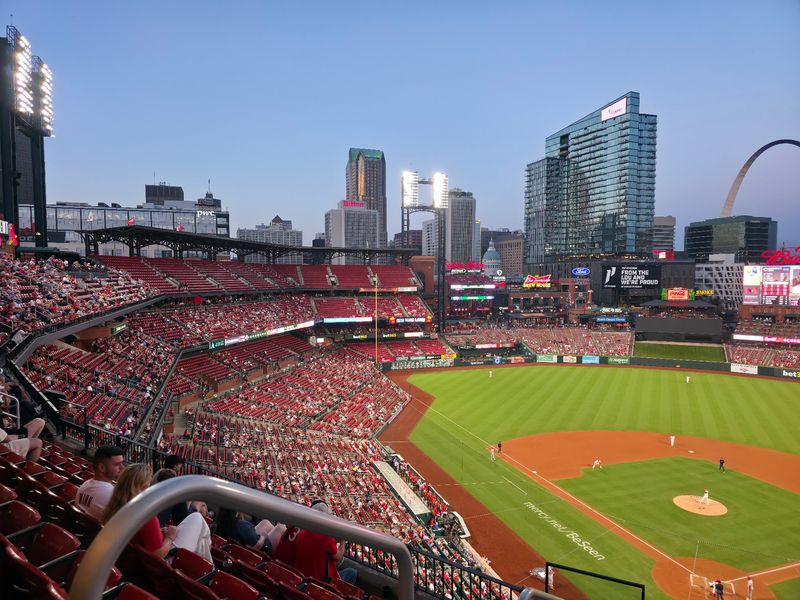
St. Louis takes its baseball seriously in a way that sets it apart from most other MLB cities. The Cardinals have 11 World Series championships, and the fan base carries that history with genuine pride.
Walking into Busch Stadium, which opened in 2006, you get the sense that baseball here is less a seasonal entertainment option and more a year-round civic identity.
MLB’s updated 2026 guide highlights both the stadium and the surrounding Ballpark Village, which sits directly adjacent to the park and offers restaurants and sports-focused entertainment before and after games. The Cardinals Hall of Fame and Museum provides an additional stop for fans interested in the team’s long history.
The Gateway Arch appearing beyond the outfield wall is one of American baseball’s most recognizable visual combinations, and it reinforces the feeling that you are watching a game somewhere with a distinct sense of place. St. Louis is one of those cities that rewards sports travelers who take the time to understand the local culture.
Coors Field, Denver, Colorado
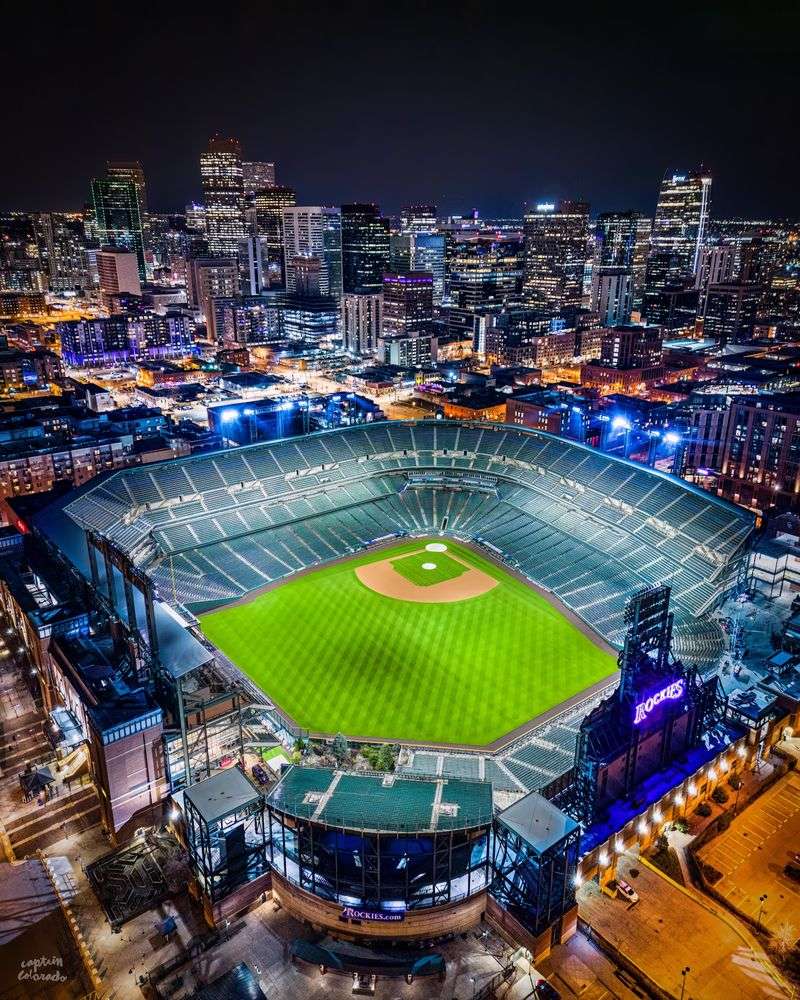
Denver’s elevation gives baseball at Coors Field a reputation unlike any other MLB venue. The thin air at more than 5,000 feet above sea level affects how the ball travels, and the Rockies have built their roster and strategy around that reality for decades.
You do not need to understand the physics to notice that offense tends to happen here at a higher rate than most parks.
The Rockies’ official 2026 schedule and ballpark information list games, tours, dining options, and visitor services at the stadium. Coors Field’s downtown location in the LoDo neighborhood makes it straightforward to build an evening around the game without needing to drive far for food or entertainment.
Colorado itself adds a dimension that few other baseball cities can match. A sports trip to Denver can naturally expand into mountain scenery, hiking, or broader exploration of the state, giving non-sports members of your travel group genuine reasons to enjoy the destination even when they are not at the ballpark.
Share this story