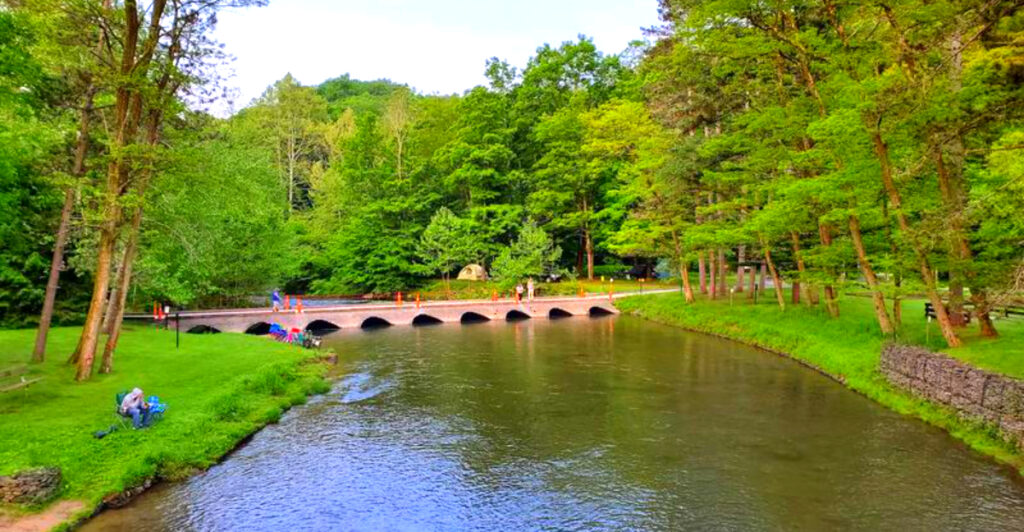
Hidden deep in Pennsylvania’s forested Potter County is a quiet 132-acre state park with a history that sounds more like historical fiction. In 1852, internationally celebrated Norwegian violinist Ole Bornemann Bull purchased more than 11,000 acres here and attempted to create an immigrant colony called New Norway, complete with settlements, mills, schools, cabins – and plans for a grand home overlooking the valley.
It didn’t last. Problems with the land purchase, brutal winter conditions, poor farmland, dwindling supplies, and a promised railroad that never materialized helped unravel Bull’s ambitious experiment within roughly two years. His planned “castle” was never completed, but remnants of its stonework remain at Ole Bull Vista, where hikers can still climb above the Kettle Creek Valley and stand where the famous musician once imagined his Pennsylvania utopia.
Today, Ole Bull State Park is considerably more peaceful than its turbulent history suggests. Visitors come for trout-filled Kettle Creek, a sandy swimming beach, camping, dark skies, and direct access to the 85-mile Susquehannock Trail System. The park is free to enter, cell service can disappear before you even arrive, and the surrounding Susquehannock State Forest makes its modest 132 acres feel far more remote.
Here’s why Ole Bull State Park is one of Pennsylvania’s strangest historical hidden gems – and how one famous violinist’s spectacularly failed dream left behind a wilderness escape worth seeking out.
Where to Find This Hidden Corner of Pennsylvania
The address is 31 Valhalla Lane, Cross Fork, PA 17729, and that name alone should tell you something about the spirit of this place. Ole Bull State Park sits along PA Route 144 in Potter County, tucked into the Kettle Creek Valley about 18 miles south of Galeton and 26 miles north of Renovo.
The surrounding region is part of what locals proudly call Pennsylvania’s Black Forest, a nickname earned by the dense tree cover, steep ridgelines, and genuinely wild character of the landscape. The park’s 132 acres feel small at first glance, but the Susquehannock State Forest wraps around it on all sides, stretching the wilderness far beyond the park boundary.
Cell service disappears well before you reach the entrance, so downloading an offline map before leaving home is a practical move. The nearest convenience store is about 6.5 miles away in Cross Fork. Arriving here feels less like pulling into a park and more like crossing into a different era entirely.
The Virtuoso Who Dreamed of a Norwegian Utopia
Ole Bornemann Bull was not the kind of man you would expect to find buying 11,144 acres of Pennsylvania wilderness. Born in Bergen, Norway, in 1810, he became one of the most celebrated violinists of the 19th century, largely self-taught, and famous enough that Robert Schumann reportedly called him the greatest of all violinists.
Franz Liszt and Edvard Grieg counted him as a friend. He founded the Norwegian National Theater in Bergen. Audiences across Europe and the United States were captivated by his performances.
But Bull was also a fierce Norwegian nationalist, and during his American tours in the 1850s, a new obsession took hold. He wanted to create a colony in the New World for Norwegian immigrants, a place built on freedom and independence, far from the institution of slavery he found morally unbearable.
The mountainous terrain of Potter County reminded him of Norway, and in 1852, he paid $10,388 for a stretch of land that would consume his ambitions and a significant portion of his fortune.
Four Settlements and One Grand Vision
Bull did not arrive with a vague idea. He arrived with a plan, and he gave it a name: New Norway. Within the Kettle Creek Valley, he mapped out four distinct settlements. Oleana, sometimes spelled Oleona, was the main hub.
New Bergen, now known as Carter Camp, was a second node. Valhalla and New Norway rounded out the vision.
On September 5, 1852, Bull arrived in Coudersport. Three days later, at a formal inauguration on September 8, he declared his intention to found a new Norway dedicated to freedom and independence, protected by the flag of America.
Workers began constructing a hotel, schoolhouses, cabins, a steam sawmill, and two water mills. Between 300 and 800 Norwegian settlers eventually arrived, drawn from Norway itself and from existing Norwegian communities scattered across the American Midwest.
For a brief moment, the valley hummed with activity and genuine hope. The ambition was real, the settlers were committed, and the dream felt close enough to touch.
The Castle That Was Never Finished
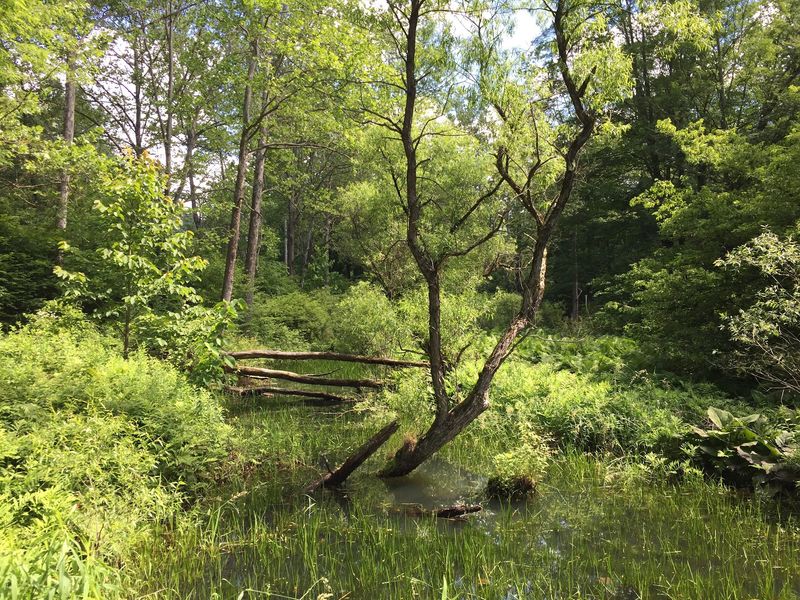
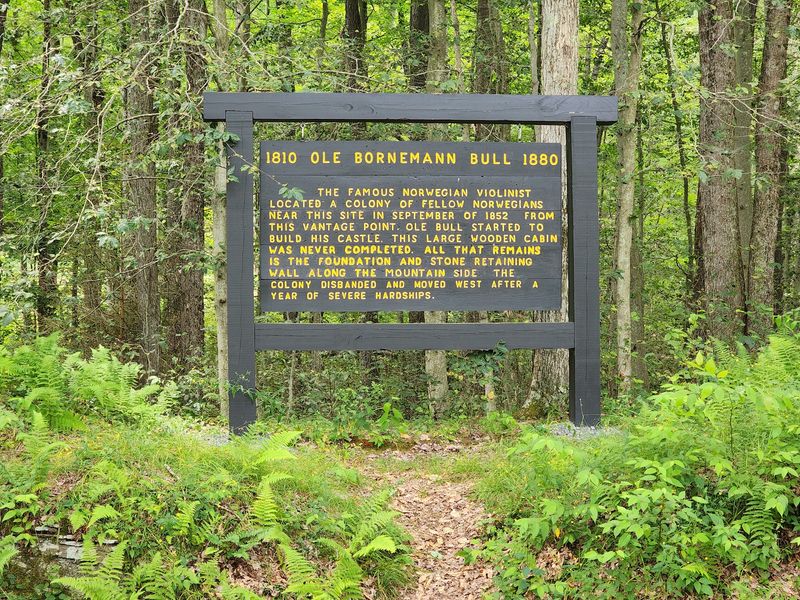
The quiet forests and wetlands surrounding the park today give little indication of the ambitious settlement Ole Bull once imagined here. High above Kettle Creek, he began building a grand mountain home at a location now known as Castle Vista.
Construction was never completed. After Bull’s colony failed, materials associated with the unfinished structure were later used by Dr. Edward Joerg in another residence known as the State House, while the original site on the mountain was gradually reclaimed by the forest.
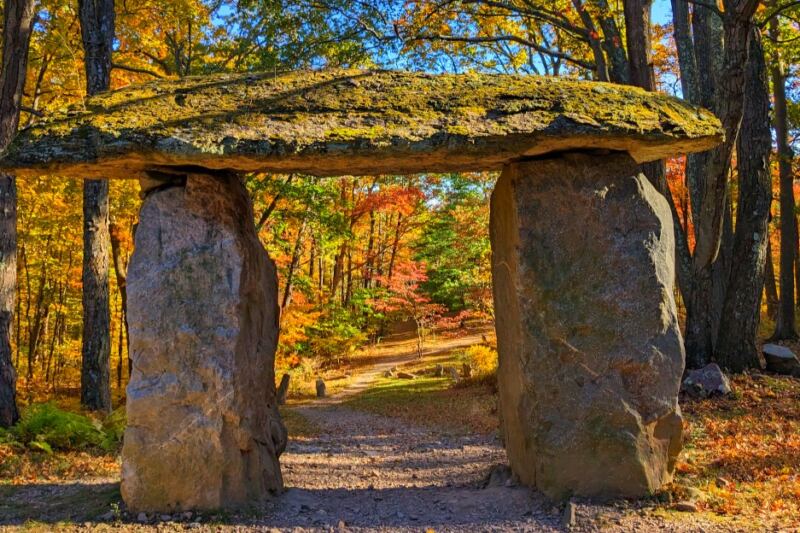
Visitors can still hike to Castle Vista, where portions of the stone foundation remain among the trees. The climb also reveals sweeping views across the Kettle Creek Valley, helping explain why Bull selected such a dramatic location for his home.
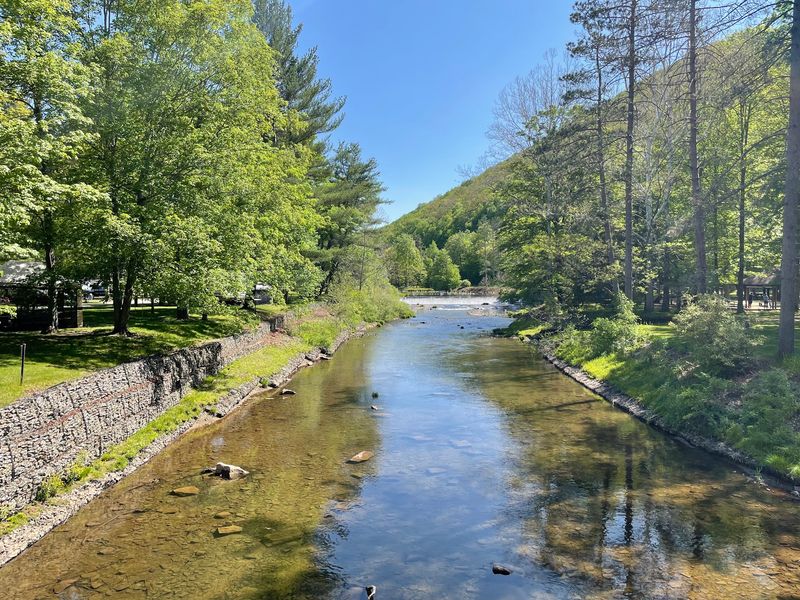
Down below, the peaceful landscape pictured here offers a very different reminder of the same story. Much of the grand colony Bull envisioned has disappeared into the Pennsylvania wilderness, leaving the surrounding forest – and a few surviving traces – to tell the story.
How a Land Scam Brought Down a Dream
The colony did not simply fade away due to hard winters and difficult terrain, though both played a role. A deliberate fraud was at the center of its collapse. Bull had relied on a local land agent named John F. Cowan, who sold him land that either lacked clear legal title or was simply unsuitable for farming.
Critical reservations hidden in the deed withheld the most tillable land from Bull’s purchase entirely. The railroad connection that was supposed to link the colony to the outside world never materialized either.
By November 1852, deep snows had cut off supply routes to Coudersport. Provisions ran low, finances deteriorated, and settlers began to leave. Within a year or two at most, the colony was effectively finished, with most settlers relocating to Norwegian communities in Michigan and Wisconsin.
Bull is estimated to have lost somewhere between $40,000 and $120,000 depending on the source. The failure became so well known in Norway that a satirical song called “Oleana” was written about it, mocking the failed utopia with biting humor.
How Pennsylvania Turned a Failure Into a Park
Pennsylvania’s Commonwealth acquired the lands that once formed Bull’s colony in the early 1920s, and in 1925, Ole Bull State Park officially opened, initially as a modest picnic area. The name honored the man whose ambitions had shaped the valley’s history, even if the ambitions themselves had not survived.
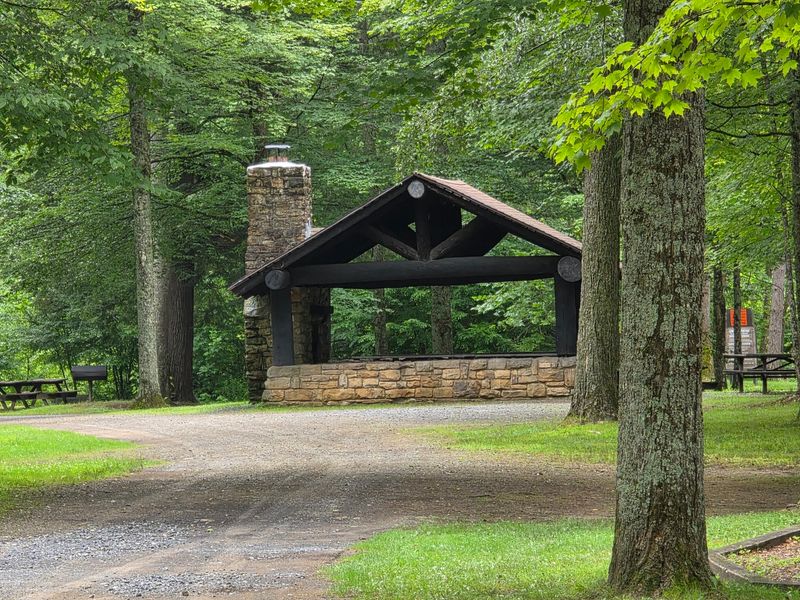
The park’s character took real shape during the 1930s, when the Civilian Conservation Corps arrived during the Great Depression. CCC crews built the original dam for the swimming area, constructed outhouses and pavilions, and developed the camping areas that still anchor the park today.
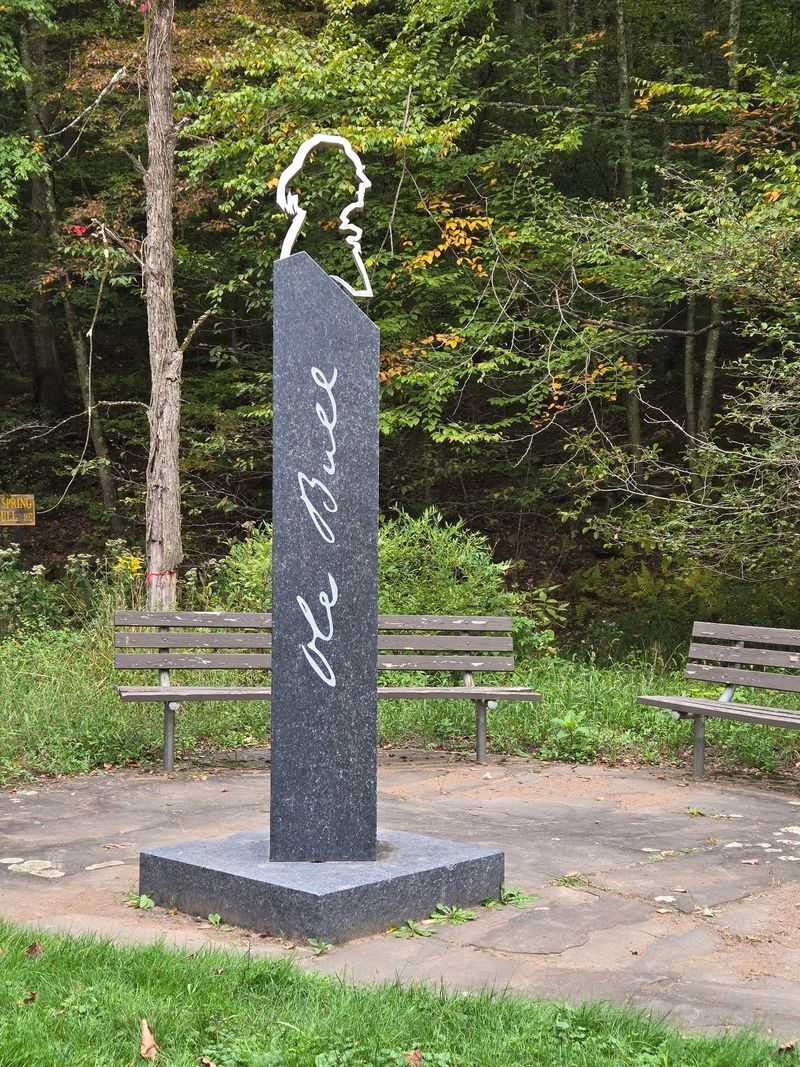
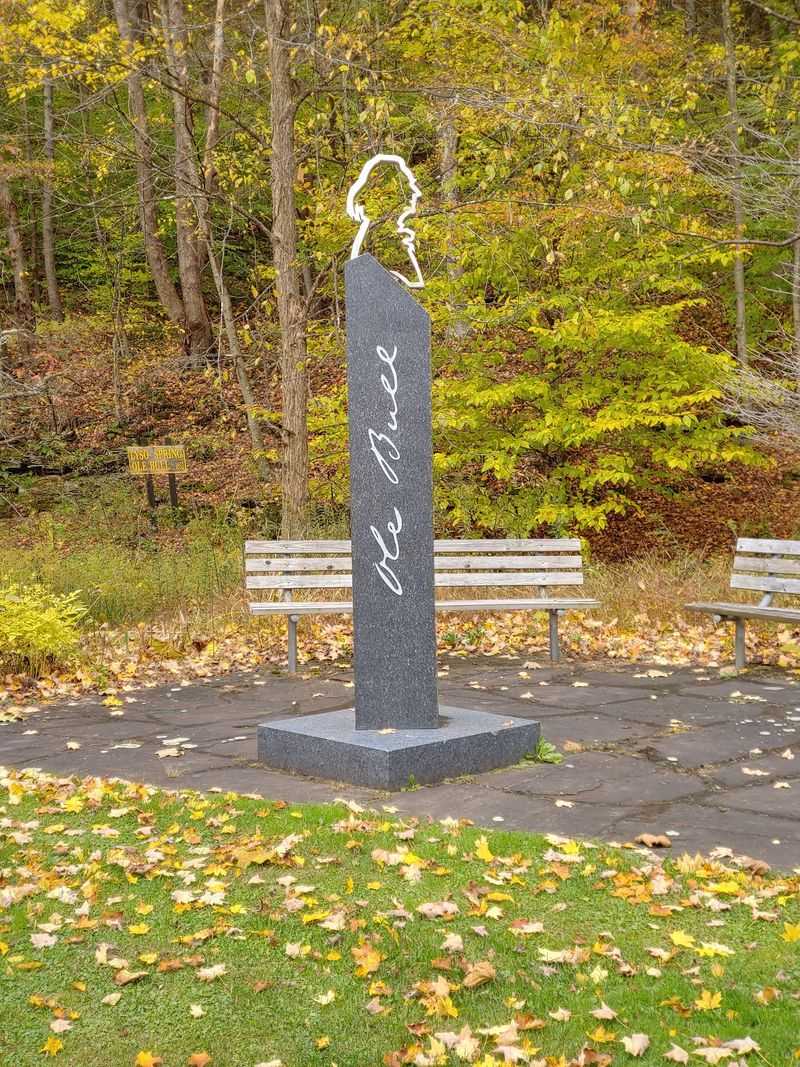
In 2002, on the 150th anniversary of the colony’s founding, a monument was erected in the park as a gift from the citizens of Norway. A Pennsylvania Historical and Museum Commission marker also commemorates the site.
The CCC’s craftsmanship has aged well. The Stone Pavilion, complete with electrical hookups, still hosts picnickers on summer weekends, and the dam creates the calm swimming area along Kettle Creek that families have been using for generations.
Kettle Creek and the Art of Slowing Down
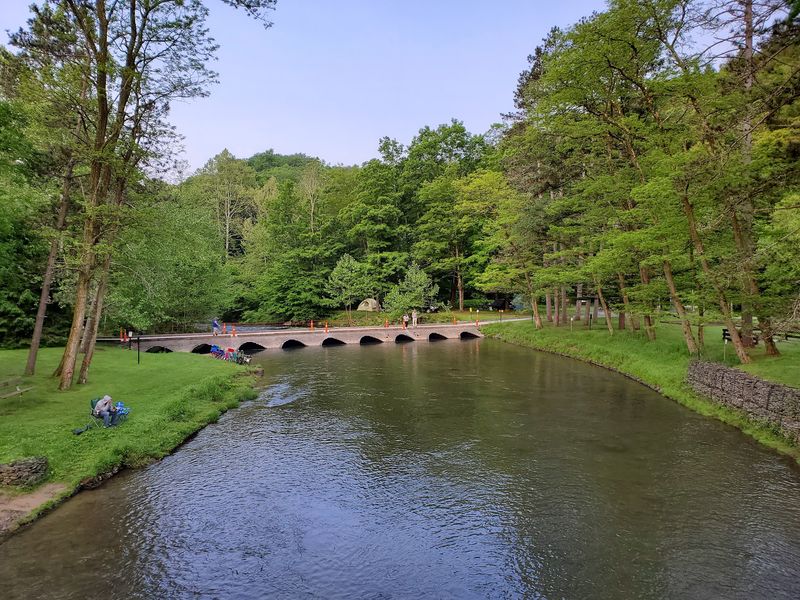
Kettle Creek is the heartbeat of this park. The water runs cold and clear through the valley, stocked with brook trout, brown trout, and rainbow trout, and the sound of it is the first thing you notice when you set up camp and the last thing you hear before falling asleep.
Fishing within the park’s designated area is reserved for children and adults with disabilities, which keeps that stretch of water calm and accessible for families. Further up the creek near the group camping area, fishing is open to all visitors with the appropriate permits, and the trout in those waters are genuinely impressive in size.
A 150-foot sandy beach along the creek opens for swimming from late May through mid-September, with no lifeguard on duty, so swimmers take responsibility for their own safety. The beach is small but perfectly suited for a hot afternoon.
Even if you do not fish or swim, simply sitting near the creek and watching the water move through the trees is a form of recreation that requires no equipment and no plan.
Trails, Trees, and the Susquehannock Connection
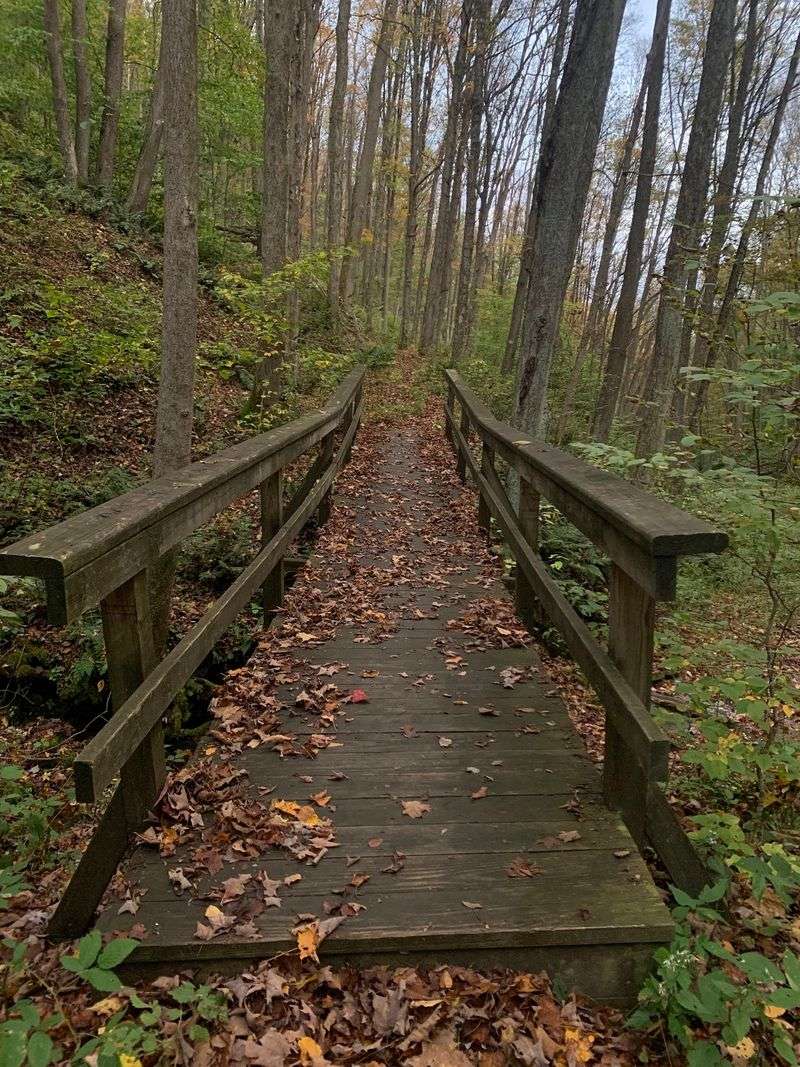
Two miles of self-contained trails wind through the park itself, including the Daugherty Loop Trail and the Beaver Dam Nature Trail. Both are approachable for most fitness levels, and the park rangers are genuinely helpful when it comes to pointing visitors toward the right path for their goals.
The Susquehannock Trail System connects directly to the park, opening up 85 miles of backcountry hiking through the surrounding state forest. That access transforms Ole Bull from a short-stop picnic destination into a legitimate basecamp for serious hikers.
Wildlife sightings are common for patient visitors. Water snakes and garter snakes have been spotted along creek-side sections of trail, and deer, turkey, grouse, and bear are all present in the surrounding forest. A short drive down the road from the park has even rewarded some visitors with sightings of the elk that now roam this part of Pennsylvania.
Mountain biking is also permitted in designated areas, adding another layer of options for visitors who want to cover more ground than their feet alone can manage.
Camping Under Some of Pennsylvania’s Darkest Skies
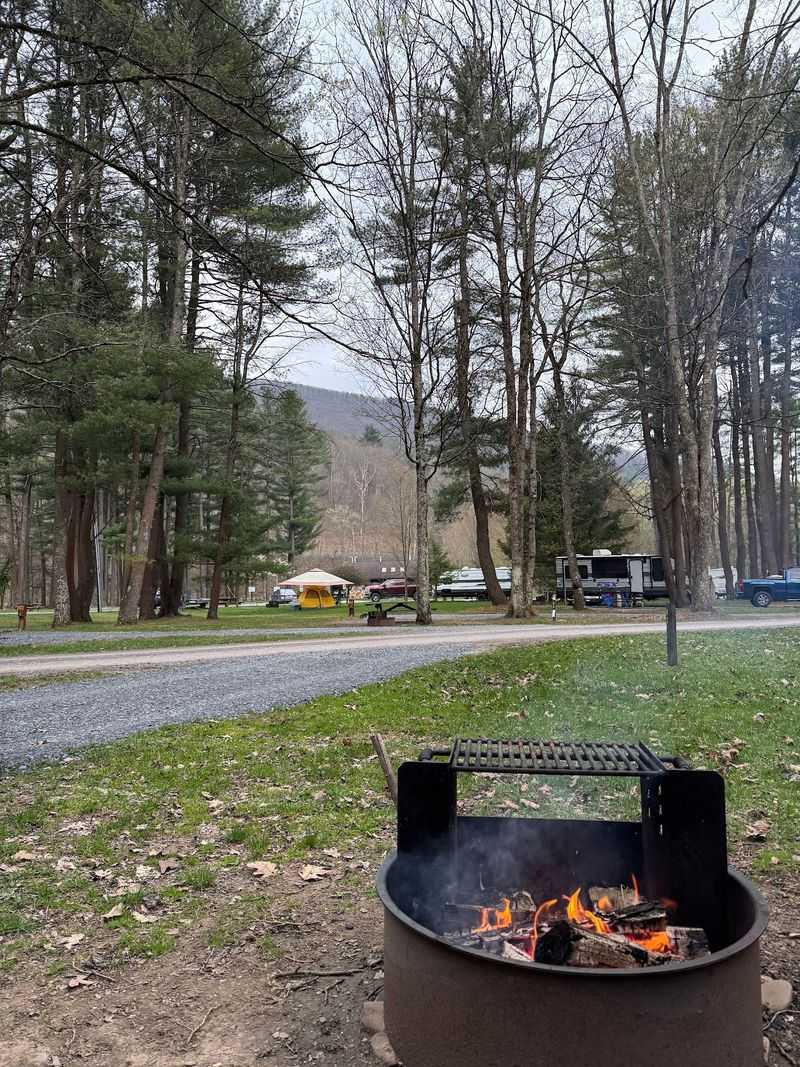
Potter County is well known among astronomy enthusiasts for its exceptionally dark skies, and Ole Bull State Park benefits from that reputation. The campground offers about 81 sites spread across two loops, with electric hookups available in the main loops and three more remote tenting sites positioned directly along Kettle Creek.
The bath house earns consistent praise for being clean and well-maintained, with hot showers that feel genuinely restorative after a long day on the trail. Firewood is available for purchase on-site for a few dollars a bundle, and the camp host is typically described as kind and helpful.
Ranger-led programs add real value to a stay here. Stargazing presentations have been a particular highlight, with knowledgeable rangers using humor and enthusiasm to keep both kids and adults engaged long after the campfire has burned low.
The park sits close enough to Cherry Springs State Park, one of the best stargazing destinations in the eastern United States, that combining both in a single trip is a natural choice. Ole Bull offers the quieter, less crowded alternative for those who want dark skies without the crowds.
Winter Quiet and Year-Round Reasons to Return
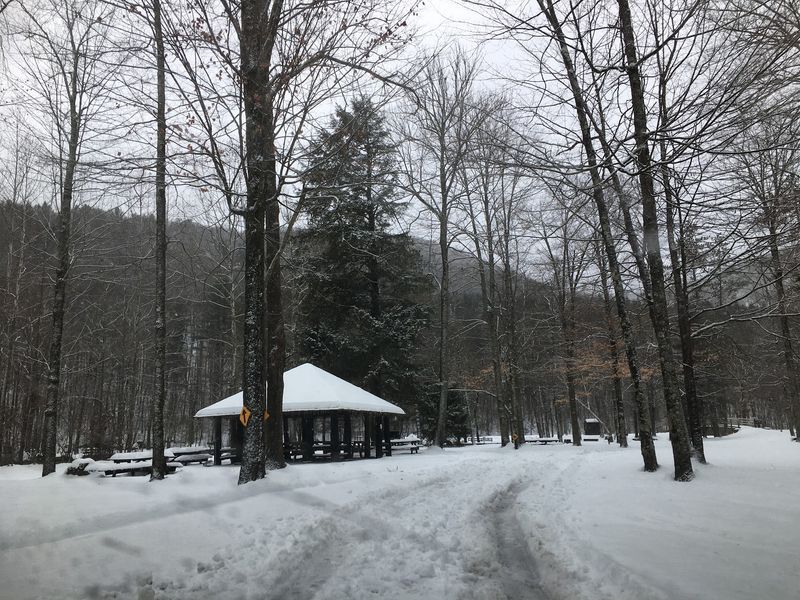
Most people think of Ole Bull as a warm-weather destination, but the park operates year-round and winter brings its own distinct appeal. Cross-country skiing, snowshoeing, and snowmobiling are all available on groomed trails that connect to nearly a hundred miles of additional trails in the surrounding Susquehannock State Forest.
Summer nights drop below 60 degrees Fahrenheit even during the warmest months, so packing layers is always a smart move regardless of the season. Bug spray is equally essential from late spring through early fall, when mosquitoes and ticks are active throughout the valley.
The park is free to enter, which makes it easy to visit for a day trip even if camping is not on the agenda. Dogs are welcome on a 6-foot leash in designated areas, though they are not permitted in the swimming area, buildings, or playgrounds.
Returning visitors consistently describe the park as the kind of place that does not get old, where each season reveals something different and the simplicity of the setting is exactly the point. Ole Bull State Park rewards those who come back.
Share this story