There is a place in downtown St. Paul where you can walk through rooms filled with stunning American art, stand beneath a historic stained glass ceiling, and leave without spending a single dollar. Most people drive right past it without ever knowing it exists.
The Minnesota Museum of American Art has been quietly collecting, displaying, and celebrating American creativity for well over a century, yet it remains one of the most overlooked cultural spots in the entire Twin Cities area. If you live in Minnesota and have never visited, this article is your reason to finally go.
A Museum That Has Been Here Longer Than Most People Realize
Long before St. Paul had its modern skyline, this museum was already building one of the most important art collections in the Midwest. The Minnesota Museum of American Art is one of the oldest art museums in the state, with roots stretching back to the late 19th century.
That kind of history is rare in a region where many cultural institutions are relatively young. The museum has survived economic downturns, multiple relocations, and major renovations, yet it kept growing its collection and its mission.
What makes this even more remarkable is how quietly it has done all of that. There are no massive billboards or aggressive marketing campaigns drawing crowds in.
The museum simply exists, doing its work, waiting for curious visitors to find it. Once you know it is there, you will wonder how you missed it for so long.
Where to Find It in Downtown St. Paul
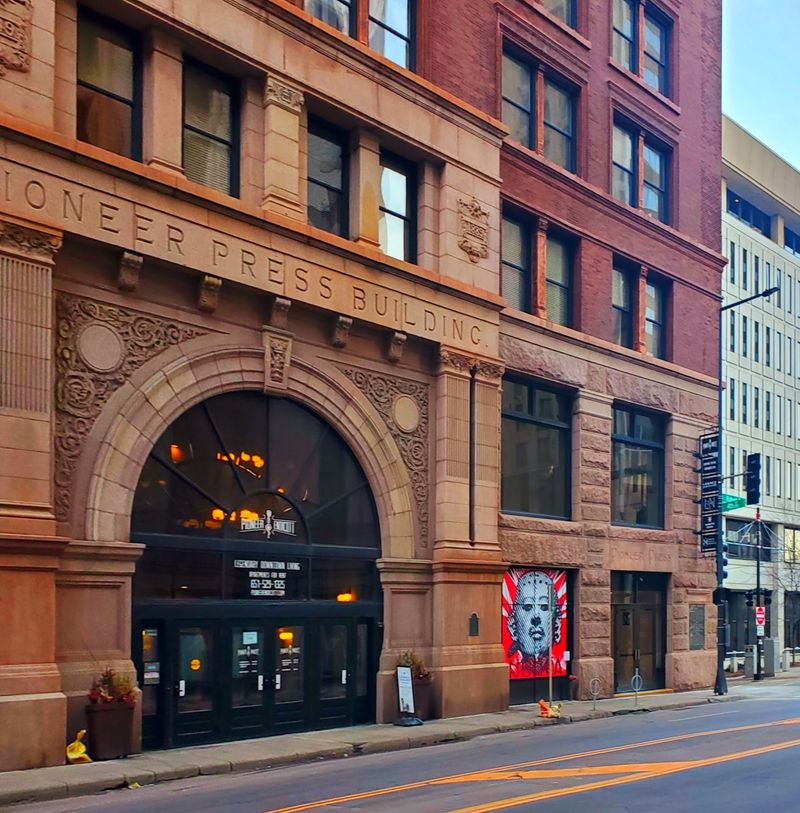
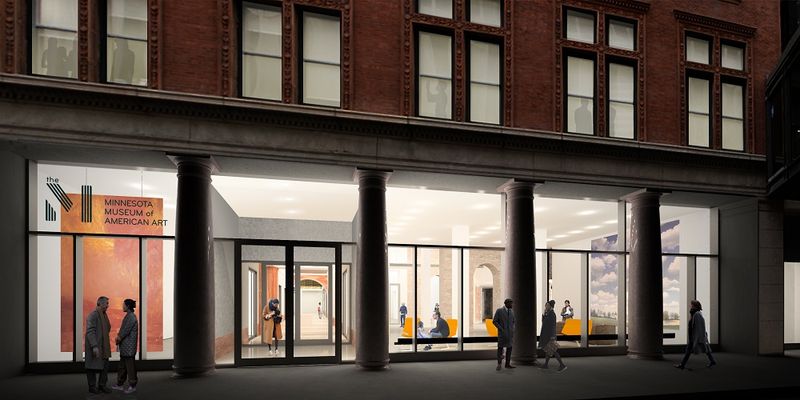
The museum sits at 350 Robert St N, St Paul, MN 55101, inside the historic Pioneer-Endicott building in the heart of downtown. Finding it the first time can feel like a small adventure, since the entrance is not as obvious as you might expect.
There is a sign to follow once you get close, and parking in the nearby ramps is generally manageable, though drivers of larger vehicles should be aware that some ramps have height restrictions. Sunday visits tend to attract smaller crowds, which makes the whole experience feel more relaxed and personal.
The museum is open Thursday through Sunday from 10 AM to 5 PM and is closed Monday through Wednesday. Planning your visit around those hours is the most important practical step before you go.
Once you are inside, the rest takes care of itself naturally.
The Part That Surprises Almost Every First-Time Visitor
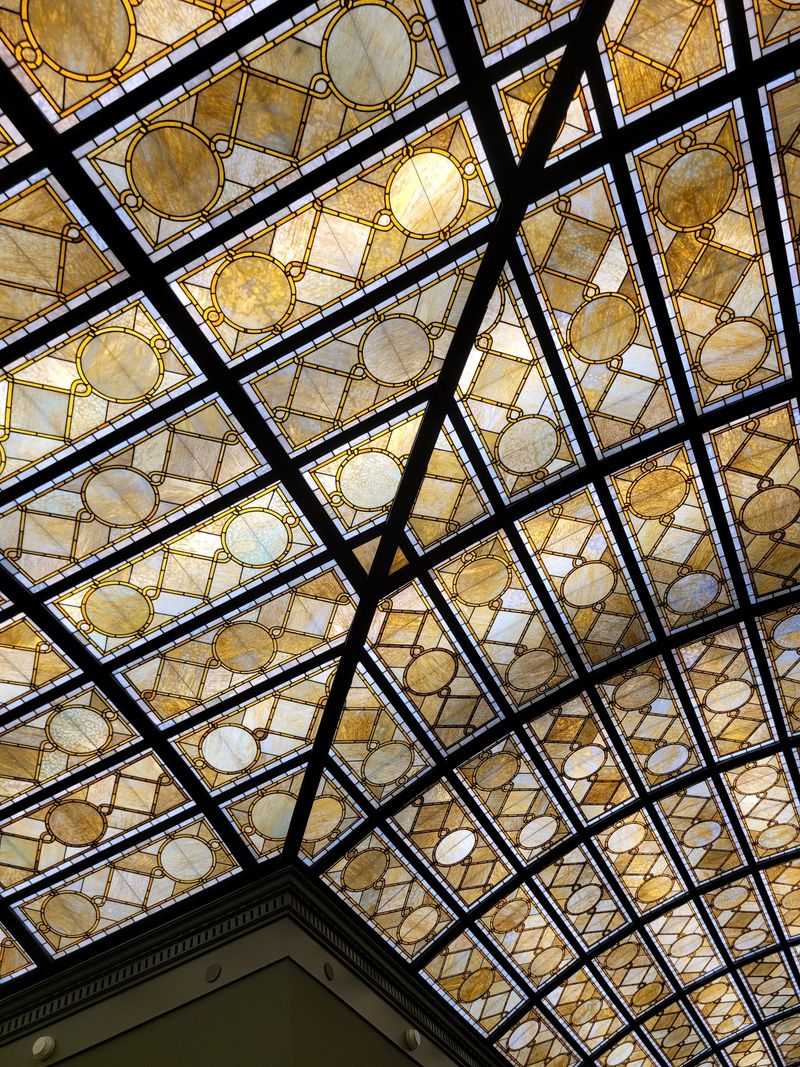
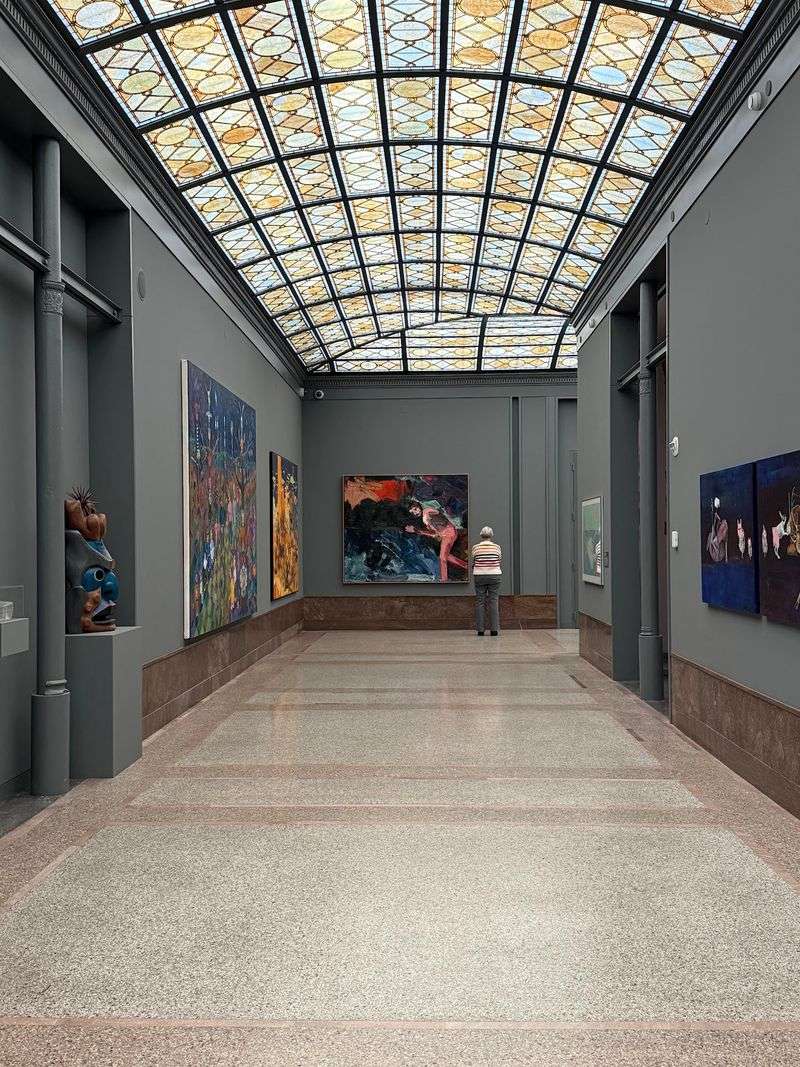
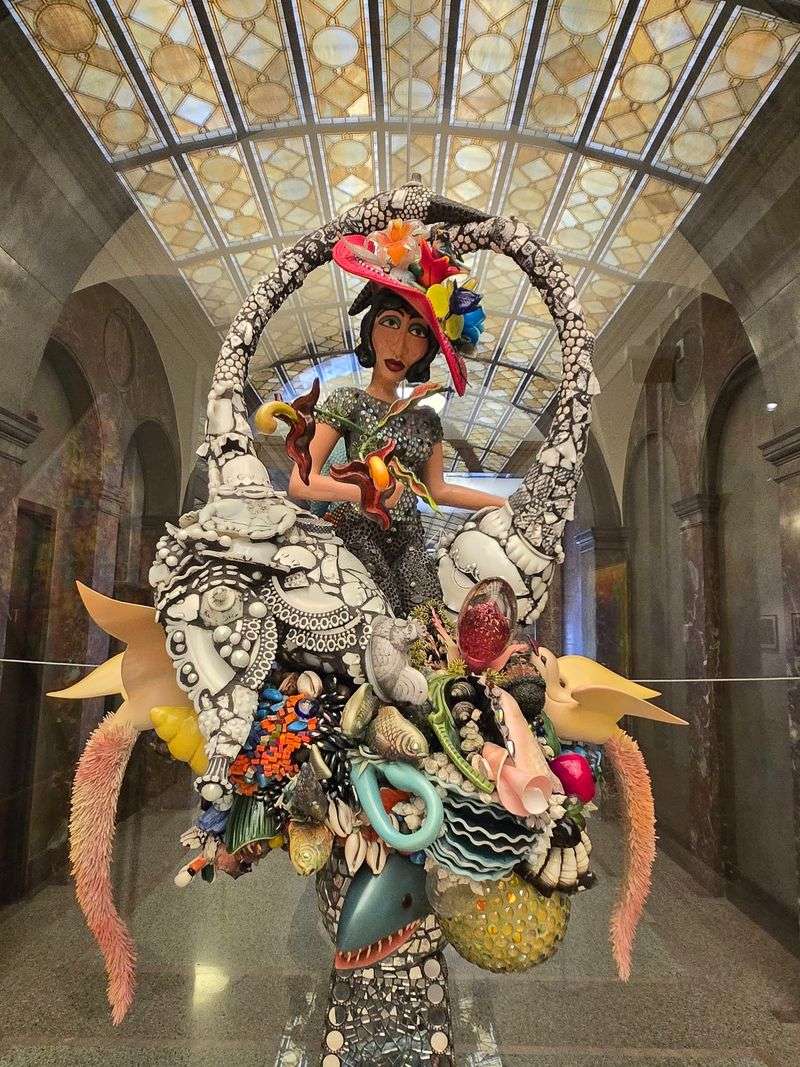
Most people who walk into the Minnesota Museum of American Art for the first time are not prepared for what they see when they look up. One of the permanent collection galleries is housed beneath a gorgeous historic stained glass ceiling that transforms natural light into something almost theatrical.
The colors shift depending on the time of day and the season, which means the same room can feel completely different from one visit to the next. It is the kind of architectural detail that stops people mid-step.
The building itself is part of the Pioneer-Endicott complex, which has its own fascinating history woven into the fabric of St. Paul. The museum has done a thoughtful job of honoring the building’s original character while making room for contemporary art displays.
That combination of old structure and new creative energy gives the space a personality that most modern galleries simply cannot replicate.
Completely Free Admission, Every Single Visit
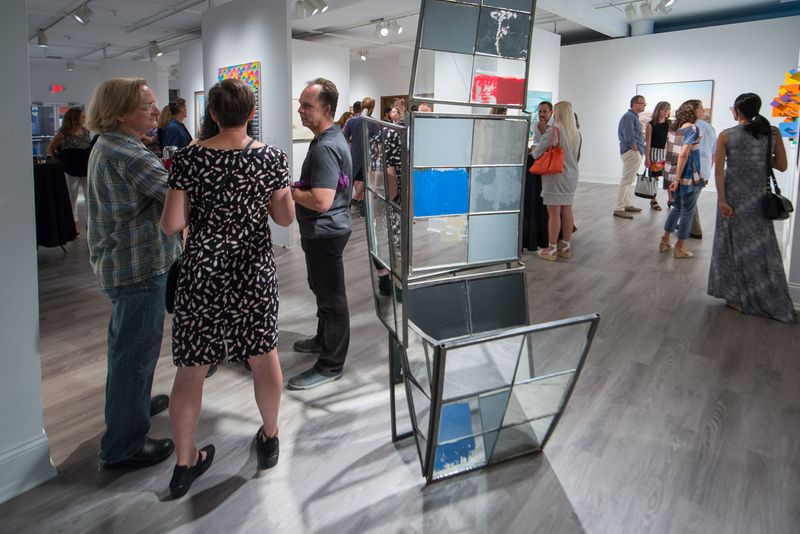
Free admission is not a temporary promotion at this museum. Walking through the doors costs nothing, and that policy applies to every visitor regardless of age, background, or how many times you have been before.
In a world where museum tickets can easily run $20 or more per person, that kind of open-door policy changes everything about how you experience the place. You can spend 20 minutes or two hours without feeling pressure to rush through and get your money’s worth.
Families benefit enormously from this. Parents can bring kids without calculating whether the trip fits the budget, and that freedom makes the whole outing feel lighter.
For solo visitors or couples looking for a low-key afternoon activity, the free entry removes every barrier. It is one of those rare situations where the best thing about a place is also the simplest thing about it.
American Art From the 19th Century and Beyond
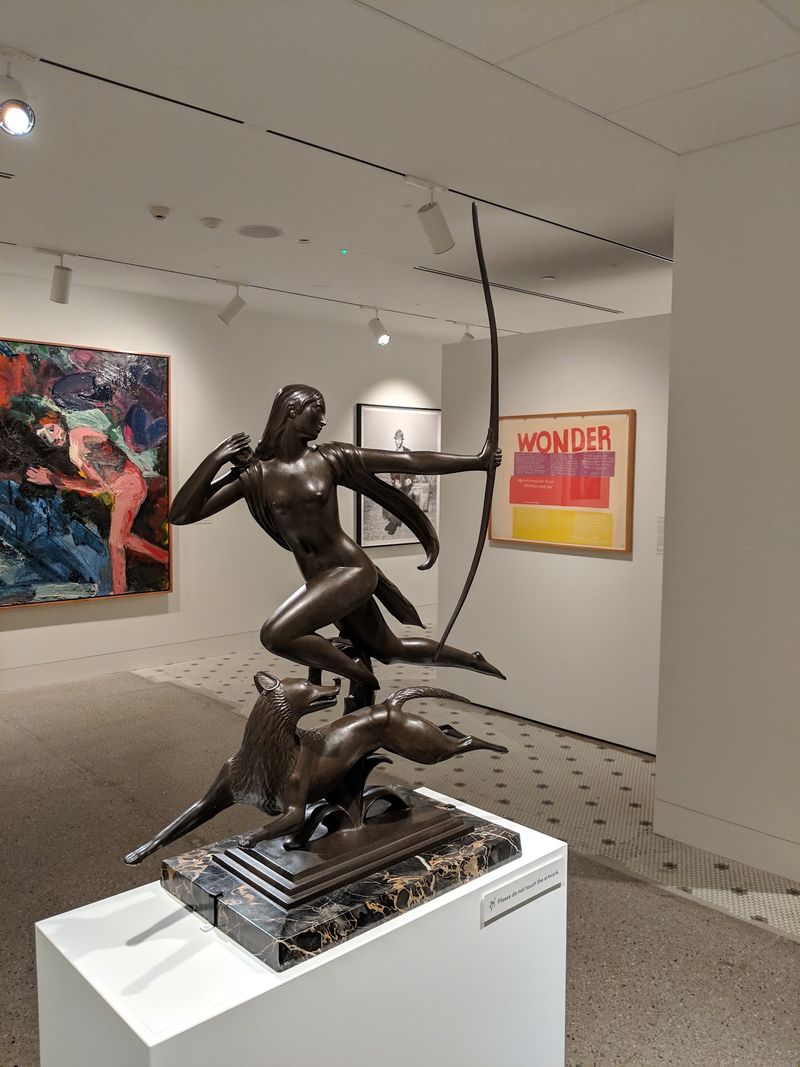
The permanent collection at this museum spans American art from the 19th century all the way through more recent decades, giving visitors a genuine sense of how artistic expression in this country has evolved over time. Paintings, sculptures, and works on paper share space in a way that feels intentional rather than crowded.
The collection leans toward lesser-known artists, which is actually one of its greatest strengths. You are not going to find the same famous names you have seen reproduced on a thousand coffee mugs.
Instead, you encounter work that feels genuinely new, even if it was created over a century ago.
That sense of discovery is what keeps people coming back. Each visit offers a chance to stand in front of something you have never seen before and take the time to actually think about it.
That is a rarer experience than most people expect.
Indigenous Art That Deserves Far More Attention
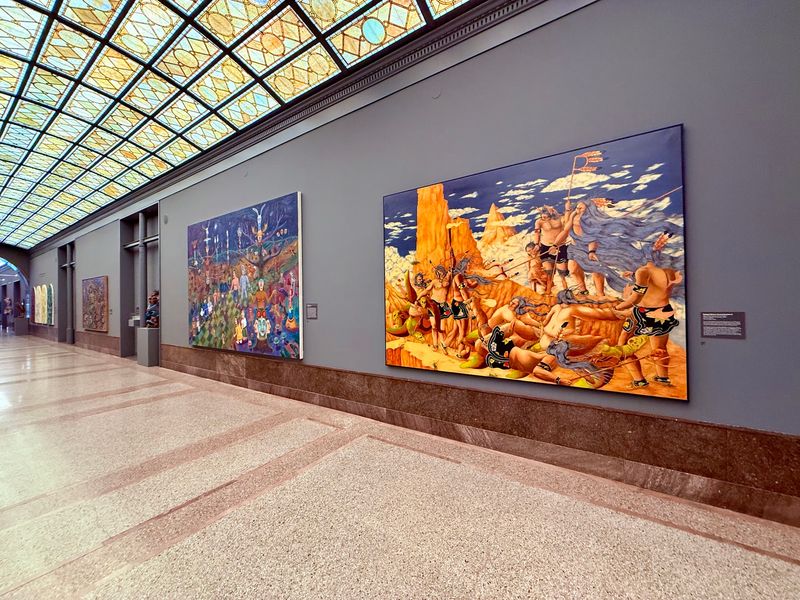
One of the most talked-about aspects of the museum is its commitment to Indigenous art and storytelling. Exhibits like “Queering Indigeneity” have brought national attention to artists whose voices are too often left out of mainstream museum conversations.
The work on display in these galleries is not decorative. It is historically instructive, emotionally honest, and visually powerful.
Visitors who come in expecting a quiet afternoon of pretty pictures often leave having thought more deeply about identity, history, and belonging than they anticipated.
The museum approaches Indigenous art with the seriousness it deserves, presenting it alongside context that helps viewers understand what they are looking at and why it matters. For many visitors, this part of the collection becomes the most memorable part of the entire trip.
It is the kind of art that stays with you well after you have walked back out into the St. Paul afternoon.
Rotating Exhibits That Give You a New Reason to Return
The permanent collection is only part of the story. The museum also hosts rotating temporary exhibits that change regularly, giving repeat visitors something fresh to explore each time they come through the doors.
Temporary exhibits typically transition around mid-August to mid-September, so checking the museum’s website before your visit is a smart habit. Past exhibits have featured artists working in painting, photography, and installation, covering a wide range of American experiences and perspectives.
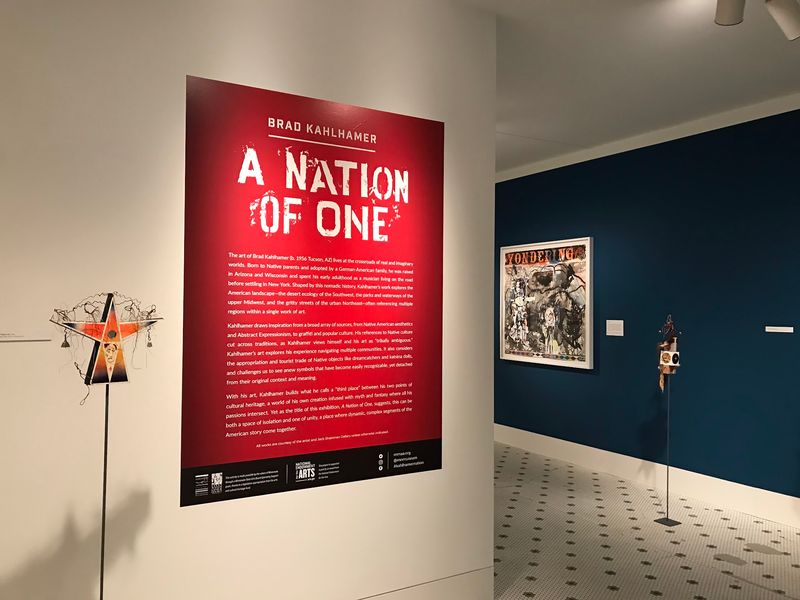
One past show featured the work of Brad Kahlhamer, an artist whose large-scale installation drew significant praise from people who made the trip specifically to see it. That kind of programming signals a museum that is genuinely engaged with living artists, not just historical archives.
The combination of a strong permanent collection and ambitious rotating shows makes this a place worth building into your regular cultural rotation rather than treating as a one-time stop.
A Creative Space Where Art Gets Made in Public
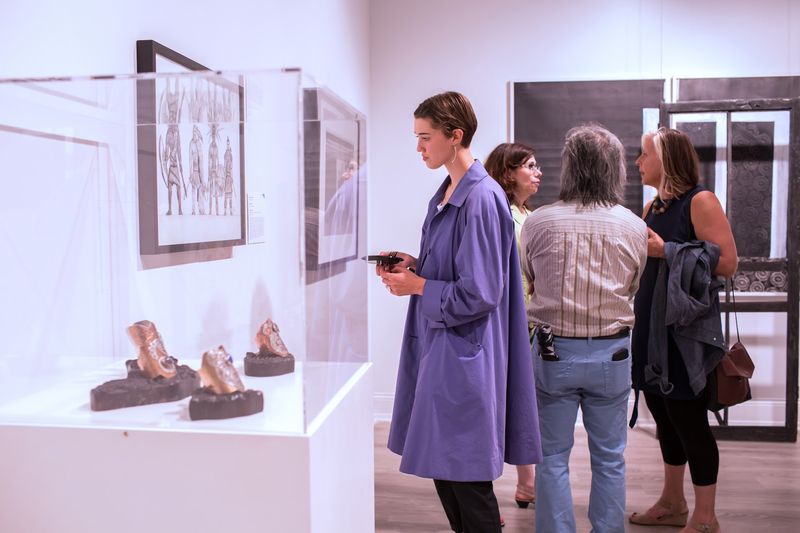
Beyond the galleries, the museum includes a large creative space where artists are invited to create work alongside the public. This is not a passive observation area.
Visitors can watch art being made in real time, ask questions, and occasionally participate in the creative process themselves.
For kids especially, this kind of hands-on access to art-making is genuinely exciting. It breaks down the idea that art is something that only happens behind glass in a quiet room.
Seeing a working artist in action, with materials spread out and work in progress, makes the whole experience feel alive.
Adults tend to find it equally engaging. There is something unexpectedly fascinating about watching someone build a painting or sculpture from nothing while you are standing a few feet away.
That energy carries through the rest of the visit and makes the finished work in the galleries feel more immediate and human.
The Exhibit That Paired Adult and Children’s Art Together
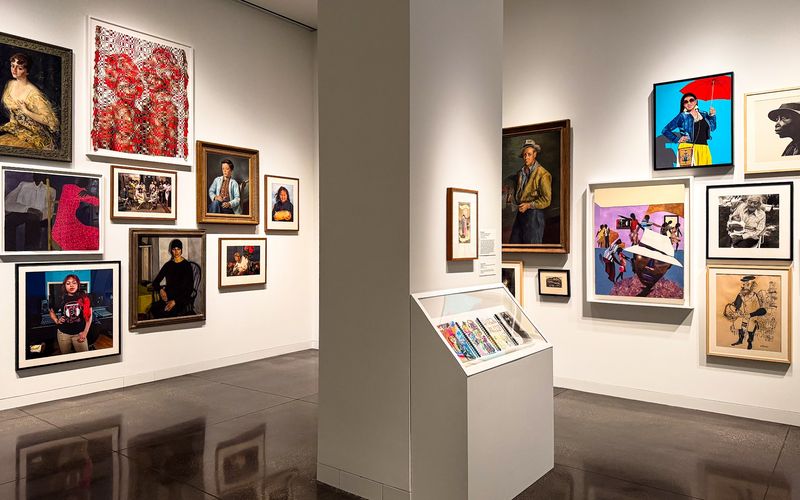
One exhibit room that has stood out to visitors pairs artwork created by adults alongside artwork created by children, presenting both with equal seriousness and respect. The idea is simple but surprisingly effective.
Seeing a child’s drawing or painting displayed with the same care as a professional work shifts something in how you look at both pieces. The child’s work gains dignity, and the adult’s work gains a kind of freshness you might not have noticed otherwise.
It is a clever curatorial decision that generates genuine conversation between visitors.
Families with kids tend to respond to this room with particular enthusiasm, since children suddenly see themselves as part of the artistic conversation rather than just spectators. For parents trying to spark an interest in art in their kids without forcing it, this exhibit does the heavy lifting in the most natural and organic way possible.
Photography and Local Art That Reflects Minnesota Life
The museum has a genuine appreciation for photography as a serious art form, and it shows in how photographic works are presented throughout the galleries. These are not snapshots or documentary images thrown in as filler.
They are considered, composed, and displayed with the same attention given to paintings and sculpture.
Local art also plays a meaningful role in the collection. Work that reflects Minnesota experiences, landscapes, and communities gives the museum a regional identity that larger national institutions rarely achieve.
There is something grounding about seeing your own state and its stories treated as worthy of serious artistic consideration.
For Minnesota residents who have spent time in the Twin Cities or the surrounding region, some of these works carry a personal familiarity that adds an extra layer of meaning. Art about a place you actually know hits differently than art about somewhere you have only read about.
What to Know Before You Visit for the First Time
A few practical details can make your first visit run smoothly. The museum is open Thursday through Sunday from 10 AM to 5 PM, and it is fully closed Monday through Wednesday.
Arriving closer to opening time on a Sunday tends to mean fewer people and a more relaxed pace through the galleries.
The space is handicap accessible with large bathrooms, which makes it comfortable for visitors with mobility needs or families with young children. Parking in nearby ramps is available, though drivers of trucks or larger vehicles should check ramp height restrictions before pulling in.
A full walk-through of the current exhibits can take anywhere from 20 minutes to well over an hour depending on how long you linger. Volunteers are often on hand and genuinely enjoy talking through specific pieces with curious visitors.
Going in without a tight schedule gives you the best possible experience.
Why This Museum Deserves a Spot on Every Minnesotan’s List
There are not many places in the Twin Cities where you can spend a meaningful hour surrounded by American art history, Indigenous storytelling, and contemporary creativity without paying a cent. This museum checks every one of those boxes and still manages to feel like a well-kept secret.
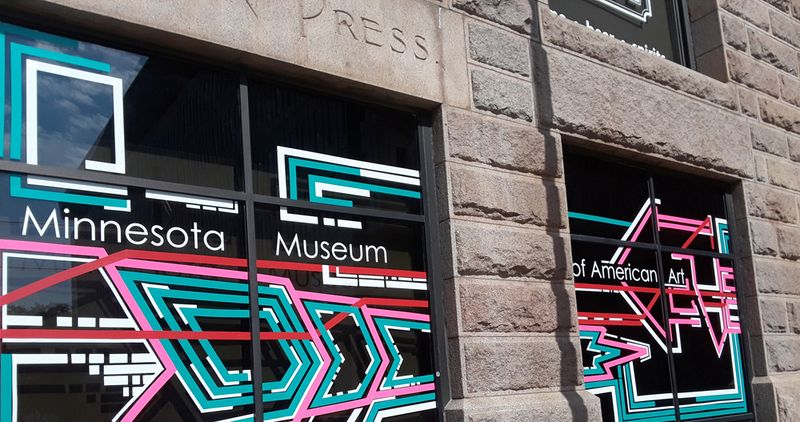
Part of what makes it so easy to overlook is its location inside a larger historic building. You have to know to look for it.
But once you have been, you start telling people about it the way locals share their favorite coffee spots or weekend trails.
The Minnesota Museum of American Art is not trying to compete with the large institutions in the Twin Cities. It is doing something different and doing it well.
For anyone who has ever wished that art felt more approachable, more personal, and more connected to real stories, this is exactly the kind of place that restores that feeling.
Share this story