Renting a car used to feel like a non-negotiable part of any American vacation. But plenty of U.S. cities are genuinely easy to explore without one, and in some cases, skipping the rental counter actually makes your trip better.
Between subways, light rail, ferries, streetcars, and walkable neighborhoods, these cities have figured out how to move visitors around without the hassle of parking fees, traffic, and unfamiliar roads. Whether you are planning a long weekend or a full week away, these 14 destinations prove that a great American vacation does not require a set of car keys.
New York City, New York
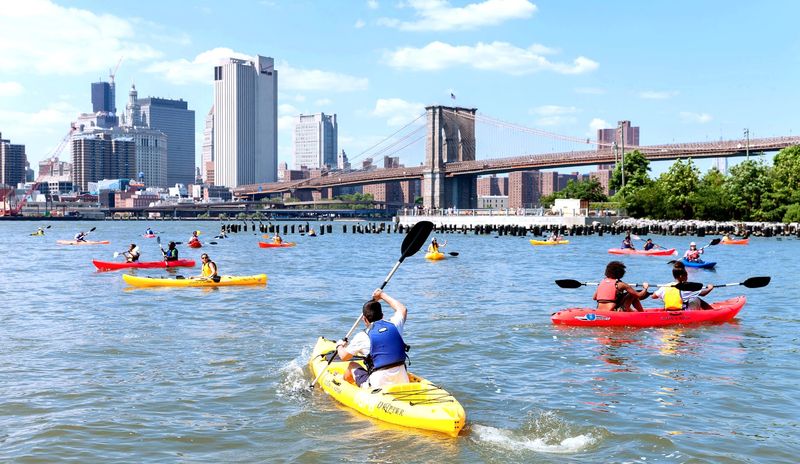
If there is one American destination where renting a car can actually make your vacation more complicated, it is New York City. Parking alone can cost more per day than a decent hotel room in other cities, and traffic in Manhattan is notoriously slow.
The Metropolitan Transportation Authority runs one of the largest subway and bus networks in the world, connecting Manhattan, Brooklyn, Queens, the Bronx, and Staten Island around the clock. NYC Tourism recommends walking as the best way to get familiar with the city, with mass transit as the go-to option for longer distances.
That combination lets you move between Times Square, Central Park, Lower Manhattan, Greenwich Village, Chinatown, and dozens of museums without thinking about a parking spot. The Staten Island Ferry is also completely free and offers some of the best views of the Manhattan skyline available anywhere.
Washington, D.C.

Washington is practically designed for sightseeing without a car. Many of its most famous landmarks are grouped around the National Mall, making it possible to walk between monuments and museums for hours without needing any other transportation.
The Metrorail system extends that reach considerably, connecting neighborhoods such as Capitol Hill, Dupont Circle, Adams Morgan, and areas farther from the center. Destination DC describes Washington as one of the easiest U.S. cities to explore without a car and recommends a mix of Metrorail, walking, buses, and bikes.
Airport access is also straightforward. Metrorail serves both Ronald Reagan Washington National Airport and Washington Dulles International Airport, so you can go from landing to hotel without touching a rental-car counter.
Stay near a Metro station and you can realistically build an entire Washington vacation around transit and your own two feet.
Boston, Massachusetts
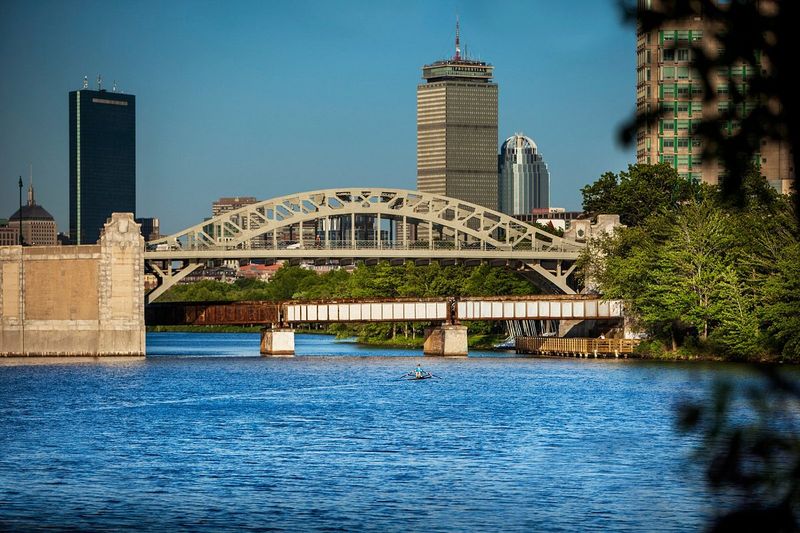
Boston earned its reputation as a walking city for good reason. Downtown is compact, and many of the city’s most famous historic spots sit close together, making it easy to cover serious ground on foot without planning much at all.
Following the Freedom Trail, wandering through Beacon Hill, visiting Boston Common, exploring the North End, and walking along the waterfront can fill a solid two or three days without requiring any motorized transportation. When your legs need a break, the MBTA steps in.
Boston’s public transit network, known locally as the T, includes subway, trolley, bus, commuter rail, and ferry services. The Blue Line provides a direct connection for travelers arriving through Boston Logan International Airport.
Commuter rail and ferry options can also push your vacation beyond central Boston, reaching coastal towns and nearby communities that make the city an even stronger base for a car-free trip.
Chicago, Illinois
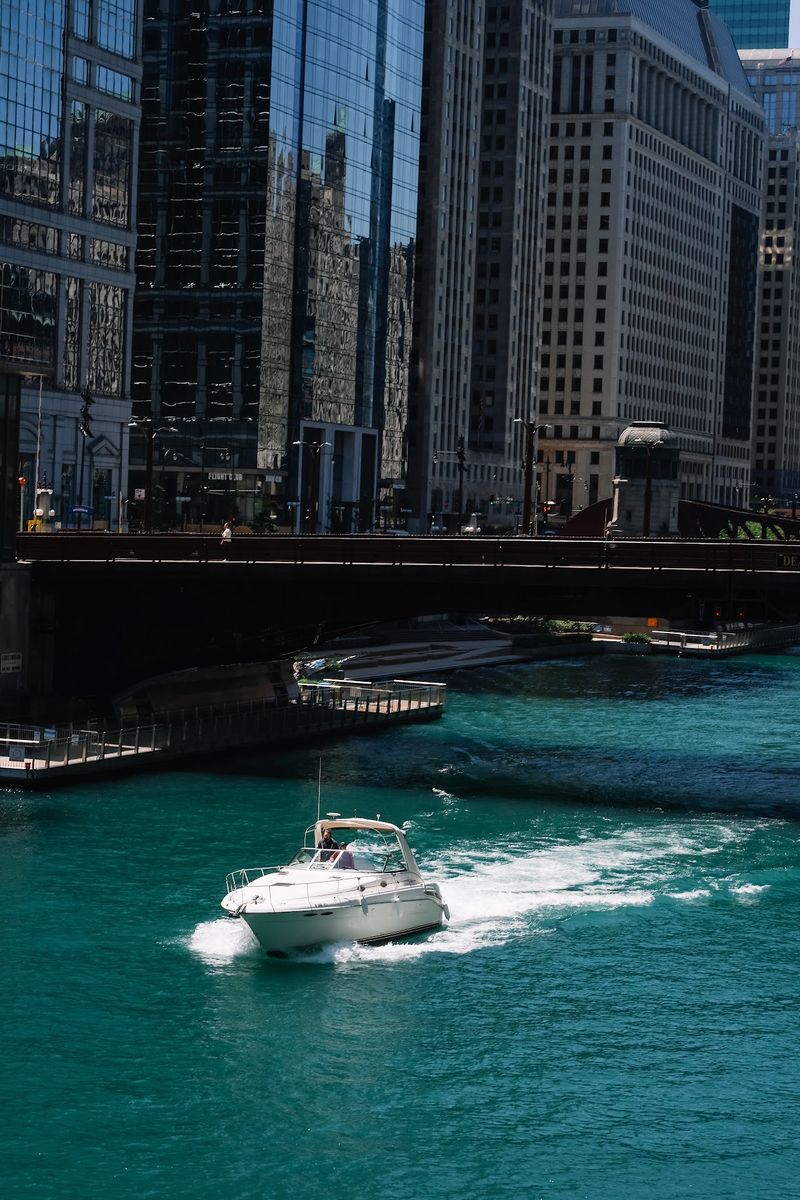
Chicago may be enormous, but its most popular visitor areas are surprisingly manageable without a car. The city’s famous L rail system and extensive bus network connect downtown with neighborhoods spread across the entire city, running reliably throughout the day and night.
Two lines, the Blue and the Red, offer 24-hour service. The Blue Line also connects directly with O’Hare International Airport, which means you can arrive, grab the train, and be in the Loop without ever visiting a rental counter.
Once downtown, Chicago’s grid layout makes walking between restaurants, parks, museums, and lakefront attractions relatively simple to navigate.
There is also a transportation option that doubles as a sightseeing experience: water taxis operate along the Chicago River and connect several popular areas while offering views of the downtown skyline along the way. Between trains, buses, walking, and water transportation, keeping a rental car parked downtown makes little practical sense for most visitors.
San Francisco, California
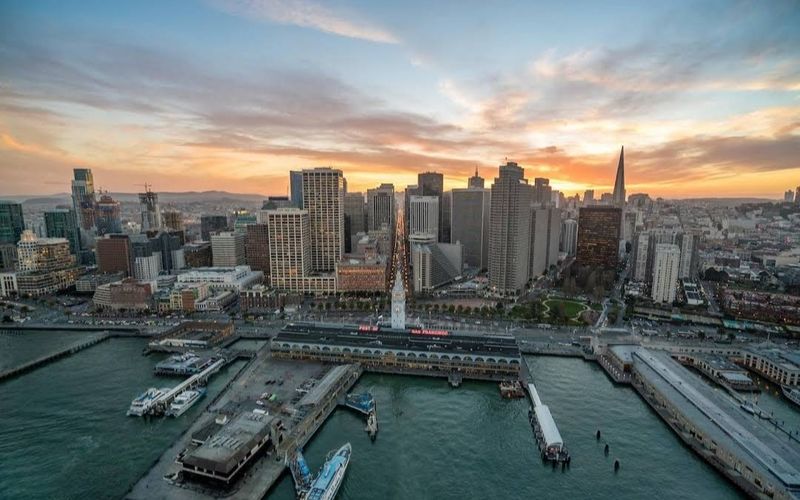
San Francisco’s hills might test your legs, but they are no reason to rent a car. BART connects San Francisco International Airport with the city and provides quick access to downtown, SoMa, Civic Center, and the Mission District, getting you from the terminal to your hotel efficiently.
Within the city, Muni operates buses, trains, historic streetcars, and the iconic cable cars that have become attractions in their own right. The F-Line streetcar travels along Market Street toward Fisherman’s Wharf, giving visitors a practical and scenic way to cover one of the city’s busiest tourist corridors.
Ferries add even more flexibility, connecting San Francisco with Sausalito, Tiburon, Angel Island, Oakland, and Alameda. Given the steep hills, notoriously limited parking, and the variety of public transportation options available, San Francisco is arguably more enjoyable when somebody else handles the driving and you focus on the views.
Seattle, Washington
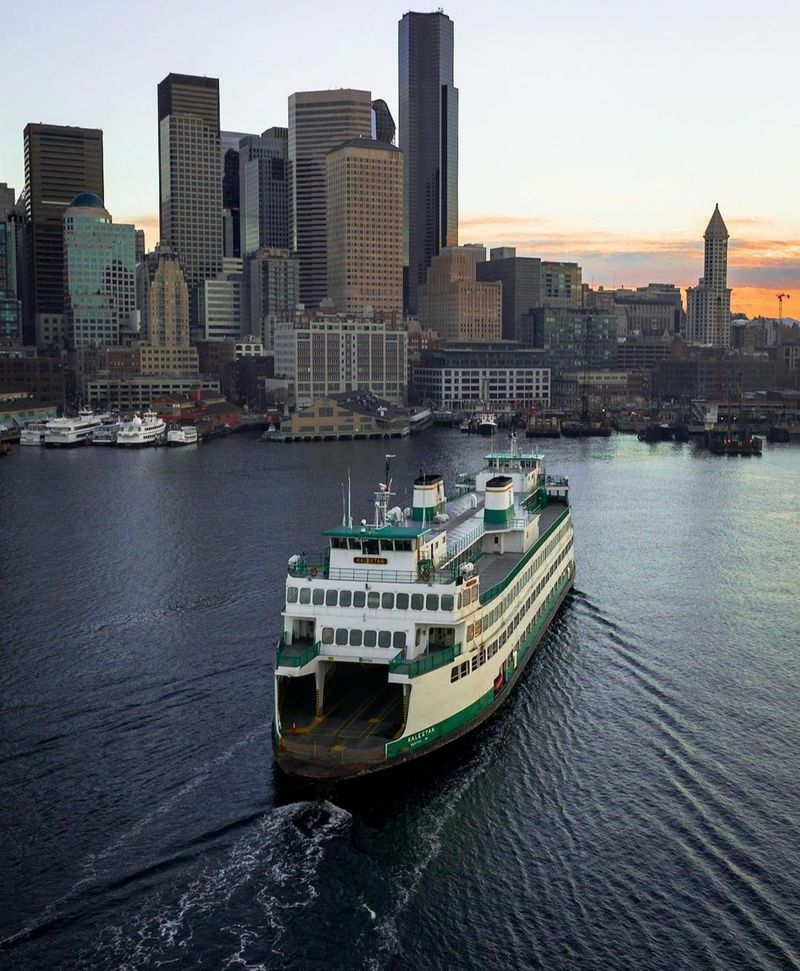
Seattle has become a genuinely appealing destination for travelers who would rather skip the rental-car line. Sound Transit’s Link light rail connects Seattle-Tacoma International Airport with downtown Seattle and continues through multiple neighborhoods, with Visit Seattle noting the airport-to-Westlake trip takes roughly 40 minutes.
Once downtown, many of Seattle’s biggest visitor areas are reachable by walking, light rail, bus, streetcar, or monorail. The Seattle Center Monorail connects Westlake Center with Seattle Center, putting attractions near the Space Needle within easy reach.
King Street Station also provides Amtrak service to other cities across the Pacific Northwest and beyond.
Seattle does have plenty of hills, so comfortable shoes matter. But for a vacation focused on downtown, Pike Place Market, Capitol Hill, Pioneer Square, and other transit-connected neighborhoods, a rental car is far from essential.
The city’s transit network has improved considerably in recent years, making car-free visits more practical than ever.
Portland, Oregon

Portland makes it surprisingly easy to skip the rental-car counter the moment you land. The MAX light-rail system’s Red Line connects Portland International Airport directly with downtown, and the broader MAX network covers nearly 100 stations across the Portland metro area.
From downtown, MAX can take you near entertainment districts, shopping areas, Washington Park, the Oregon Convention Center, and Portland State University. More than 70 bus lines fill in the gaps, and the city also has streetcars, bike-sharing programs, and short downtown blocks that make walking between stops comfortable.
Portland’s layout rewards slow, curious exploration. If your ideal vacation involves coffee shops, bookstores, restaurants, parks, and neighborhood wandering, the city’s transit system is genuinely well suited to that kind of itinerary.
You can cover a lot of ground without a car and still feel like you are experiencing the city the way locals actually move through it.
Philadelphia, Pennsylvania
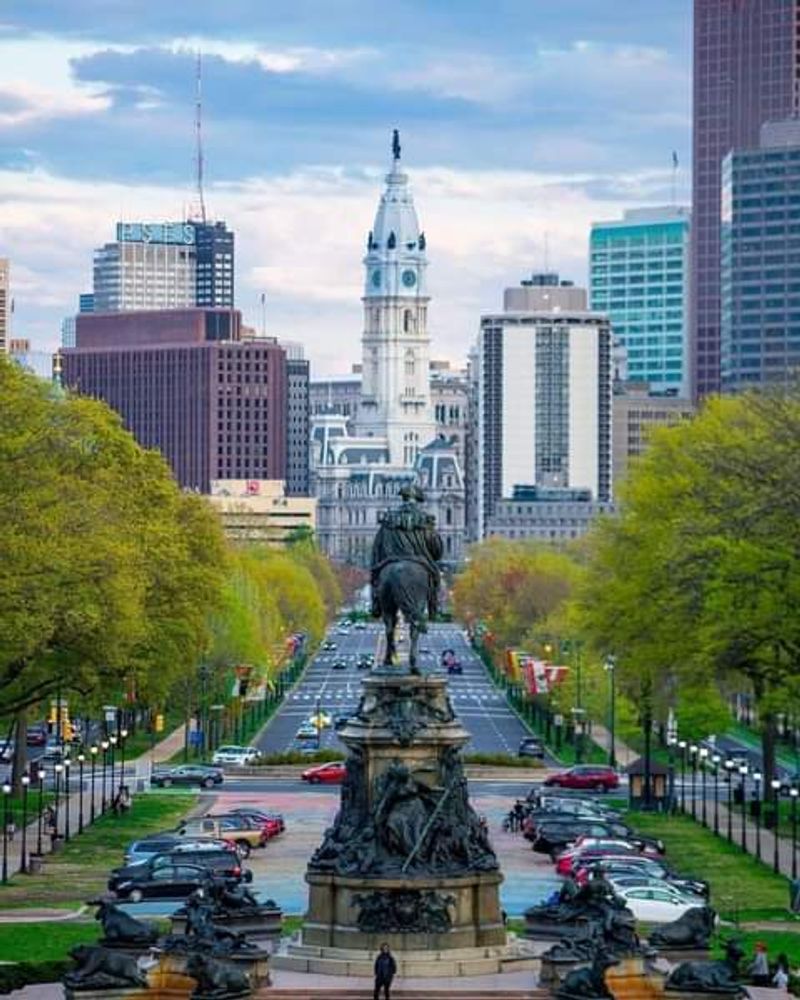
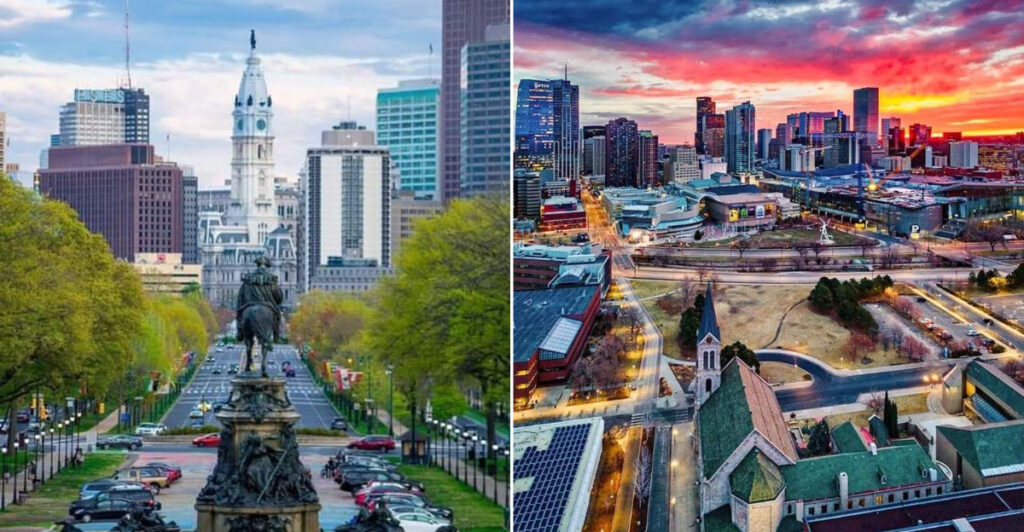
Philadelphia combines two things car-free travelers genuinely appreciate: a compact historic center and a solid public transportation network. SEPTA operates Regional Rail, buses, subways, and trolleys throughout the city and surrounding communities, covering a wide range of destinations.
Travelers flying into Philadelphia International Airport can take SEPTA’s Airport Line into Center City, with the Philadelphia Convention and Visitors Bureau noting the journey takes roughly 25 minutes. Amtrak makes the city equally attractive for train travelers, since 30th Street Station sits along the Northeast Corridor with connections to Washington, New York, and Boston.
Once you are in Center City, many of Philadelphia’s best-known historic areas are within comfortable walking distance of each other. The seasonal Philly PHLASH bus adds a useful option for visitors, linking popular attractions including Independence Hall and the Philadelphia Museum of Art.
For a city with this much history packed into a walkable core, leaving the car behind is an easy decision.
New Orleans, Louisiana
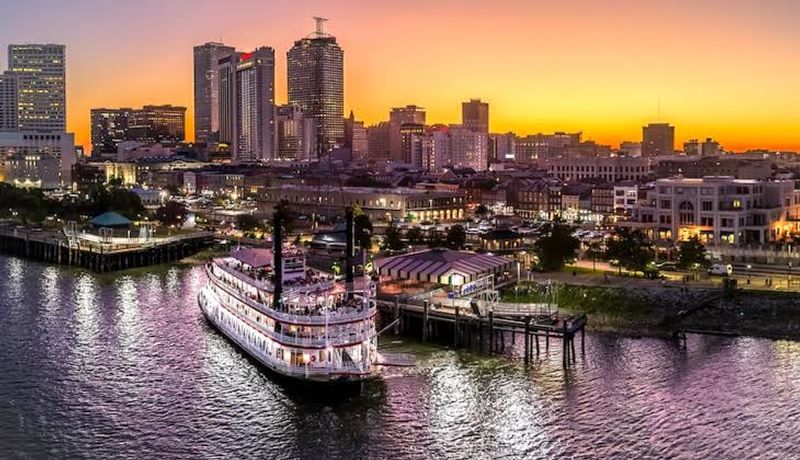
Few forms of public transportation feel as tied to the personality of a city as New Orleans’ streetcars. Riding one is not just a way to get somewhere; it can be a genuine part of the vacation experience.
The St. Charles Avenue line passes historic homes, massive live oaks, restaurants, Audubon Park, and the Tulane and Loyola university area. Other lines serve Canal Street, City Park, the riverfront, Tremé, and neighborhoods near the French Quarter.
New Orleans’ tourism organization actively promotes streetcar itineraries that let visitors explore the city without needing a car.
Combine those streetcar routes with walking around the French Quarter, Central Business District, and Garden District, and you can fill several full days without ever getting behind a wheel. For farther destinations or airport transfers, a rideshare is still far simpler than paying for a rental car throughout your entire stay in the city.
Savannah, Georgia

Savannah is one of the most appealing choices on this list for travelers who simply want to walk at their own pace. The city’s Historic Landmark District packs restaurants, shops, squares, museums, and historic buildings into a relatively small area, and Visit Savannah reports that more than 300 shops, restaurants, and attractions are within the Historic District.
The DOT Shuttle makes getting around even easier. It is free and serves the Historic Landmark District, including downtown and Forsyth Park, with stops connecting visitor centers and ferry landings.
The free Savannah Belles Ferry also connects the Historic District with locations across the Savannah River.
Savannah/Hilton Head International Airport sits outside downtown, so you will need transportation to get there and back. But once you are settled into a centrally located hotel, there is very little reason to keep a rental car sitting in a garage when the city’s best experiences are right outside your door.
San Diego, California
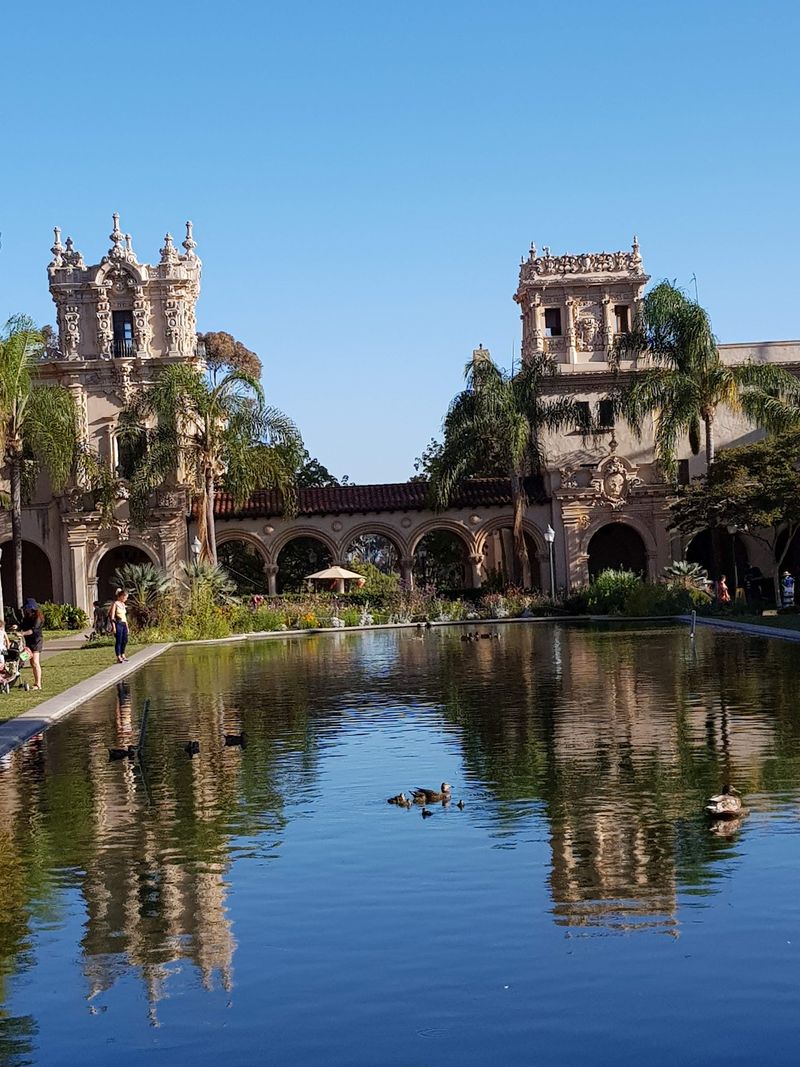
San Diego is more spread out than some cities on this list, so a car-free trip here requires a bit more planning upfront. The good news is that the right hotel location can make a huge difference in how manageable the whole trip feels.
The San Diego Trolley connects downtown with Old Town, Mission Valley, UC San Diego, and communities as far as San Ysidro near the Mexican border. The COASTER rail service adds another layer, linking downtown San Diego and Old Town with coastal communities including Solana Beach, Encinitas, Carlsbad, and Oceanside.
Buses fill in many of the remaining gaps across the city.
For the smoothest experience, consider staying around downtown, Little Italy, or the Gaslamp Quarter. You may need an occasional rideshare for attractions not near rail lines, but you can still avoid the daily cost of a rental car throughout your entire San Diego vacation.
Denver, Colorado
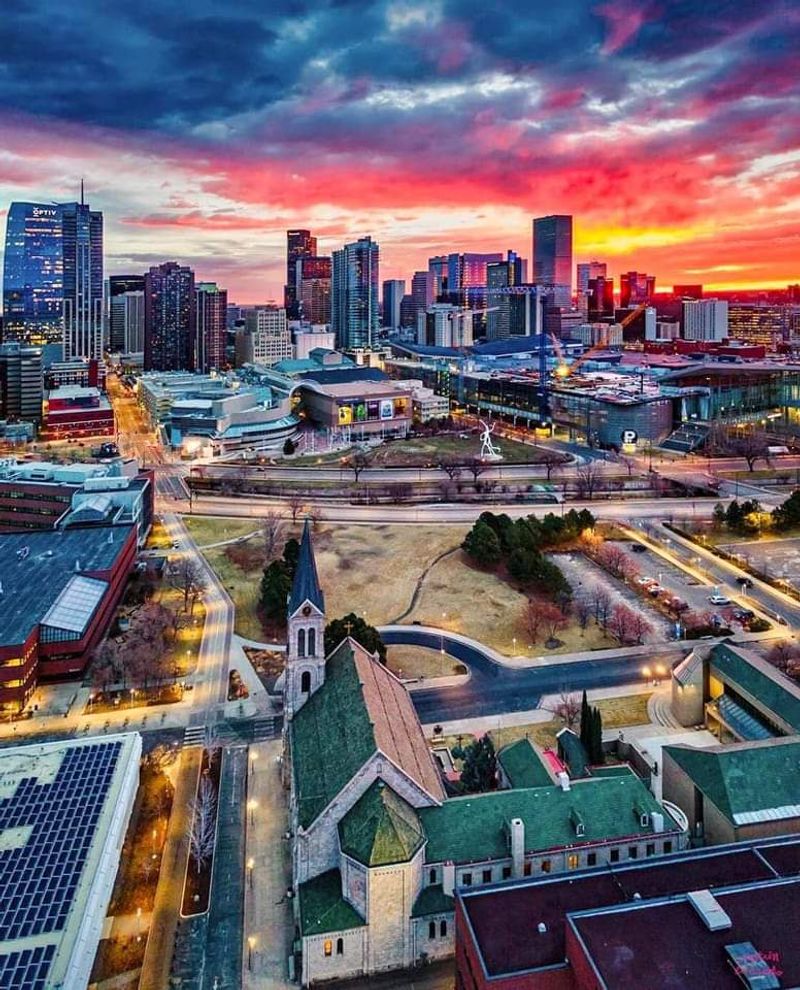
Flying into Denver does not mean you need to pick up a rental car. The RTD A Line connects Denver International Airport directly with Denver Union Station in the heart of downtown, and Visit Denver notes the 23-mile journey takes about 37 minutes.
Union Station functions as a central hub where travelers can connect with light rail, local and regional buses, Amtrak, and downtown transit services. Denver also operates free downtown transportation including FreeRide and MetroRide services, making it easier to reach hotels and destinations from Union Station without spending anything extra.
The important thing to keep in mind is that this works best for a city-focused vacation. If you plan to spend several days exploring remote mountain areas, you will need to consider shuttle services, tours, or other options.
But for museums, restaurants, sporting events, and neighborhoods around central Denver, renting a car is far from a requirement for a solid trip.
Key West, Florida
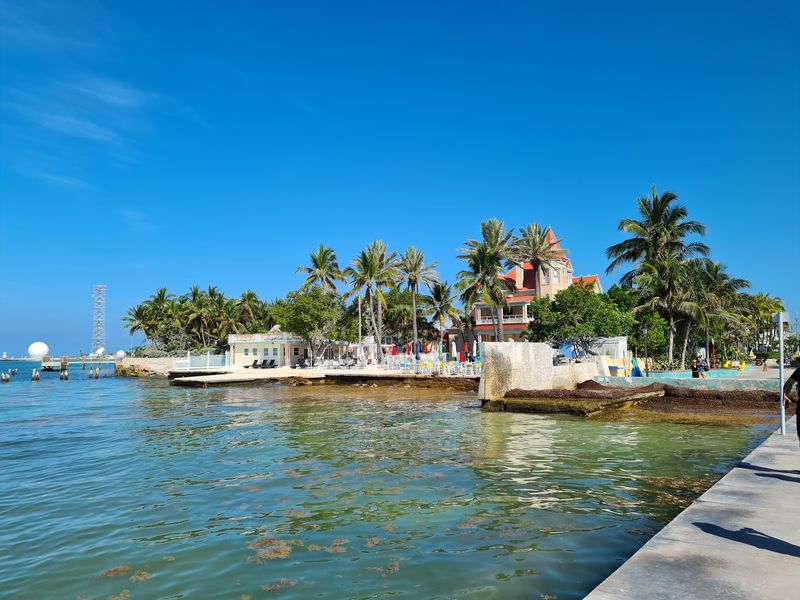
Key West might be one of the easiest tropical destinations in the country to enjoy without a car, and the reason is simple: there is not much distance to cover. The Key West Chamber of Commerce describes the island as roughly two miles by four miles and specifically recommends exploring by bicycle or on foot once you arrive.
Key West International Airport is about a 10-minute drive from downtown, with taxis and transportation services available for that short trip. Travelers should know that the Duval Loop bus was suspended beginning January 2, 2026, but its former stops are now served by Key West Rides, an on-demand shared transportation service that covers the same general area.
For visitors staying around Old Town, an enormous portion of the island’s restaurants, shops, waterfront areas, and historic sites are reachable on foot or by bicycle. Parking a car in Key West often creates more frustration than freedom, which makes leaving it behind an easy call.
Mackinac Island, Michigan
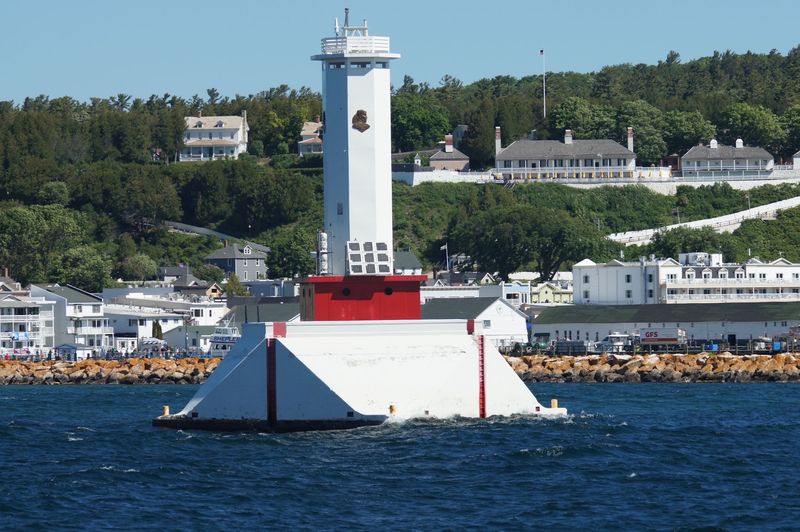
Mackinac Island does not simply make a rental car unnecessary. For visitors to this Michigan island, cars are not part of the experience at all.
The island has been car-free for more than a century, and transportation revolves entirely around walking, bicycles, horses, and horse-drawn carriages.
More than 1,500 rental bicycles are available on the island, and a network of trails provides plenty of options for exploring at your own pace. Getting there is part of the fun: during the visitor season, ferry companies operate frequent departures from Mackinaw City and St. Ignace.
The Mackinac Island Tourism Bureau notes that two ferry companies run from those mainland ports, with the fastest crossings taking roughly 15 to 20 minutes.
Once your ferry pulls away from the dock, traffic lights and parking garages simply disappear from your vacation. You can walk through downtown, rent a bicycle for the famous ride around the island’s perimeter, or call a horse-drawn taxi when your legs need a rest.
Share this story