Most animal parks keep you at a polite distance, separated from the wildlife by glass, fences, and a whole lot of “do not touch” signs. But there is a place in Western Pennsylvania where a kangaroo might eat right out of your hand, a baby goat might tug at your sleeve, and a camel might stick its enormous nose directly into your personal space. I visited on a warm weekday morning, and I left with feed dust on my jeans, a huge grin on my face, and zero regrets. What makes this park so special is not just the sheer variety of animals, but the philosophy behind the whole experience: that people connect more deeply with wildlife when they can actually interact with it.
By the time you finish reading, you will know exactly why families from Pittsburgh, Cleveland, and beyond keep coming back to this one-of-a-kind spot year after year.
Where It All Begins: Location and First Impressions
The moment you turn off I-79 near the New Castle/Moraine exit in Lawrence County, Western Pennsylvania, the trees close in around you and the pace of the world slows down noticeably.
Living Treasures “Wild” Animal Park sits at 268 Fox Rd, New Castle, PA 16101, tucked into a peaceful wooded setting that immediately signals this is not your average roadside attraction. The shaded pathways and tidy landscaping set the tone before you even buy your ticket.
The park is open seasonally from April through November, seven days a week from 10:00 AM to 6:00 PM. Parking is free, entry is genuinely affordable, and the staff at the entrance greet you with the kind of warmth that makes you feel like a regular even on your first visit.
From the moment you pass through the gate, the sounds of animals replace the noise of the highway, and the adventure begins in the best possible way.
A Family Dream That Grew Into Something Extraordinary
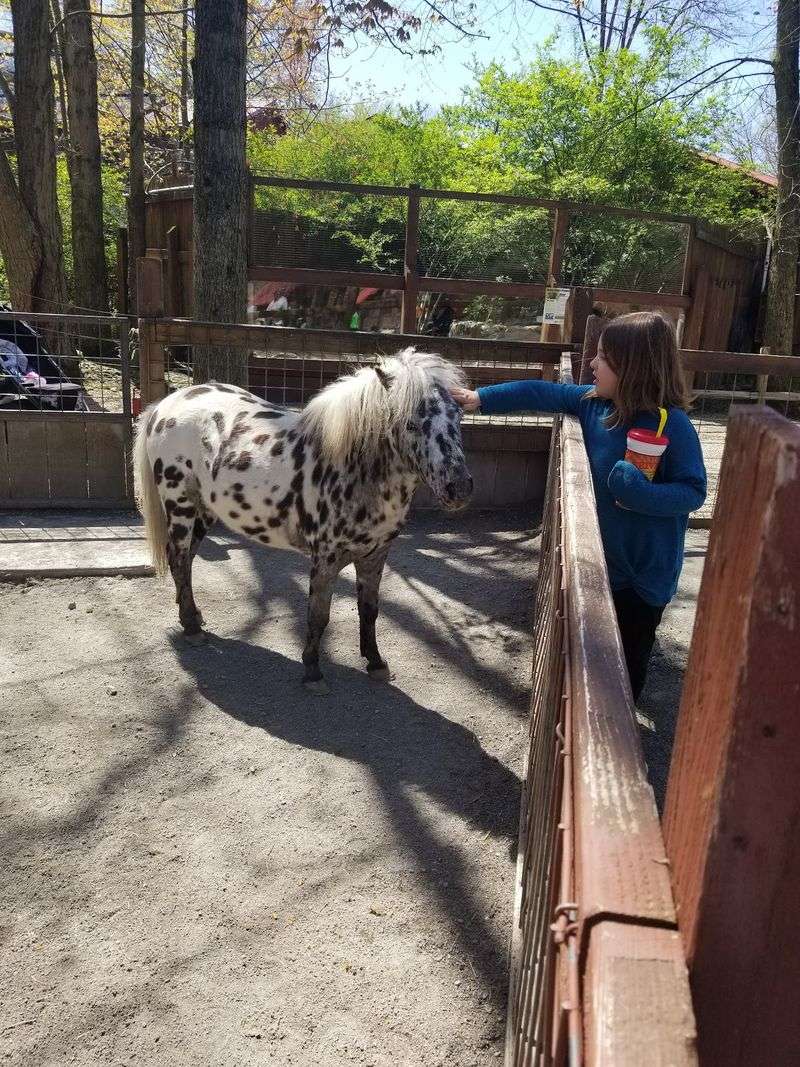
The story behind this park is one of those rare tales where a childhood passion turns into something truly remarkable for an entire community.
Founder Tom Guiher started raising chickens at age 13, selling eggs to neighbors before eventually expanding into exotic animals in 1988, including deer, wallabies, and pot-bellied pigs. Land near New Castle was acquired in 1991, habitats were built from the ground up, and the park officially opened to the public on Memorial Day weekend in 1992.
The next chapter belongs to Tom’s son, Adam Guiher, who grew up surrounded by animals and purchased the original park at just 19 years old in 2005. Under Adam’s leadership, exhibits expanded, habitats improved, and the guest experience deepened considerably.
The park receives no public funding, which means every improvement comes from the passion and hard work of the family and their dedicated team. That sense of personal investment shows in every corner of the grounds.
Over 500 Animals and the Jaw-Dropping Variety Behind Every Turn
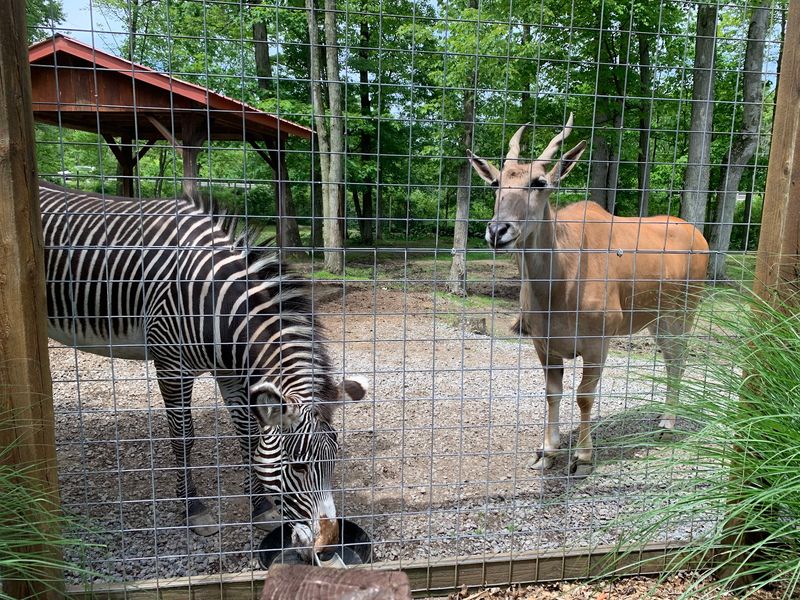
Pygmy hippos, clouded leopards, honey badgers, sloths, tapirs, capybaras, gibbons, dingos, flamingos, and American alligators are just a fraction of what you will encounter here.
The park is home to over 500 animals representing more than 70 species from around the world, and the variety is genuinely surprising for a regional attraction of this size. One moment you are watching prairie dogs pop in and out of their burrows, and the next you are standing a few feet from a grizzly bear or a zebra.
Each enclosure features an information board with photos and facts, so even younger visitors leave knowing something new about every creature they meet. The animals always have access to a sanctuary space, meaning they choose when to approach and interact.
That detail matters more than it might seem, because when an animal chooses to come to you rather than being forced to, the encounter feels completely different. Keep reading, because feeding time takes this to another level entirely.
Hand-Feeding Wildlife Is the Real Star of the Show
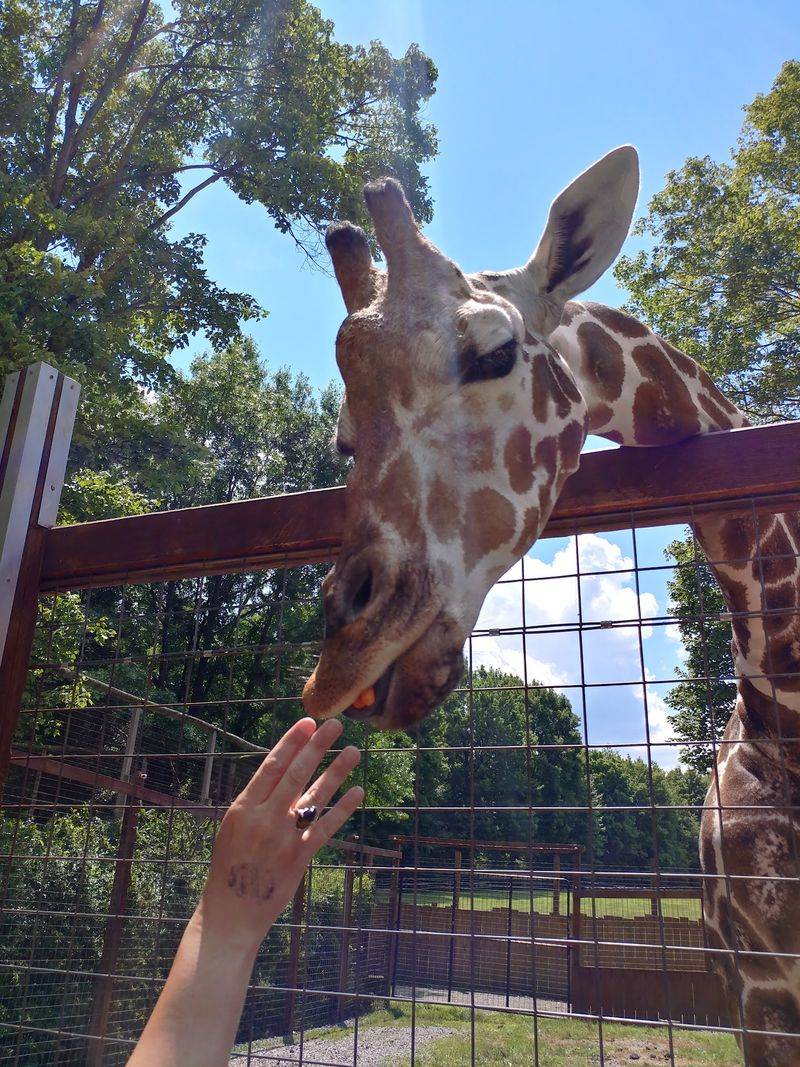
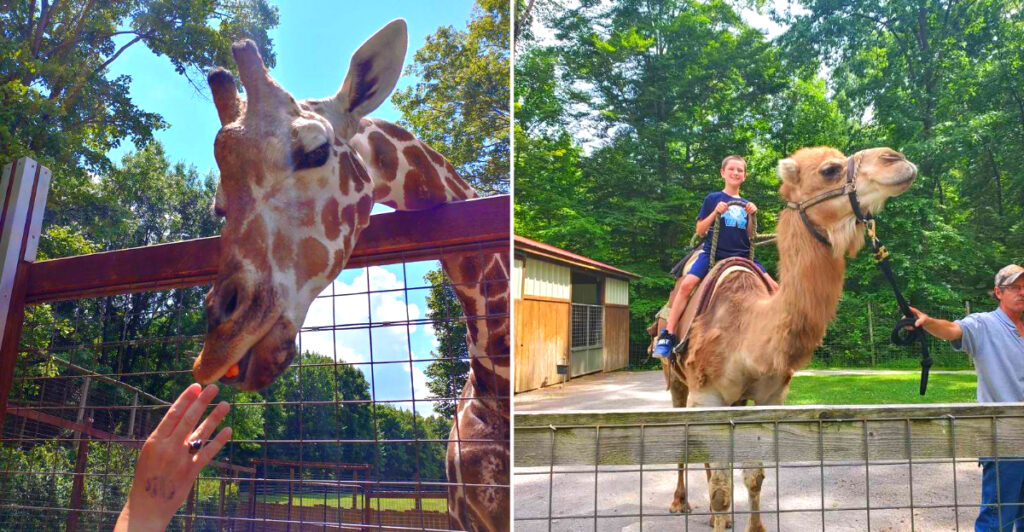
There is something almost magical about a camel lowering its massive head to gently take food from your open hand, its warm breath on your palm and its huge eyes blinking slowly at you.
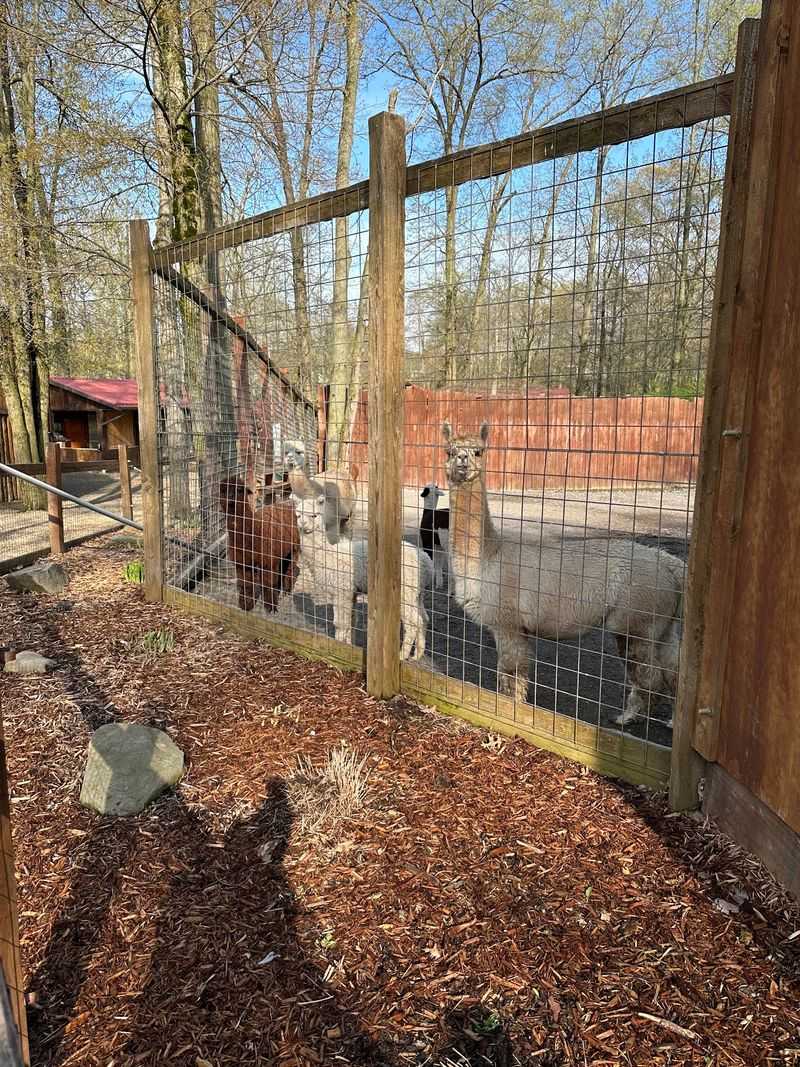
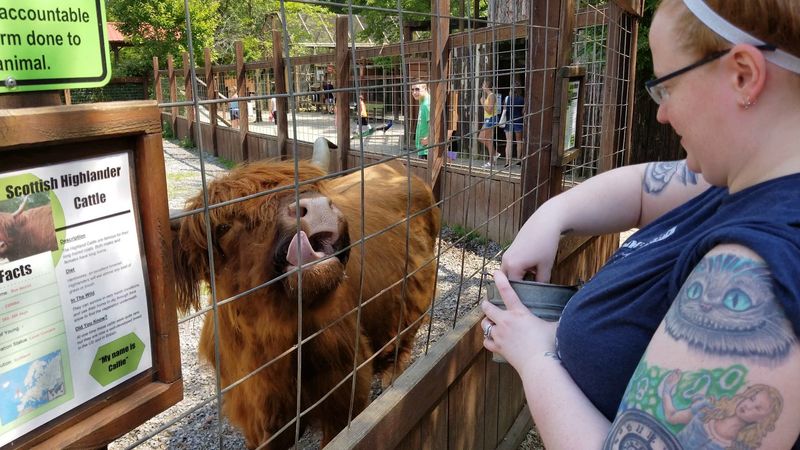
Animal feed is available for purchase throughout the park, and the list of species you can feed is impressively long: kangaroos, camels, fallow deer, alpacas, goats, water buffalo, monkeys, flamingos, pygmy hippos, Asian small-clawed otters, and even alligators, who receive their meals by toss rather than hand for obvious reasons.
Mornings are the best time to visit if feeding is your priority, since the animals tend to be hungrier and more actively engaged with guests early in the day. Bringing extra cash specifically for feed bags is one of the most practical tips I can pass along.
The monkeys are particularly enthusiastic about carrots, and watching them grab and inspect each piece with their tiny hands is the kind of moment that sticks with you long after you drive home.
The Walk-Through Aviary That Puts Birds Right in Your Hands
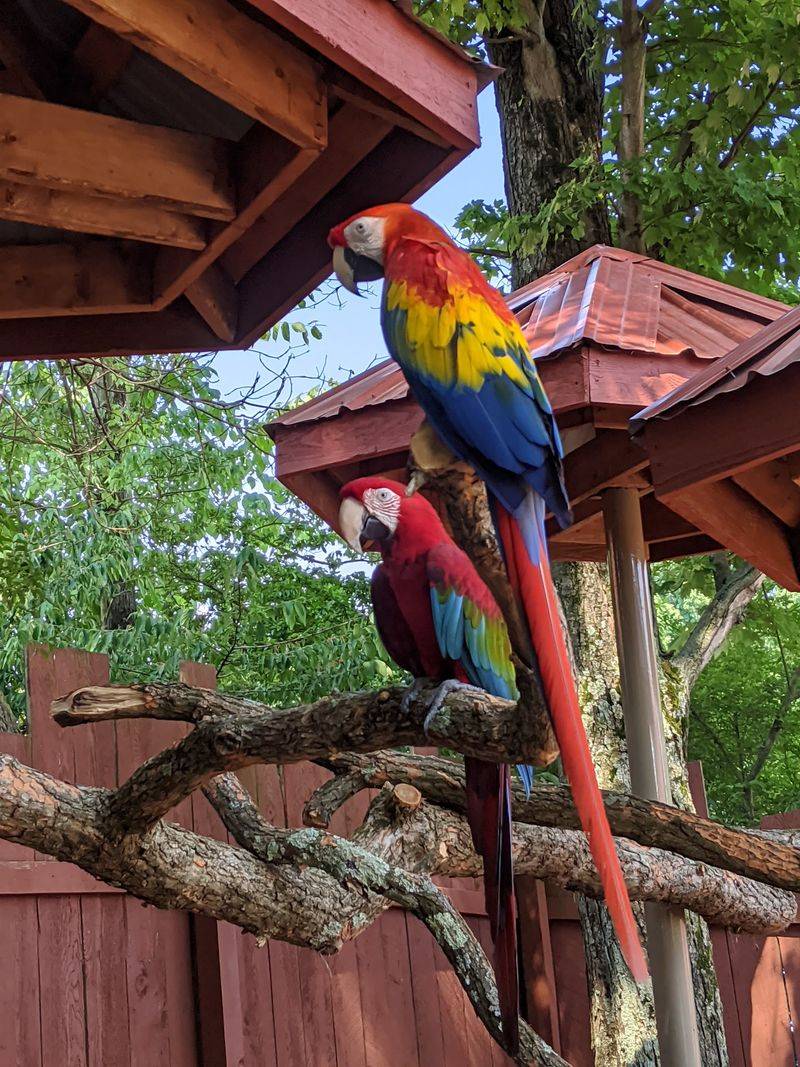
Most bird exhibits involve standing outside a wire mesh and squinting at a perch somewhere in the distance. The interactive aviary here works completely differently.
Guests walk directly into the enclosure holding a seed stick, and within moments, brilliantly colored birds land on arms, shoulders, and hands to feed. The experience is calm, surprisingly peaceful, and one of the most photographed moments of any visit to the park.
Families consistently mention the aviary as a standout highlight, especially for younger children who might be too small for some of the other feeding stations. The birds are relaxed and accustomed to human contact, which makes the whole interaction feel natural rather than forced.
Beyond the aviary, the park also features a walk-through bat house that offers a genuinely fascinating look at bat habitats and behavior, a rare opportunity that most visitors do not expect to find at a park of this scale.
The combination of both walk-through experiences in a single visit is hard to beat.
Petting Zoo, Pony Rides, and the Joy of Bottle-Feeding Baby Goats
Baby goats are objectively one of the great joys of the natural world, and the petting zoo section of this park delivers that joy in abundance.
The petting area features baby goats, newborn animals depending on the season, and various farm-friendly species that even the most cautious toddler tends to warm up to quickly. Bottle-feeding opportunities are available, and the look on a child’s face the first time a tiny goat latches onto a bottle is something parents tend to photograph immediately.
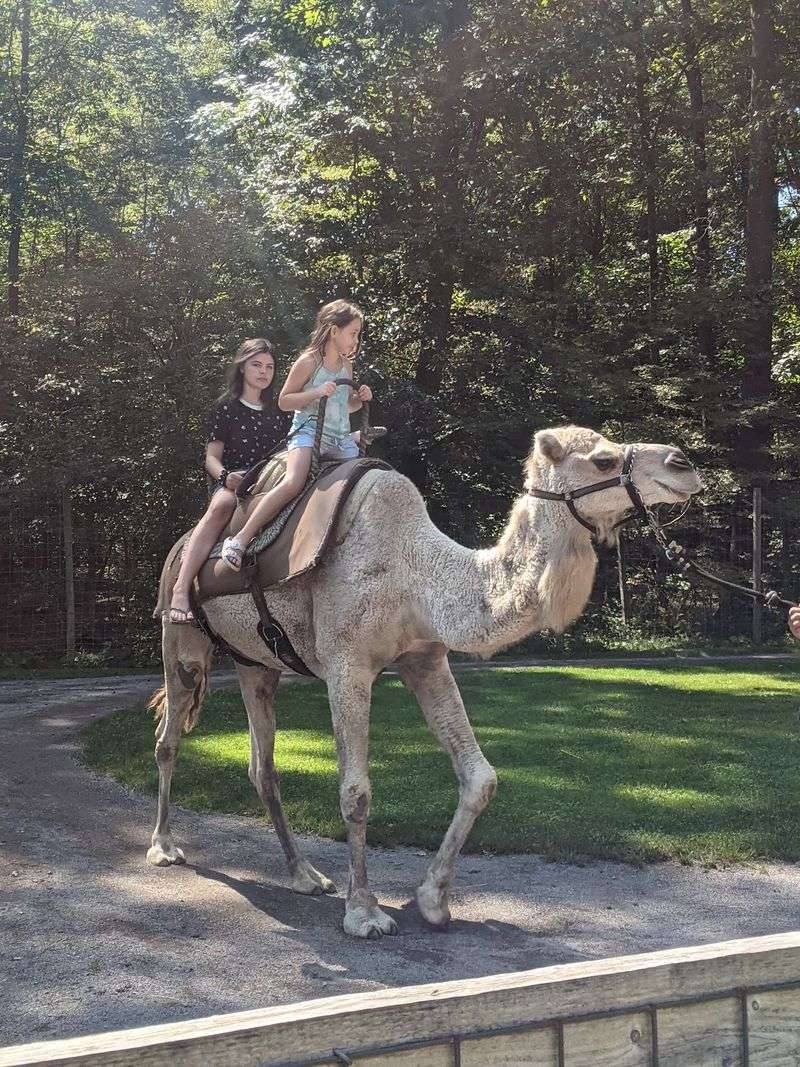
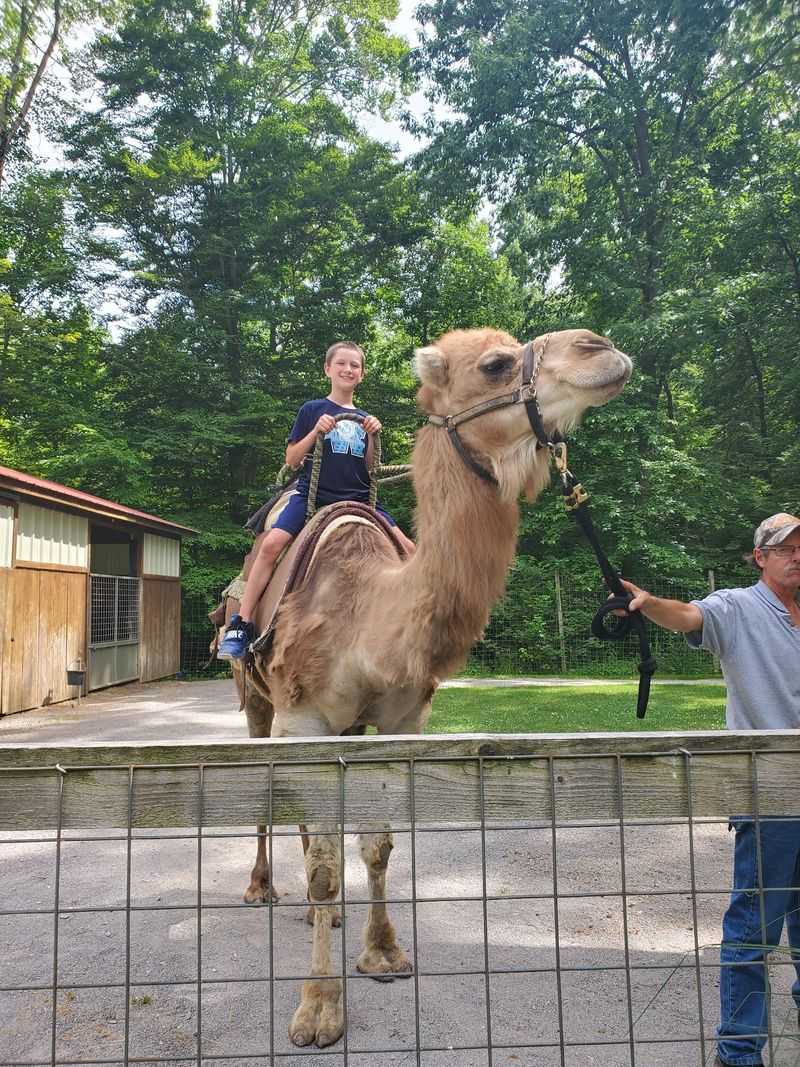
Pony rides are offered for children under 80 pounds, and the staff managing the ride area are patient, attentive, and clearly experienced with young riders. Camel rides are also available, providing a slightly more adventurous option for older kids and adults who want something a little bolder than a pony loop.
The petting zoo sits comfortably within the park’s overall flow, so it never feels like a separate add-on. It feels like a natural part of a day that keeps building in warmth and delight.
Souvenir Photos That Are Genuinely Unforgettable
Forget the standard gift shop photo booth. The souvenir photo opportunities at this park involve actual animals, and the results are the kind of pictures that end up framed on living room walls.
Guests can hold a baby kangaroo, cuddle a wallaby, or pose with a ball python for a keepsake photo that no theme park ride photo can compete with. Staff members handle the animals carefully and guide guests through each encounter with a calm, reassuring confidence that makes even nervous visitors feel at ease.
For those who want a deeper connection, the park offers specialized animal encounters including time with Asian small-clawed otters in their naturalistic habitat, and occasional sloth and capybara encounters that are offered as separate, paid experiences. These brief interactions are genuinely memorable rather than gimmicky.
The difference between watching an animal behind glass and actually holding one is enormous, and this park understands that better than almost any other attraction in the region. The photos prove it every single time.
The Setting Itself Is Worth the Drive
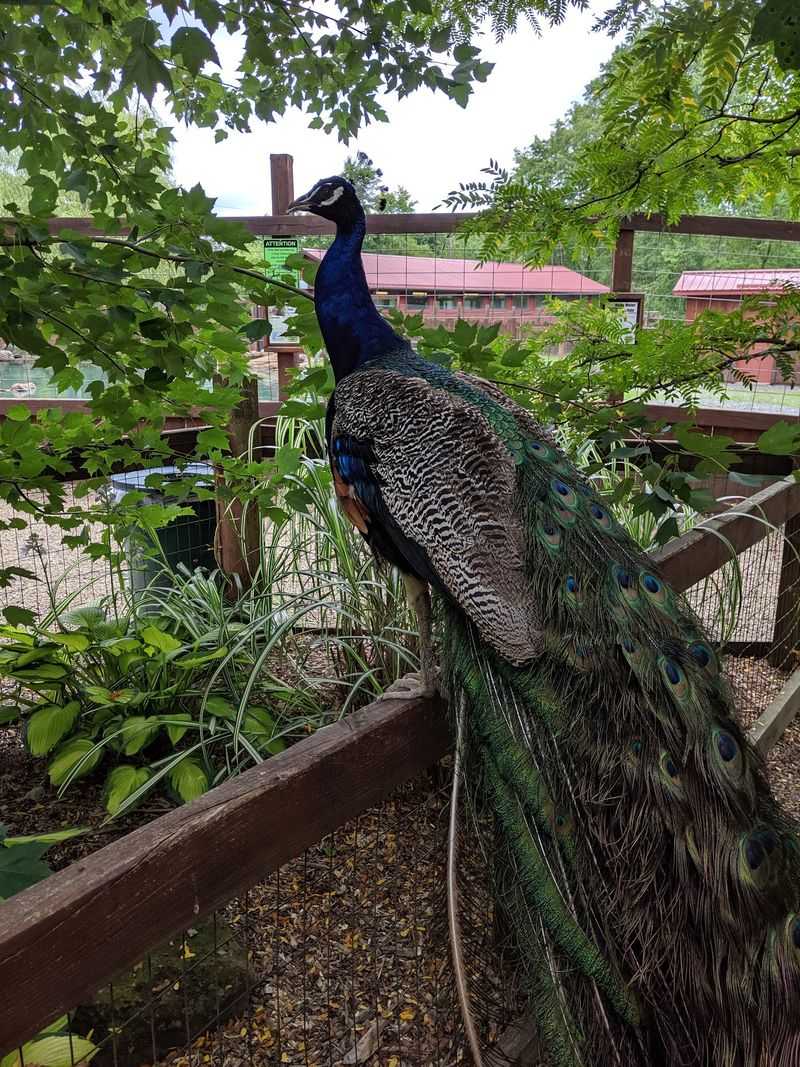
The park’s wooded, shaded setting is one of its most underrated qualities, especially during summer visits when the tree canopy keeps temperatures noticeably cooler than open-air parks.
Pathways are a mix of paved and gravel surfaces, and the layout is designed for a comfortable stroll rather than a long march. Most areas are accessible for strollers and wheelchairs, which makes the park genuinely inclusive for visitors of all mobility levels.
The grounds are consistently described as clean and well-maintained, with restrooms, a concession stand called The Watering Hole, a gift shop, and picnic shelters all available on site. A playground and a pirate ship structure add an extra layer of entertainment for younger visitors who need a break between animal encounters.
Most families spend between two and four hours exploring, though picnic lunch visitors easily stretch that to five hours without running out of things to see and do. The park never feels rushed, and that relaxed pace is part of its considerable charm.
Animal Welfare Practices That Go Beyond the Standard
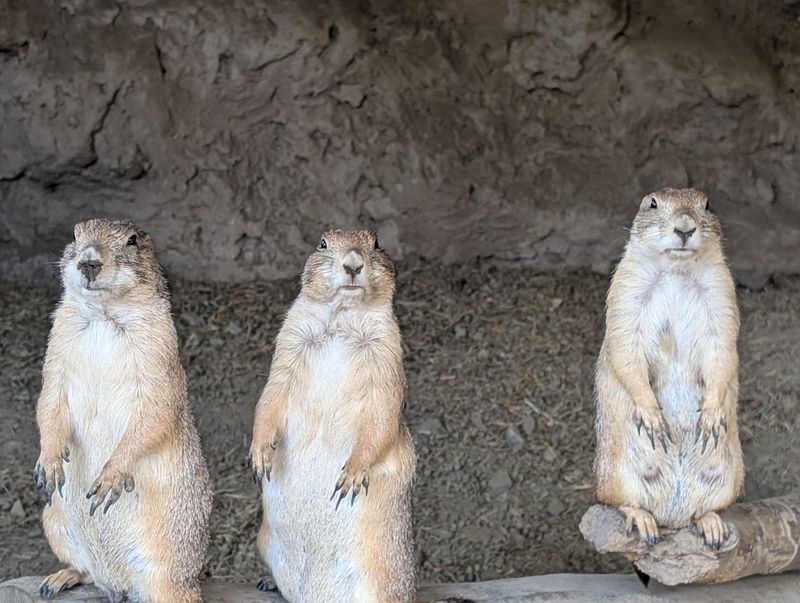
One of the first things that stands out during a visit is how content and active the animals appear, and that does not happen by accident.
The park provides animals with more than double the space required by the Department of Agriculture, and every animal always has access to a sanctuary area where it can retreat from visitors whenever it chooses. That policy means interactions happen on the animal’s terms, which results in encounters that feel authentic and respectful rather than performative.
During winter months, temperature-sensitive animals are moved into over 10,000 square feet of heated facilities, ensuring their comfort and safety during the off-season. Quality nutrition and regular health care programs are maintained year-round, even during the months the park is closed to the public.
The park supports wildlife conservation and education as core parts of its mission, and that commitment is visible in the thoughtful design of each habitat. Animals here are clearly treated as living treasures in the most literal sense of the name.
Planning Your Visit: Practical Tips Worth Knowing Before You Go
A few practical details can make the difference between a good visit and a great one, and this park rewards a little advance planning.
Mornings on weekdays are the sweet spot: animals are more active, crowds are thinner, and you can move through the park at your own pace without waiting at popular feeding stations. The park is open from 10:00 AM to 6:00 PM daily during its April through November season, and you can reach them at 724-924-9571 or check ltzoo.com for updates on special events and seasonal programs.
Bring extra cash or budget for animal feed purchases, as this is genuinely the heart of the experience and the cost is very reasonable. No outside food is permitted inside the park, but the on-site concession stand and picnic shelters just outside the entrance cover that need comfortably.
The park also has a sister location, Keystone Safari in Grove City, Pennsylvania, and season passes are valid at both locations. Visiting both in a single day is a popular and very worthwhile option for the truly committed animal lover.
Share this story