Rain in Pennsylvania does not have to mean a wasted weekend. The Keystone State is packed with world-class museums, underground caverns, historic landmarks, and quirky attractions that are practically designed for days when the sky turns gray.
This list covers 14 destinations across Pennsylvania that give you real reasons to look forward to a cloudy forecast. These spots offer genuine variety, interesting history, and plenty to keep curious minds busy for hours.
Pack a light jacket, skip the sunscreen, and get ready to discover why a rainy weekend in Pennsylvania might just be the best kind.
1. The Franklin Institute, Philadelphia, Pennsylvania
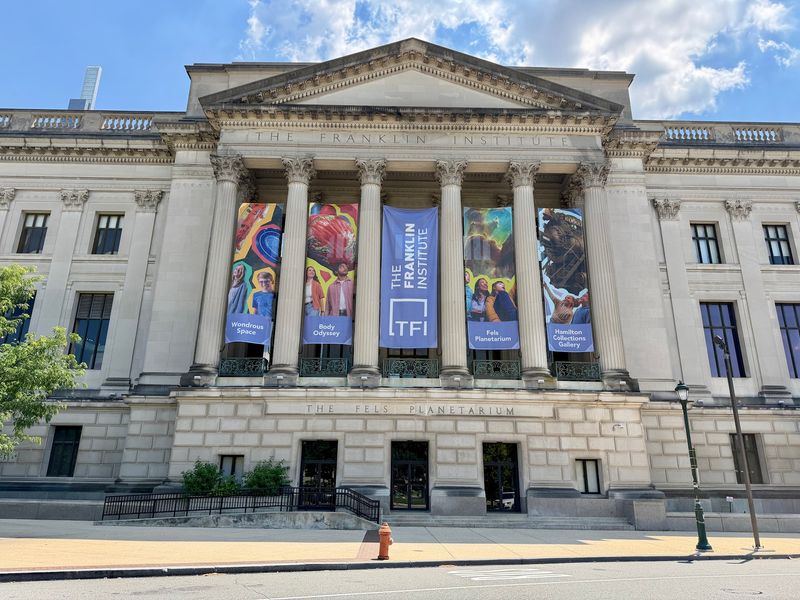
Science has never looked this fun, and The Franklin Institute in Philadelphia makes a strong case for why rainy days deserve their own fan club. Spread across three floors, this hands-on museum invites visitors to participate rather than just observe, with interactive exhibits covering space, technology, and the human body.
The Giant Heart remains one of the most iconic attractions in any Pennsylvania museum. Visitors can walk through a life-sized model of the human heart, following the path of blood through chambers and valves, which makes it an unforgettable stop for both kids and adults.
Beyond the heart, the museum dedicates serious real estate to electricity, trains, and the cosmos. A single visit rarely covers everything, which makes it an easy destination to return to whenever another gray afternoon rolls around.
2. Reading Terminal Market, Philadelphia, Pennsylvania
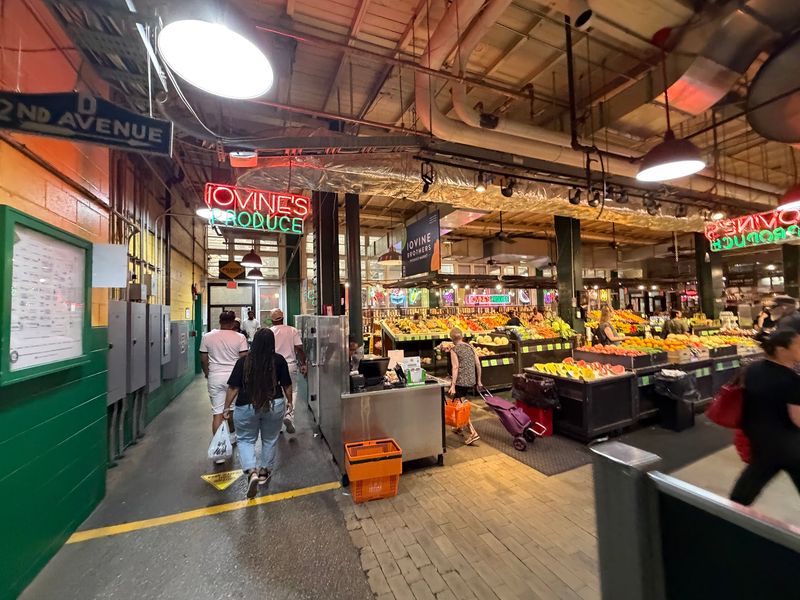
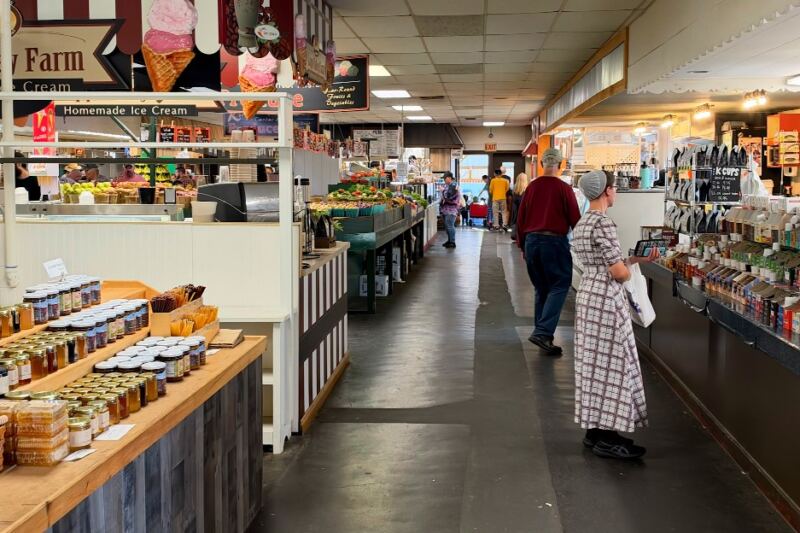
Philadelphia’s most beloved indoor food hall has been feeding curious visitors since 1893, and it shows no signs of slowing down. Reading Terminal Market fills a historic train shed with more than 80 merchants selling everything from fresh produce to handmade pasta, baked goods, and specialty sandwiches.
Pennsylvania Dutch vendors are a particular highlight, offering dishes like scrapple, soft pretzels, and shoofly pie that are rooted in the region’s long culinary history. The Amish vendors typically operate Tuesday through Saturday, so timing a visit mid-week can mean shorter lines and a fuller selection.
The layout encourages wandering, with no particular route required. Visitors often spend two to three hours grazing between stalls, which makes this one of the most naturally paced and satisfying ways to outlast a rainy Philadelphia afternoon.
3. Philadelphia Museum of Art, Philadelphia, Pennsylvania
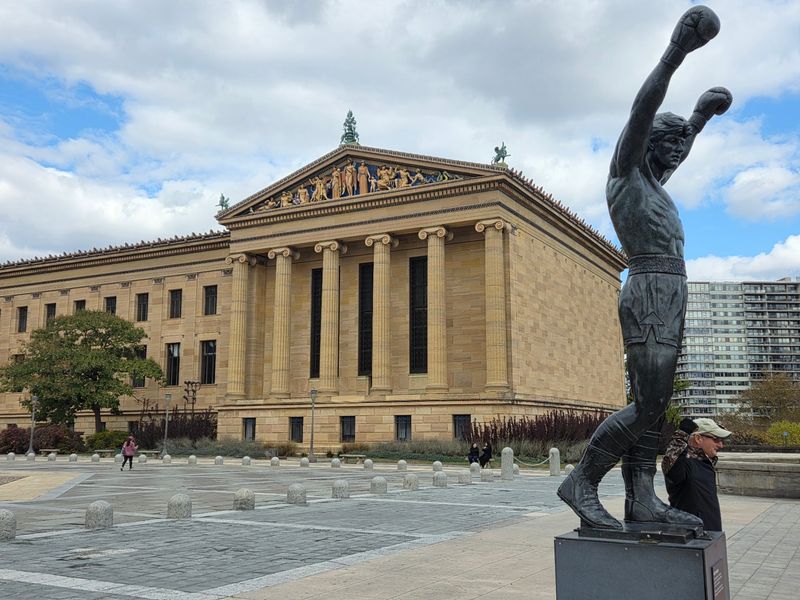
One of the largest art museums in the United States, the Philadelphia Museum of Art holds more than 240,000 objects spanning 2,000 years of human creativity. The collection ranges from medieval armor and ancient Greek pottery to Impressionist paintings and modern sculpture, making it genuinely difficult to run out of things to see.
The building itself is worth noting. Completed in 1928, its neoclassical design and prominent position on the Benjamin Franklin Parkway give the museum a formal grandeur that sets the mood before visitors even reach the front door.
The wide stone steps, made famous by a certain fictional boxer, remain a popular photo spot even in the rain.
Special exhibitions rotate throughout the year, adding fresh reasons to visit beyond the permanent galleries. A membership pays for itself quickly if you plan to return more than once.
4. Eastern State Penitentiary, Philadelphia, Pennsylvania
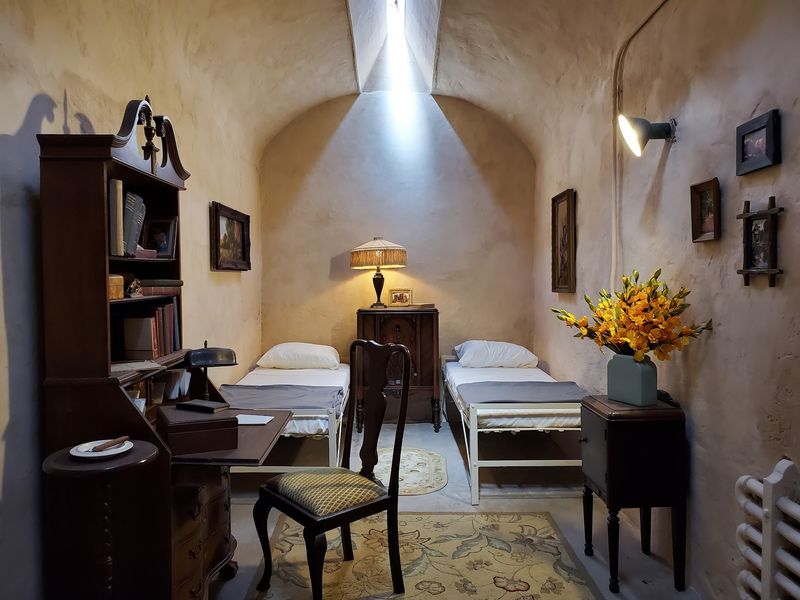
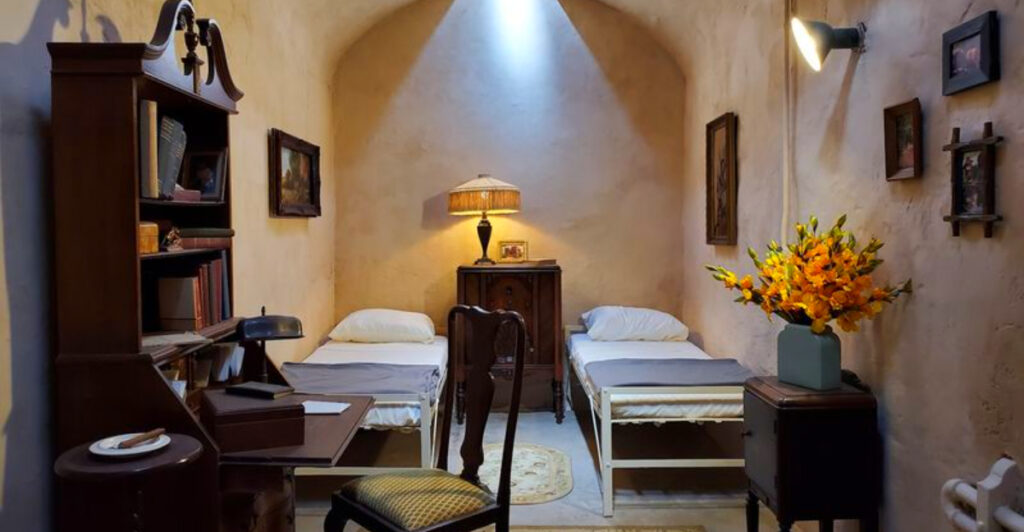
Opened in 1829 and operational until 1971, Eastern State Penitentiary was once the most expensive building ever constructed in the United States. Its radial design, with cellblocks extending from a central rotunda like spokes on a wheel, was considered a revolutionary approach to prison architecture and attracted visitors from around the world during its active years.
The penitentiary pioneered solitary confinement as a method of rehabilitation, a controversial philosophy that sparked international debate. Al Capone and bank robber Willie Sutton were among its most notorious residents, and their former cells are part of the tour.
Most of the buildings are not climate-controlled, so temperatures inside mirror those outside. Wear layers and comfortable shoes, as walking surfaces can be uneven.
Rain does little to diminish the experience and may actually add to the historic atmosphere of the crumbling cellblocks.
5. Carnegie Museum of Natural History, Pittsburgh, Pennsylvania
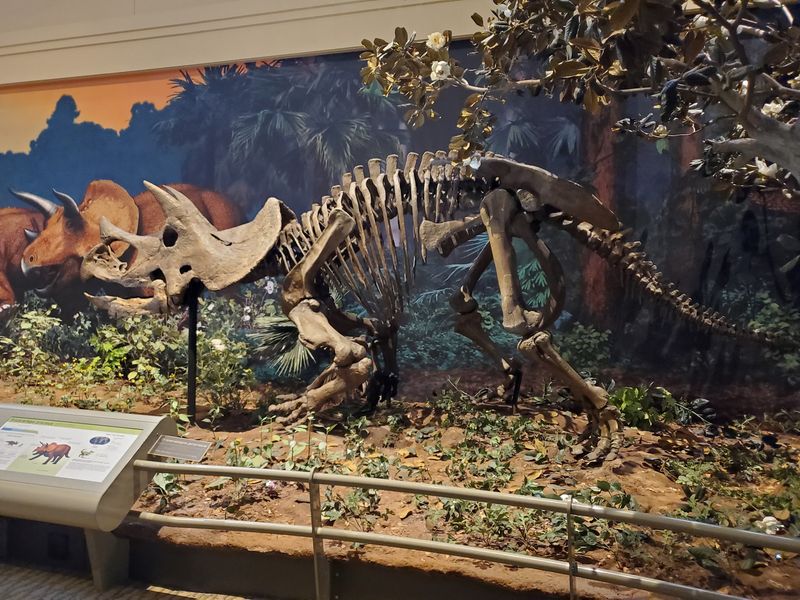
Pittsburgh’s Carnegie Museum of Natural History holds one of the most significant fossil collections in the world, including the holotype specimen of Tyrannosaurus rex. The “Dinosaurs in Their Time” exhibit presents real fossils in scientifically accurate reconstructions, giving visitors a far more grounded view of prehistoric life than the dramatized versions common in popular media.
The museum extends well beyond dinosaurs. The Hillman Hall of Minerals and Gems displays more than 1,300 specimens from around the globe, while the Hall of North American Wildlife features detailed habitat dioramas that document ecosystems from the Arctic to the desert Southwest.
A convenient bonus: one ticket grants access to both the Carnegie Museum of Natural History and the adjacent Carnegie Museum of Art, which share a historic building. That combination makes for a very full and rewarding rainy day in Pittsburgh.
6. The Andy Warhol Museum, Pittsburgh, Pennsylvania
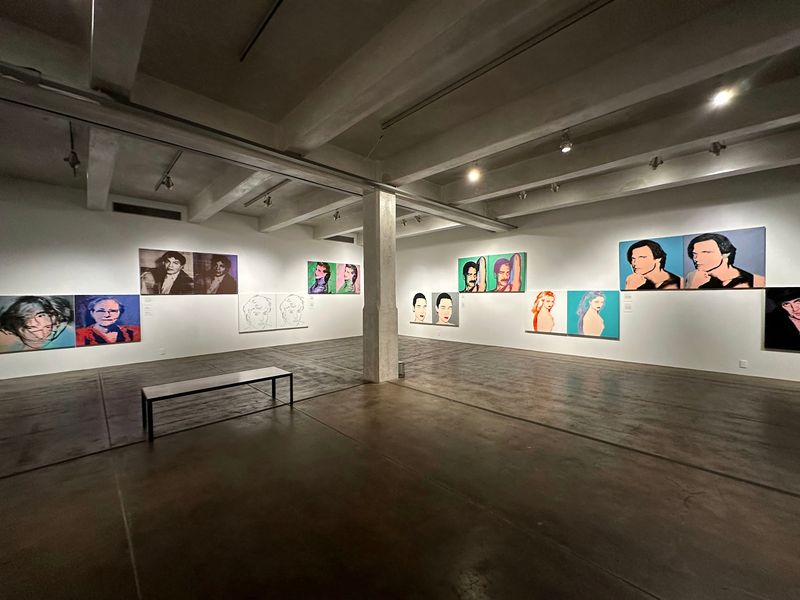
Born in Pittsburgh in 1928, Andy Warhol became one of the most recognized and debated figures in 20th-century art. The museum dedicated to his life and work occupies seven floors and holds more than 900 original works, making it the largest museum in the United States devoted to a single artist.
The collection covers the full arc of his career, from early commercial illustrations to the famous silkscreens, experimental films, and time capsules that document his obsessive archiving of everyday objects. Many visitors are surprised by how much exists beyond the soup cans and celebrity portraits.
The museum also maintains a rotating program of temporary exhibitions and events that connect Warhol’s ideas to contemporary culture. For a slow, contemplative rainy day in Pittsburgh, this is a destination that rewards genuine curiosity rather than a quick walk-through.
7. Phipps Conservatory and Botanical Gardens, Pittsburgh, Pennsylvania
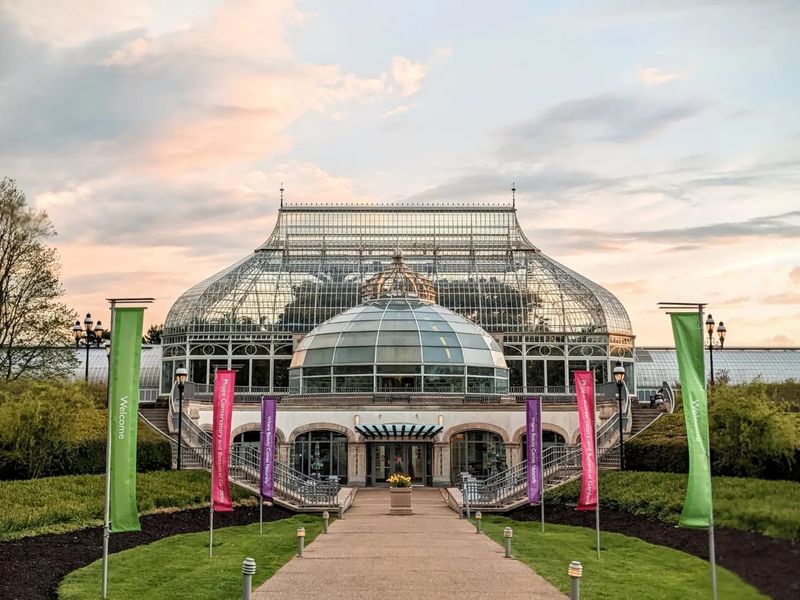
Built in 1893 and donated to the city of Pittsburgh by industrialist Henry Phipps Jr., this Victorian glasshouse spans 14 interconnected rooms and sits on 15 acres that include 23 distinct gardens. The structure itself is a notable example of Victorian greenhouse architecture, with ornate glass and metalwork that has been carefully preserved through multiple renovations.
Inside, the conservatory maintains a rotating series of botanical displays. The Tropical Forest Conservatory features man-made waterfalls and a fish pond, while the Orchid Room, Fern Room, and Desert Room each offer a distinct plant environment worth exploring on its own terms.
Phipps holds LEED Platinum certification for its greenhouse production facility, reflecting a serious commitment to sustainable operations. Seasonal flower shows transform the interior displays throughout the year, giving repeat visitors a genuinely different experience each time they return.
8. National Aviary, Pittsburgh, Pennsylvania
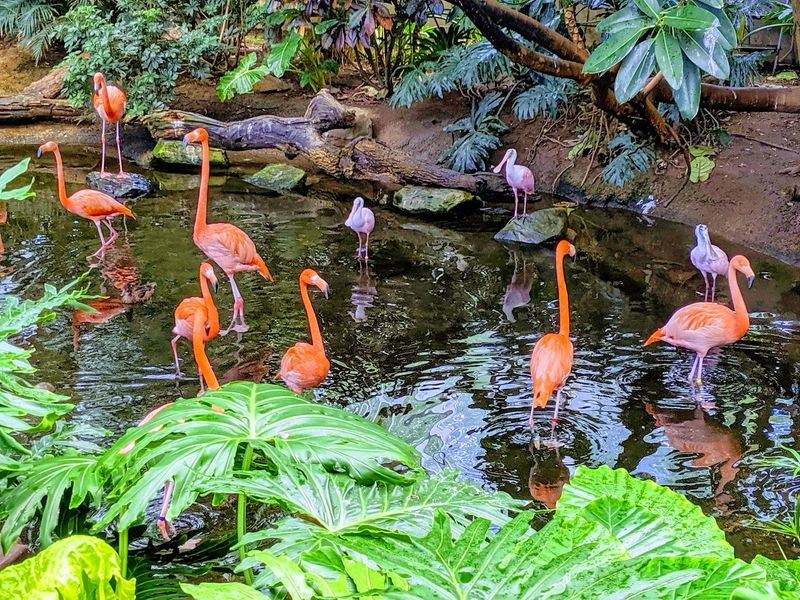
The National Aviary is the only independent indoor nonprofit aviary in the United States with national designation, and it takes that distinction seriously. Its Pittsburgh facility houses more than 500 birds representing over 150 species, many of which are endangered or threatened in the wild.
The free-flight exhibits are what set this place apart from a standard zoo experience. In several habitats, birds move freely through the space, sometimes landing nearby or passing overhead, which creates a more dynamic encounter than looking through glass or wire.
The Tropical Rainforest and Grasslands of Africa habitats are particularly immersive in their layout and species variety.
For families with younger children, the aviary offers keeper talks and feeding demonstrations that add an educational layer to the visit. Rain outside is essentially irrelevant once you are inside, making this a reliable and genuinely engaging Pittsburgh destination on a gray day.
9. Longwood Gardens, Kennett Square, Pennsylvania
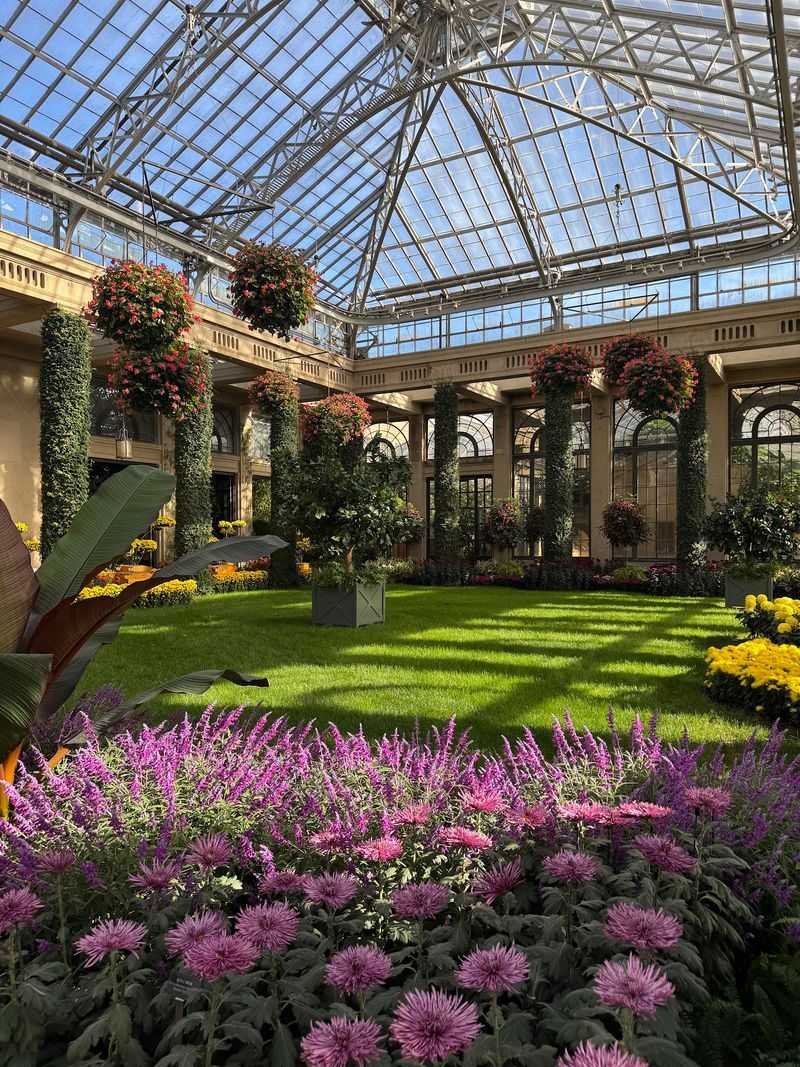
Pierre du Pont purchased the Longwood property in 1906 and spent decades transforming it into one of the most ambitious horticultural estates in North America. Today, the conservatory alone covers 4.5 acres of indoor garden space, making it large enough that a full exploration takes several hours even without venturing outdoors.
The indoor spaces include a Main Conservatory with elaborate fountains and architectural details, along with specialized rooms dedicated to orchids, ferns, palms, and bonsai. Seasonal displays rotate throughout the year, with holiday lighting installations and spring flower shows drawing particularly large crowds.
On a rainy day, the conservatory is the clear priority, but a break in the showers gives visitors a chance to explore the 1,077 acres of outdoor gardens. Timed entry tickets are required and sell out in advance during peak seasons, so booking early is a practical step worth taking.
10. Mercer Museum, Doylestown, Pennsylvania
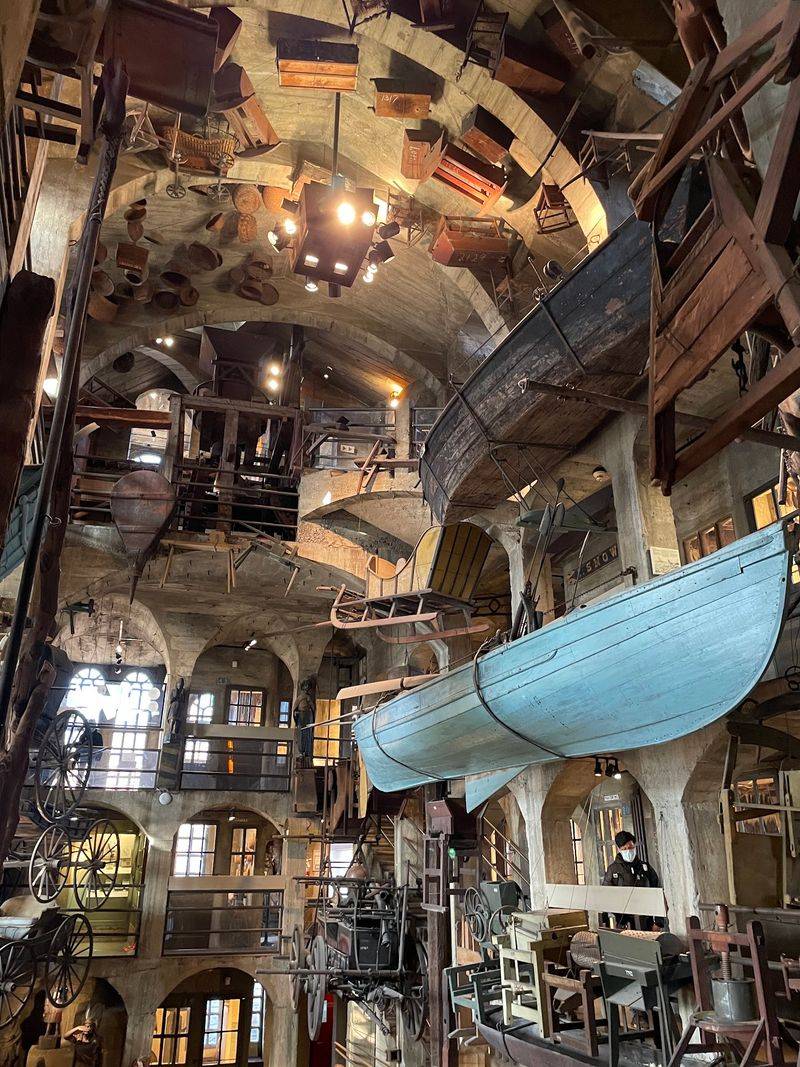
Henry Chapman Mercer built his museum by hand between 1913 and 1916, using reinforced concrete in a time when that material was still considered experimental for residential and civic structures. The result is a six-story building that looks vaguely like a castle and functions as one of the most unusual collection spaces in the northeastern United States.
More than 40,000 pre-industrial American tools and artifacts fill the galleries, covering over 60 different trades and crafts. Large items such as a Conestoga wagon, horse-drawn carriages, and an antique fire engine are suspended within the open central court, creating a dramatic vertical display that visitors often describe as overwhelming in the best possible way.
A modern ground-floor expansion provides climate-controlled gallery space for rotating exhibitions and improved accessibility. The historic upper floors are not climate-controlled, so temperatures inside reflect the weather outside, which makes layering a smart choice on a cool rainy day.
11. Railroad Museum of Pennsylvania, Strasburg, Pennsylvania
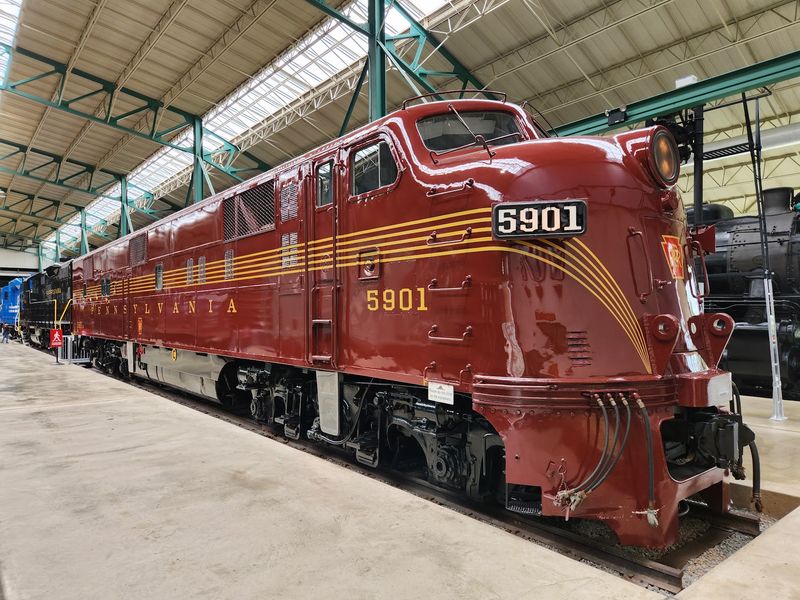
Strasburg, Pennsylvania, has a legitimate claim to being one of the most rail-obsessed towns in America, and the Railroad Museum of Pennsylvania anchors that reputation with a collection that spans more than 100 locomotives and railroad cars. The museum’s main exhibit hall is large enough to house full-size equipment indoors, allowing visitors to get genuinely close to historic machinery.
The collection includes steam, diesel, and electric locomotives, along with passenger cars and freight equipment that document different eras of Pennsylvania railroad history. Interpretive exhibits explain how rail networks shaped the economic and social development of the state, particularly during the 19th and early 20th centuries.
A hands-on restoration building lets visitors observe ongoing preservation work, which adds a behind-the-scenes dimension to the experience. The museum is located just steps from the Strasburg Rail Road, a heritage railway that offers short scenic excursions, weather permitting, for visitors who want to combine both attractions.
12. The Hershey Story Museum, Hershey, Pennsylvania
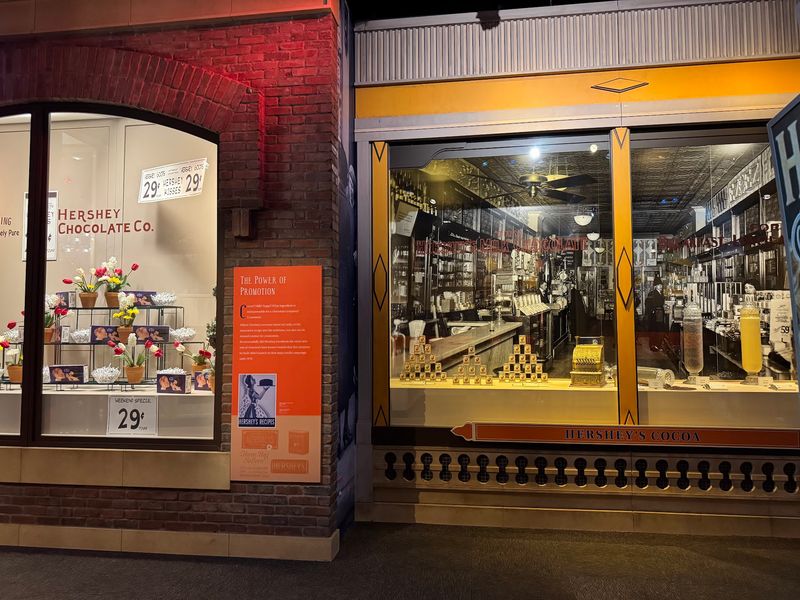
Milton Hershey did not simply build a chocolate factory. He built an entire town around it, complete with schools, parks, a trolley system, and housing for workers, all funded by the profits of his confectionery business.
The Hershey Story Museum, located at 63 West Chocolate Avenue, tells that larger story with exhibits that go well beyond candy production.
The museum covers Hershey’s early business failures before his eventual success, his philanthropic vision, and the ongoing legacy of the Milton Hershey School, which continues to serve students from lower-income families using a trust he established in 1909. The Chocolate Lab experience offers a hands-on component where visitors can make and taste their own chocolate creations, available for an additional fee.
The building is fully wheelchair accessible, and all videos in the exhibits are captioned. Photography is permitted throughout, though tripods and selfie sticks are not allowed in exhibit areas.
It is a well-organized and genuinely informative stop in Hershey.
13. Turkey Hill Experience, Columbia, Pennsylvania
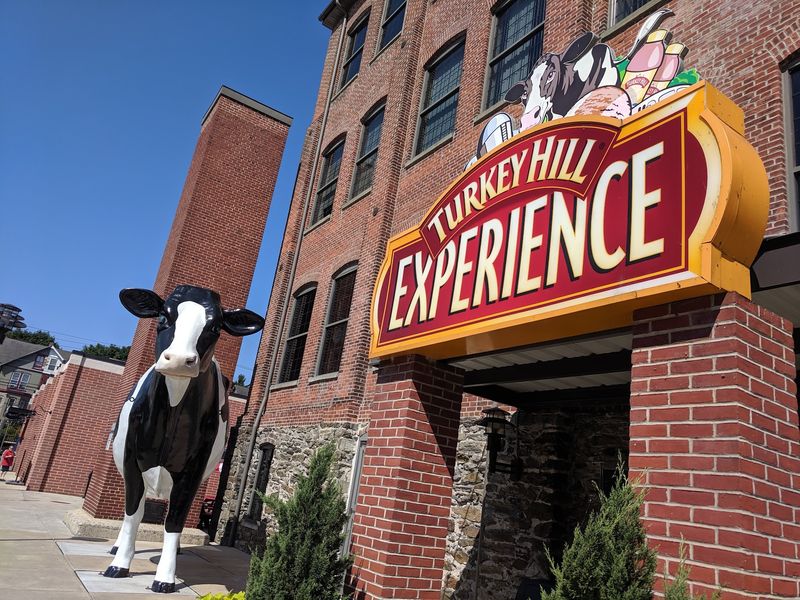
Turkey Hill Dairy has been a Pennsylvania institution since 1931, and its Columbia attraction gives visitors a surprisingly detailed look at how a regional dairy brand became a household name. The Turkey Hill Experience occupies a renovated 17,000-square-foot silk mill, which gives the building a bit of industrial character that contrasts nicely with the cheerful exhibits inside.
The main draw for most visitors is the interactive ice cream-making station, where guests can create a virtual flavor, design the packaging, and produce a personalized commercial. The Taste Lab takes that concept further by allowing participants to develop and sample their own actual ice cream combination, though this requires a separate reservation and fee.
Unlimited samples of ice cream and iced tea are included with general admission, which makes the ticket price feel reasonable. Other hands-on stations include a vintage milk truck photo opportunity and mechanical cow milking demos that tend to be popular with younger visitors.
14. Penn’s Cave & Wildlife Park, Centre Hall, Pennsylvania
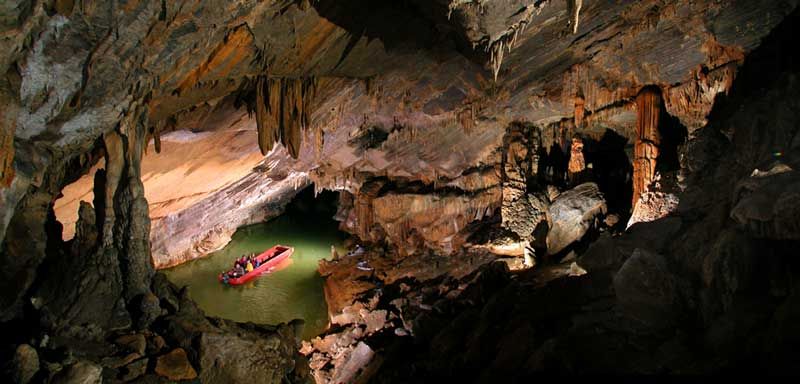
Penn’s Cave holds a pair of distinctions that set it apart from other cavern attractions in the state. It is Pennsylvania’s only all-water cavern, and it is the only cave in the state listed on the National Register of Historic Places.
The guided tour takes place entirely by flat-bottom motorboat, which makes the experience unusual even by cavern standards.
The 45 to 50 minute journey navigates through a limestone cavern filled with stalactites, stalagmites, flowstone, columns, and curtain formations that have developed over thousands of years. The cave maintains a constant temperature of 52 degrees Fahrenheit year-round, so a jacket or sweatshirt is genuinely useful regardless of the season.
The entrance involves a 350-foot inclined path and 48 steep concrete steps, which limits wheelchair accessibility. Large bags should be left in the vehicle.
The outdoor wildlife park is weather dependent, but the cavern tour runs rain or shine, making it a particularly logical choice for a wet Pennsylvania weekend.
Share this story