Long before Missouri became famous for barbecue or Route 66, German immigrants were planting grapevines along the Missouri River and building stone cellars that would outlast generations. Towns like Hermann and Augusta were shaped almost entirely by German settlers who saw familiar rolling hills and decided to make wine, not just a living. The result is one of America’s most underappreciated wine regions, with a history stretching back to the 1830s. Some of these wineries have been in the same family for seven generations.
Others sit on land once owned by viticulturists whose work literally saved European vineyards from collapse. Whether you are a casual visitor or a serious history buff, the wineries below offer something rare: a genuine, unpolished look at how German immigrant culture took root in Missouri soil and never let go. Read on to discover eleven remarkable stops where every bottle comes with a backstory worth knowing.
1. Adam Puchta Winery, Hermann, Missouri
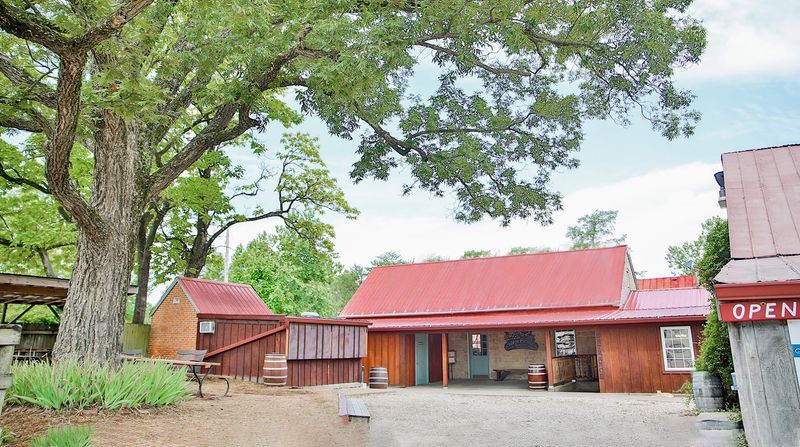
Seven generations. That is how long the Puchta family has been making wine on the same Missouri property, which makes this winery a genuinely rare institution in American agriculture. Adam Puchta emigrated from Bavaria with his family in 1839 and established the winery in the Frene Creek Valley in 1855, constructing a stone-arched cellar and press house that still stand today.
Before Prohibition shut operations down in 1919, the winery was exporting products back to Bavaria, which says something about the quality being produced here in rural Missouri. The family’s original stone home now serves as the winery’s sales and marketing offices, keeping the past physically present in daily operations.
Recognized as the oldest continuously family-owned winery in the United States, a visit here feels less like a commercial outing and more like a personal invitation into a living family archive. The Frene Creek Valley setting adds a quiet, unhurried quality to the whole experience that is hard to replicate elsewhere.
2. Hermannhof Winery, Hermann, Missouri
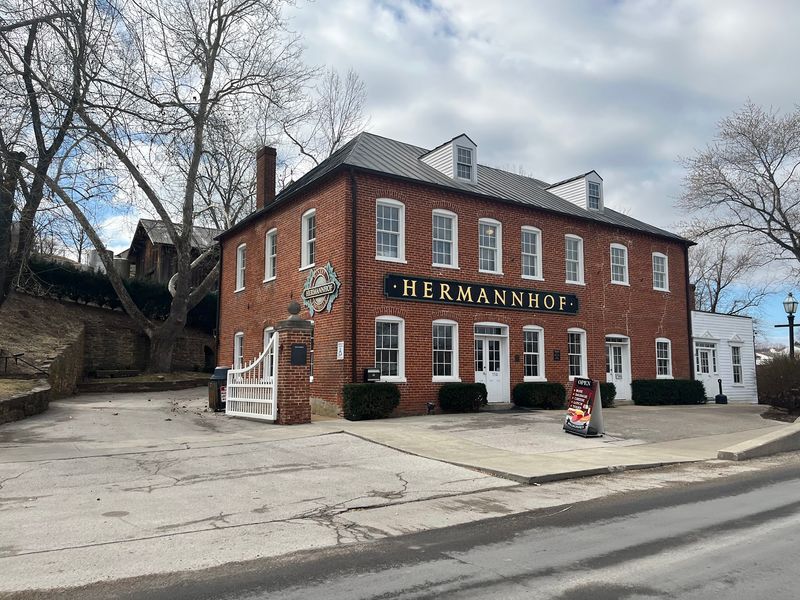
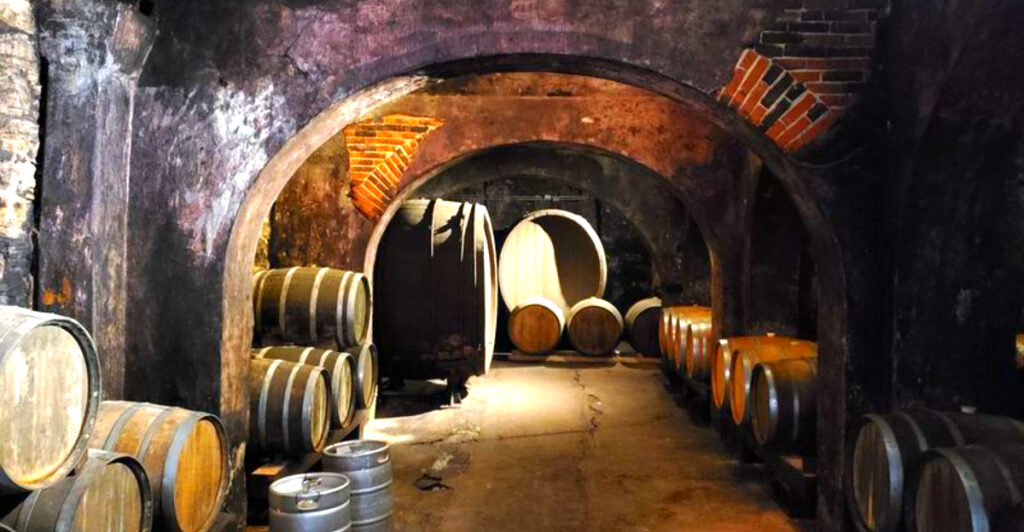
Before it ever produced a bottle, the Hermannhof property was already making history as a brewery. The site dates to 1852, and its ten stone cellars and brick superstructure are so historically significant that the federal government placed them on the National Register of Historic Places.
The Dierberg family purchased the property in 1974 and set about reviving it as a winery, a project that eventually earned Hermannhof the distinction of being the first two-time winner of the Best New World White Wine award. That kind of recognition is not handed out casually, and it reflects a serious commitment to quality that runs through everything the winery does.
The combination of old-world architecture, locally produced German sausages, and a downtown Hermann location gives Hermannhof a character that feels genuinely rooted rather than staged for tourists. The historic cellars provide a cool, quiet contrast to the bustle of Hermann’s popular festival season, and they remain one of the most impressive structural legacies of German immigrant craftsmanship in Missouri.
3. Mount Pleasant Estates, Augusta, Missouri
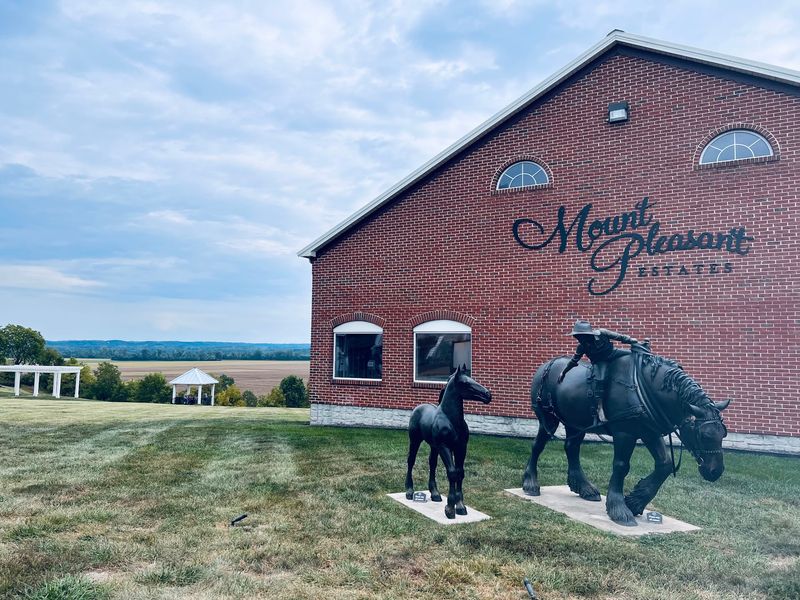
George and Frederick Muench were not just farmers looking for fertile ground. The German brothers who founded Mount Pleasant Estates in 1859 were drawn to Augusta specifically because the rolling landscape reminded them of Nieder-Gemunden, their home region in Upper Hesse, Germany.
They constructed limestone and timber cellars in 1881 that are still actively used for aging estate-bottled products today, connecting every current vintage to a structure built by immigrant hands more than 140 years ago. After Prohibition halted operations in 1920, the winery was revived in 1966 by Lucian and Eva Dressel, whose work helped spark the broader renaissance of Missouri’s wine industry.
Mount Pleasant Estates sits within the Augusta American Viticultural Area, which was designated in 1980 as the first government-recognized wine-growing district in the entire United States, predating Napa Valley’s AVA designation. The sweeping views of the Missouri River Valley from the estate grounds offer a clear visual explanation for why the Muench brothers chose to stay and plant roots here.
4. Blumenhof Winery, Dutzow, Missouri
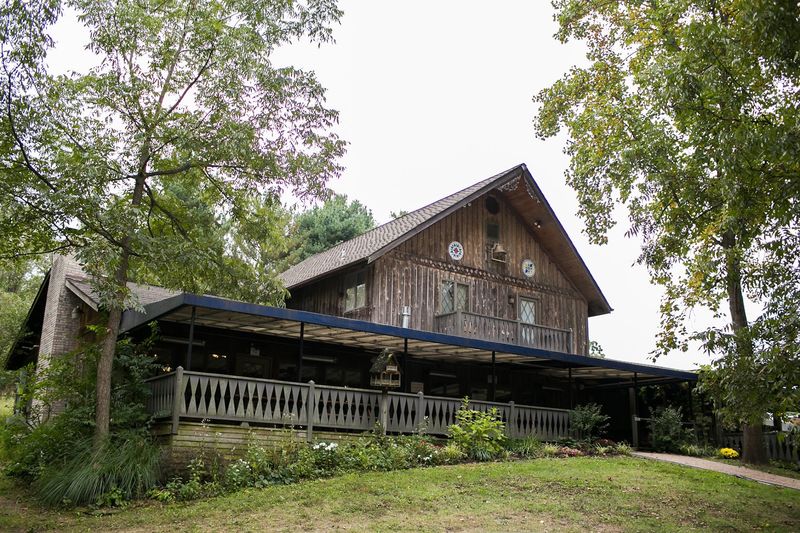
The name alone tells you where this winery’s heart belongs. Blumenhof translates from German as Court of Flowers, a direct reference to the Blumenberg family’s ancestral farm in northwestern Germany, and the connection runs far deeper than just a name on a sign.
The winery is situated in Dutzow, which holds the distinction of being Missouri’s oldest German settlement, founded in 1834, giving the surrounding community a historical weight that reinforces everything Blumenhof represents. Mark and Jim Blumenberg established the winery in 1979, and three generations of the family have since been involved in cultivating grapes and producing award-winning results.
All wines are made exclusively from locally grown grapes, with many sourced directly from the family’s own vineyards, which keeps the operation grounded in a specific sense of place. The architecture is deliberately designed to reflect German heritage rather than approximate it, and that intentionality is apparent from the moment you arrive. For visitors exploring Missouri wine country, Blumenhof offers a personal, family-centered experience with genuine historical depth behind it.
5. Stone Hill Winery, Hermann, Missouri
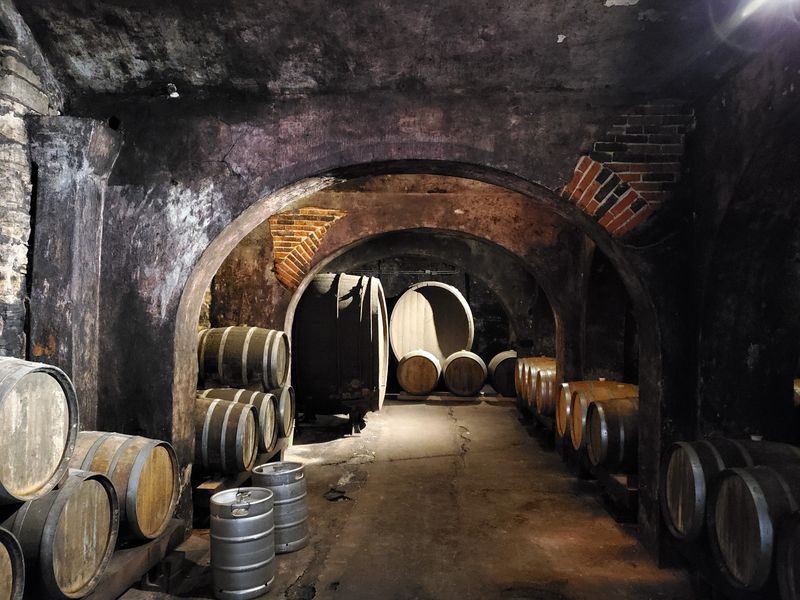
Few Missouri wineries carry a German story as tangible and well-documented as this one. German immigrant Michael Poeschel began producing commercial wine here in 1847, and the operation grew into one of the country’s most significant pre-Prohibition wine producers.
The massive stone cellars, completed in 1869, rank among the largest of their kind in the United States and remain a defining feature of the property today. During Prohibition, those same cellars were repurposed for growing mushrooms, which is a fact that somehow makes the whole story even better.
Jim and Betty Held began restoring the winery in 1965, bringing it back from decades of dormancy. Stone Hill now farms 192 acres across seven vineyard sites in the Hermann area, making it Missouri’s largest grape grower. Visitors can tour the legendary underground cellars and then sit down for a meal at the Vintage 1847 restaurant, which occupies the original stable and carriage house on the property.
6. Lake Creek Winery, Marthasville, Missouri
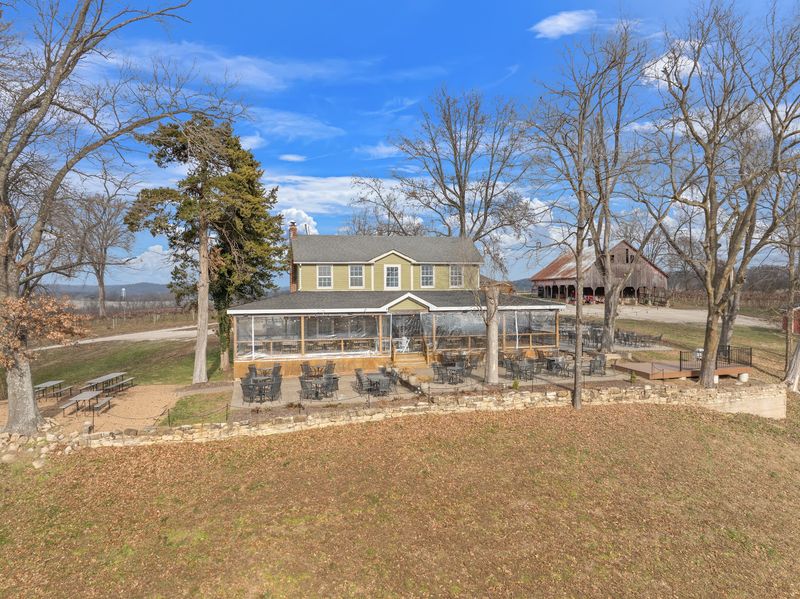
History and scenery share equal billing at Lake Creek Winery, where a beautifully restored 19th-century farmhouse overlooks the rolling countryside above Marthasville. The winery takes its name from the historic Lake Creek region, an area first settled by German immigrants who recognized its potential for grape cultivation long before the modern Missouri wine trail existed.
The Flesch brothers who operate the winery have been clear about their intentions: the wines they produce are a direct tribute to the Lake Creek region and to their own German heritage, making the personal motivation behind the project unusually transparent. The farmhouse underwent a complete renovation in 2015, updating the facilities while preserving the historic character of the structure.
Broad rural views, maintained gardens, and inviting patio spaces make this property an easy choice for an unhurried afternoon visit. The combination of family history, German ancestry, and a thoughtfully restored historic building gives Lake Creek Winery a layered identity that rewards visitors who take the time to learn the story behind what they are tasting.
7. OakGlenn Vineyards & Winery, Hermann, Missouri
The ground at OakGlenn Vineyards has a story that most wineries could only dream about. This property was once owned by George Husmann, the German-born Missouri viticulturist widely credited as the father of the Missouri grape industry, whose work with phylloxera-resistant rootstock helped rescue European vineyards from collapse in the 19th century.
Five rows of Husmann’s original Norton vines, planted in 1859, still grow on the OakGlenn property today, making them among the oldest documented Norton vines in Missouri and a living connection to one of the most consequential chapters in American viticulture. Carol and Glenn Warnebold acquired the property in 1997 and have continued farming it with an awareness of its unusual historical significance.
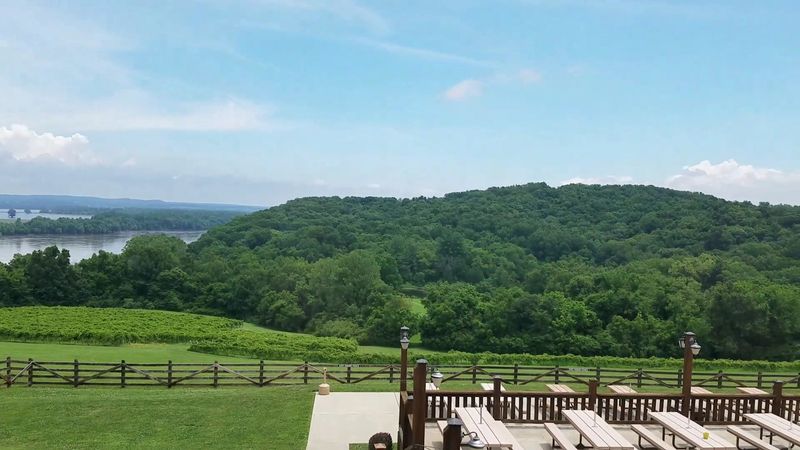
The blufftop location delivers one of the most memorable panoramas in the entire Hermann area, with views stretching across the Missouri River Valley in multiple directions. For visitors who want to combine genuine history with a striking natural backdrop, OakGlenn offers a combination that is difficult to match anywhere else along the Missouri wine trail.
8. White Mule Winery, Owensville, Missouri
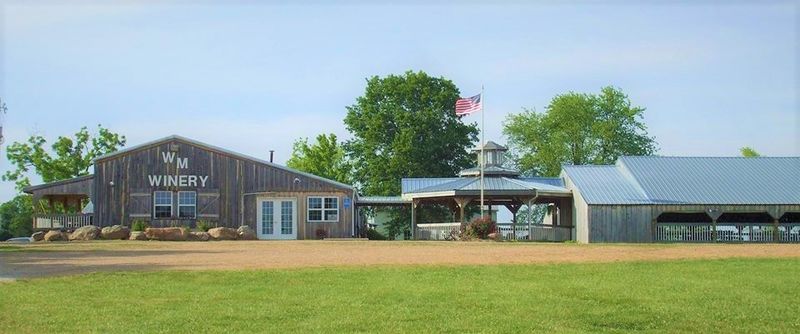
The name White Mule Winery is not a marketing gimmick. It honors a real farmer in the Owensville area who worked his land with white mules well into the 1980s, and local truckers even named a sharp curve on Highway 50 White Mule Curve after the spot where those mules liked to graze.
The winery itself is the product of six generations of the Schlottach family, whose Missouri story began in 1861 when Charlie Schlottach’s great-great-grandfather emigrated from Germany and established himself as a blacksmith along the state’s historic iron road near Owensville. The family never left, and their deep roots in this rural community inform everything about how the winery presents itself.
Restored farm buildings, working vineyards, and an active cattle operation give the property an authenticity that goes beyond decor. A bed and breakfast in a turn-of-the-century farmhouse rounds out the offerings for visitors who want to stay overnight. The winery also produces a semi-sweet red from Concord grapes, a variety with roots in the German tradition of cellar-made home production.
9. Augusta Winery, Augusta, Missouri
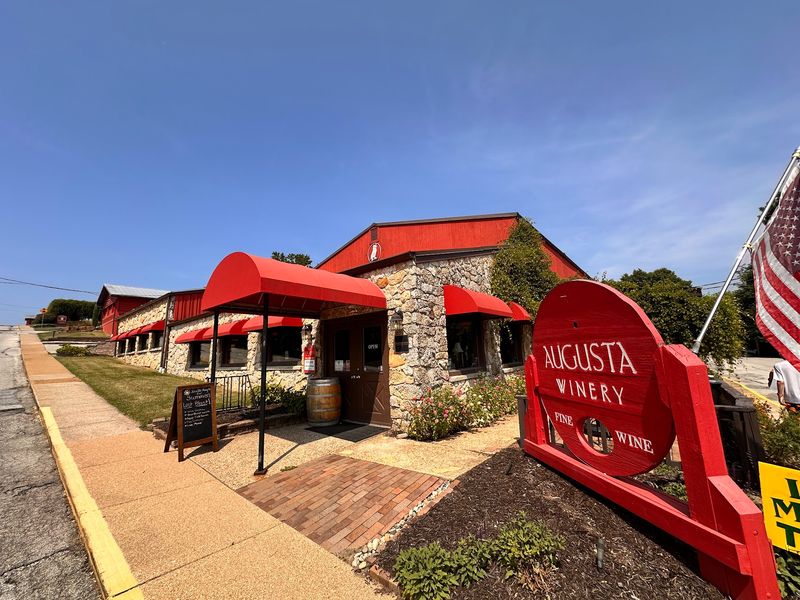
Augusta Winery was founded in 1988, which makes it a relative newcomer compared to the German immigrant establishments that first put this river valley on the American wine map. That said, its location alone earns it a place in any serious conversation about Missouri’s German wine heritage.
Augusta sits within the Augusta American Viticultural Area, designated in 1980 as the first federally recognized wine-growing region in the United States, a title it claimed before Napa Valley received its own AVA designation. The area’s 19th-century German settlers were directly responsible for developing the vineyards and agricultural practices that made Augusta significant enough to earn that recognition in the first place.
Augusta Winery carries that tradition forward as part of the Hoffman Family of Companies, which also includes Mount Pleasant Estates and Montelle Winery. The grapevine-covered outdoor garden at the winery is a particular draw during warm months, offering a relaxed setting that feels like a natural extension of the historic landscape surrounding it. Visitors here are never far from the legacy of the German pioneers who shaped this valley.
10. Montelle Winery, Augusta, Missouri
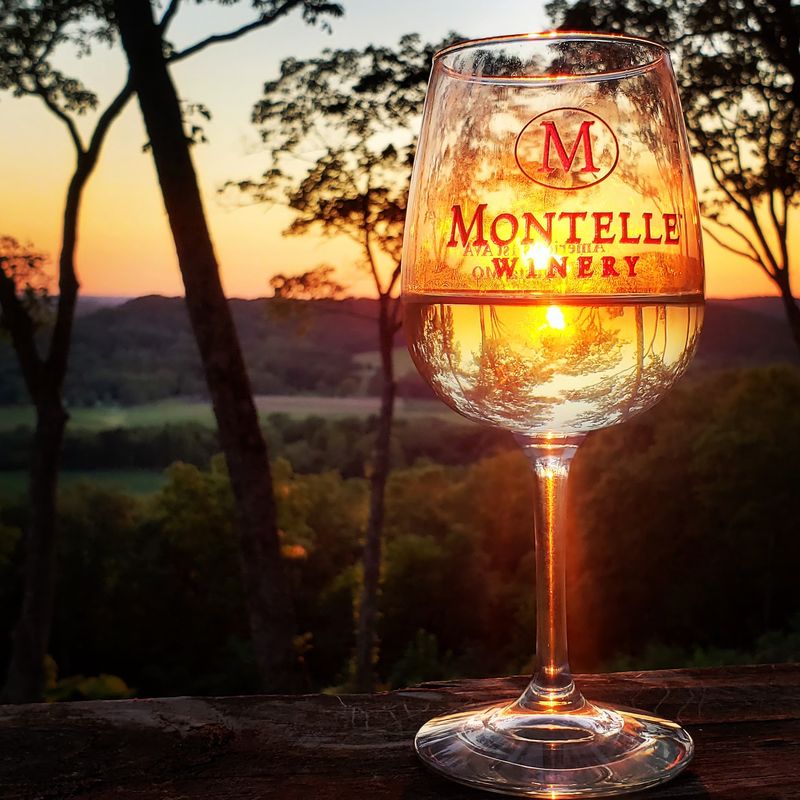
Perched on Osage Ridge with views stretching across the Missouri River Valley, Augusta, and a patchwork of farms and vineyards below, Montelle Winery has one of the most naturally commanding locations in all of Missouri wine country. The elevation is not just scenic; it is also a reminder of why German settlers chose these hills in the first place.
Founded in 1970, Montelle played an active role in the revival of Augusta’s historic wine industry during a period when the region was working to reclaim a viticulture tradition that Prohibition had interrupted decades earlier. The winery produces Missouri wines that include German-style whites, maintaining a deliberate connection to the broader German-influenced traditions that define the Augusta area’s identity.
Now part of the Hoffman Family of Companies alongside Augusta Winery and Mount Pleasant Estates, Montelle benefits from a shared commitment to the region’s heritage while maintaining its own distinct character on the ridge. The elevated terrace is a genuinely rewarding place to sit and appreciate the landscape that captured the imagination of German immigrants nearly two centuries ago.
Share this story