In Harrisburg, one enormous event complex can transform from livestock barns and agricultural exhibits into a showcase for classic cars, motorsports, rodeos, and major expos. Nearly one million square feet of connected space, eight exhibition halls, and three arenas allow the venue to host around 200 events throughout the year.
Its most famous tradition attracts nearly 600,000 visitors for eight days of Pennsylvania food, livestock competitions, agricultural displays, and even a sculpture made from hundreds of pounds of butter. With such a constantly changing calendar, no two visits to this massive complex are quite the same.
Where History and Grandeur Converge: The Address and Setting
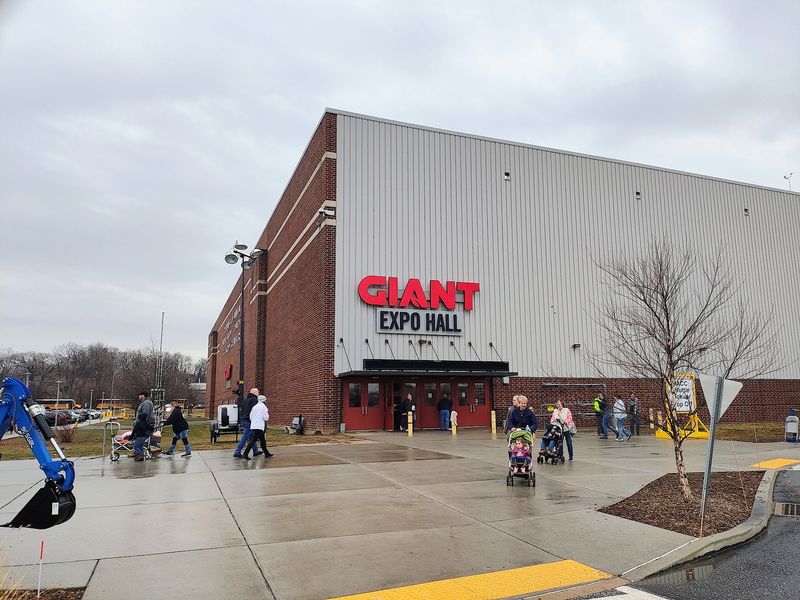
Few venues in Pennsylvania carry the kind of institutional weight that this one does. The Pennsylvania Farm Show Complex and Expo Center sits at 2300 North Cameron Street in Harrisburg, Pennsylvania 17110, just a short distance from the historic State Capitol Building and conveniently close to major interstates like I-81 and I-83.
Harrisburg’s Amtrak station and the Harrisburg International Airport both make reaching this destination surprisingly straightforward, whether you are road-tripping from Philadelphia or flying in from across the country. The complex occupies a sprawling footprint in the heart of the state’s capital city, a location that feels deliberate and symbolic.
Agriculture has always been central to Pennsylvania’s identity, and placing this massive venue near the seat of government reinforces that connection in a way that is hard to miss. The moment you spot the enormous facade from the highway, you already sense that something genuinely remarkable is happening inside.
A Legacy Planted in Penn’s Fields: The Rich History Behind the Walls
The story of this complex stretches back further than most people realize. Agricultural gatherings in Pennsylvania trace their roots to William Penn himself in the mid-1600s, and by 1851, Harrisburg hosted the state’s first official statewide agricultural exhibition.
The modern Pennsylvania Farm Show launched on January 23, 1917, originally called the Pennsylvania Corn, Fruit, Vegetable, Dairy Products, and Wool Show. It started without live animals and was housed inside a borrowed commercial building, yet it immediately drew enthusiastic crowds and proved the concept had serious staying power.
By 1931, over 50,000 visitors attended across 22 separate downtown buildings, making it painfully clear that a unified, purpose-built home was needed. Construction on the current site began in 1930, funded by $1.4 million in state appropriations, and the first Main Exhibition Building opened just in time for that year’s show. That original investment set the foundation for a legacy that has only grown richer with each passing decade.
A Sprawling City Under One Roof: The Mind-Bending Scale of the Complex
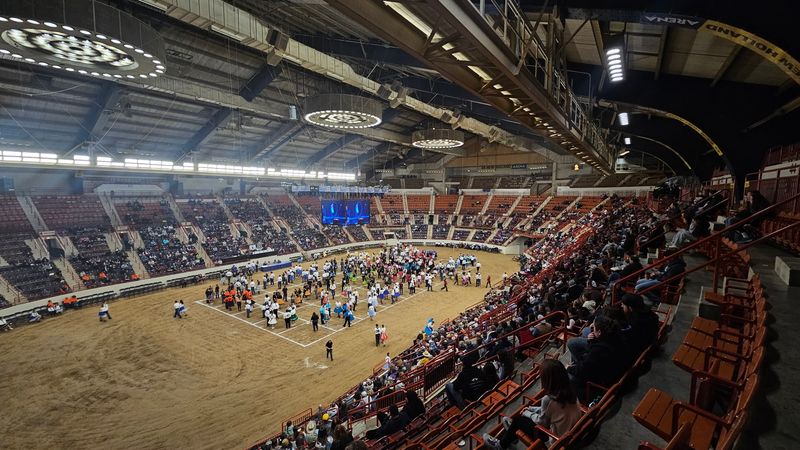
Nothing quite prepares you for the moment you step inside and realize just how enormous this place truly is. The Pennsylvania Farm Show Complex and Expo Center encompasses nearly one million square feet of event space, all seamlessly connected under a single expansive roof.
Eight distinct exposition halls, three separate arenas, and numerous meeting and banquet rooms give the venue an almost city-like quality. The GIANT Exposition Hall alone covers 172,000 square feet, a number that genuinely loses meaning until you are standing in the middle of it, craning your neck in every direction.
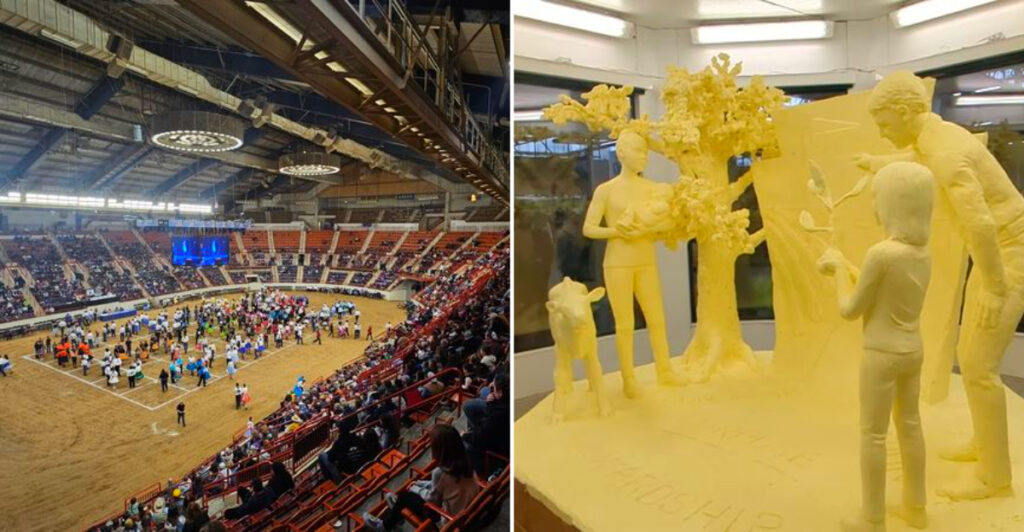
The New Holland Arena seats 7,318 people, the Equine Arena accommodates 1,660, and the Sale Arena holds nearly 1,000 guests. On-site and off-site parking together total 9,000 spaces, with shuttle services available for those who park farther away. The scale here is not just impressive for Pennsylvania; it is impressive by any standard you care to apply.
The Annual Pennsylvania Farm Show: A January Tradition Like No Other
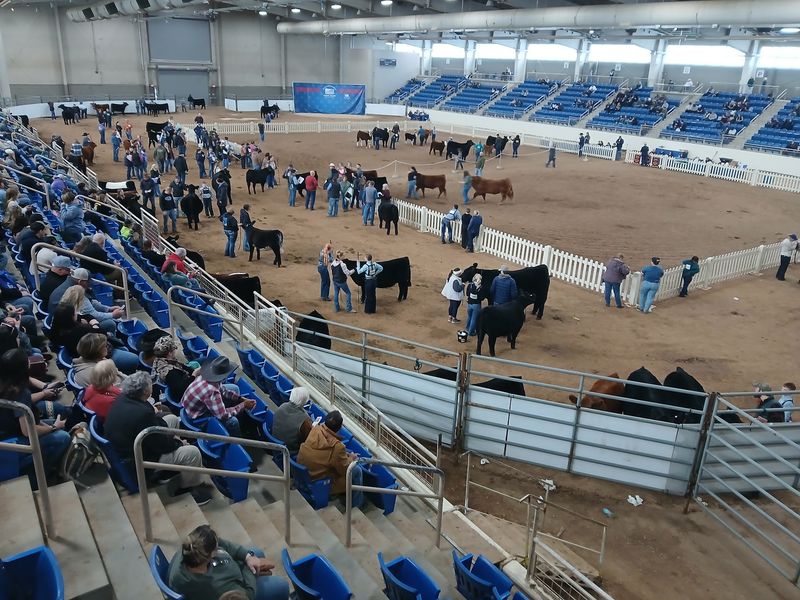
Every January, the Pennsylvania Farm Show transforms this already remarkable venue into something that defies easy description. Touted as the largest indoor agricultural exposition in the United States, the show draws nearly 600,000 visitors over eight action-packed days, making it one of the single biggest annual gatherings anywhere in the Mid-Atlantic.
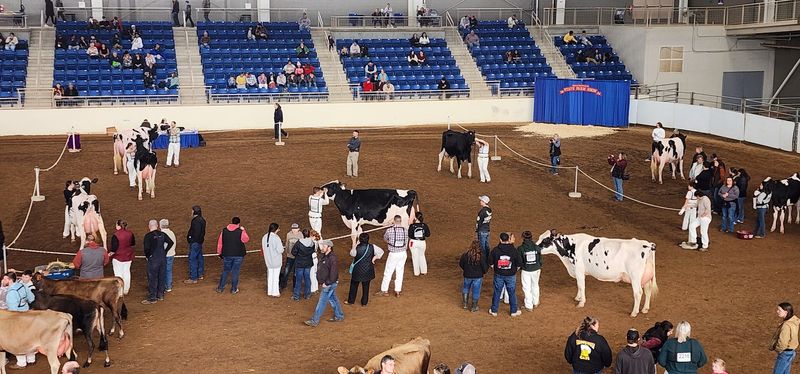
Competitive livestock exhibitions fill the arenas with the sounds and smells of farm life, while agricultural innovators showcase the latest in equipment, technology, and sustainable practices. Young participants from 4-H and FFA programs compete passionately, representing the future of Pennsylvania’s farming community with impressive dedication.
Free general admission keeps the event accessible to families from all walks of life, though the $15 parking fee is worth budgeting for in advance. Weekends are predictably packed, and arriving early is strongly recommended if you want any chance of navigating the food court without waiting in lines that seem to stretch into the next county. The atmosphere during show week is genuinely electric.
Butter Sculpture and Beyond: The Quirky Traditions That Make It Unforgettable
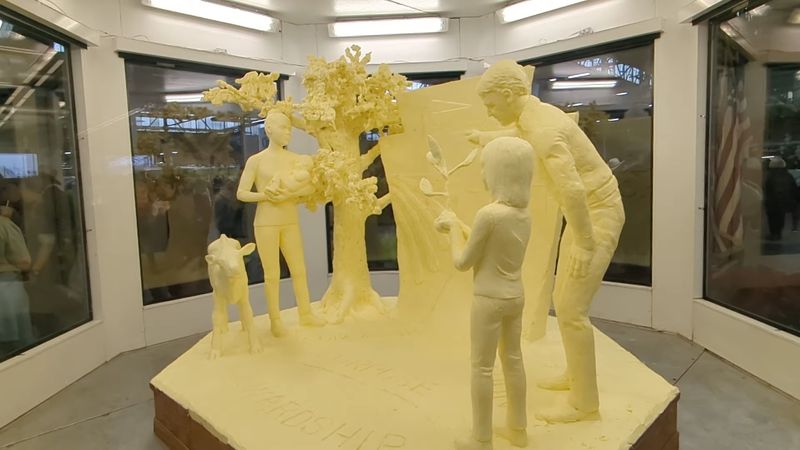
Some traditions are so specific and so strange that they become beloved institutions, and the Pennsylvania Farm Show’s butter sculpture is exactly that kind of tradition. Each year, artists carve an elaborate scene entirely out of hundreds of pounds of real butter, and the result draws genuinely astonished crowds who cannot quite believe what they are seeing.
The sculpture changes themes annually, often celebrating a milestone in Pennsylvania agriculture or honoring a particular farming community. Watching visitors react to it, especially children encountering it for the first time, is its own kind of entertainment. Beyond the butter, the show features a trout fishing exhibit, live animal birthing demonstrations, sheep shearing displays, and honey-making showcases that connect urban and suburban visitors to the realities of farm life.
These hands-on, sensory-rich experiences are what keep people returning year after year. The Farm Show manages to be educational without feeling like a classroom, and entertaining without losing its genuine agricultural roots, a balance that is harder to strike than it looks.
A Taste of Pennsylvania: The Legendary Food Court Experience
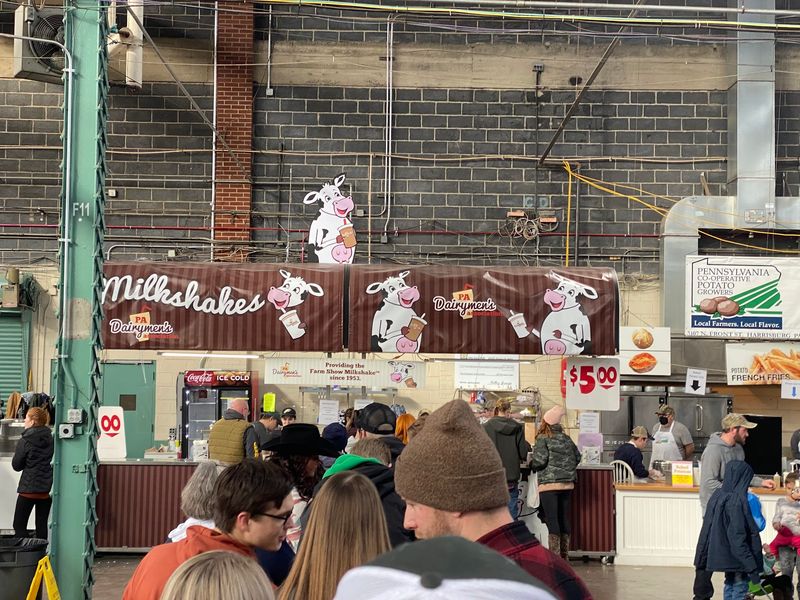
Honest confession: the food court during the Pennsylvania Farm Show is reason enough on its own to make the trip. The Pennsylvania Dairymen’s Association sets up its famous milkshake station, and the lines that form around it tell you everything you need to know about how good those milkshakes actually are.
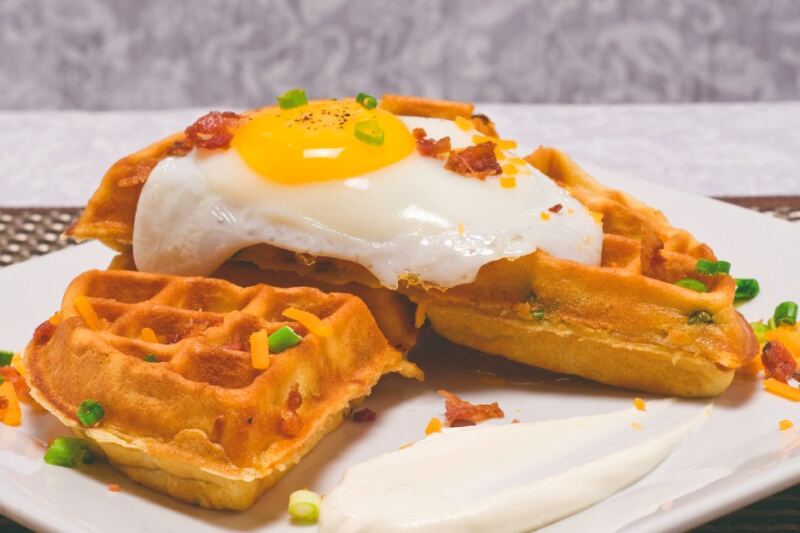
Local vendors serve dishes crafted almost entirely from Pennsylvania-grown or Pennsylvania-produced ingredients, turning every bite into a small act of support for the state’s farming community. Fried cheese, grilled sandwiches, fresh baked goods, and hearty meat dishes crowd the menu alongside lighter options, though finding strictly vegetarian fare requires a bit of hunting.
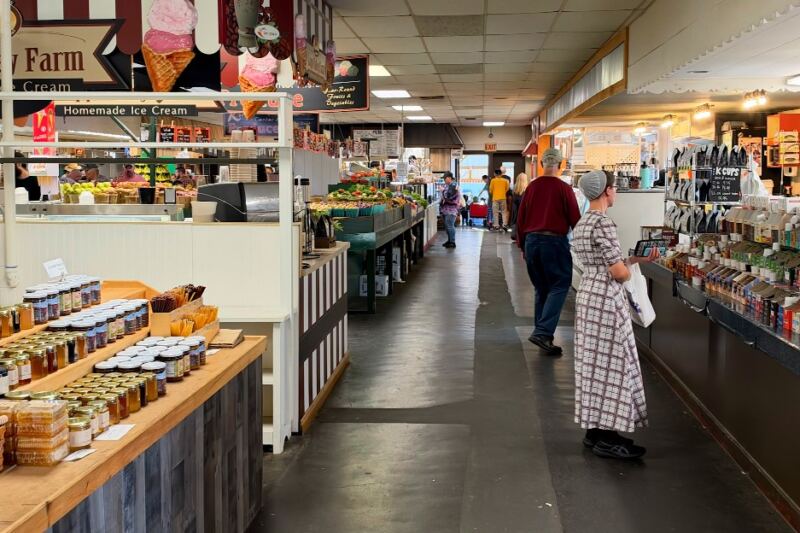
Beyond ready-to-eat food, a dedicated marketplace area sells local honey, maple syrup, fresh produce, and specialty pantry items that make for genuinely useful souvenirs. Bringing a light backpack with some snacks and drinks is a smart move for busy days, since the food court can hit a level of activity that some visitors describe as cheerful chaos at its finest.
The Great American Outdoor Show: When Hunting and Fishing Take Over
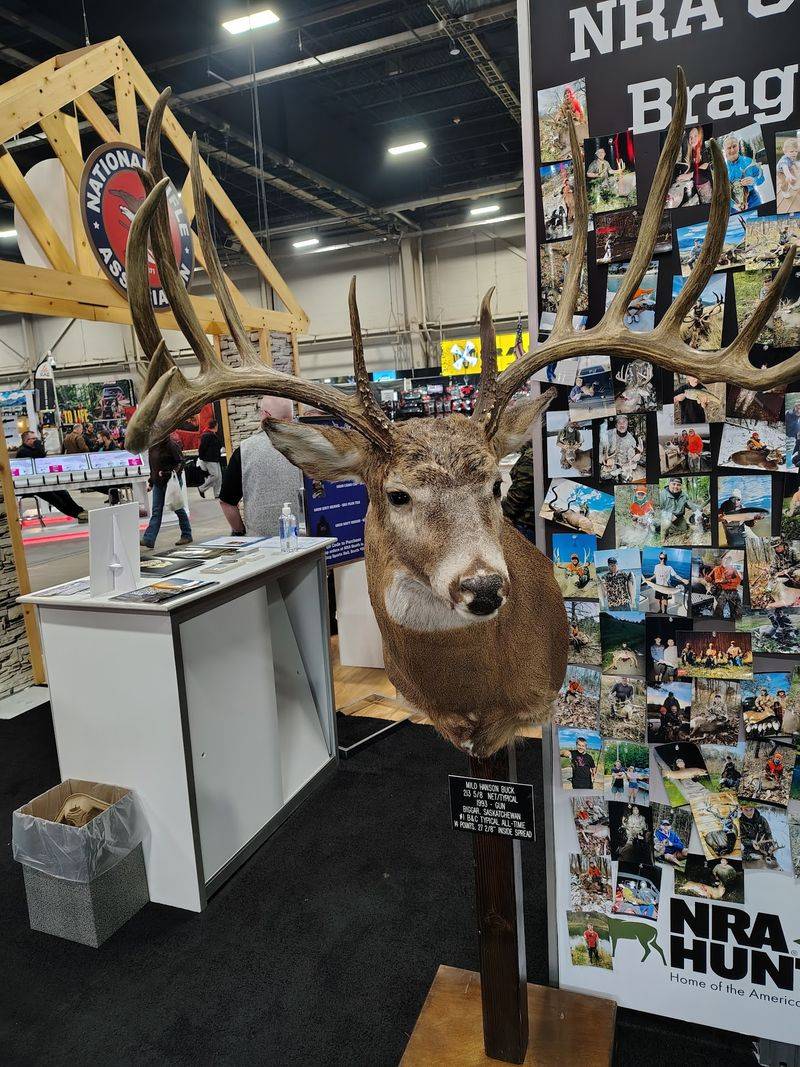
January is not the only month worth circling on your calendar if you plan a visit to this complex. The Great American Outdoor Show, hosted here annually and sponsored by the NRA, is one of the largest outdoor and sporting events in the country, drawing crowds that rival even the Farm Show in enthusiasm if not in raw attendance numbers.
Hunting gear, fishing equipment, archery supplies, and outdoor recreation products pack the halls from end to end, and live demonstrations add a layer of excitement that keeps visitors engaged for hours. The Lumberjack demo, for instance, is genuinely loud and thrilling, and bringing ear protection is a practical tip that first-timers often wish they had received in advance.
The show also brings together vendors, guides, and outfitters from across the country, making it a surprisingly effective place to plan future outdoor adventures. Whether you are a seasoned hunter or simply curious about the outdoor lifestyle, the energy inside the complex during this event is hard to resist.
Motorsports, Auto Shows, and the Roar of Engines
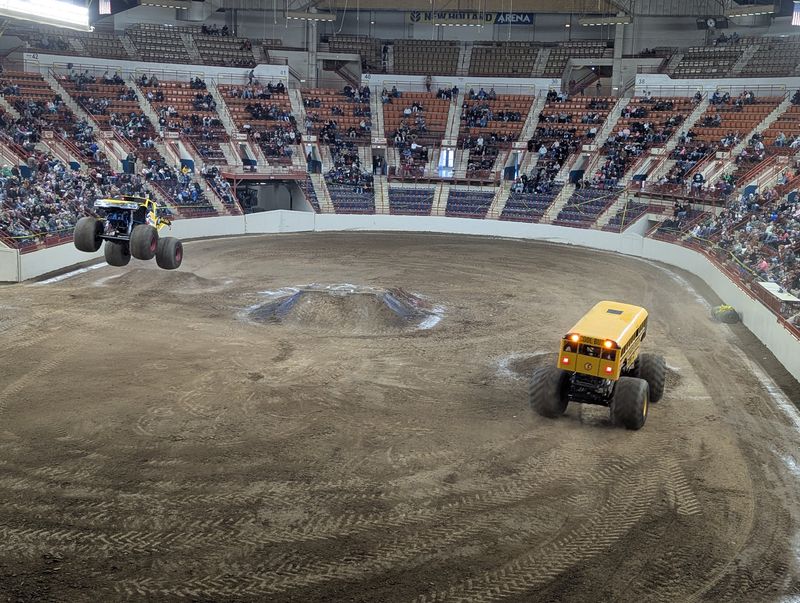
Agriculture may be the soul of this complex, but engines have carved out a significant place in its personality as well. The PA Auto Show brings gleaming new vehicles into the exposition halls each year, attracting car enthusiasts who appreciate having so much space to move freely between displays without feeling crowded.
Classic car events and Mecum auctions have also found a natural home here, with the venue’s enormous floor space proving ideal for the kind of polished chrome and careful staging that serious collectors demand. Visitors consistently praise the cleanliness of the facility during these events, noting that the staff keeps restrooms and common areas well-maintained even when attendance spikes.
Motorsports events in the arenas add yet another dimension, bringing noise, speed, and competitive energy that feel almost incongruous in a building that was hosting prize pigs just weeks earlier. That contrast is part of what makes this venue so genuinely interesting: it never stays the same for long, and the next event is always waiting just around the corner.
A Wartime Chapter Written in Tile: The Complex’s Role in World War II
Most visitors walking through the East and West Fire Corridors of the Main Exhibition Hall have no idea they are treading on a quiet piece of wartime history. From 1942 through 1946, the U.S. military leased this entire complex, transforming what had been a bustling agricultural showplace into a training center for the Army Air Corps.
Mechanics bays were installed in what is now the North Hall, where ground maintenance personnel were trained to keep military aircraft operational during a critical period for the nation. The Middletown Air Service Command also used the facility for engine repair operations, turning the cavernous halls into hives of wartime industry.
After the military returned the complex to its civilian purpose, red mastic tile was installed in the Main Exhibition Hall, and portions of it remain visible today as an unassuming but genuine artifact of that era. It is a reminder that this building has served Pennsylvania in ways that go well beyond ribbons and prize livestock, and that its walls hold more stories than any single visit can uncover.
Sports Teams, Championships, and the Arena That Does It All
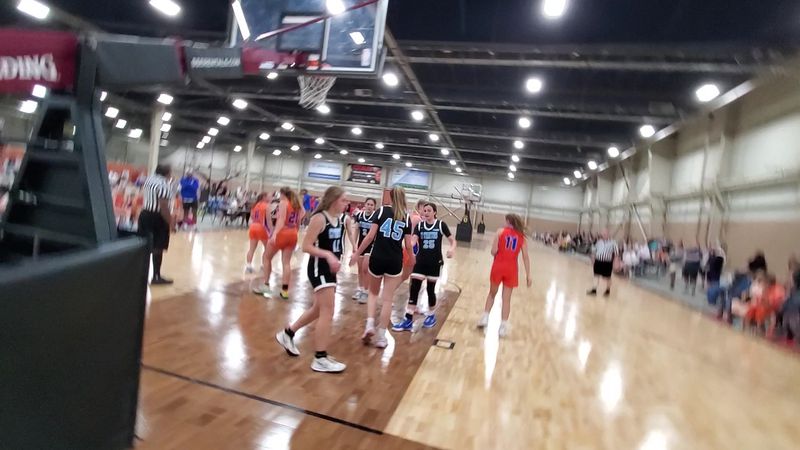
The New Holland Arena’s 7,318 seats have hosted a surprisingly diverse roster of sports teams and events over the decades. The Harrisburg Heat of the Major Indoor Soccer League called this complex home from 1991 to 2003, bringing fast-paced indoor soccer to a loyal Central Pennsylvania fanbase.
Basketball followed, with the Harrisburg Hammerheads of the Continental Basketball Association taking the court here during the 1994 to 1995 season. Indoor football has also had multiple stints at the venue, with teams like the Harrisburg Stampede and the Central Penn Capitals using the arena as their competitive home. The Pennsylvania Union is slated to begin play in 2027, adding yet another chapter to the complex’s athletic history.
Beyond professional sports, the arenas host cheer and dance championships, rodeos, and equestrian competitions throughout the year, ensuring the seats are rarely cold for long. The Equine Arena, with its more intimate 1,660-seat capacity, provides a closer, more personal viewing experience for horse-focused events that draw dedicated enthusiasts from across the region.
The $76 Million Reinvention: How a Renovation Transformed Everything
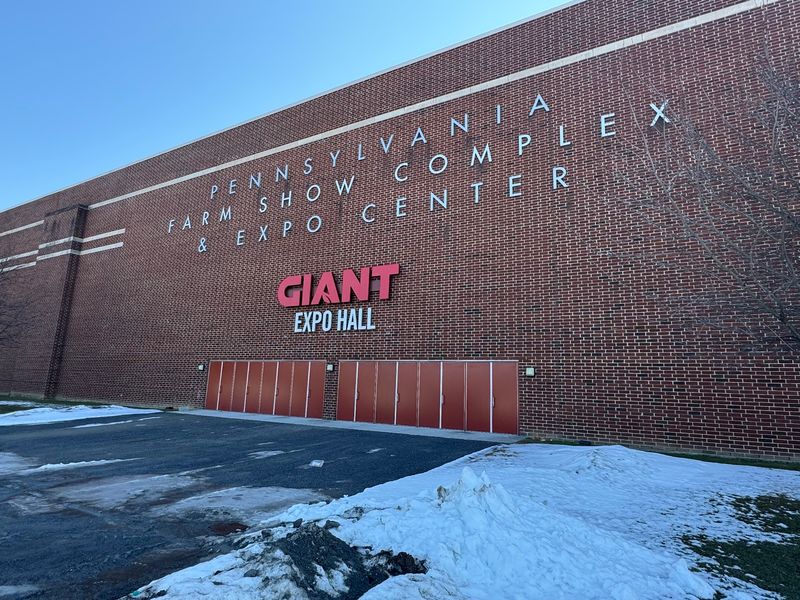
By the late 1990s, the Pennsylvania Farm Show Complex had outgrown itself in the best possible way, and the state responded with a bold investment. A $76 million expansion and renovation project launched in 2001, representing one of the most ambitious upgrades to any public event venue in Pennsylvania’s history.
The project added the expansive GIANT Exposition Hall, now the largest single hall in the complex at 172,000 square feet, along with the specialized Equine Arena and a dedicated Equine Barn designed to support the growing equestrian event calendar. A redesigned main entrance to the Large Arena and significantly expanded off-site parking rounded out the improvements, pushing total event space close to the one-million-square-foot mark.
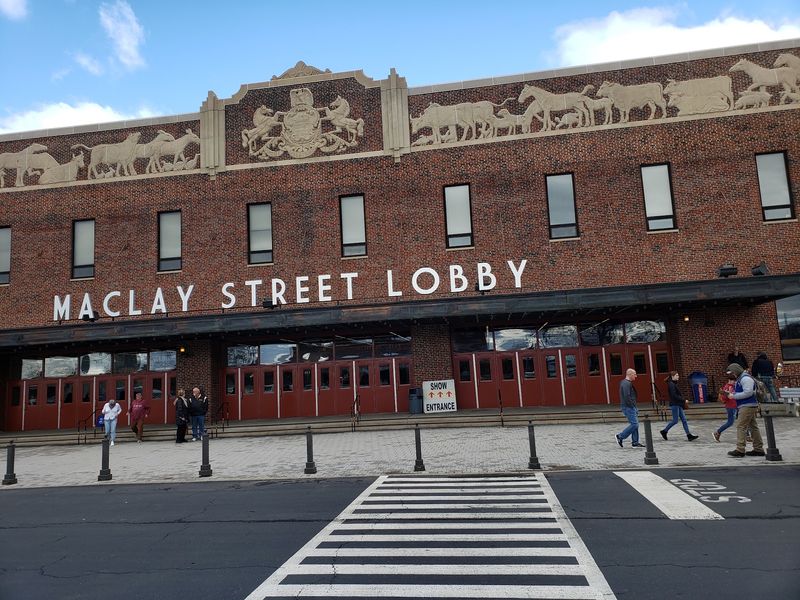
Completed between 2002 and 2003, the renovation also included meticulous masonry restoration work, carefully preserving original architectural details like the large animal figures adorning the Maclay Street facade. The result was a facility that honored its historical character while gaining the modern capacity to host around 200 events annually and welcome over one million visitors each year.
Planning Your Visit: Practical Tips for Navigating the Giant
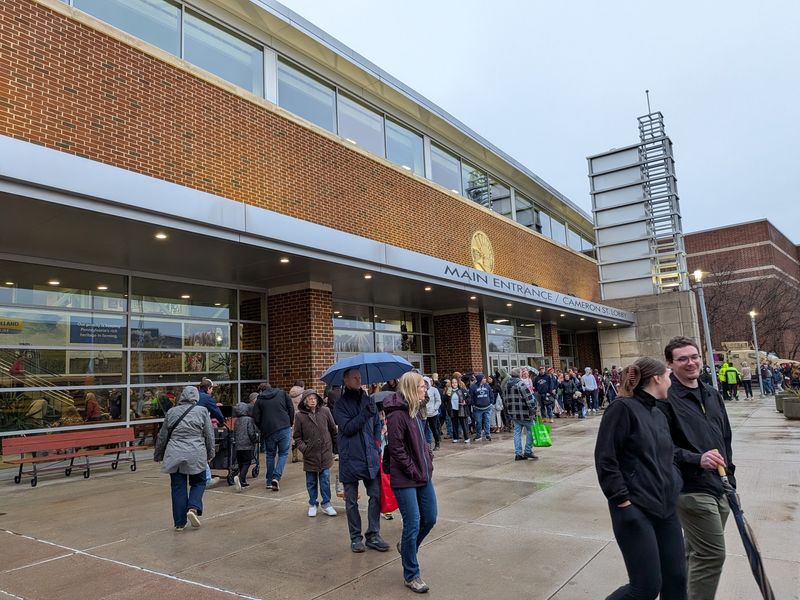
A little planning goes a long way at a venue this size, and a few practical details can make the difference between a smooth, enjoyable visit and a frustrating one. Parking costs $15 at complex-operated lots, payable by credit card only, and on-site spaces fill up fast during major events like the Farm Show.
Off-site lots open on a rolling basis and are served by shuttle buses that accommodate patrons with disabilities, making them a genuinely useful alternative rather than a last resort. Motorcoach groups receive free designated parking and loading zones, a thoughtful touch for organized group trips from schools or community organizations.
The Maclay Street Lobby offers a kids’ play area, changing tables, and a private breastfeeding space, reflecting the venue’s genuine commitment to being family-friendly. Grab a map at the entrance, plan to spend at least five hours during larger events, and strongly consider arriving early on weekends. The complex is open Monday through Friday from 8 AM to 4 PM, and Saturday and Sunday from 8 AM to 6 PM, with hours varying by event.
Share this story