One remote corner of Pennsylvania offers something increasingly difficult to find in the eastern United States: genuine solitude on a massive scale. Across 265,000 acres, visitors can hike remote trails, search for wild elk, fish cold-water trout streams, and camp far from developed recreation areas.
Then the sun goes down. The forest reaches Bortle Class 2 darkness, where thousands of stars can become visible to the naked eye and the Milky Way stretches clearly across the sky.
Hidden within the surrounding wilderness is an even more famous stargazing destination with an unobstructed 360-degree view overhead.
There is plenty to discover in daylight, too, including an 85-mile backcountry trail, 16 designated vistas, and more than 30,000 roadless acres where reaching the quietest places requires leaving the car far behind.
Where Exactly This Forest Begins and What You Find When You Arrive
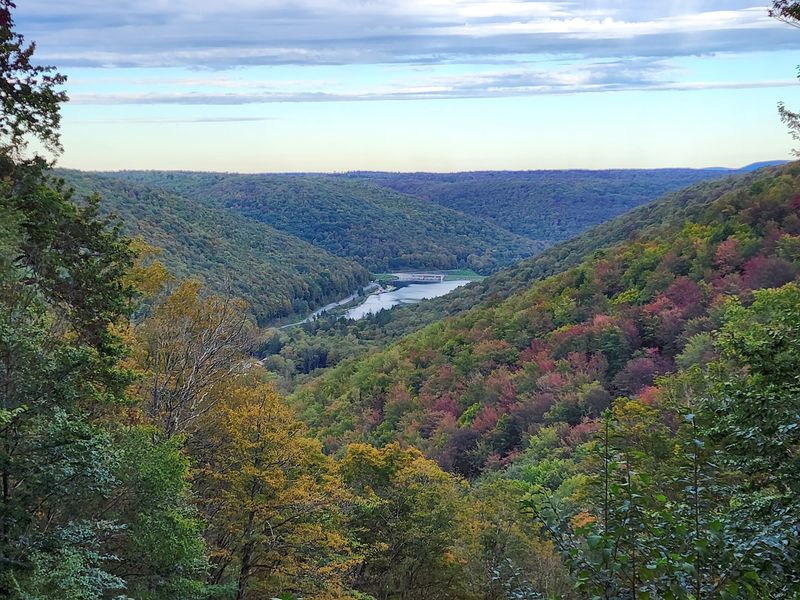
Susquehannock State Forest is headquartered at 3150 E. 2nd Street, Coudersport, PA 16915, right in the heart of Potter County, with smaller portions reaching into McKean and Clinton Counties.
The office manages a forest district covering 265,000 acres, placing it among the largest state forests in Pennsylvania. Potter County itself is one of the least densely populated counties in the entire state, which tells you something important before you even park the car.
The forest sits on the Allegheny Plateau, meaning the terrain is defined by rolling mountains, deep hollows, and stream valleys carved over thousands of years. The name comes from the Susquehannock Indian tribe, who once lived throughout the Susquehanna River basin.
The district office is open Monday through Friday from 8 AM to 4 PM and is closed on weekends, so plan any permit needs or map pickups during the week. You can also reach the office at 814-274-3600 before heading out.
The Conservation Story That Rescued These Hills From Ruin
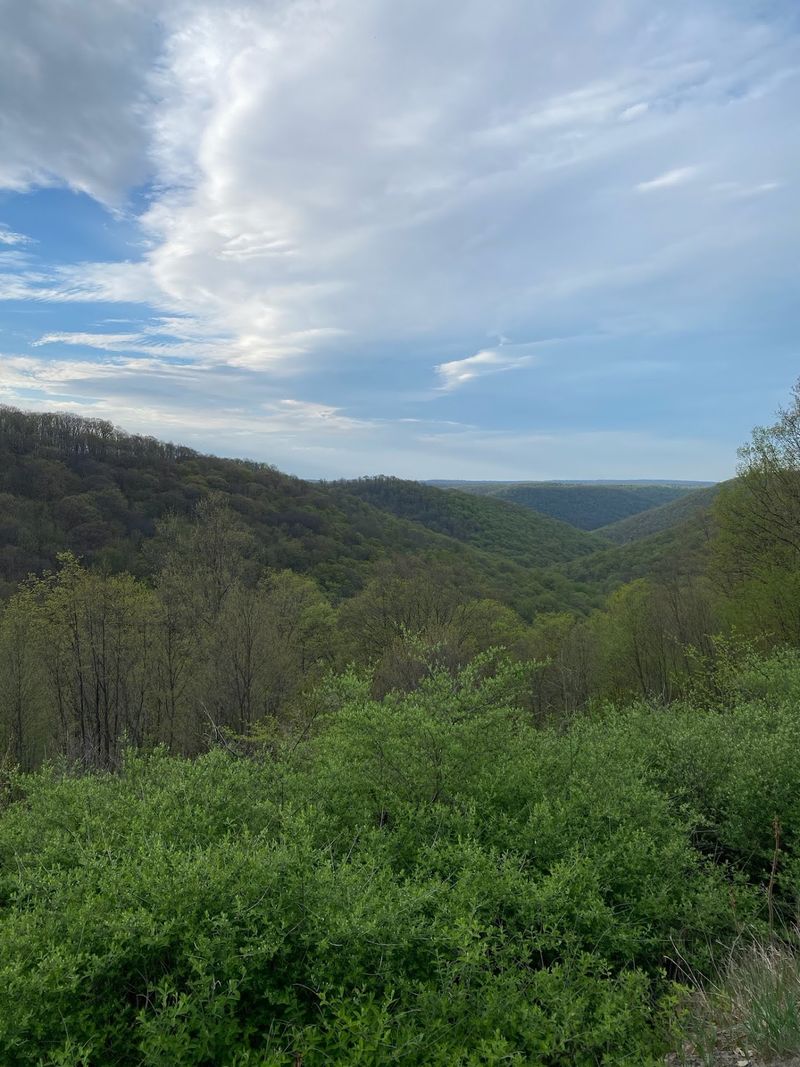
Before this forest existed, these hills looked nothing like they do today. Logging companies swept through north-central Pennsylvania during the mid-to-late 1800s, clear-cutting old-growth timber and leaving behind dried treetops and rotting stumps across entire ridgelines.
The situation grew worse when sparks from passing steam locomotives ignited wildfires across the cutover land, making natural regrowth nearly impossible. The landscape was, by many accounts, a stripped and smoldering version of its former self.
Dr. Joseph Rothrock, a central figure in American conservation history, recognized the crisis and pushed hard for government intervention. His advocacy helped establish the Pennsylvania Department of Forests and Waters, which began acquiring land for forest reservations starting in 1897.
The first tracts of what would become Susquehannock State Forest were purchased in 1901. More than a century of careful management has since transformed those battered hills into one of the most productive hardwood forests on the continent, a genuine comeback story written in bark and root.
A Night Sky So Dark It Changes the Way You See the Universe
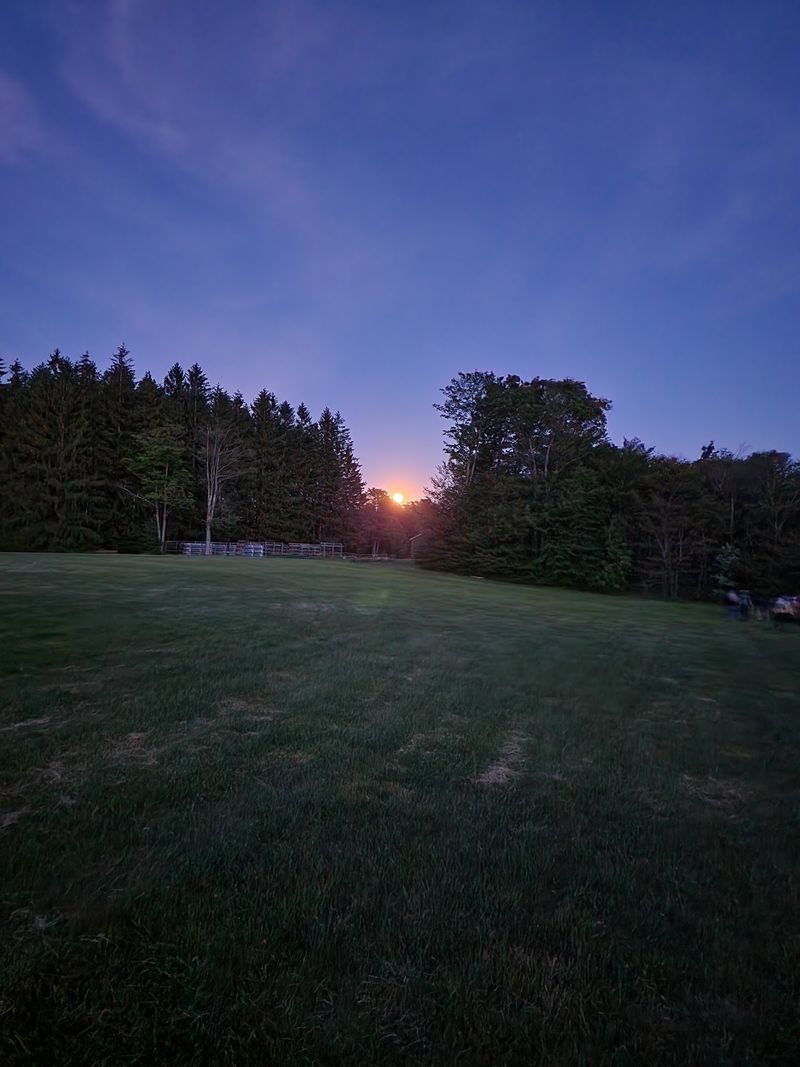
Most people have never seen a truly dark sky. If you grew up near a city or suburb, you may have spent your whole life looking up at a sky that shows maybe a few dozen stars on a clear night.
Susquehannock State Forest rates as a Bortle Class 2 sky, one of the darkest classifications available, where thousands of stars are visible to the naked eye and the Milky Way appears as a bright, textured band stretching from horizon to horizon. That rating is not common anywhere on the eastern seaboard.
Dispersed camping is permitted throughout the forest, meaning you can set up far from any road or light source and spend the whole night under that sky. Permits may be required for stays longer than one night, so check ahead with the district office.
The darkest and most celebrated spot within the forest is Cherry Springs State Park, a dedicated dark sky destination that astronomy clubs travel from hundreds of miles away to visit, and it deserves its own full conversation.
Cherry Springs State Park and Its Legendary 360-Degree Night Sky
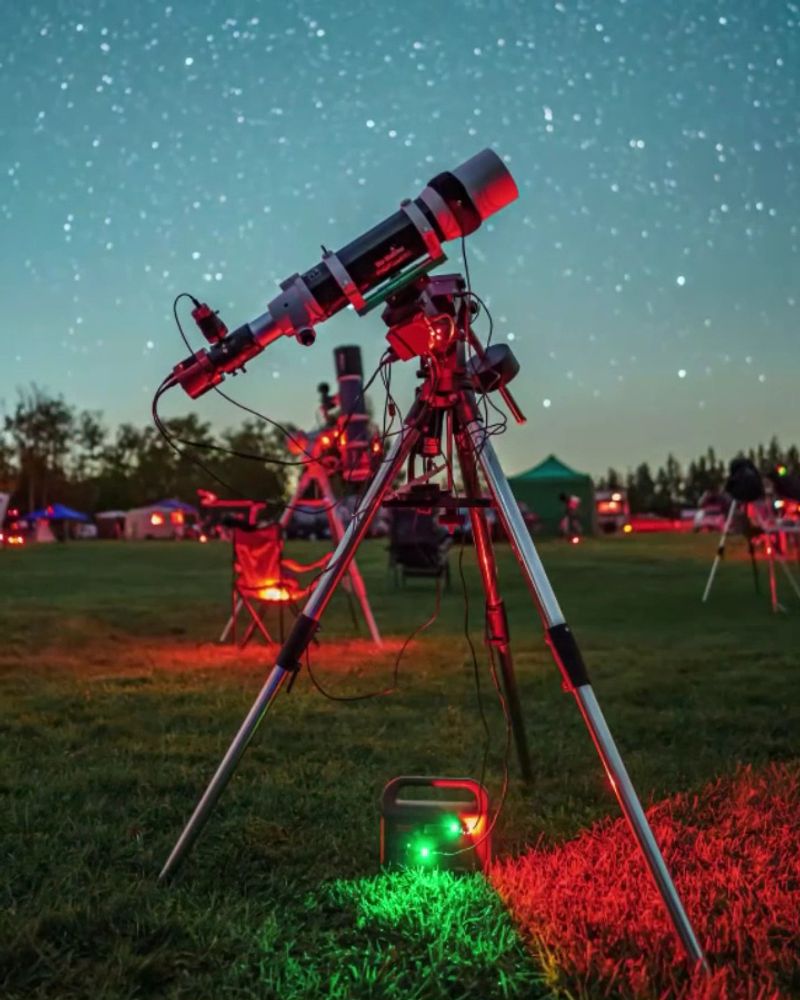
Sitting at roughly 2,300 feet in elevation and surrounded entirely by the forest, Cherry Springs State Park is considered one of the finest stargazing locations on the entire eastern seaboard. It holds a Gold Level International Dark Sky Park designation, which is about as official as dark sky recognition gets.
The park offers an unobstructed 360-degree view of the night sky from its open meadow, with no surrounding ridges or tree lines blocking the horizon. On a clear, moonless night, the naked eye can pick out thousands of individual stars, multiple nebulae, and the full arc of the Milky Way without any optical aid.
Astronomy clubs regularly host public star parties here, and the park has a dedicated astronomy field with rules designed to protect the darkness, including restrictions on white light use after dark. Red-filtered flashlights are the standard tool on site.
Cherry Springs is one of those rare places that actually delivers on the hype, and I found myself standing in the meadow at 2 AM, completely unwilling to go to sleep.
Wild Elk Roaming Free in the Heart of the Pennsylvania Wilds
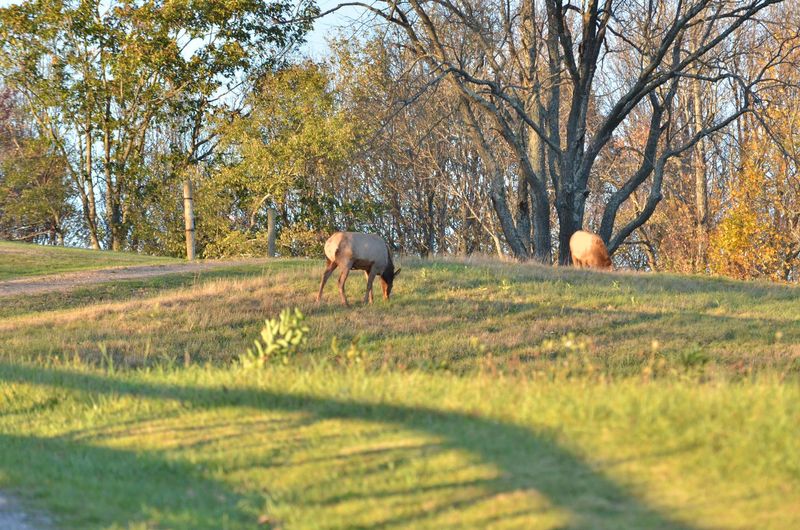
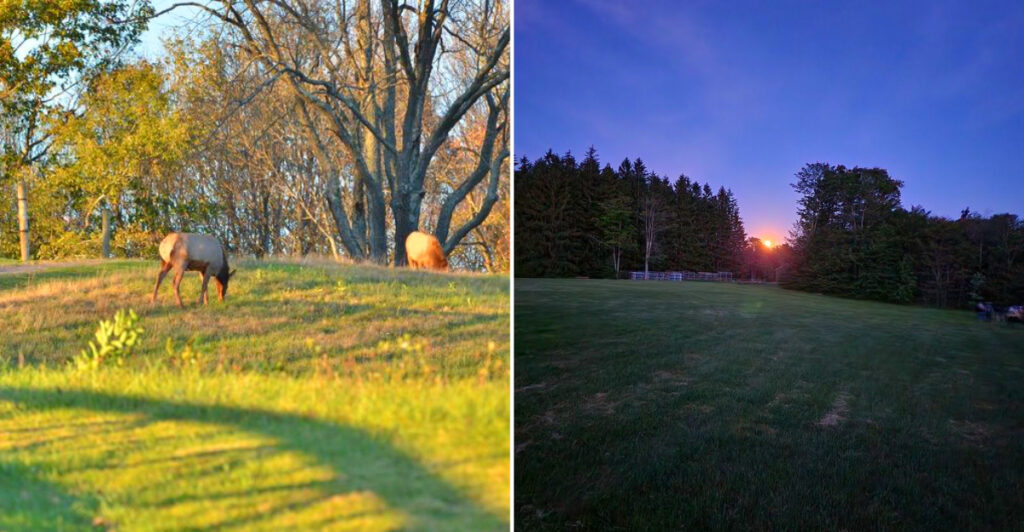
Pennsylvania is home to the largest free-roaming elk herd in the entire northeastern United States, and Susquehannock State Forest sits right in the middle of that territory. The broader herd numbers somewhere between 1,400 and 1,500 animals spread across ten north-central counties, with Potter County being a primary hub of activity.
Seeing a bull elk in person for the first time is genuinely startling. These animals are enormous, far larger than deer, and watching one move through the tree line at dusk produces a kind of quiet awe that is hard to put into words.
The Pennsylvania Department of Conservation and Natural Resources, working alongside the Rocky Mountain Elk Foundation, has actively improved elk habitat within the forest. Those efforts include creating 145 acres of herbaceous forage openings and thinning 60 acres of dense aspen stands to provide food sources throughout the year.
The Wild Elk Gravel route network threads through the forest and gives drivers and cyclists a structured way to search for elk in some of the most productive viewing areas, especially around dawn and dusk.
The Hammersley Wild Area and the Deepest Roadless Silence in Pennsylvania
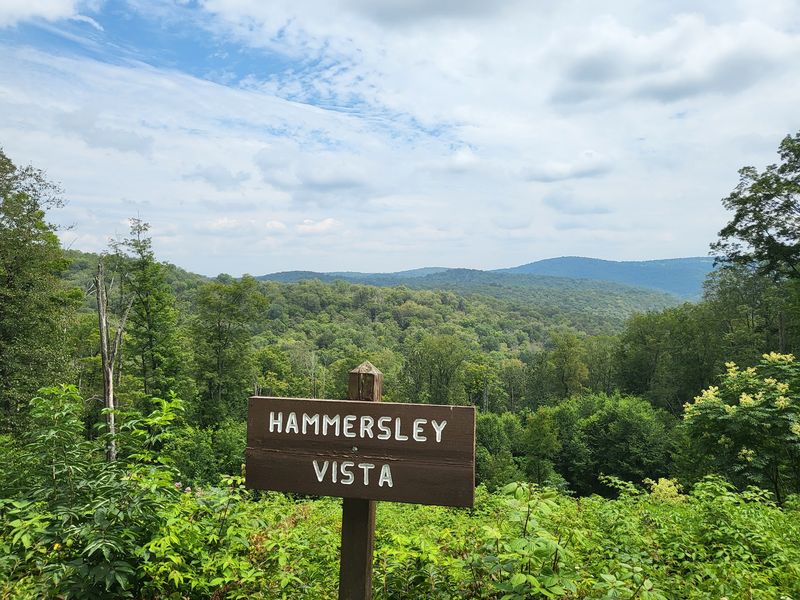
At 30,253 acres, the Hammersley Wild Area holds the distinction of being the largest roadless area in Pennsylvania. That is not a minor claim in a state with more than 13 million people and roads threading through nearly every corner of its landscape.
Getting into Hammersley means committing to a real backcountry experience. There are no roads, no designated campsites with amenities, no cell signal worth mentioning, and very few other people.
What you do find is a dense, undisturbed forest with clear-running streams, abundant wildlife, and a level of quiet that genuinely takes some adjustment.
Hammersley Fork, a stream running through the wild area, offers some of the most secluded native trout fishing in the state. The fish are wild, the water is cold, and reaching the best holes requires a real hike.
For anyone who has wondered what Pennsylvania looked like before roads carved it into manageable pieces, spending a night in Hammersley is about as close to that answer as you are going to get on the eastern side of the country.
The 85-Mile Susquehannock Trail System and What It Actually Takes to Hike It
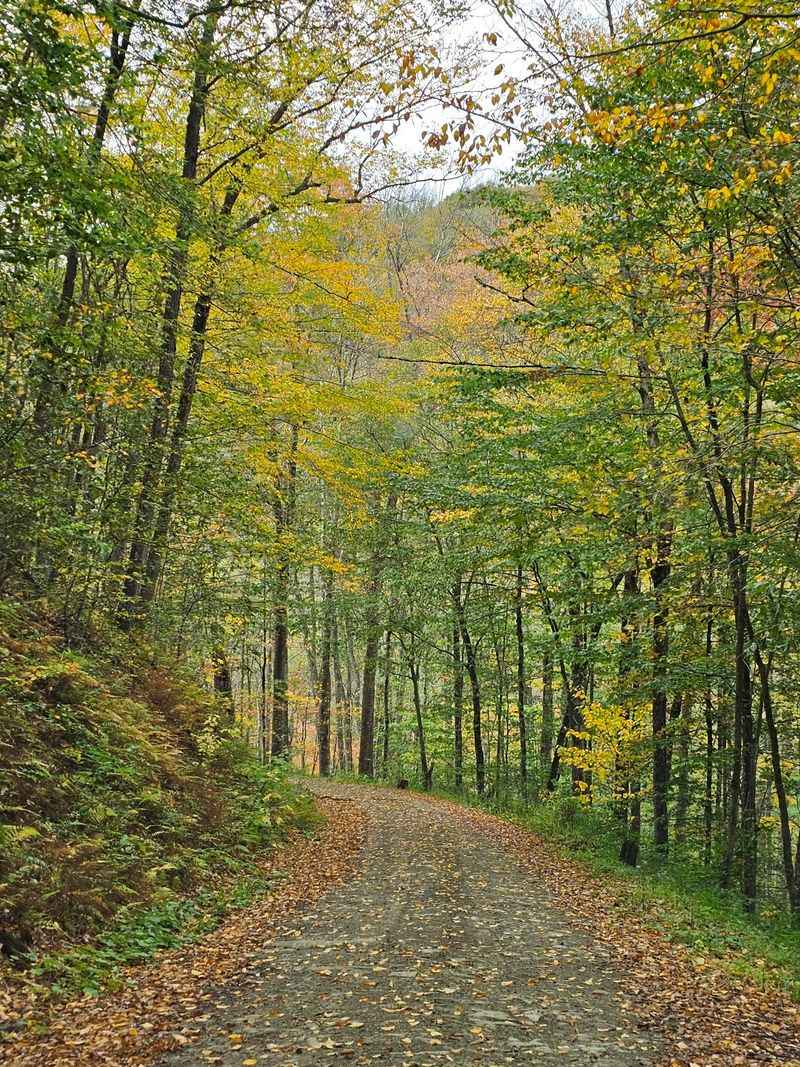
The Susquehannock Trail System, commonly called the STS, runs for roughly 83 to 85 miles in a loop through some of the most remote terrain in the entire state. It combines old footpaths, abandoned logging roads, and former railroad grades into one continuous route that is well-marked but genuinely demanding.
Elevation changes are significant throughout the loop, and the trail passes through sections of dense forest, open ridgelines with panoramic views, and stream crossings that require careful footing in wet conditions. Hikers should expect more wildlife sightings than human encounters on most sections of the route.
A few practical notes worth knowing before you lace up: some sections pass through private property and state park land where different camping rules apply, water sources are plentiful along the route but should always be filtered, and summer hikers should wear pants through overgrown sections where stinging nettle and pricker bushes crowd the trail.
Completing the full loop is a multi-day commitment that rewards patience and preparation with views and solitude that shorter day hikes simply cannot match.
Sixteen Vistas and the Scenic Drives That Connect Them
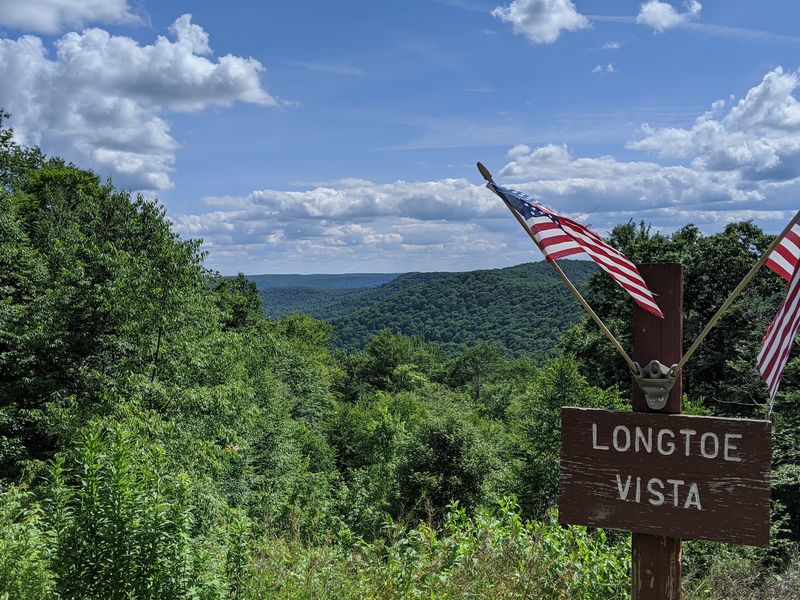
One of the underrated pleasures of this forest is how accessible its best views actually are. Over 170 miles of forest roads wind through the property, and sixteen designated vistas line the route, each one offering a different angle on the same sprawling landscape of ridges, hollows, and hardwood canopy.
Long Toe Vista, Little Lyman Vista, Jamison Run Vista, Boone Run Vista, Cherry Springs Vista, and Water Tank Hollow Vista are among the named overlooks that reward even casual drivers willing to pull off and look around. Fall foliage season turns these drives into something close to visual overload, with the black cherry trees leading the color show.
Black cherry is actually the forest’s signature tree species, and Susquehannock is known globally for producing some of the highest-quality black cherry hardwood timber anywhere on earth. The same trees that make the timber industry pay attention also make the autumn hillsides glow in shades of deep red and amber.
A detailed road map of the forest, available from the district office, makes navigating these drives much easier and helps you hit the best vistas in a logical order.
Trout Streams, Cold Water, and Fishing in Places Few People Bother to Reach
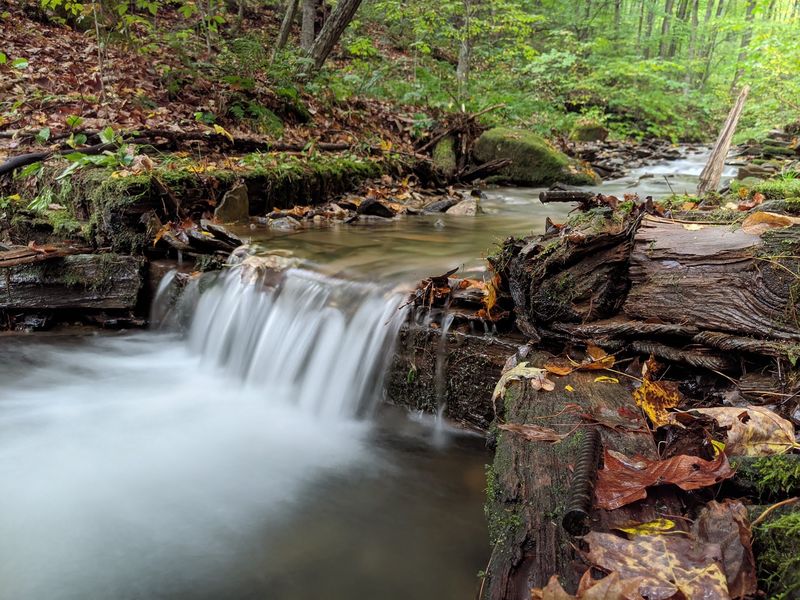
The headwaters of several exceptional quality watersheds originate within Susquehannock State Forest, and the streams that flow out of these highlands support healthy populations of native brook trout. Cross Fork Creek is one of the most well-known wild trout fisheries in the area, drawing serious anglers who prefer their fishing with a side of solitude.
Hammersley Fork is another standout, tucked deep in the roadless wild area and requiring a legitimate hike to reach the best stretches of water. The reward is cold, clear water running over rocky substrate with fish that have rarely seen a fly before.
Brook trout in Pennsylvania are the native species, and the streams inside Susquehannock are among the few places in the state where wild populations still thrive without significant stocking support. That makes the fishing feel more honest, more earned, and more connected to the actual ecology of the place.
Early morning is the most productive time, when mist hangs low over the water and the forest around you has not yet woken up to full noise.
Winter in the Forest and the Quiet Sport of Moving Through Snow
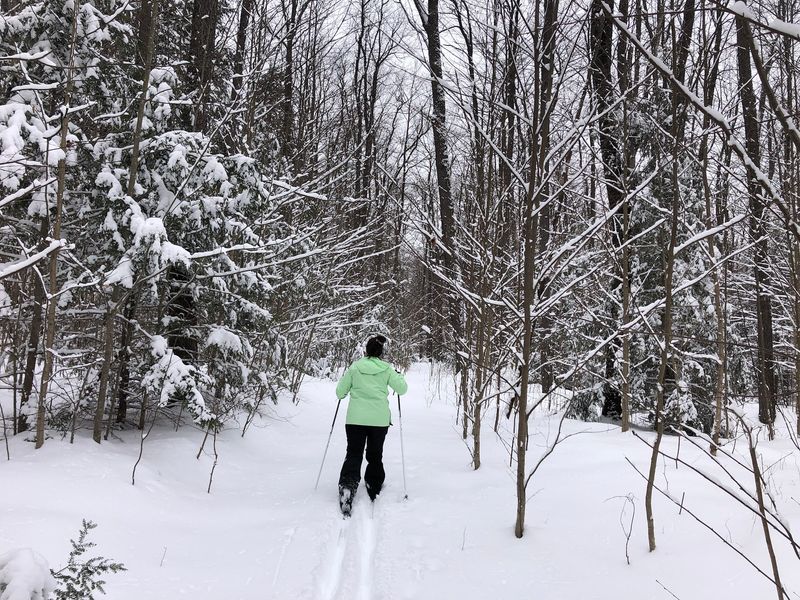
Summer gets most of the attention, but Susquehannock in winter is a completely different experience and, in some ways, an even more rewarding one. Over 200 miles of forest roads and trails open up for snowmobiling when conditions are right, making this one of the more popular snowmobile destinations in northern Pennsylvania.
The Susquehannock Trail System doubles as a cross-country skiing route in winter, and snowshoeing is another low-key option for anyone who wants to move through the forest at a slower pace. Fresh snow muffles sound in a way that makes the already-quiet forest feel almost completely silent.
Wildlife tracking becomes surprisingly productive in winter, when deer, turkey, and bobcat prints in the snow tell stories about what moved through the night before. Bobcat sightings have become more frequent in recent years, and their tracks are a reliable find for anyone paying attention along stream corridors.
The cold is real and the roads can be challenging, so preparation matters, but the reward is a forest that most summer visitors never see, one that belongs almost entirely to you and the animals that never left.
Camping Beneath the Canopy and What to Actually Expect Overnight
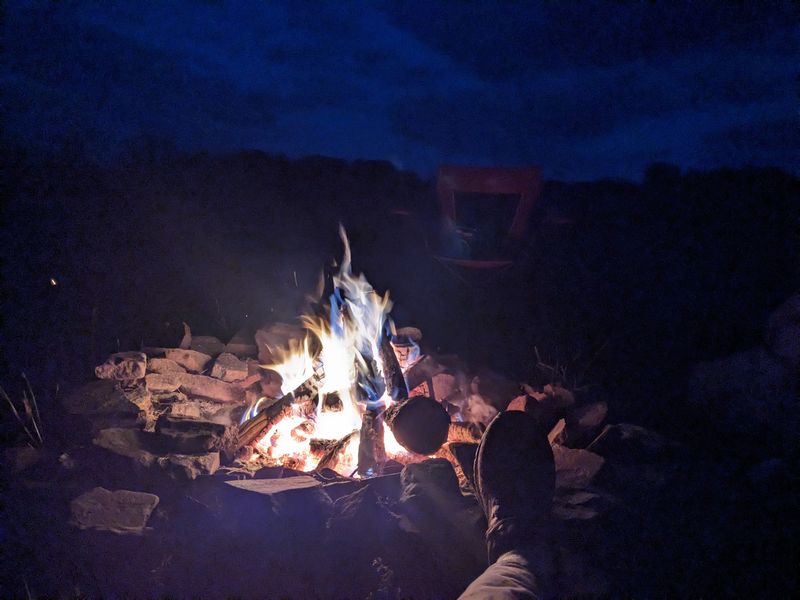
The forest offers 62 designated campsites spread across the property, ranging from traditional roadside spots to equestrian camping areas designed for visitors bringing horses. Primitive camping and dispersed camping are also permitted, which means you can set up a tent in the backcountry with considerably more flexibility than most state parks allow.
Single-night backpack camping generally does not require a permit, but consecutive nights at one location do, so check with the district office before planning a multi-night backcountry stay. Primitive sites have no water hookups, no electric, and no trash service, so everything you bring in comes back out with you.
Campfires are prohibited from March 1 through May 25 without specific authorization, and additional fire restrictions can go into effect during dry periods. That is worth knowing if you are planning a spring trip and counting on a fire for warmth.
What the campsites lack in amenities they more than make up for in atmosphere. Waking up in this forest to birdsong, cool air off the ridge, and no neighbors in sight is the kind of morning that makes the drive feel very much worth it.
Share this story