One New Hampshire city hides an enormous piece of New England history along the Merrimack River. A nearly half-mile stretch of red-brick mill buildings remains from a textile operation that once employed around 17,000 people and produced an astonishing 50 miles of cloth per hour.
Today, those former mills have been transformed into restaurants, museums, galleries, offices, and other businesses, creating a historic district that connects easily to a walkable downtown and riverfront paths.
But the old factories are only the beginning. Around the city are cat-covered murals, restaurants representing cuisines from around the world, major works by Monet and Picasso, and a rare architectural attraction most travelers probably would not expect to find in New Hampshire.
Where History Rises in Red Brick Majesty
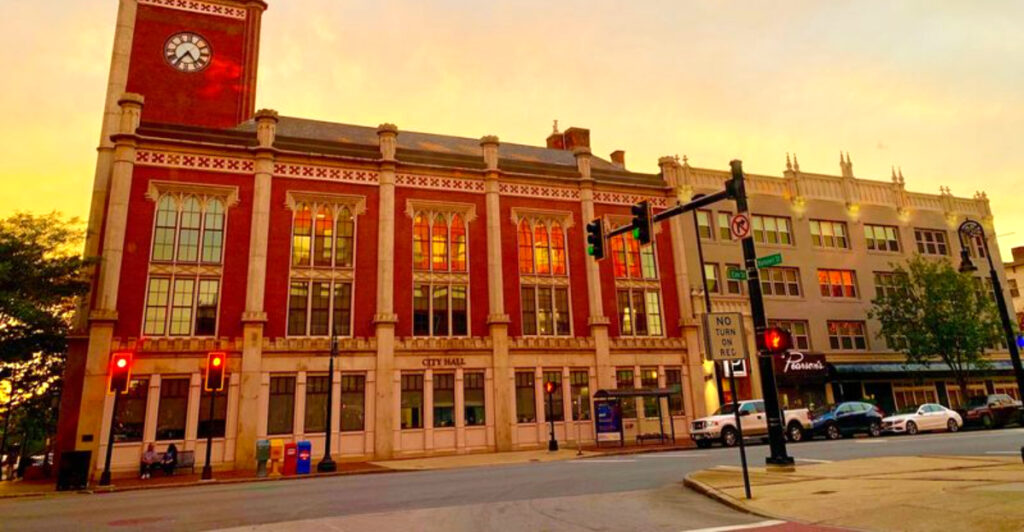
Manchester, New Hampshire, sits at One City Hall Plaza, 03101, proudly positioned on the banks of the Merrimack River in the southern part of the state. Most people know New Hampshire for its mountains and covered bridges, but this city tells a completely different story.
It carries the bold legacy of the Amoskeag Manufacturing Company, once the largest cotton textile plant in the entire world.
At its peak, Amoskeag employed around 17,000 workers and occupied roughly 30 buildings, producing an astonishing 50 miles of cloth per hour by 1915. The scale of that operation is almost impossible to picture today.
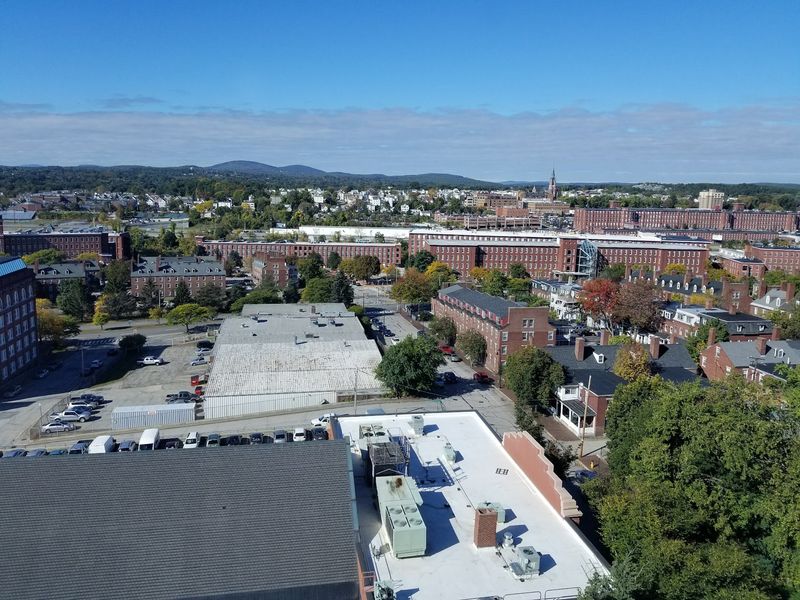
Yet the physical evidence remains, in the form of those warm, weathered red brick structures stretching nearly half a mile along the river in a graceful, unified curve.
The company went bankrupt on Christmas Eve in 1935, but the mills survived and were reborn as something remarkable. Today they house restaurants, galleries, tech companies, and museums, turning industrial history into a living, breathing neighborhood worth exploring.
The Mill That Became a Neighborhood
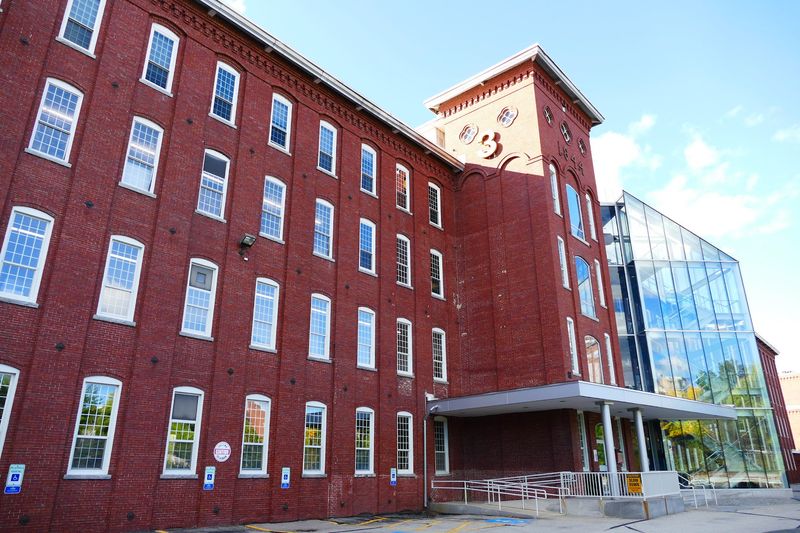
The Millyard District is the kind of place that makes you feel the past and the present occupying the same space at once. What was once a thundering industrial complex now functions as one of the most vibrant mixed-use districts in New England, and it genuinely earns that description.
Businesses of all kinds have taken root inside the old mill walls, from biotech firms to craft food producers to creative agencies. The brick corridors that once echoed with the clatter of looms now carry the hum of laptops and espresso machines.
It is a transformation that feels respectful rather than sanitized, preserving the character of the original architecture while breathing new purpose into every square foot.
The Millyard Museum, located right inside this historic complex, offers an in-depth look at how the Amoskeag Falls powered the city and shaped its textile industry. Exhibits are thoughtful and engaging, making the museum an ideal first stop before wandering deeper into the district.
The story of this place rewards curiosity at every turn.
Streets Built for Wandering
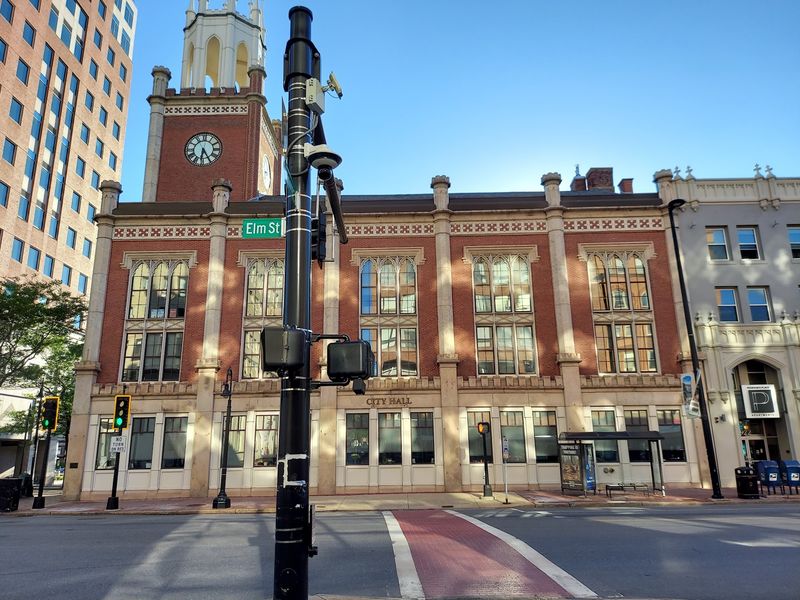
Not every American city was designed with walkers in mind, but Manchester is a genuine exception. The downtown grid, especially along Elm Street and through the Millyard, invites exploration on foot in a way that feels natural rather than forced.
The layout was deliberately planned by the Amoskeag Manufacturing Company, which owned and designed much of the land on both sides of the Merrimack River.
That corporate foresight created a coherent urban structure that still benefits residents and visitors today. Specific neighborhoods like Kalivas-Union, Corey Square, and Hallsville consistently earn high marks for pedestrian accessibility, with amenities close enough together that a car often feels unnecessary.
The North End adds its own appeal with older homes shaded by mature trees, perfect for a relaxed afternoon walk.
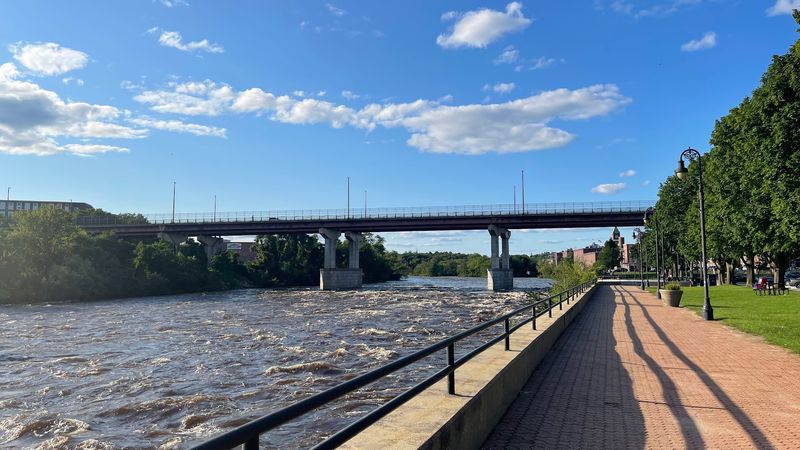
The Amoskeag Riverwalk ties many of these areas together with scenic river views and historical context at every bend. You can cover a surprising amount of ground without ever feeling rushed or lost.
The city rewards the kind of slow, attentive exploration that most urban destinations make difficult.
A Subtle European Pulse in a New England City
There is something about the unified design of Manchester’s mill buildings that feels unlike anything else in New England. The continuous, subtly curved red brick facade stretching along the Merrimack River carries an architectural confidence more commonly associated with grand European streetscapes than with a mid-sized American city.
This was not accidental. Samuel Blodget, who envisioned a “Manchester of America” in the early 19th century, was inspired by European industrial cities but wanted something more ordered and purposeful.
The Amoskeag Manufacturing Company’s engineering department carried that vision forward, creating a remarkably consistent architectural statement across dozens of buildings. The result has a stateliness that surprises first-time visitors.
That European influence shows up in the city’s culinary scene too. Restaurants like Evolution Bistro and Bar actively incorporate European cooking techniques and flavors into their menus, blending them with locally sourced New England ingredients.
Even a casual stroll past the mill facades at dusk can feel unexpectedly cinematic, as if the city is quietly reminding you that great design does not need to announce itself loudly.
The River That Built a City
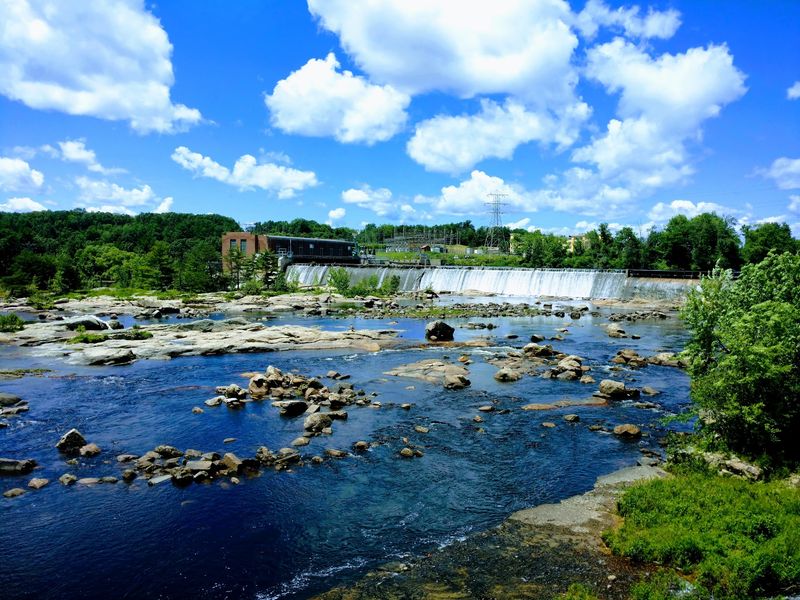
The Merrimack River is not just a scenic backdrop in Manchester; it is the original reason the city exists at all. The Amoskeag Falls, a natural feature of the river, provided the water power that made large-scale textile manufacturing possible in the 19th century.
Without the river, there would be no mills, no planned city, and no story to tell.
Today the Merrimack offers something far more leisurely. Kayakers paddle its calmer stretches with the old mill buildings rising behind them, creating one of the more visually striking scenes in southern New Hampshire.
Arms Park, right along the riverbank, provides sweeping views and serves as a green gathering space in the middle of the urban landscape.
The Amoskeag Fishways Learning and Visitors Center adds an educational dimension to any river visit. During May and June, migrating shad, herring, and sea lamprey pass through the fish ladder, visible through underwater viewing windows.
It is a surprisingly captivating experience that connects the city’s industrial past to the living ecosystem flowing beneath it. And just five miles away, Lake Massabesic opens up an entirely different world of outdoor recreation.
Art Around Every Corner
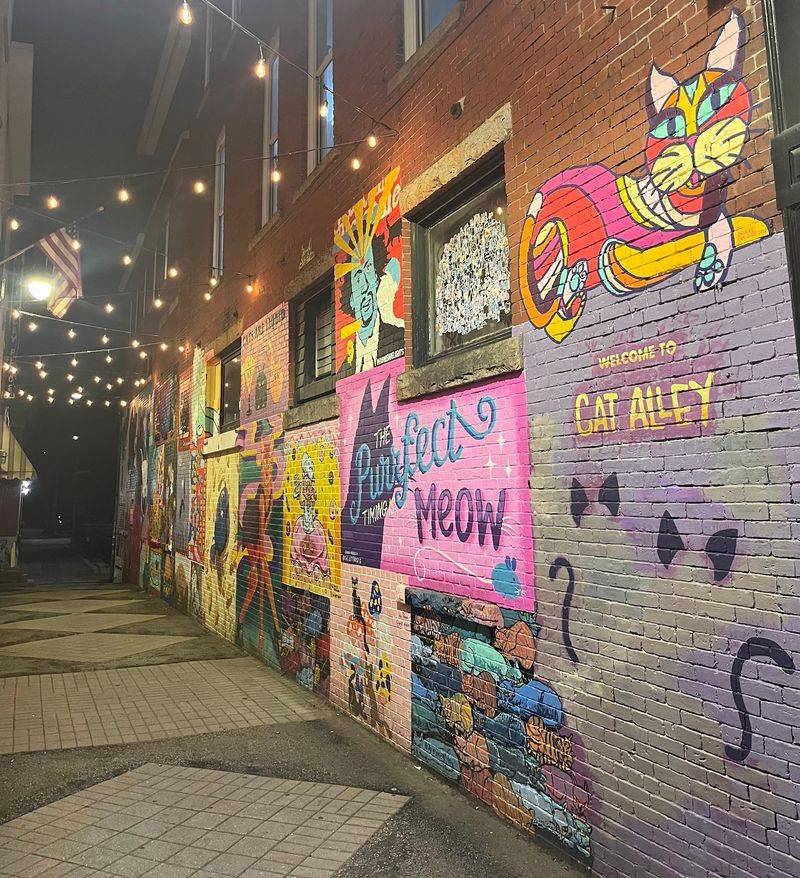
Cat Alley is exactly what it sounds like, and also nothing like what you expect. Tucked into downtown Manchester, this narrow alleyway has been transformed into a gallery of cat-themed murals and playful vignettes that showcase the city’s commitment to public art in the most delightfully unexpected way.
It draws photographers, families, and curious passersby in equal measure.
Public art in Manchester goes well beyond one charming alley. The Arms Park Mural stretches across 1,000 square feet on the Merrimack River bank, depicting the city’s textile production history in vivid, sweeping imagery.
Around the corner from that, a statue of Ralph Baer, the Manchester engineer who created the precursor to Pong and the electronic memory game Simon, stands as a tribute to local innovation.
The Currier Museum of Art anchors the city’s formal arts scene with works by Monet, Picasso, and other major European and American artists. Its collection is genuinely impressive for a city of Manchester’s size.
The museum also manages Frank Lloyd Wright’s Zimmerman House, the only Wright-designed home in New England open to the public, which is reason enough to plan an extra afternoon here.
Frank Lloyd Wright’s New England Surprise
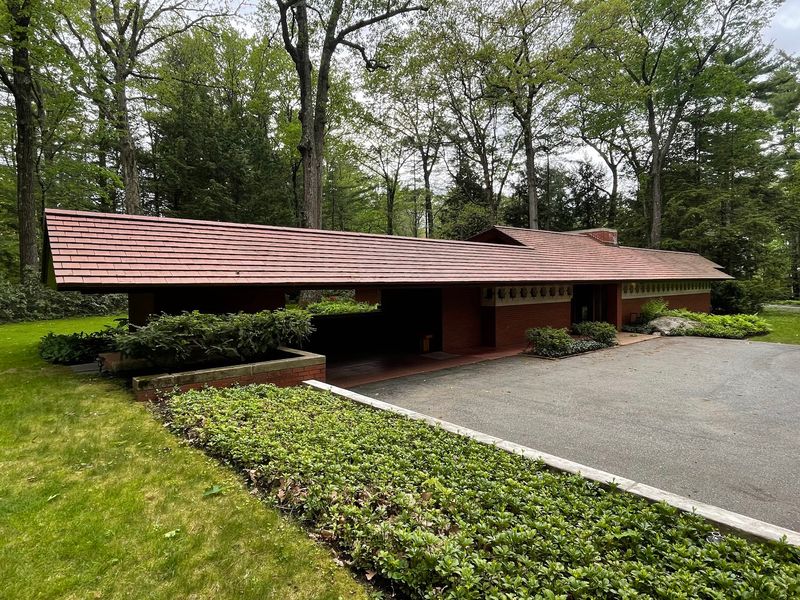
Most people do not associate Frank Lloyd Wright with New Hampshire, which makes the Zimmerman House one of the more satisfying surprises this city has to offer. Built in 1950 in the Usonian style, the house was designed as an affordable, thoughtfully integrated home for Dr. Isadore and Lucille Zimmerman, and it remains one of the finest examples of Wright’s residential philosophy anywhere in the country.
The Currier Museum of Art, which now owns and operates the property, offers guided tours that take visitors through the meticulously preserved interior and grounds. Every detail reflects Wright’s belief that architecture should connect human beings to their natural surroundings.
The built-in furniture, the horizontal lines, the way natural light moves through the space throughout the day, all of it feels intentional and cohesive.
As the only Wright-designed home in New England open to the public, the Zimmerman House occupies a genuinely rare position in the region’s architectural landscape. Tour spots fill up, so booking ahead is strongly recommended.
Once inside, it is easy to understand why people travel considerable distances specifically to see this single building.
A Table for Every Taste
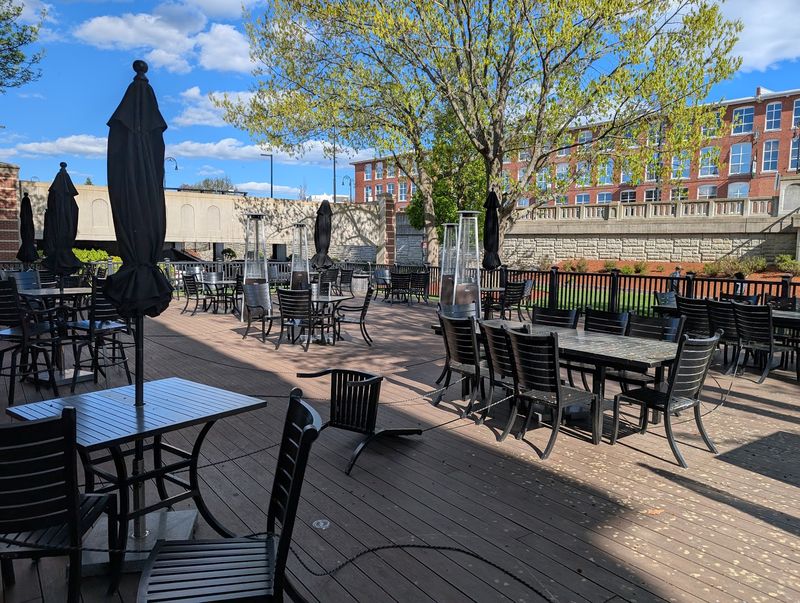
Dining in Manchester is genuinely exciting, and not in a vague, everything-is-great kind of way. The Foundry, located inside the Historic Millyard District, offers riverside booths with direct views of the Merrimack River and holds the distinction of being New Hampshire’s largest certified farm-to-table restaurant.
The seasonal menu changes keep things interesting across every visit.
Cotton brings upscale American comfort food to the table with careful attention to quality and presentation. The Hanover Street Chophouse delivers a classic steakhouse experience with refined ambiance and expertly prepared cuts.
For something more casual and energetic, The Goat serves award-winning burgers alongside a creative daily brunch menu, often with live country music adding to the atmosphere.
The international options are just as compelling. El Rincon Zacatecano Taqueria serves authentic Mexican flavors, Cafe Momo brings Nepali momos to the menu, and Pho Golden Bowl offers a warming bowl of Vietnamese pho that hits the spot on a crisp New Hampshire evening.
With over a hundred restaurants in the downtown area alone, Manchester punches well above its weight on the culinary front.
Sweet Shops and Local Finds
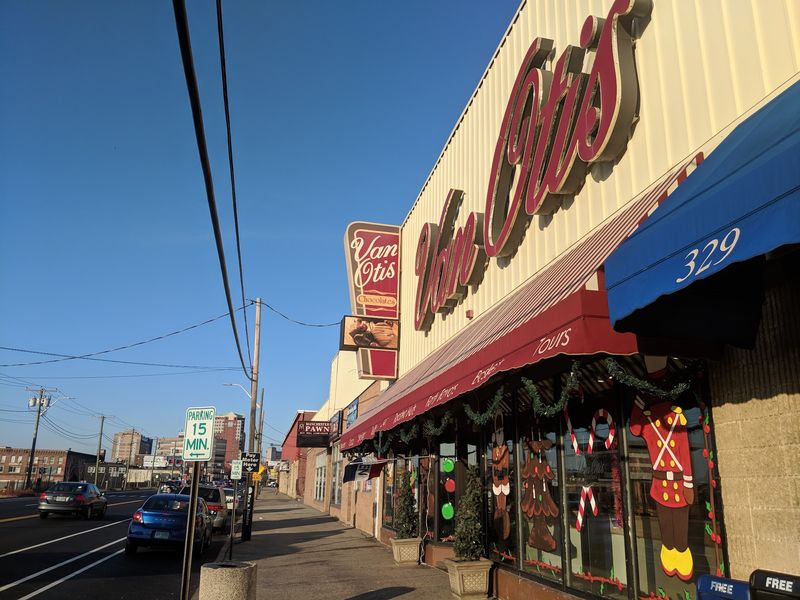
Van Otis Chocolates has been a Manchester institution for generations, and one visit makes it immediately clear why. The display cases are filled with handcrafted confections in an impressive variety of forms, from classic truffles to seasonal specialties.
It is the kind of local sweet shop that reminds you why small, independently owned businesses matter so much to a city’s character.
Queen City Cupcakes adds another layer of sweetness to the downtown experience, with freshly baked goods that make excellent gifts or mid-afternoon treats. Lala’s Hungarian Pastry brings a distinctly European baking tradition to Manchester’s streets, offering a taste of old-world pastry craft in a welcoming neighborhood setting.
The Bookery Manchester rounds out the experience in the best possible way, combining an independent bookstore with a bustling cafe where you can settle in with a good read and a warm drink.
Downtown shopping extends well beyond food. Eclectic boutiques, vintage shops, and artisan goods stores line the streets, offering handcrafted jewelry and one-of-a-kind finds that you simply will not encounter in a mall.
Manchester rewards the kind of unhurried browsing that turns a quick errand into an unexpectedly enjoyable afternoon.
A Festival Calendar That Keeps Delivering
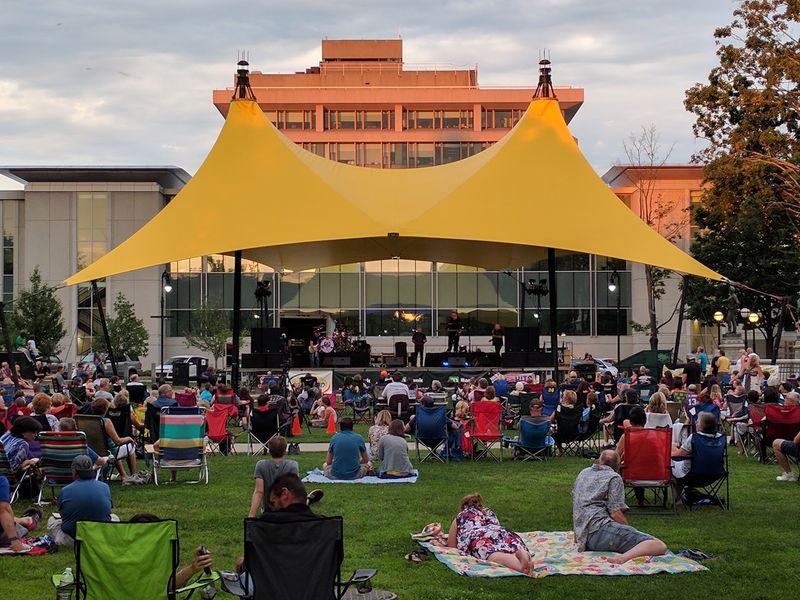
Manchester does not need a special occasion to feel lively, but its event calendar gives residents and visitors plenty of reasons to show up at specific times of year. Summer kicks things off with the beloved Taco Tour, a street festival that shuts down city blocks and draws enthusiastic crowds for a day of food, music, and community energy.
Temperatures in the 70s and 80s make outdoor gatherings genuinely comfortable.
Fall brings a different kind of energy. As New Hampshire’s famous foliage peaks from mid-September through late October, Manchester hosts events like the Granite State Comic Con and signature autumn celebrations that pair seasonal scenery with local culture.
The Citywide Arts Festival, a week-long event featuring music, film screenings, and hands-on classes, reflects the city’s creative spirit in a particularly accessible format.
Year-round, the SNHU Arena hosts major concerts and sporting events that draw large regional audiences. Niche events like The Chocolate Expo, the New Hampshire Vintage Market, and TEDxAmoskeagMillyard add texture to the calendar and reflect the diverse interests of Manchester’s population.
There is almost always something happening here that makes the trip feel well-timed.
When to Go and How to Make the Most of It
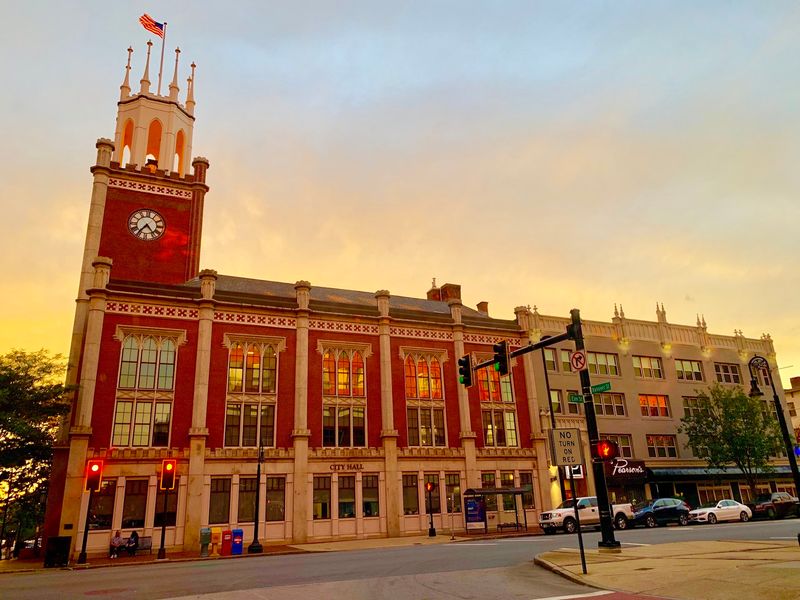
Timing a visit to Manchester well can genuinely elevate the experience. Summer, from June through August, offers the most comfortable weather for walking the downtown streets and exploring the Millyard, with temperatures typically ranging between 70 and 80 degrees Fahrenheit.
Outdoor festivals cluster during these months, making summer the most socially active season in the city.
Fall is arguably the most visually rewarding time to visit. From mid-September through late October, the surrounding landscape transforms into a vivid display of orange, red, and gold.
Walking the Amoskeag Riverwalk or exploring Arms Park during peak foliage season adds a layer of natural beauty to the already compelling urban landscape. Crisp temperatures make long walks feel effortless rather than exhausting.
Winter has its own quiet appeal for visitors who enjoy a slower pace and fewer crowds. The brick mill buildings look particularly striking against a fresh snowfall.
Spring, meanwhile, brings the Merrimack to life with migrating fish at the Amoskeag Fishways, making late April through June a great window for nature-focused visitors. A car is helpful for exploring beyond the downtown core, though the walkable center keeps most essentials within easy reach on foot.
Share this story