Somewhere out there, a diamond is sitting in a muddy field waiting to be picked up. Across the United States, there are real places where ordinary people can dig, sluice, and pan their way to genuine gemstones, gold, and minerals they get to take home.
These are not theme park simulations or carnival games. They are working mines, protected parks, and historic sites where the treasure is completely real.
Whether you are planning a family road trip or just looking for a weekend adventure unlike anything you have tried before, this list covers 13 spots around the country where the hunt is legitimate, the finds are yours to keep, and the experience is something you will not forget anytime soon.
Crater of Diamonds State Park, Murfreesboro, Arkansas
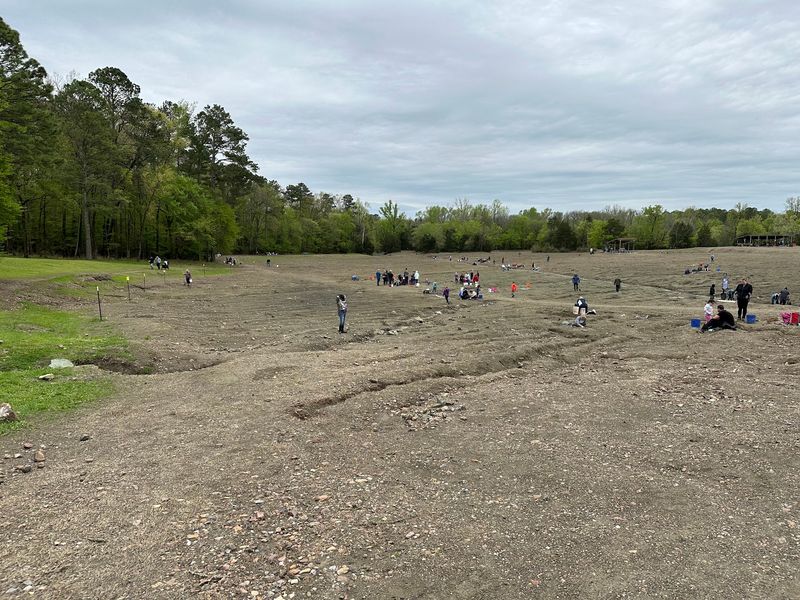
The only place in the world where the public can search for diamonds in their original volcanic source and keep what they find is right here in Arkansas. Crater of Diamonds State Park sits over an ancient volcanic pipe, and its 37-acre plowed field is open to anyone willing to get their hands dirty.
Arkansas State Parks reports that more than 400 diamonds are recovered here in an average year. The most famous find from this site is the 40.23-carat Uncle Sam diamond, still the largest diamond ever discovered in the United States.
Beyond diamonds, visitors also turn up amethyst, jasper, quartz, and other minerals worth keeping.
The park is open year-round, though facility hours shift with the seasons. Tools can be rented on site, and staff can help you understand what a rough diamond actually looks like before you start searching.
Emerald Hollow Mine, Hiddenite, North Carolina
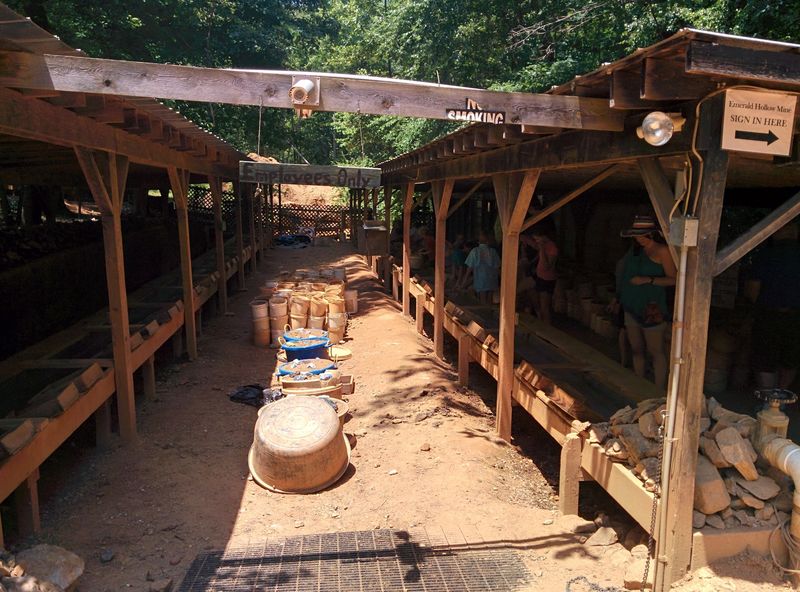
Tucked into the foothills of North Carolina’s Brushy Mountains, Emerald Hollow Mine sits on a genuinely active mineral deposit where more than 60 naturally occurring minerals have been identified. That list includes emerald, hiddenite, aquamarine, sapphire, garnet, topaz, quartz, and tourmaline, which makes every bucket of gravel feel like a small mystery worth solving.
Visitors get to choose their experience here. Options include sluicing, searching the creek, or digging directly at the mine site.
The public creek and dig area contain naturally occurring material, so finds are real rather than planted. The mine also sells enriched sluicing buckets for those who want a higher concentration of gemstones.
Emerald Hollow operates throughout most of the year, closing only for major holidays and during dangerous weather conditions. Mining permits cover access to the prospecting areas and include the tools needed to get started.
Herkimer Diamond Mines, Herkimer, New York
The name is a little misleading, but the crystals are genuinely impressive. Herkimer diamonds are not actual diamonds.
They are exceptionally clear, naturally double-terminated quartz crystals that formed hundreds of millions of years ago inside dolostone rock in the Mohawk Valley region of New York.
At Herkimer Diamond Mines, visitors crack open chunks of that dolostone themselves using hammers provided with admission. Staff give instructions before anyone enters the mining area, and every crystal found in the designated zone belongs to the person who finds it.
The tactile experience of splitting rock and discovering a crystal inside is one of the more memorable things you can do on a family trip in the Northeast.
For 2026, the mining season runs from April 12 through October 31, with the area normally open daily from 9 a.m. to 5 p.m., weather permitting. No prior experience is needed to participate.
Ron Coleman Mining, Jessieville, Arkansas
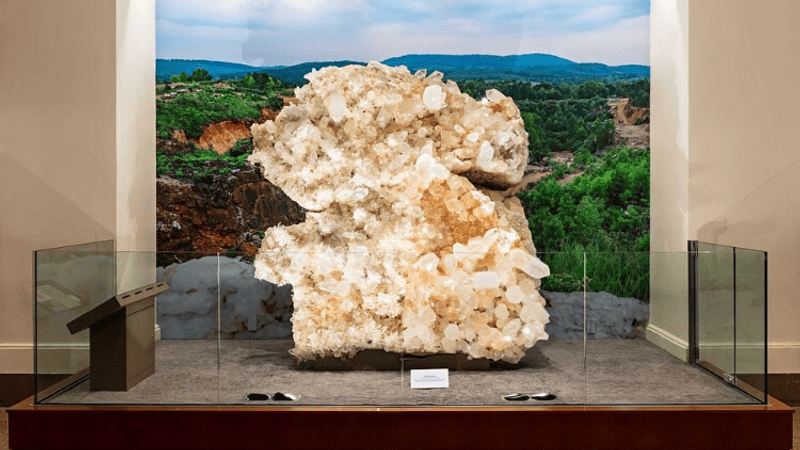
Arkansas produces more natural quartz crystal than almost anywhere else on Earth, and Ron Coleman Mining is one of the best places for the public to experience that firsthand. This fifth-generation family operation opens its mine tailings to everyday visitors who want to spend a day searching for genuine crystal.
What sets this spot apart is that guests are not sorting through buckets prepared for tourists. They are digging through material that came directly out of actual mining operations, which means every find reflects the real geology of the region.
Clear Arkansas quartz crystals can range from small points to impressive clusters worth displaying at home.
No reservation is required for regular crystal digging. Current public digging hours run from 8 a.m. to 5:30 p.m., giving visitors a full day to work through the tailings.
The family atmosphere and hands-on access make this a strong stop for anyone traveling through the Ouachita Mountains.
Diamond Hill Mine, Abbeville, South Carolina
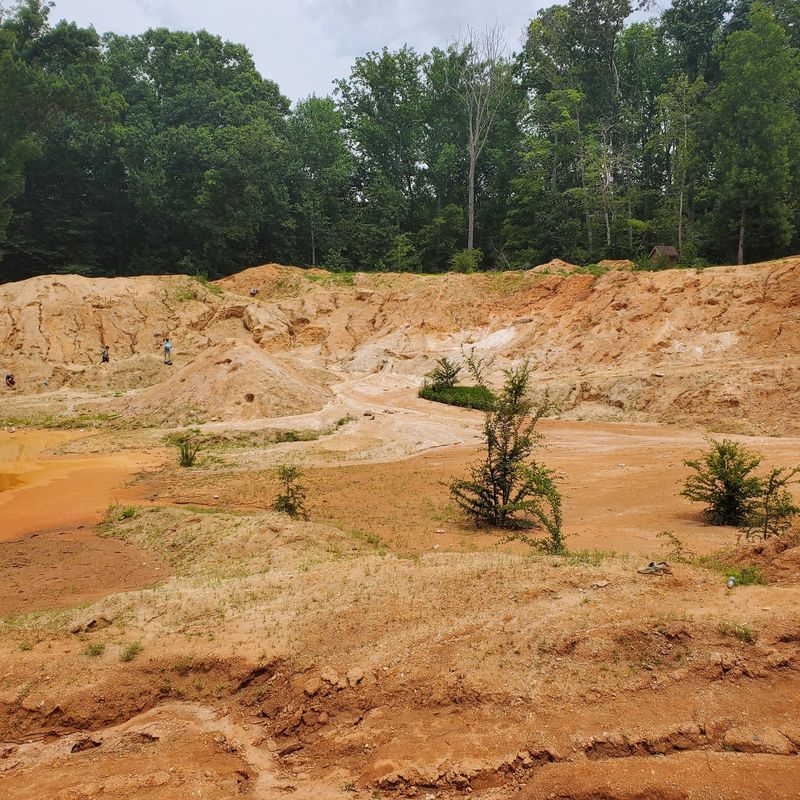
Despite what the name suggests, Diamond Hill Mine is not where you go to find diamonds. The real draw here is quartz, and some of it is spectacular.
Smoky quartz, skeletal formations, elestial crystals, and occasional amethyst have all come out of this South Carolina property.
The mine is clear about one important detail: its collecting areas are not salted. That means the minerals visitors find actually occur naturally on the property rather than being added in advance to improve the tourist experience.
Beryl, garnet, and epidote have also been recovered here, giving serious collectors a reason to look carefully.
Visitors can search exposed surface material and dig in designated areas before taking their finds home. Diamond Hill is currently open daily throughout the year, with regular hours from 9 a.m. to 5 p.m.
The site works well for both casual rock collectors and people who take mineral hunting more seriously.
Gem Mountain Sapphire Mine, Philipsburg, Montana
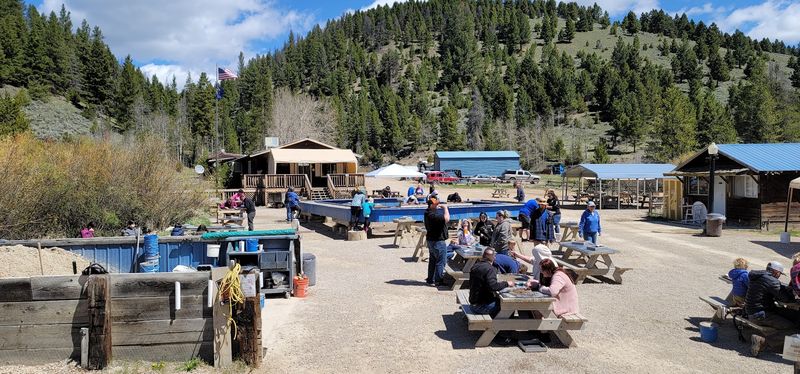
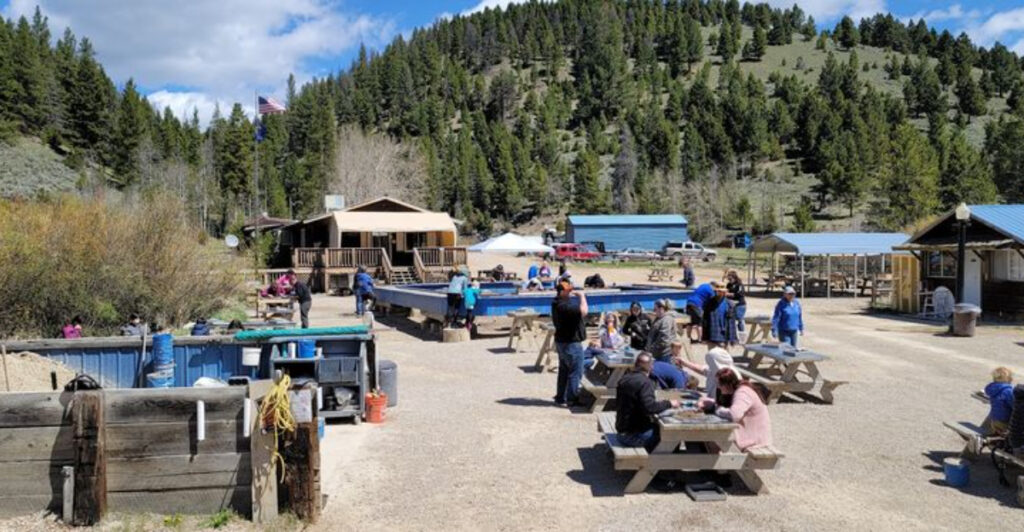
Montana calls itself the Treasure State, and Gem Mountain Sapphire Mine gives visitors a real reason to believe it. Guests here wash natural gravel brought from the company’s sapphire deposit and sort through it looking for genuine Montana sapphires, which are known for their range of colors including blue, green, yellow, and parti-color variations.
The actual mine location sits along Montana Highway 38 between Philipsburg and Hamilton. Its 2026 season runs from May 20 through September 5, Wednesday through Saturday.
For those who cannot make it to the highway location, Gem Mountain also operates a second location in downtown Philipsburg where visitors can wash mine gravel throughout the year.
Staff at both locations provide equipment and teach guests how to recognize sapphires among the gravel. Found sapphires can be sent out for cutting and set into jewelry, turning a single afternoon of searching into something you can wear for years afterward.
Montana Blue Jewel Mine, Helena, Montana
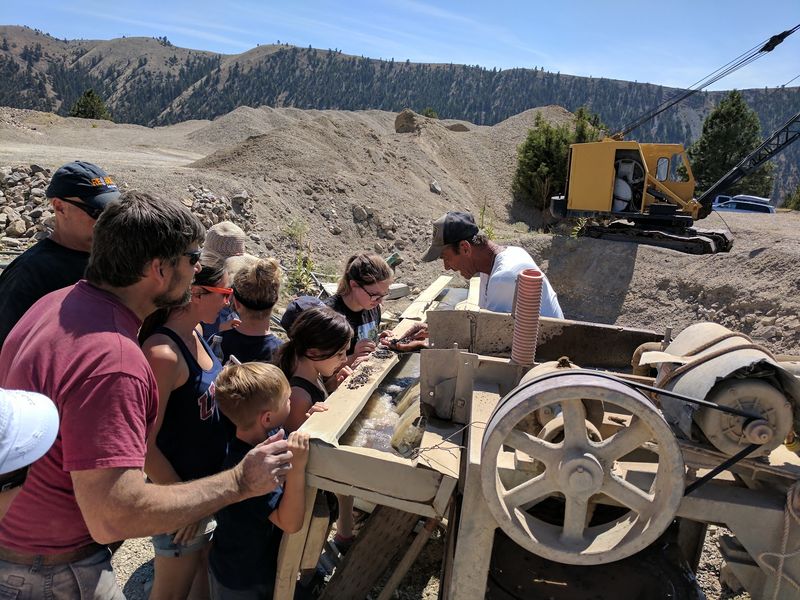
Montana’s sapphire country extends well beyond one mine, and the Montana Blue Jewel Mine outside Helena offers another legitimate opportunity to search for the state’s most famous gem. Visitors purchase buckets of material from the mine and use on-site screening stations to separate sapphire-bearing gravel and look for stones worth keeping.
Unlike operations that use imported gemstones to fill their buckets, visitors here are processing material that comes directly from the mining operation itself. That distinction matters to collectors who want to know their finds have a genuine connection to the land they are standing on.
The experience typically takes several hours, and the mine supplies all the equipment needed for searching.
Reservations are required because only a limited number of screening stations are available at any given time. The mine’s website confirms that its spring and summer 2026 fee-dig season is underway, so booking ahead is the smart move before making the drive out from Helena.
Royal Peacock Opal Mine, Denio, Nevada
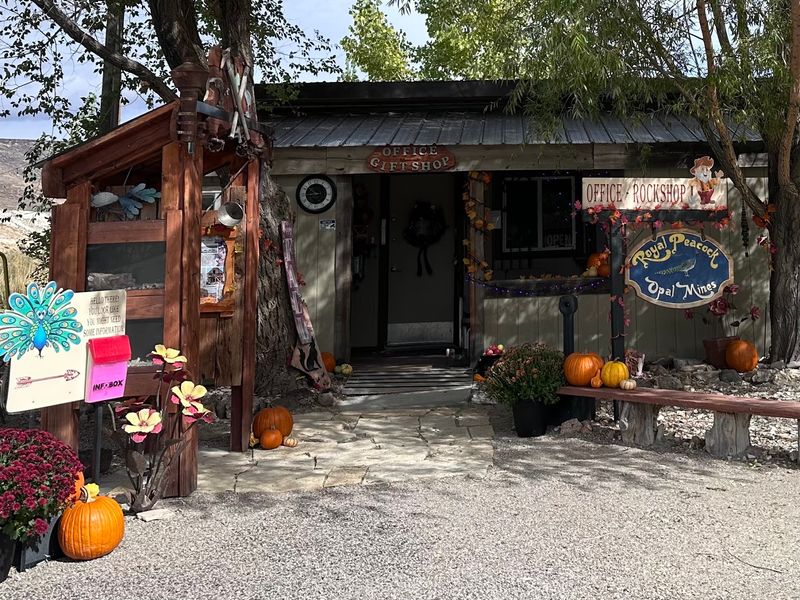
Getting to Denio, Nevada, takes some planning, but the payoff is access to one of the most unusual treasure hunts in the country. The Virgin Valley of northern Nevada is one of the few places in North America where precious opal forms naturally, and Royal Peacock Opal Mine opens that terrain to recreational diggers.
Visitors can search previously excavated tailings or pay for access to exposed opal-bearing bank material. Finds can include common opal, precious opal displaying genuine play of color, and opalized wood.
Every specimen discovered in the designated area belongs to the person who finds it. Opals from this region are known for their vivid fire and are genuinely sought after by collectors.
The 2026 season runs from May 1 through October 18, weather permitting, with digging available from 8 a.m. to 4 p.m. seven days a week. The remote location means arriving prepared with supplies is a practical necessity, not just a suggestion.
Bonanza Opal Mine, Virgin Valley, Nevada
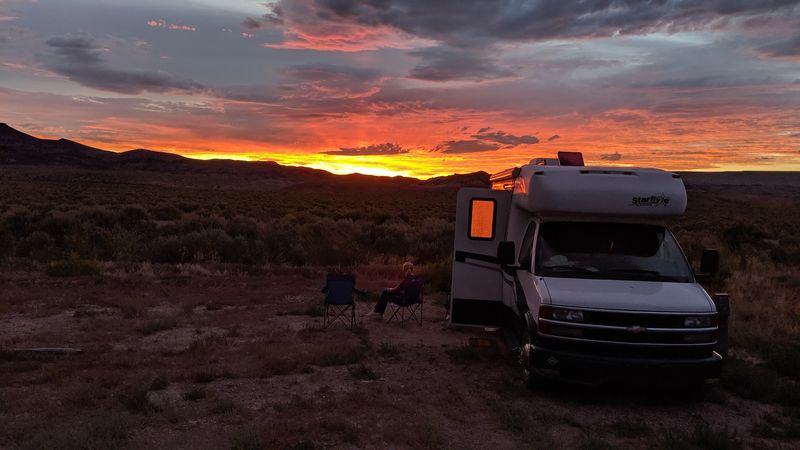
A short distance from Royal Peacock, Bonanza Opal Mine offers another way into Nevada’s most productive opal country. The mine opens sections of its property to recreational diggers who want to search through tailings for Virgin Valley opal, which can display vivid color patterns that make each piece completely unique.
Visitors keep whatever specimens they uncover during their session. Staff members are available to explain what to look for and how to distinguish opal from surrounding rock material.
Tools are available to rent on site, which means you do not need to arrive with specialized equipment.
For 2026, Bonanza confirms it is operating fee digs primarily Friday through Sunday from Memorial Day weekend through Labor Day weekend, with several additional holiday openings included. Standard digging hours are 8 a.m. to 4 p.m.
The limited schedule makes planning ahead important, especially for anyone combining this stop with a visit to Royal Peacock nearby.
Cherokee Ruby and Sapphire Mine, Franklin, North Carolina
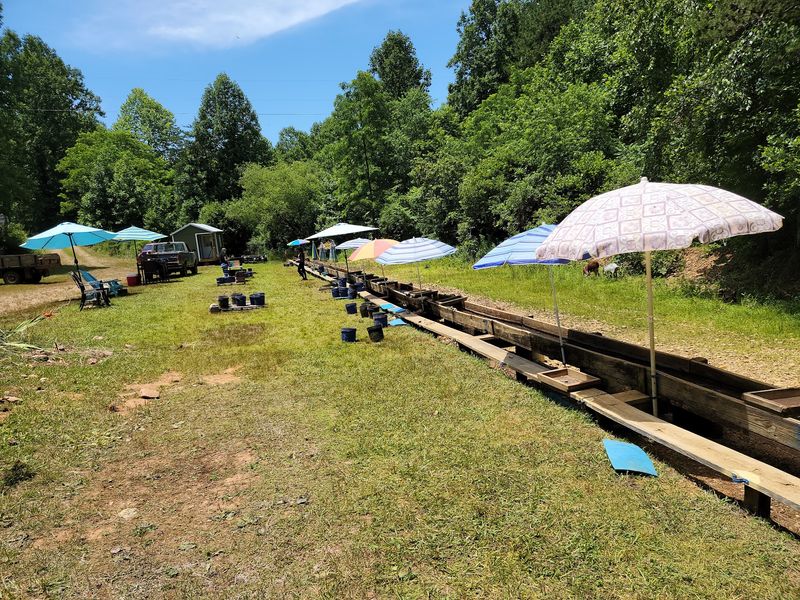
Franklin, North Carolina, sits in a region with a long history of ruby and sapphire mining, and Cherokee Ruby and Sapphire Mine is one of the most straightforward options for visitors who want a genuine collecting experience. The mine states clearly that all material offered to visitors comes from its Cowee Valley deposit rather than having imported gemstones added into the mix.
Prospectors washing ore through the flume can uncover rubies, sapphires, garnets, moonstone, rutile, kyanite, quartz, and other minerals that occur naturally in this part of the Southern Appalachians. The mine describes itself as a dig-your-own operation, which means the focus stays on what the land actually produces rather than what has been added for appearances.
Year-round hours are currently listed, though operations depend on weather conditions. The Franklin area has several gem mines nearby, making it a practical destination for anyone who wants to spend a full day or weekend exploring multiple sites in one trip.
Reed Gold Mine, Midland, North Carolina
In 1799, a twelve-year-old named Conrad Reed found a 17-pound gold nugget in Little Meadow Creek on his family’s farm. He did not know what it was, and the family reportedly used it as a doorstop for several years before someone identified it as gold.
That discovery at this Cabarrus County property is now recognized as the first documented gold find in the United States.
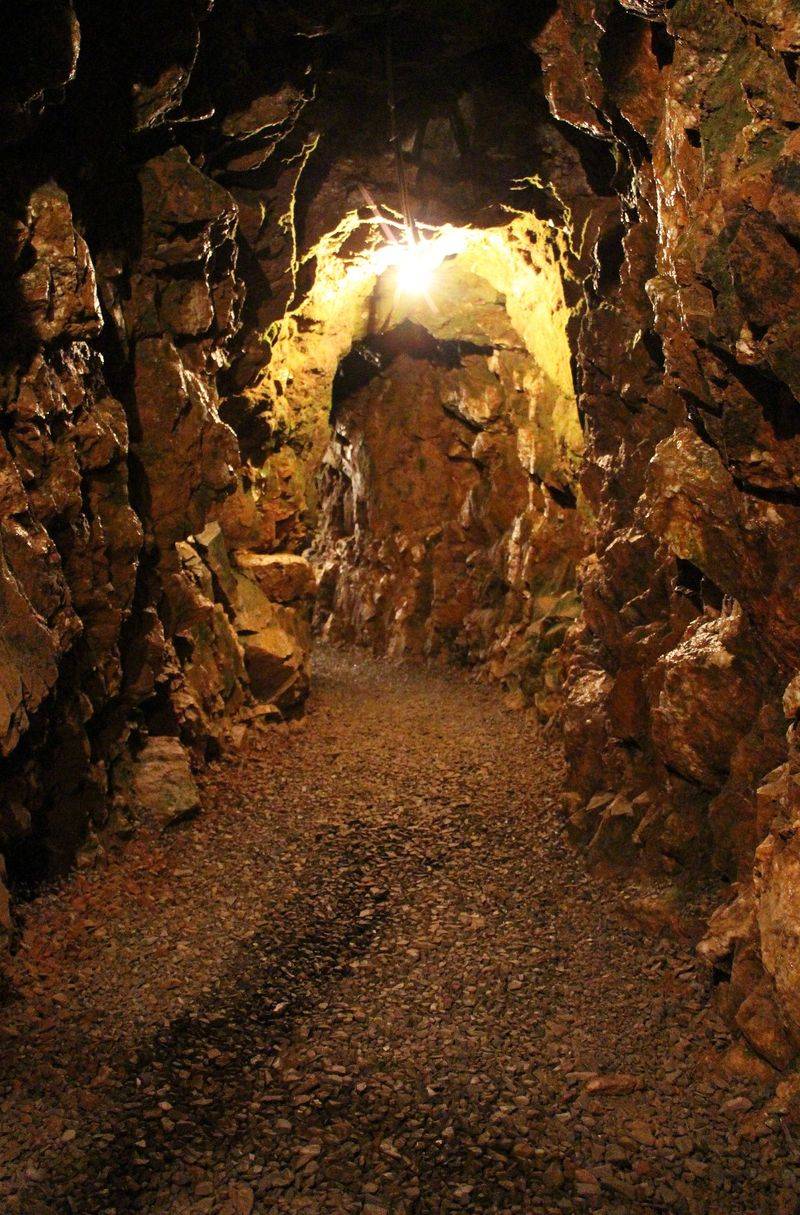
Today, Reed Gold Mine is preserved as a state historic site. Visitors cannot dig freely through the protected grounds, but the site does maintain a designated educational panning area where staff teach traditional gold-panning techniques.
Real gold can be found during a session, though results are never guaranteed. When a visitor does find a flake, staff will bottle it so they can take it home as a keepsake.
Panning is normally available from April 1 through October 31, weather permitting. Underground mine tours and exhibits about the site’s history are also part of the visit.
Elijah Mountain Gem Mine, Hendersonville, North Carolina
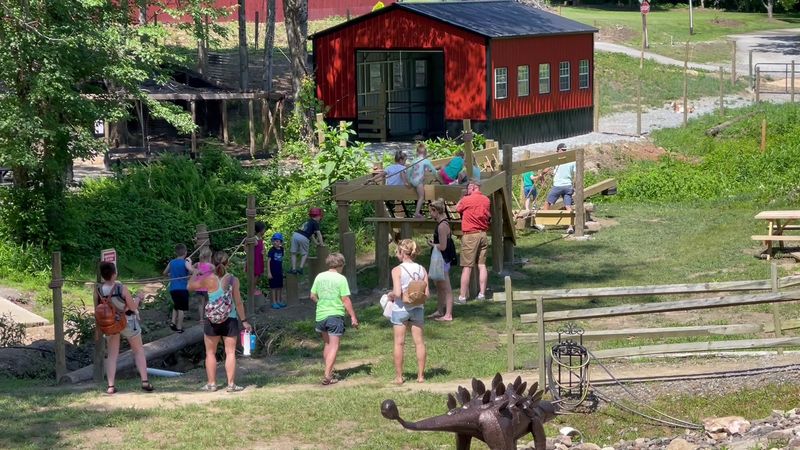
Hendersonville, North Carolina, sits in the Blue Ridge Mountains, and Elijah Mountain Gem Mine gives families a relaxed and accessible way to experience gem hunting without needing to dig in the dirt. Visitors purchase gemstone material and wash it through indoor or covered flumes, looking for colorful stones to keep.
Possible finds include rubies, sapphires, emeralds, quartz, geodes, and fossils. This is a different setup than searching an untouched natural deposit, so travelers who want a purely geological collecting experience should go in with the right expectations.
The material is enriched, meaning gemstones have been added to improve the variety of finds.
That said, it works especially well for families with younger children who might lose patience with slower, more technical mining operations. The covered flume setup also means weather is less of a concern.
Elijah Mountain advertises year-round gem mining and is currently open daily, making it an easy addition to any western North Carolina trip.
Foggy Mountain Gem Mine, Boone, North Carolina
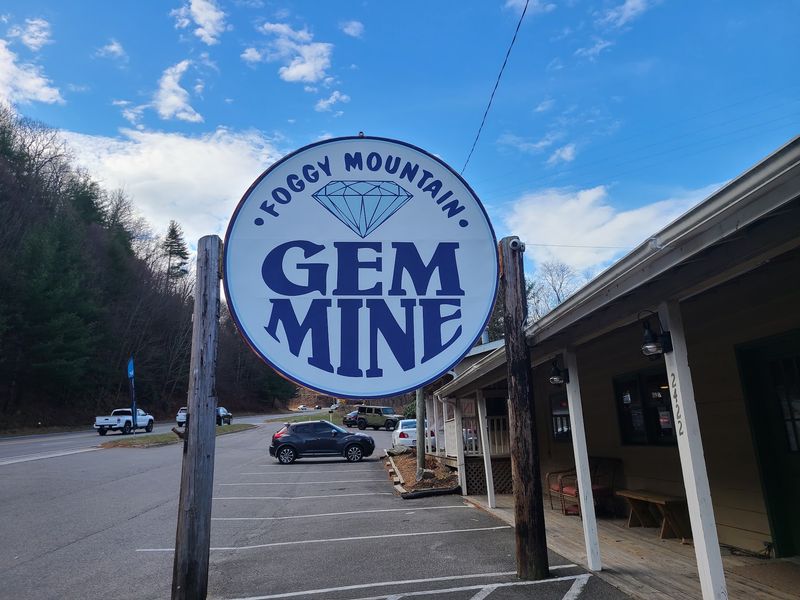
Boone sits at a high elevation in the North Carolina mountains, and Foggy Mountain Gem Mine makes it easy to spend a few hours searching for something sparkly regardless of your experience level. Guests purchase buckets containing genuine rough gemstones sourced from locations around the world, then wash the material through water-filled flumes to reveal what is inside.
Finds can include emeralds, rubies, sapphires, tourmaline, garnet, amethyst, and citrine. Staff are on hand to help visitors identify what they have found, which is genuinely useful when you are staring at a pile of wet gravel trying to figure out what is a gemstone and what is just a rock.
Suitable stones can also be sent out to be cut and set into finished jewelry.
The Boone location operates year-round, which makes it one of the more dependable stops on any Blue Ridge Mountains road trip. No prior knowledge of gemstones is required to enjoy the experience.
Share this story