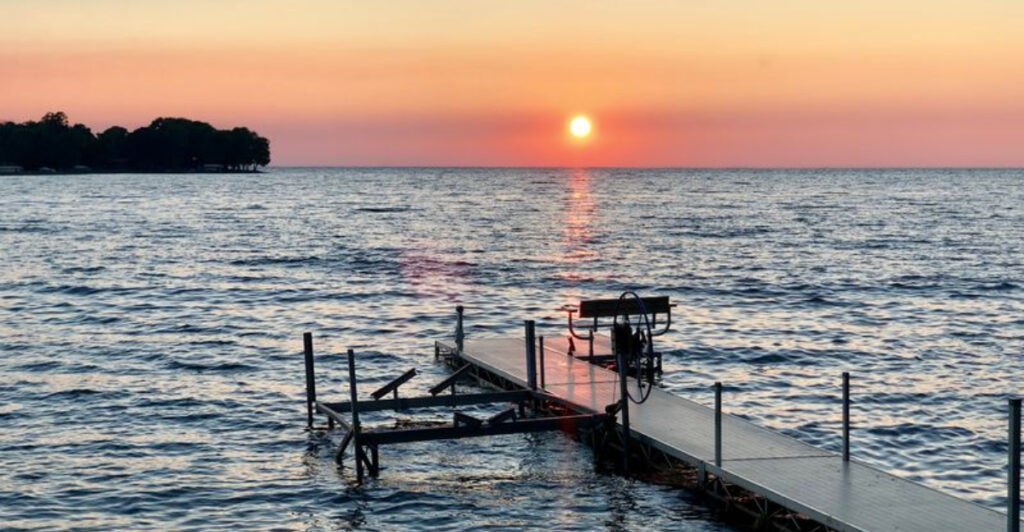
There is a lake in central Minnesota so wide that you genuinely cannot see the other side. It stretches across more than 132,000 acres, making it larger than Lake Tahoe by surface area.
Anglers have been talking about it for generations, and outdoor lovers keep returning every season for reasons that go well beyond fishing. Once you understand what makes this lake so remarkable, it is hard to imagine Minnesota without it.
A Lake Too Big to Ignore
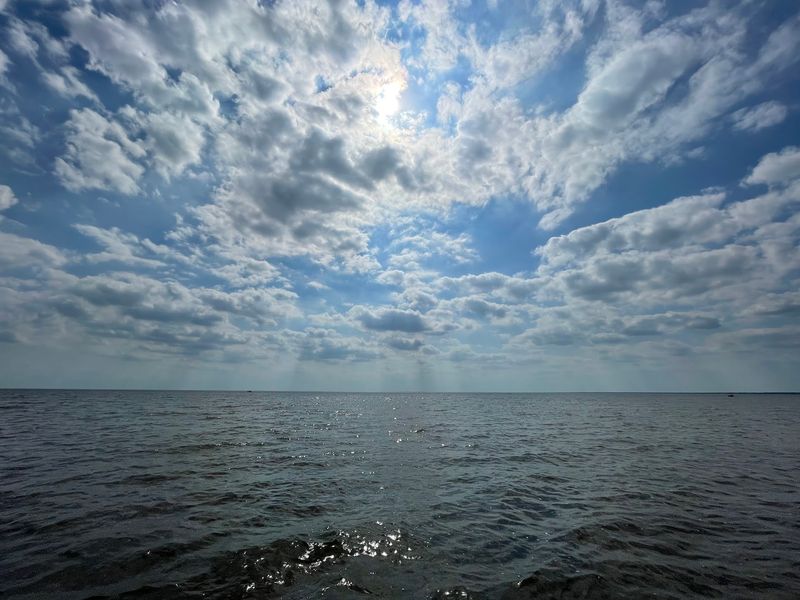
Most lakes in Minnesota fit neatly into a postcard. Mille Lacs Lake does not.
At more than 132,000 acres, it is Minnesota’s second-largest inland lake, and its sheer scale catches first-time visitors completely off guard.
The water stretches so far that the opposite shoreline disappears entirely on hazy mornings. Standing at the edge feels more like facing an ocean than a freshwater lake in the upper Midwest.
Mille Lacs Lake sits in central Minnesota, roughly 100 miles north of Minneapolis, and has long been one of the state’s most visited natural landmarks. Its coordinates place it near the town of Onamia, Minnesota, and the lake draws visitors from across the region every single season.
The size alone is worth the drive, but the lake holds far more surprises than its acreage suggests.
Walleye Fishing That Defines the Lake’s Identity
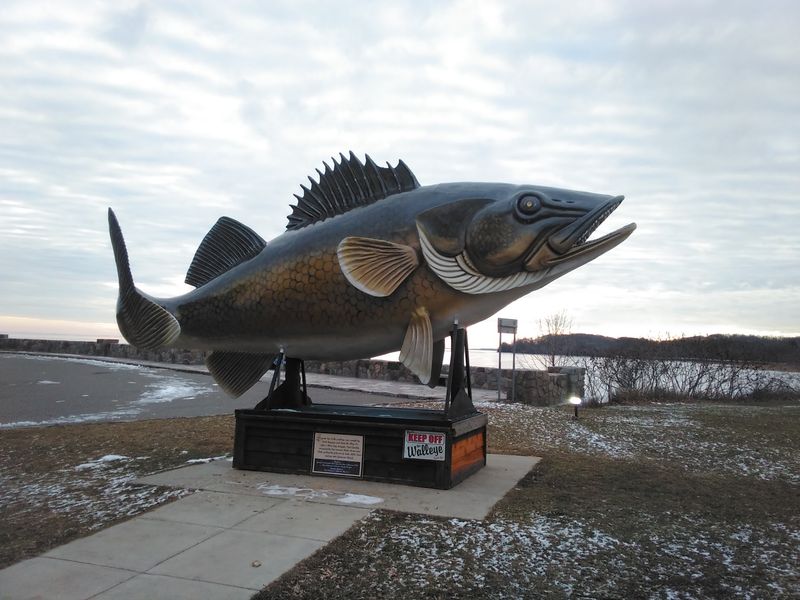
Ask anyone who has fished Mille Lacs Lake what they came for, and the answer is almost always the same: walleye. The lake has built a reputation across the Midwest as one of the premier walleye fisheries in the country, drawing serious anglers and casual weekend fishermen alike.
Regulations on walleye have shifted over the years to protect the population, including slot size restrictions and seasonal limits. Those rules can frustrate newcomers, but experienced anglers understand they exist to keep the fishery healthy for future generations.
The walleye action tends to be strongest in the early morning hours before the sun climbs too high. Setting up before daylight gives you the best shot at landing fish within the legal slot range.
Even on days when the walleye are tricky, the sheer number of fish in the water keeps things exciting throughout the day.
The Smallmouth Bass Reputation Growing Fast
Professional bass anglers from across the southern United States have started calling Mille Lacs Lake the smallmouth capital of the world, and the fish back up that claim in a serious way. Five- and six-pound smallmouth bass are not unusual here, and fish of that size would be considered trophies on most other lakes.
The south end of the lake is particularly productive for smallmouth, where rock reefs and boulder flats create ideal habitat. Anglers targeting smallmouth often work the areas marked by rock buoys, using crank baits and tube rigs to pull fish off the bottom structure.
Isle Bay on the south end offers a weed line at around nine feet that drops sharply into thirty feet of water, making it a productive spot whether you prefer casting or trolling. The quality of the smallmouth fishery has surprised even veteran anglers who thought they had seen it all.
Muskie Fishing for Those Chasing a True Trophy
Not every angler comes to Mille Lacs Lake chasing walleye or bass. Some come specifically for muskie, and the lake delivers on that front in a way that few other Minnesota waters can match.
Fish exceeding fifty inches are considered common here, which is extraordinary by any standard.
A state record muskie was caught and released from these waters, a detail that speaks volumes about the size of fish living in the lake. Muskie fishing requires patience and the right equipment, but the reward is the kind of catch that anglers talk about for decades.
The deep-water structure and healthy forage base in Mille Lacs create ideal conditions for muskie to grow to exceptional sizes. Anglers targeting trophy fish often work the deeper water transitions and points where muskie tend to hold.
The possibility of hooking into a fish of a lifetime keeps the muskie crowd coming back every season.
Ice Fishing Culture That Thrives All Winter Long

When temperatures drop and the lake freezes over, Mille Lacs does not slow down. It transforms.
Ice fishing on Mille Lacs Lake is practically a cultural institution in central Minnesota, with anglers setting up shelters across the frozen surface and spending full days on the ice.
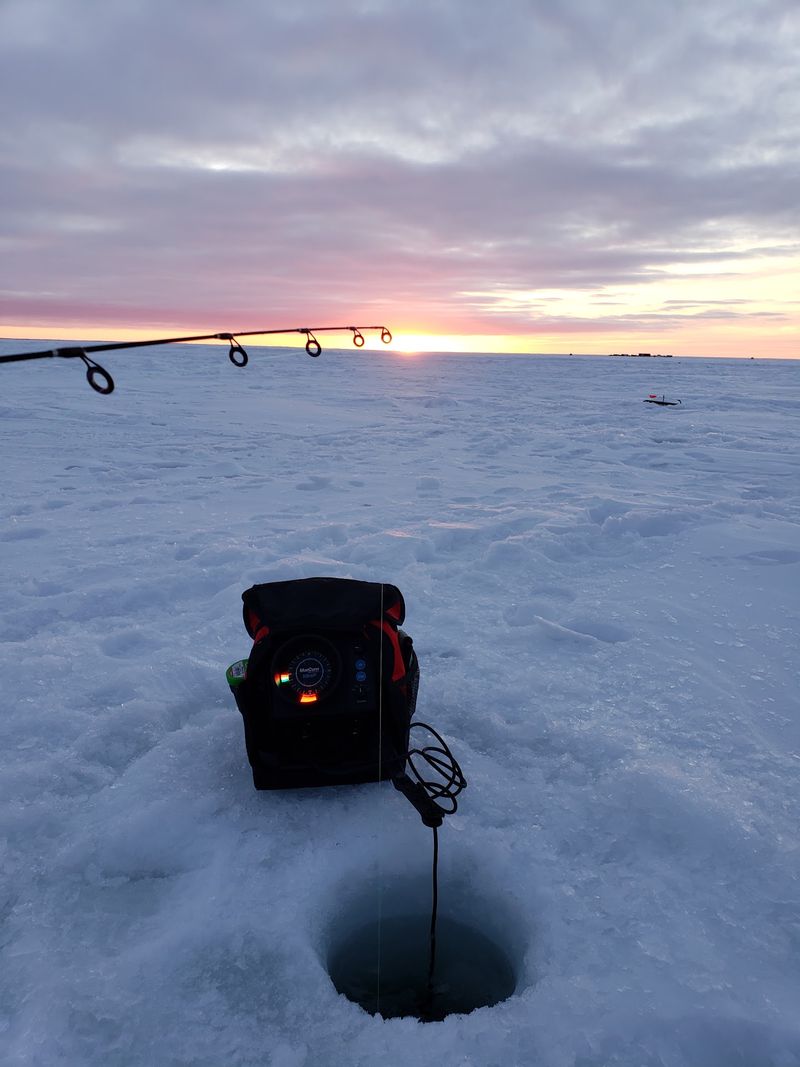
During the ice fishing season, regulations allow anglers to keep one walleye per day within the legal slot size, which means a group trip can turn into a genuine walleye breakfast if the fish cooperate. The pre-dawn setup is part of the tradition, with many anglers arriving well before sunrise to get positioned on productive structure.
One of the most memorable parts of an early morning ice fishing session is stepping outside the shelter to catch the sunrise over the frozen lake. The sky turns orange and pink across miles of flat white ice, creating a scene that feels completely removed from everyday life.
It is the kind of quiet that resets something in you.
The Lake’s Shallow Reefs and Deep-Water Structure

What makes Mille Lacs Lake so productive as a fishery is not just its size. The lake’s underwater geography plays a massive role.
Shallow reef tops, rocky flats, and dramatic depth transitions create a variety of habitat zones that support multiple species at the same time.
Ottos Reef on the south end is one of the most well-known fishing spots on the lake, offering classic reef structure that concentrates fish in predictable ways. Anglers who invest time learning the lake’s bottom contours with marine electronics consistently outperform those who fish blind.
The weed lines and rock transitions create natural edges where predator fish stage and feed. Understanding how water temperature and season affect fish positioning on these structures gives experienced anglers a significant advantage.
For newcomers, hiring a local guide or joining a launch trip is a smart way to learn the lake’s layout without years of trial and error on the water.
Boating Across One of Minnesota’s Largest Open Waters
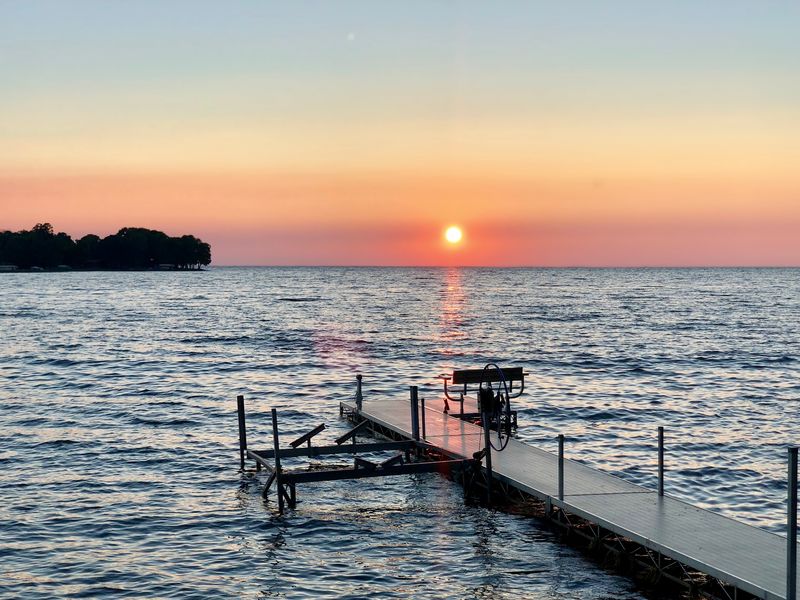
Getting out on the water by boat is one of the best ways to appreciate just how large Mille Lacs Lake really is. The open expanse of water stretches in every direction, and on a calm day the surface turns glassy and smooth in a way that makes the ride feel almost effortless.
The lake is not well-suited for small or underpowered boats, particularly when wind picks up. Waves can build quickly across such a large fetch of open water, and conditions can change faster than newcomers expect.
Experienced boaters on Mille Lacs always keep an eye on the weather before heading out.
Charter launches operate on the lake and offer a comfortable way to fish without bringing your own boat. These trips are particularly popular with families and first-time visitors who want a guided experience on the water.
Calm, clear days make for the best boating, and the views from the middle of the lake are genuinely hard to describe.
Kathio State Park and the Fire Tower Worth Climbing
Right along the southwestern shore of Mille Lacs Lake sits Mille Lacs Kathio State Park, one of Minnesota’s oldest and most historically significant parks. The park protects land that has been continuously occupied by humans for thousands of years, making it one of the most archaeologically rich areas in the entire state.
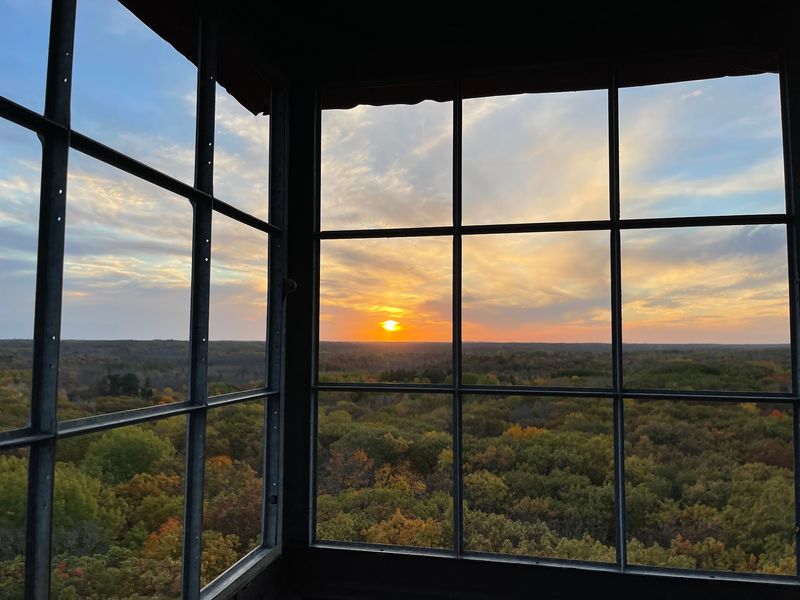
One of the park’s most popular features is the fire tower, which offers a panoramic view of the lake and surrounding forest from its upper platform. Climbing the tower gives you a perspective on the lake’s size that ground level simply cannot provide.
On clear days the view stretches for miles in every direction.
The park also offers hiking trails, camping, and paddling opportunities on the Rum River, which flows out of Mille Lacs Lake. Combining a day at the park with a morning on the lake makes for a full and satisfying visit to the region.
The fire tower alone is worth the stop.
Agates, Beach Glass, and Shoreline Walks
Not every visit to Mille Lacs Lake involves a fishing rod. The shoreline offers its own rewards for those who prefer to keep their feet on the ground.
Walking the beach is a genuinely pleasant way to spend an afternoon, and the lake has a way of making you slow down without even trying.
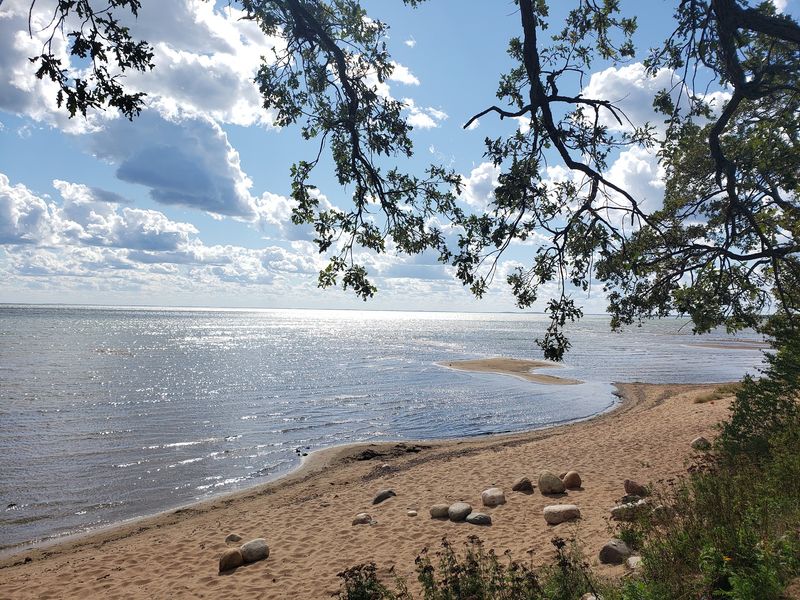
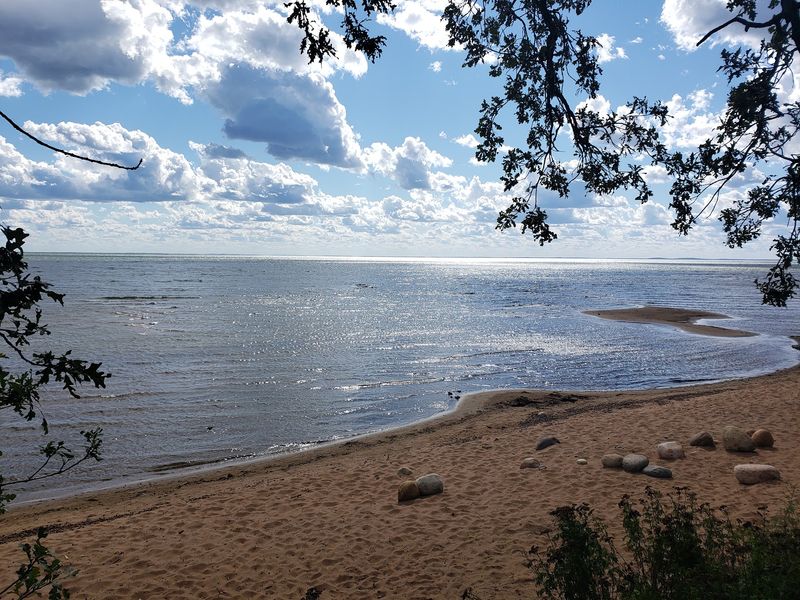
Rock hunters have long appreciated the Mille Lacs shoreline for the agates, smooth granite pieces, and occasional beach glass that wash up along the sand. Finding a good agate takes patience and a sharp eye, but the hunt itself becomes part of the fun.
Kids tend to get completely absorbed in the search.
The beach walk also gives you an unobstructed view across the water, and on certain days the lake really does resemble a small inland sea. The horizon line disappears, the water shifts color with the light, and the whole scene carries a quiet, unhurried energy that is genuinely hard to find elsewhere in Minnesota.
Sunrise Over the Lake Every Morning of the Year
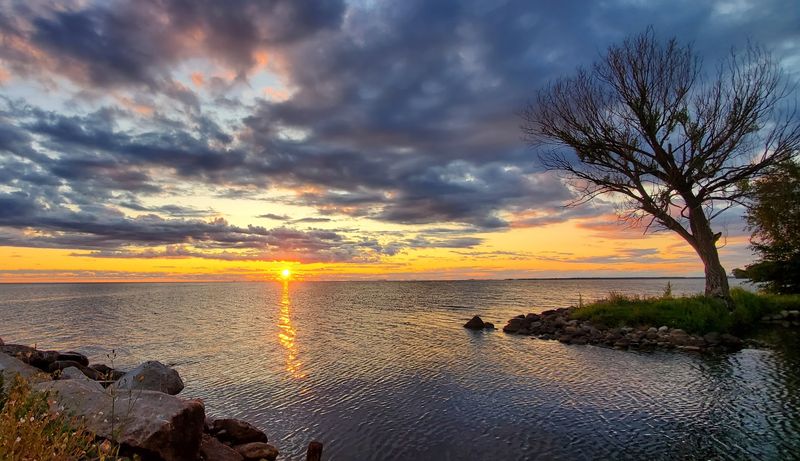
There is a specific kind of silence on Mille Lacs Lake just before sunrise. The water is still, the air is cold, and the sky begins shifting from dark blue to soft orange at the horizon.
For anglers already set up on the ice or out in a boat, this moment feels like a reward in itself.
The sunrise over a lake this large reads differently than a typical Minnesota morning. With no hills or tall structures blocking the view, the light spreads across the water in a full, unobstructed arc.
Colors reflect off the surface in ways that make the whole scene feel almost unreal.
Many visitors who come primarily for fishing end up talking about the sunrises just as much as the fish they caught. The combination of cold air, open water, and that first light breaking across 132,000 acres of lake creates a morning experience that feels genuinely rare.
Setting an alarm for it is absolutely worth the effort.
A Scenic Drive Around the Entire Lake
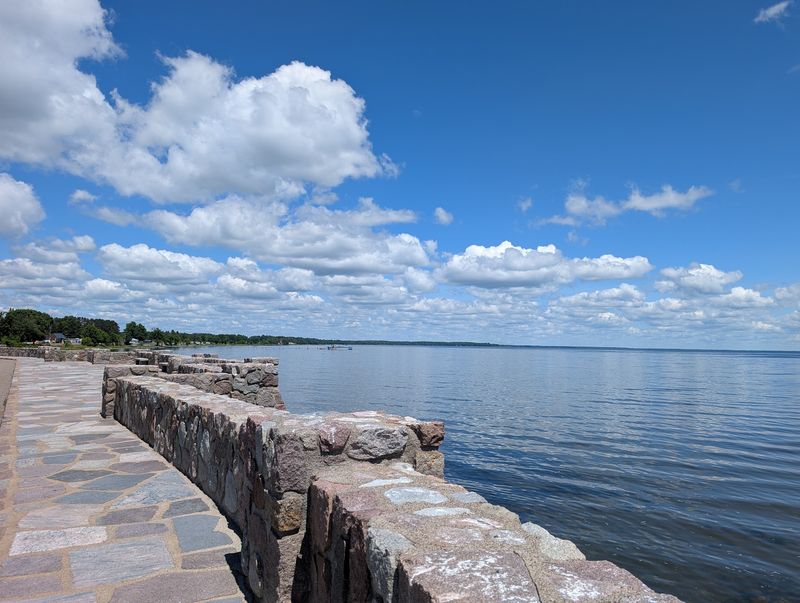
One of the most underrated ways to experience Mille Lacs Lake is simply to drive around it. The roads that circle the lake pass through small towns, resort communities, and stretches of open shoreline that give a real sense of the lake’s enormous perimeter.
Along the way there are spots to pull over, stretch your legs, and take in the water from different angles. The south end looks different from the north end, and the light changes the lake’s appearance throughout the day.
What starts as a casual drive quickly turns into a full afternoon of discovery.
Small shops, local eateries, and gift stores dot the communities around the lake, making the drive feel like an actual tour rather than just a commute. Stopping for food and browsing local shops adds a relaxed, unhurried pace to the experience.
The scenic loop around Mille Lacs is the kind of thing you plan for an hour and end up spending a whole day on.
Why Locals Keep Coming Back Season After Season
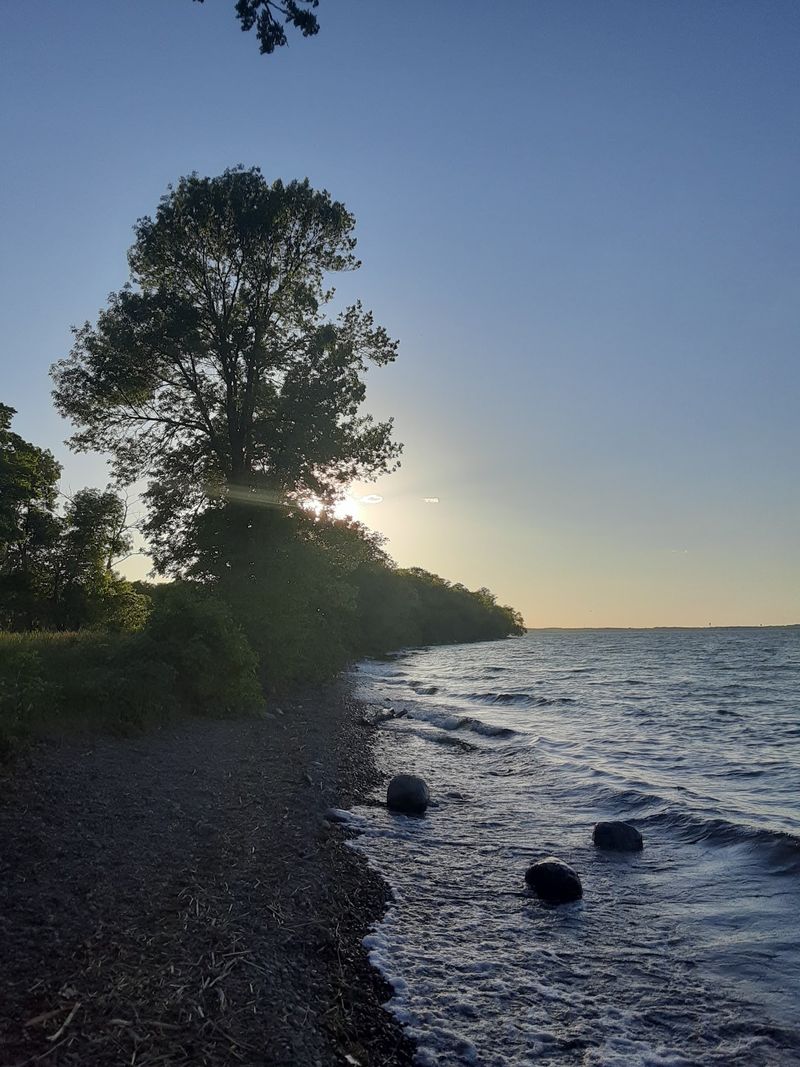
Some people have been visiting Mille Lacs Lake for decades. Others grew up spending summers at a family cabin on the shore and now bring their own children back to do the same things they did as kids.
That kind of generational loyalty says something meaningful about a place.
The lake changes with every season, which is part of its lasting appeal. Summer brings warm water, boating, and bass fishing.
Fall turns the surrounding forest into a canvas of color. Winter transforms the lake into a sprawling ice fishing community with its own rhythms and routines.
Spring signals the return of open water and the start of a new fishing season.
The lake’s size means there is always somewhere new to explore, even for people who have been coming for years. Long-time visitors talk about the peaceful atmosphere and the way the lake has a way of feeling both familiar and fresh at the same time.
That combination is genuinely rare.
Share this story