There is a place in Minneapolis where old buildings never really disappear. Their bones, their beauty, and their character get carefully lifted out and given a second life.
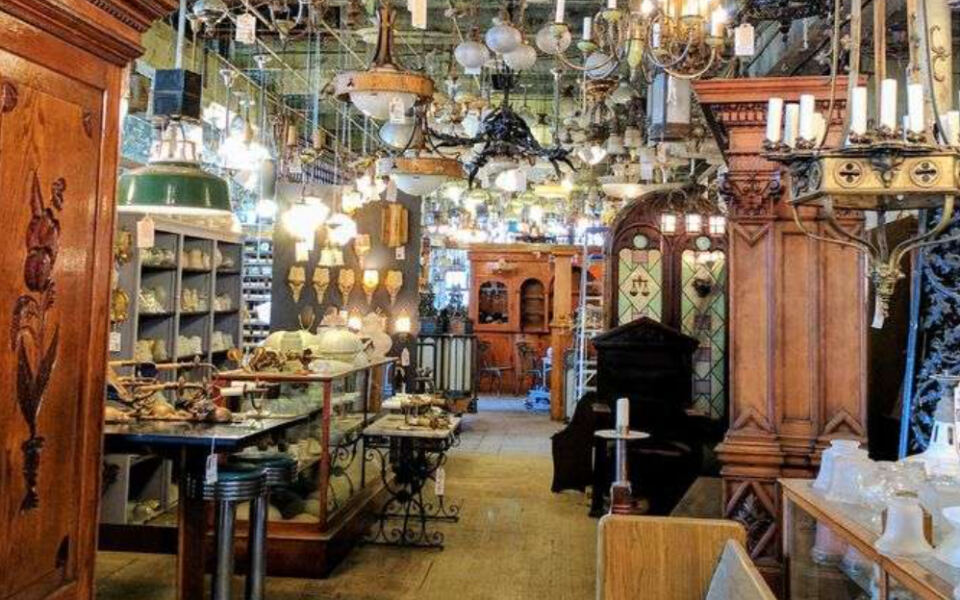
Stained glass panels, ornate chandeliers, iron hardware, and carved woodwork line the shelves, each piece carrying the story of a structure that once stood somewhere important. If you have ever walked past a crumbling historic building and wondered where all those remarkable details end up, this store holds the answer.
A Store Built Around Saving History
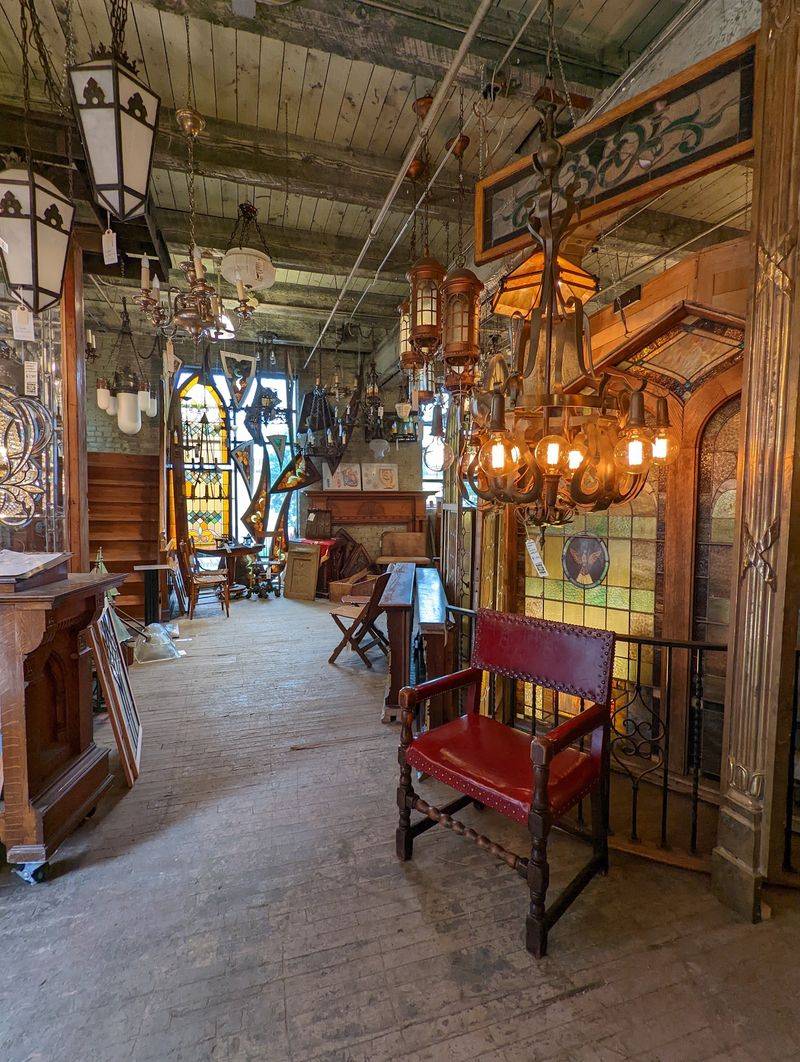
Some stores sell products. This one rescues history.
Architectural Antiques, located at 1330 Quincy St NE, Minneapolis, Minnesota 55413, has spent decades gathering salvaged pieces from old homes, mansions, and historic structures before those buildings were lost forever.
The shop sits in Northeast Minneapolis and has become a well-known resource for homeowners, interior designers, and restoration specialists across the region. Every piece on the floor was once part of something real, something built with craftsmanship that is rarely matched today.
Walking through the space feels less like shopping and more like touring a museum of American architectural history. The collection is constantly rotating, which means no two visits ever look exactly the same.
That unpredictability is part of what keeps people coming back, sometimes just to browse and appreciate what is there.
The Lighting Collection That Stops People in Their Tracks
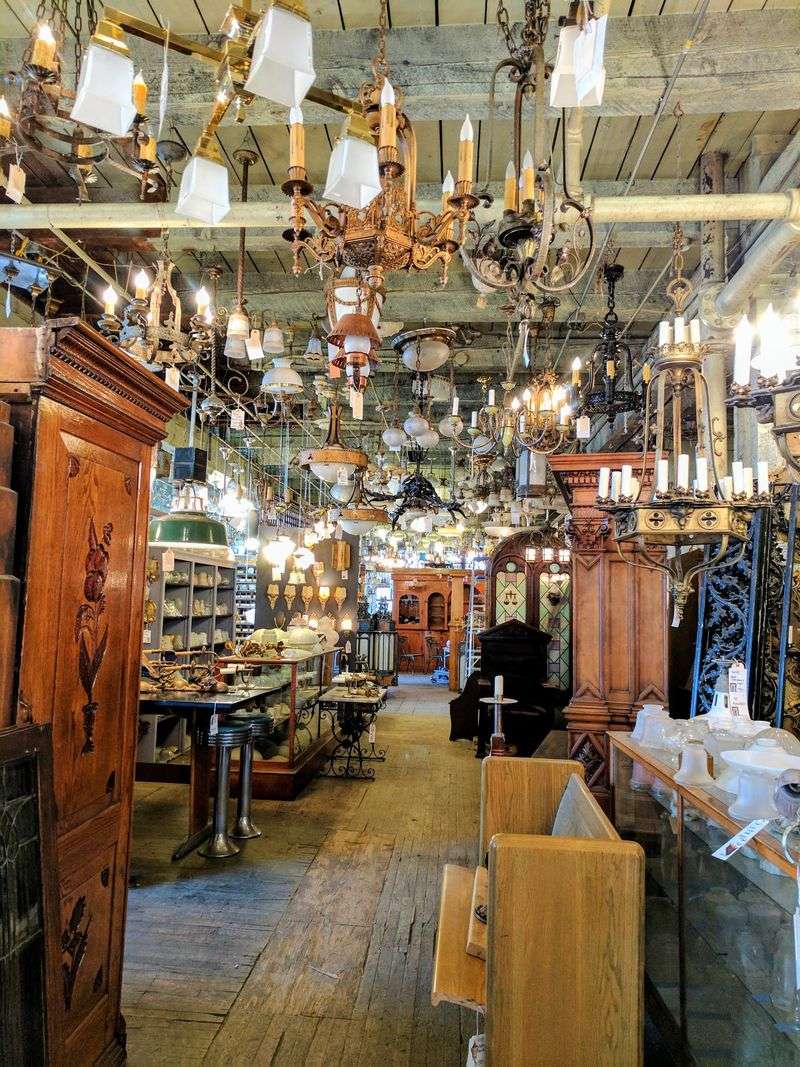
Lighting is the heart of this store. Chandeliers, pendant lamps, sconces, and globe fixtures fill the ceiling and shelves in a display that feels genuinely theatrical.
Customers frequently mention the lighting selection as the single most impressive part of the entire shop.
What makes these fixtures different from anything you would find at a big box retailer is their history. Many came from homes built in the late 1800s and early 1900s, when light fixtures were considered art objects rather than functional afterthoughts.
The craftsmanship in the metalwork, glass, and finishes reflects that older standard of quality.
The store also offers rewiring services, which means a fixture that looks a century old can be safely installed in a modern home. Customers have had pieces rewired with period-appropriate cording, complete with proper grounding and UL-rated components.
That kind of attention to detail is genuinely hard to find anywhere else.
Stained Glass That Belonged to Another Era
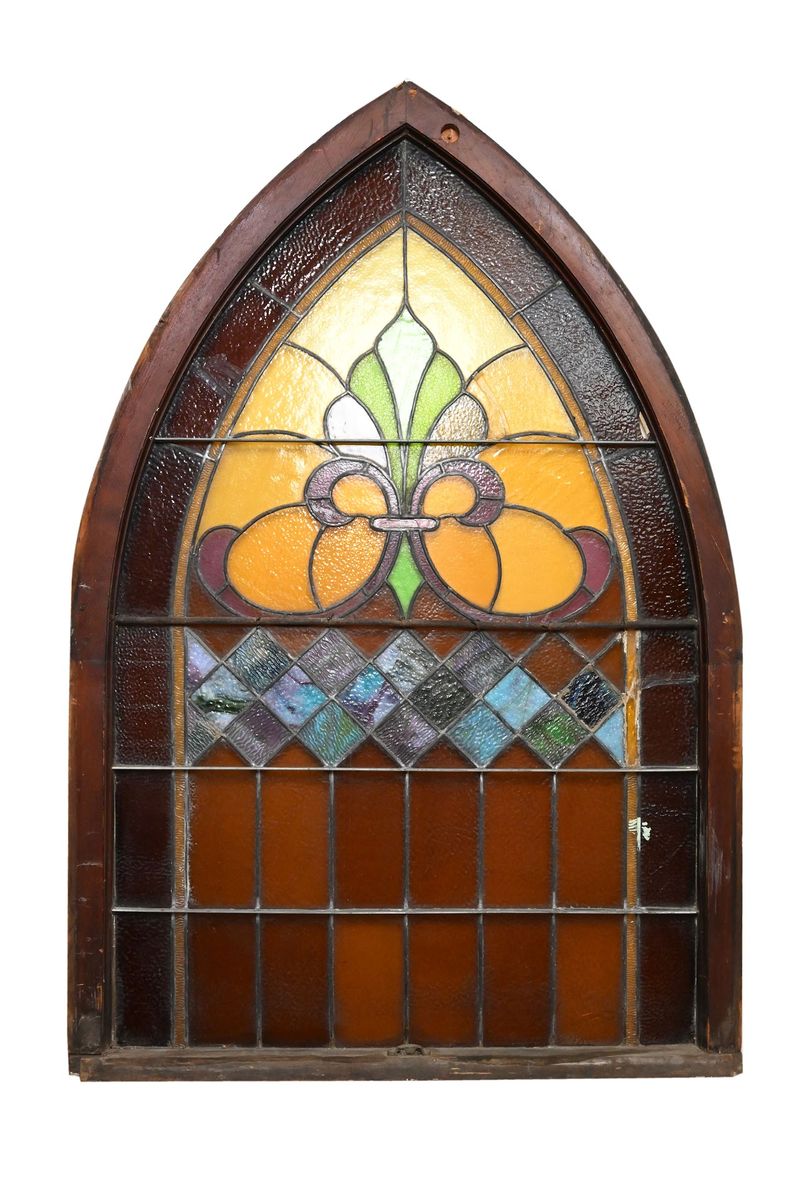
Few things in this store draw as much attention as the stained glass. Panels in rich jewel tones lean against walls and hang in windows, catching available light and filling the space with color.
These are not reproductions or decorative imitations. They are genuine salvaged pieces pulled from churches, estates, and historic homes.
Stained glass from older buildings represents a level of artisan skill that is almost impossible to replicate affordably today. The leading, the glass quality, and the color combinations reflect techniques developed over generations.
Owning a panel means owning a piece of that tradition.
Some buyers incorporate these panels into renovation projects, framing them into doors or windows where natural light can activate the colors throughout the day. Others display them as standalone art pieces.
Either way, the visual impact is undeniable, and the historical connection makes them far more meaningful than anything manufactured recently.
Hardware So Specific It Cannot Be Found Anywhere Else
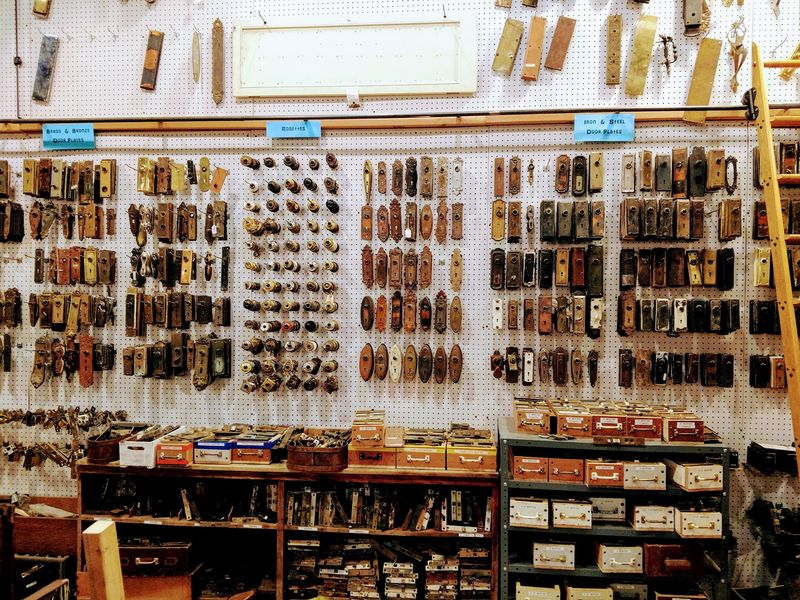
One of the quieter but deeply practical reasons people visit this store is the hardware. Door knobs, hinges, escutcheon plates, and specialty fasteners fill entire sections of the shop.
For anyone restoring a historic home, finding a matching door knob for a set that is over a hundred years old is nearly impossible through ordinary retail channels.
This store solves that problem. The sheer volume and variety of hardware means that a specific piece you have been searching for elsewhere might be sitting right here on a shelf.
Customers restoring Victorian or Craftsman-era homes have described finding exactly the knob or hinge they needed after months of searching online with no luck.
Beyond function, the hardware is beautiful on its own terms. Ornate brass, cast iron, and porcelain pieces reflect design sensibilities from eras when even small details were treated as opportunities for artistry.
That philosophy is worth appreciating regardless of whether you need a replacement part.
Ironwork Pulled From Buildings With Stories to Tell
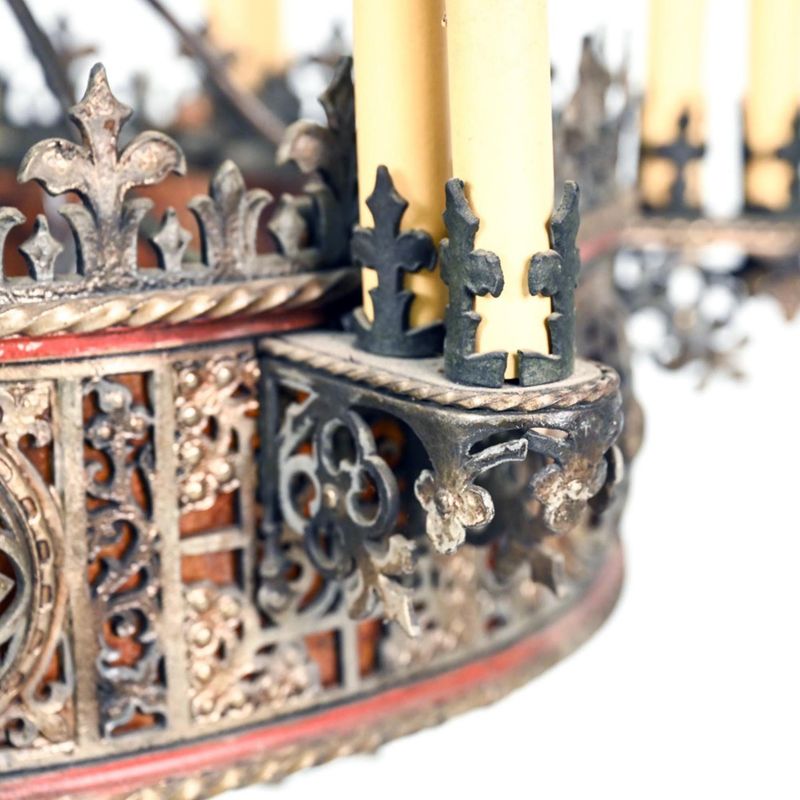
The ironwork section of this store carries real visual weight. Railings, gates, grilles, and decorative panels crafted from wrought and cast iron line parts of the shop, their dark surfaces contrasting sharply with lighter architectural pieces nearby.
These are not lightweight decorative accents. They are substantial, heavy objects built to last centuries.
Victorian-era ironwork in particular reflects an obsession with ornamental detail that modern manufacturing simply does not prioritize. Floral motifs, geometric patterns, and sculptural flourishes appear on pieces that were once functional parts of staircases, fences, and building facades.
Designers working on restaurant interiors, hotel lobbies, and upscale residential renovations have sourced ironwork from this store to add authenticity to their projects. A piece of original ironwork carries visual credibility that reproduction work rarely achieves.
The weight, the patina, and the slight imperfections all tell a story that no factory-made alternative can honestly replicate.
Entire Room Elements Rescued Before Demolition
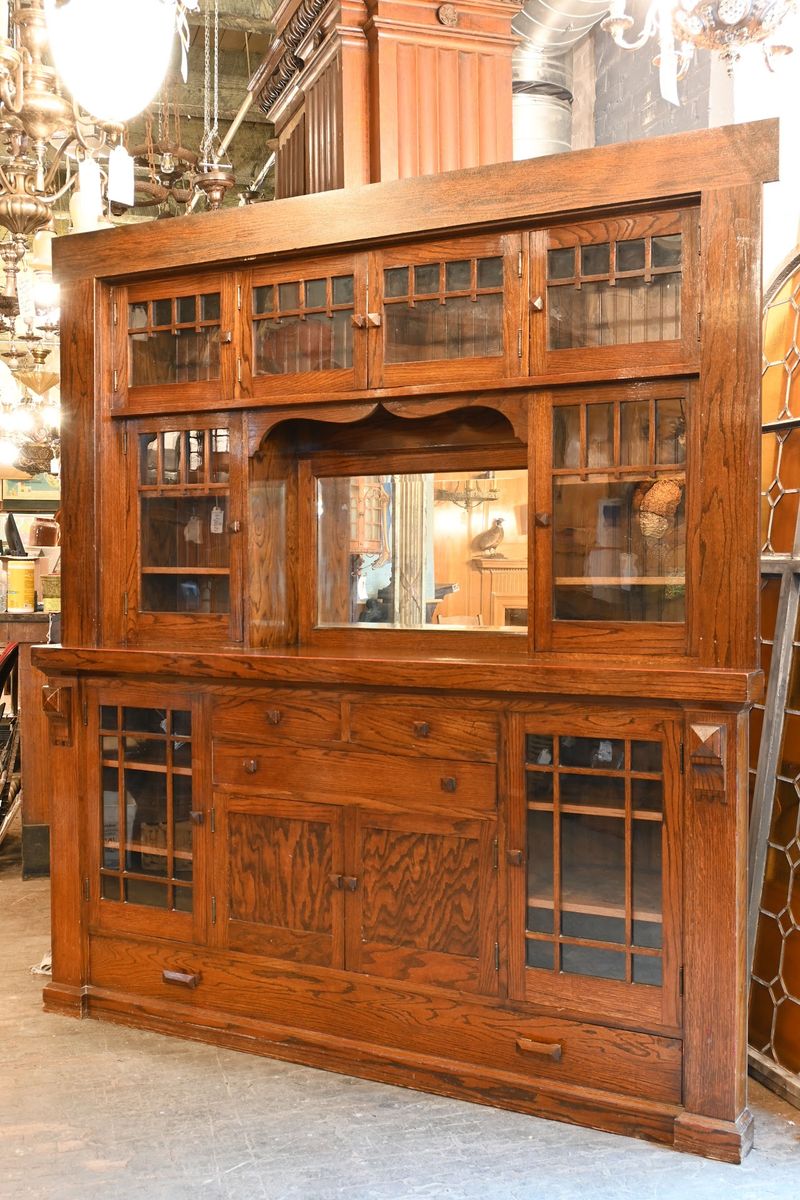
Most antique stores sell individual objects. This one occasionally sells entire rooms.
Carved wooden library shelving, wall paneling, and built-in architectural elements from old mansions have passed through this store over the years, offering buyers the rare chance to transplant a piece of a historic interior directly into their own space.
That level of inventory requires serious sourcing. The store has built relationships and a reputation that brings unusual pieces through its doors when historic properties are scheduled for renovation or removal.
Not every visit will turn up something this dramatic, but the possibility keeps serious collectors and designers paying attention.
For anyone restoring a period home, these larger architectural elements solve problems that no amount of custom millwork can fully address. An original set of library shelves from an 1890s mansion carries proportions, wood species, and finish qualities that craftsmen today would struggle to reproduce at any budget.
A Resource for Historic Home Restoration Projects
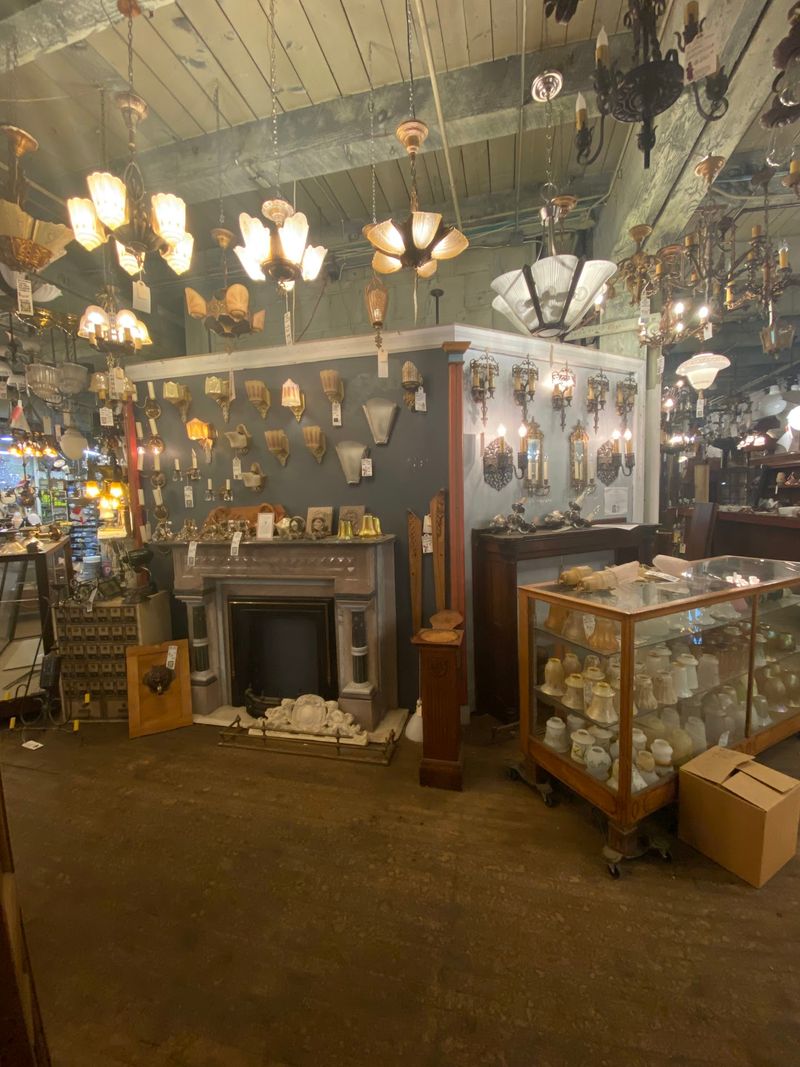
Restoring a historic home is one of the most rewarding and most frustrating projects a homeowner can take on. Finding period-appropriate materials is often the biggest obstacle.
Architectural Antiques has become a go-to resource for people working through exactly that challenge in the Minneapolis area and well beyond.
Customers have described using pieces from this store to restore homes dating back to the 1870s, including sourcing chandeliers, door hardware, plumbing fixtures, and decorative ironwork that match original construction periods. The store’s inventory is broad enough that a single visit can yield solutions to multiple restoration problems at once.
The expertise available in the store adds real value to the shopping experience. Staff members have helped customers think through installation challenges, source compatible hardware, and identify the historical period of pieces they already own.
That kind of informed guidance turns a shopping trip into something closer to a consultation.
Plumbing Fixtures With Character That Modern Versions Lack
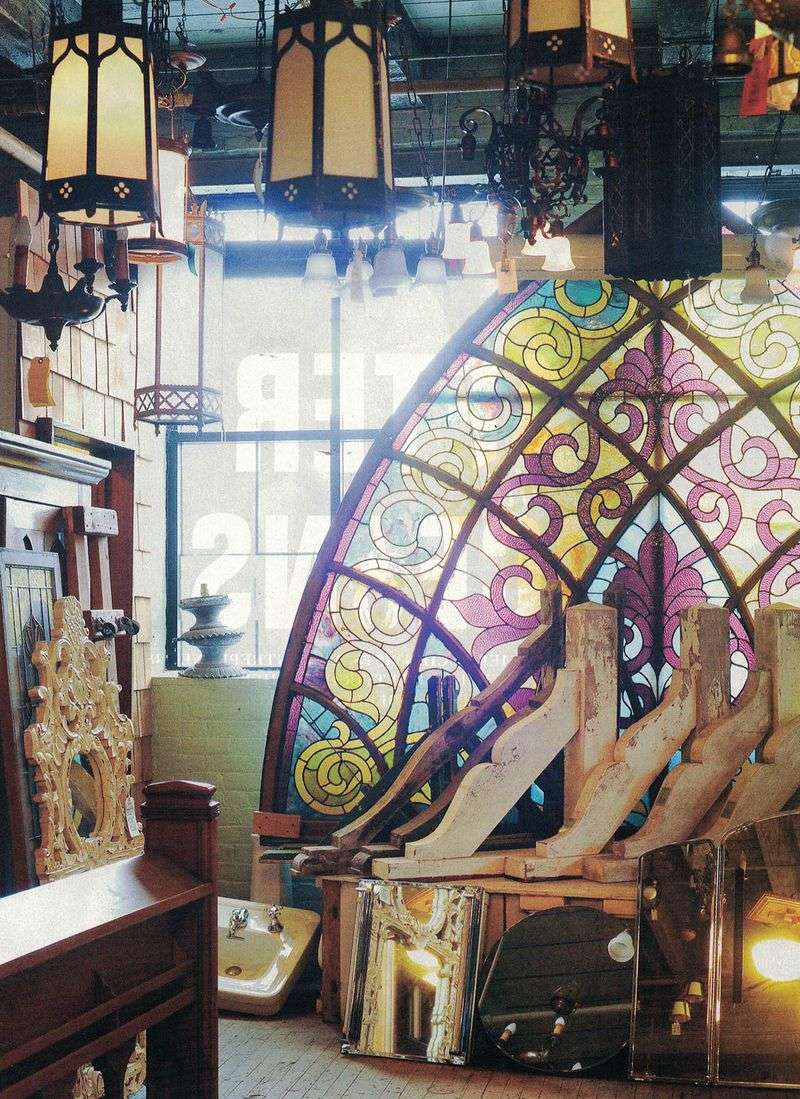
A clawfoot bathtub is one of those objects that immediately changes the character of a bathroom. The store has carried sinks, bathtubs, and other plumbing fixtures salvaged from older homes, each one representing a standard of material quality that modern mass-produced versions rarely match.
Cast iron tubs from the early twentieth century were built to last generations. The enamel coating, the weight distribution, and the elegant leg designs reflect a period when bathroom fixtures were considered permanent investments rather than replaceable commodities.
Finding one in good condition is genuinely difficult through ordinary channels.
Customers shopping from outside Minnesota have successfully purchased plumbing fixtures here and arranged shipping, with the store providing detailed photos and descriptions that made long-distance buying feel reliable. That willingness to work with out-of-state buyers has expanded the store’s reach well beyond Minneapolis, turning it into a national resource for serious restoration enthusiasts.
The Organization That Makes Browsing Actually Enjoyable
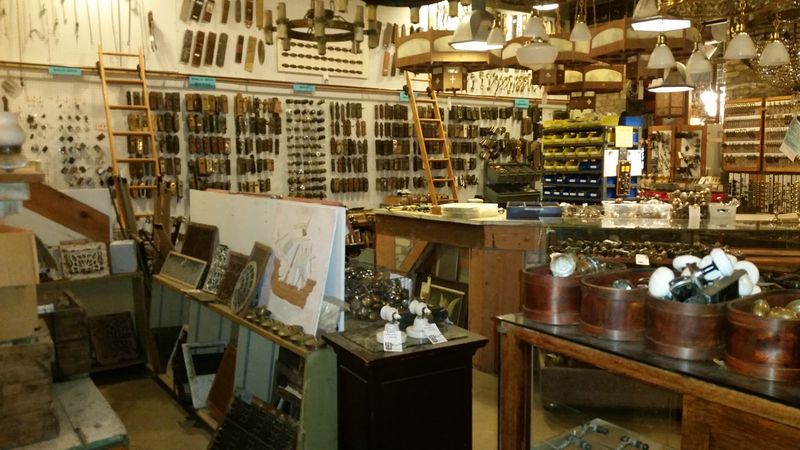
Antique stores have a reputation for chaos. Piles of mismatched objects, narrow aisles, and zero logical organization are practically clichés of the format.
This store operates completely differently. Multiple customers have specifically praised how clean, organized, and easy to navigate the space is, which makes a real difference when you are searching for something specific.
Hardware is grouped by type. Lighting is displayed in a way that lets you actually see how each piece looks when illuminated.
Larger architectural elements are arranged so you can walk around them and assess them properly. That level of organization reflects genuine respect for both the inventory and the customer.
For someone visiting with a specific project in mind, the layout saves significant time. You are not digging through bins hoping something useful surfaces.
The store functions more like a well-curated gallery than a salvage yard, which changes the entire experience of being there.
Blown Glass Globes and Specialty Lamp Shades
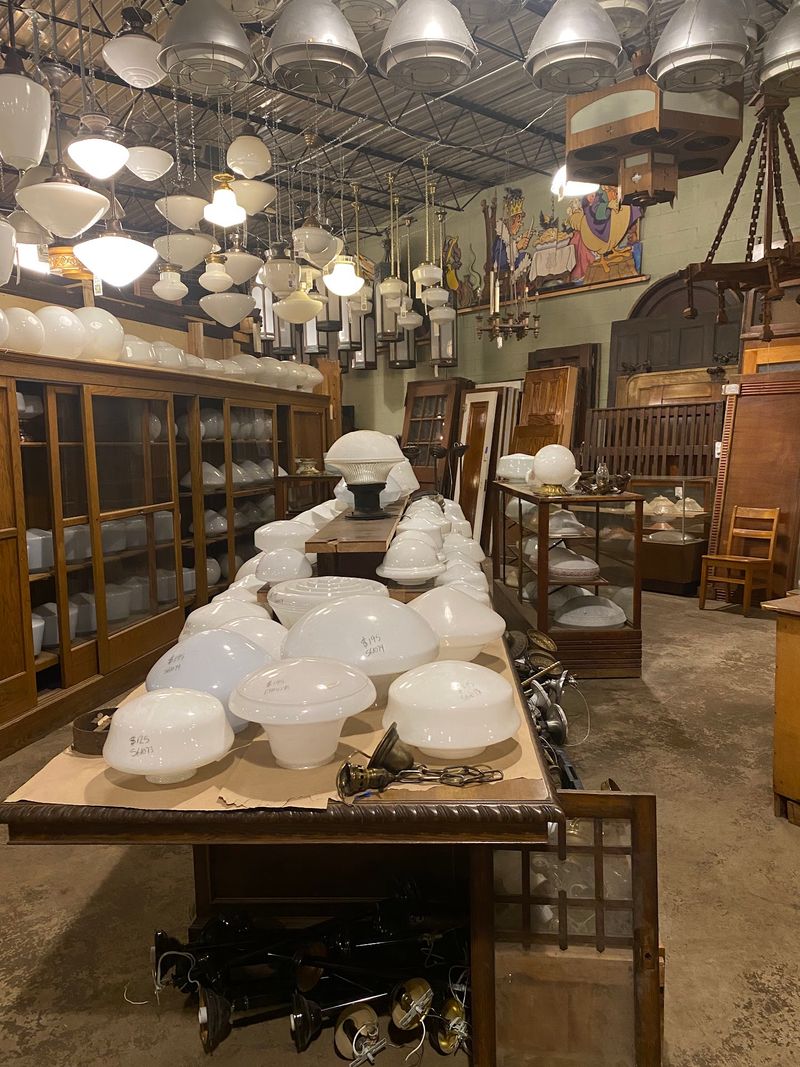
One section of the store that consistently surprises first-time visitors is the blown glass collection. Globe shades in opalescent white, amber, deep green, and translucent clear glass fill shelves in a display that is genuinely beautiful even before you consider the practical value of finding the right shade for a period lamp.
Blown glass from older manufacturing eras has subtle irregularities, slight variations in thickness, and a quality of light diffusion that machine-made glass simply does not replicate. Running your hand along the surface of a century-old globe feels different from touching modern glass, and that difference shows up clearly when light passes through it.
Customers searching for a replacement shade for a specific antique lamp have found exactly what they needed here when every other option failed. The variety of sizes, neck diameters, and styles makes this collection genuinely functional rather than purely decorative, which is a combination worth appreciating.
Pieces That Work Beautifully in Modern Spaces
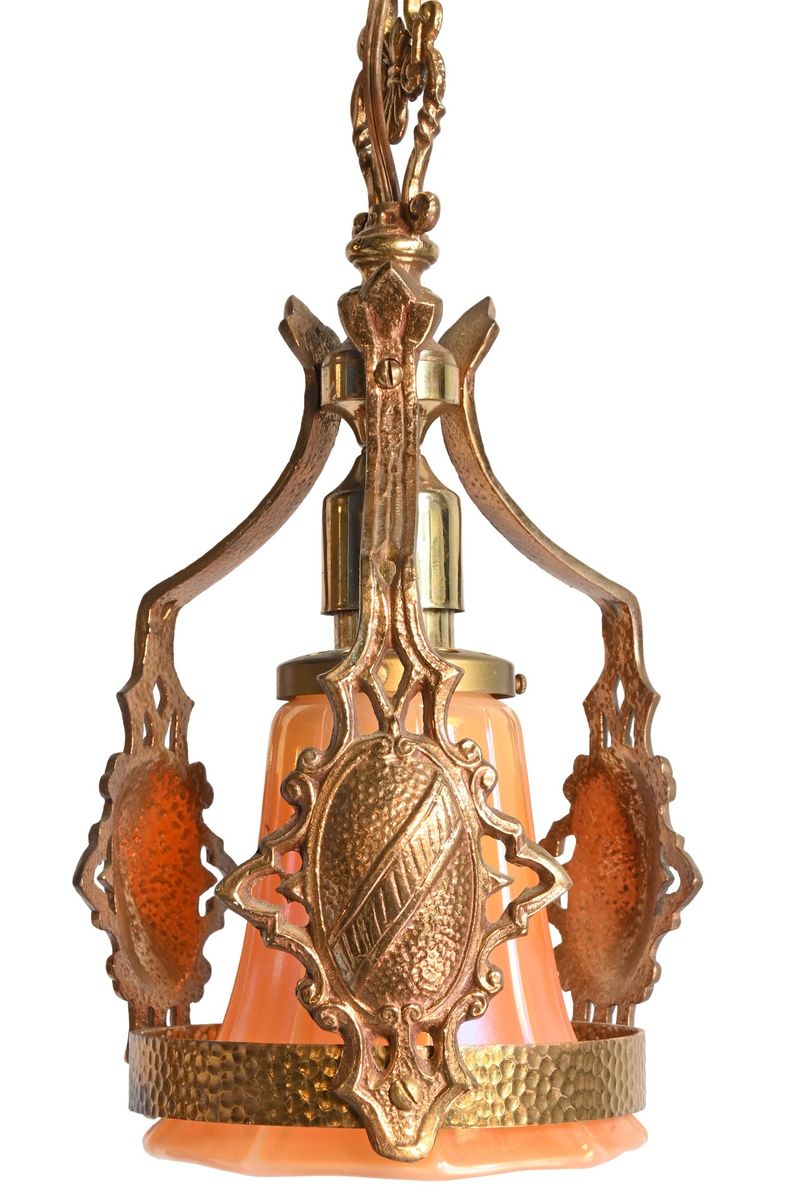
There is a common misconception that architectural antiques only belong in period-correct historic homes. The reality is that salvaged pieces often look spectacular in contemporary interiors, where their age and materiality create a contrast that feels intentional and sophisticated rather than mismatched.
Industrial light fixtures from early twentieth century factories work beautifully over modern kitchen islands. Ornate Victorian door hardware adds unexpected elegance to a minimalist entryway.
A stained glass panel mounted in a clean white bathroom wall becomes an instant focal point that no modern tile pattern could replicate.
Customers with farmhouses, mid-century homes, and even newly built spaces have found pieces here that elevated their interiors in ways that contemporary design products could not. The key is that authentic materials carry a visual authority that reproductions lack.
One real antique fixture in a modern room tends to make the entire space feel more considered and more personal.
Shopping Here From Outside Minnesota
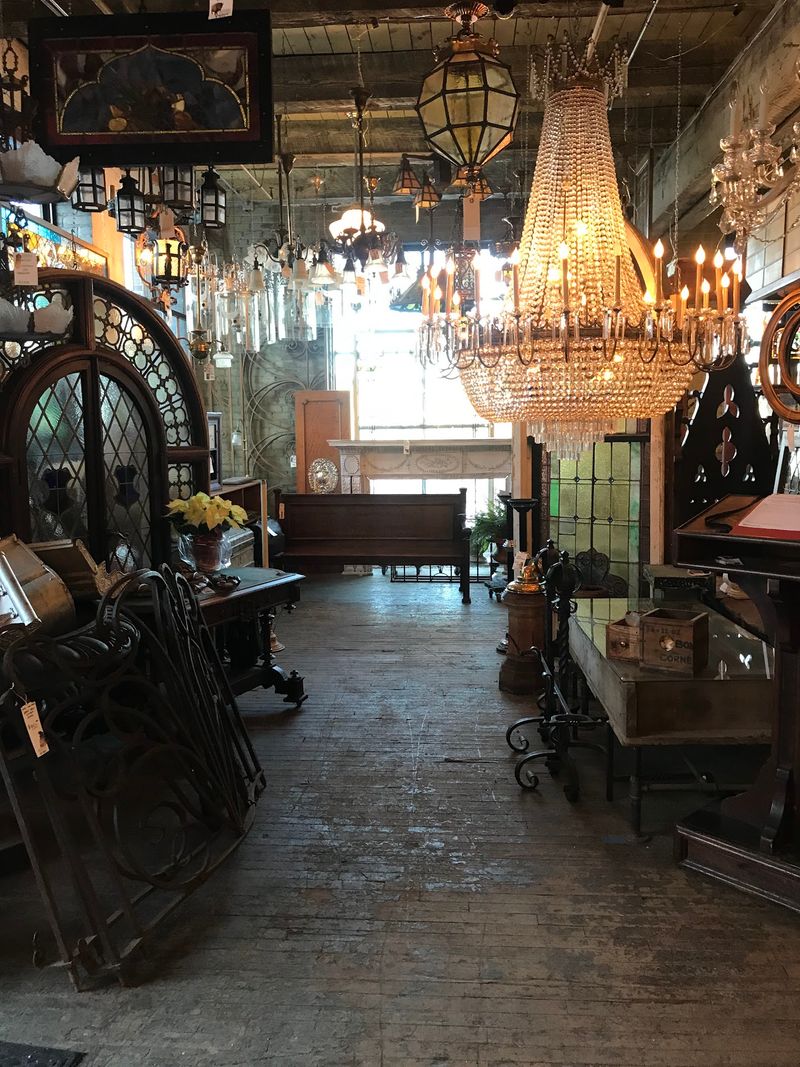
Geography is not a barrier to shopping at this store. Out-of-state customers have successfully purchased everything from light fixtures to bathtubs, with the store coordinating shipping and providing detailed product descriptions and photographs that make remote buying feel straightforward rather than risky.
The store’s website carries a curated selection of inventory with photography and descriptions that customers have described as accurate and thorough. For someone renovating a historic home in another state who cannot easily visit Minneapolis in person, the online presence offers a real alternative to searching locally with limited options.
The store has also helped remote customers with technical questions about installation, rewiring specifications, and hardware compatibility. That willingness to support the purchase beyond the transaction itself has built loyalty among buyers who may never set foot in the physical store but return repeatedly to the website when a new project begins.
What the Prices Reflect and Why They Make Sense
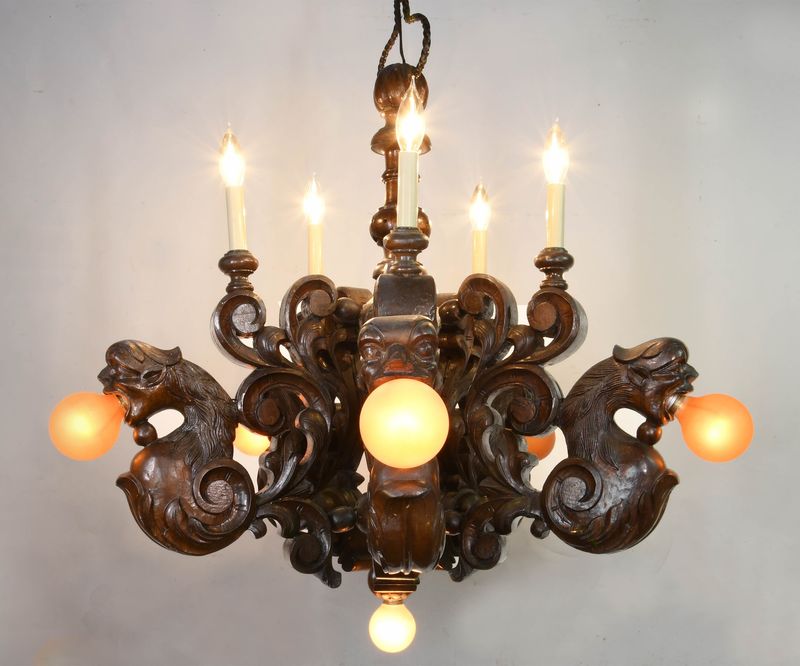
Honesty about pricing matters, and this store is not inexpensive. Multiple customers have noted that the prices reflect the rarity, quality, and curation involved in assembling an inventory like this one.
These are not flea market prices, and the store does not pretend otherwise.
What you are paying for is sourcing expertise, preservation work, and the near impossibility of finding comparable pieces elsewhere. A chandelier that originally hung in a Victorian mansion, properly cleaned, rewired, and UL-rated for modern installation, represents real labor and real scarcity.
The price accounts for all of that.
The store has reportedly offered significant markdowns during periodic sales, which gives budget-conscious buyers an opportunity to acquire pieces they might otherwise pass on. For anyone willing to be patient, timing a visit around one of those events can make the investment considerably more accessible without compromising on the quality of what you bring home.
A Long History of Serving Minneapolis Restoration Community
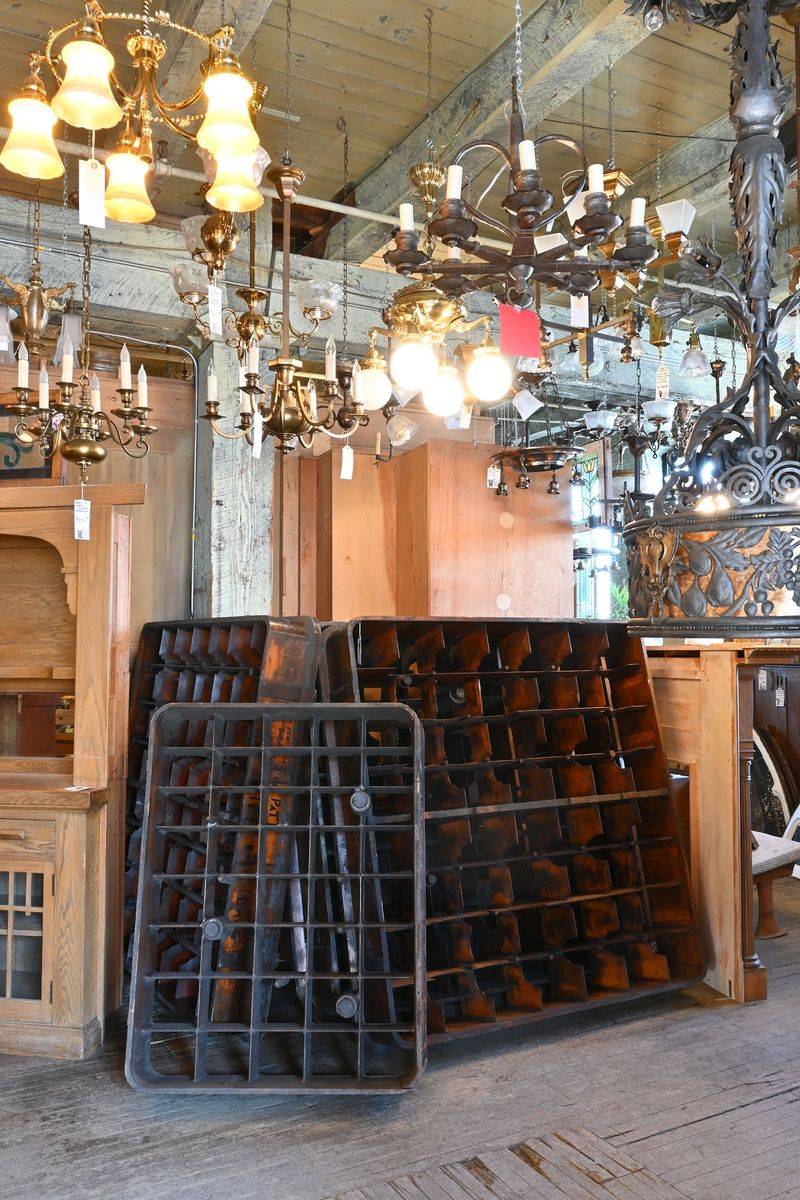
The store has been part of Minneapolis’s renovation and restoration community for a long time. Earlier in its history, the business operated on Washington Avenue before eventually settling into its current location in Northeast Minneapolis.
That longevity speaks to the consistent demand for what it offers and to the trust it has built with local contractors, designers, and homeowners over many years.
Northeast Minneapolis has developed into a neighborhood with a strong creative and design-oriented culture, making it a fitting home for a store that operates at the intersection of history, craft, and aesthetics. The surrounding area has attracted architects, artists, and restoration specialists who form a natural customer base.
Construction companies working on historic preservation projects have cited the store as a reliable partner for sourcing authentic materials. That professional endorsement from people who depend on accuracy and quality for their livelihoods carries more weight than any casual recommendation could.
Why This Store Deserves a Visit Even If You Are Just Browsing
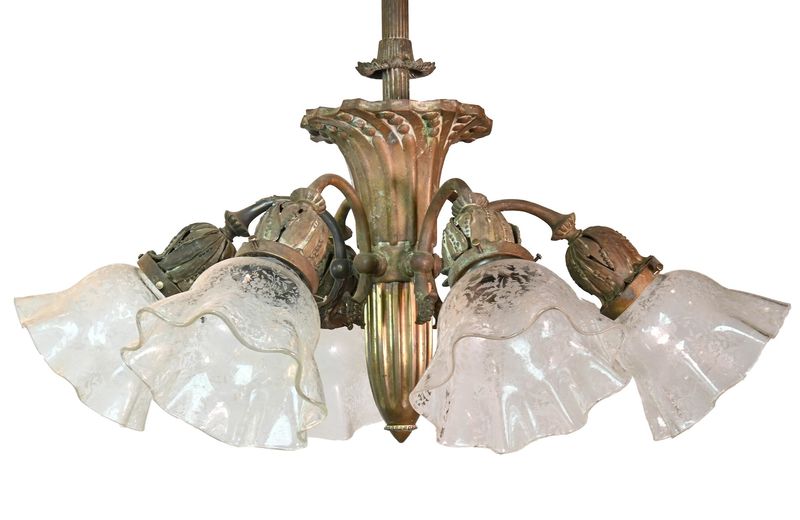
Not everyone who walks through the door of this store is working on a renovation project. Plenty of people visit simply because the experience itself is worth the trip.
One customer brought an 88-year-old friend who had never been before, and the joy of walking through a space filled with objects from another century was reason enough for the visit.
The store operates Tuesday through Saturday, with hours running from 10 AM to 3 PM on weekdays and until 4 PM on Saturdays. It is closed on Sundays and Mondays, so planning ahead matters.
Even without a specific item in mind, spending an hour here is time well spent. The collection changes regularly, the atmosphere is calm and genuinely interesting, and the experience of being surrounded by objects rescued from historic buildings carries a quiet kind of meaning that a standard shopping trip rarely provides.
Share this story