There is a place in northern Minnesota where plants eat insects for survival, the ground is made of thousands of years of compressed moss, and a wooden boardwalk floats you above one of the most unusual landscapes in the entire country. Most people drive past this part of Minnesota without realizing what is out there.
The largest peat bog in the contiguous United States sits quietly in Beltrami County, and it is home to carnivorous pitcher plants, delicate sundews, and a wilderness that looks like something from another planet. Once you learn this place exists, it is very hard not to start planning a trip.
What Big Bog State Recreation Area Actually Is
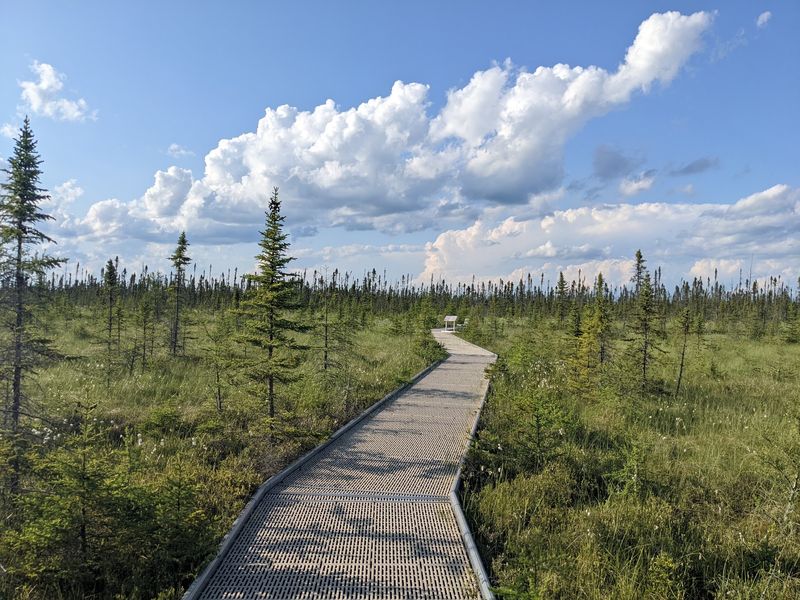
Not every state park fits neatly into a category, and Big Bog State Recreation Area is proof of that. Located at 55716 MN-72, Waskish, MN 56685, this park sits in one of the most remote corners of northern Minnesota, and it protects something genuinely rare.
The park is divided into two units. The Southern Unit near Waskish serves as the main hub, with campgrounds, a visitor center, and access to Upper Red Lake.
The Northern Unit, about nine miles up the road, is where the famous boardwalk takes visitors straight into the heart of the bog itself.
Together, these two sections give visitors a full picture of what this landscape is and why it matters. The bog covers more than 500 square miles, making it the largest peat bog in the lower 48 states.
That is not a small detail worth skimming past.
The One-Mile Boardwalk That Changes How You See Nature
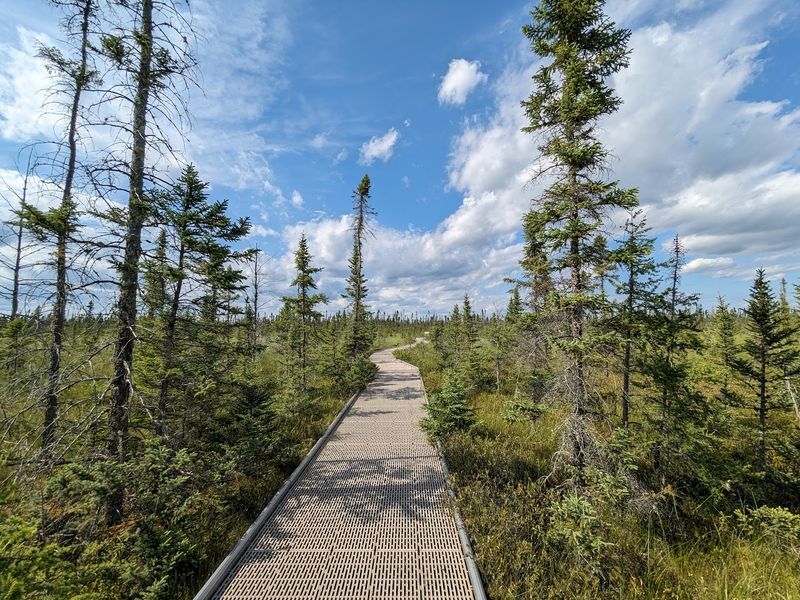
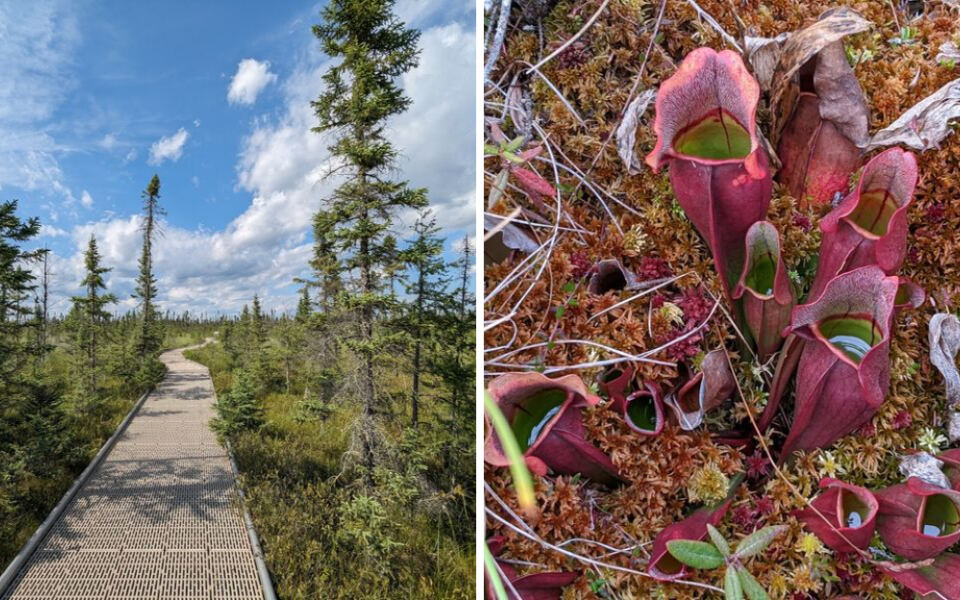
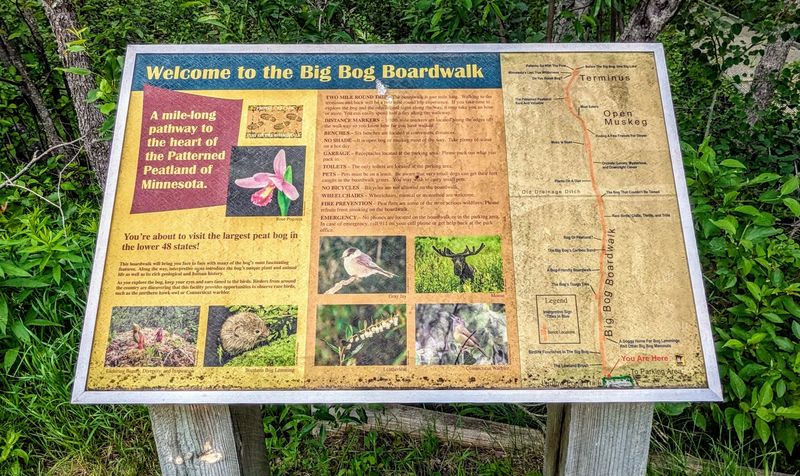
Walking the Big Bog Boardwalk is not like any trail I have hiked before. The structure is elevated and stretches a full mile out into the bog, with a turnaround point that lets you walk back the same way.
That means a two-mile round trip total, and every step reveals something new.
The boardwalk was carefully engineered to float above the sensitive bog surface, protecting the ecosystem while letting visitors get close enough to actually observe it. Educational signs line the route and explain the plants, the soil chemistry, and the ecological history of the area.
What struck me most was the silence. After the first few hundred feet, there are no roads, no buildings, and no noise except wind and the occasional bird.
The bog opens up around you in every direction, and it feels genuinely vast. That feeling is hard to replicate anywhere else in the Midwest.
Carnivorous Pitcher Plants Growing Right Along the Path
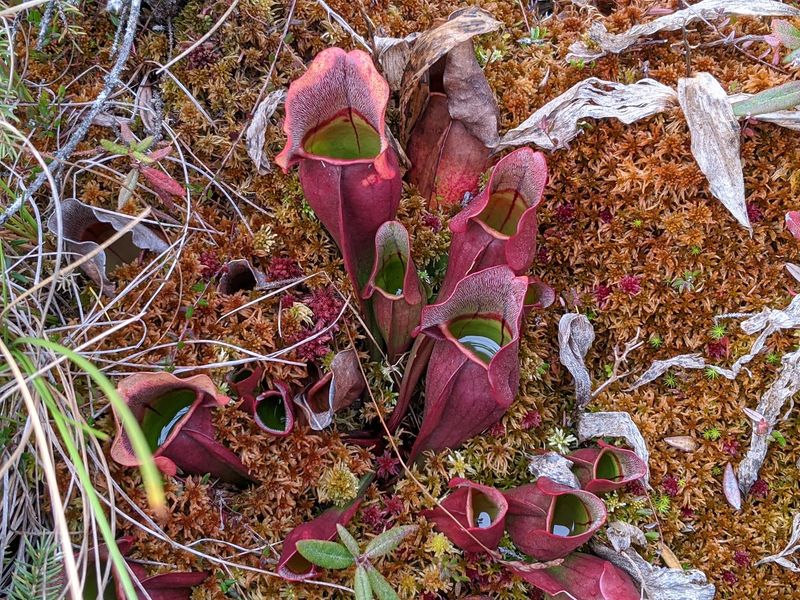
Pitcher plants are the stars of the Big Bog boardwalk, and seeing them up close for the first time is genuinely surprising. These are not tropical greenhouse specimens.
They grow wild right alongside the path, tucked into the bright green and red sphagnum moss.
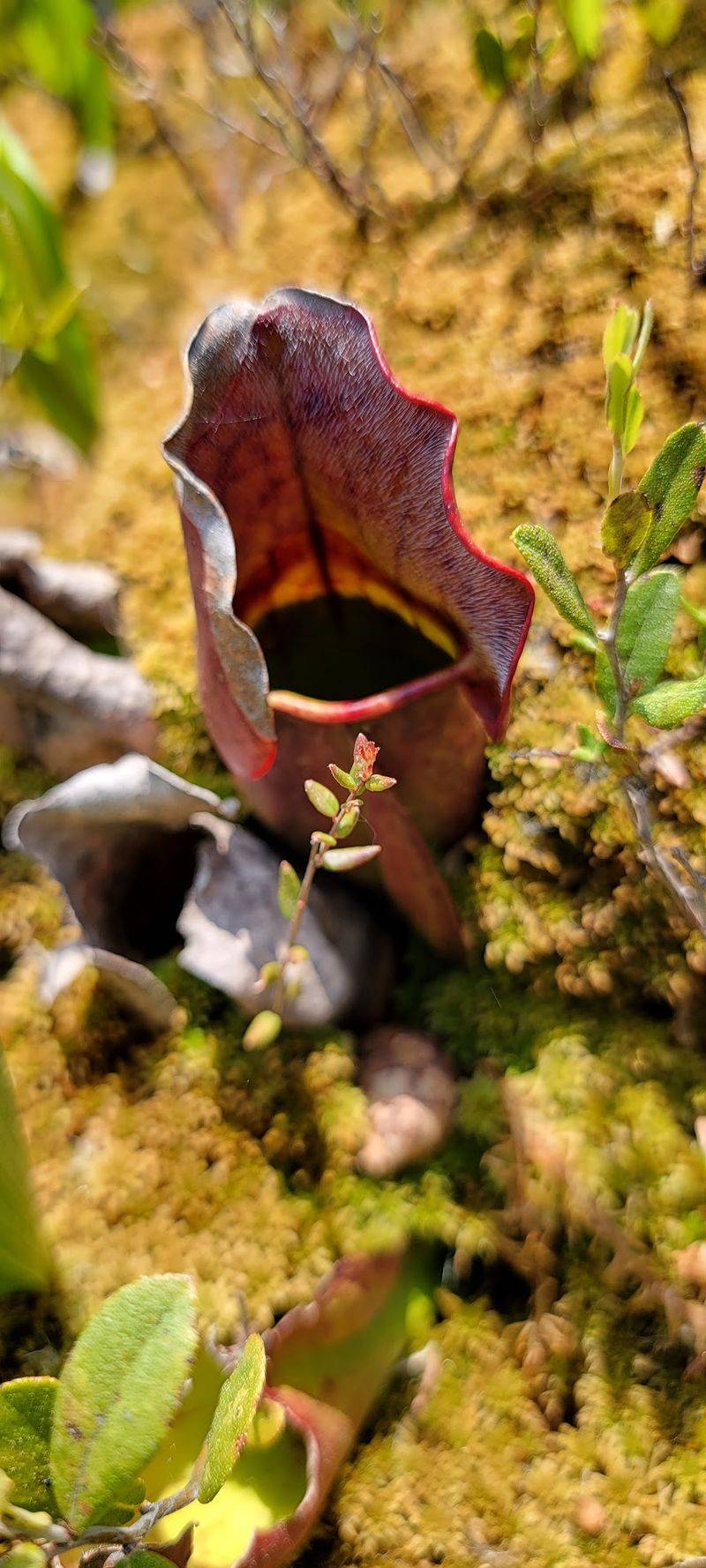
The northern pitcher plant, known scientifically as Sarracenia purpurea, uses a clever trap. Its tube-shaped leaves collect rainwater, and insects that land on the slippery rim fall in and cannot escape.
The plant absorbs nutrients from the insects because the bog soil is too poor in nitrogen to sustain most plants on its own.
Early spring is a great time to spot them coming to life, with fresh growth pushing through the moss. By summer, the plants are fully active and showing their deep red veining.
Visitors who crouch down and look closely are often amazed by how otherworldly they appear in person.
Sundews: The Tiny Carnivorous Plants Most Visitors Miss
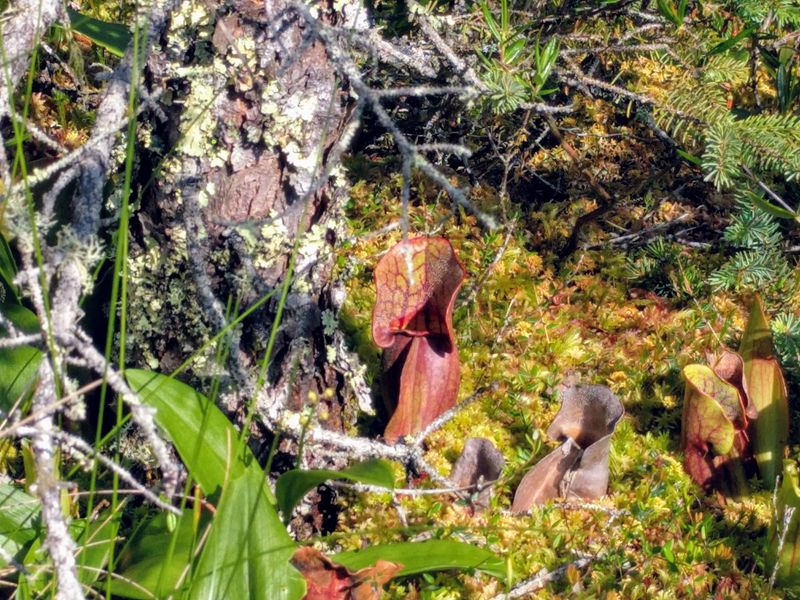
Pitcher plants get most of the attention, but the sundews are the ones that make you stop and stare once you finally spot them. They are small enough to overlook if you are walking quickly, but the educational signs along the boardwalk point you in the right direction.
Round-leaf sundews, or Drosera rotundifolia, grow in the open moss patches between the shrubs. Each tiny leaf is covered in reddish hairs tipped with a glistening sticky substance that looks exactly like morning dew.
That stickiness is the trap. Insects land, get stuck, and the leaf slowly curls around them.
One visitor who specifically came to find sundews mentioned that you really have to get down low and look carefully to spot them. That advice is accurate.
They reward patient observers. Seeing a sundew in the wild, doing exactly what it evolved to do, feels like a small but genuine discovery.
Sphagnum Moss and the Ancient Ground Beneath Your Feet
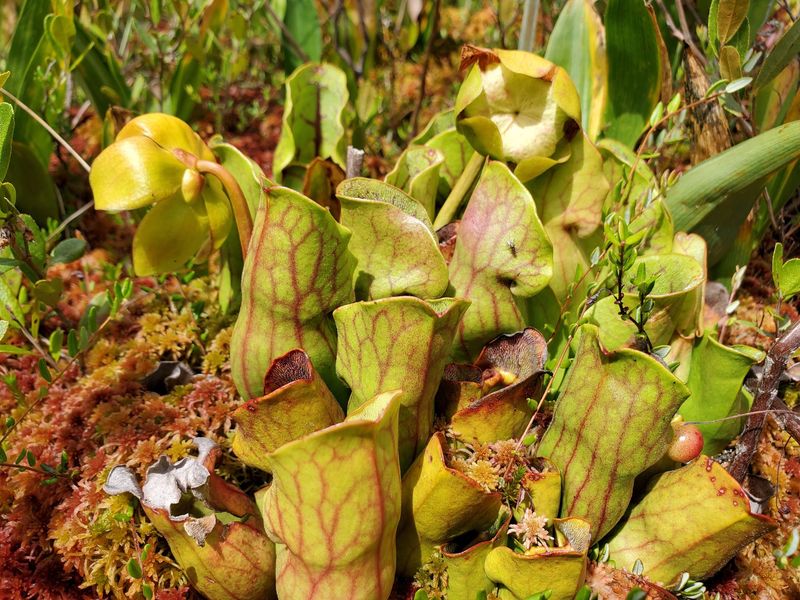
The ground at Big Bog is not ordinary soil. It is made of sphagnum moss that has been growing, dying, and compressing for thousands of years.
That compressed plant material is called peat, and in some areas of this bog, the peat layer runs more than ten feet deep.
Sphagnum moss is remarkable on its own terms. It can hold up to twenty times its weight in water, which is why the bog stays waterlogged even during dry spells.
The moss also creates a highly acidic environment that slows decomposition, which is why the peat builds up so slowly over such a long time.
Standing on the boardwalk and looking out at the moss carpet stretching in every direction gives you a real sense of geological time. The colors shift from bright lime green to deep crimson depending on the species and season, making the bog visually striking in a way that photographs rarely capture fully.
Tamarack Trees and the Strange Landscape They Create
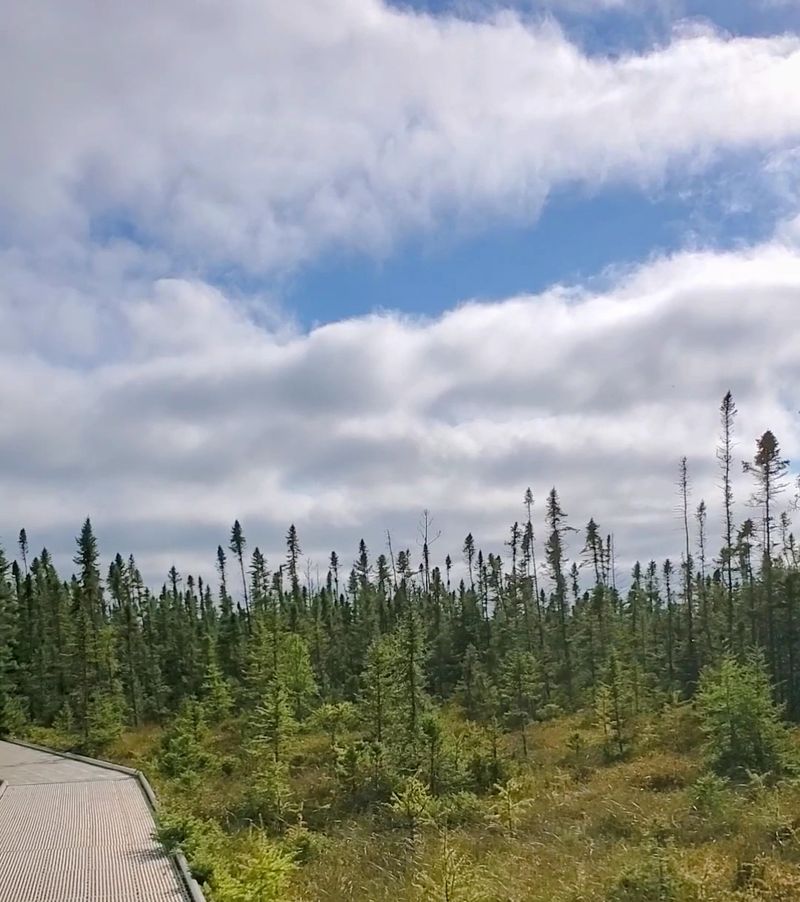
One of the first things people notice when they step onto the boardwalk is that the trees look stunted and widely spaced. These are tamarack trees, and the bog environment shapes them in ways that are hard to believe until you see it yourself.
Tamaracks are the only conifers in North America that lose their needles in fall, and in a bog setting they grow much more slowly than they would in regular forest soil. Some tamaracks in bogs that appear to be small saplings are actually decades old.
The poor nutrients, acidic water, and cold temperatures keep them compact.
As the boardwalk moves deeper into the bog, the trees thin out and eventually disappear almost entirely, leaving an open landscape that stretches flat in every direction. That transition from sparse woodland to open bog is one of the most visually dramatic moments of the entire walk, and it happens gradually enough that you feel it before you fully notice it.
The Fire Tower and the View Over Upper Red Lake
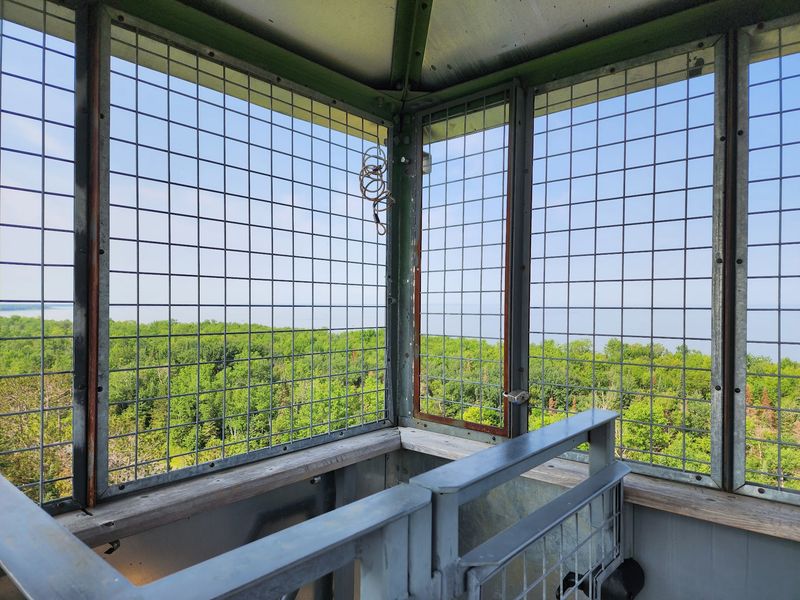
Back at the Southern Unit near Waskish, the fire tower is one of the most popular features in the park. The tower stands about one hundred feet tall, with 135 steps leading to the top, and the view from the platform is genuinely worth the climb.
From the top, you can see Upper Red Lake spreading out in the distance, surrounded by the flat boreal landscape of northern Minnesota. The lake is massive, and on a clear day the horizon seems to go on forever.
It is a completely different perspective from what you get on the boardwalk, and the two experiences complement each other well.
The tower requires the park office to be open for access, so it is worth checking ahead if climbing it is a priority for your visit. Visitors who have made it to the top consistently describe the view as breathtaking, and the climb itself is a straightforward but satisfying physical challenge.
Upper Red Lake: A Massive and Peaceful Body of Water
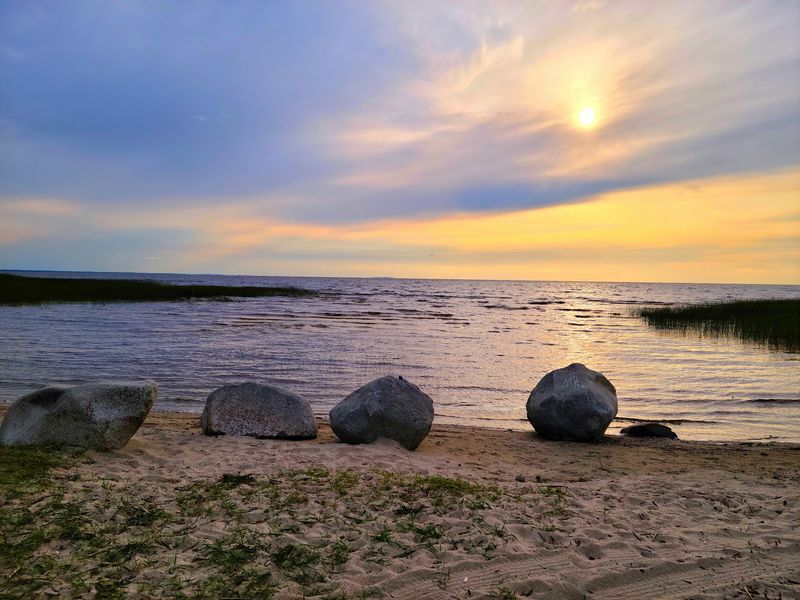
Upper Red Lake is one of the largest natural lakes in Minnesota, and the park sits right on its shore. The beach area near the visitor center is a soft-sand stretch that feels out of place in the best possible way, more like something you would expect on a coastal vacation than a northern Minnesota campground.
The water is described by many visitors as remarkably clean and clear. On warm days, families spread out along the shore while anglers launch boats from the nearby ramp.
The lake is known regionally as a strong walleye fishery, and fishing access is a big draw for many of the campers who stay at the Southern Unit.
Even if fishing is not your thing, simply sitting near the water and watching the lake in the evening light is worth the trip on its own. The scale of the lake surprises most first-time visitors who are not expecting something so open and quiet this far north.
Camping Along the Tamarac River
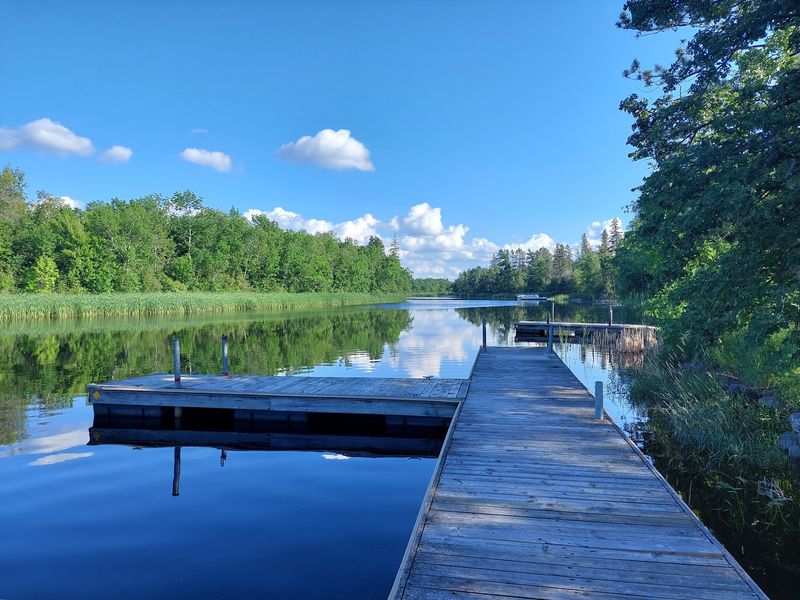
The campground at the Southern Unit runs along the Tamarac River, and a good number of the sites come with their own boat docks. That setup is fairly unusual for a state park campground, and it makes the location especially appealing for visitors who bring their own watercraft.
The river connects to Upper Red Lake, so campers can paddle or motor out directly from their sites. Electric hookups are available at many spots, and the campground also offers camper cabins for those who want a bit more shelter without hauling a full camping setup.
The bathrooms and shower facilities consistently earn praise for being clean and well maintained. A fish cleaning station is also on site, which is a practical touch that anglers genuinely appreciate.
Weekdays tend to be much quieter, and the campground fills up fast on summer weekends, so planning ahead is a smart move for anyone visiting during peak season.
The Best Time of Year to Visit the Boardwalk
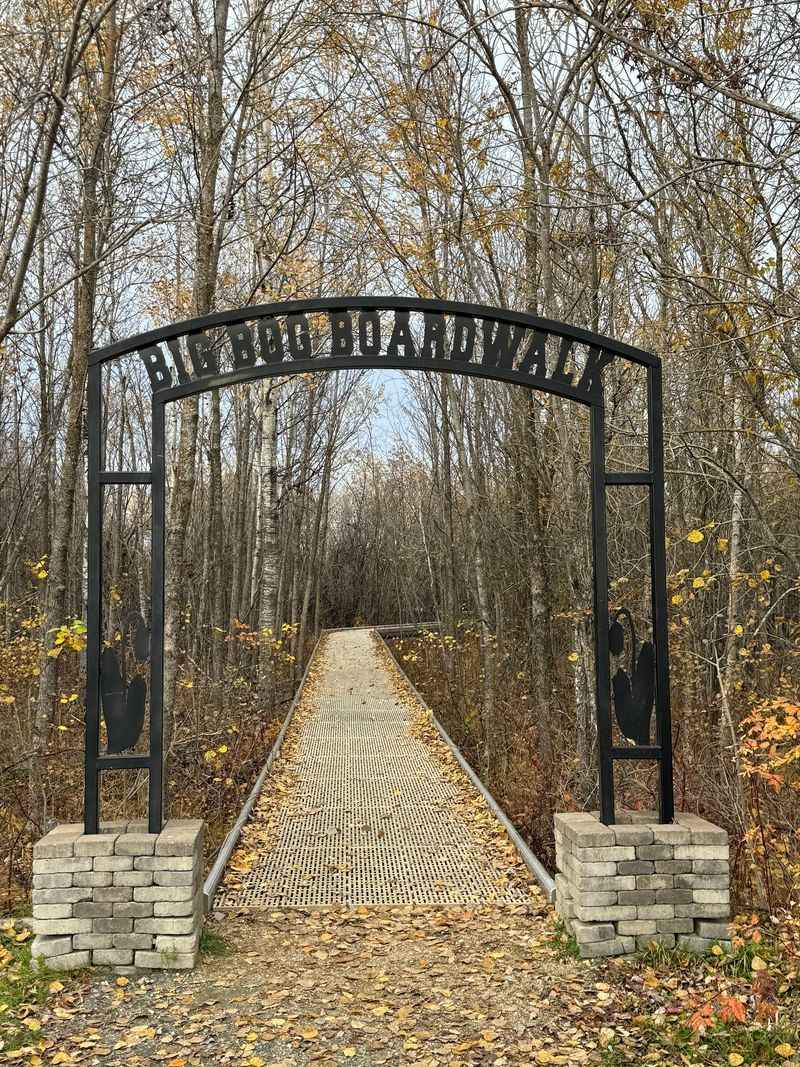
Timing your visit to the Big Bog boardwalk makes a real difference in what you experience. Early spring, before the insects become active, is widely considered the best window.
The pitcher plants are just coming back to life, the moss is vivid and lush, and the air is cool enough to make the two-mile round trip very comfortable.
Fall is another excellent option. The tamarack trees turn golden before dropping their needles, and the bog takes on warm amber and rust tones that are genuinely beautiful.
Mosquitoes and biting flies are far less of a problem in September and October, which makes the walk much more enjoyable for people who are sensitive to insects.
Summer visits are possible and rewarding, but covering exposed skin and bringing insect repellent is strongly advised. The biting flies near the boardwalk entrance can be intense, though they typically thin out once you get further into the open bog area.
Wildlife and Bird Life Around the Bog
Wildlife sightings at Big Bog are not guaranteed, but they happen often enough to keep you looking around during the walk. White-tailed deer are frequently spotted around the campground area, and one visitor described a doe that visited their campsite repeatedly, eating acorns from a nearby tree.
The bog itself is quieter in terms of large mammals, but birds are a different story. The open bog and surrounding boreal forest attract species that are hard to find elsewhere in the Midwest.
Spring migration brings a wide range of activity, and birders who visit in May often find the combination of the bog walk and the lakeside setting very productive.
Insects are their own category of wildlife here. The bog supports a complex food web, and the carnivorous plants exist precisely because the insect population is so active.
Watching a pitcher plant up close and imagining the ecological chain it represents makes the experience feel much larger than a simple nature walk.
Canoeing and Kayaking on the Tamarac River
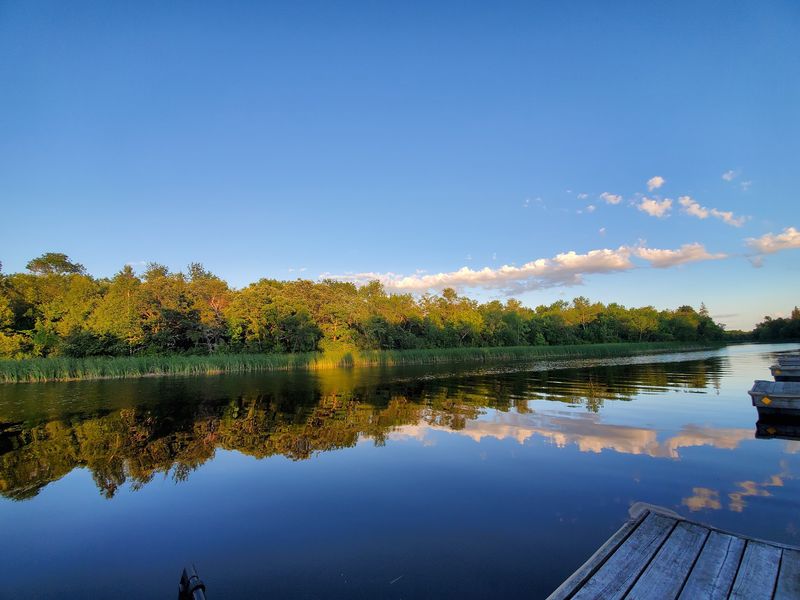
The Tamarac River that runs through the campground is slow-moving and calm, making it well-suited for canoeing and kayaking. The park has offered canoe rentals in the past, and the price point has been reasonable enough that it attracts first-time paddlers as well as experienced ones.
One visitor who tried canoeing for the first time at Big Bog described the experience as a blast, noting the tamarack trees lining the river banks and the peaceful pace of the water. The river connects to Upper Red Lake, which opens up options for longer paddles if you want to explore beyond the campground area.
Checking with the park office about current rental availability before visiting is a good idea, since hours and services can vary by season. Bringing your own kayak or canoe is always an option, and the boat launch facilities make putting in and taking out straightforward for most watercraft sizes.
Practical Tips for Planning Your Visit
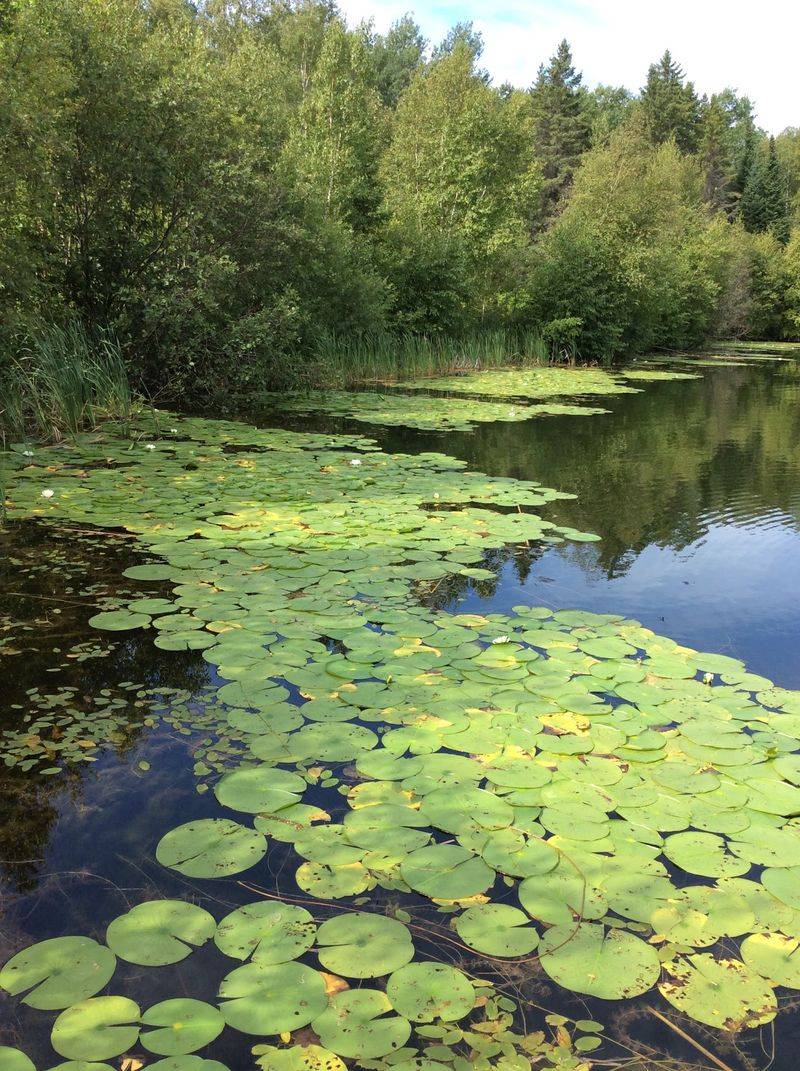
A few practical details can make a real difference in how much you enjoy Big Bog. The boardwalk at the Northern Unit is about nine miles north of the Southern Unit campground and visitor center, so plan for a short drive between the two sections.
They are not within walking distance of each other.
Insect repellent is close to essential from late spring through early fall. Long sleeves and pants help significantly at the boardwalk entrance, where biting flies can be most active.
Once you move further out onto the open bog, the wind typically keeps insects at bay.
The park requires a Minnesota state parks vehicle permit for day use. Campsites book up quickly during summer weekends, especially sites with river access and boat docks.
Visiting on a weekday gives you a noticeably quieter experience. Cell service in this area of northern Minnesota is limited, so downloading maps or information ahead of time is a smart habit before making the drive out.
Why This Bog Feels Unlike Anything Else in the Lower 48
There are other bogs in the United States, and there are other parks with boardwalks, but the combination of scale, accessibility, and ecological richness at Big Bog puts it in a category of its own. The sheer size of the bog is something you feel physically when you stand in the middle of it and look in every direction without seeing a tree line.
The carnivorous plants growing wild along a publicly accessible boardwalk are genuinely rare. Most people associate pitcher plants and sundews with tropical environments or specialty greenhouses.
Finding them thriving in northern Minnesota, in conditions that look almost harsh, reframes what you think you know about plant life and adaptation.
Visitors who have come specifically for the bog consistently say it exceeded their expectations. The experience of walking above a living, ancient ecosystem, one that has been building for thousands of years and still functions exactly as it always has, is quiet and powerful in equal measure.
Share this story