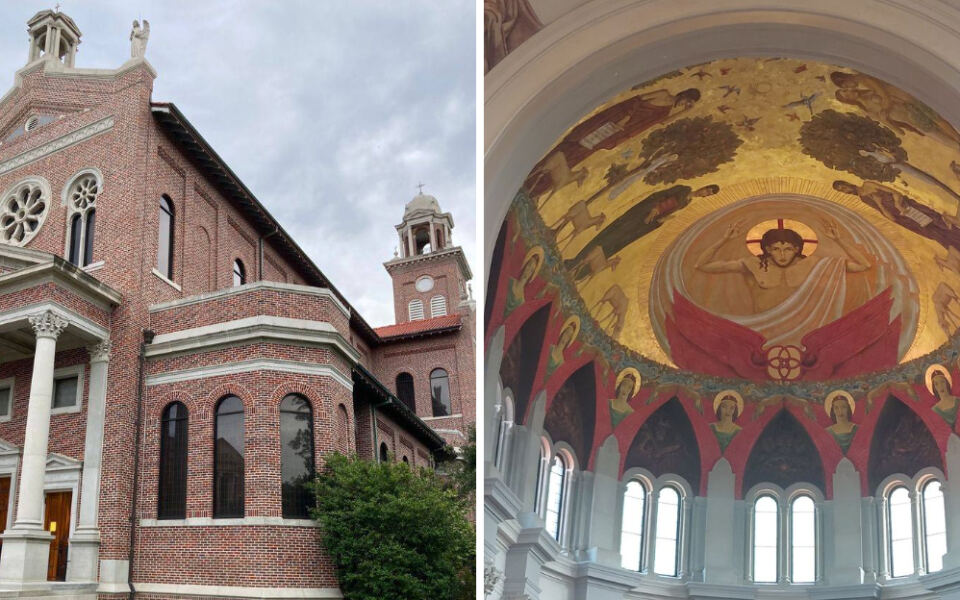
Most people drive through St. Tammany Parish without realizing that one of the most jaw-dropping religious art displays in the entire world is sitting just off River Road, tucked behind a bridge that feels like a portal to another era. Inside a Benedictine abbey church in southern Louisiana, a massive mural of the Last Supper stretches across the wall in a way that stops visitors mid-step.
The sheer scale of it is hard to process at first. This is not a quiet little roadside chapel.
Saint Joseph Abbey is a living, working monastery with centuries of tradition, a seminary, handcrafted goods, and art that belongs in the same conversation as the great sacred spaces of the world.
The Abbey That Surprises Everyone Who Crosses the Bridge
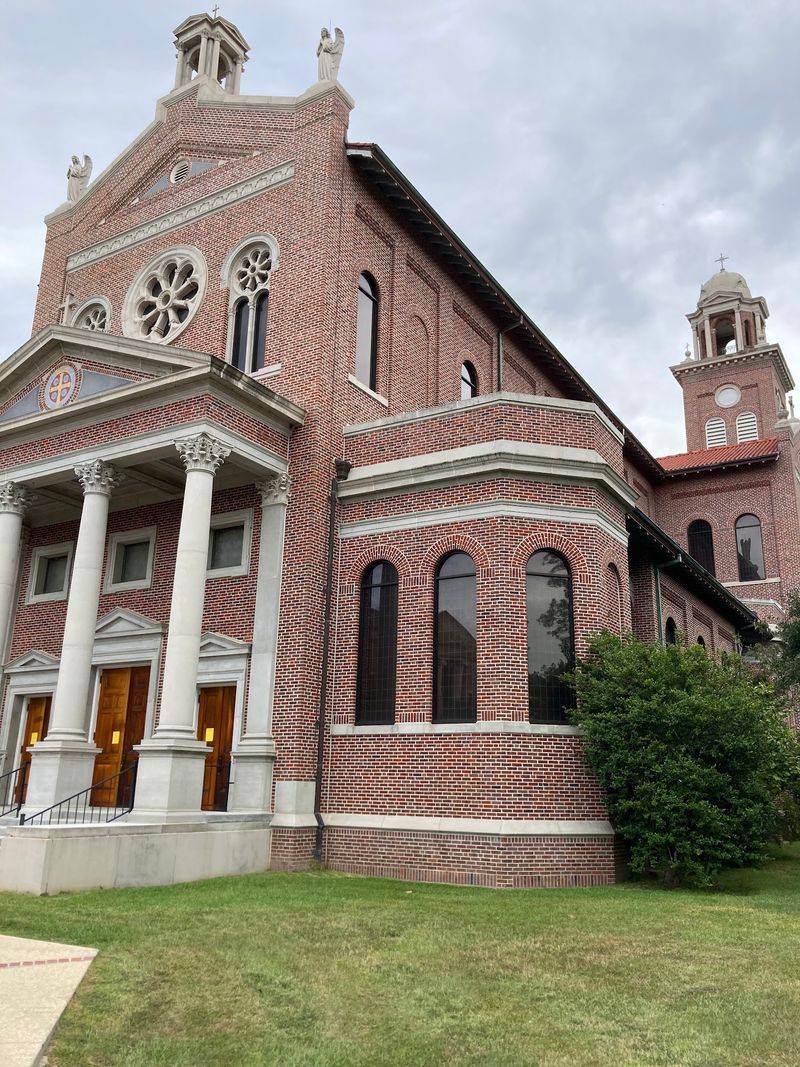
Cross the bridge onto the abbey grounds and something shifts almost immediately. The noise of the outside world drops away, replaced by birdsong, rustling pines, and the kind of quiet that feels intentional rather than accidental.
Saint Joseph Abbey sits at 75376 River Rd, St. Benedict, Louisiana 70457, set deep within the Northshore landscape of St. Tammany Parish. The property spans hundreds of acres, and the moment you pass through the entrance, you genuinely feel removed from everyday life.
Visitors often describe it as crossing into a different world, and that reaction makes complete sense. The grounds are immaculate, the air feels different, and the architecture draws your eyes upward before you even reach the church doors.
It is one of those places where the setting alone justifies the drive, and what waits inside the church makes everything even better.
A Benedictine Monastery With Deep Louisiana Roots
The history of Saint Joseph Abbey stretches back to the late 1800s, when Benedictine monks established a presence in Louisiana that would grow into one of the most respected monastic communities in the American South.
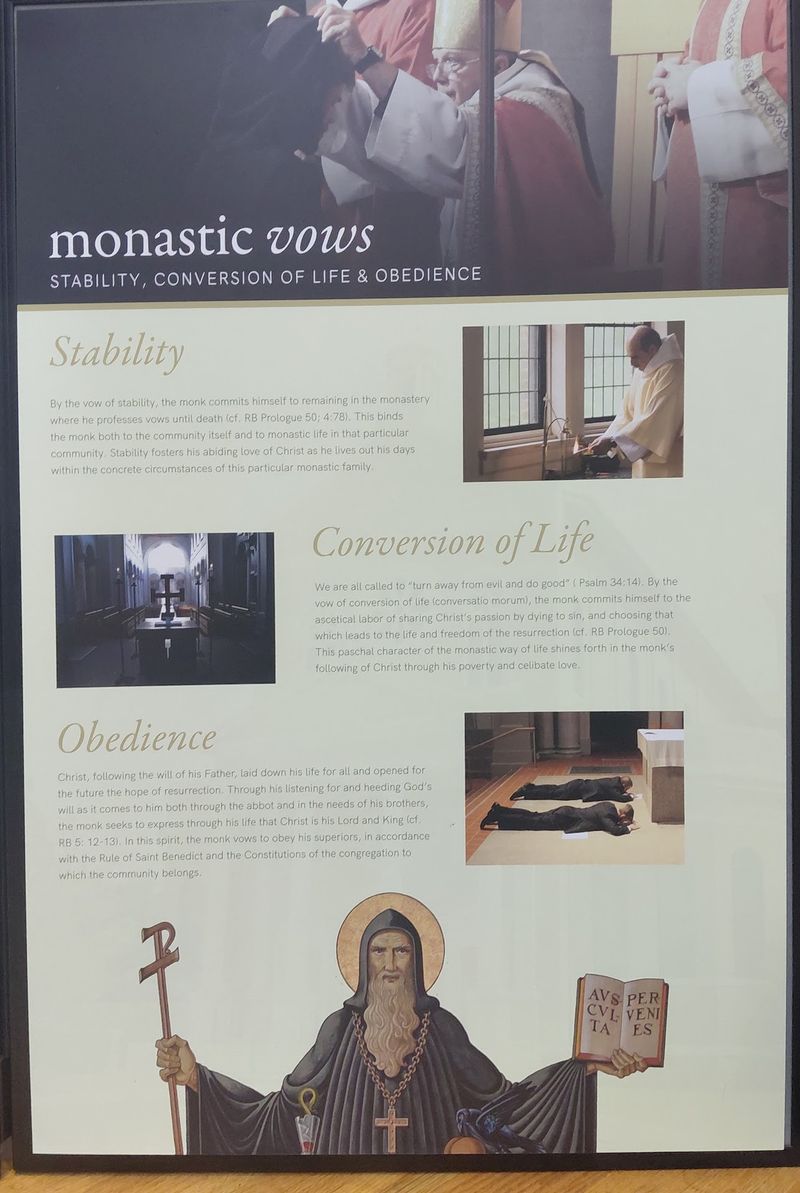
The monks follow the Rule of Saint Benedict, a centuries-old guide for communal religious life built around prayer, work, and hospitality. That balance between contemplation and productivity is visible everywhere on the grounds, from the carefully maintained gardens to the well-stocked gift shop.
Benedictine communities have a long tradition of self-sufficiency, and Saint Joseph Abbey carries that tradition with genuine commitment. The monks here are not simply preserving an old way of life for show.
They are actively living it, praying together multiple times each day, working the land, crafting goods, and welcoming visitors who want to experience something grounded and real.
The Last Supper Mural That Stops Visitors Cold
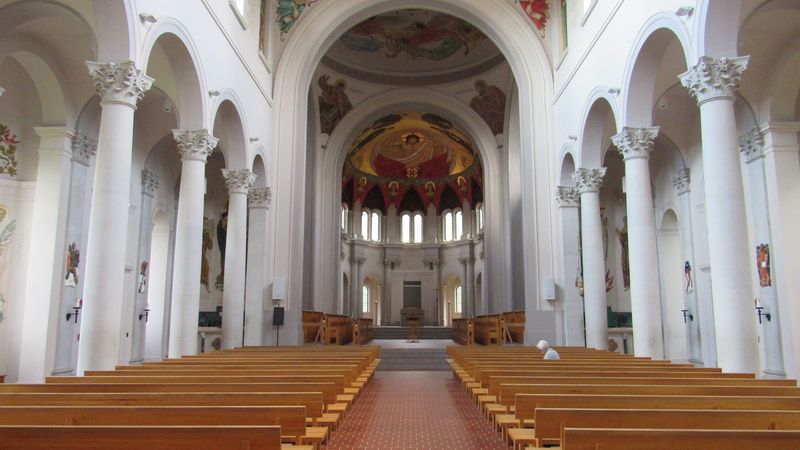
Nothing quite prepares you for the moment you walk into the abbey church and see it. The Last Supper mural covers the wall in a scale that is genuinely difficult to describe without sounding like you are exaggerating.
The painting depicts Jesus and the twelve apostles gathered at the table, rendered in rich, warm tones with a level of detail that rewards a long, slow look. The composition draws your eye across the entire scene, and the sheer size of it creates a sense of presence that smaller reproductions of this subject simply cannot match.
It is widely recognized as one of the largest Last Supper murals in the world, which is a remarkable distinction for a church in rural Louisiana. Many visitors who come for a peaceful walk end up standing in front of this mural far longer than they planned, completely absorbed by what they are seeing.
Sacred Art That Fills Every Corner of the Church
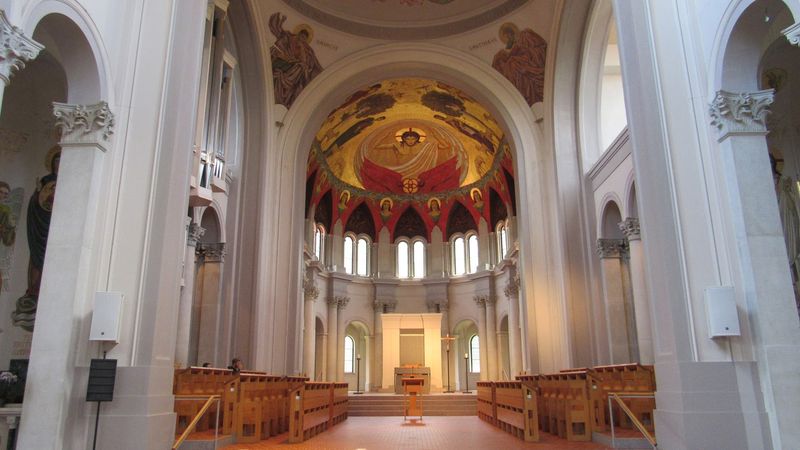
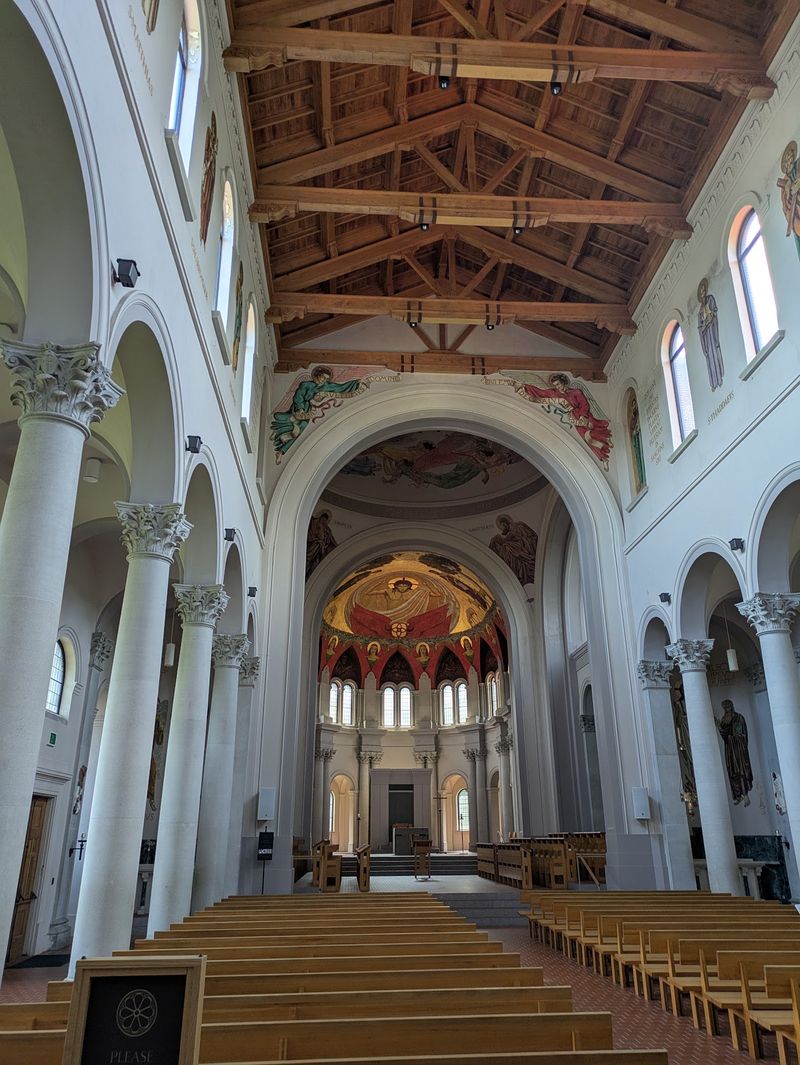
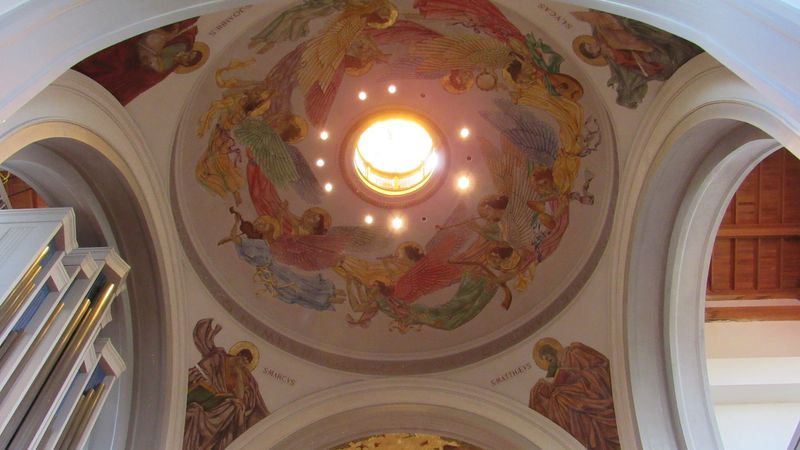
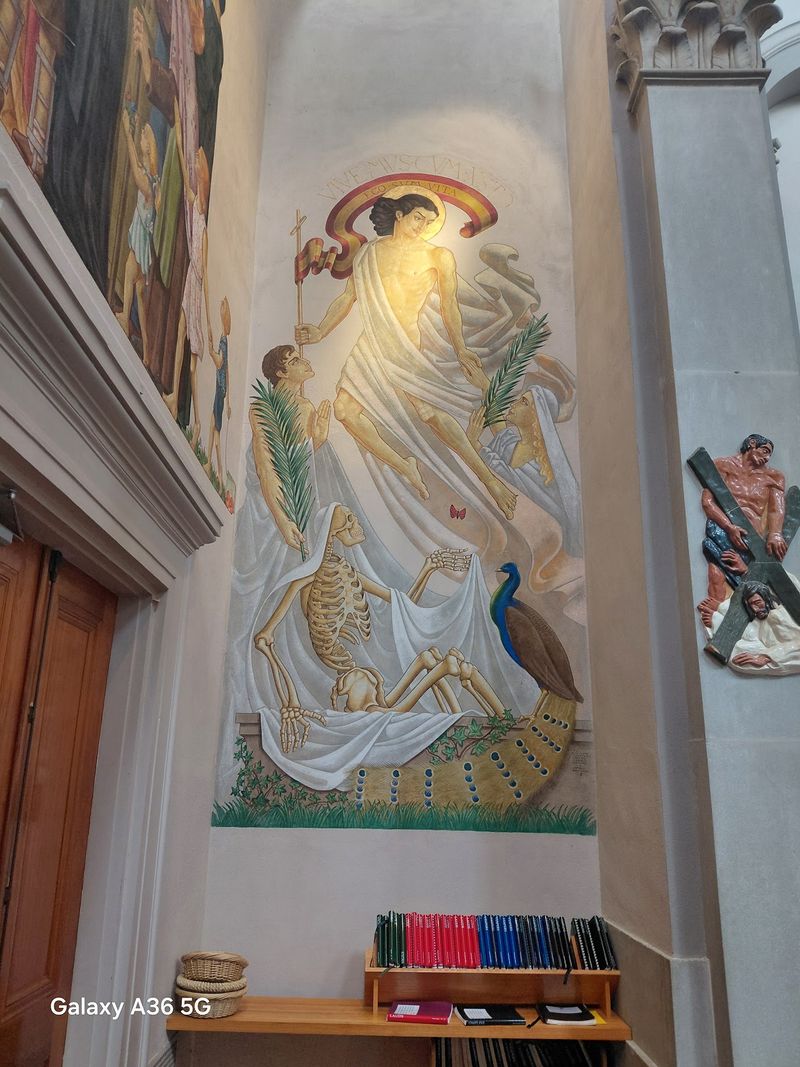
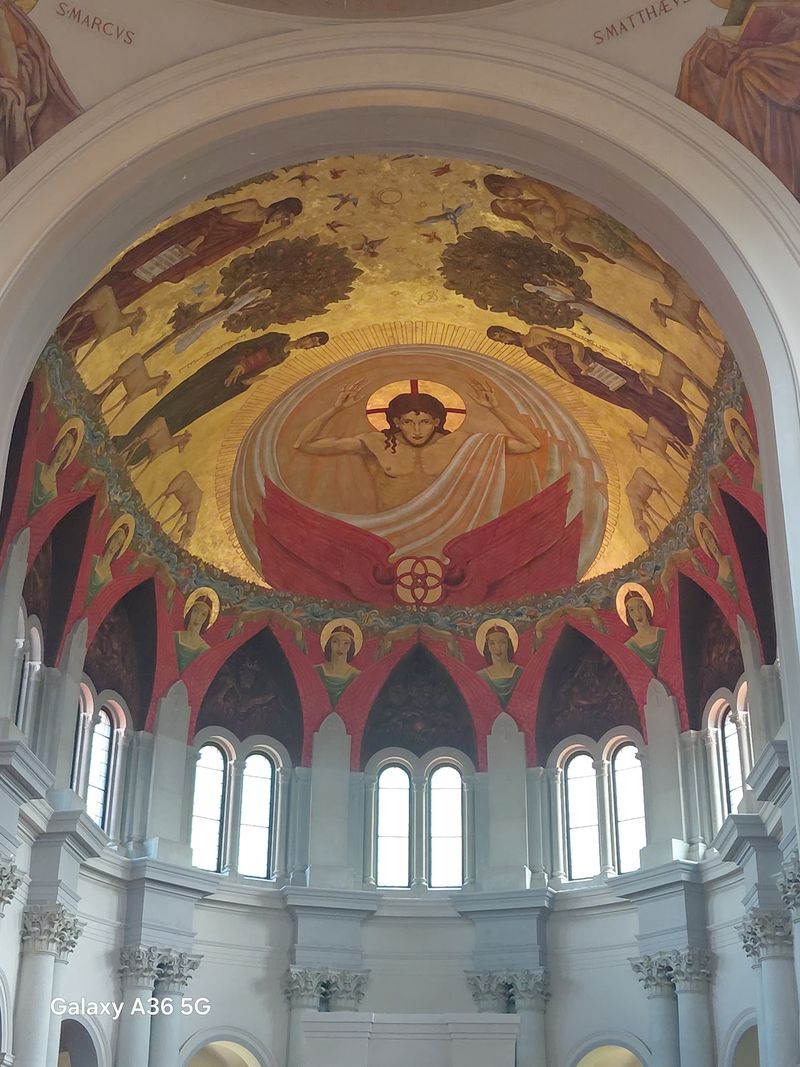
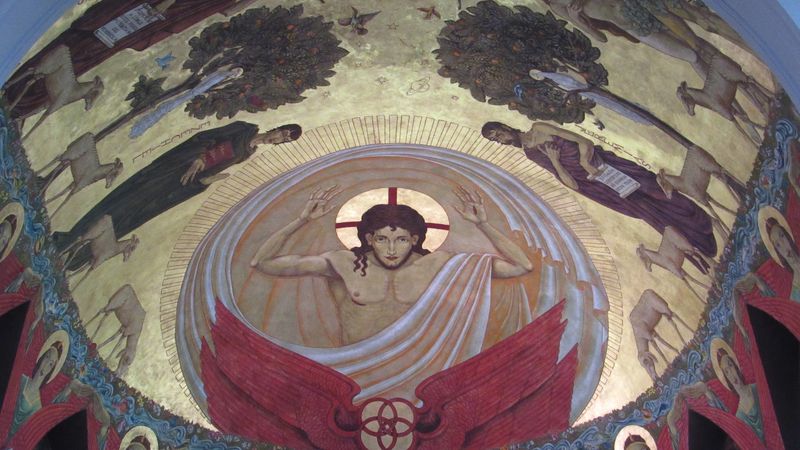
The Last Supper mural gets most of the attention, and rightfully so, but the artwork throughout the entire church is worth your full attention. The interior tells a visual story of creation and redemption through murals, sculptures, and carefully placed decorative elements that work together as a unified whole.
Every surface seems to have been considered. The imagery moves through biblical themes in a way that feels intentional and layered, rewarding visitors who take time to look carefully rather than rushing through.
A guided tour, available for groups of ten or more, provides context that transforms the experience. The guide explains the symbolism behind individual figures, the theological meaning embedded in the composition, and the history of how the church came to look the way it does today.
Without that context, you can still appreciate the beauty. With it, the entire space opens up in a completely new way.
A Seminary Training the Next Generation of Priests
Beyond the church and the monastery, the abbey grounds are also home to Saint Joseph Seminary College, a formation program for men preparing for the priesthood. The seminary has been part of the abbey’s mission for generations, and its presence gives the grounds a sense of active purpose that goes beyond tourism.
Students here follow a rigorous program that combines academic study with spiritual formation, all within the rhythms of Benedictine community life. Seeing young seminarians walking the grounds or attending Mass adds a living dimension to the abbey that you do not find at purely historical sites.
The seminary is a reminder that Saint Joseph Abbey is not a museum. It is a functioning religious institution where people are being shaped for a lifetime of service.
That energy, quiet but unmistakably real, is part of what makes the place feel so different from other destinations in Louisiana.
The Gift Shop and the Goods Made by the Monks
The abbey gift shop is one of those places where you walk in for a quick look and leave with a full bag. The selection covers religious books, devotional items, and a range of food products, some of which are made by the monks themselves.
The honey is a particular standout. It has a rich, complex flavor that reflects the care put into its production, and it makes a genuinely meaningful souvenir.
The raisin bread and pepper jelly also draw loyal fans who return specifically to stock up.
Shopping here feels different from buying something at a typical gift shop. Knowing that the proceeds support the monks’ mission and the seminary gives the purchase a weight that a random souvenir simply does not carry.
The shop typically closes in the afternoon, so arriving earlier in the day gives you the best chance to browse without feeling rushed.
The Monks’ Casket-Making Tradition That Turned Heads Nationwide
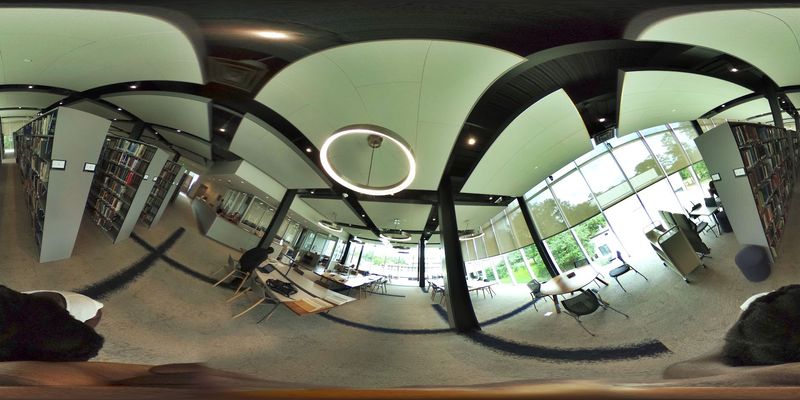
Of all the things the monks at Saint Joseph Abbey craft by hand, the one that tends to generate the most surprised reactions is their caskets. The monks have a long tradition of woodworking, and their handcrafted caskets became well known enough to attract national attention and even a legal battle that went to federal court.
Louisiana funeral home regulations once restricted who could sell caskets, and the monks challenged those restrictions, eventually winning the right to continue their craft. The case became a notable example of occupational licensing reform, and it put Saint Joseph Abbey on the radar of people far outside the Catholic community.
The caskets are made with real craftsmanship and are available for order, though you do need to arrange pickup yourself. It is one of the more unusual offerings at any monastery in the country, and it reflects the abbey’s commitment to meaningful, quality work in everything they do.
Walking the Grounds and Finding Unexpected Stillness
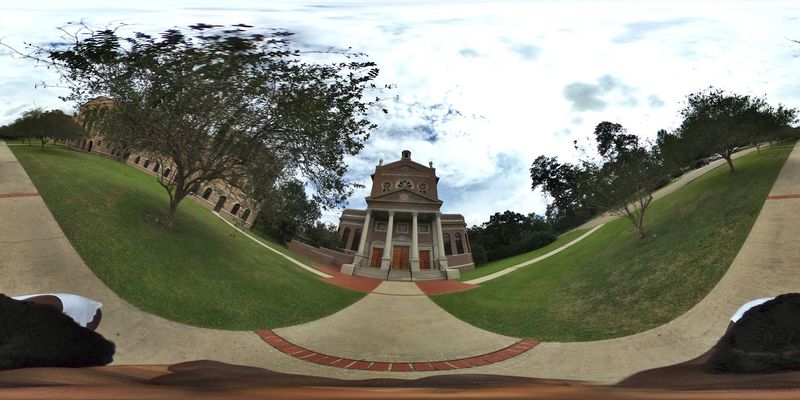
The abbey grounds are open to visitors who simply want to walk, sit, and breathe. The property has a lake, wooded paths, and open areas that encourage slow movement rather than a quick tour-and-leave approach.
Sitting by the lake on a quiet afternoon is one of those simple experiences that stays with you. The water reflects the surrounding pines, and the absence of traffic noise makes the whole setting feel genuinely removed from the pace of modern life.
People come here for Mass, for retreats, and sometimes just to find a few hours of calm.
What strikes most visitors is how welcoming the grounds feel even without a formal program or schedule. You do not need to be on a retreat or part of a group to appreciate what the abbey offers.
The space itself does most of the work, and it does it remarkably well for anyone willing to slow down.
Attending Mass With the Monastic Community
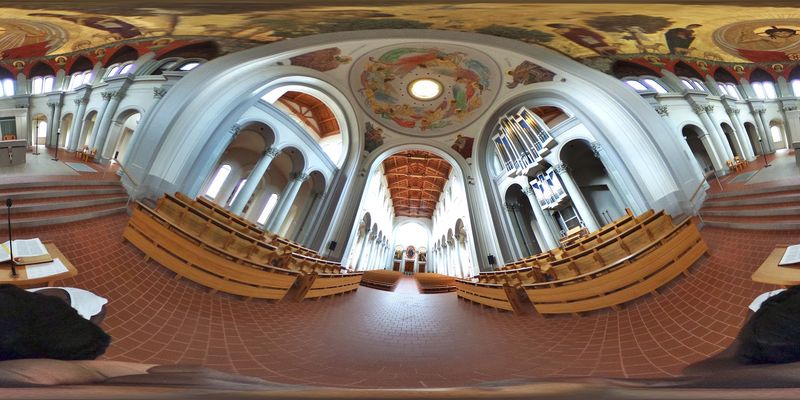
One of the most memorable ways to experience Saint Joseph Abbey is to attend Mass with the monastic community. The liturgy follows a rhythm shaped by centuries of Benedictine tradition, and hearing it inside that church, surrounded by all that sacred art, is something that stays with visitors long after they leave.
The monks pray together multiple times each day, and visitors are welcome to join. The homilies are thoughtful, and the communal nature of the prayer creates an atmosphere that feels genuinely different from a parish Mass in a typical city church.
People of various backgrounds attend, drawn by curiosity, faith, or simply the desire to experience something authentic. Whatever brings someone through the doors, the experience of praying in that space, with that community, under that extraordinary art, tends to leave a lasting impression that is hard to put into words but easy to remember.
The Grave of Novelist Walker Percy on Abbey Grounds
Tucked within the abbey cemetery is the grave of Walker Percy, one of the most celebrated American novelists of the twentieth century. Percy, a Catholic convert, is best known for “The Moviegoer,” which won the National Book Award in 1962.
His connection to Louisiana runs deep, and his final resting place at Saint Joseph Abbey reflects the faith that shaped much of his writing.
For literature lovers, finding Percy’s grave here adds an unexpected dimension to a visit already full of surprises. It is a quiet, unassuming marker, which feels fitting for a writer whose work often explored the tension between the ordinary and the transcendent.
The cemetery itself is peaceful and well-maintained, and walking through it offers a different kind of reflection than standing before the murals inside the church. Both experiences are worthwhile, and together they give the abbey a layered richness that few places can match.
Retreats and Spiritual Renewal at the Abbey
Saint Joseph Abbey has a long history of hosting retreats for individuals and groups seeking time away from the pressures of daily life. The combination of the grounds, the community, and the sacred spaces makes it a particularly effective setting for that kind of renewal.
Retreat programs vary, and the abbey’s hospitality tradition means that guests are welcomed into the rhythms of monastic life rather than simply housed nearby. Sharing the prayer schedule with the monks, eating simple meals, and spending time in the church or on the grounds creates a different experience than any conventional getaway could offer.
Regular visitors often describe returning to the abbey the way others might describe returning to a favorite place in nature: with a sense of relief and familiarity. The abbey has a way of resetting something in people that is difficult to name but unmistakable once you have felt it yourself.
Why This Abbey Deserves a Spot on Your Louisiana Travel List
Saint Joseph Abbey is not the kind of place that shows up on typical Louisiana travel itineraries alongside the French Quarter or the bayou tours, and that is exactly what makes it worth seeking out. It offers something that most tourist attractions simply cannot provide: genuine quiet, living tradition, and art of real consequence.
The Last Supper mural alone justifies the trip. Add the monastic community, the seminary, the handcrafted goods, the Walker Percy connection, and the extraordinary grounds, and you have a destination that rewards curiosity in ways that go far beyond a quick photo stop.
Whether you come for the art, the prayer, the history, or just the peace of the grounds, leaving Saint Joseph Abbey without feeling like you encountered something real and rare is genuinely difficult. It is the kind of place that makes you want to tell people about it the moment you get back to your car.
Share this story