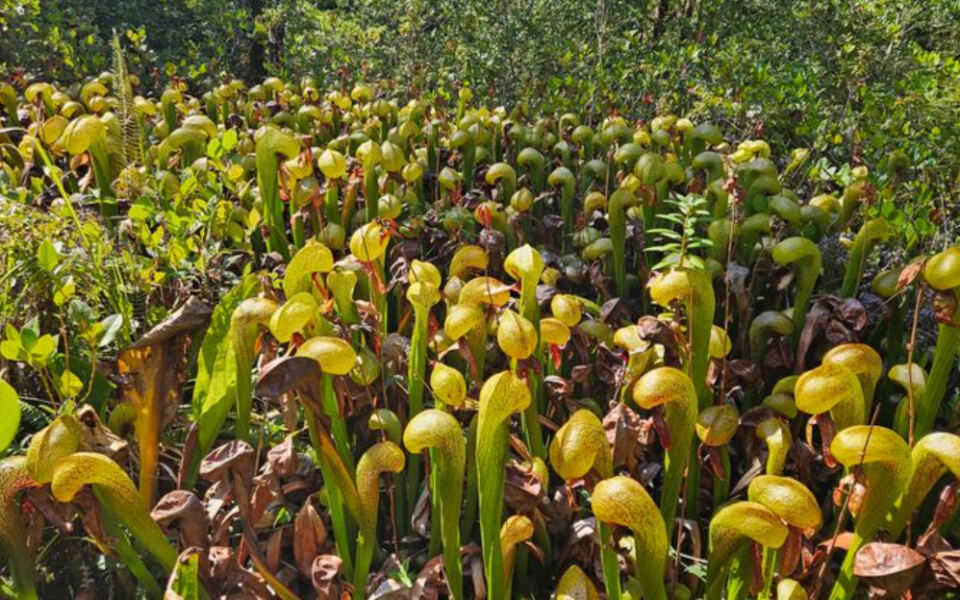
Just off Highway 101 near Florence, Oregon, a short wooden boardwalk guides visitors into one of nature’s strangest gardens. Darlingtonia State Natural Site protects thousands of cobra lilies, rare carnivorous plants that trap and digest insects in their hooded, snake-like pitchers.
This fascinating bog offers an easy walk through a world where plants turn the tables on bugs, making it one of the Oregon coast’s most unusual and memorable stops.
A Carnivorous Garden Unlike Any Other
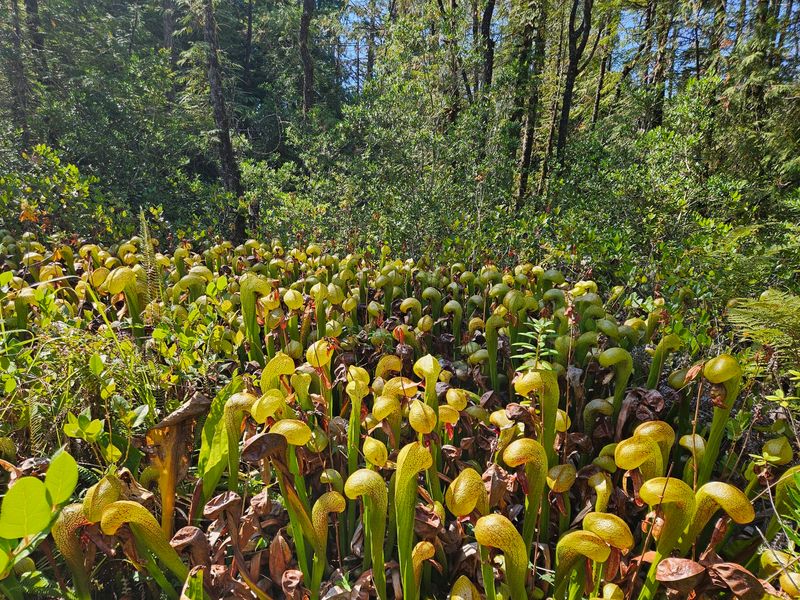
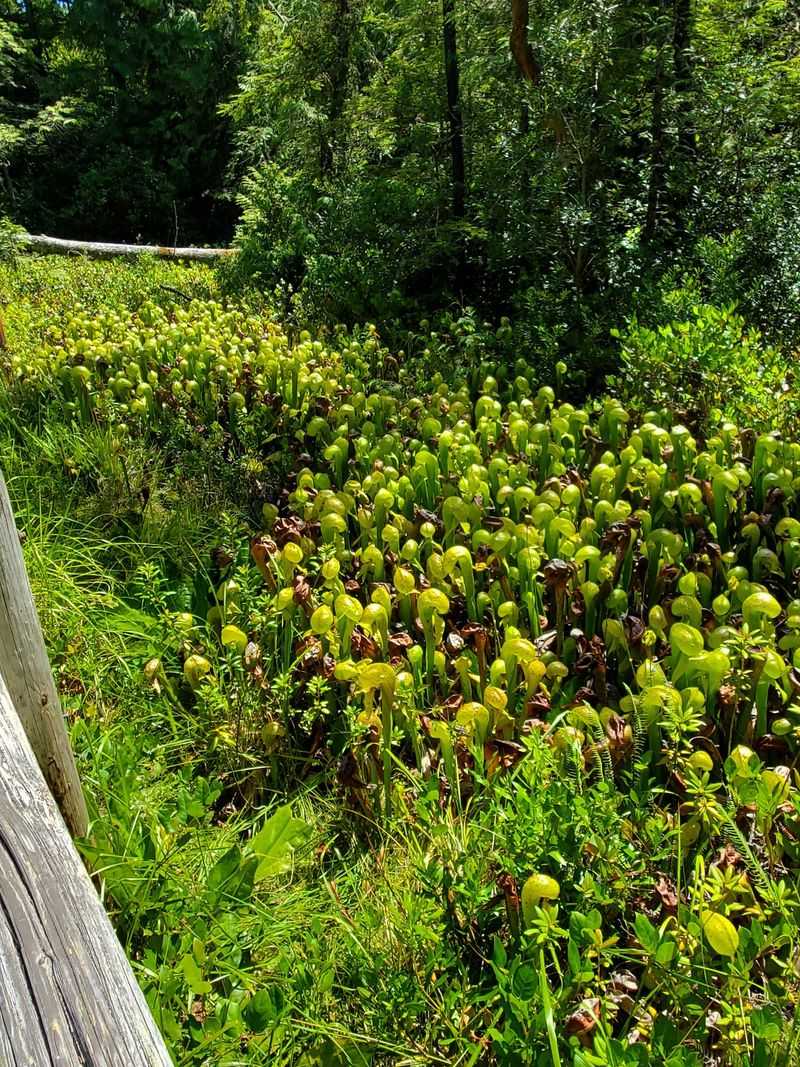
Thousands of cobra lilies crowd together in this protected bog, creating a scene straight out of a science fiction movie. Each plant stands tall with its hooded pitcher and forked tongue-like appendage, looking remarkably like a striking cobra ready to attack.
The sheer number of these carnivorous plants growing in one place makes Darlingtonia State Natural Site truly special.
Most people have never seen a meat-eating plant outside of a greenhouse or botanical garden. Here, you can observe them thriving in their natural habitat, doing what they do best: luring unsuspecting insects into their deadly traps.
The plants range in size from small sprouts to mature specimens over two feet tall.
What makes this place even more remarkable is how accessible it is. You don’t need hiking boots or hours of free time.
A quick ten-minute loop brings you face-to-face with these botanical wonders. The protected status ensures these rare plants will continue fascinating visitors for generations to come, making every visit feel like stepping into a living natural history exhibit.
The Wooden Boardwalk Experience
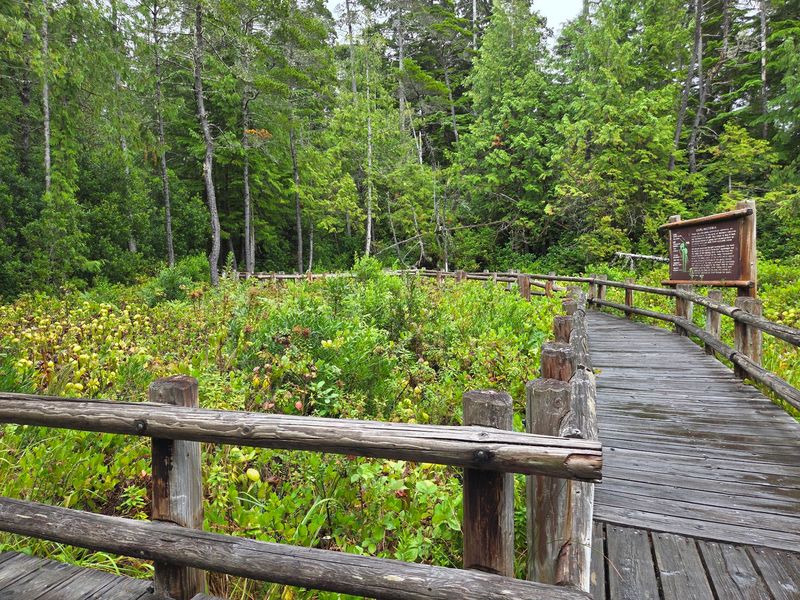
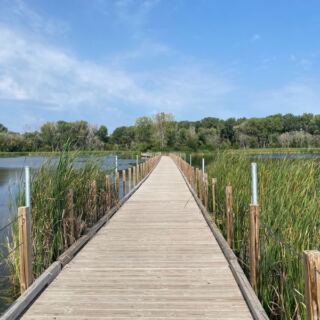
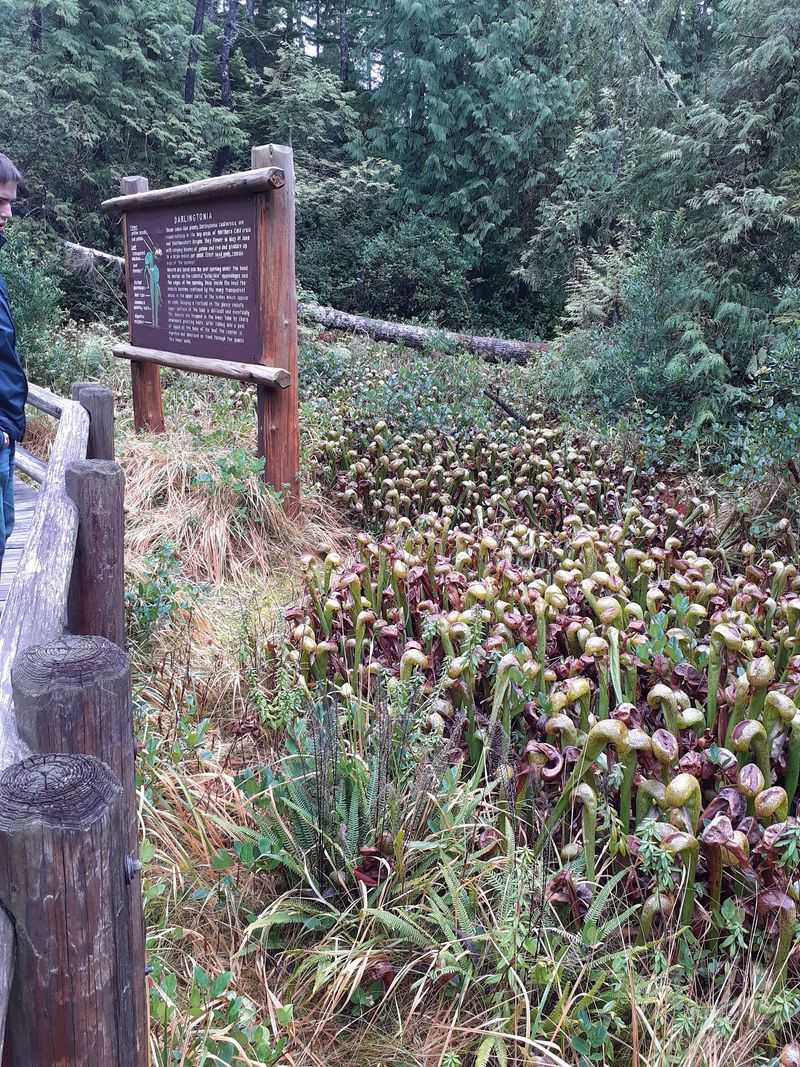
Stepping onto the wooden boardwalk feels like entering another world entirely. The sturdy planks keep your feet dry while providing an up-close view of the bog below, where cobra lilies flourish in the soggy, nutrient-poor soil.
This elevated pathway protects both visitors and the delicate ecosystem.
The boardwalk design allows you to peer directly into the plants without disturbing them. You can examine their intricate structures, spot insects caught in their traps, and appreciate details you’d miss from a distance.
Some sections bring you within inches of the largest specimens.
Photographers love this setup because it offers stable footing and excellent angles for capturing the plants. The wooden structure has weathered beautifully over time, blending into the natural surroundings while remaining safe and accessible.
Families with strollers and people using wheelchairs can navigate most of the path, though a few uneven spots may require assistance. The short loop means you won’t get tired, but you’ll want to take your time soaking in the strange beauty surrounding you on all sides.
How Cobra Lilies Trap Their Prey
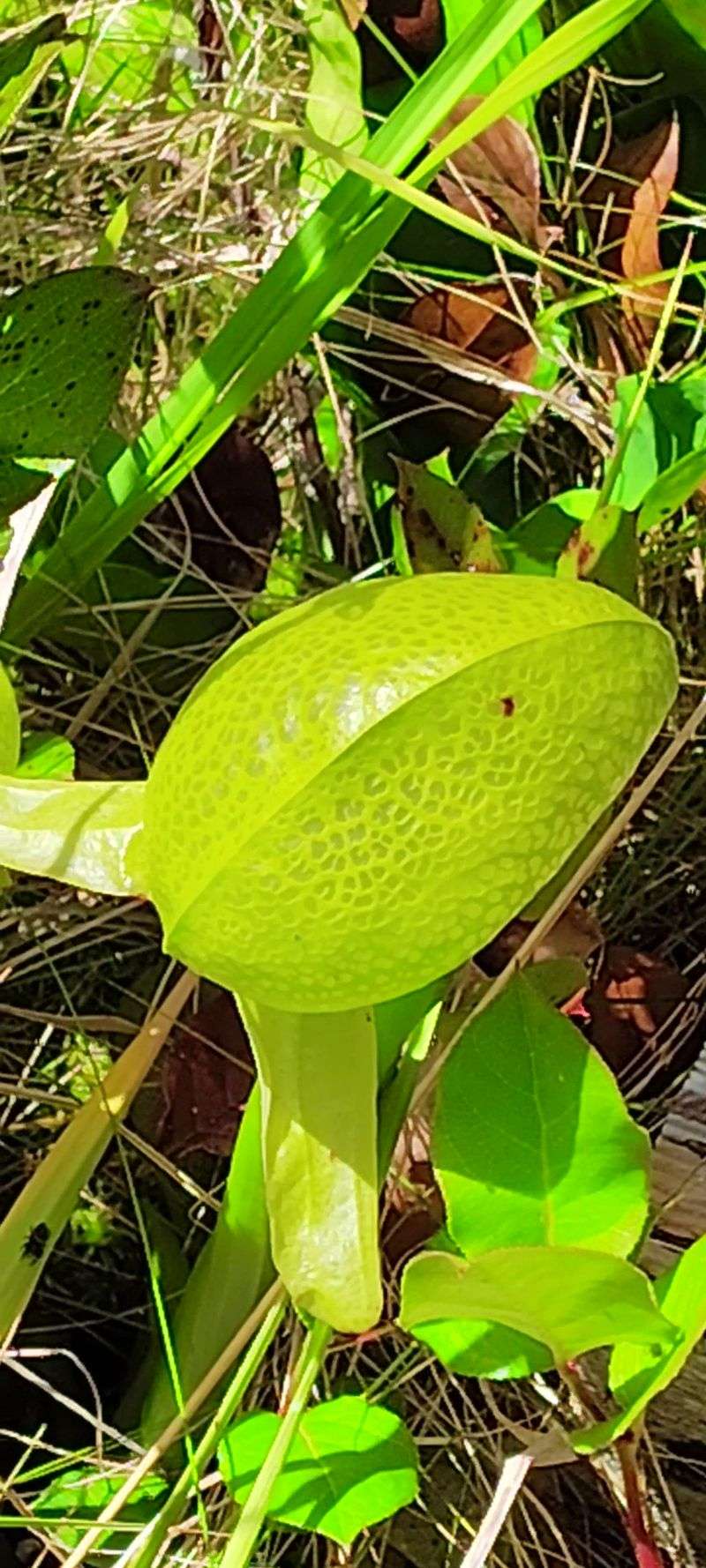
Cobra lilies use cunning deception rather than sticky surfaces or snapping jaws. Insects fly toward what look like bright exit holes, actually translucent windows in the hood that confuse their prey.
Once inside, downward-pointing hairs prevent escape, forcing bugs deeper into the pitcher where digestive enzymes await.
The plants don’t actively grab insects. Instead, they create an irresistible trap through architecture and trickery.
Sweet-smelling nectar lures flies, beetles, and other small creatures to the opening. The forked appendage resembling a snake’s tongue adds to the eerie appearance but serves as an attractive landing pad.
Cold spring water flowing through the bog keeps the roots cool, which these plants absolutely require to survive. The nutrient-poor environment means they must supplement their diet with insects to get enough nitrogen and other essential elements.
Watching closely, you might spot flies buzzing around the openings, unaware of the danger. Some visitors report seeing movement inside the pitchers, evidence of recently trapped victims meeting their fate in this botanical chamber of horrors.
Best Time to Visit for Blooming Flowers
Late spring through early summer brings out the cobra lily’s bizarre flowers, adding another layer of strangeness to an already peculiar plant. Unlike the dramatic pitchers, the blooms hang modestly beneath the foliage on curved stems, displaying unusual yellow-green or maroon petals that look nothing like typical garden flowers.
Most visitors arrive in July when flowering peaks and the weather cooperates. The plants remain interesting year-round, but seeing both the carnivorous pitchers and the reproductive flowers together offers the complete experience.
Winter visits reveal dormant plants and a fuller bog, creating a different but equally fascinating atmosphere.
Spring visitors catch new growth emerging, with fresh green pitchers unfurling their hoods. Summer provides the fullest display of mature plants in peak condition.
Fall shows the aging process as some pitchers brown and collapse. Each season tells a different chapter in the cobra lily’s life cycle, so repeat visits reveal new details.
Check the Oregon State Parks website before planning a special trip to see blooms, as timing varies slightly each year depending on weather conditions and temperatures.
A Quick Stop on Your Highway 101 Journey
Located just seconds from Highway 101, this natural site makes the perfect road trip break. You can pull off the main route, stretch your legs, use the restroom, and witness something truly extraordinary in less than twenty minutes.
The convenience factor alone makes it worth adding to your coastal itinerary.
Many travelers discover this spot by accident, noticing the small sign while driving between popular beach towns. Those who stop rarely regret the detour.
The parking lot accommodates several vehicles, and picnic tables near the entrance invite longer stays if you packed snacks.
Coast road trips often blend together with similar ocean vistas and beach access points. Darlingtonia breaks up the monotony with something completely different.
Instead of waves and sand, you get carnivorous plants and bog ecology. The contrast refreshes your travel experience and provides unique photo opportunities you won’t find at typical coastal stops.
Pack this into a day of exploring tide pools, lighthouses, and seafood restaurants for a well-rounded Oregon coast adventure that includes nature’s quirkier side.
Other Hidden Treasures in the Bog
Sharp-eyed visitors discover that cobra lilies share their home with other fascinating species. Round-leaved sundews, tiny carnivorous plants with sticky red tentacles, dot the bog floor like miniature alien lifeforms.
Reindeer lichen adds splashes of pale green to the landscape, creating a complex ecosystem worth careful observation.
These smaller wonders require patience to spot. Sundews measure only an inch or two across, their glistening droplets catching sunlight and attracting microscopic prey.
The lichen forms delicate branching structures that look like tiny coral reefs. Together with the dominant cobra lilies, they create a complete carnivorous plant community.
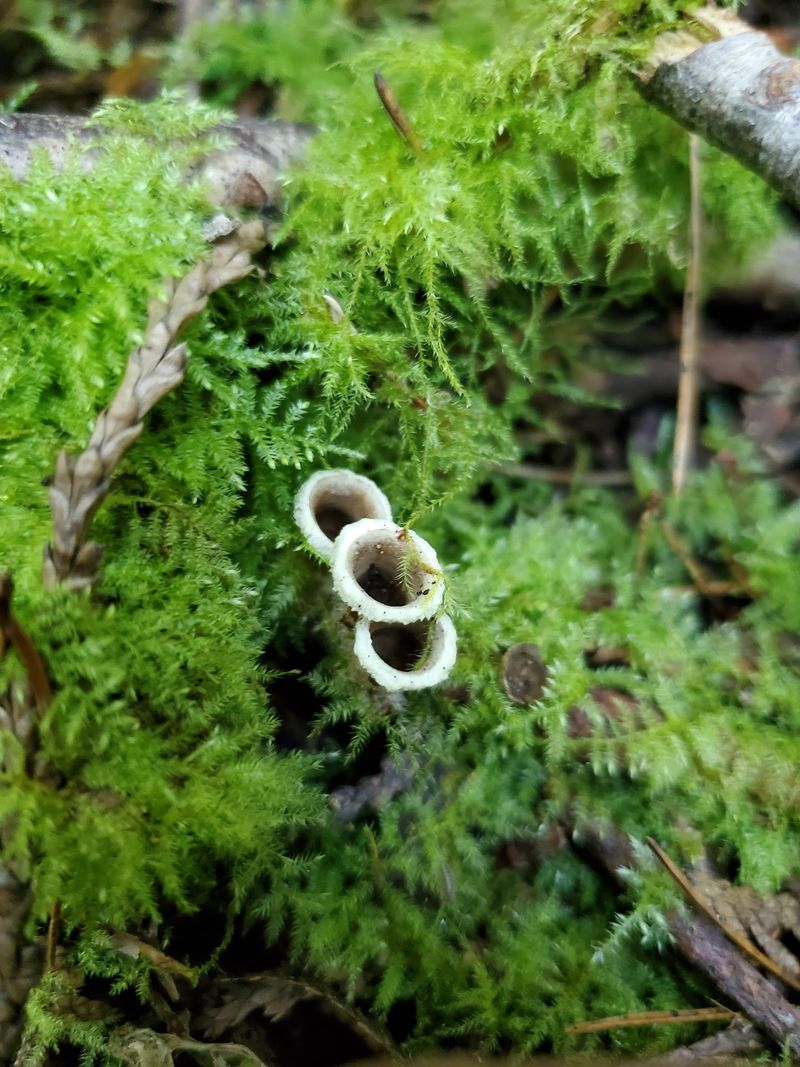
Bending down for a closer look reveals an entire miniature world. Mosses, fungi, and other bog specialists thrive in conditions that would kill most plants.
The cold spring water and acidic soil create a specialized habitat supporting species found nowhere else in the region. Bringing a camera with macro capability helps capture these details.
Kids especially enjoy the treasure hunt aspect of finding the smaller plants hiding among the giants, turning a simple walk into an educational adventure.
Why This Bog Exists Here
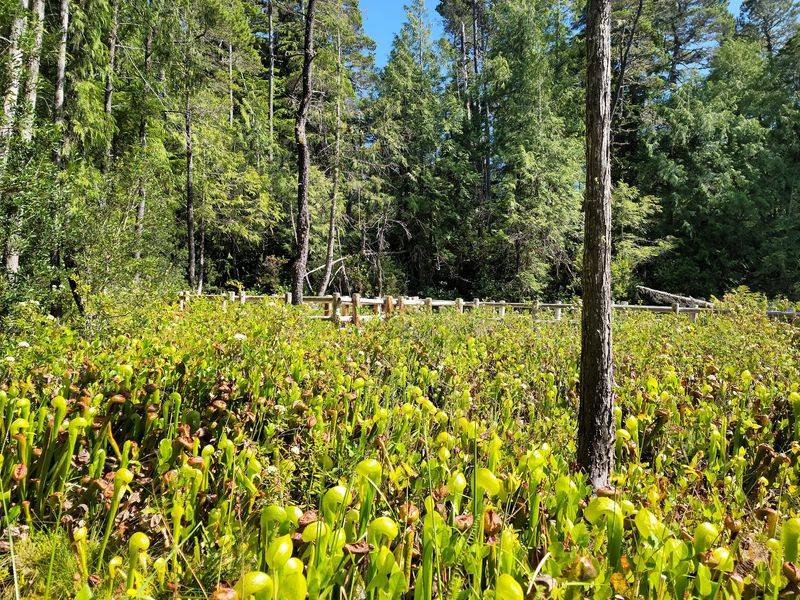
Cold groundwater seeping continuously through this area creates perfect conditions for cobra lilies, which absolutely cannot tolerate warm roots. The springs maintain temperatures that most plants would find uncomfortable, but Darlingtonia thrives in this chilly environment.
This geological quirk makes the site irreplaceable.
The nutrient-poor, acidic soil forces plants to find alternative food sources, explaining why carnivorous species dominate here. Regular plants struggle to extract enough nutrients from such lean conditions.
Cobra lilies solved this problem by supplementing their diet with insects, turning a hostile environment into prime real estate.
Scientists study this bog to understand how carnivorous plants evolve and adapt. The protected status prevents development from destroying this rare ecosystem.
Without intervention, drainage or pollution could easily wipe out the entire colony. State park designation ensures the springs continue flowing and the plants continue thriving.
Understanding the delicate balance required for this bog to exist makes you appreciate the preservation efforts. One misplaced footstep could damage plants or compact soil, which is why the boardwalk serves such an important function beyond mere convenience.
Facilities and Accessibility Features
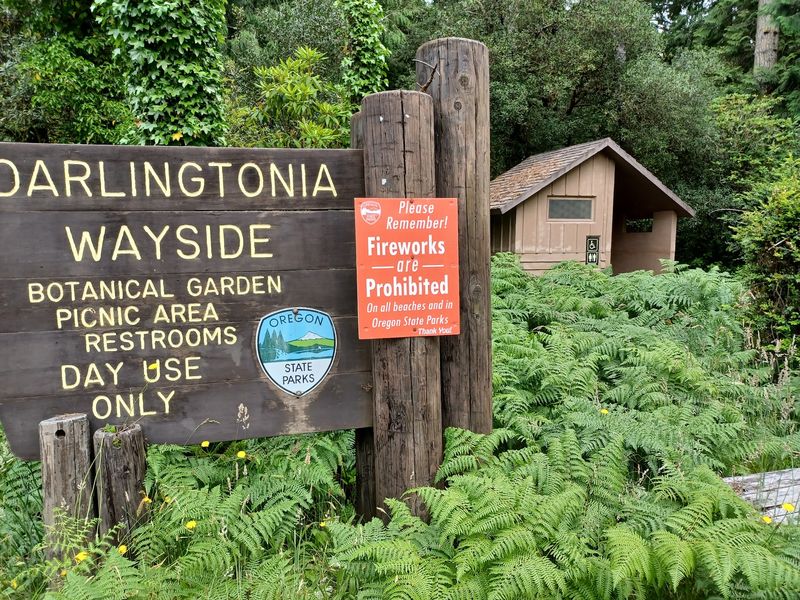
Clean restrooms near the parking lot provide welcome relief for travelers, though some visitors report occasional closures for maintenance. Picnic tables scattered around the entrance area offer spots to enjoy packed lunches surrounded by coastal forest.
These basic amenities transform the site from a quick peek into a comfortable rest stop.
The main boardwalk accommodates wheelchairs and strollers through most sections, making the cobra lilies accessible to nearly everyone. A few areas have developed uneven pavement over time, where roots have shifted the walkway slightly.
Most people navigate these spots easily, but those with mobility challenges might need a helping hand.
No entrance fee applies, and the site opens early morning through evening during summer months. Winter hours may vary, so checking ahead prevents disappointment.
The small size means you won’t find gift shops, interpretive centers, or rangers on duty. Informational signs along the path provide basic details about the plants and ecosystem.
This minimalist approach keeps the focus on nature rather than commercialization, appealing to visitors who prefer authentic experiences over heavily developed tourist attractions.
Photography Tips for Capturing Cobra Lilies
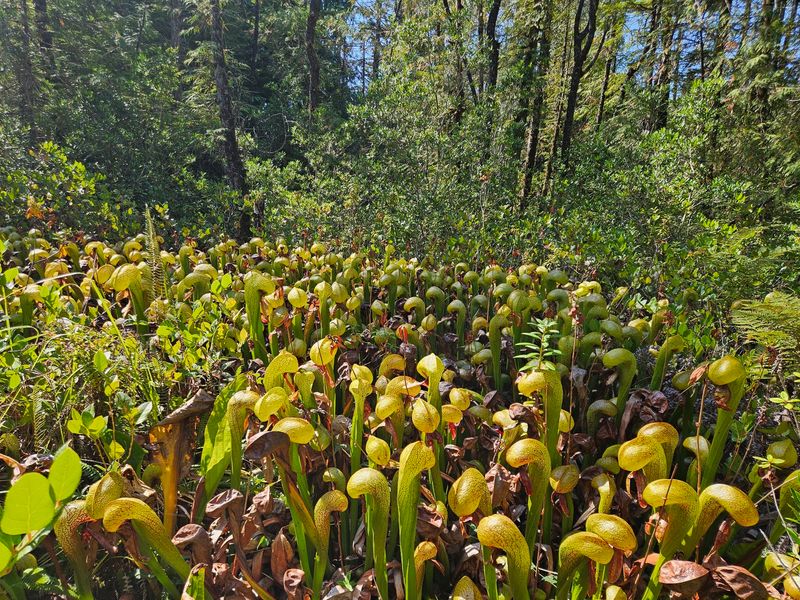
Morning light creates the best conditions for photographing these plants, when soft sunshine illuminates the translucent hoods without harsh shadows. The hooded structures glow when backlit, revealing intricate vein patterns and the deceptive windows that confuse insects.
Arriving early also means fewer people crowding the boardwalk.
Macro lenses capture incredible detail in the pitchers, from the downward-pointing hairs to trapped insects visible inside. Wide-angle shots showing hundreds of plants stretching across the bog convey the impressive scale of the colony.
Both approaches work beautifully depending on your artistic vision.
The wooden boardwalk provides stable footing for tripods and long exposures. Cloudy days offer even lighting that prevents blown-out highlights on the green pitchers.
Some photographers return multiple times to document seasonal changes, building portfolios that show the complete annual cycle. Remember to stay on the boardwalk while shooting and avoid trampling plants for that perfect angle.
The best images come from working within constraints, finding creative compositions from designated viewing areas. Social media has made this spot increasingly popular among nature photographers seeking unusual subjects.
Planning Your Visit to Darlingtonia
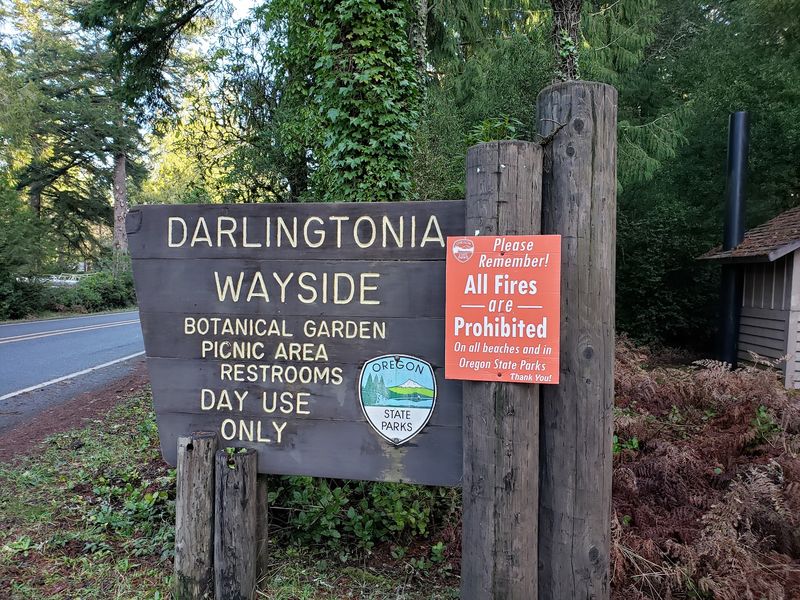
Finding the site requires watching for small signs along Highway 101, located about five miles north of Florence. The turnoff comes up quickly, so keeping an eye out prevents missing it.
GPS coordinates work better than addresses for precise navigation to this tucked-away treasure.
Parking fills quickly during summer weekends when coastal traffic peaks. Arriving before 10 AM or after 3 PM usually guarantees a spot.
The visit itself takes only fifteen to thirty minutes unless you’re photographing or picnicking. Most people combine this stop with other Florence-area attractions like sea lion caves or sand dunes.
Wear comfortable walking shoes even though the path stays short and level. Coastal weather changes rapidly, so layering clothes makes sense regardless of season.
Insect repellent seems ironic given the plants’ diet, but mosquitoes and flies still buzz around visitors. Bringing water and snacks extends your comfort, especially if traveling with children who need frequent fuel.
The lack of cell service in some spots means downloading directions beforehand. This small investment in planning ensures a smooth, enjoyable experience at one of Oregon’s most unusual natural attractions.
Share this story