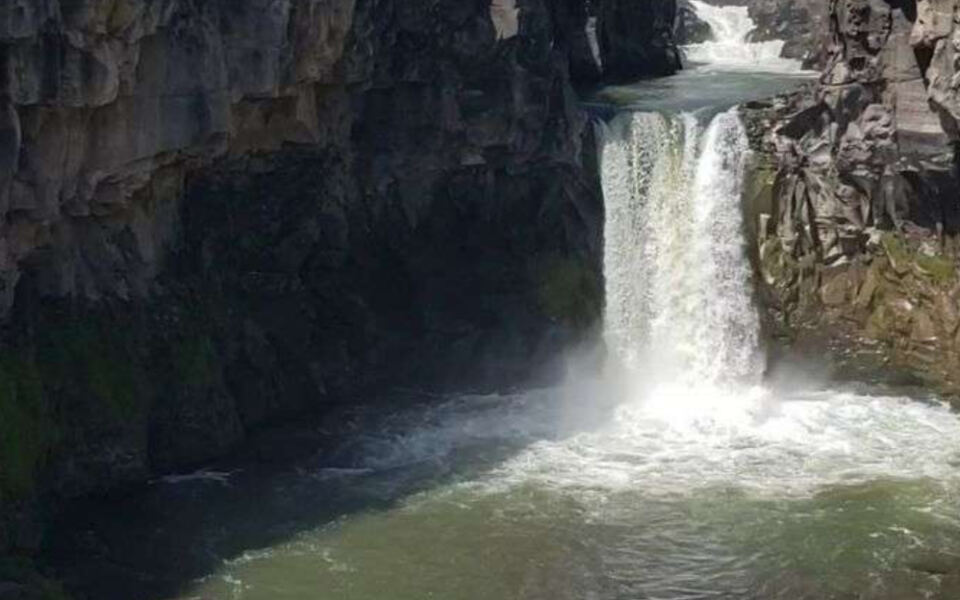
White River Falls State Park hides one of Oregon’s best-kept secrets in the middle of what looks like endless desert. Most people driving through this dry, rugged landscape never expect to find a powerful 90-foot waterfall thundering into a deep canyon.
But that’s exactly what makes this park so special: the dramatic contrast between the bone-dry plateau above and the lush oasis below creates an unforgettable experience that surprises every visitor who makes the trip.
The Stunning 90-Foot Main Waterfall
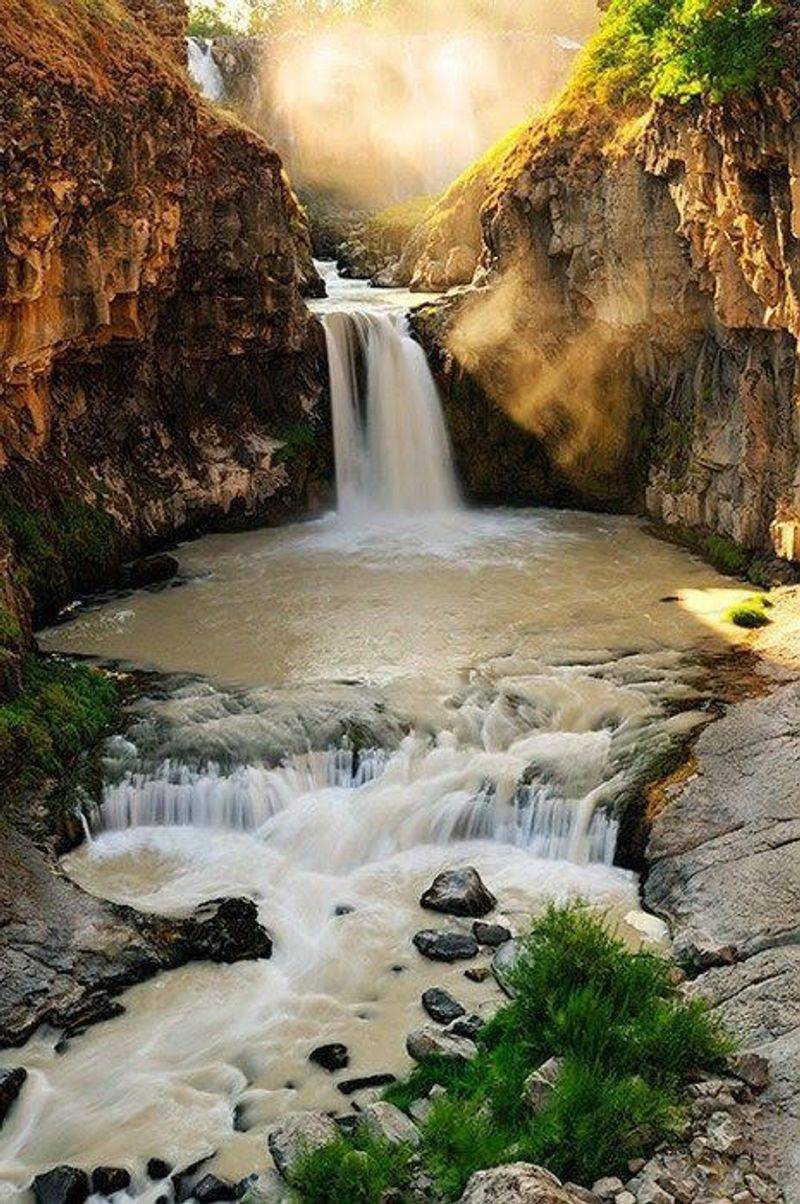
Standing at the viewpoint near the parking area, you’ll witness water plunging dramatically over layered basalt cliffs formed by ancient lava flows 17 million years ago. The roar of the falls fills the canyon, creating a soundtrack that feels impossible in such an arid landscape.
The waterfall’s power varies throughout the year, with spring snowmelt creating the most impressive flow. Even during drier months, the cascade maintains enough force to generate cooling mist that drifts across the viewing area.
What makes this waterfall truly special is its multi-tiered structure. Water drops in stages, creating pools and smaller cascades that add visual interest from every angle.
The dark volcanic rock provides a striking backdrop that contrasts beautifully with the white foam.
Photographers love the golden hour here when the setting sun illuminates the spray and casts long shadows across the canyon walls. The falls face west, making sunset visits particularly rewarding for capturing that magical light hitting the water just right.
The Abandoned Hydroelectric Power Plant
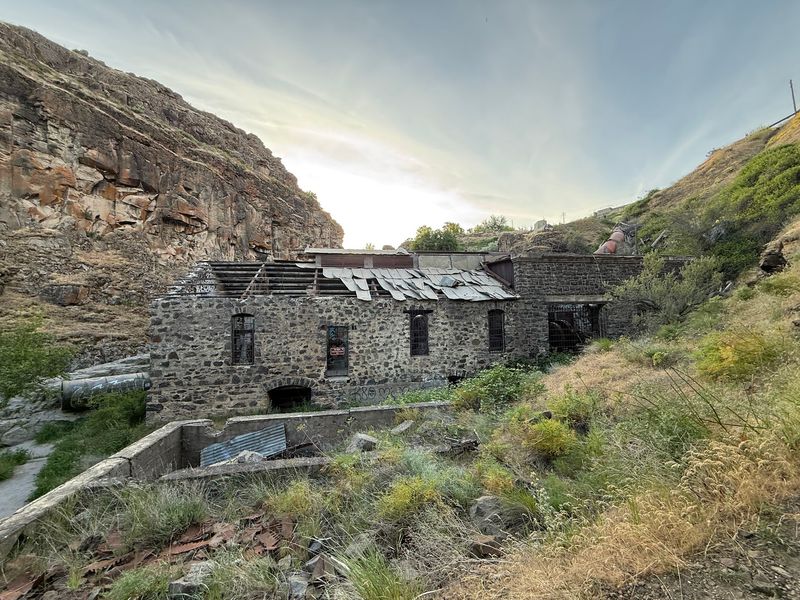
Tucked at the canyon bottom sits a fascinating relic from 1910 when electricity was just becoming widespread. This brick powerhouse once generated electricity for the towns of Wasco and Maupin, representing cutting-edge technology for its time.
The building’s weathered exterior tells stories of a century spent battling the elements. Windows are broken, machinery sits frozen in time, and nature slowly reclaims what humans built.
Walking around this structure feels like stepping into a time capsule.
Swallows have made the cliff faces near the powerhouse their home, swooping dramatically over the river before returning to nests tucked into rocky crevices. Watching these acrobatic birds adds unexpected entertainment while you explore the ruins.
The plant operated until 1960 before being abandoned when more modern facilities made it obsolete. Today it stands as a monument to Oregon’s industrial heritage, offering photographers incredible opportunities to capture the intersection of human history and natural beauty in one compelling frame.
The Steep Canyon Trail Experience
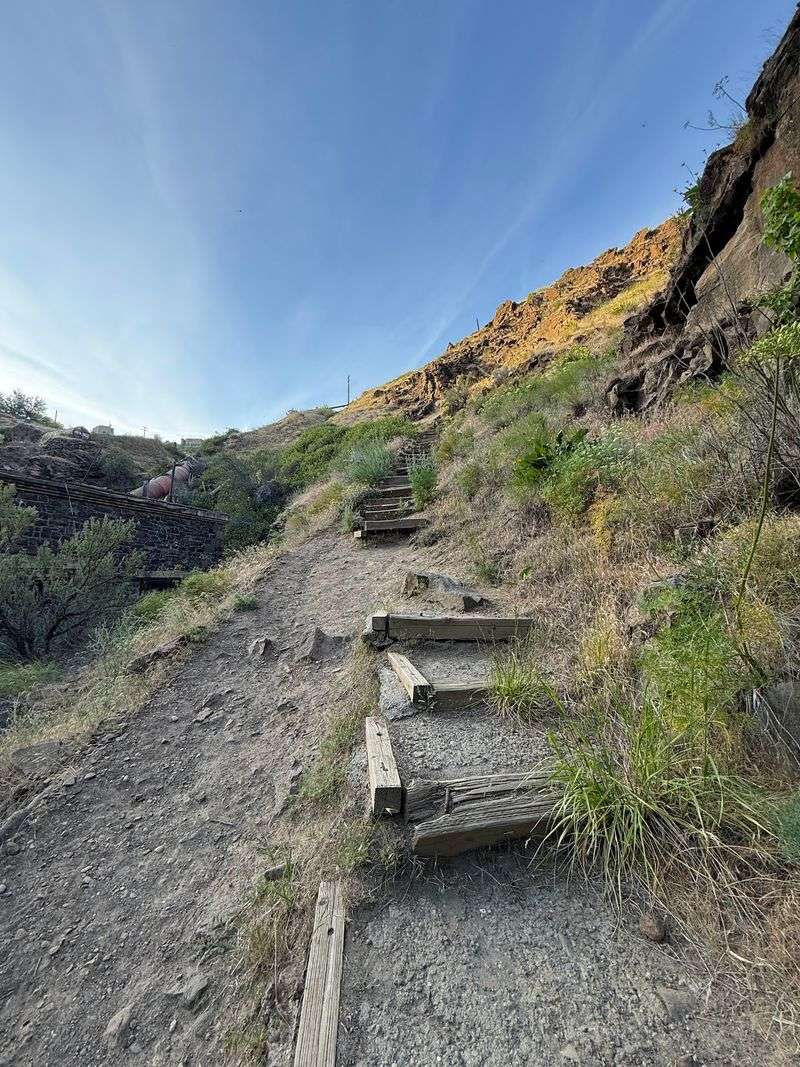
Getting down to the powerhouse and river requires tackling a trail that’s not for the faint of heart. The path drops steeply through loose soil, jagged rocks, and a set of weathered wooden stairs that have seen better days.
Park signage doesn’t sugarcoat the challenge, even noting the distance to the nearest hospital. This isn’t a maintained, manicured trail with handrails and safety features.
It’s a rough path carved by thousands of feet over many years.
Good hiking boots with excellent traction make all the difference here. The descent isn’t terrible for most people, but climbing back up in the heat tests your cardiovascular fitness.
Families with young children manage it regularly, though little ones often need help on the steeper sections.
Bringing plenty of water is non-negotiable since there’s zero shade on this exposed trail. The sun beats down relentlessly, especially during summer afternoons when temperatures can soar.
Despite the challenges, most hikers agree the views and destination make every difficult step worthwhile.
The Refreshing Swimming Hole
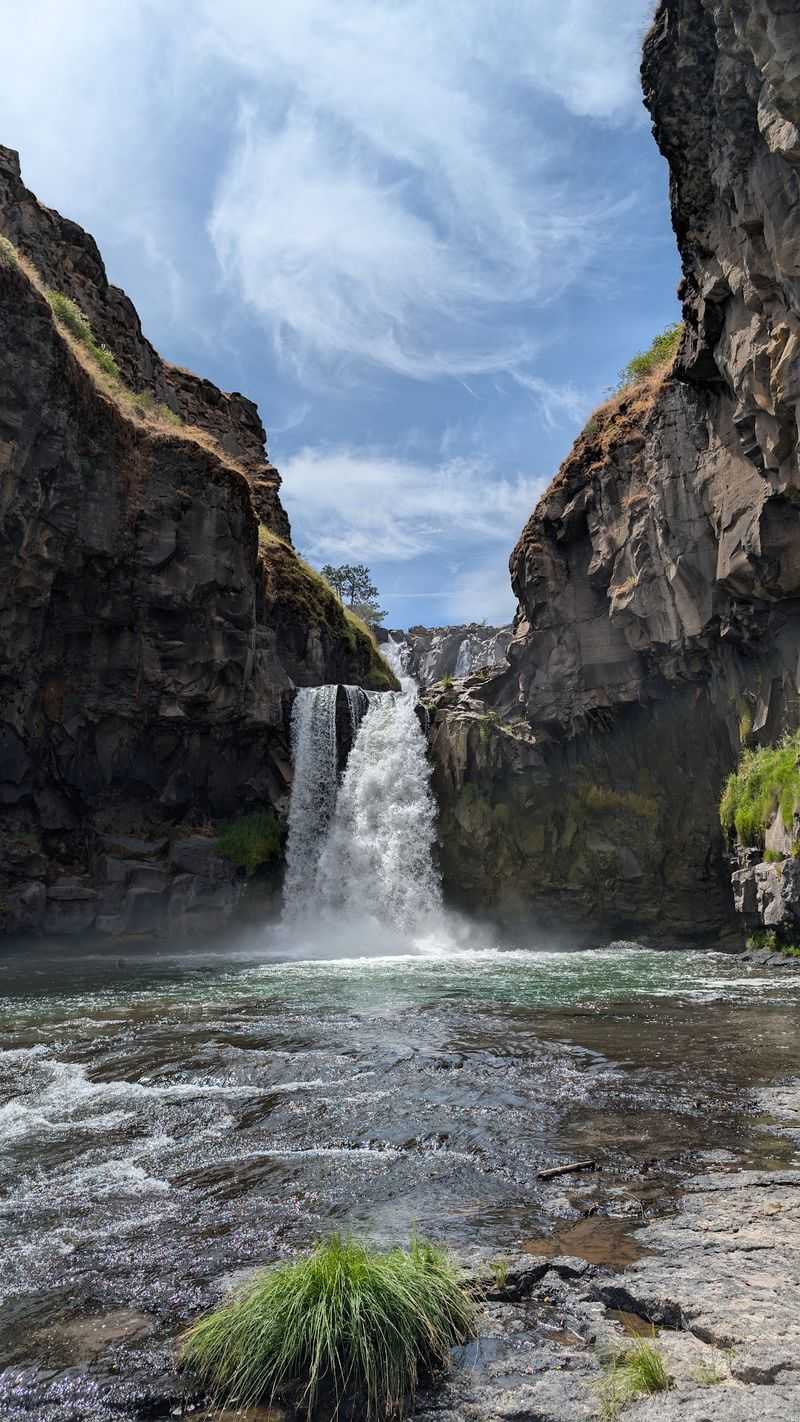
After sweating your way down the canyon trail, plunging into the cold swimming hole feels absolutely incredible. The water stays refreshingly chilly year-round, fed directly by the falls upstream.
Most of the swimming area remains shallow enough to wade comfortably, making it perfect for families with children who want to cool off safely. The rocky bottom provides good footing, though water shoes help protect feet from sharp stones.
Local visitors know to bring towels and flip-flops for lounging on the small beach area after swimming. The spot gets busy around midday during summer weekends, but weekday mornings often offer peaceful solitude for those willing to arrive early.
The combination of cold water, warm sun, and dramatic canyon scenery creates an almost surreal experience. You’ll find yourself alternating between cooling dips and sunbathing on the rocks, never quite believing such an oasis exists in the middle of Oregon’s high desert.
Pack snacks and make an afternoon of it.
Hidden Celestial Falls Downstream
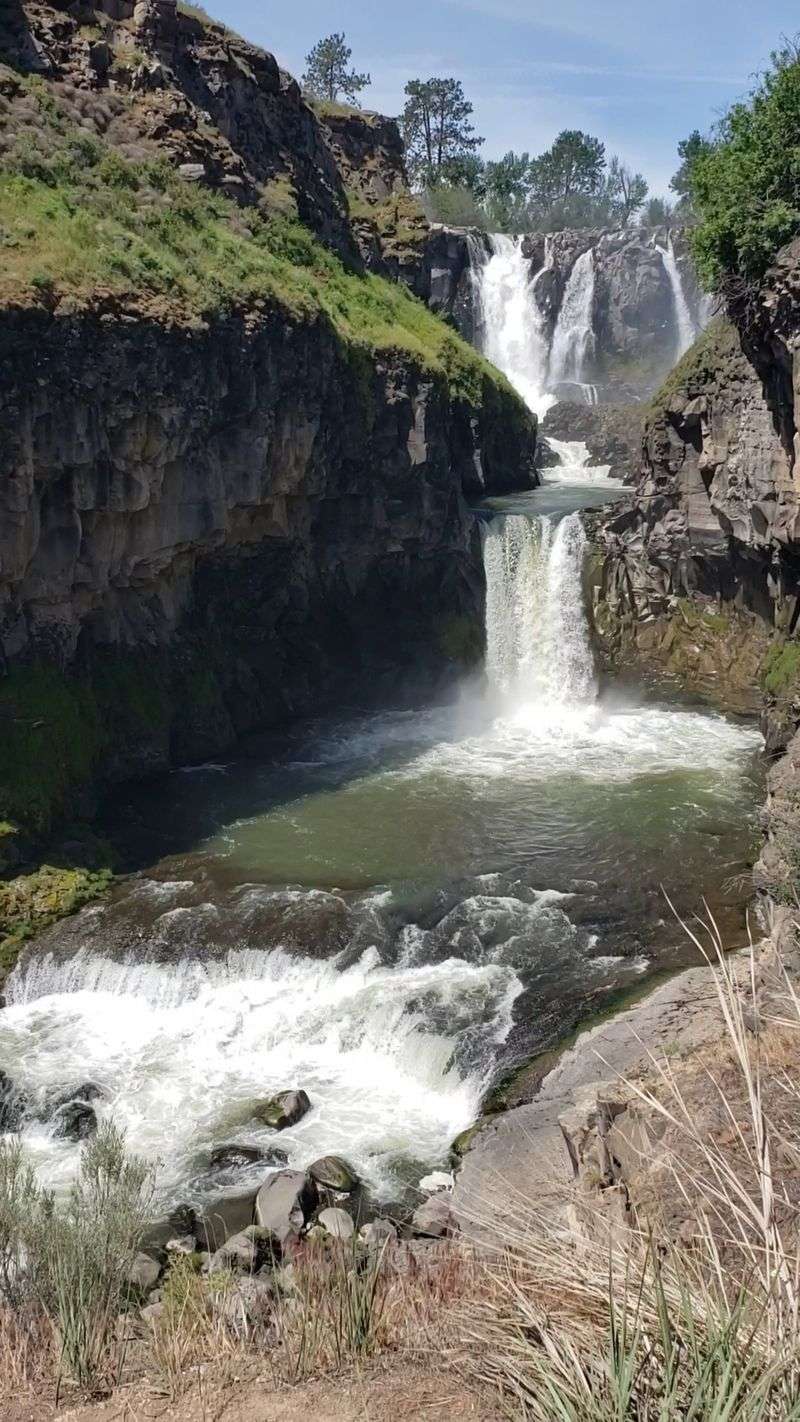
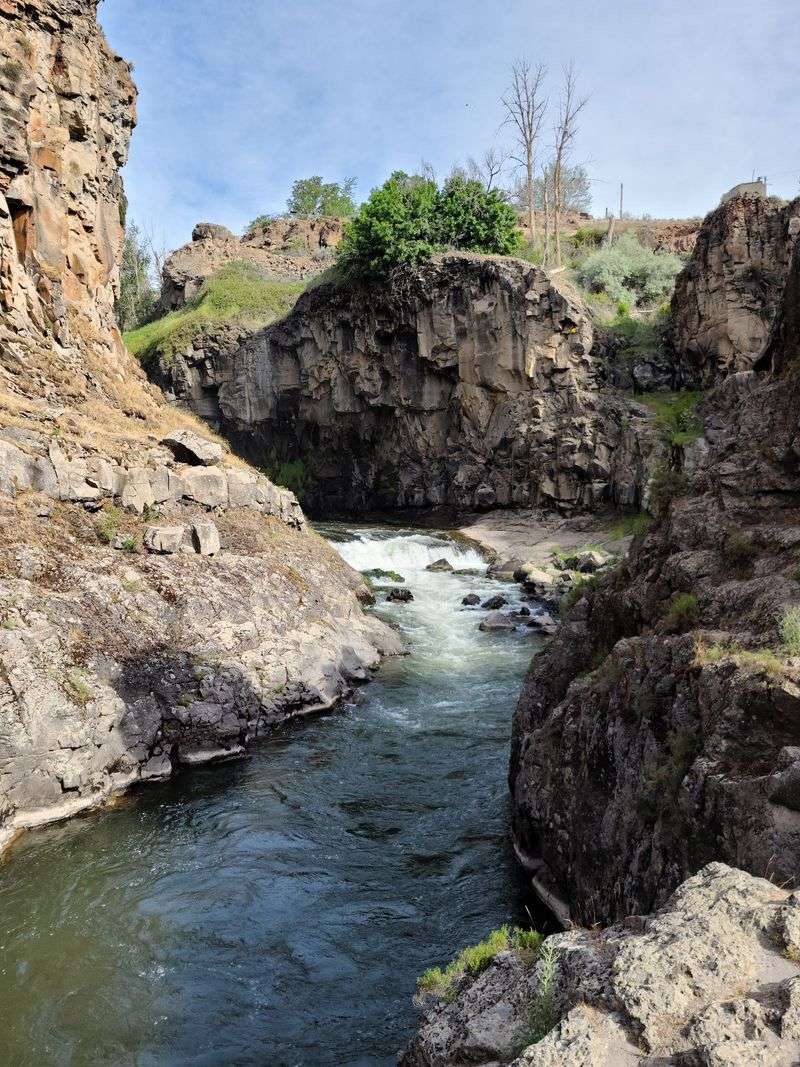
Most visitors stop at the main falls and powerhouse, missing a secret reward waiting just a quarter mile downstream. Continue past the ruins along the riverside trail, and you’ll discover additional cascades that locals call Celestial Falls.
These smaller waterfalls don’t match the main drop’s dramatic height, but they offer something equally valuable: solitude. Even on crowded summer days, few people make the extra effort to reach this peaceful spot.
The trail along the river winds through fascinating geology, showcasing the layered basalt formations that define this entire region. Taking time to study the rock walls reveals the story of massive lava flows that created this landscape millions of years ago.
Photographers particularly appreciate the varied compositions available here, with water flowing over rocks in multiple directions and canyon walls providing ever-changing backdrops. The magical quality of light filtering into this narrow section of canyon creates opportunities for stunning images that capture the park’s hidden character beyond its famous main attraction.
The Desert Plateau Contrast
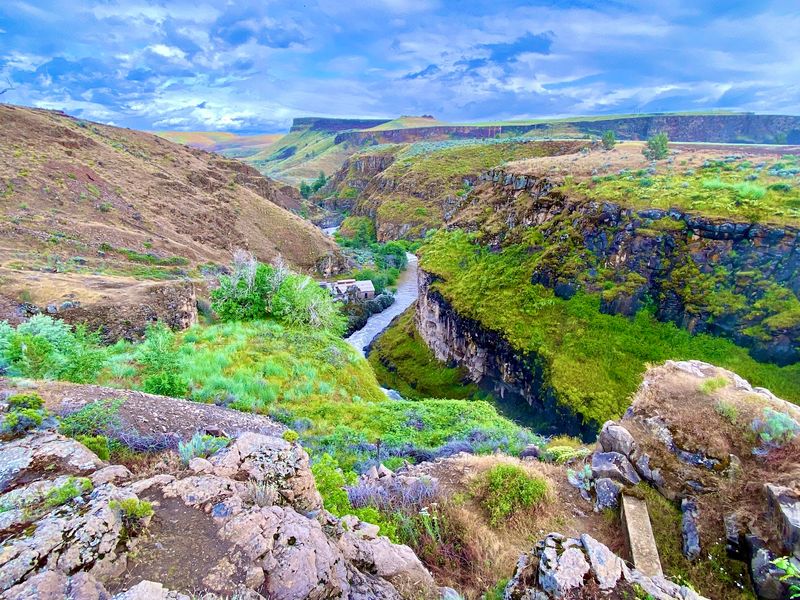
Driving to White River Falls State Park takes you through landscape that looks like it hasn’t seen rain in months. Sagebrush, dry grass, and rocky outcrops dominate the scenery for miles in every direction.
This stark environment makes the discovery of the waterfall even more dramatic. Your brain struggles to reconcile the bone-dry plateau with the thundering cascade hidden just out of sight in the canyon below.
The Columbia Plateau’s geology created this fascinating contrast through volcanic activity millions of years ago. Massive lava flows covered the region, and the White River carved its canyon through these layers over countless centuries, revealing the colorful rock strata visible today.
Understanding this geological history enhances your appreciation of what you’re seeing. The park represents a unique intersection of desert ecosystems and riparian environments, creating habitat diversity that supports surprising wildlife.
Keep your eyes open for ravens, hawks, and other birds that thrive in this transitional zone between dry uplands and the lush canyon corridor.
Excellent Picnic Facilities and Amenities
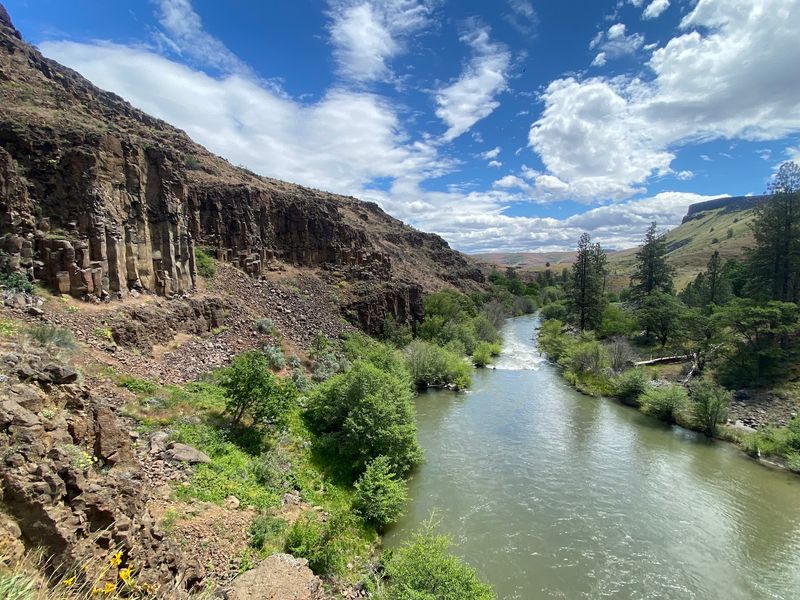
The park maintains well-kept picnic areas near the parking lot that offer spectacular views without requiring any hiking. Tables sit strategically positioned to capture canyon vistas while providing shade during hot afternoons.
Clean restroom facilities exceed expectations for a remote state park, with regular maintenance keeping them in good condition during peak season. During winter months, portable toilets replace the main facilities, but they’re cleaner than average and include accessible options.
A camp host stays on-site during busy periods, helping visitors and ensuring the park remains clean and safe. Their presence adds a welcoming touch that makes first-time visitors feel comfortable asking questions.
Parking fills up quickly on summer weekends, often reaching capacity by late morning. Arriving before 10 AM guarantees a good spot and allows you to enjoy the falls before crowds arrive.
The park charges no day-use fee currently, making it an excellent value for families looking for affordable outdoor adventures that deliver memorable experiences without breaking the budget.
Pet-Friendly Trail Access
Four-legged family members are welcome at White River Falls State Park, provided they stay on leash. Dogs seem to love the adventure of descending into the canyon, though the steep trail challenges smaller breeds.
The rocky terrain can be tough on paw pads, so consider protective booties if your dog isn’t accustomed to rugged surfaces. Bringing extra water for your pet is essential since the exposed trail offers no shade or natural water sources until you reach the bottom.
Most visitors report positive experiences hiking with dogs here, noting that the trail’s difficulty naturally limits crowds and provides space for everyone. However, occasional off-leash dogs do appear despite park rules, so keep your pet close if they’re reactive to other animals.
The swimming hole at the bottom makes a perfect reward for dogs who enjoy water. Many canine visitors love splashing in the shallows to cool off after the hot descent, then lounging on the rocky beach while their humans explore the powerhouse ruins and surrounding area.
Seasonal Variations and Best Times to Visit
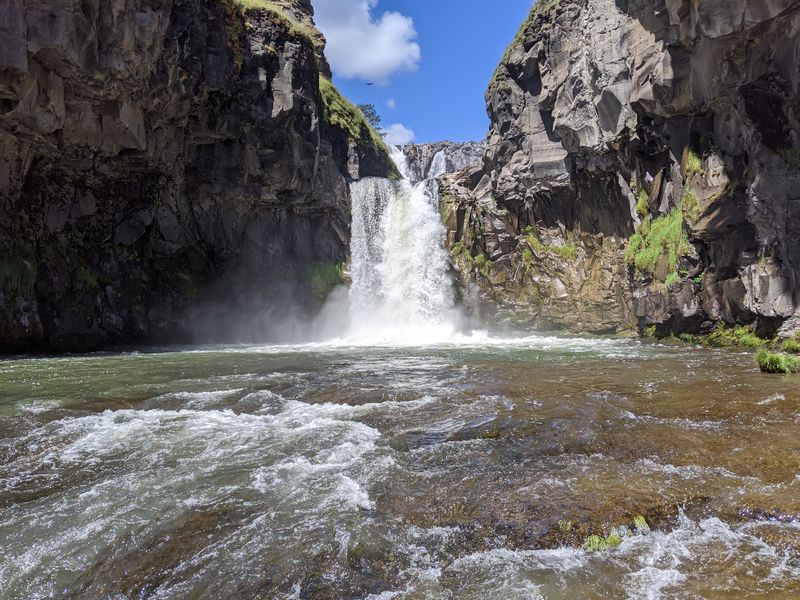
Spring brings the most impressive water volume when snowmelt from the Cascade Mountains feeds the White River. April and May typically showcase the falls at peak power, with thundering cascades that spray mist across wide areas of the canyon.
Summer offers the best swimming conditions as air temperatures soar into the 90s, making that cold water irresistible. The trade-off is lower water flow and more crowded conditions, especially on weekends and holidays when parking becomes extremely limited.
Fall provides a sweet spot for many visitors, combining moderate temperatures with decent water flow and fewer crowds. The canyon walls sometimes display subtle color changes as vegetation responds to cooler weather.
Winter access requires parking at the entrance gate and walking through the campground since the main lot closes seasonally. The falls maintain their beauty year-round, and winter visits offer near-total solitude.
Just be prepared for cold temperatures and potentially icy conditions on the steep trail that make the descent more treacherous than during warmer months.
Easy Upper Viewpoint Access
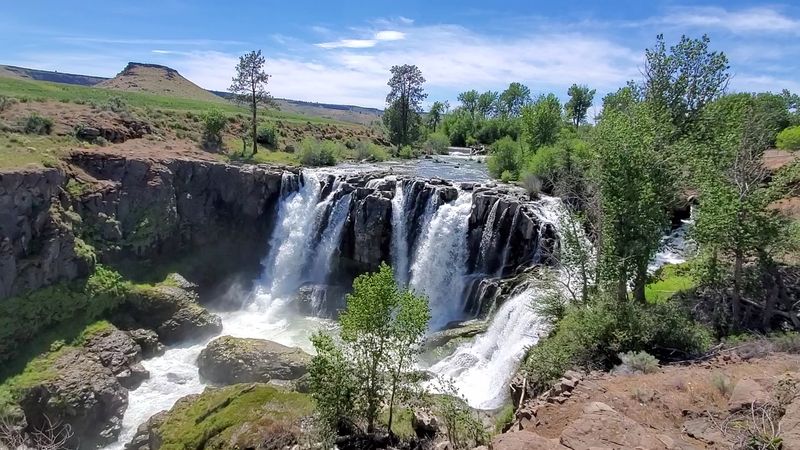
Not everyone needs to tackle the steep canyon trail to enjoy White River Falls. The upper viewpoint sits just steps from the parking area, connected by a short paved path that’s accessible to wheelchairs and strollers.
This easy access makes the park perfect for visitors with mobility limitations, elderly family members, or anyone who simply prefers enjoying natural beauty without strenuous hiking. The views from above are genuinely spectacular, offering a bird’s-eye perspective of the entire cascade.
A short paved trail extends along the canyon rim to the old holding area where water was diverted to the powerhouse below. This gentle walk provides additional perspectives and photo opportunities without requiring any climbing or difficult terrain navigation.
Families with very young children particularly appreciate having this option, allowing everyone to experience the waterfall’s majesty without worrying about safety on the steep descent. The roar of falling water, the cooling mist, and the dramatic scenery all remain fully accessible from these upper areas, proving that sometimes the best views don’t require the hardest work.
Share this story