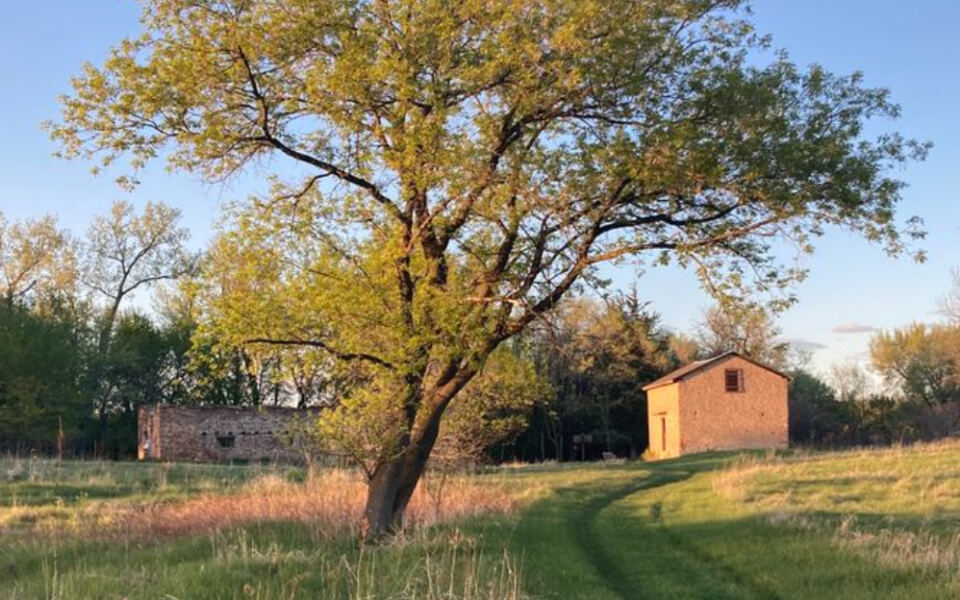
Most people know Bloomington, Minnesota as the home of the Mall of America and a sprawling suburban landscape. But tucked along the bluffs of the Minnesota River Valley, there is a place that tells a completely different story.
A weathered farmstead from the 1880s still stands quietly on the land, surrounded by trails, native trees, and open sky. It is a rare, almost startling reminder that before the highways and parking lots, this corner of Minnesota was rich farmland worked by real families with deep roots.
A Farmstead Frozen in the 1880s
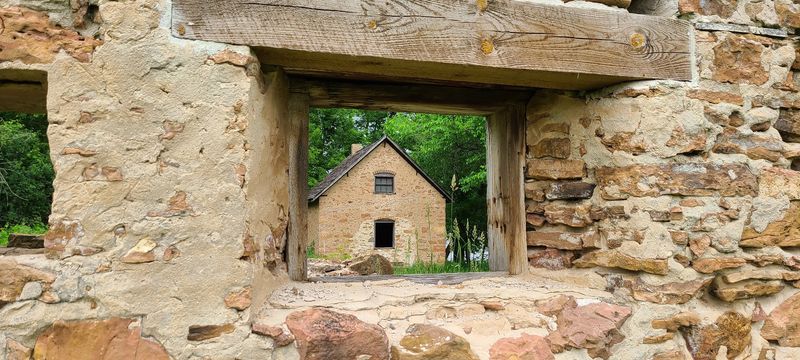
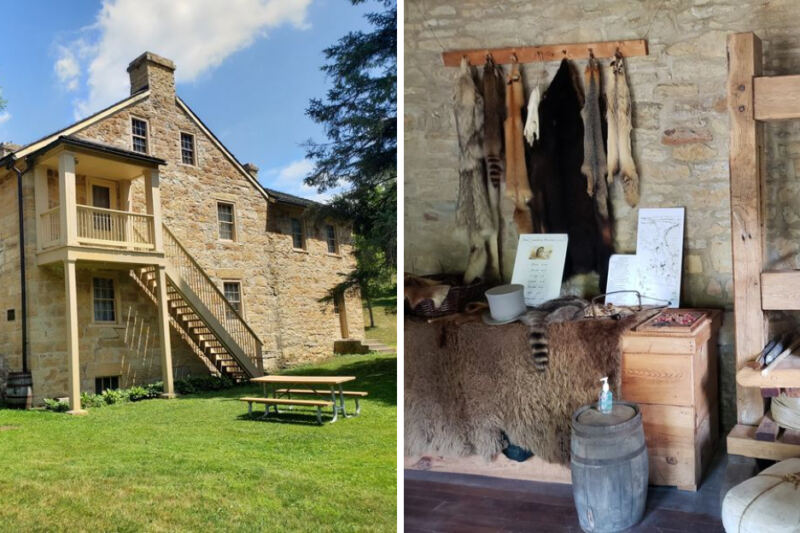
There is something genuinely surprising about rounding a bend on a wooded trail and suddenly finding yourself face to face with farm buildings that look like they belong in a different century. That is exactly what happens when you reach the Historic 1880 Jabs Farmstead, located at 3815 American Blvd E, Bloomington, MN 55425.
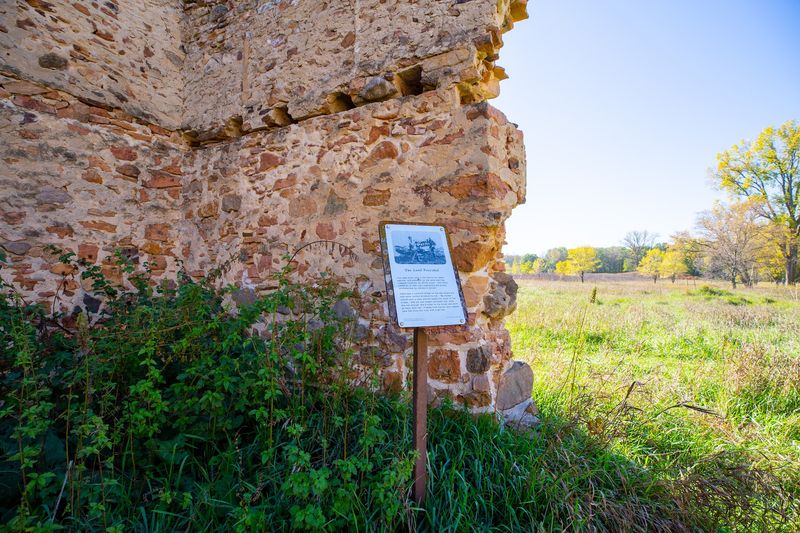
The farmstead preserves original structures from the late 1800s, offering visitors a tangible connection to the agricultural history of the Minnesota River Valley. Standing there, you can almost hear the work and daily life that once filled the property.
What makes this place so striking is its context. You are in Bloomington, a city better known for big-box retail and airport traffic, yet this land holds onto its past with quiet stubbornness.
The contrast alone is worth the hike out to see it.
Who Were the Jabs Family
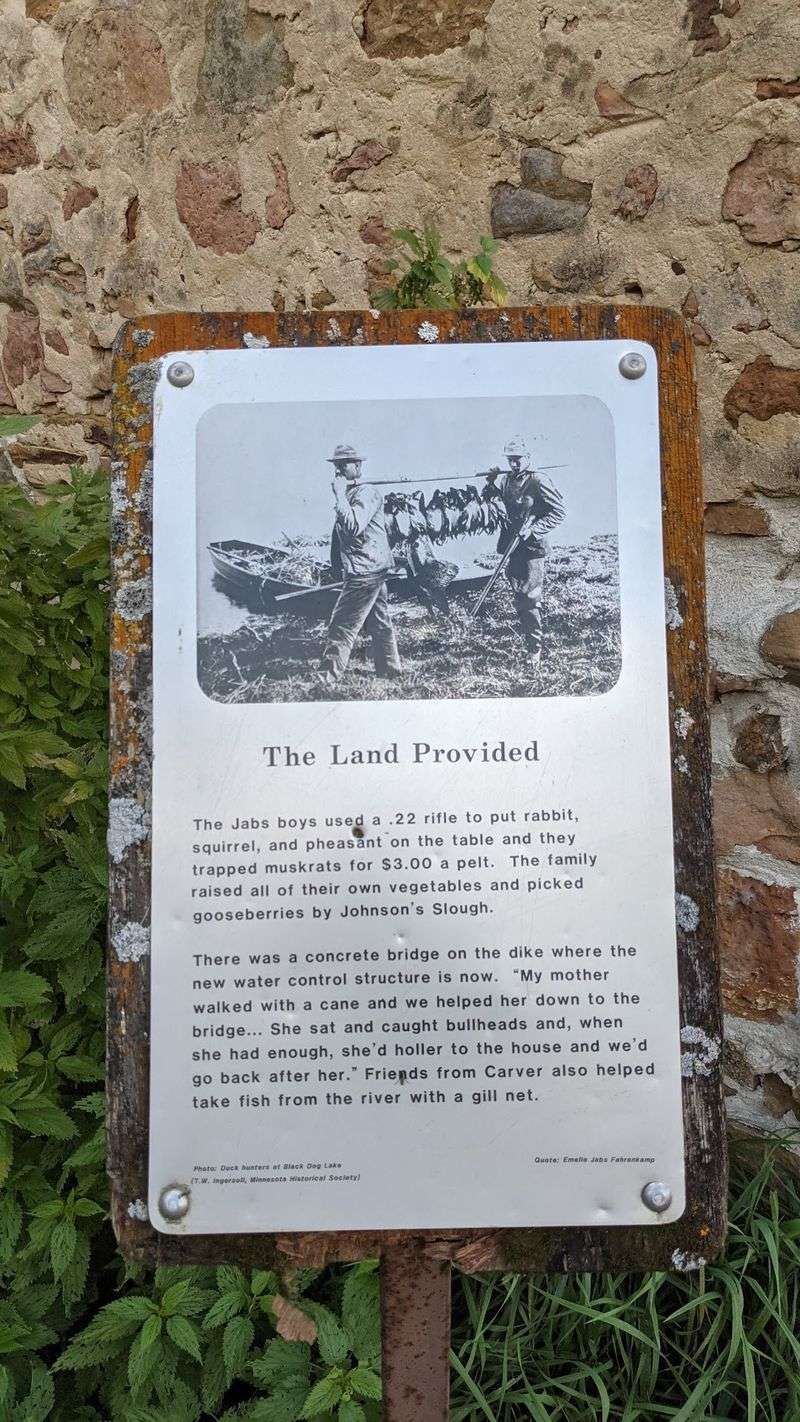
Before the suburbs pushed outward and concrete replaced cropland, families like the Jabs worked this stretch of the Minnesota River Valley. Their farmstead dates to the 1880s, making it one of the older surviving agricultural sites in the Bloomington area.
The Jabs family represents the kind of hardworking immigrant and settler communities that shaped early Minnesota. Their presence on this land for generations left behind not just buildings, but a legacy that the surrounding natural area now helps protect and honor.
Learning even a little about who lived here adds real meaning to the visit. The farmstead is not just a collection of old wood and stone.
It is a record of how people lived, farmed, and built a life along one of Minnesota’s most historically significant river valleys. That human story gives the whole site a weight that a typical park simply cannot replicate.
The Minnesota River Valley Setting
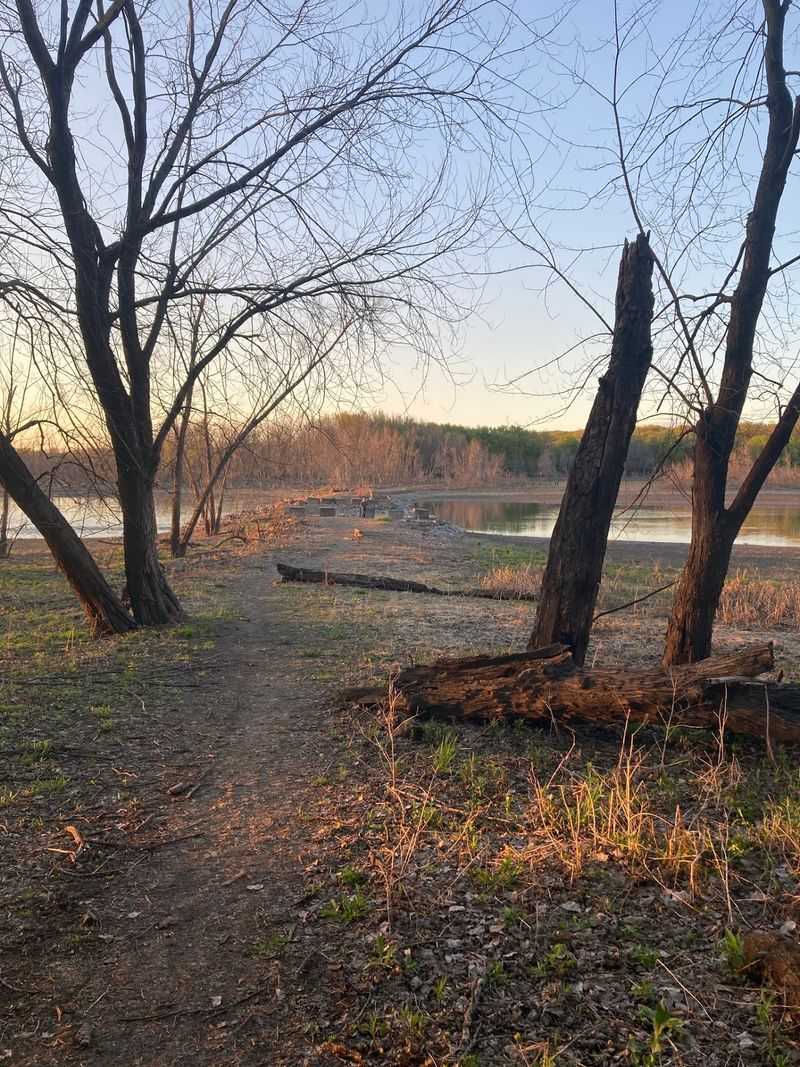
The farmstead does not sit in isolation. It is woven into the broader landscape of the Minnesota River Valley, a region defined by dramatic bluffs, dense woodland, and the wide, slow-moving river below.
The valley has been a corridor for wildlife and people for thousands of years.
Arriving at the farmstead means passing through this landscape first, which sets the mood perfectly. The trail winds through trees and opens onto elevated views that remind you just how geologically significant this valley really is.
The bluffs here rise sharply above the river floodplain, and in certain seasons the views stretch for considerable distances. Even seasoned hikers who visit the area regularly tend to pause at the higher vantage points.
The valley frames the farmstead in a way that makes the whole experience feel more complete, like the land and the history are telling the same story together.
Getting There Is Part of the Adventure
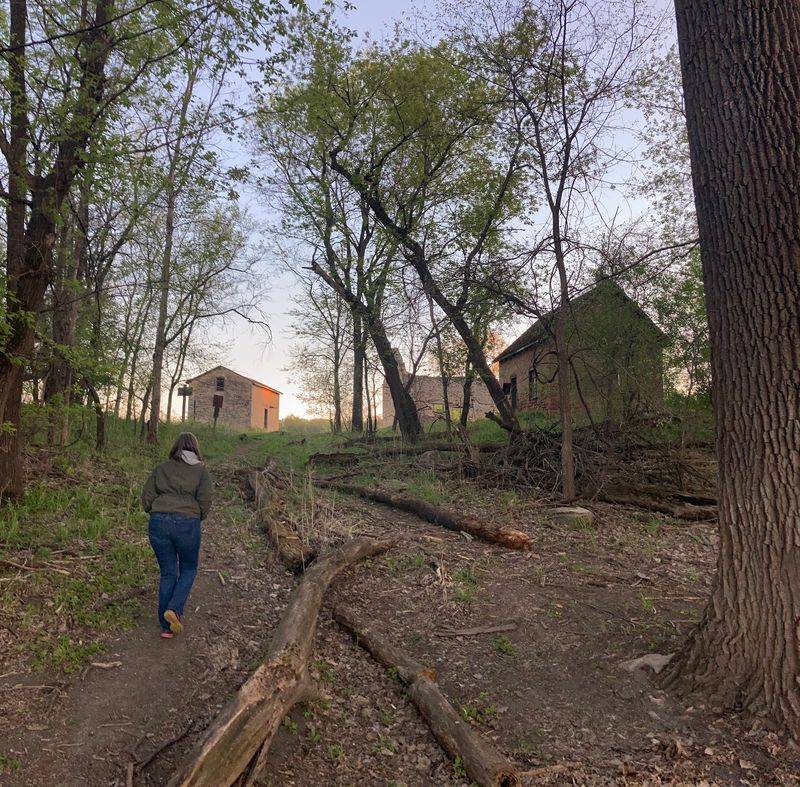
Reaching the Jabs Farmstead is not as straightforward as pulling into a parking lot and strolling fifty feet. The trailhead access can be a little tricky to navigate depending on which route you choose, and some visitors have noted that the map does not always match the reality on the ground.
One popular approach involves starting near a large boulder landmark and hiking up from there. The terrain can be a bit uneven, which actually adds to the sense of discovery rather than detracting from it.
This is not a place you stumble into accidentally.
The effort required to get there naturally filters out casual passersby, which means the farmstead tends to feel quiet and unhurried when you arrive. Wearing sturdy footwear and carrying water is a smart move.
The trail rewards those who come prepared with a sense of genuine exploration rather than a simple sightseeing stop.
Buildings Open to Explore
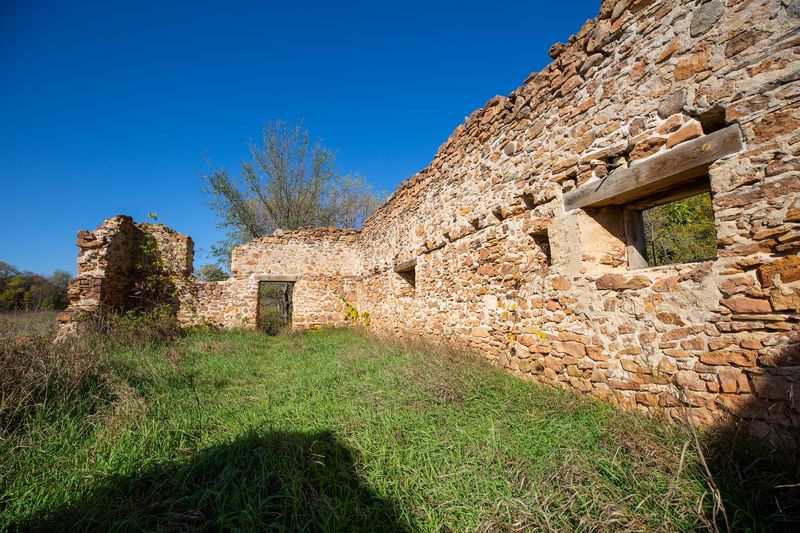
One of the more unexpected details about this site is that the farm buildings have reportedly been open for visitors to look inside. That kind of direct access to a nineteenth-century structure is genuinely rare at most historic sites, where roped-off barriers keep you at a respectful but frustrating distance.
Being able to step inside and look around changes the experience entirely. Old farm buildings carry a particular atmosphere, a combination of dim light, aged wood, and the faint sense of lives once lived within those walls.
It is hard to replicate that feeling anywhere else.
Visitors who have made the trip more than once often say discovering details like carved dates in stone or weathered architectural features keeps the place feeling fresh on return visits. There always seems to be something new to notice when you slow down and actually look carefully at what surrounds you.
The Carved Date in the Rock
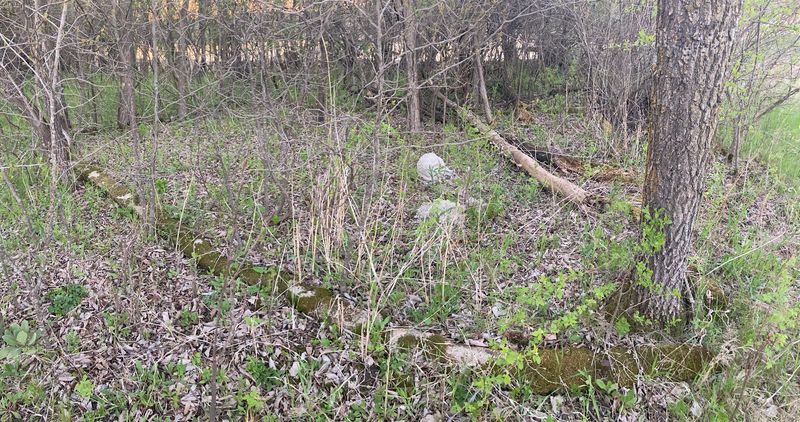
Among the small discoveries waiting at and around the Jabs Farmstead, a date carved directly into the rock stands out as one of the most memorable. Finding it feels a little like solving a puzzle, and visitors who know to look for it tend to feel a genuine sense of satisfaction when they spot it.
Carved inscriptions like this connect you to the people who were here long before you. Someone took the time to mark this land permanently, and that simple act carries surprising emotional weight when you encounter it in person.
Details like this are exactly why the farmstead rewards visitors who take their time rather than rushing through. The site is full of small, specific things that do not announce themselves loudly.
You have to be present and attentive, which is honestly a refreshing change from the kind of loud, obvious attractions that dominate most of Bloomington’s landscape.
Hiking Trails That Surround the Site
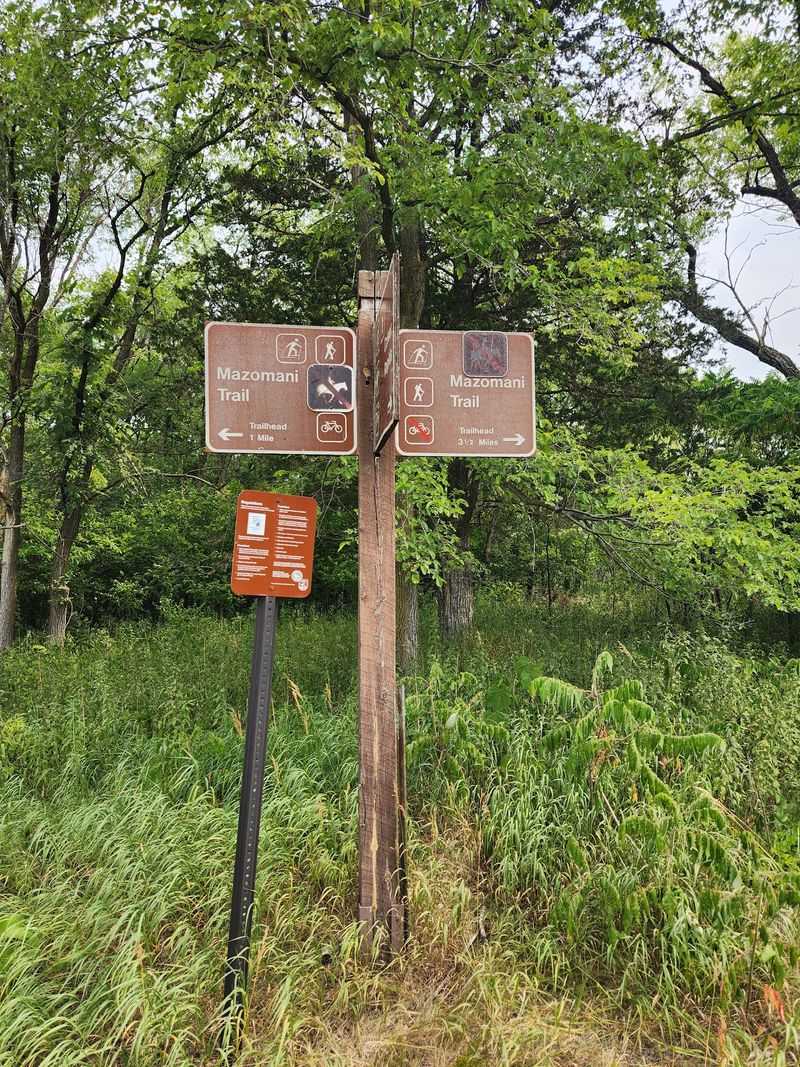
The farmstead sits within a larger network of trails that range from short, easy walks to longer routes stretching six miles or more depending on which paths you connect. That flexibility makes the area accessible to a wide range of visitors, from families with young kids to serious trail runners.
The terrain shifts noticeably as you move through different sections. Some stretches follow the bluff edge with open views, while others drop down into denser woodland where the light filters through the canopy in ways that feel almost cinematic during the right seasons.
Bird watching is particularly rewarding along these trails, with the river valley acting as a natural migration corridor. Bring binoculars if that is your thing.
Even if it is not, the combination of varied terrain, natural beauty, and historical destination at the endpoint makes for one of the more satisfying outdoor experiences the greater Bloomington area has to offer.
Wildlife and Bird Watching Along the Valley
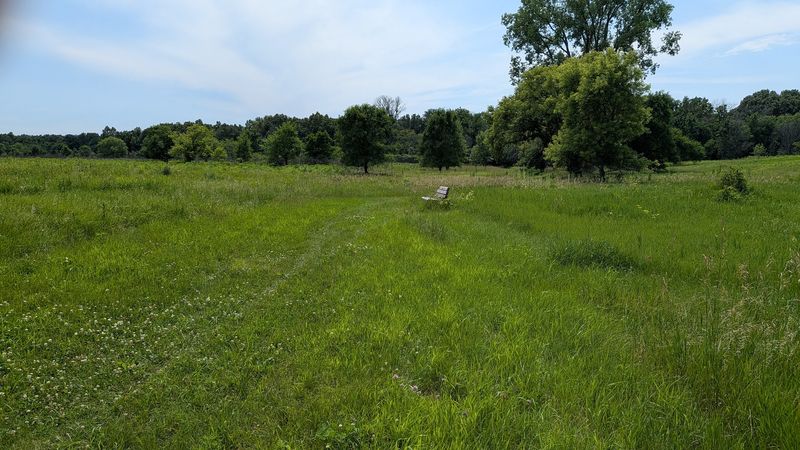
The Minnesota River Valley is one of the most important wildlife corridors in the upper Midwest, and the area around the Jabs Farmstead benefits directly from that ecological richness. The river valley funnels migratory birds through the region each spring and fall, making sightings both frequent and varied.
Warblers, raptors, waterfowl, and woodland species all use this corridor regularly. Even on a quiet weekday visit, the sounds of the natural world are present in a way that feels noticeably different from the suburban environment just a short distance away.
The farmstead’s open fields and adjacent tree lines create ideal habitat edges where wildlife tends to concentrate. Whether you arrive with a field guide and binoculars or simply keep your eyes open as you walk, there is a good chance you will encounter something worth stopping for.
The valley has a way of rewarding patience in ways that feel genuinely satisfying rather than accidental.
Visiting in Winter Brings a Different Kind of Beauty
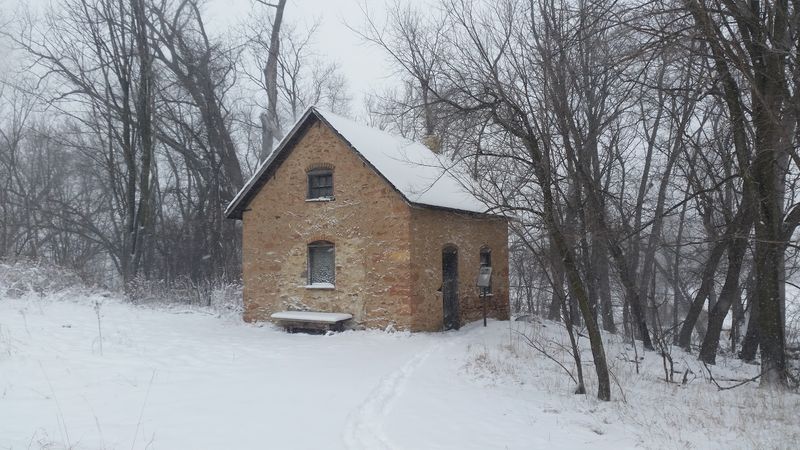
Most people think of outdoor historical sites as warm-weather destinations, but the Jabs Farmstead has a genuinely different character in winter that is worth experiencing on its own terms. Snow on the bluffs and bare trees along the trail create a stark, quiet atmosphere that feels almost meditative.
The lack of foliage in winter actually opens up views that are obscured during the growing season. You can see further along the valley and get a clearer sense of the topography that makes this landscape so distinctive.
The old farm buildings look particularly evocative against a grey winter sky.
Trails in this area can be navigated on foot in winter conditions, and some visitors have explored the route on fat tire e-bikes, which handle the terrain well when snow is not too deep. Layering up and going anyway is a decision most people do not regret.
The farmstead in winter has a stillness that summer simply cannot match.
A Perfect Spot to Stop for Lunch
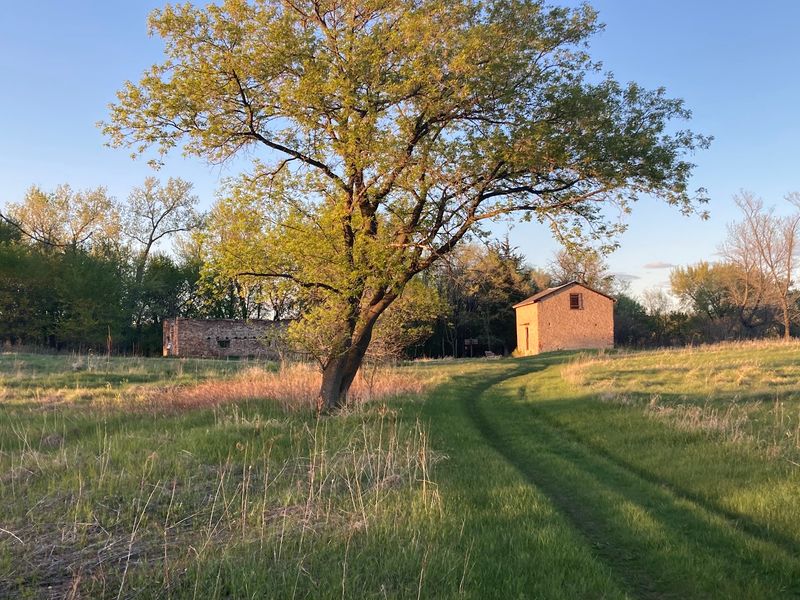
Once you reach the farmstead after the hike in, the open setting makes for a genuinely pleasant place to stop, sit down, and eat lunch. The combination of physical effort and fresh air tends to make even a simple packed meal feel like a real reward.
There are no trash cans on site, which is worth knowing before you head out. Pack out everything you bring in, and the site stays as clean and peaceful for the next visitor as it was for you.
That kind of shared responsibility keeps the place feeling special rather than worn down.
Sitting quietly at the farmstead with a view of the surrounding landscape and the old buildings nearby is one of those low-key travel moments that sticks with you longer than you expect. It is not dramatic or loud.
It is simply good, uncomplicated time spent in a place with real character and history all around you.
Why Locals Keep Coming Back
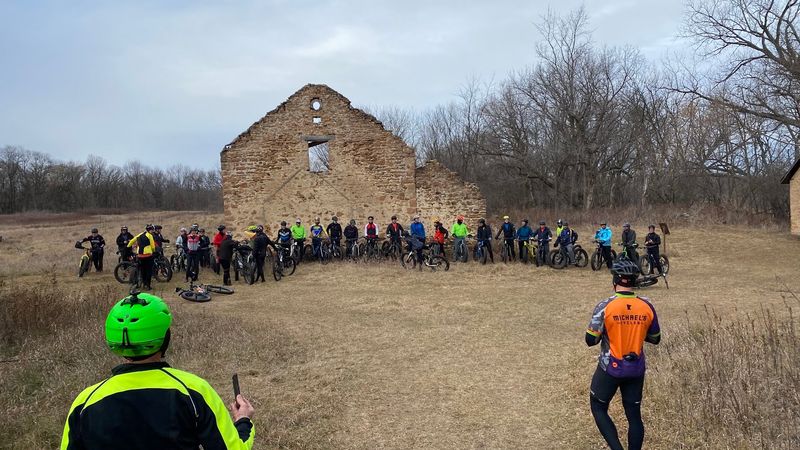
A site like the Jabs Farmstead tends to build a loyal following rather than drawing one-time tourists. People who find it once often return multiple times, sometimes with friends who have never heard of it, sometimes alone just to walk and think.
Part of the appeal is that the farmstead rewards repeated visits. Seasons change the character of the trail and the landscape dramatically.
What looks lush and green in July becomes golden and open in October, then stark and quiet by January. The farmstead itself reveals new details the more time you spend with it.
There is also something genuinely satisfying about knowing a place like this exists within a city most people associate with commercial development. Finding it feels like discovering a different version of Bloomington, one that predates the suburbs by a century and carries the kind of quiet authenticity that is increasingly hard to find close to home.
What to Know Before You Go
A little preparation goes a long way when visiting the Jabs Farmstead. The site is not a developed park with clear signage at every turn, so downloading a trail map or using a reliable navigation app before you leave the car is genuinely helpful rather than optional.
Wear footwear with good grip since the terrain includes uneven ground and can be slippery in wet or icy conditions. Bring water regardless of the season, and pack out any trash since there are no bins on site.
Keeping the area clean is part of what makes it worth visiting in the first place.
The farmstead connects naturally to the broader Minnesota Valley National Wildlife Refuge trail system, so adventurous visitors can extend their outing considerably if time allows. Whether you go for a quick look or a full afternoon on the trails, the Jabs Farmstead delivers something genuinely memorable for a place most Bloomington residents have never even heard of.
Share this story