Somewhere in the far northeast corner of Oregon, tucked against a wall of jagged peaks, sits a place most travelers drive right past on their way to somewhere flashier. But the ones who stop find bronze figures lining the sidewalks, a lake the color of a summer sky, and mountains that look almost too dramatic to be real.
It feels like a secret the rest of the world hasn’t caught onto yet. If you love finding corners of Oregon that reward the drive, this one belongs at the top of your list.
A Small City With a Big Mountain Backdrop
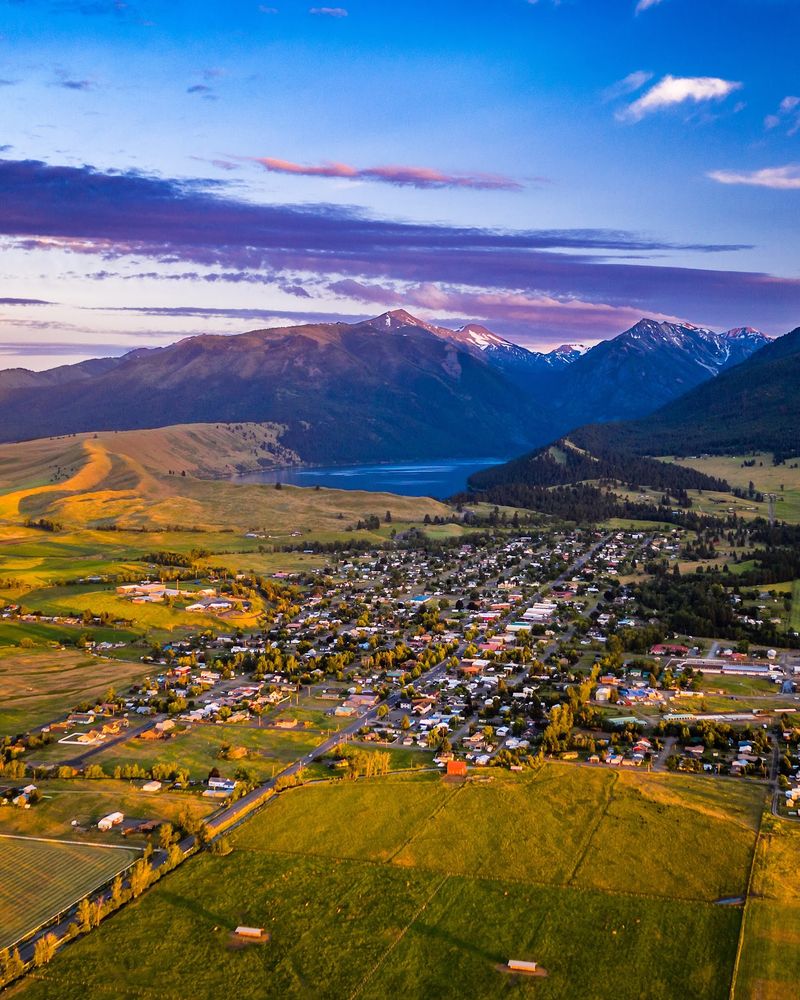
Wedged into Wallowa County in Oregon’s far northeast, Joseph is the kind of city you reach on purpose, not by accident. The 2020 census counted just 1,154 residents, which makes it feel more like a friendly neighborhood than a full city.
The Wallowa Mountains loom over everything here, their peaks catching light in a way that makes the whole valley glow. Locals sometimes call the range the Oregon Alps, and one look explains why.
What sets the town apart isn’t its size but its character. Bronze sculptures line the sidewalks, and a lake nearby holds a shade of blue that seems almost impossible.
For an Oregonian tired of crowded coast towns, this quiet pocket feels like a reward for going the extra distance.
Named for a Nez Perce Leader
Before it settled on its current name, the town went by Silver Lake and then Lake City. Neither stuck for long.
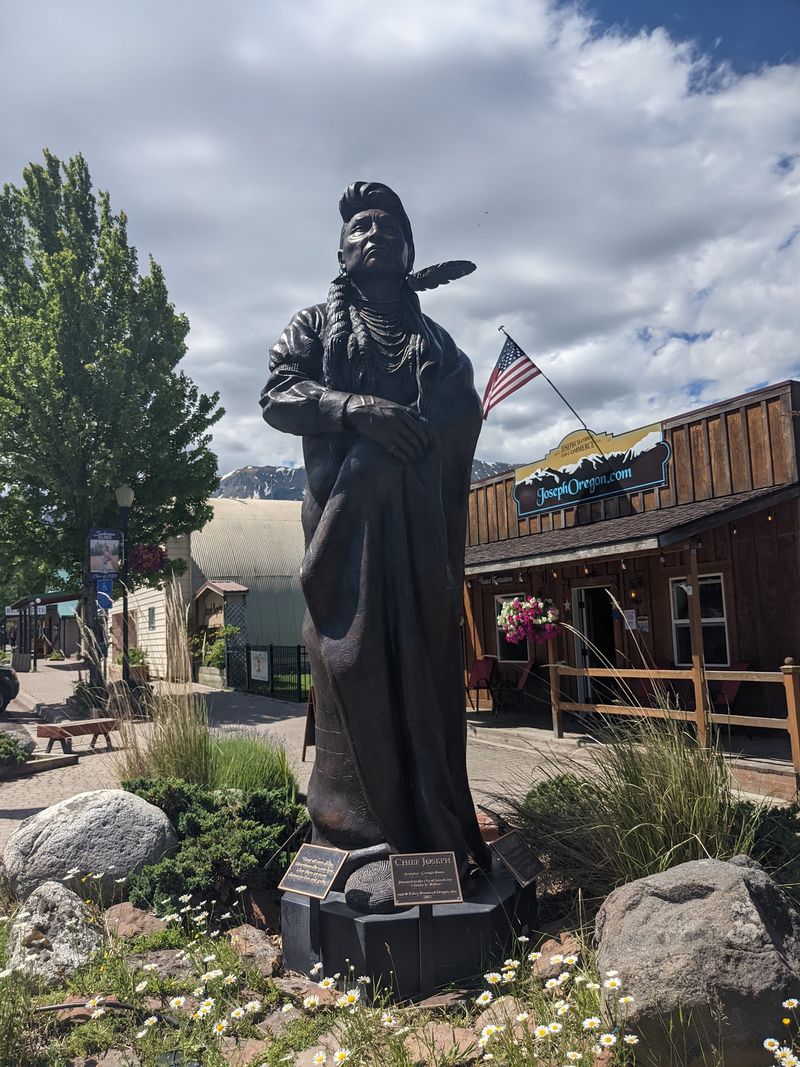
In 1880, residents formally chose the name Joseph to honor Chief Joseph of the Nez Perce people, whose ancestral homeland spread across this valley. That decision tied the town’s identity to a story far older than any storefront on its streets.
Walking around today, you feel that history in the quiet respect the place carries. It’s woven into the landscape rather than shouted from banners.
For anyone curious about the deeper roots of eastern Oregon, the name itself is a doorway worth stepping through.
Bronze Figures Outnumbering the People
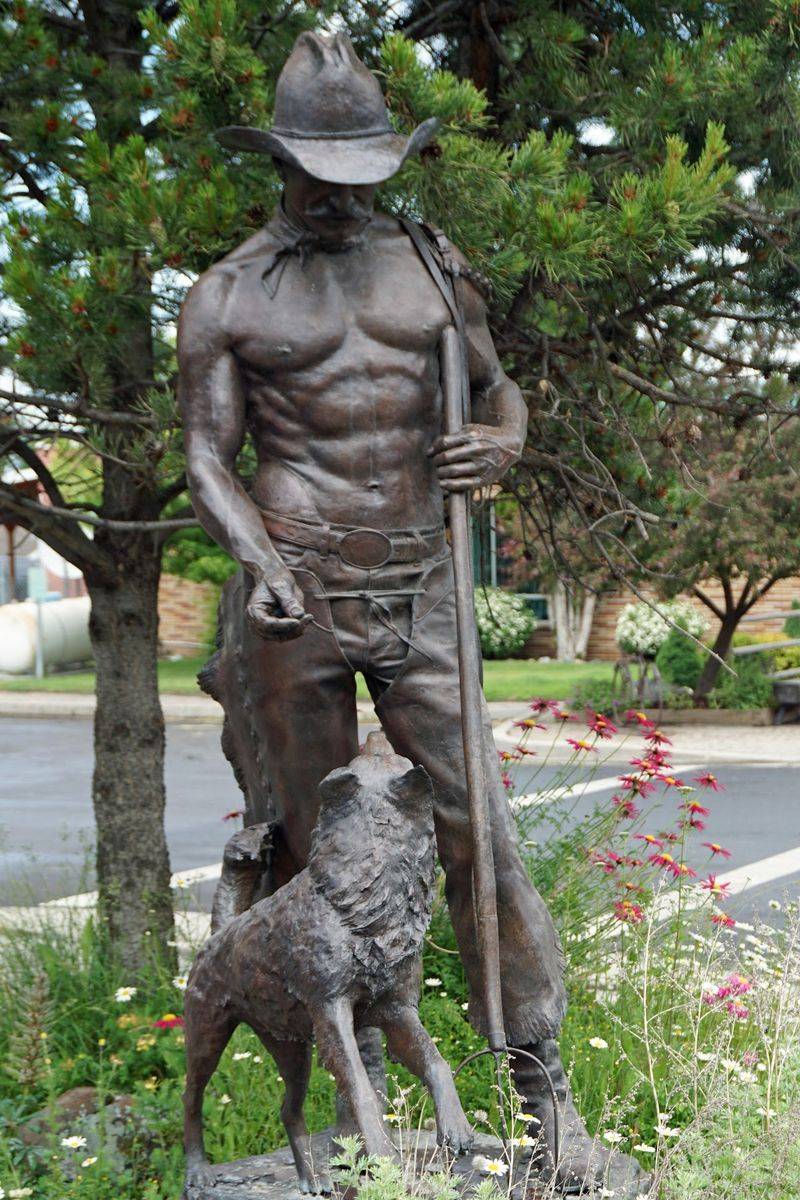
Stroll the main drag and you’ll quickly lose count of the bronze figures standing guard along the sidewalks. Horses, wildlife, historical figures, and everyday scenes all appear in gleaming metal, frozen mid-motion.
The sheer number of them is the town’s calling card. With a population barely over a thousand, the sculptures feel like a second population that never leaves and never complains.
Foundries and galleries here have turned casting bronze into a genuine local craft, drawing artists and collectors who appreciate the work. You can wander from one piece to the next at your own pace, no ticket required.
It’s an open-air gallery where the mountains serve as the ceiling.
That Almost Painfully Blue Lake
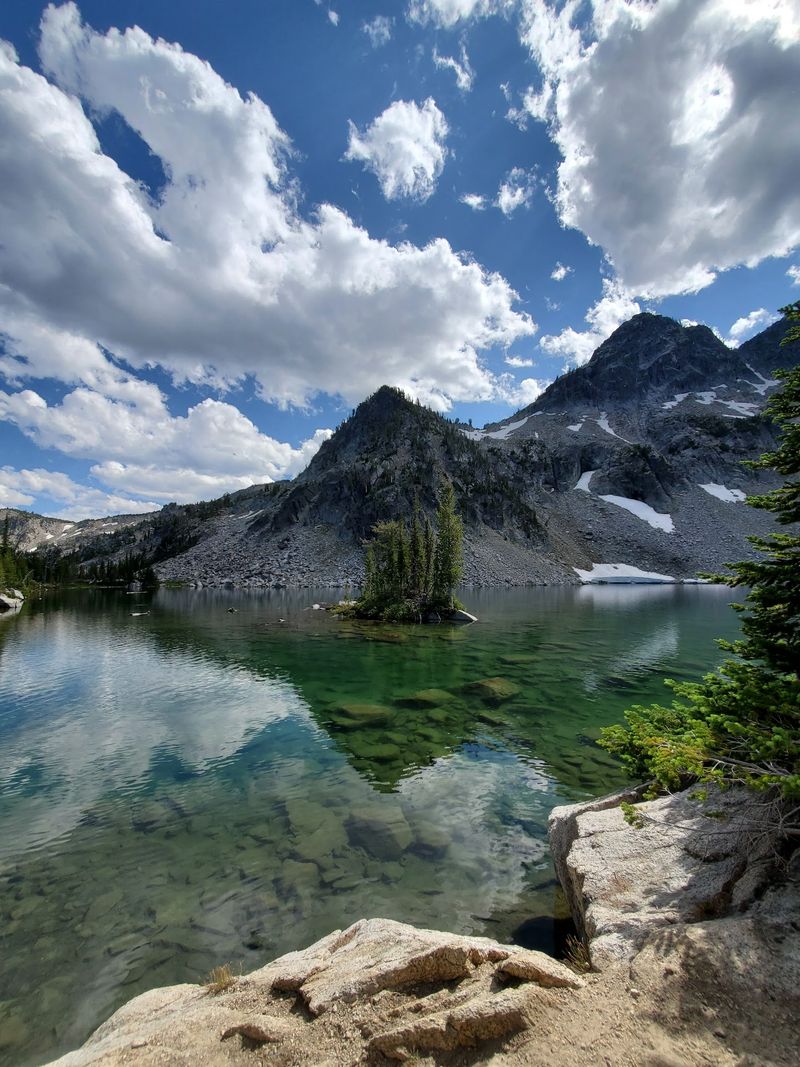
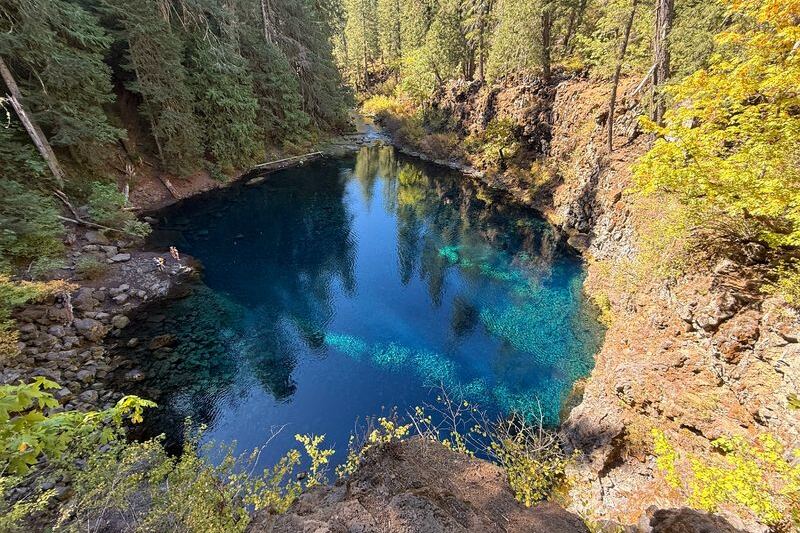
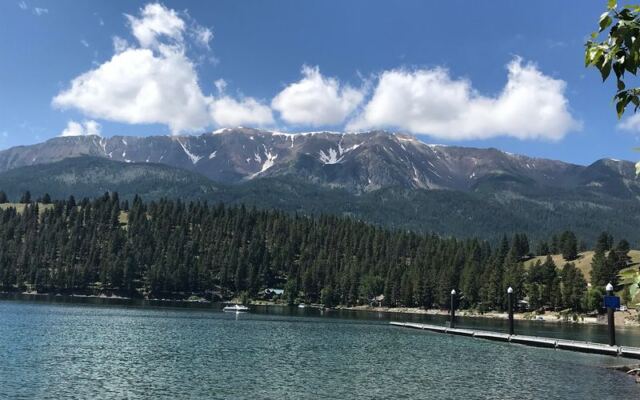
Just south of town, the water waits. Wallowa Lake sits in a glacier-carved basin, and its color on a clear day is so vivid it almost makes you squint.
The blue comes alive when the surrounding peaks reflect off the surface, doubling the drama in a single glance. Photos never quite capture it, which is part of the fun of seeing it yourself.
Families paddle along the shore, hikers rest at its edge, and quiet mornings here feel like a private showing. On calm days the reflection is so sharp the mountains seem to grow straight out of the water.
It’s the kind of view that stops conversation mid-sentence.
A Tramway Ride Into the Clouds
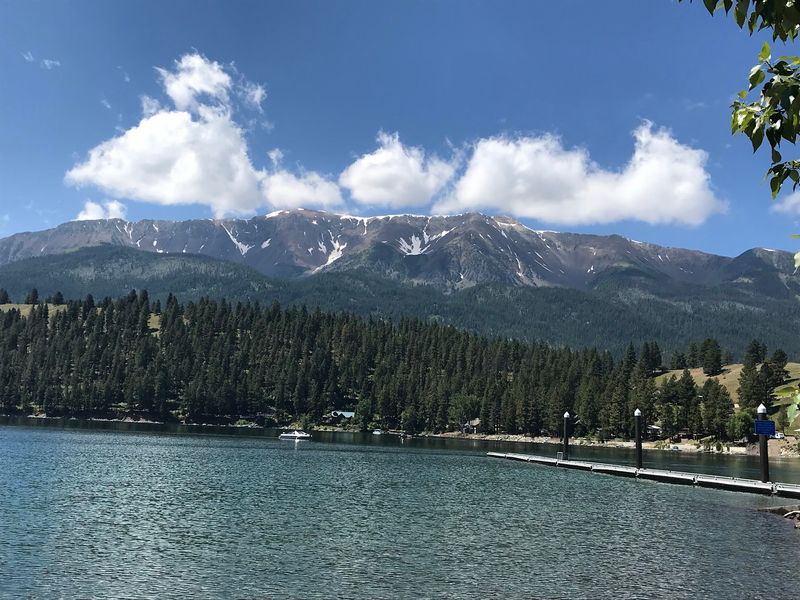
Craving a view that stretches into three states? The nearby aerial tramway climbs steeply up Mount Howard, lifting riders thousands of feet above the valley floor.
The gondola glides over dense forest as the lake shrinks below into a bright blue coin. At the top, walking trails loop past overlooks where the horizon seems to go on forever.
Riders often mention that the ascent alone is worth the trip, with the temperature dropping and the air sharpening the higher you go. Bring a jacket even in summer, because mountain-top breezes carry a bite.
It’s a fast way to trade valley heat for alpine calm.
Galleries and Working Foundries
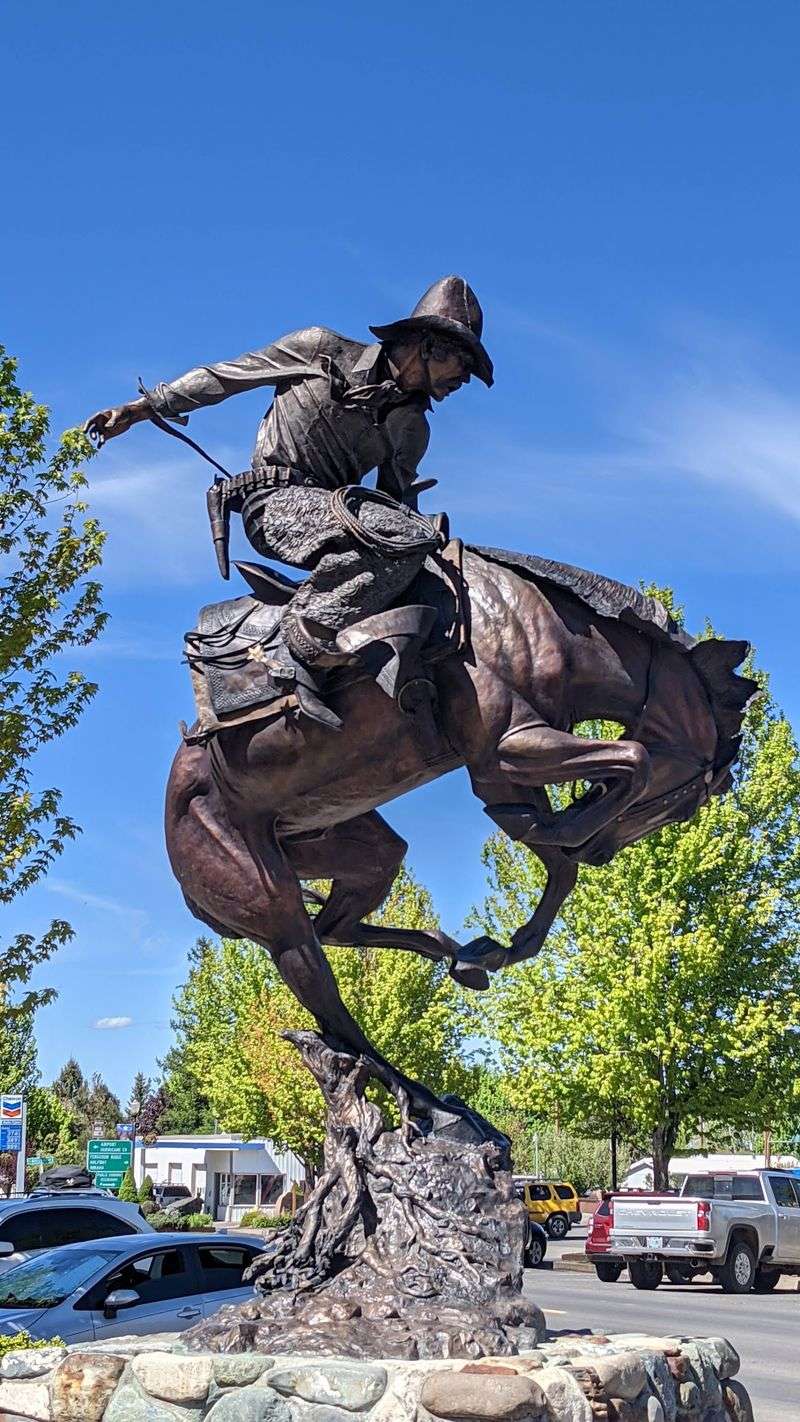
Art isn’t a sideshow here, it’s the main event. Small galleries and working foundries fill several storefronts, giving visitors a peek at how raw metal becomes a finished figure.
You can watch craftspeople shape molds and pour molten bronze, a process that feels equal parts science and magic. The results end up scattered across the country, but they start right here in this little valley.
Regulars and repeat visitors often say the artists are happy to chat about their work. That openness turns a quick browse into a real conversation about craft and patience.
Few towns this size can claim such a concentration of creative talent.
Trailheads Into the Eagle Cap Wilderness
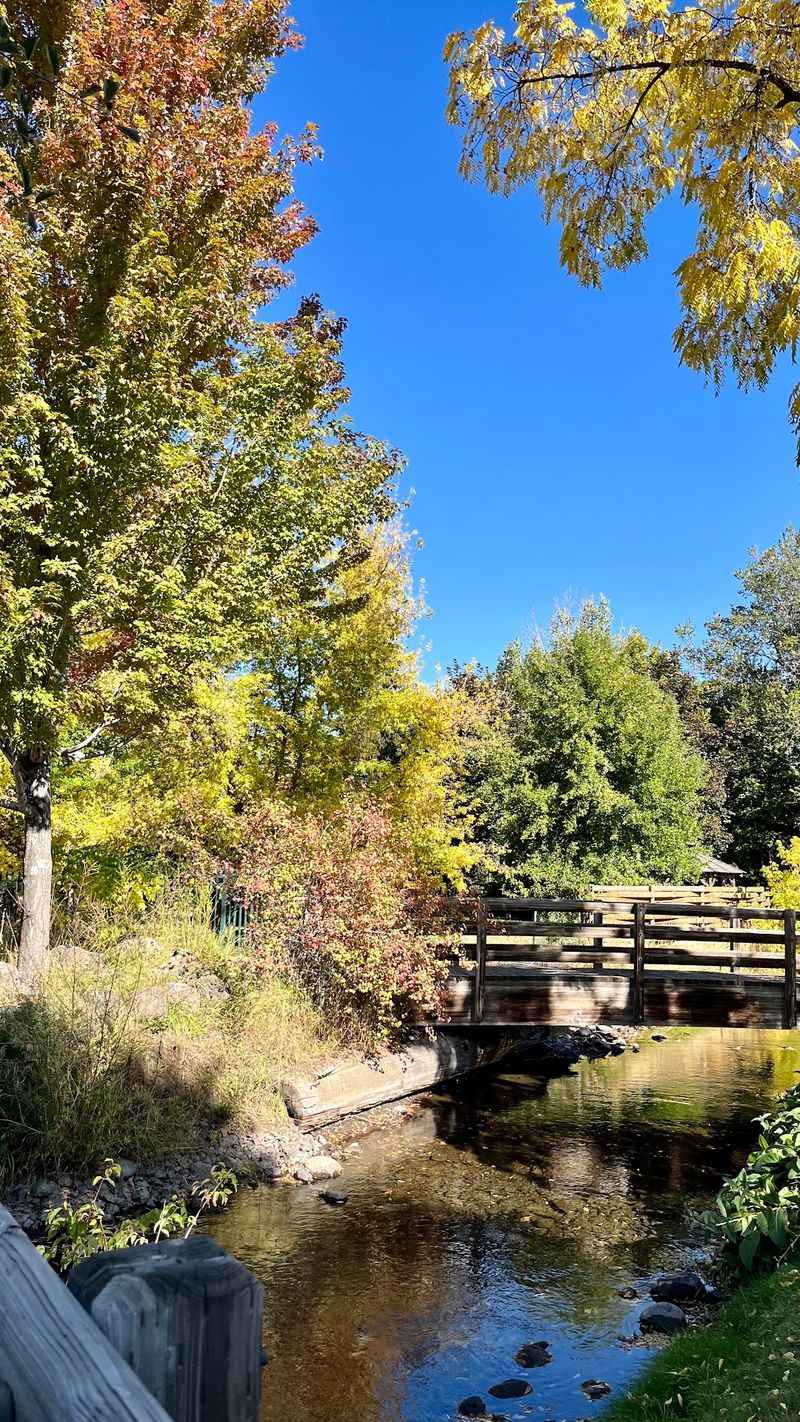
For anyone who measures a good trip in miles walked, this area delivers. The Eagle Cap Wilderness spreads out beyond the lake, offering some of the most rugged and beautiful backcountry in the state.
Trails climb past alpine meadows, granite basins, and creeks fed by melting snow. Day hikers and multi-day backpackers alike find routes that match their ambition.
Late spring paints the lower meadows with wildflowers, while summer opens the higher passes for those willing to earn the view. Wildlife sightings are common for patient walkers who keep quiet.
Come prepared, because the wilderness here is genuine and remote.
A Downtown That Invites Slow Wandering
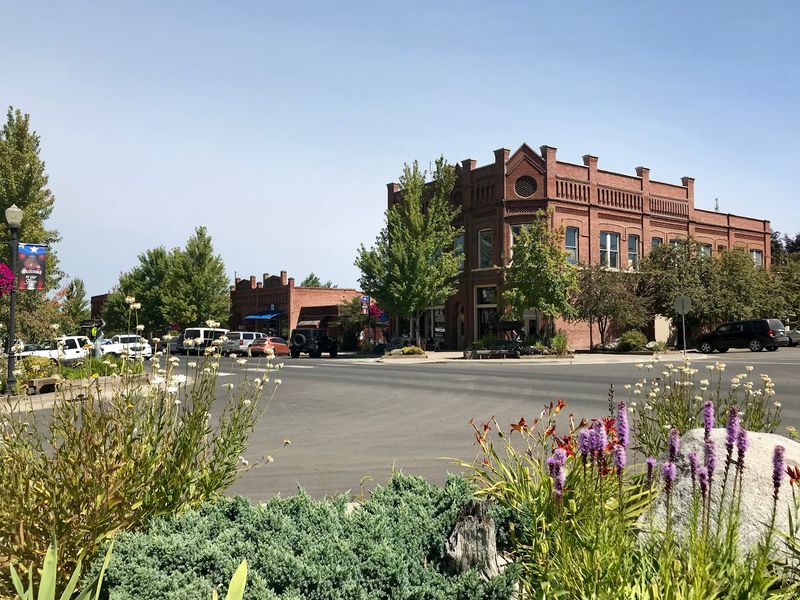
Nobody’s in a rush here, and that’s exactly the point. The compact downtown rewards people who slow down, poke into shops, and linger over a coffee while the mountains watch from every direction.
Boutiques, bookshops, and cafes fill old brick buildings, each with its own personality. You won’t find sprawling chains crowding the sidewalks.
Visitors frequently note how easy it is to park, walk everywhere, and strike up a conversation. That unhurried rhythm is a big part of the charm.
It’s a place built for aimless afternoons rather than tight schedules.
Seasons That Change the Whole Mood
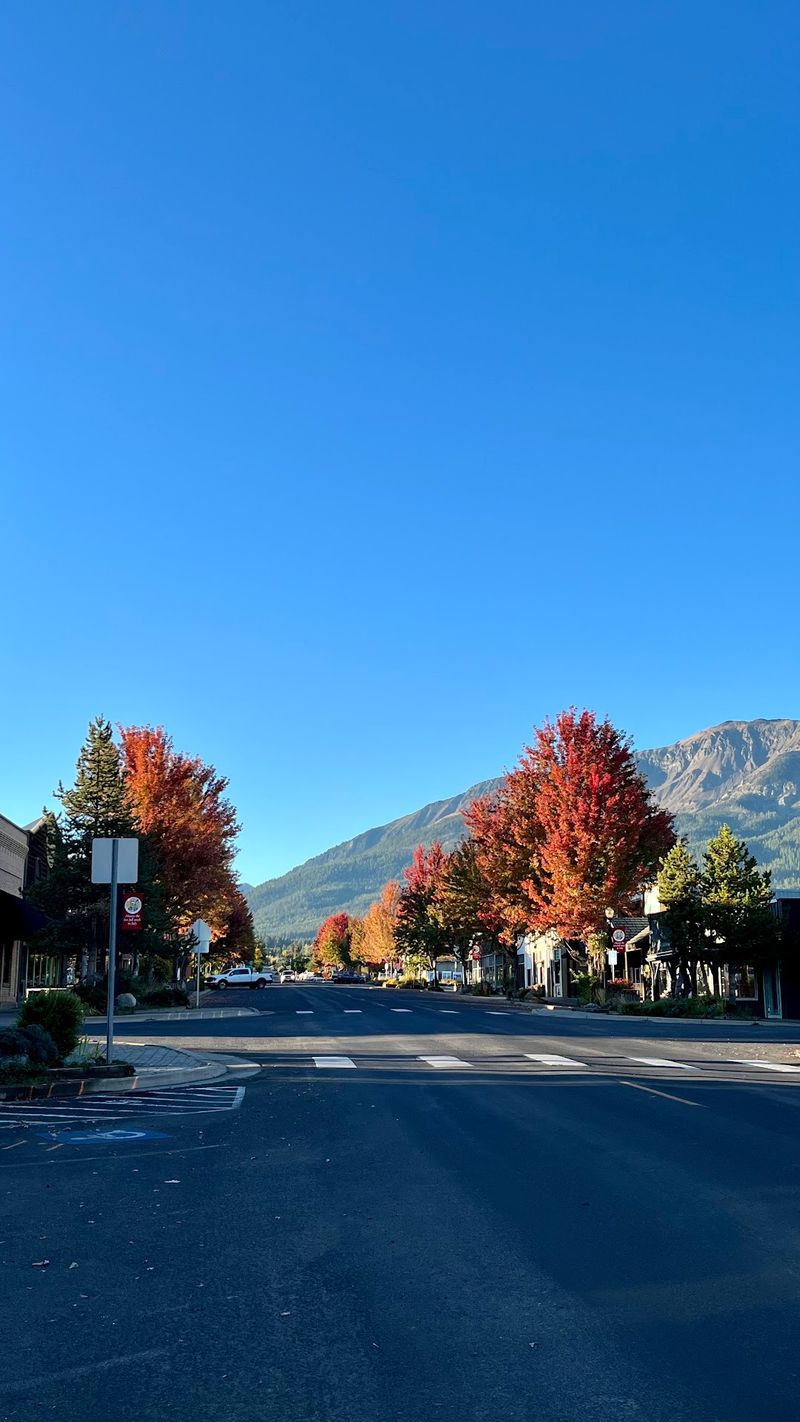
Timing your visit shapes the entire experience. Spring wakes the valley with wildflowers and rushing snowmelt, ideal for road-trippers chasing color.
Summer stretches the days long, filling the lake and trails with families and hikers making the most of the sunshine. It’s the busiest window, though busy here still feels calm by big-city standards.
Autumn may be the quiet favorite, when golden trees frame the peaks and the crowds thin out. Winter wraps the whole valley in snow, drawing those who love crisp air and near-empty streets.
Every season offers a different version of the same beautiful place.
Getting There and What to Know
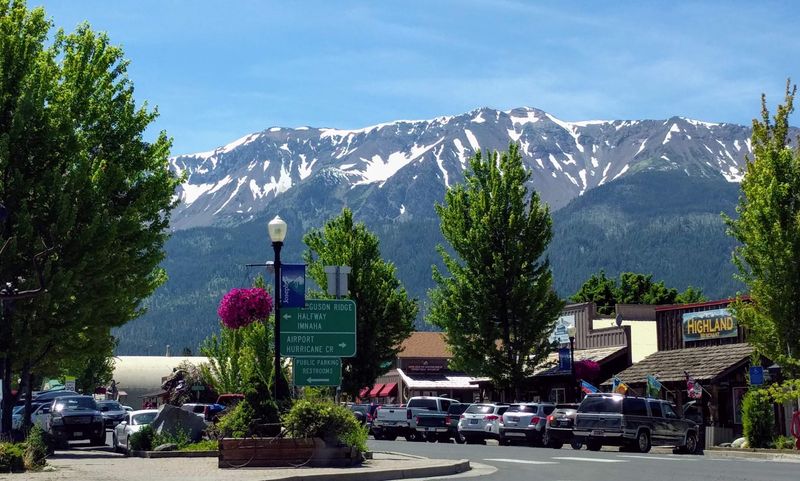
Reaching this corner of Oregon takes commitment, and that’s part of what keeps it uncrowded. The town sits along Oregon Highway 82 in Wallowa County, a good stretch from any interstate.
The drive itself is a highlight, winding through rolling ranch country before the peaks rise ahead. Give yourself extra time to stop for photos along the way.
Once you arrive, everything clusters close together, from downtown to the lake just south. Fuel up before the final leg, since services thin out the deeper into the county you go.
Plan for the distance and the payoff more than makes up for it.
Why This Corner of Oregon Sticks With You
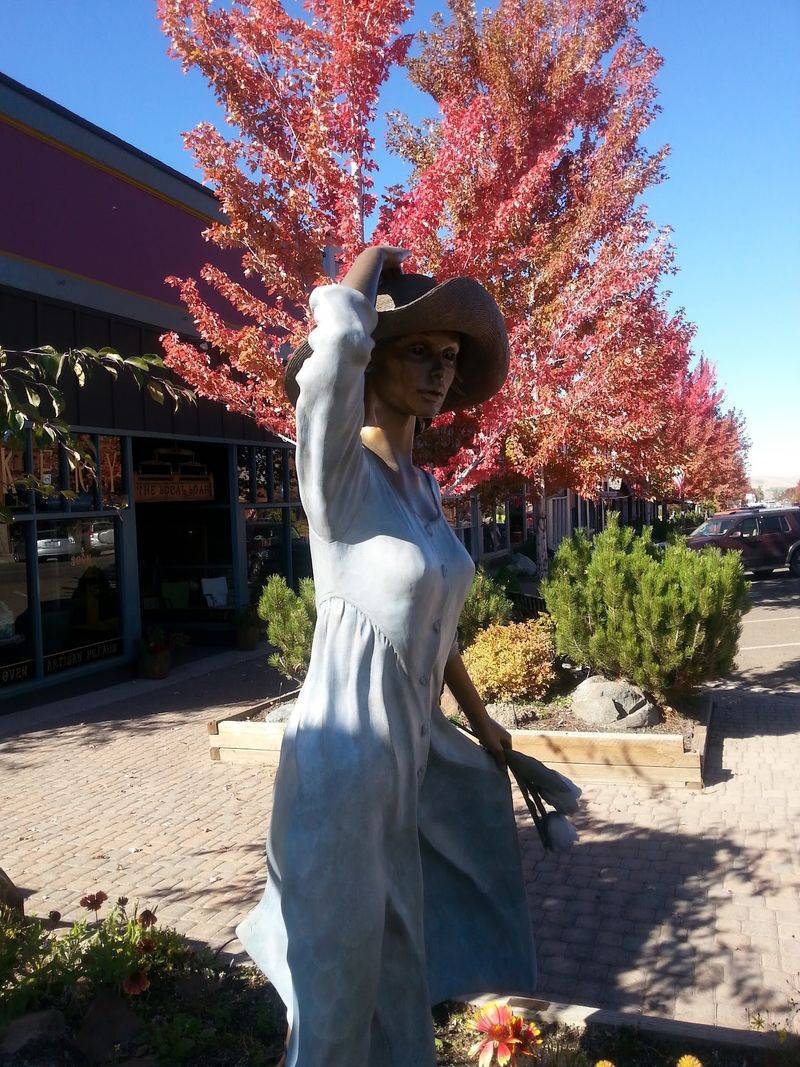
Long after you leave, the images tend to linger. The bronze figures standing watch, the impossibly blue water, and the peaks that never seem to quit all blur together into one lasting impression.
What makes it special is how naturally the art, history, and landscape fit together without trying too hard. Nothing here feels manufactured for tourists.
If you’re an Oregonian who takes pride in finding the places others overlook, this valley deserves a spot on your map. Go for the lake, stay for the quiet, and let the mountains do the rest.
Some corners of the state simply earn their reputation, and this is one of them.
Share this story