Massachusetts coastal towns get all the attention in July, but fall might be the smarter time to go. The summer crowds thin out, parking gets easier, and the light over the water turns soft and golden.
Many of these towns are built for walking, with tight streets, working harbors, and shops you can reach on foot. Here are 11 coastal spots that feel even better when the air turns crisp and you can wander without fighting for a sidewalk.
1. Provincetown
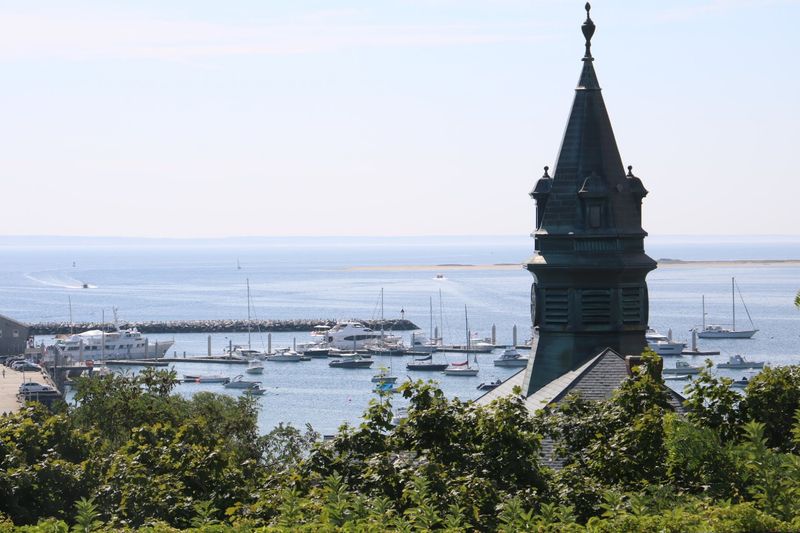
At the very tip of Cape Cod, Provincetown packs a whole lot of personality into a couple of walkable streets. Commercial Street runs along the harbor and is lined with galleries, bookshops, and food spots you can hit one after another.
The Pilgrim Monument rises over town, and you can climb it for a wide view of the harbor and the dunes. The 1620 landing of the Mayflower actually happened here first before the group moved on to Plymouth.
Autumn brings quieter sidewalks and cooler walks out to the beaches and dune trails at the Cape Cod National Seashore. The whale watching season also runs into fall, so you can pair a walk with time on the water.
Because the town is so compact, you can leave the car parked and see most of it on foot. That is a rare thing on the Cape in any season.
2. Marblehead
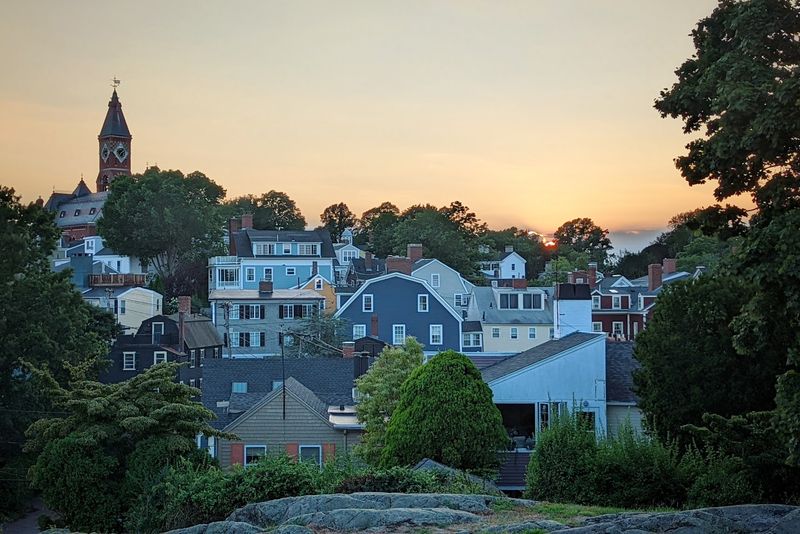
History leans over the sidewalks in Marblehead, where colonial homes crowd narrow, winding lanes. The Old Town section is built for slow walking, with plaques marking houses that date back centuries.
The harbor is one of the busiest sailing centers in the country, and the view from Crocker Park or Fort Sewall takes it all in. Fort Sewall is a free public spot with earthworks that go back to the 1600s.
Fall clears out the summer boaters, so the harbor looks calmer and the streets feel more relaxed. The town is often called the birthplace of the American Navy, a claim it shares with a couple of other spots.
Abbot Hall, the town building, holds the original painting known as The Spirit of 76, and you can view it for free. It is an easy stop while you wander the older part of town.
3. Newburyport
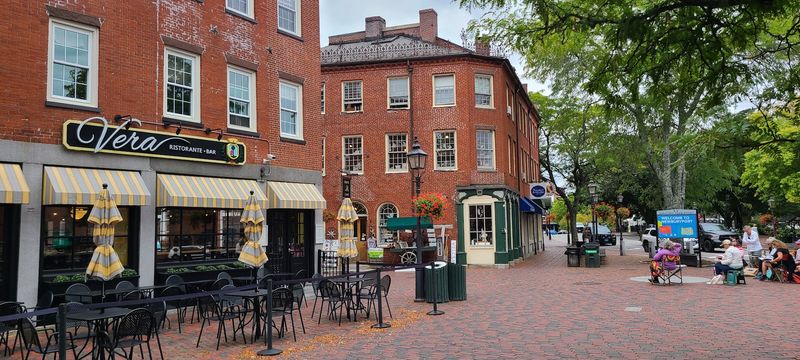
Red brick and river views define downtown Newburyport, where the streets were rebuilt after a major fire in the 1800s. The result is a tidy grid of shops and restaurants that is genuinely fun to walk.
The waterfront boardwalk runs along the Merrimack River, giving you an easy flat stroll with boats coming and going. Market Square sits at the center, surrounded by independent stores.
Just outside town, the Parker River National Wildlife Refuge on Plum Island is a strong fall draw for birdwatchers, since migrating birds move through in large numbers. The refuge has boardwalks and observation points.
Newburyport blends a real working downtown with easy river access, which makes it a good pick when you want shopping and nature in one trip. Cooler weather makes the boardwalk walk that much better.
4. Rockport
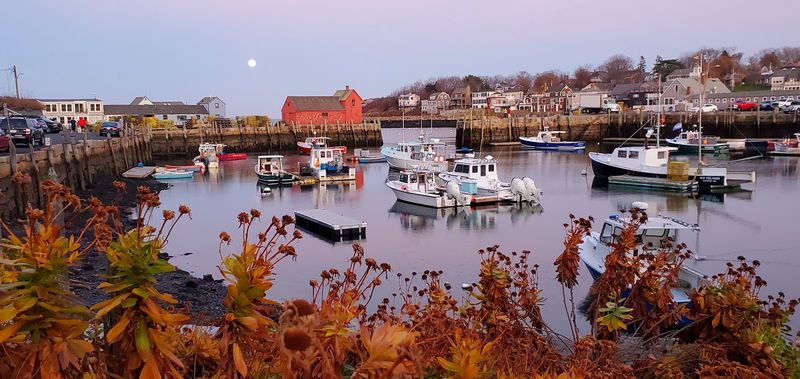
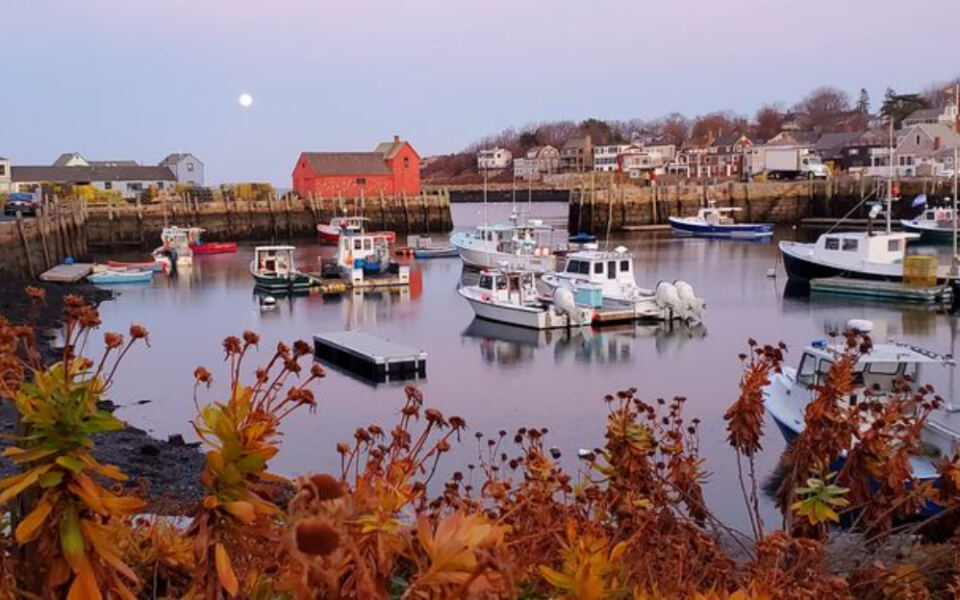
Bearskin Neck is the reason people fall for Rockport. The narrow peninsula is packed with small shops, galleries, and cafes, all reachable on foot from the main harbor area.
The town sits on Cape Ann, north of Boston, and stays busy with artists who set up along the water. The famous red fishing shack known as Motif Number 1 has been one of the most painted buildings on the coast for generations.
Fall is a good time to walk here because the summer parking crush eases up. You can browse galleries, grab something sweet, and still find room to stand at the end of the wharf and watch the boats.
Rockport is a dry town by tradition, so the focus stays on the shops, seafood, and scenery rather than nightlife. That makes it an easy, low-key day trip when you just want to stretch your legs by the water.
5. Nantucket
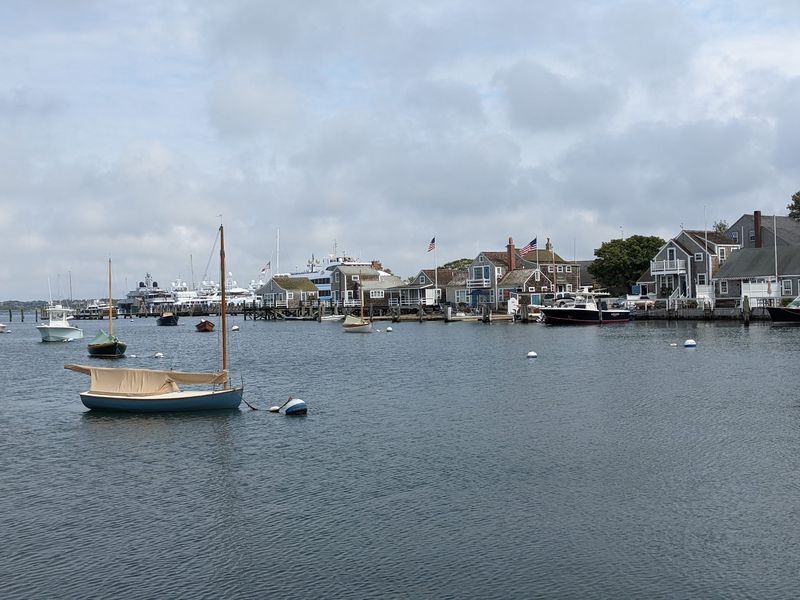
Cobblestones set the pace on Nantucket, where Main Street was paved with stones brought in as ship ballast. Cars slow to a crawl, which makes walking the smart way to see town.
The island reached its peak as a whaling port in the 1800s, and the Whaling Museum tells that story with a full skeleton and a working lighthouse lens. Gray shingled buildings line the streets in a way that feels frozen in time.
Fall is a quieter, cheaper stretch on Nantucket compared to the summer rush. The Nantucket Cranberry Festival usually lands in October and celebrates the island bogs.
You do need a ferry to get here, so plan a bit ahead. Once you arrive, the historic core is small enough to explore entirely on foot.
6. Edgartown
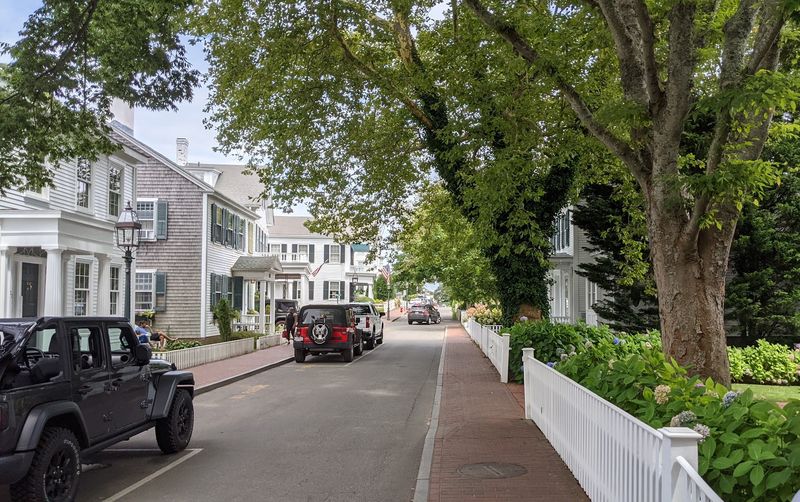
Crisp white captains’ houses give Edgartown a polished look you can appreciate at a slow walk. The Martha’s Vineyard town grew rich during the whaling era, and those grand homes still line the streets behind neat picket fences.
The Edgartown Harbor Light stands at the edge of the harbor and is reachable by a short walk along the water. From there you can watch the little On Time ferry shuttle over to Chappaquiddick.
Once the summer season winds down, the sidewalks open up and the town feels like it belongs to walkers again. Shops and cafes along Main Street stay open into the fall.
The town is flat and compact, so you can cover the harbor, the lighthouse, and the shopping district without ever needing a car. That ease is a big part of the appeal.
7. Gloucester
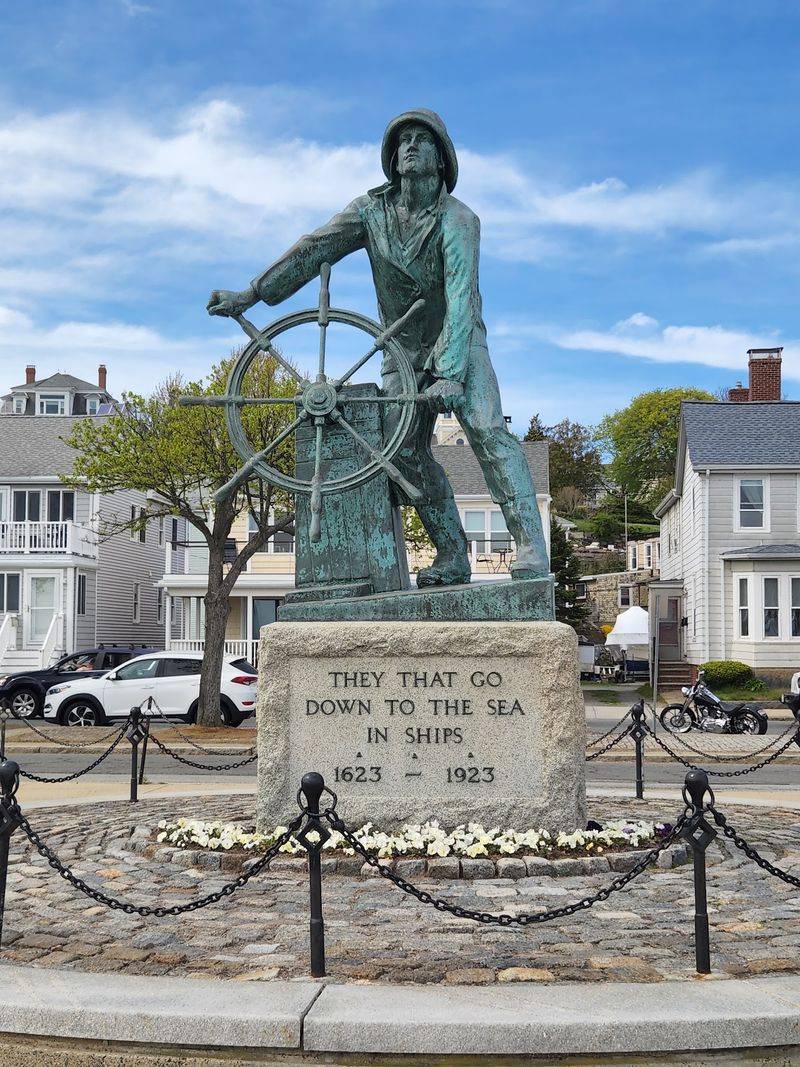
America’s oldest working seaport still runs on fishing, and Gloucester wears that identity proudly. The Man at the Wheel statue along the harbor honors the generations who fished these waters since the town was settled in 1623.
Rocky Neck is one of the oldest art colonies in the country, with studios and galleries you can walk between. The main harbor front gives you a real look at boats coming and going.
Fall thins out the beach crowds and opens up the walking paths at spots like Stage Fort Park. The park has open lawns, rocky outcrops, and wide views of the harbor.
Gloucester feels less polished than some of its neighbors, and that is exactly the point. You get a genuine working coast rather than a manicured one.
8. Plymouth
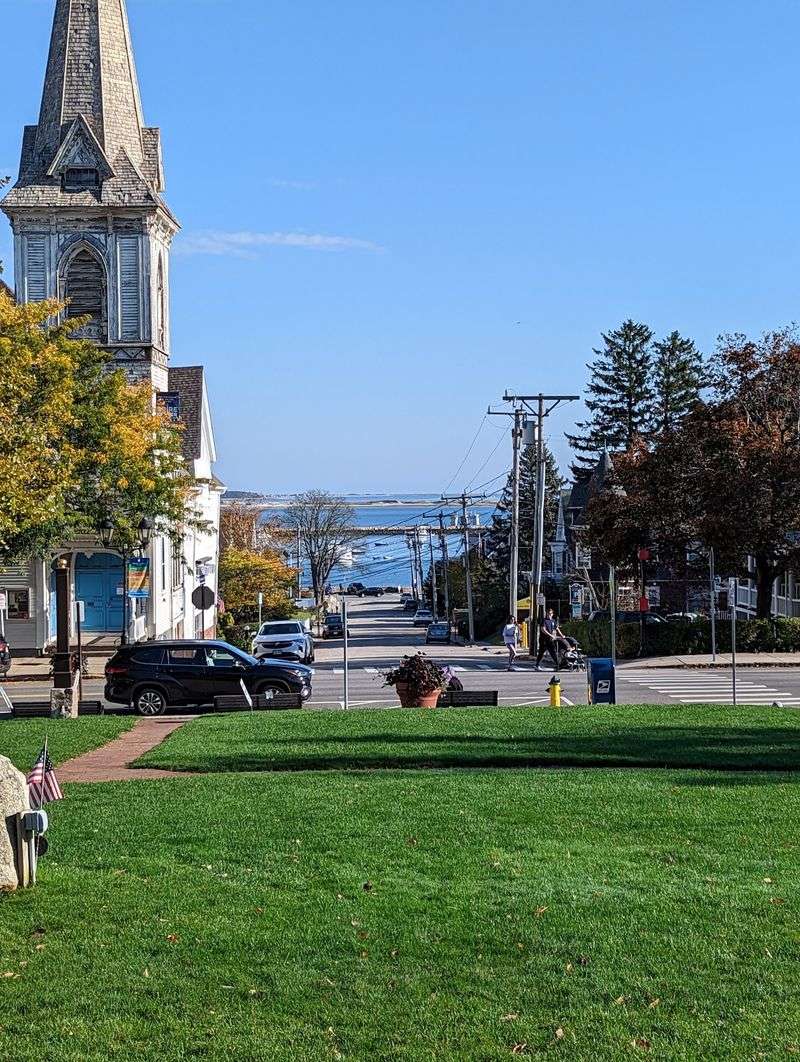
Few towns are as tied to a single story as Plymouth. The waterfront holds Plymouth Rock under its stone portico, along with the Mayflower II, a full-size replica of the ship that carried the settlers in 1620.
The downtown and harbor area are easy to explore on foot, with brick sidewalks connecting the sites. Plimoth Patuxet Museums nearby recreates the early colony and a Wampanoag homesite.
Autumn is fitting here since the first harvest gathering that inspired Thanksgiving happened in this area. The season gives the historic walk a natural connection to the holiday.
You can move from the rock to the ship to the shops in a short, level loop. It is a walkable history lesson right on the water.
9. Chatham
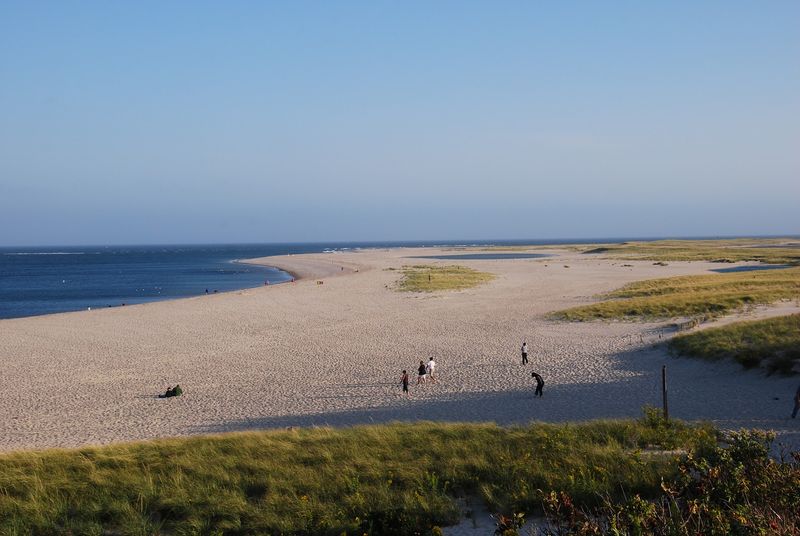
The elbow of Cape Cod bends around Chatham, a town that keeps its charm without trying too hard. Main Street is lined with independent shops and a walkable stretch of restaurants and galleries.
The Chatham Lighthouse sits above a wide beach, and the overlook is a free spot to watch the surf. Offshore, seals gather in large numbers, and you can often spot them from the shore or on a short boat tour.
Fish Pier is another easy walk, where you can watch the day’s catch come in from an observation deck. It is a working scene rather than a staged one.
Fall brings cooler beach walks and shorter lines at the shops. The whole downtown stretch is flat and friendly for a slow afternoon on foot.
10. Salem
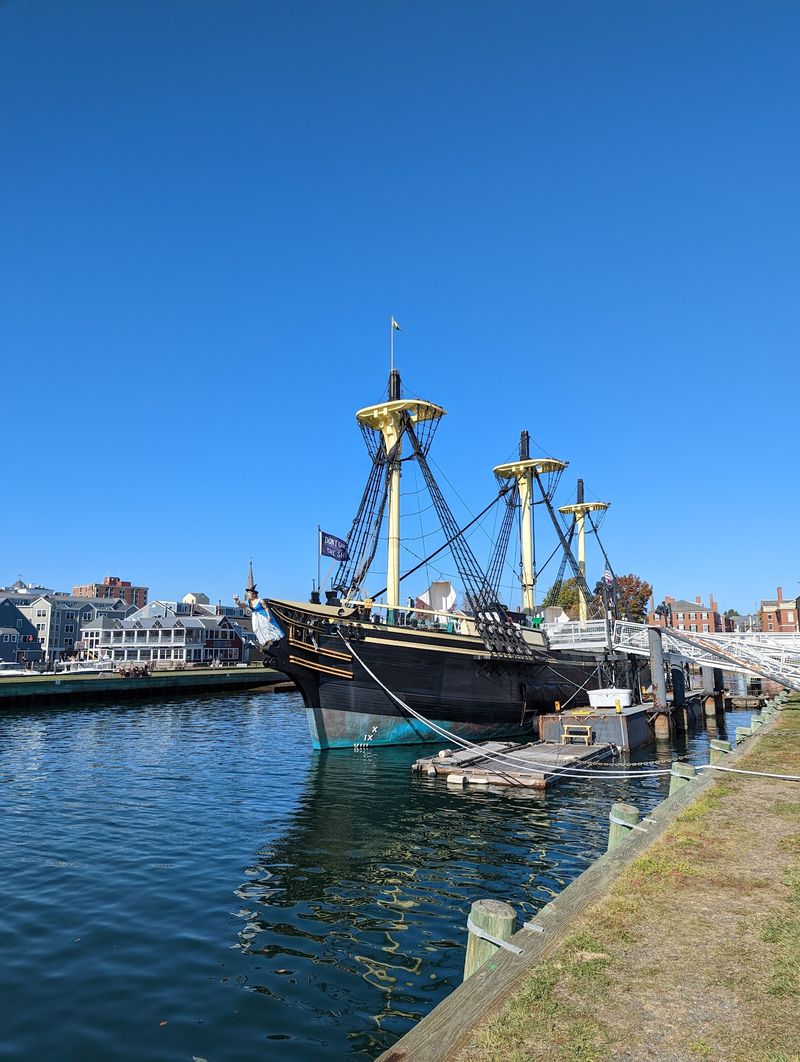
October turns Salem into one of the busiest towns in New England, and for once the crowds make sense. The city is famous for its 1692 witch trials, and fall is when its history comes alive with events and walking tours.
Beyond the spooky reputation, Salem was a major shipping port, and the Salem Maritime National Historic Site preserves wharves and a tall ship along the waterfront. The House of the Seven Gables, tied to the Nathaniel Hawthorne novel, is a short walk from downtown.
The Peabody Essex Museum holds strong art and maritime collections in the heart of the walkable district. Brick sidewalks connect nearly everything.
If you can visit on a weekday, you will dodge the heaviest October weekend crowds. The trade-off is a town that leans all the way into the season.
11. Cohasset
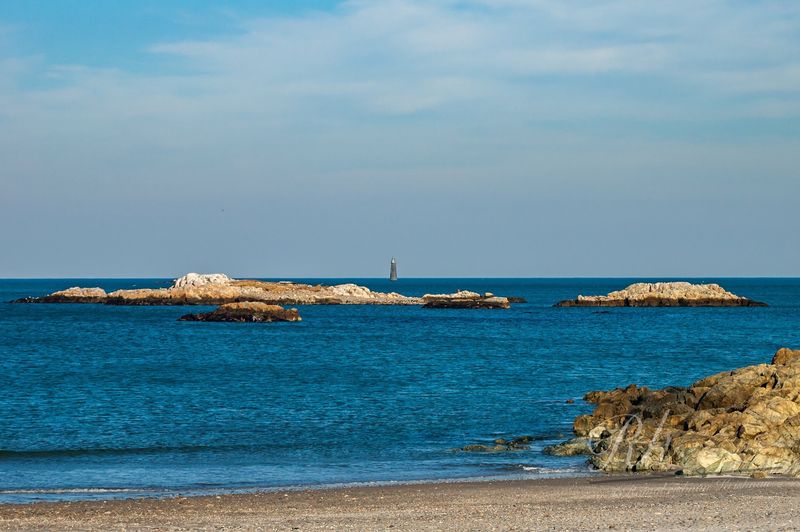
South of Boston, Cohasset keeps a lower profile than the Cape and North Shore towns, which is part of its appeal. The village center sits around a classic New England common, framed by white clapboard buildings.
The rocky coastline here is dramatic, and Cohasset Harbor is dotted with sailboats through the milder months. Sandy Beach and the shore roads give you flat, scenic walking close to town.
Minot’s Ledge Light stands offshore and can be spotted from parts of the coast, a well-known marker for local sailors. The town has served as a filming location over the years thanks to its picture-book center.
Fall visits reward you with quiet lanes and open water views without the crowds you find farther out on the coast. It is an easy escape for anyone based near Boston.
12. Manchester-by-the-Sea

Small and easy to miss, Manchester-by-the-Sea earns a spot for its walkable center and its beach. Singing Beach got its name from the sound the sand makes underfoot, and it is a short walk from the village and the commuter rail stop.
The town sits on Cape Ann between Beverly and Gloucester, and the downtown is compact enough to cover in a quick stroll. Local shops and a few eateries cluster near the station.
Because the train drops you close to the beach, you can visit without driving at all, which is a rare perk on the North Shore. Fall crowds are far lighter than the summer beach season.
The town gained wider recognition as the setting of a well-known 2016 film. Even without that, the mix of a real beach and a tiny walkable center makes it a worthwhile fall wander.
Share this story