Arkansas has a way of tucking surprises into old walls. Across the state, buildings that once sorted mail, stored goods, or housed early businesses have been converted into full-service restaurants where the architecture tells as much of a story as the menu does.
Some of these spaces still have their original pressed-metal ceilings, stone facades, or vault doors. Others have been carefully restored so that the bones of the old structure remain visible while the interior functions as a modern dining room.
A few are so remote or unusual that the building itself is the main reason people make the trip. What all twelve share is a sense that the history is not decorative.
It is structural, literal, and built into every corner of the room. Whether you are a history enthusiast, a curious traveler, or simply someone who wants a meal with more character than a strip-mall booth, these Arkansas restaurants offer something genuinely different.
Read on to find out which historic buildings have been given a second life as some of the most interesting places to eat in the state.
1. Cheers at the OPO, Fayetteville, Arkansas
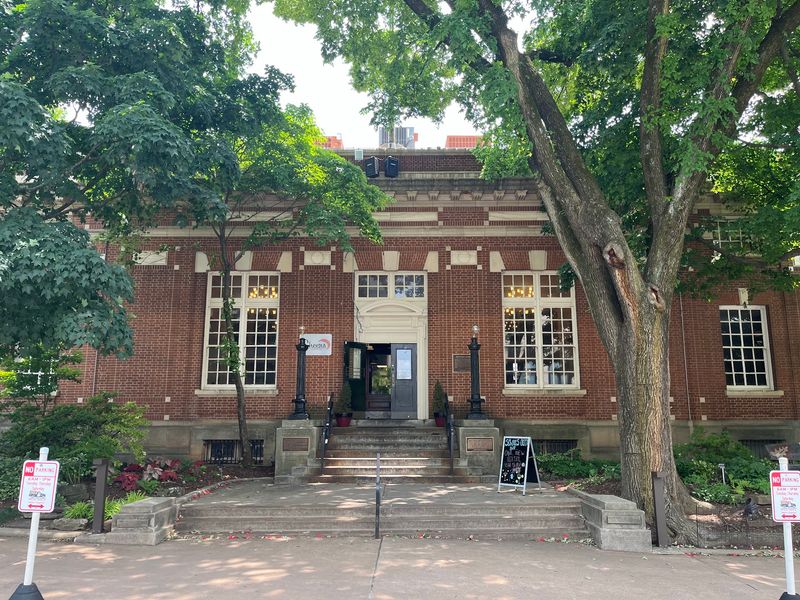
Built in 1911 and designed by architect James Knox Taylor, the former Fayetteville federal post office is one of the most architecturally distinctive restaurant spaces in the state. The three-story Neoclassical Revival structure features wide granite steps, white limestone arches, and lofty ceilings that give the dining room an almost ceremonial scale.
The building served as the city’s main post office for over five decades before postal operations relocated in 1963. A preservation effort in the early 1970s saved it from demolition, and it was added to the National Register of Historic Places in 1974.
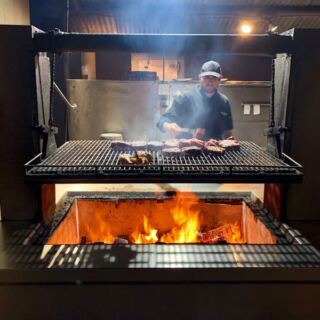
Cheers at the OPO opened its current restaurant chapter in April 2019 after a thorough renovation that kept the original character intact. The kitchen focuses on Southern American cuisine, with many dishes prepared on a wood-fired grill using mesquite wood.
Locally sourced ingredients, including produce from the Fayetteville Farmer’s Market and local grass-fed beef, appear throughout the menu.
2. Rolando’s Restaurante, Fort Smith, Arkansas
Long before it served empanadas and plantains, the building that houses Rolando’s was busy selling cars. The structure in Fort Smith’s downtown historic district originally housed the Border City Auto Company and a Ford dealership in the early 1900s, making it one of the more unexpected origin stories on this list.
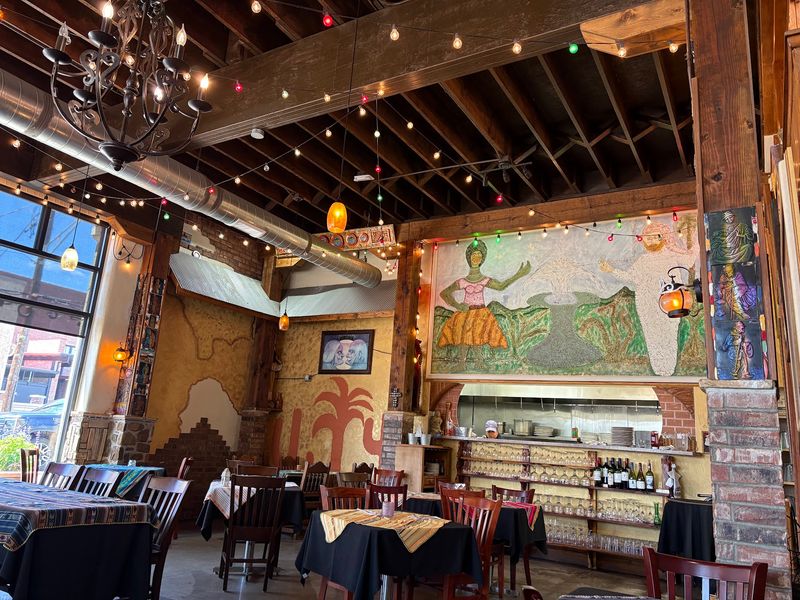
Rolando’s has given the old commercial space an entirely different personality. Hand-carved murals cover sections of the walls, Ecuadorian tiles add bursts of color throughout the interior, and the overall design reflects the Central and South American cooking that defines the menu.
The contrast between the building’s industrial commercial past and its current role as a Latin American restaurant is part of what makes it memorable.
The menu features dishes rooted in Ecuadorian and broader Latin American traditions, including items that are not commonly found in other Arkansas restaurants. That distinctiveness has earned Rolando’s a loyal following in Fort Smith and a reputation among food-focused travelers passing through the region.
3. Grotto Wood-Fired Grill and Wine Cave, Eureka Springs, Arkansas
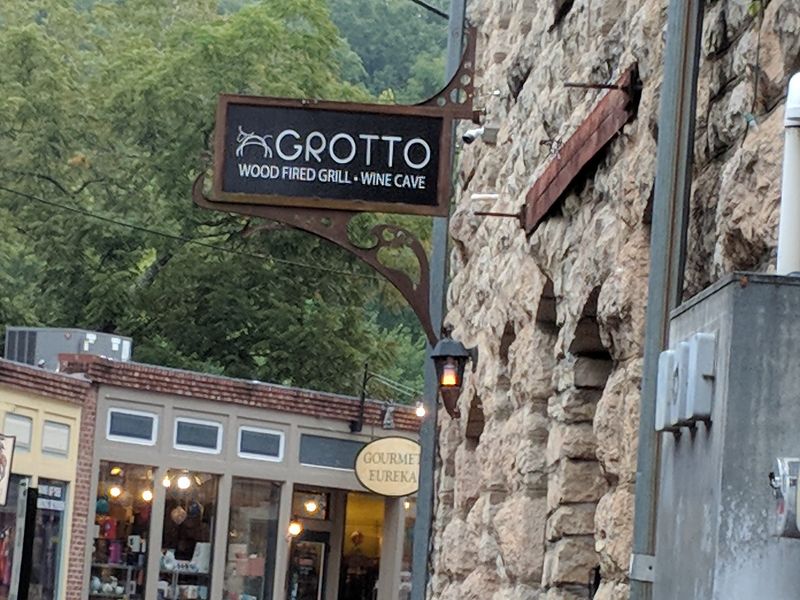
Eureka Springs is a town built on steep hillsides and Victorian-era architecture, and Grotto Wood-Fired Grill and Wine Cave fits into that landscape more naturally than almost any other restaurant in town. The building’s stone walls and a natural spring on the property give the space its signature cavern-like character without any theatrical staging required.
The wine cave below the main dining area is the detail that separates Grotto from other historic restaurant spaces in Arkansas. Diners who choose to eat in the lower level are essentially seated within the rock formation itself, a setting that would be nearly impossible to recreate in a purpose-built structure.
The menu centers on wood-fired preparations, which suits the rugged, elemental nature of the space. Grotto’s position in Eureka Springs’ historic downtown means it sits among other preserved 19th-century buildings, and the streetscape outside reinforces the sense of being somewhere genuinely old.
4. Postmasters Grill, Camden, Arkansas
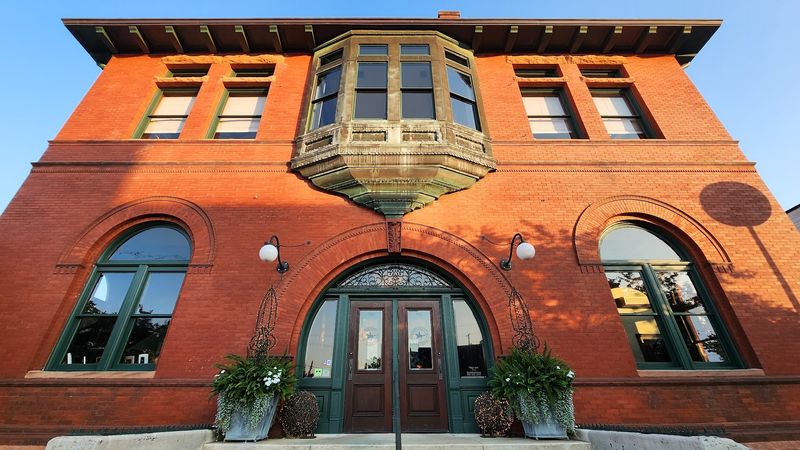
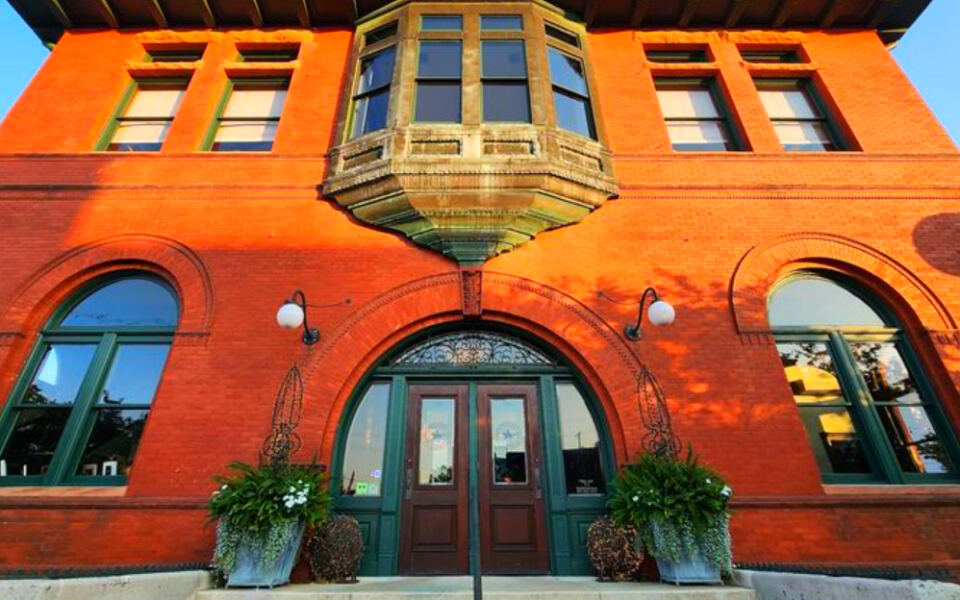
Camden’s former federal post office was completed in 1896, and it remains one of the most visually striking examples of Richardsonian Romanesque architecture in Arkansas. The building’s exterior combines rough-cut stone with pressed brick, and a copper-covered oriel window anchors the facade in a way that few restaurant exteriors can match.
The interior has preserved many of the original historic details, creating a setting that feels genuinely connected to the building’s past rather than simply decorated to suggest it. Postmasters Grill has turned this federal landmark into a dinner destination that draws visitors from well beyond Camden itself.
The restaurant currently operates Tuesday through Saturday evenings, making it a focused and unhurried dining experience rather than an all-day operation. Reservations are a practical idea, especially on weekends, given the building’s limited capacity and its reputation among travelers exploring south Arkansas.
5. Bentonville Taco & Tamale Co., Bentonville, Arkansas
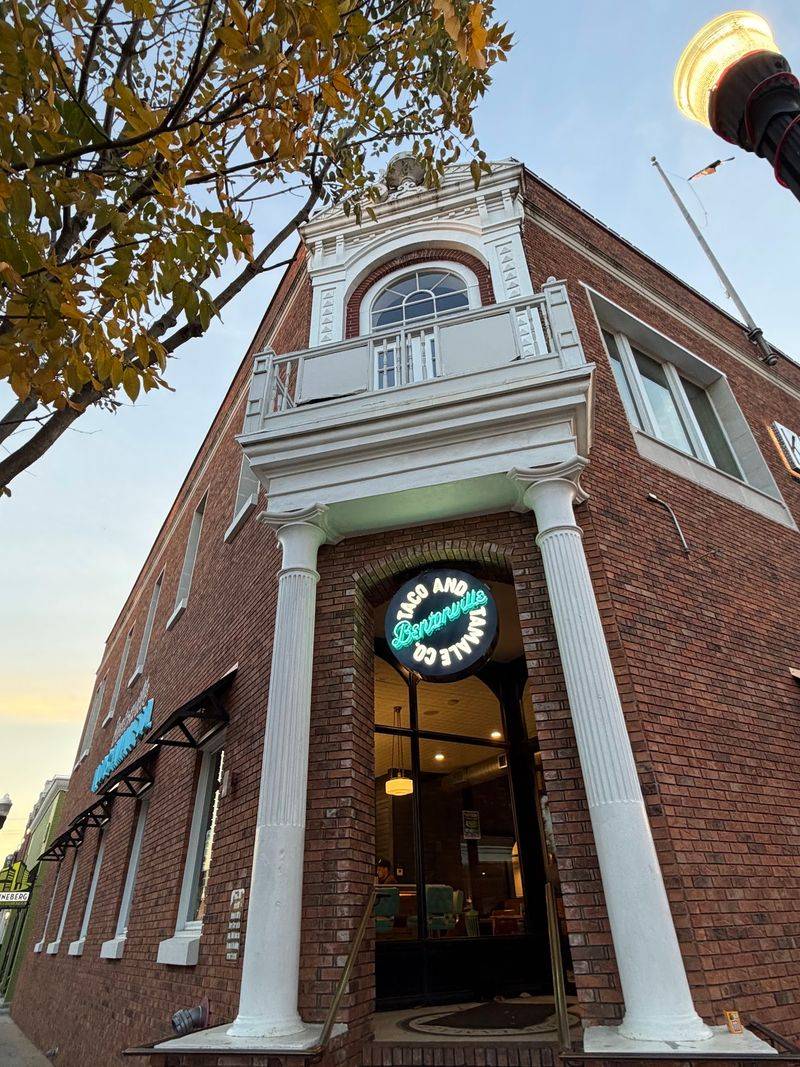
Not every restaurant can say its private dining room used to guard someone’s life savings. Bentonville Taco and Tamale Co. occupies a former bank building on the Bentonville square, and the most memorable architectural remnant from that earlier life is the original bank vault, which now serves as a semi-private dining area.
The vault conversion is clever and practical. It gives groups a defined, enclosed space without requiring any new construction, and it preserves one of the most visually interesting features of the original building.
Few repurposing decisions on this list are as immediately obvious or as fun to explain to first-time visitors.
The menu focuses on Tex-Mex flavors, with tacos and tamales at the center of the operation. The casual, high-energy atmosphere fits the downtown Bentonville location, which has grown significantly in recent years thanks in part to the presence of Crystal Bridges Museum of American Art nearby.
6. Oark General Store, Oark, Arkansas
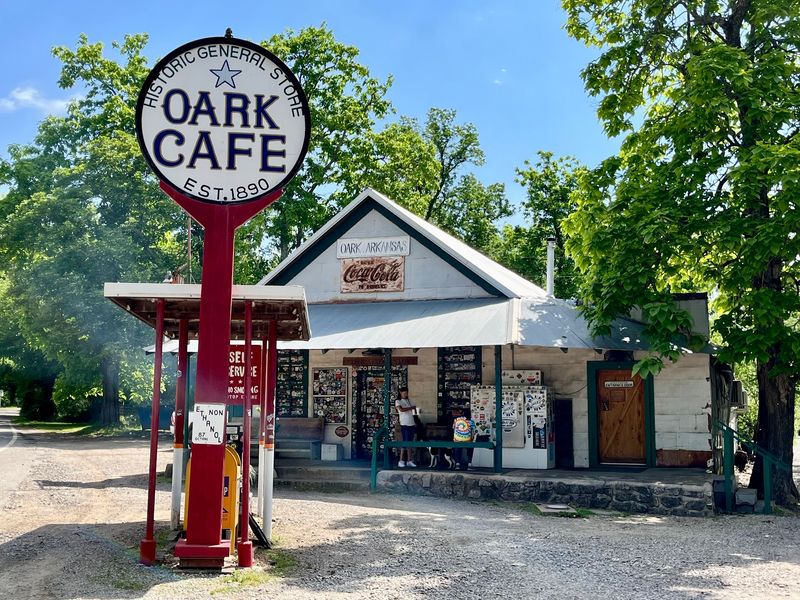
Dating to around 1890, the Oark General Store is not pretending to be historic. It simply is.
Located in one of the most remote corners of the Arkansas Ozarks, the store has been serving its small community for well over a century, and the interior reflects that uninterrupted history in a way that no renovation could manufacture.
The building retains its old-fashioned layout and furnishings, and the menu keeps things appropriately simple. Burgers are the main draw, and they have developed a reputation that pulls travelers off the winding mountain roads specifically for lunch or an early dinner.
The food is straightforward, and that directness is entirely appropriate for the setting.
Getting to Oark requires some commitment. The surrounding roads wind through the Ozark National Forest, and the drive itself is part of the experience for visitors coming from larger cities.
That remoteness has helped preserve the store’s character, since the area has not been developed in ways that would change the surrounding landscape.
7. Heirloom at The 1907, Rogers, Arkansas
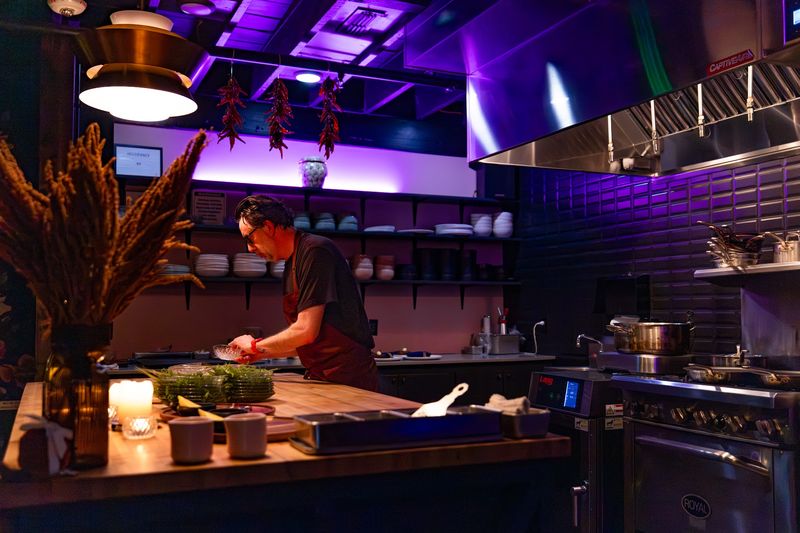
The year is right there in the name, and it means exactly what it suggests. Heirloom operates inside The 1907 in downtown Rogers, a restored historic building that carries its age as a point of pride rather than a footnote.
The structure is part of Rogers’ original downtown commercial corridor, and its preservation reflects a broader effort to keep the city center connected to its architectural past.
What makes Heirloom particularly interesting is the contrast between the building’s age and the restaurant’s approach. The dining experience is contemporary and reservation-driven, with a menu that leans toward modern American cooking rather than the kind of comfort food you might expect from a century-old building.
That contrast is deliberate and effective. The old surroundings provide context and character, while the kitchen operates with a level of precision and creativity that feels current.
The result is a restaurant that appeals to both history enthusiasts and diners who prioritize the quality of what is on the plate.
8. Ohio Club, Hot Springs, Arkansas
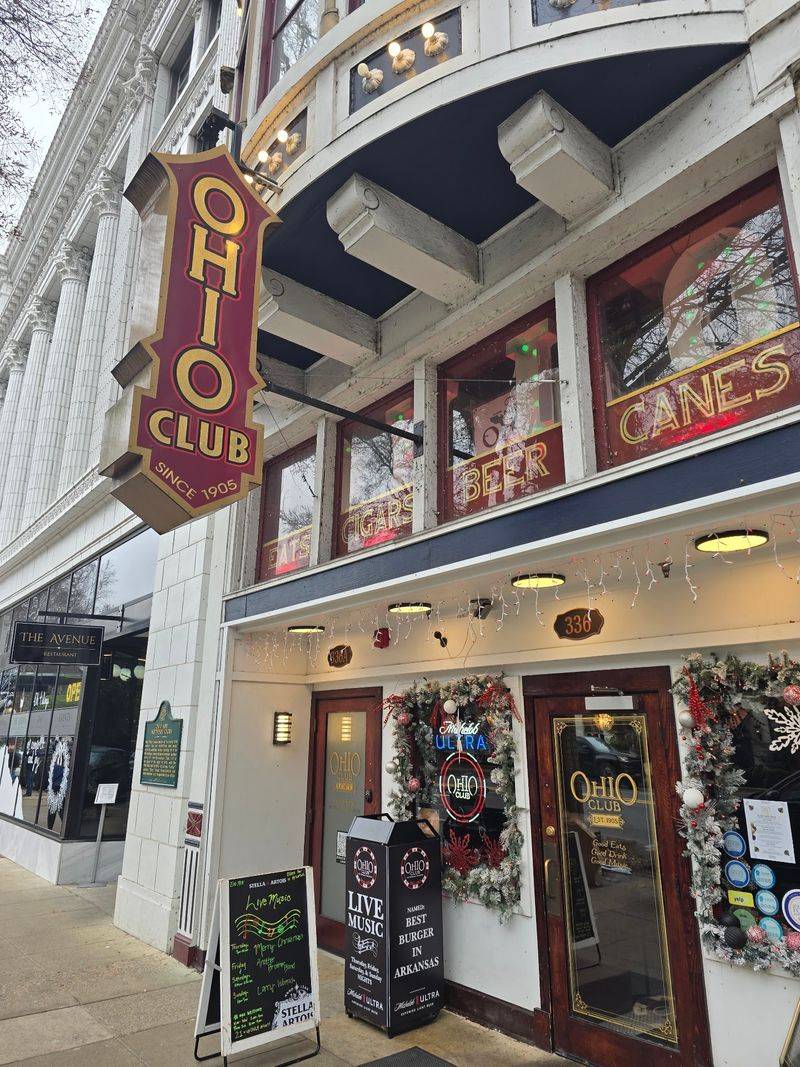
Central Avenue in Hot Springs has seen a lot of history, and the Ohio Club has been present for most of it. Constructed around 1905, the narrow two-story building features an elaborate pressed-metal facade that makes it immediately recognizable among the other historic structures lining the avenue.
The building began its life as a private club and social gathering spot during Hot Springs’ colorful early 20th-century era, when the city was one of the most visited destinations in the American South. That original identity as a place for entertainment and socializing has carried through to the present day, even as the specifics have changed.
Today, the Ohio Club operates as a restaurant and live entertainment venue, keeping the landmark active more than a century after it first opened. The combination of food, music, and a genuinely historic interior makes it one of the more lively stops on Central Avenue, which itself functions as an outdoor museum of early 20th-century commercial architecture..
9. Wiederkehr Wine Cellar & Weinkeller Restaurant, Wiederkehr Village, Arkansas
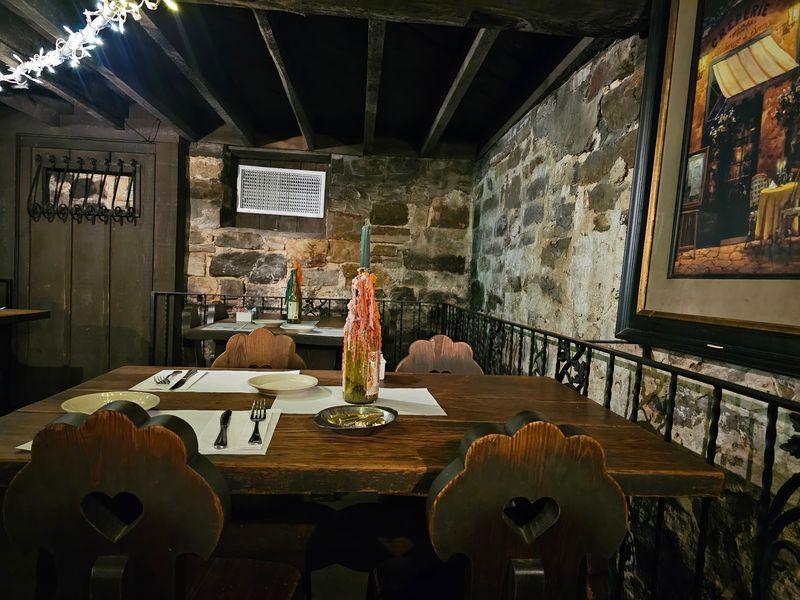
Johann Andreas Wiederkehr arrived in Arkansas from Switzerland in the 1880s and immediately started digging. The wine cellar he constructed in 1880 became the foundation, quite literally, of what is now the Weinkeller Restaurant, one of the most unusual dining rooms in the state.
Eating at the Weinkeller means eating underground, inside a structure that has been in continuous use for well over a century. The stone walls of the original cellar surround the dining room, and the Old World atmosphere that results from this setting would be extremely difficult to recreate in a purpose-built space.
No amount of decoration can replicate actual age.
The menu draws from Swiss and European traditions, reflecting the immigrant heritage of the Wiederkehr family. That culinary focus gives the restaurant a distinctive identity that sets it apart from other historic dining rooms in Arkansas, most of which serve American or Southern food.
Wiederkehr Village itself is a small community in the Arkansas River Valley wine country, and the surrounding winery operation adds context to the meal.
10. Crystal Dining Room, Eureka Springs, Arkansas
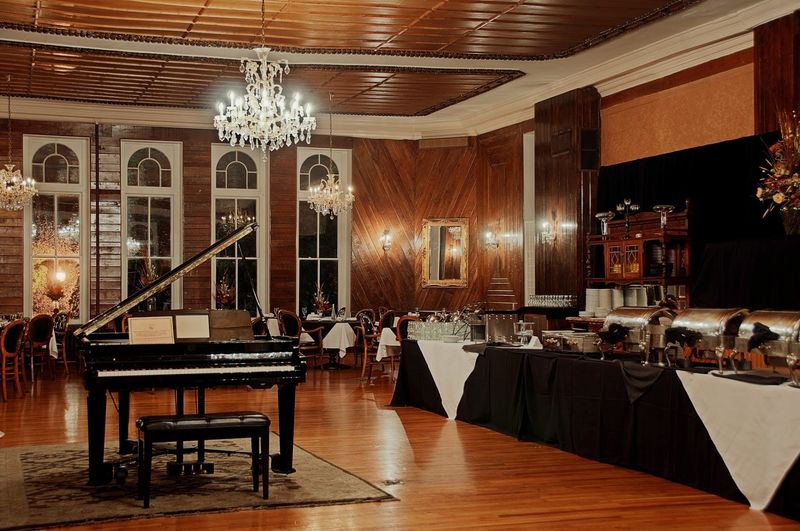
The 1886 Crescent Hotel is one of the most recognizable buildings in Eureka Springs, and the Crystal Dining Room is the reason to go inside rather than simply admire it from the street. The hotel itself was built as a grand resort destination and has been a fixture of the city’s identity for nearly 140 years.
Dining in the Crystal Dining Room means occupying a space that has hosted guests through multiple eras of American history. The Victorian-era architecture of the hotel provides the framework for the dining room, and the overall experience is shaped as much by the property’s age and design as by what appears on the menu.
The Crescent Hotel has developed a reputation over the years for its history and its place in Eureka Springs folklore, and the dining room sits at the center of the guest experience. Travelers who book a table are typically drawn as much by the setting as by the food itself, which makes the Crystal Dining Room a destination in its own right.
11. Allsopp & Chapple Restaurant + Bar, Little Rock, Arkansas
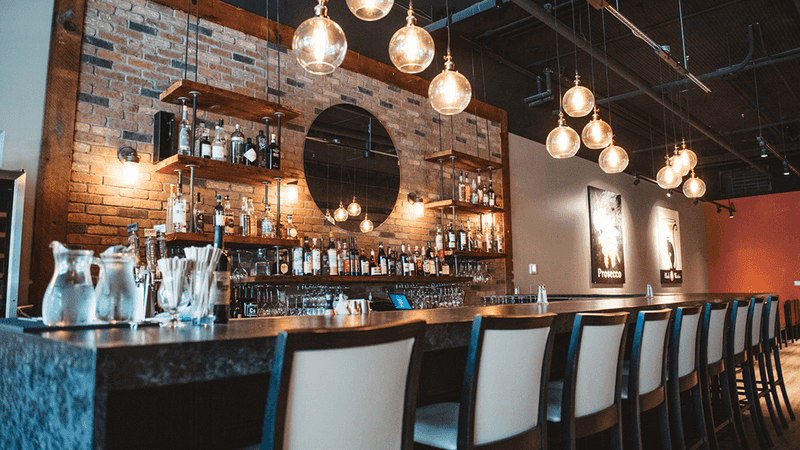
The Rose Building in downtown Little Rock has a pedigree worth knowing. Constructed around 1900 and designed by architect George R.
Mann, the building is listed on the National Register of Historic Places and represents one of the finer examples of early 20th-century commercial architecture remaining in the city’s downtown core.
Allsopp and Chapple Restaurant and Bar chose its name deliberately. The original Allsopp and Chapple Booksellers once operated in this part of Little Rock, and by reviving that name, the restaurant ties itself to the building’s commercial history in a specific and thoughtful way.
It is a naming decision that rewards guests who take the time to look into it.
The interior balances the building’s historic character with a polished contemporary design. Exposed original details coexist with modern finishes, creating a dining room that feels current without erasing the architecture that makes the space interesting in the first place.
12. Mather Lodge Restaurant, Morrilton, Arkansas
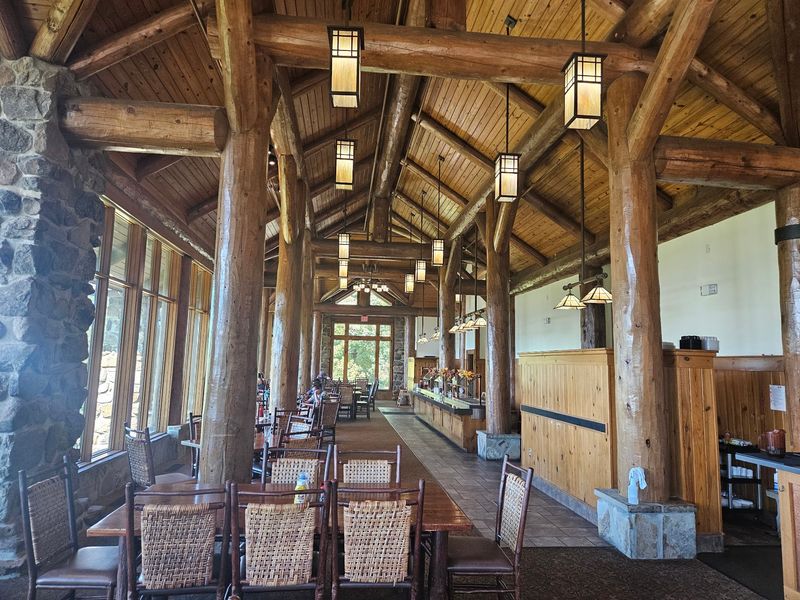
Civilian Conservation Corps workers built Mather Lodge at Petit Jean State Park during the 1930s, and the craftsmanship they put into the stone and timber construction has held up remarkably well for nearly a century. The lodge sits on top of Petit Jean Mountain, and the building feels as though it grew out of the rock rather than being placed on top of it.
The Mather Lodge Restaurant operates inside this Depression-era structure, serving guests who have come to hike the park’s trails, explore Cedar Falls, or simply spend time in one of Arkansas’s most visited state parks. The dining room functions as a practical and comfortable place to eat after a day outdoors, but the building itself elevates the experience considerably.
What separates Mather Lodge from most other historic restaurants in Arkansas is the view. The mountaintop setting means that large windows open onto the surrounding landscape, giving diners a perspective that no urban or small-town historic building can offer.
The craftsmanship inside and the scenery outside work together in a way that feels entirely intentional.
Share this story