Most cooking classes put you in a room with strangers and hand you a knife. What happened at one Minneapolis cooking school was something entirely different.
A legendary French chef, known to millions through his cookbooks and television appearances, once stood in a small kitchen teaching a group of just eight lucky students. That moment captures everything worth knowing about this place and why food lovers across the Twin Cities keep coming back for more.
A School With a Story Worth Knowing
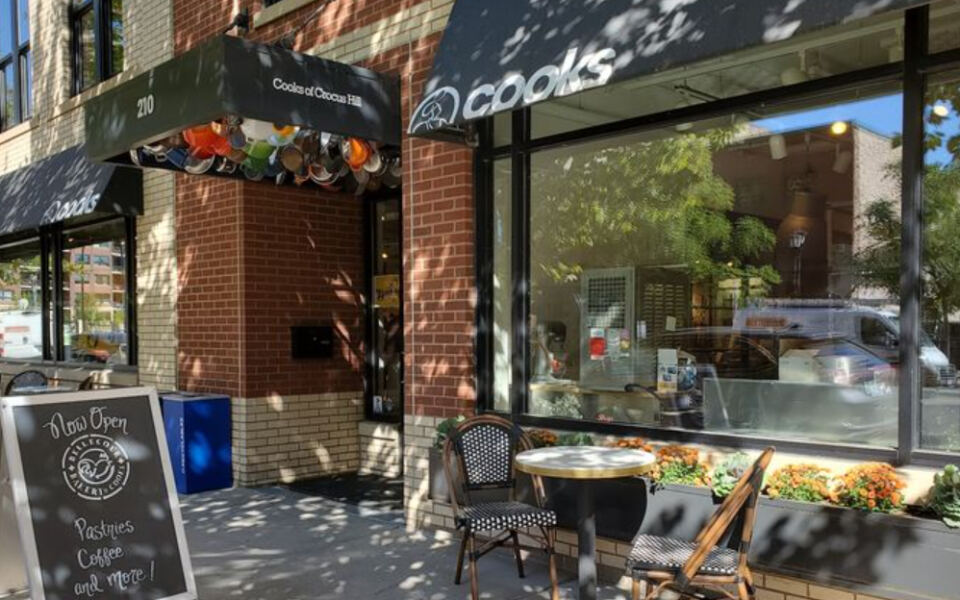
Before the croissants and the cooking classes, there was a vision. Cooks of Crocus Hill, located at 208 N 1st St in Minneapolis, Minnesota, United States, has built a reputation as one of the most respected culinary learning spaces in the upper Midwest.
The school originally operated out of the St. Paul neighborhood of Crocus Hill, which is how it earned its distinctive name. Over the years it grew, adapted, and eventually found its current home in Minneapolis’s North Loop neighborhood.
The North Loop is a lively area filled with converted warehouses and creative businesses, and Cooks of Crocus Hill fits right in. The space combines a working kitchen classroom, a French-style bakery, and a retail shop stocked with cookware and specialty pantry goods.
Few places in Minnesota manage to pull off all three things under one roof this successfully.
The Night Jacques Pépin Cooked for Eight
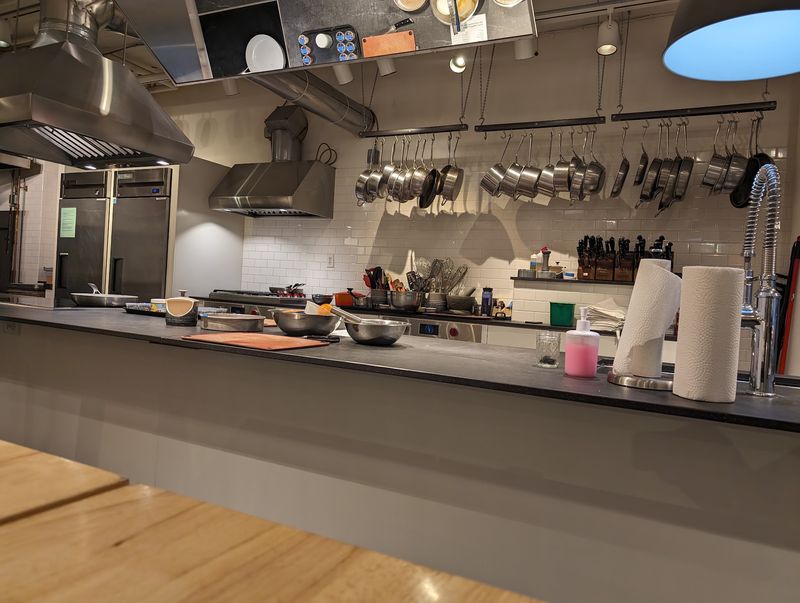
Here is the detail that stops people mid-sentence when they hear it. Jacques Pépin, one of the most celebrated French chefs in American culinary history, once taught a class at this school for a group of just eight students.
Pépin, who served as personal chef to three French heads of state before coming to America, is known to millions through his long-running public television cooking shows and dozens of influential cookbooks. Getting to watch him cook in an intimate setting is the kind of experience most food lovers only dream about.
Eight people got that experience here. Not eight hundred.
Not eighty. Eight.
That single fact says more about what makes this school special than any marketing material ever could. It reflects a genuine commitment to keeping classes personal, hands-on, and memorable rather than turning them into a commercial spectacle.
What a Cooking Class Actually Looks Like Here
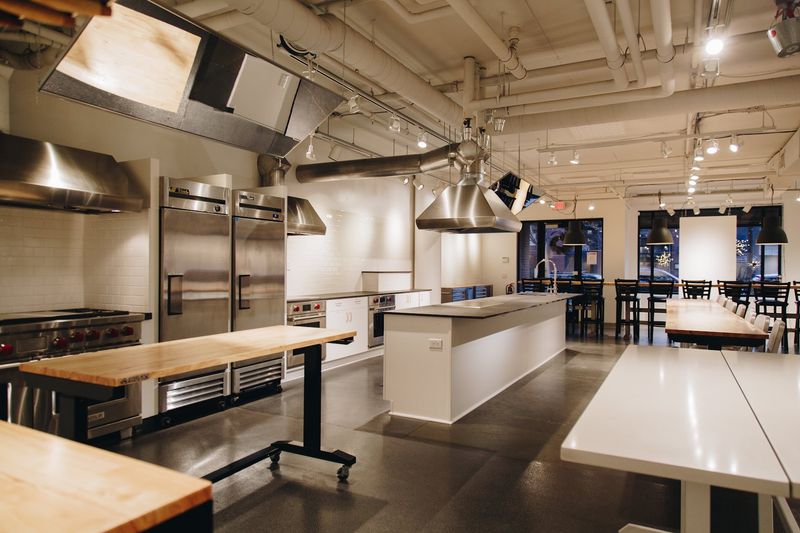
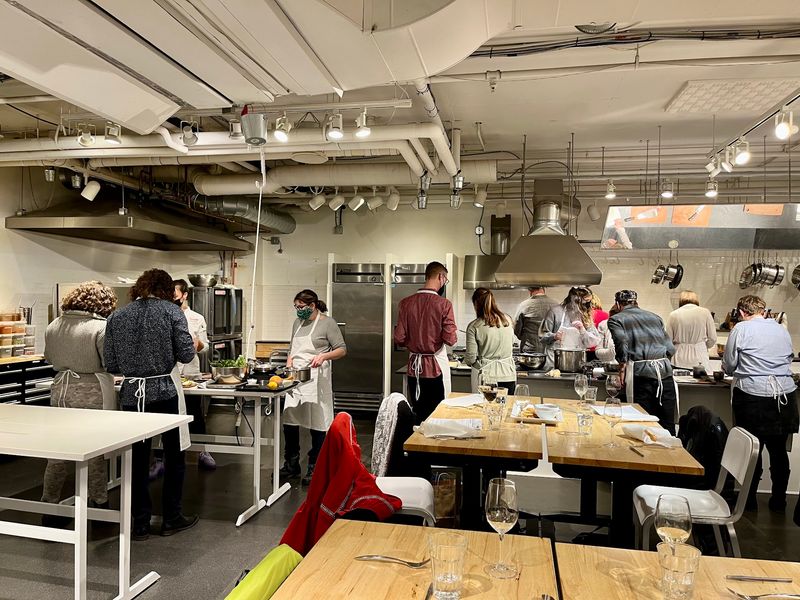
A recent student described making chicken risotto, a bitter green salad, and a peach crisp skillet cookie all in one class session. That kind of menu gives you a sense of the range this school aims for: savory technique, fresh produce awareness, and a satisfying dessert finish.
Classes are taught by knowledgeable chefs who keep the energy engaging and the instruction clear. The atmosphere leans more toward collaborative kitchen experience than formal culinary lecture, which makes a real difference in how much students actually absorb.
Groups are kept small by design, so there is genuine interaction between the instructor and each participant. You are not standing in the back watching someone else cook.
You are at the counter, doing the work yourself, and that is exactly the point. The school believes learning happens best when your hands are busy and the stove is hot.
The Bakery That Earns Its Own Reputation
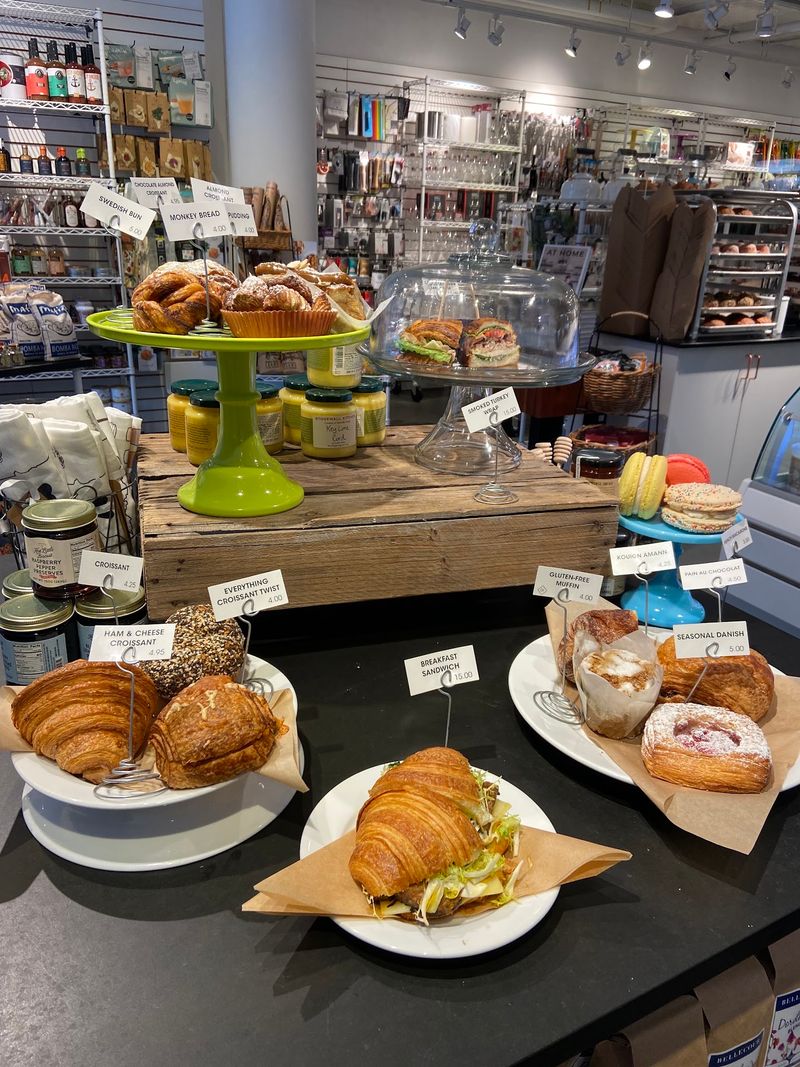
Even people who never sign up for a class find themselves drawn to this address for one reason: the pastries. The croissants here have developed a loyal following among Minneapolis food lovers, with the ham and cheese version earning particular praise from regulars who make a dedicated trip just for that one item.
The kouign amann, a Breton pastry known for its caramelized, buttery layers, shows up repeatedly in conversations about what to order first. Pain au chocolat, quiche, seasonal Danish, and almond croissants round out a selection that feels genuinely French in its ambition and execution.
The crepe cakes are worth special mention. The vanilla version is a crowd favorite, but the seasonal variations tend to generate the most excitement.
Few places in the Twin Cities area offer anything comparable, which makes this bakery genuinely difficult to replace once you have discovered it.
Where the Bakery Meets the Kitchen Store
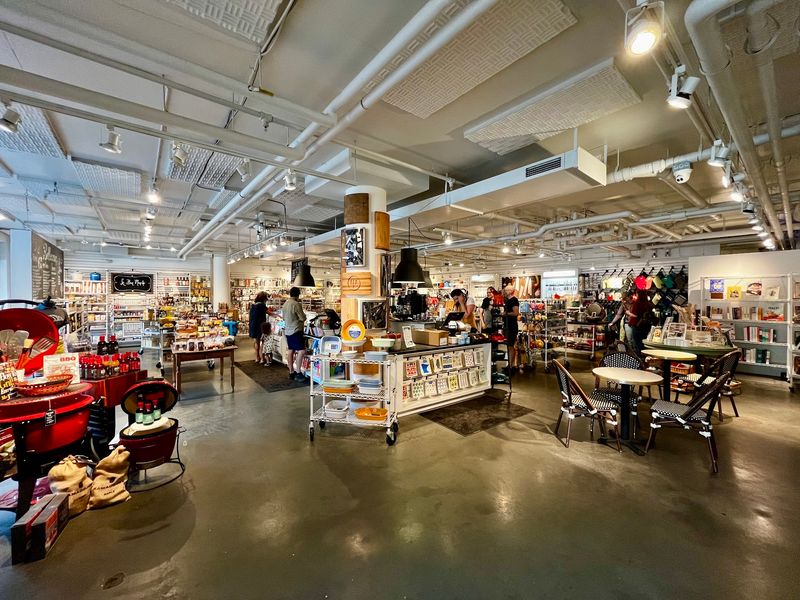
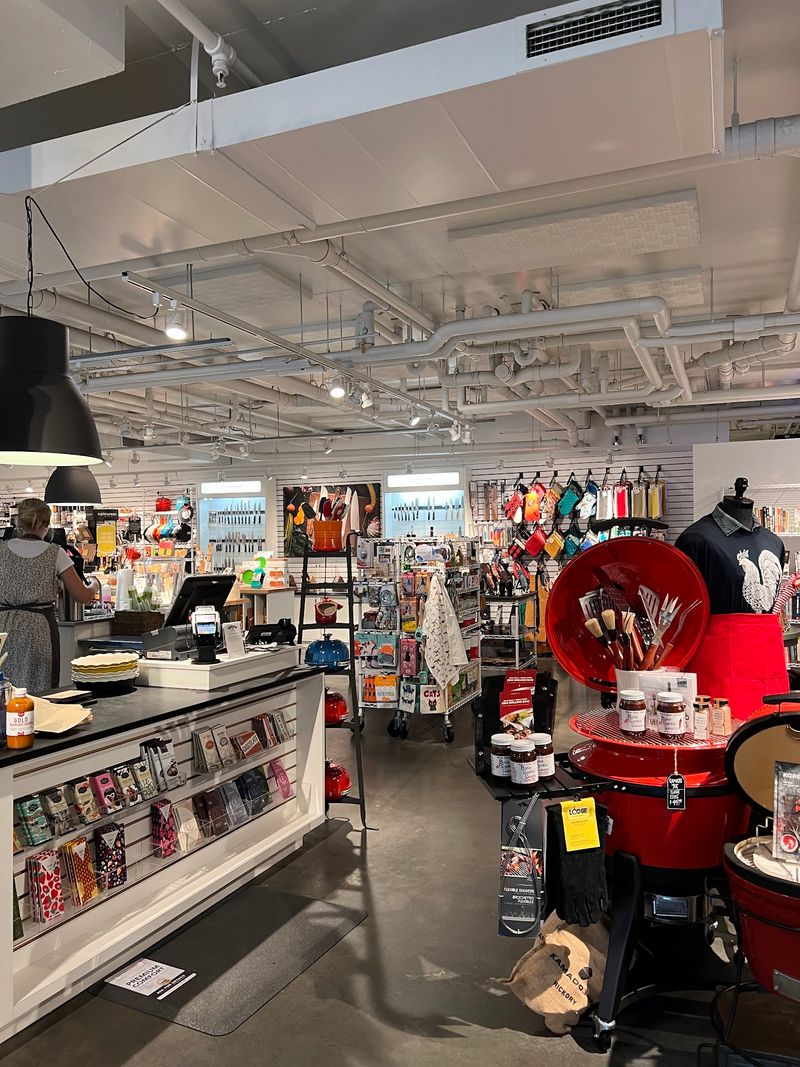
One of the more unexpected pleasures of visiting this spot is the retail space woven throughout the experience. While waiting for your order or browsing after a class, you can wander through shelves stocked with specialty honeys, artisan jams, imported oils, and sauces that are genuinely hard to find elsewhere in Minneapolis.
Kitchen tools, coffee presses, and cooking accessories fill the rest of the shop. The selection feels curated rather than cluttered, which means every item on the shelf seems like something a real cook would actually use.
It is the kind of store that makes you want to rethink your pantry.
The layout connects the café, bakery, and retail area in a way that feels natural and open. Visitors can watch the pastry chefs working through a shared visual space, which adds a lively, behind-the-scenes quality to what might otherwise feel like a standard shopping stop.
Savory Bites That Hold Their Own
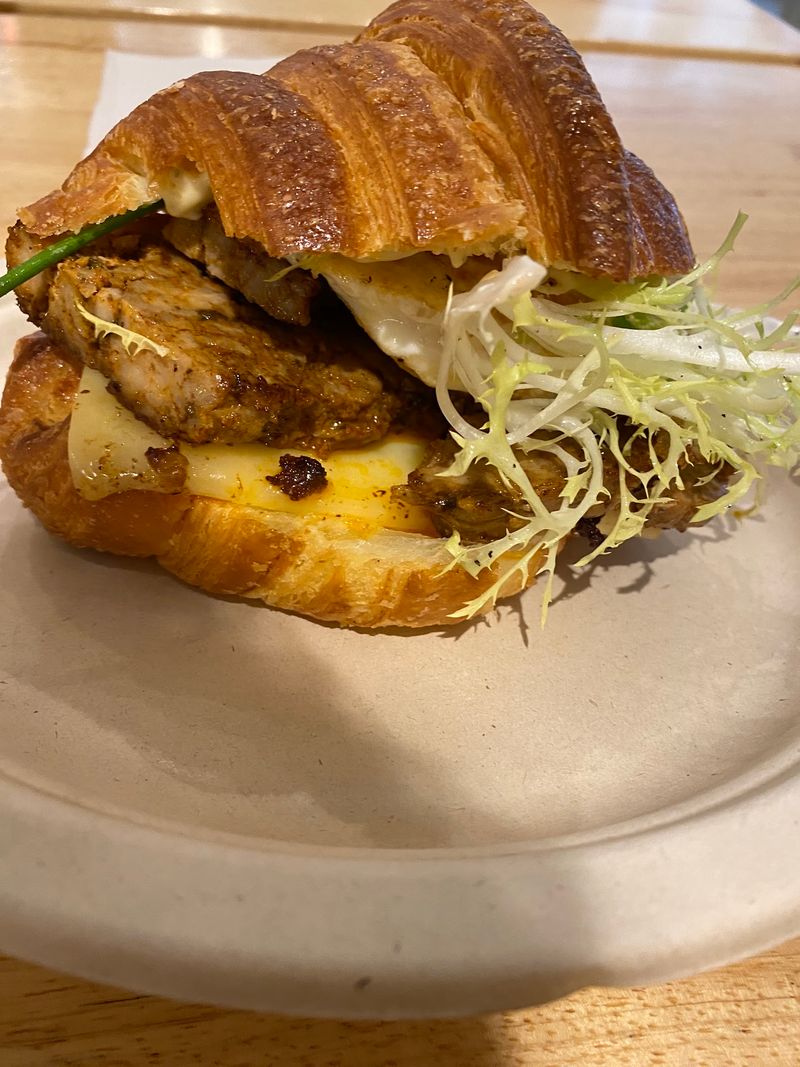
The bakery side of this operation is not limited to sweets. The chorizo breakfast sandwich has earned a reputation for being something close to life-changing, at least according to people who have tasted it.
That is a bold claim for a breakfast sandwich, but the combination of flavors and execution apparently justifies the enthusiasm.
A salmon tartine also appears regularly in conversations about the savory menu, and the quiche draws consistent attention from visitors looking for something warm and filling without leaning into sweet territory. A caramelized onion and Gruyere Danish has appeared as a special, and those who have tried it tend to remember it vividly.
The savory options reflect the same French-influenced sensibility that runs through the pastry selection. Nothing here feels like an afterthought.
The kitchen treats a breakfast sandwich with the same level of care it applies to laminated dough, and that consistency is what keeps people returning.
The Atmosphere Inside the North Loop Space
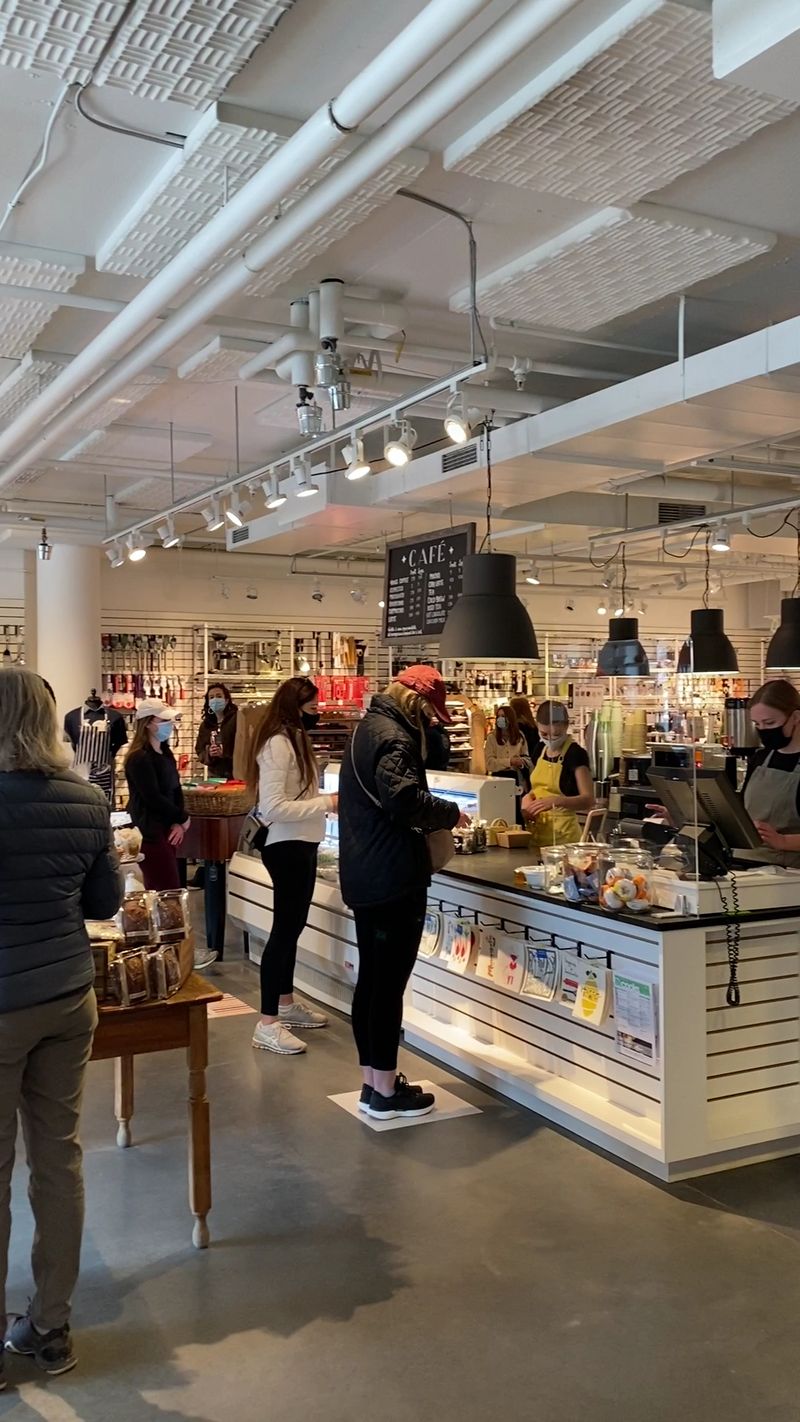
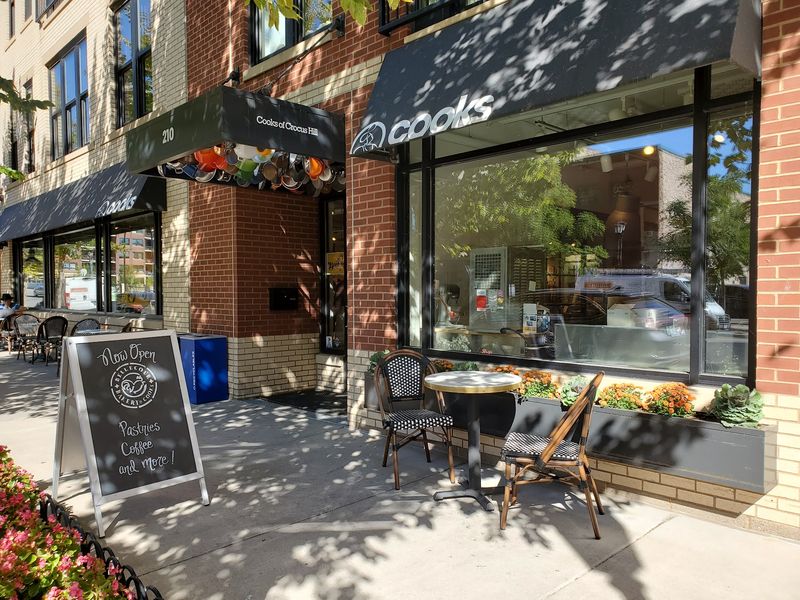
The North Loop location offers a few indoor tables for two, which means seating is limited and the café leans toward a grab-and-go rhythm during busy mornings. In warmer months, sidewalk seating along 1st Street opens up and completely changes the feel of a visit.
Sitting outside on a summer morning with a croissant and a lavender latte while watching the North Loop neighborhood come alive is a genuinely pleasant experience. The street does not carry heavy traffic, so the outdoor tables stay relatively calm and comfortable.
Inside, the combination of the open bakery kitchen, the retail shelving, and the café counter creates a layered visual environment that rewards slow browsing. There is always something to look at, whether it is a pastry chef shaping dough, a new pantry product on the shelf, or a cooking class in session through the kitchen window.
Macarons and the Sweet Details
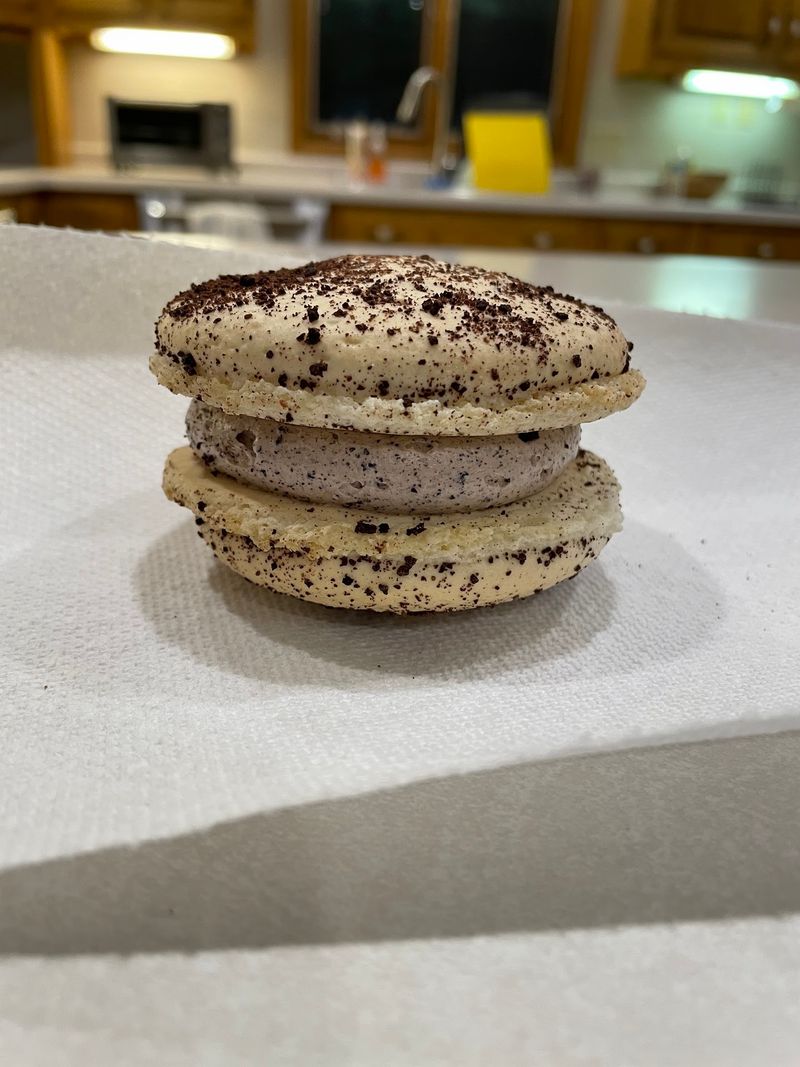
French macarons are notoriously difficult to execute consistently, and this school’s bakery is no exception to that challenge. Regular visitors note that the macarons can vary, with some visits producing exceptional results and others landing a little short of the mark.
That honesty actually reflects how technically demanding these cookies are to make.
When they are on, the macarons here are genuinely excellent. The shells have the right crispness, the filling is flavorful, and the overall balance hits the sweet spot that makes this cookie so beloved in French pastry culture.
The lesson here might be that macarons are worth ordering with a spirit of adventure rather than expectation. Some days you get the perfect one.
Other days you appreciate the effort that went into something so technically demanding. Either way, the experience of eating a freshly made macaron from a working patisserie kitchen is hard to replicate elsewhere in Minneapolis.
What Makes the Class Format Stand Out
Class sizes here are kept intentionally small. That choice directly shapes what happens in the kitchen during each session.
When fewer people share a workspace, every student gets more time at the cutting board, more direct feedback from the instructor, and more genuine connection to the food being prepared.
The school offers classes across a wide range of topics, so the experience is not limited to one style of cooking or one skill level. Whether someone is a complete beginner or a confident home cook looking to sharpen specific techniques, there is a class format designed with that person in mind.
The format that allowed Jacques Pépin to teach just eight students is the same format that makes every class here feel more personal than a typical cooking demonstration. That is not accidental.
The school has built its identity around the idea that cooking is best learned in a room where everyone actually fits.
A Spot That Rewards Regular Visits
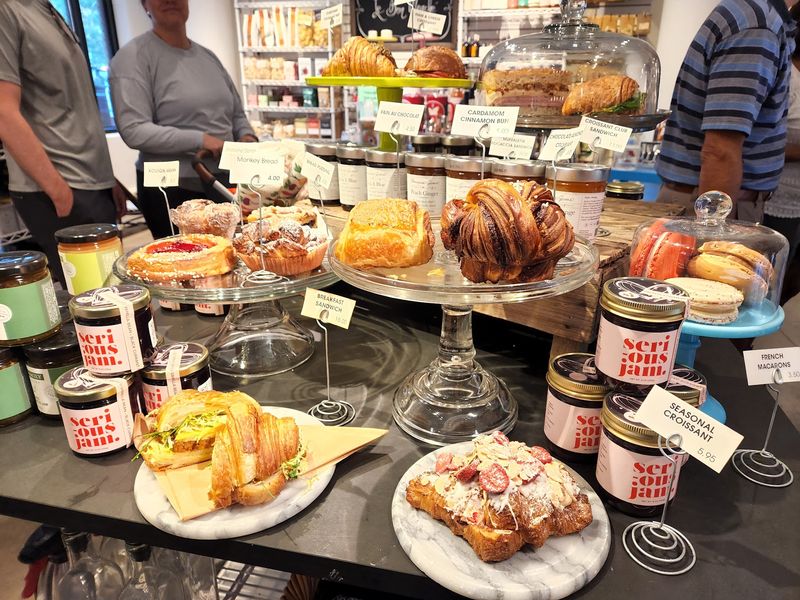
Part of what makes this place interesting to return to is that it keeps changing. Seasonal pastries rotate through the menu, specialty classes appear on the schedule, and new pantry products show up on the retail shelves.
A visit in January feels genuinely different from one in July.
The seasonal Danish, the monthly croissant variations, and the rotating savory specials give regulars a reason to check back often. There is always something new to try, and the base menu of croissants, kouign amann, and quiche provides a reliable foundation for those who simply want their favorite thing.
The retail side of the shop also shifts with the seasons and with new product discoveries. Visitors who browse the shelves regularly tend to find things they did not know they needed, which is part of the quiet charm of a space where cooking education and everyday shopping exist side by side.
The Chorizo Sandwich and Other Morning Highlights
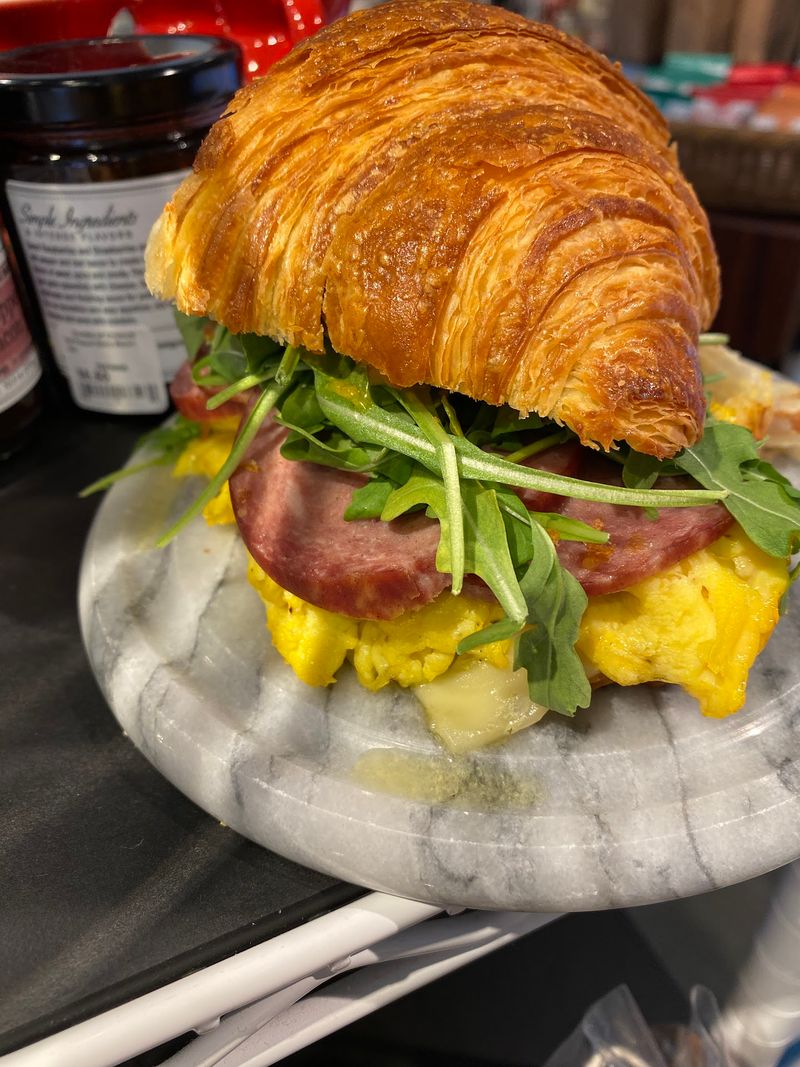
There is a version of a breakfast sandwich that transcends the category, and the chorizo option here seems to be exactly that. The combination of ingredients and the quality of execution put it in a different conversation from what most cafés serve in the morning hours.
What makes it work is not just the chorizo itself but the way each component is treated with care. The bread, the egg, the balance of flavors: everything lands together in a way that feels intentional rather than assembled.
That kind of attention is what separates a good breakfast from a memorable one.
Morning visitors who pair the sandwich with one of the lattes and follow it up with a pastry from the case tend to leave in a noticeably better mood than when they arrived. That is not a small thing.
A well-made breakfast at the right place sets the tone for an entire day.
The Crepe Cake That Is Hard to Find Anywhere Else
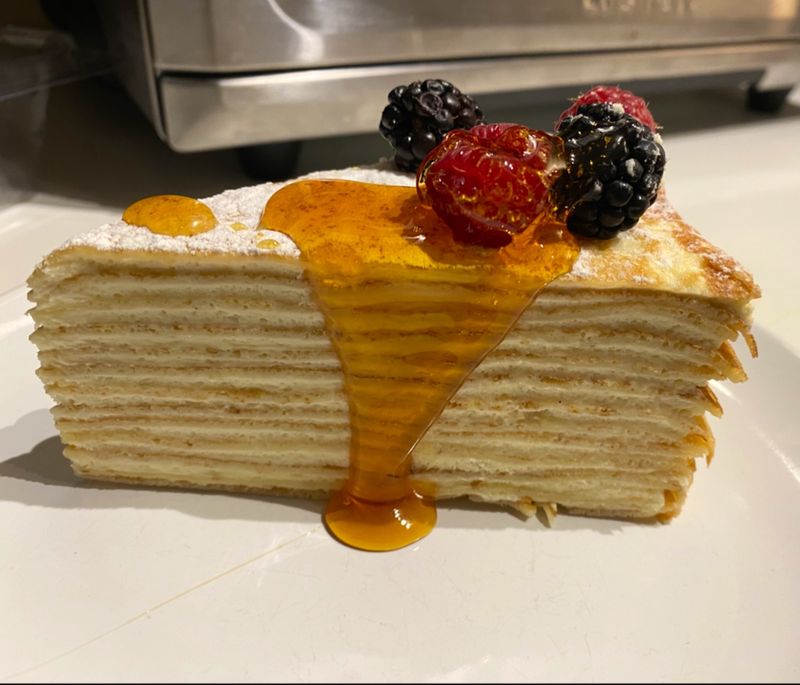
Crepe cakes are not common on menus in the Twin Cities, which makes the version served here stand out immediately. The vanilla crepe cake is the most consistently praised option, built from dozens of paper-thin crepes layered with cream into something that looks almost too elegant to eat.
The seasonal variations tend to generate even more excitement among regulars. When the kitchen shifts the flavor profile to match the time of year, the result often feels like a completely different experience from the classic version, even though the technique remains the same.
One practical note worth passing along: the crepe cake can shift and lose its form during transport if it is not kept level in the car. Getting it home intact requires a little care.
Most people who have made that mistake once figure out quickly that eating it at the café is the smarter and more satisfying plan.
Pricing and What to Expect Before You Go
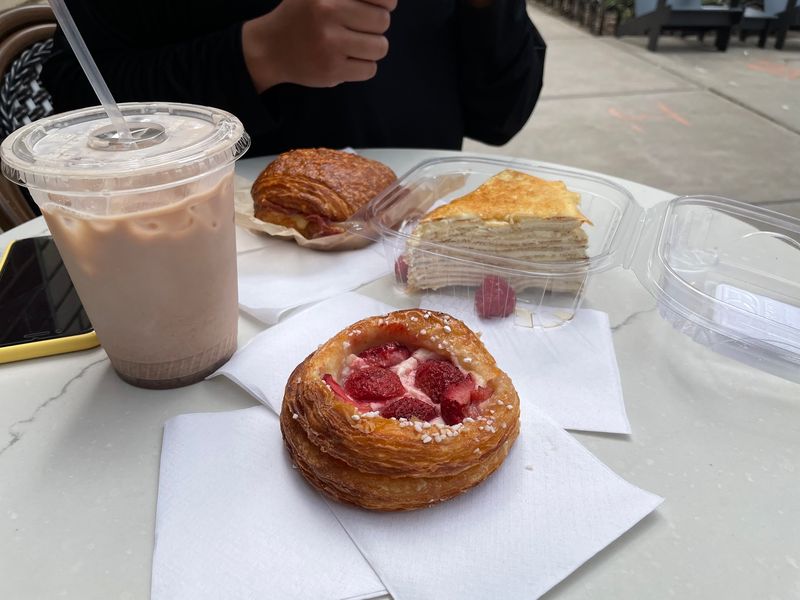
A few things are worth knowing before your first visit so nothing catches you off guard. The pastries are priced in line with other high-quality patisseries in the Minneapolis area, which means you are paying for craft and quality rather than volume.
A croissant here costs more than a gas station version, and the difference in quality justifies that gap completely.
There is a hospitality charge added to orders, which can add up quickly if you are ordering for a group. Being aware of that ahead of time helps you budget more accurately and avoids any surprise at the register.
Cooking classes carry a higher price point, reflecting the small class sizes and the quality of instruction. Most participants find the experience worthwhile, though it is smart to read the cancellation policy carefully before booking.
The school holds firm to its terms, so knowing the details upfront saves frustration later.
Why This Place Stays on the Minneapolis Food Map
Some places exist at the intersection of education, culture, and really good food in a way that is genuinely difficult to replicate. This is one of those places.
The combination of a working pastry kitchen, a culinary classroom, and a specialty retail shop creates an experience that goes beyond any single category.
The fact that a chef of Jacques Pépin’s stature once taught a class here for just eight students is not a random footnote. It reflects the kind of culinary credibility that takes years to build and a genuine commitment to the craft of cooking as both art and instruction.
Minneapolis has no shortage of cafés and food experiences worth exploring. But Cooks of Crocus Hill occupies a specific space in the city’s food culture that nothing else quite fills.
For anyone curious about cooking, French pastry, or simply a very good croissant on a quiet morning, this address is worth keeping on your list.
Share this story