Tucked away in downtown Pontiac, Illinois, a small museum holds the secrets of an ancient craft that once adorned palaces and cathedrals across the world. The Museum of the Gilding Arts offers free admission to anyone curious about how real gold and silver transform ordinary objects into extraordinary works of art.
Inside this unassuming building, you’ll discover tools, techniques, and treasures that reveal why gilding has captivated artists for thousands of years.
Free Admission Makes This Art Form Accessible to Everyone
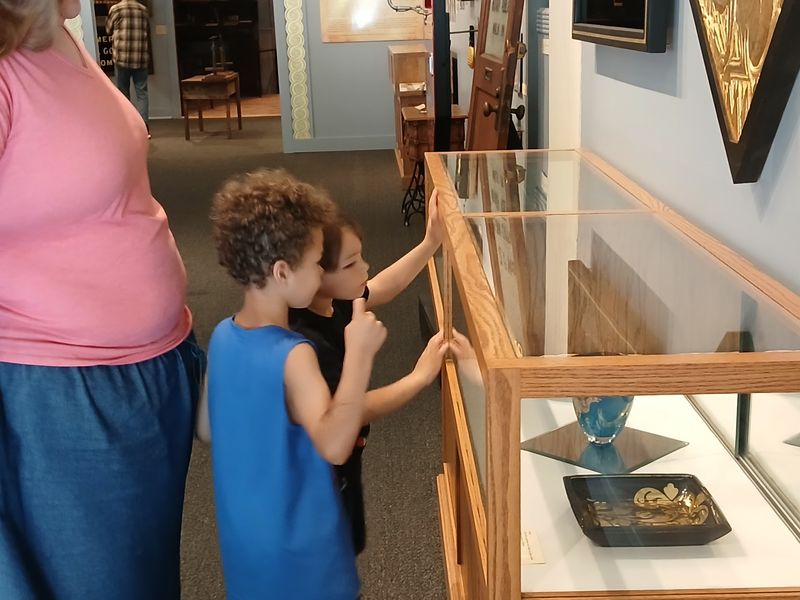
Walking through the doors won’t cost you a penny, though donations are warmly welcomed to keep this unique museum running. The Museum of the Gilding Arts operates entirely on the generosity of visitors who appreciate its mission to preserve and share this specialized craft.
Located at 217 N Mill Street in Pontiac, the museum opens its doors seven days a week from 11 AM to 3 PM, making it easy to fit into any travel schedule.
Most visitors spend about 30 to 45 minutes exploring the exhibits, perfect for a quick stop during a road trip or a leisurely afternoon outing. The compact size means you won’t feel overwhelmed, but there’s still plenty to see and learn.
Families with children find it especially budget-friendly since everyone gets in without paying admission fees.
The museum’s free entry policy reflects its commitment to education and community engagement. Staff members are knowledgeable and eager to answer questions, adding personal touches that make your visit memorable.
Some gilded pieces are even available for purchase if something catches your eye and you want to take home a sparkling souvenir from this hidden gem.
Real Gold Leaf Is Thinner Than a Human Hair
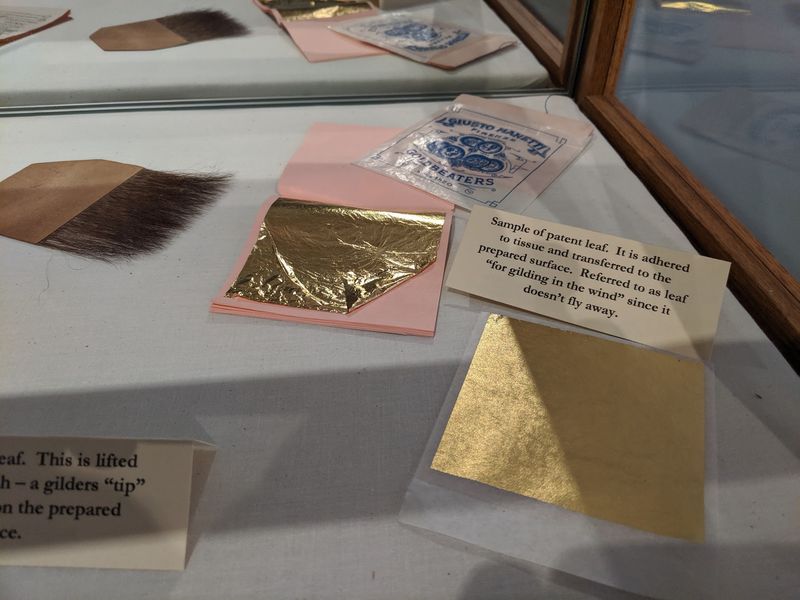
Gold leaf used in gilding measures just 0.0001 millimeters thick, so fragile that a single breath can send it floating across the room. At the Museum of the Gilding Arts, you’ll see demonstrations of how artisans handle these impossibly thin sheets without tearing them.
The museum displays various grades of gold leaf, from 12-karat to 24-karat, each producing different shades and qualities when applied to surfaces.
Watching gold leaf catch the light reveals why artists have prized this material for millennia. The metal’s natural properties allow it to be hammered into sheets thin enough to transmit light, yet durable enough to last centuries when properly applied.
Display cases show the progression from gold ingots to finished leaf, illustrating the intensive labor involved in creating these gossamer-thin sheets.
Silver leaf receives equal attention at the museum, though it requires different handling techniques due to its tendency to tarnish. Visitors often express surprise at learning how much surface area a single ounce of gold can cover when beaten into leaf form.
The museum’s collection includes antique tools specifically designed for lifting and positioning these delicate materials without damaging them.
Try Lifting the Famous Gilding Hammer Yourself
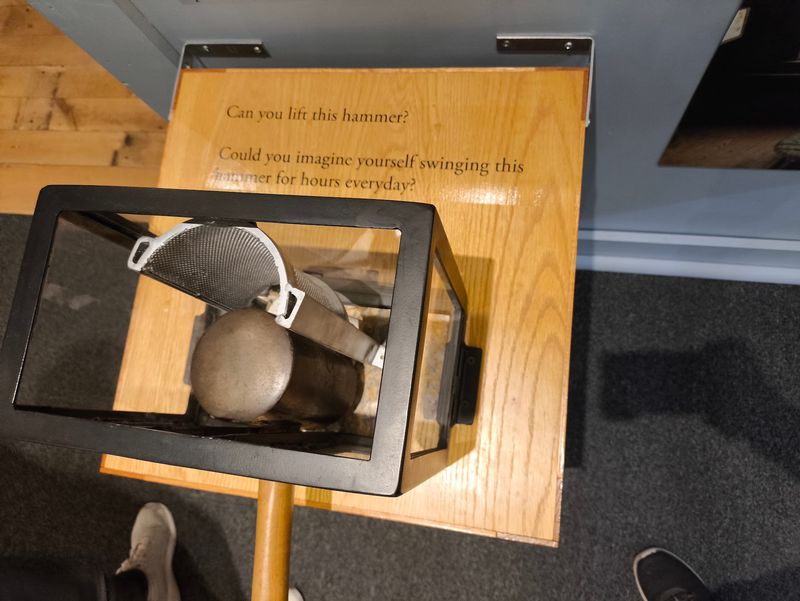
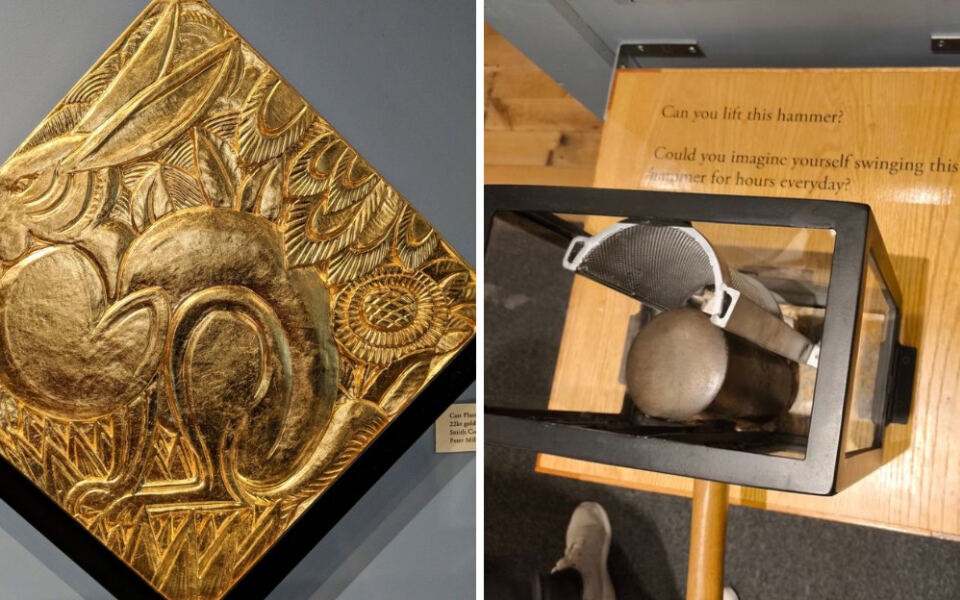
One of the museum’s most popular interactive experiences challenges visitors to lift the gilding hammer used in traditional workshops. Multiple reviews mention this hands-on activity, which gives you an immediate appreciation for the physical demands of the gilding craft.
The hammer’s surprising weight comes from its dense construction, necessary for the repetitive pounding that transforms gold into leaf.
Children and adults alike enjoy testing their strength against this deceptively heavy tool. The experience connects you directly to the craftspeople who spent hours wielding such implements to create the beautiful gold leaf displayed throughout the museum.
Staff members often share stories about historical gilders and the physical toll their profession took on their bodies.
This simple interactive element transforms passive observation into active engagement with history. Visitors frequently photograph themselves attempting to lift the hammer, creating memorable moments that make the museum experience stick in their minds long after leaving.
The activity also sparks conversations about how modern machinery has changed the gilding process, though many artisans still prefer traditional hand-hammering methods for certain applications requiring exceptional thinness and quality.
A Preserved Workshop Shows Gilding as It Was Done Decades Ago
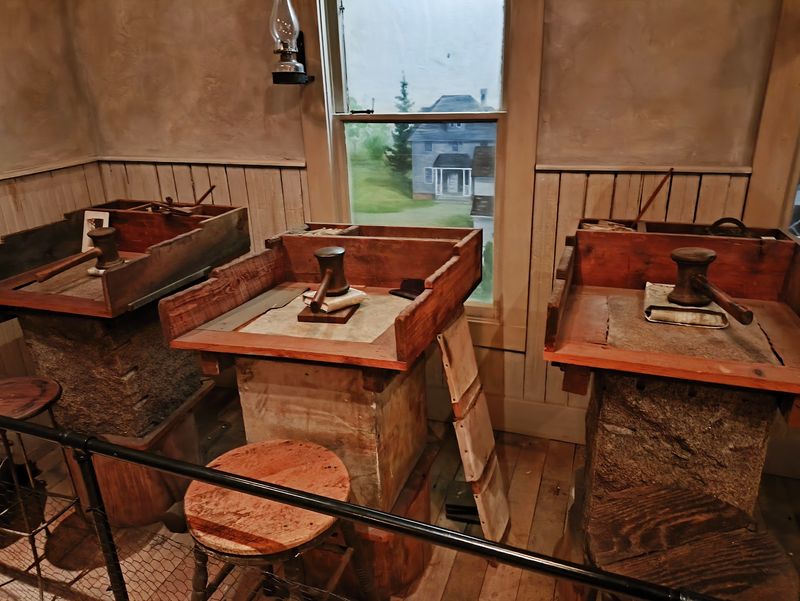
Step into the back room and you’ll find yourself transported to an authentic gilding workshop frozen in time. This preserved workspace contains original tools, workbenches, and equipment that professional gilders used in Pontiac’s industrial past.
The arrangement shows exactly how craftspeople organized their materials and moved through the various stages of applying gold and silver leaf to objects.
Visitors consistently mention this workshop as a highlight of their museum experience. The space retains its working atmosphere, allowing you to imagine the concentration required as gilders carefully positioned microscopically thin sheets of precious metal.
Dust particles floating in sunlight would have been a gilder’s nightmare, potentially ruining hours of meticulous work.
Original gilding cushions, knives, and brushes rest on benches as if the craftsperson just stepped away for lunch. The museum has resisted the urge to over-restore these items, preserving the patina and wear marks that tell stories of countless projects completed here.
Photographs on the walls show the workshop during its active years, connecting past and present in a tangible way that brings history alive for modern visitors.
Friendly Staff Share Expert Knowledge About the Craft
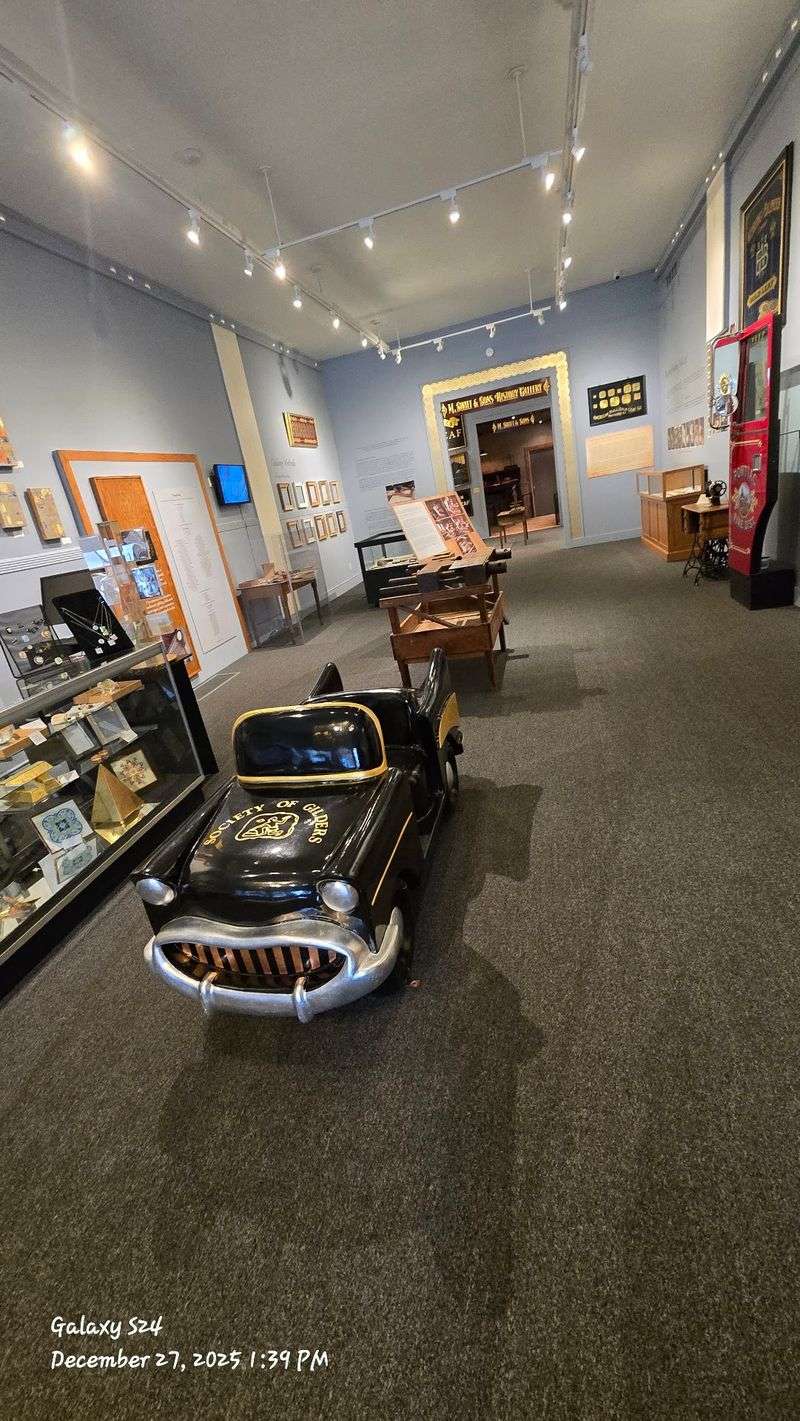
Grace and other knowledgeable guides transform a simple museum visit into an engaging educational experience. Multiple reviewers specifically praise the staff’s friendliness and their ability to explain complex gilding techniques in understandable terms.
Whether you’re a complete beginner or someone with art background, the guides adjust their presentations to match your interest level and prior knowledge.
The personal attention you receive here stands in stark contrast to larger museums where you might wander anonymously through galleries. Staff members take time to answer questions, demonstrate techniques when possible, and share fascinating details about specific pieces in the collection.
Their genuine enthusiasm for gilding arts proves contagious, often sparking curiosity in visitors who initially stopped in just to kill time.
Tours can be self-guided if you prefer exploring at your own pace, but most visitors appreciate the insights that only experienced guides can provide. The staff’s dedication to preserving and promoting this specialized craft shows in every interaction.
They understand that many visitors have never considered how gold and silver decoration happens, so they start with basics before moving into more advanced concepts and historical context.
Discover How Many Everyday Objects Feature Hidden Gilding
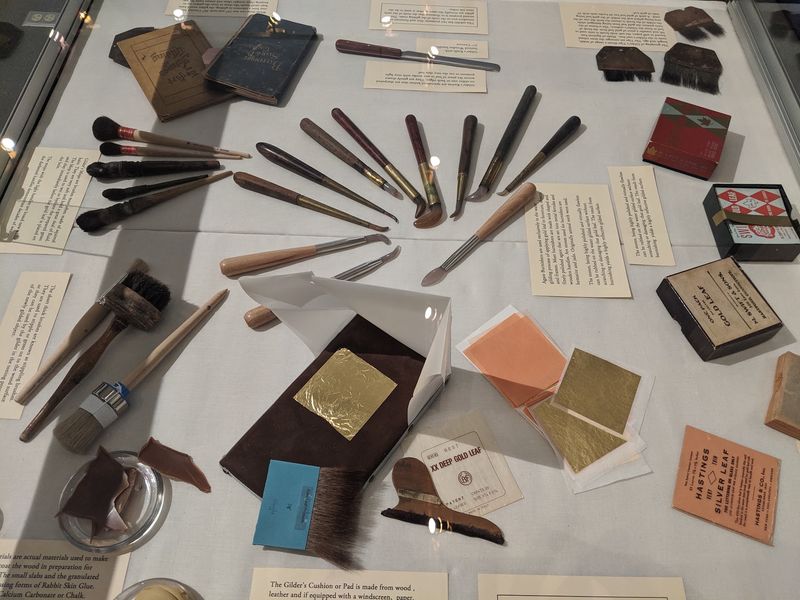
Your eyes will open to gilding everywhere once you learn to recognize it at this museum. The exhibits showcase how gold and silver leaf appear on picture frames, mirrors, furniture, architectural details, and even book edges.
Many visitors express surprise at discovering how common gilded decoration remains in contemporary life, though we rarely stop to consider the craft behind it.
Display cases contain both historical and modern examples of gilded objects, demonstrating how the technique has evolved while maintaining its essential character. Religious artifacts receive special attention, as churches and temples have long been major patrons of gilding arts.
The museum explains why gold became associated with sacred spaces and how its reflective properties were thought to represent divine light.
Architectural elements like ceiling medallions and column capitals show gilding on a larger scale than most people expect. The museum’s collection helps visitors understand that gilding isn’t limited to small decorative items but can transform entire spaces.
You’ll leave with a new appreciation for the skilled hands that apply these precious metals, often in challenging positions like scaffolding or cramped workshops, to create beauty that endures for generations.
Small Size Means You Can Explore Everything in Under an Hour
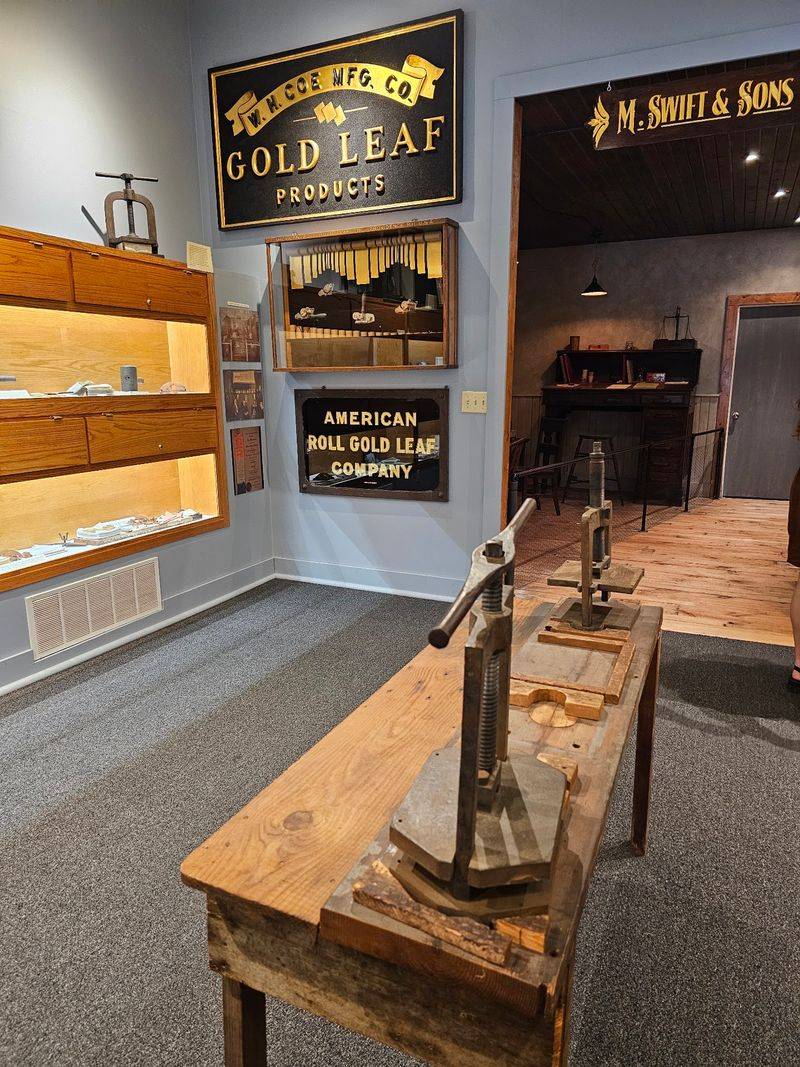
Perfect for travelers on tight schedules, this museum packs substantial educational value into a modest footprint. Most visitors complete their exploration in 30 to 45 minutes, though gilding enthusiasts sometimes linger longer to examine specific pieces closely.
The compact layout means nothing gets overlooked, unlike sprawling museums where interesting exhibits might hide in distant wings you never reach.
Families appreciate that children can maintain focus and interest throughout the entire visit without becoming restless or overwhelmed. The museum’s size also makes it accessible for elderly visitors or anyone with mobility limitations who might struggle with extensive walking.
Every item is visible without backtracking through multiple floors or confusing corridors.
This efficiency makes the Museum of the Gilding Arts an ideal addition to a Route 66 road trip or day exploring Pontiac’s other attractions. You’ll gain complete understanding of the gilding process without sacrificing hours of your day.
The concentrated experience also helps information retention, as you’re not trying to absorb dozens of different topics simultaneously. Several reviewers mention stopping spontaneously and being glad they did, precisely because the time investment felt manageable yet rewarding.
Beautiful Gilded Artwork Is Available for Purchase
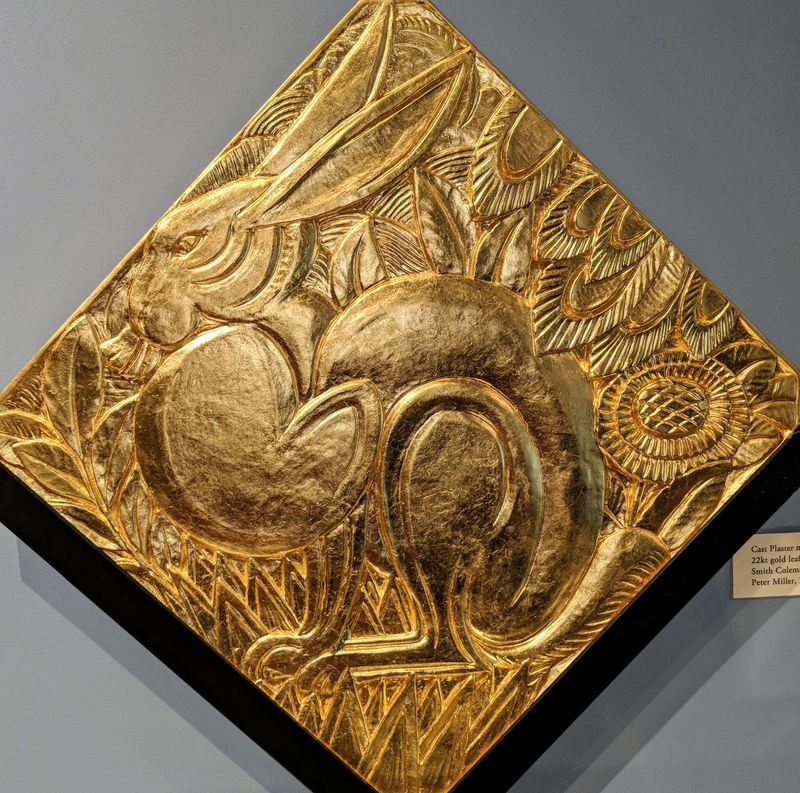
Take home more than memories by purchasing one of the gilded pieces displayed throughout the museum. All artwork you see is available for sale, offering a unique opportunity to own authentic examples of this ancient craft.
Prices vary depending on size, complexity, and materials used, making it possible to find something within different budget ranges.
Buying directly from the museum supports their mission to preserve and promote gilding arts while providing working artists with income. Each piece comes with the knowledge that it was created using the same techniques you just learned about during your visit.
The connection between education and acquisition adds meaning to your purchase that mass-produced items can never match.
Staff members can discuss the specific techniques used in pieces that interest you, helping you make informed decisions about which work to bring home. Some visitors return specifically to purchase items they remembered from previous visits, unable to forget particular pieces that caught their attention.
The museum also offers smaller gilded objects perfect for gifts, allowing you to share your discovery of this fascinating art form with friends and family who couldn’t make the trip to Pontiac with you.
Learn Why Gold Doesn’t Tarnish Like Other Metals
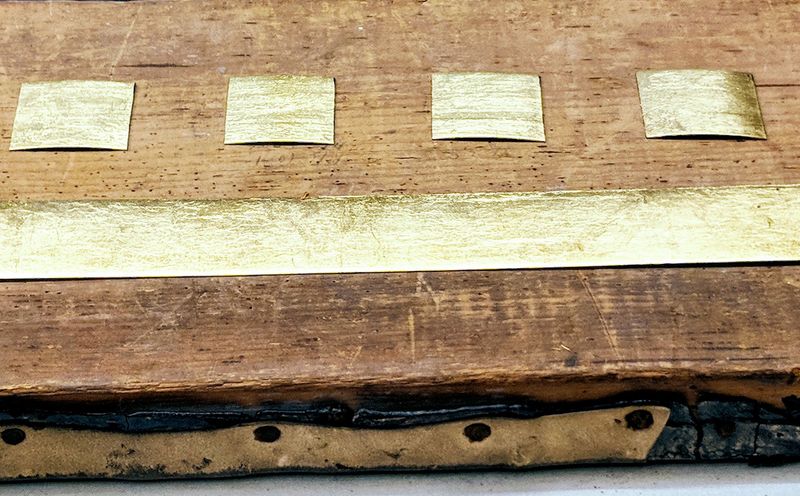
Gold’s chemical stability makes it ideal for gilding applications that must withstand centuries of exposure. The museum explains in accessible terms why gold resists oxidation, corrosion, and tarnishing that plague other metals including silver.
This property explains why ancient gilded objects excavated from archaeological sites often retain their brilliant shine while surrounding materials have deteriorated completely.
Silver leaf requires protective coatings or careful environmental control to maintain its appearance over time. The museum’s displays illustrate this difference dramatically by showing how silver pieces develop patina while gold remains unchanged.
Understanding these material properties helps visitors appreciate why gold commands higher prices and why certain applications specifically require gold rather than less expensive alternatives.
Chemical demonstrations or visual aids make these scientific concepts understandable without requiring advanced knowledge. You’ll learn about gold’s atomic structure and how its electron configuration prevents the reactions that cause rust and corrosion in iron or tarnish in silver.
This knowledge transforms how you view gilded objects, recognizing them not just as decorative choices but as practical solutions for creating beauty that endures through time and environmental challenges that would destroy lesser materials.
Route 66 Travelers Find This Museum a Perfect Quick Stop
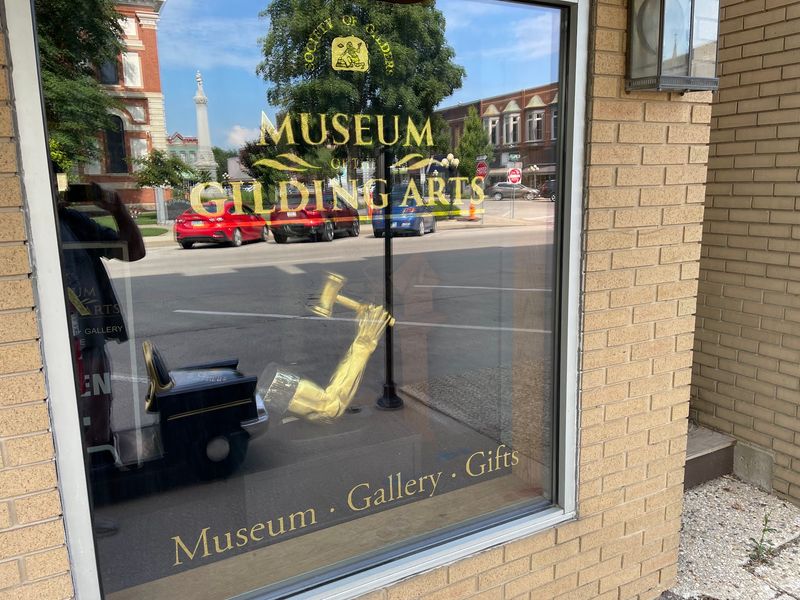
Pontiac sits directly on historic Route 66, making the Museum of the Gilding Arts a natural addition to any Mother Road adventure. The museum’s downtown location puts it within easy walking distance of other Pontiac attractions including Route 66 murals, vintage car museums, and classic diners.
Travelers appreciate finding unexpected educational experiences along their journey rather than just roadside attractions and photo opportunities.
The museum’s operating hours accommodate most travel schedules, open seven days a week during afternoon hours when road trippers typically look for breaks from driving. Free admission removes any barrier to stopping, even if you’re only mildly curious about gilding arts.
Many visitors report that the museum exceeded their expectations, becoming a highlight they eagerly recommend to other travelers.
Pontiac’s revival as a Route 66 destination benefits from unique attractions like this museum that offer substance beyond nostalgia. The combination of history, craftsmanship, and hands-on elements creates memorable experiences that distinguish your trip from generic tourism.
Social media posts from the museum help spread awareness among Route 66 communities, drawing visitors who specifically seek out this hidden gem rather than stumbling upon it accidentally during their Illinois crossing.
Share this story