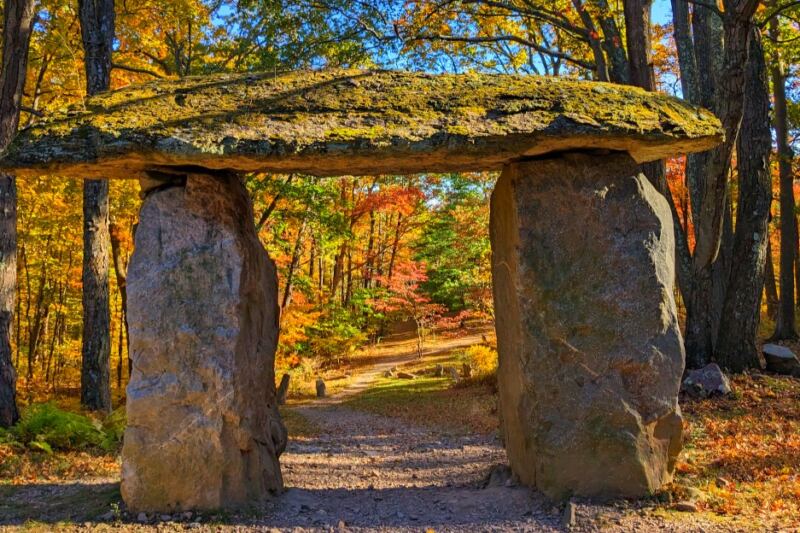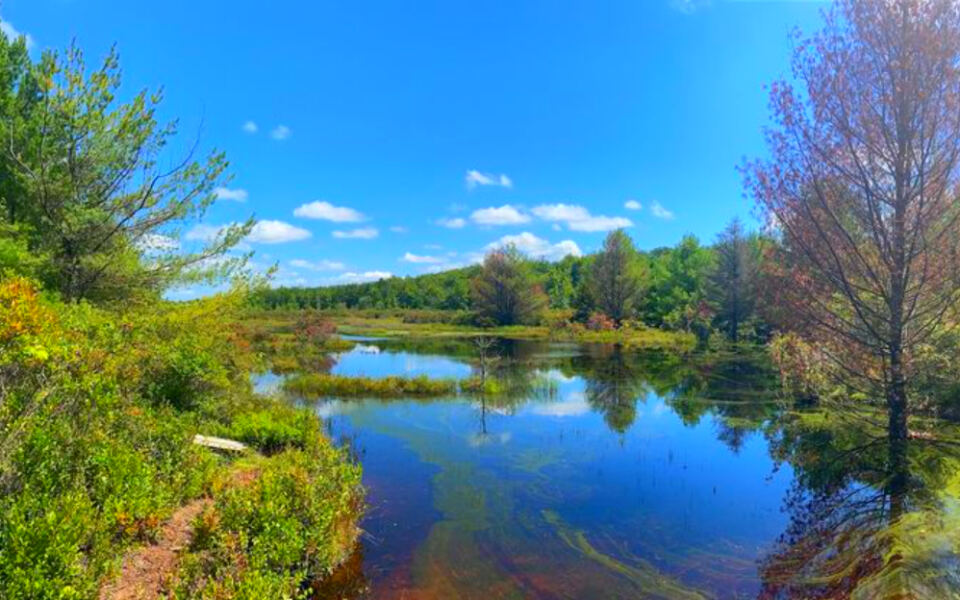
There is a place in the Pocono Mountains of Pennsylvania where the landscape feels like it belongs somewhere far north, maybe Canada or even Siberia, yet it sits just a short drive from busy highways and tourist towns. Ancient glaciers carved this terrain thousands of years ago, leaving behind bogs, black spruce forests, and spring-fed streams that still run cold and dark today.
The wildlife list alone is enough to make any nature lover stop scrolling: Canada warblers, snowshoe hares, river otters, black bears, and a growing population of rare golden-winged warblers all call this place home. What makes it even more surprising is that a well-built 2.2-mile trail and boardwalk system lets everyday visitors explore these rare wetlands without sinking into the mud.
Keep reading to discover everything worth knowing about this remarkable preserve before you lace up your boots and head out.
Where to Find the Preserve and How to Get There
The Thomas Darling Preserve at Two-Mile Run sits in Blakeslee, Monroe County, Pennsylvania, right in the heart of the Pocono Plateau region. The main trailhead and parking lot are accessed off Burger Road, Blakeslee, PA 18610.
To reach it, head north on Route 115 from the intersection of Routes 940 and 115 in Blakeslee for about one mile, then turn right onto Burger Road. A second parking option is available off Caughbaugh Road for those approaching from a different direction.
The GPS coordinates for the main lot are 41.115573, -75.590863, which makes plugging it into your phone the easiest move. Cell service in the Poconos can be patchy, so downloading an offline map before you leave home is a smart habit.
The preserve is open daily from 7 AM to 7 PM, so plan your arrival with enough daylight left to enjoy the full loop comfortably.
A 2,500-Acre Landscape Shaped by Ancient Ice
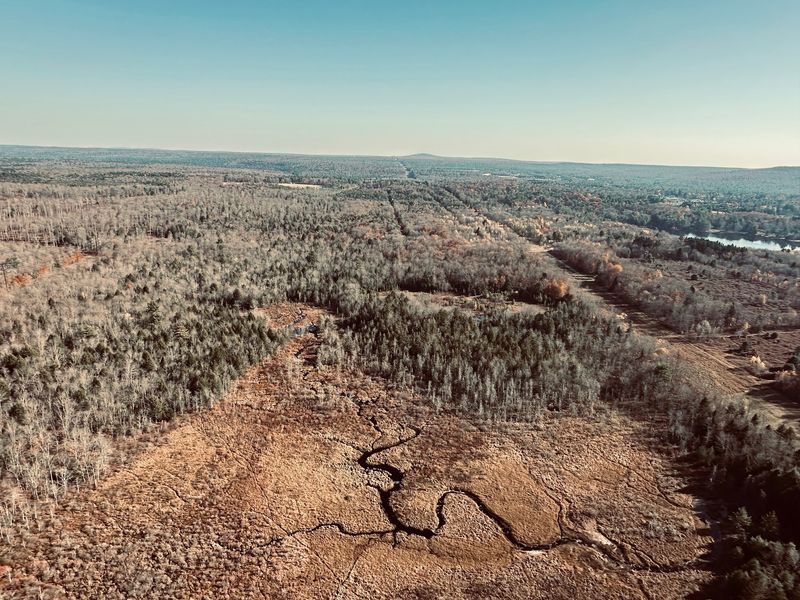
Two thousand five hundred acres sounds like a big number on paper, but standing at the edge of the preserve and looking out over the spruce canopy and open bog meadows, you truly feel the scale of it. This land was sculpted by glaciers during the last ice age, and those frozen rivers of ice left behind a terrain unlike almost anything else in Pennsylvania.
The preserve is jointly owned and managed by The Nature Conservancy, Wildlands Conservancy, and Tobyhanna Township, with The Nature Conservancy overseeing most of the land. That kind of collaborative management has kept the ecosystem largely intact and free from the development pressures that have changed so much of the surrounding Pocono region.
What makes this place especially rare is that its boreal wetland habitats are typically found hundreds of miles farther north. Pennsylvania almost never produces landscapes like this, which is exactly what makes a visit here feel so unexpectedly wild and rewarding.
The 2.2-Mile Trail and Boardwalk System Worth Every Step
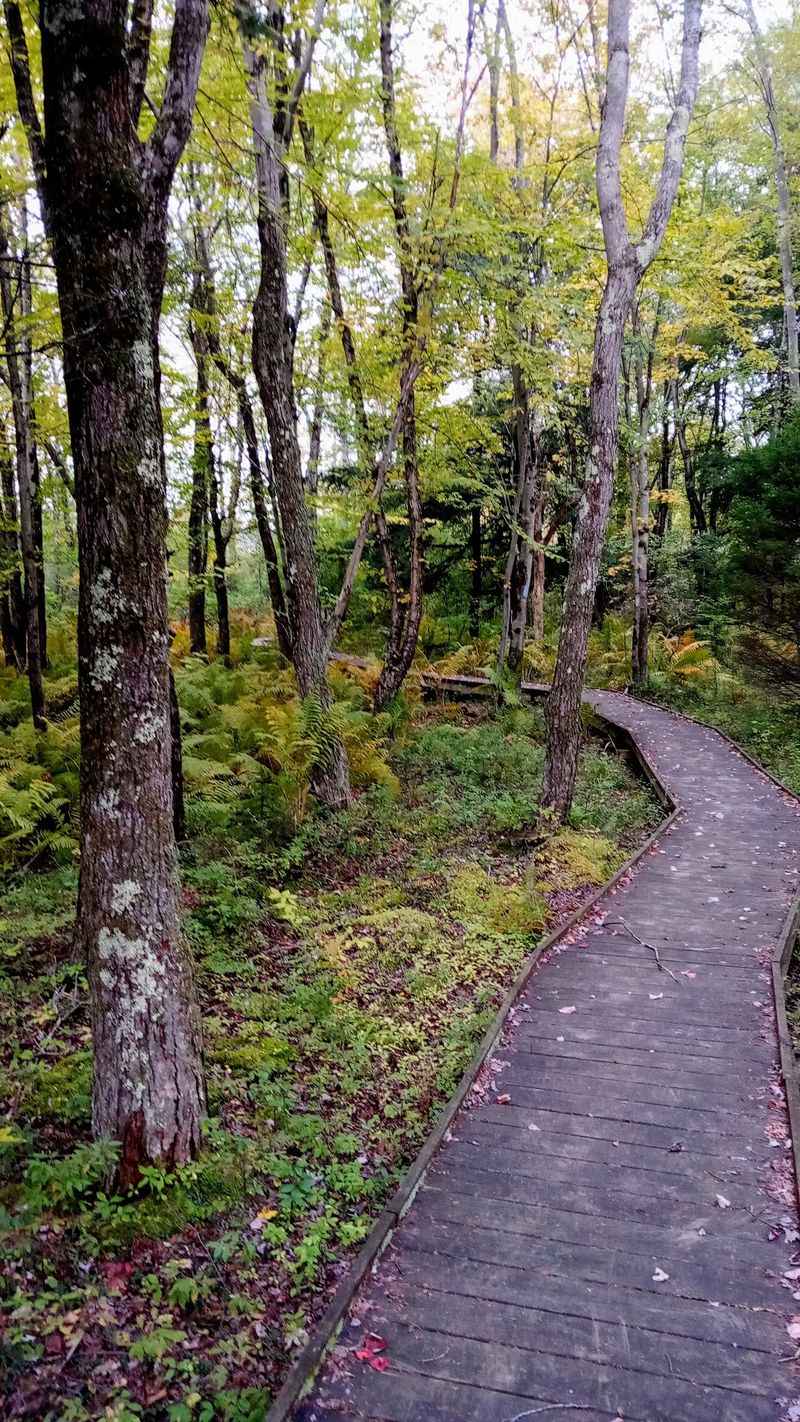
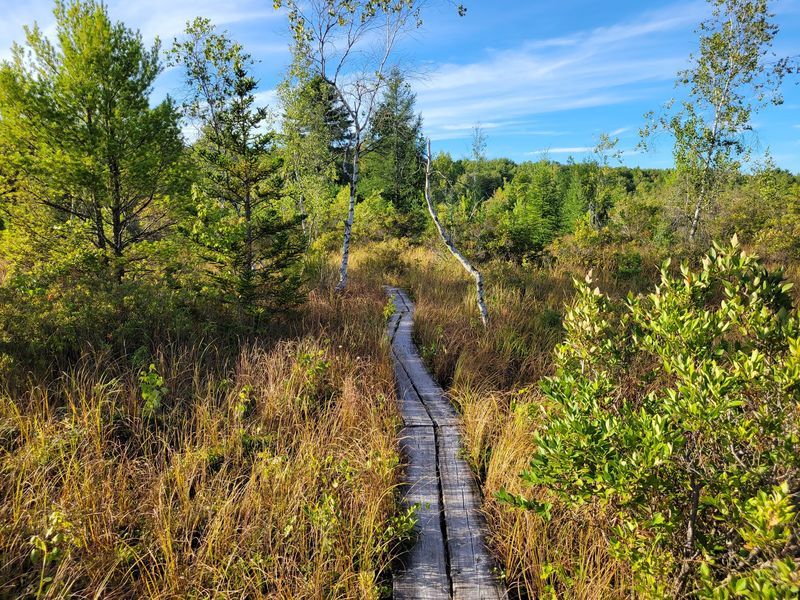
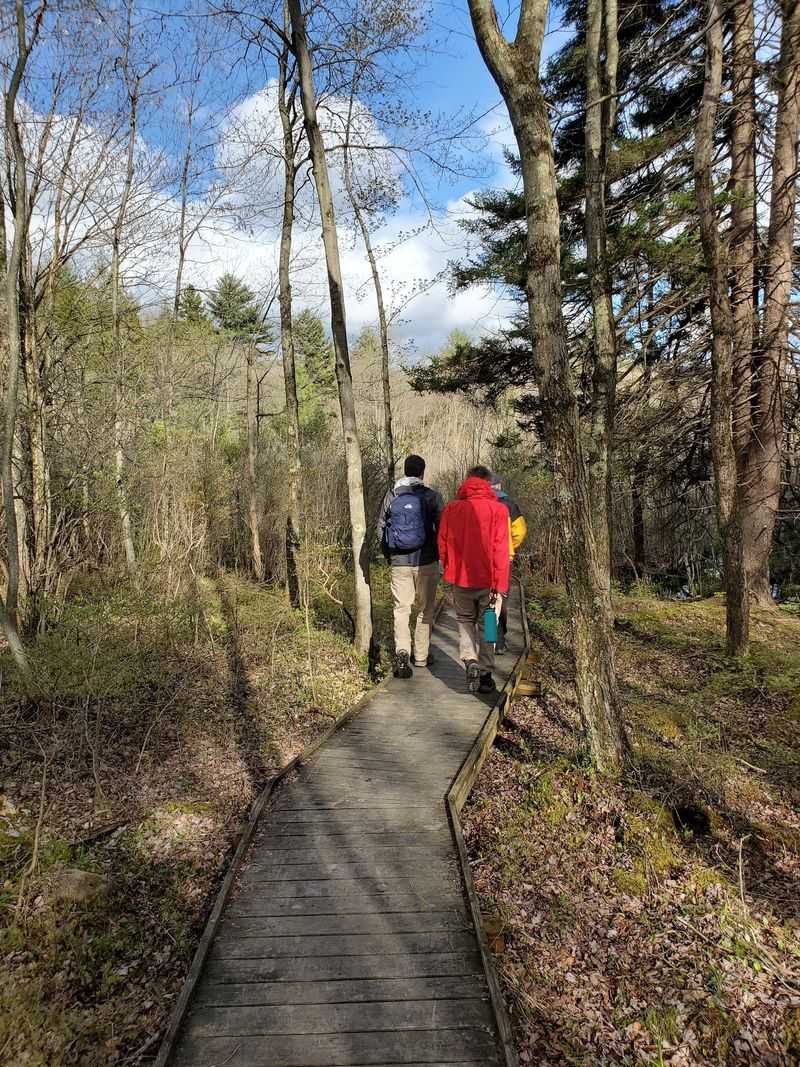
The main attraction here is a 2.2-mile loop trail blazed in blue, and it delivers a satisfying mix of soft forest paths, rooted and rocky terrain, and elevated boardwalk sections that carry you right over the wettest parts of the preserve. Most hikers finish the loop in about an hour to an hour and a half, though frequent stops for birdwatching or photography can easily stretch that time.
The boardwalk sections are genuinely impressive. Built with funding from Pennsylvania DCNR Keystone grants and completed in 2014, they involved Eagle Scouts, AmeriCorps volunteers, local contractors, and high school students.
Knowing that community effort went into every plank makes walking them feel a little more meaningful.
Waterproof boots are strongly recommended, especially after rain, because sections outside the boardwalk can be muddy and wet even during dry stretches. Long pants are also a smart choice since the trail passes through dense vegetation where ticks are active, particularly in late spring and early summer.
The Rare Glacial Wetlands That Make Scientists Take Notice
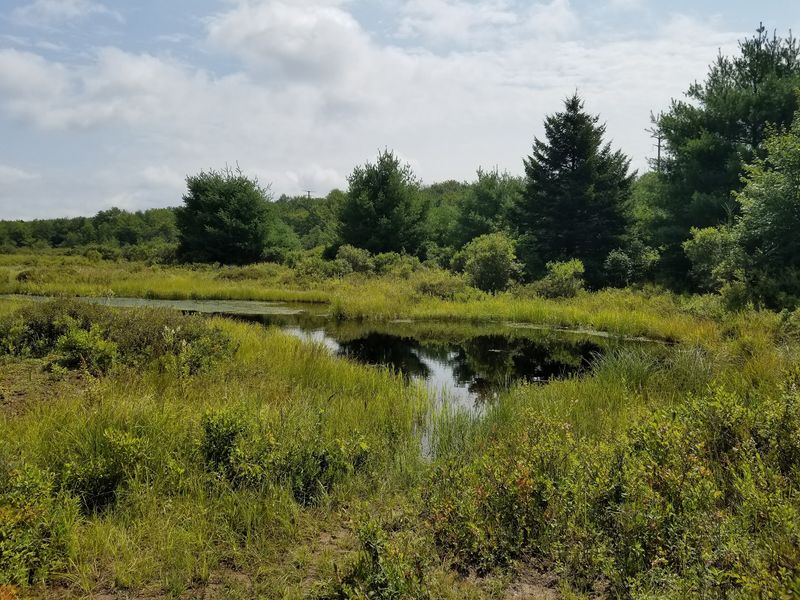
Pennsylvania is not a state most people associate with boreal bogs, but this preserve quietly holds one of the most significant glacial wetland complexes in the entire region. The ecosystem includes black spruce and tamarack forests, sphagnum bogs, fens, open wet meadows, and conifer swamps, and it is recognized as one of Pennsylvania’s three largest undisturbed peatland ecosystems.
The acidic soils and cold, still water create conditions that support rare plant species almost never seen elsewhere in the state. Pitcher plants and sundew, both carnivorous plants adapted to nutrient-poor bog conditions, grow here alongside bog sedge, thread rush, and creeping snowberry.
Two-Mile Run, the spring-fed stream that gives the preserve its name, emerges from underground springs and seeps within the wetlands. The water runs cold and dark, sometimes appearing black and glassy, sometimes a deep red-brown from tannins.
That stream eventually feeds into Tobyhanna Creek and the Lehigh River, supplying clean drinking water to communities downstream.
A Bird Habitat That Grew From 29 to Over 100 Species
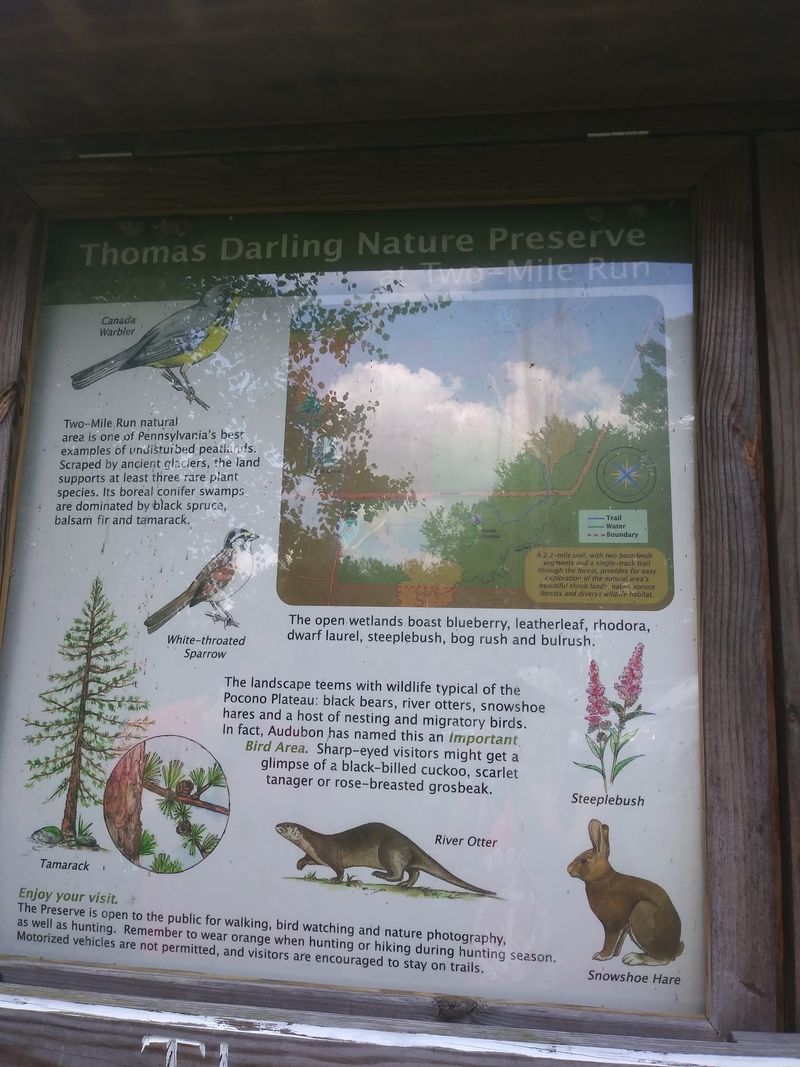
Birdwatchers who know their warblers will recognize immediately why this preserve has developed such a strong reputation in birding circles. The habitat restoration work carried out by the Wildlands Conservancy helped push the number of observed bird species from just 29 to well over 100, and in some counts, more than 120 species have been recorded within the preserve boundaries.
The breeding birds here read like a checklist from a much wilder corner of the continent. Canada warblers, golden-crowned kinglets, barred owls, scarlet tanagers, ospreys, black-billed cuckoos, and dark-eyed juncos all nest here.
The golden-winged warbler and cerulean warbler, both species of conservation concern, have benefited directly from targeted habitat management.
Late spring and early summer are the prime windows for birding, when singing is at its peak and activity fills the tree canopy from dawn onward. Arriving early in the morning dramatically increases the chances of seeing and hearing the most species, so set that alarm before you head out.
Wildlife Beyond the Birds: Bears, Otters, and Snowshoe Hares
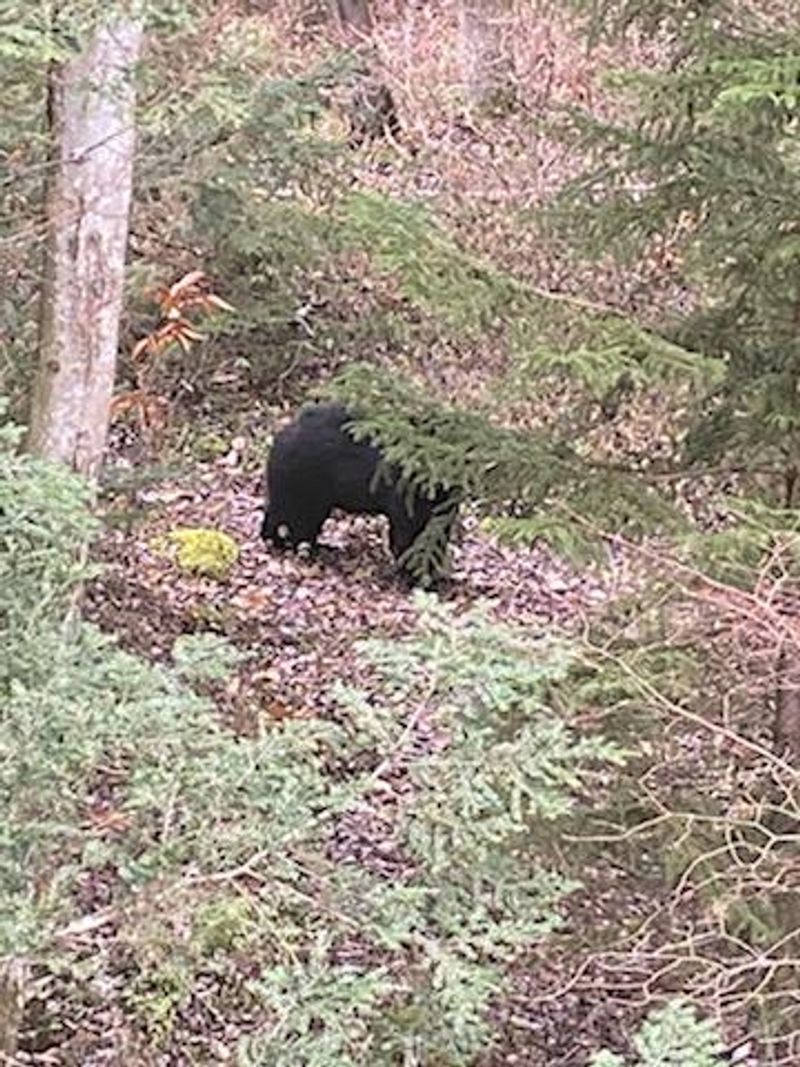
The birds get most of the attention here, but the mammal list at this preserve is quietly impressive. Black bears move through the 2,500 acres regularly, and while a sighting is never guaranteed, the dense spruce and tamarack forests provide exactly the kind of cover they prefer.
Deer tracks are common along the muddy trail edges, and eastern coyotes pass through as well.
Snowshoe hares are one of the more exciting finds, partly because they are genuinely rare in Pennsylvania and largely confined to boreal habitats like this one. River otters have also been documented in and around Two-Mile Run, which says a great deal about the water quality in the preserve.
Beavers are active too, and their pond management visibly shapes the wetland landscape.
Perhaps the most conservation-significant mammal present is the northern flying squirrel, an endangered species in Pennsylvania. Nesting boxes have been installed and are actively monitored, giving this tiny nocturnal glider a fighting chance in one of its last suitable habitats in the state.
The Story Behind the Name: Thomas Darling, Jr.
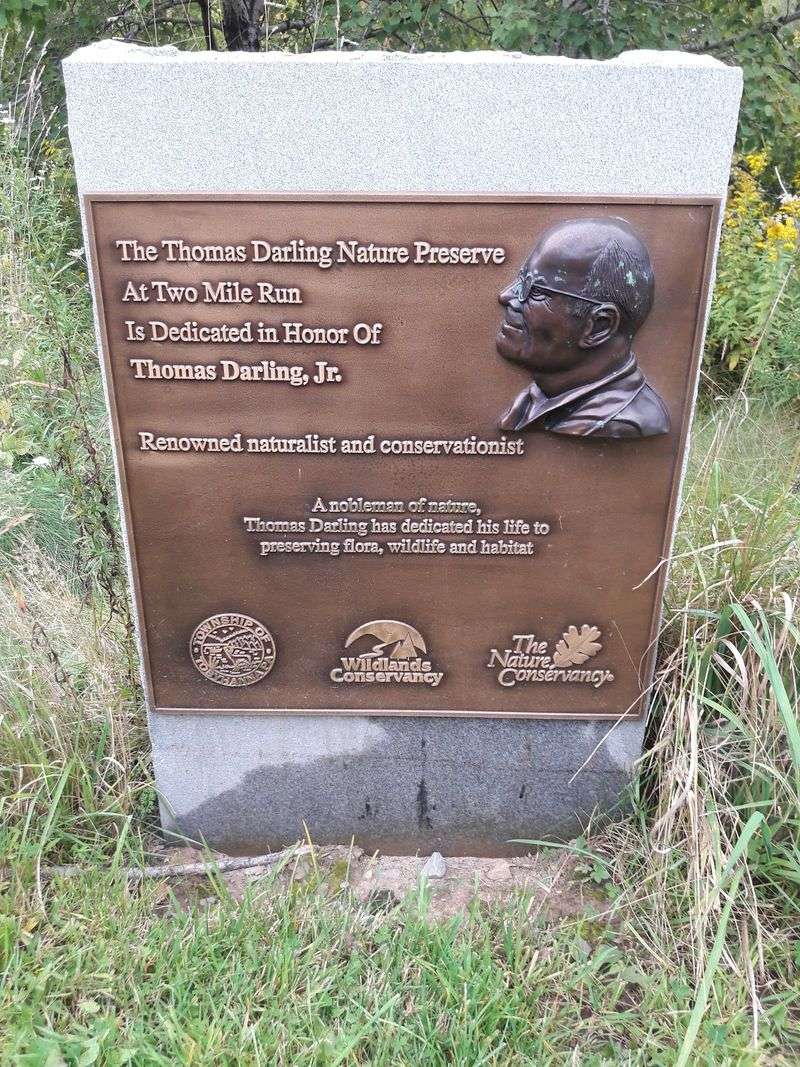
Every place has a name, but not every name carries a story worth telling. Thomas Darling, Jr. was a naturalist and conservationist from Wilkes-Barre, Pennsylvania, who spent years researching the plant life of the Pocono region in remarkable detail.
Naming this preserve after him was a fitting tribute to someone who recognized the ecological value of this landscape long before conservation became a widely shared priority.
The land itself has a layered history that goes well beyond any single person. Glaciers shaped the terrain thousands of years ago, and early human inhabitants used controlled fire to maintain open grasslands for hunting.
European settlers later cleared the land for timber and farming, but the highly acidic and rocky soil made agriculture difficult, and most farms had been abandoned by the 1930s.
That abandonment turned out to be a quiet gift. Without active farming, the forest slowly reclaimed the land, setting the stage for the nature recovery that conservationists have been supporting and expanding for over two decades since The Nature Conservancy and its partners stepped in.
Rare Plants That Thrive in Acidic Soil Nobody Else Wanted
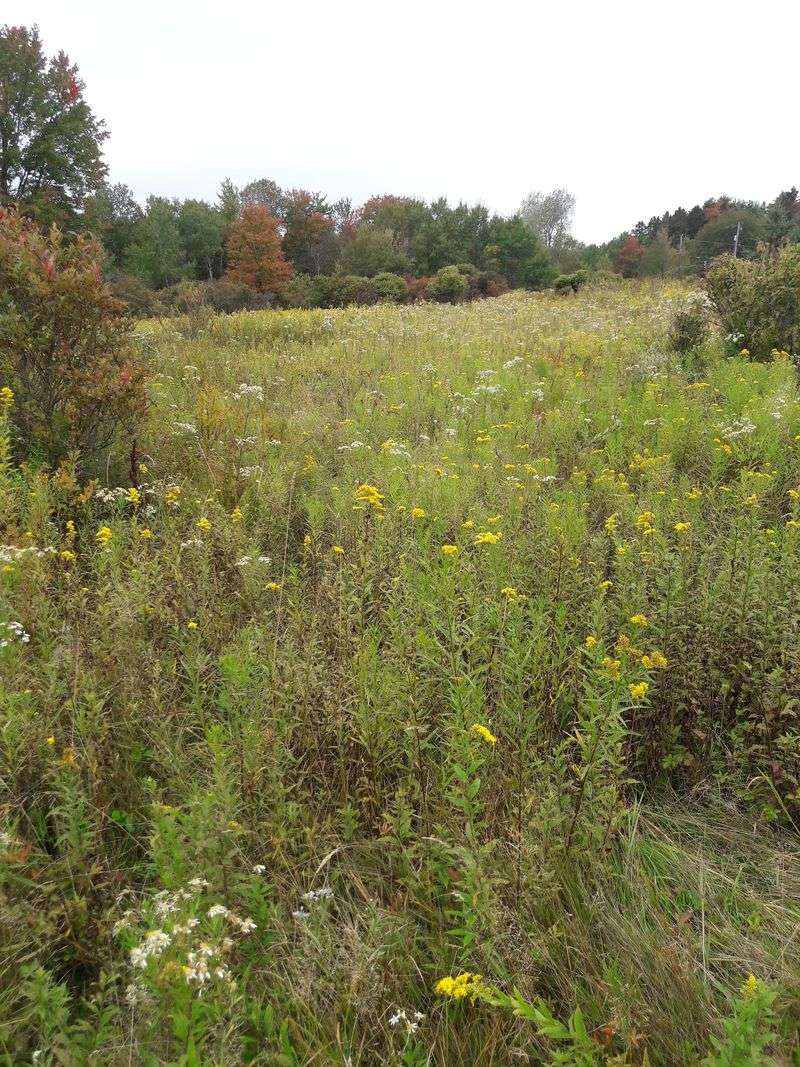
The acidic, nutrient-poor soils that made this land useless for farming turned out to be exactly what some of Pennsylvania’s rarest plants needed to survive. Pitcher plants and sundew, two carnivorous species that trap insects to supplement their nutrition, grow in the sphagnum bogs here in conditions most other plants simply cannot tolerate.
Bog laurel, sheep laurel, and sweet viburnum, also known locally as sheepberry, add color and fragrance to the wetland edges in spring and early summer. Blueberry thickets spread across open areas and turn a stunning crimson red in autumn, creating one of the more visually dramatic seasonal displays in the Poconos.
Rhododendrons, witch hazel, winterberry, ferns, and sedges fill out the understory throughout the preserve, giving every section of the trail a slightly different look and feel. Botanists and curious hikers alike find something new to notice on repeat visits, which is part of what makes this preserve so rewarding to return to across different seasons.
What Each Season Looks and Feels Like on the Trail
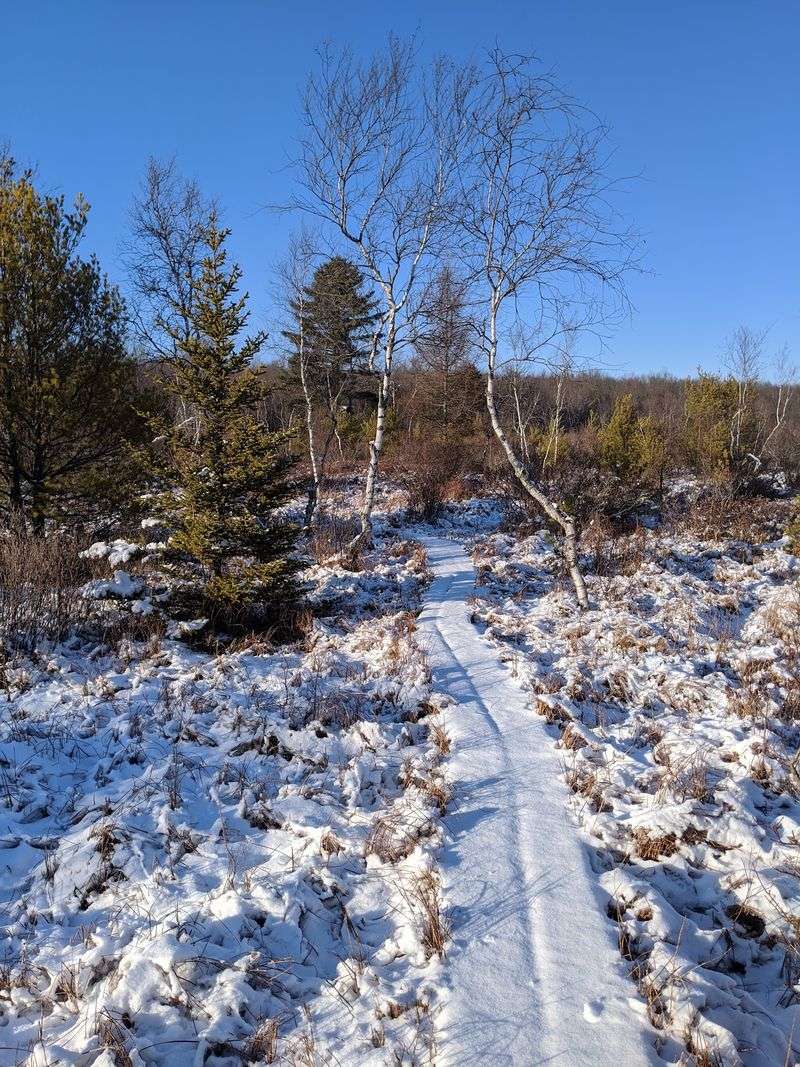
Spring arrivals are greeted by flowering bog laurel, sheep laurel, and viburnums that bloom along the wetland edges while migrating birds begin filling the canopy with sound. The trail can be at its muddiest during this season, so waterproof boots are non-negotiable if you want to enjoy the walk without soggy regrets.
Summer brings the fullest version of the boreal ecosystem, with lush ferns, dense sedges, and thriving carnivorous plants all active at once. Birding peaks during this window, and early morning walks in June and July can produce an almost overwhelming amount of bird activity in a relatively short stretch of trail.
Autumn is arguably the most visually rewarding season. The blueberry thickets turn brilliant crimson, the tamaracks shift to gold, and the dark green spruce stands create a striking contrast that feels more like the Canadian Shield than central Pennsylvania.
Winter offers its own quiet appeal, with snow-covered boardwalks, clearer sightlines through the bare canopy, and a serene stillness that is hard to find anywhere else nearby.
Beyond the Main Loop: Additional Trails Worth Exploring
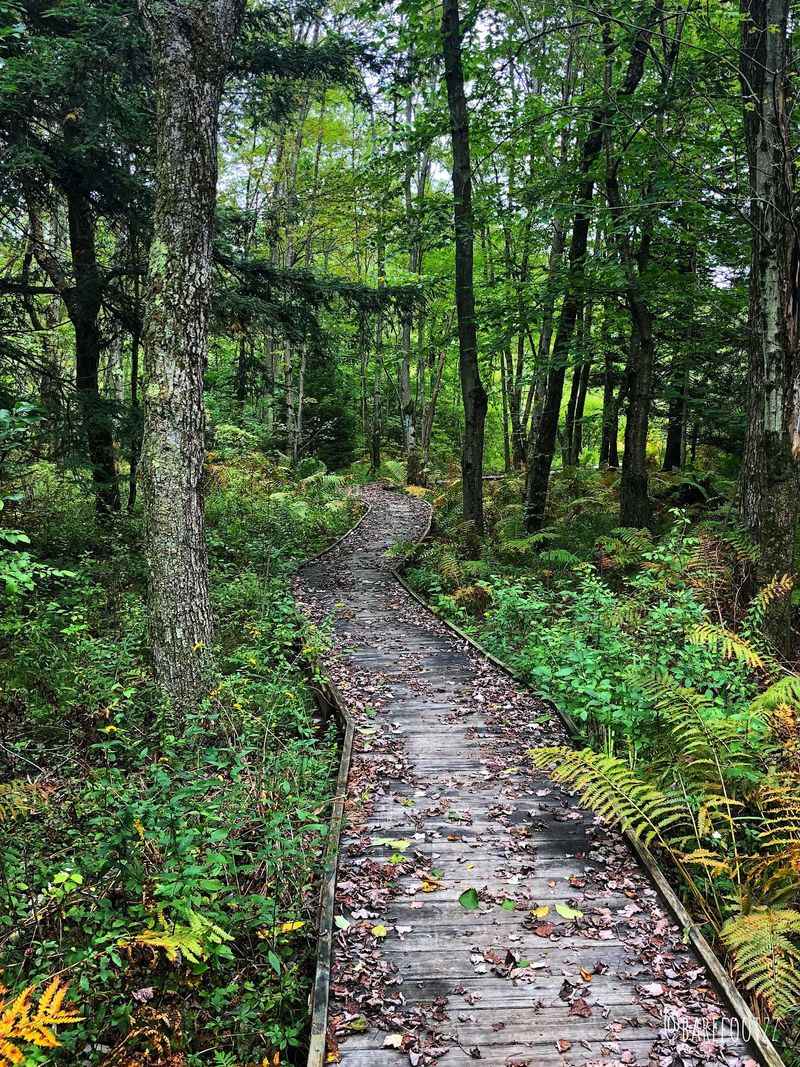
The 2.2-mile blue-blazed loop gets most of the attention, but the Wildlands Conservancy section of the preserve offers additional marked trails that push the total available hiking to over four miles. Trail names like Cerulean, Whitetail, Flying Squirrel, Golden-Winged, and Prescribed Fire each hint at a specific habitat or conservation story connected to that route.
The Prescribed Fire Trail, for example, leads through areas where controlled burns have been used to restore open shrubby habitat that species like the golden-winged warbler depend on for nesting. Walking that trail gives a tangible sense of how active land management works in practice, rather than just reading about it in a brochure.
Experienced hikers looking for a longer outing can combine sections of the Wildlands Conservancy trails with the main loop for a more varied and extended experience. Picking up a trail map before heading in is a genuinely good idea here, since the network has enough branches that relying solely on memory or phone GPS can lead to some unplanned detours.
Practical Tips That Will Make Your Visit Much Smoother
A few practical realities are worth knowing before you show up at the trailhead. The preserve has no facilities, no restrooms, and no trash receptacles, so everything you bring in must come back out with you.
Leashed dogs are welcome, but waste bags are your responsibility to carry out as well.
Tick awareness is essential, particularly from late spring through early summer when populations are most active. Wearing long pants, checking thoroughly after your hike, and using insect repellent on exposed skin will make the experience far more comfortable.
Biting flies can also be a nuisance during summer months, so some hikers prefer early morning visits when insect activity tends to be lower.
Hunting is permitted during specific seasons, and wearing blaze orange during those periods is strongly recommended for visitor safety. The trail borders private property in certain sections, so staying on marked paths is both a courtesy and a practical necessity.
Downloading an offline trail map before your visit removes a lot of uncertainty once you are out there.
Why This Preserve Deserves a Spot on Your Pennsylvania Bucket List
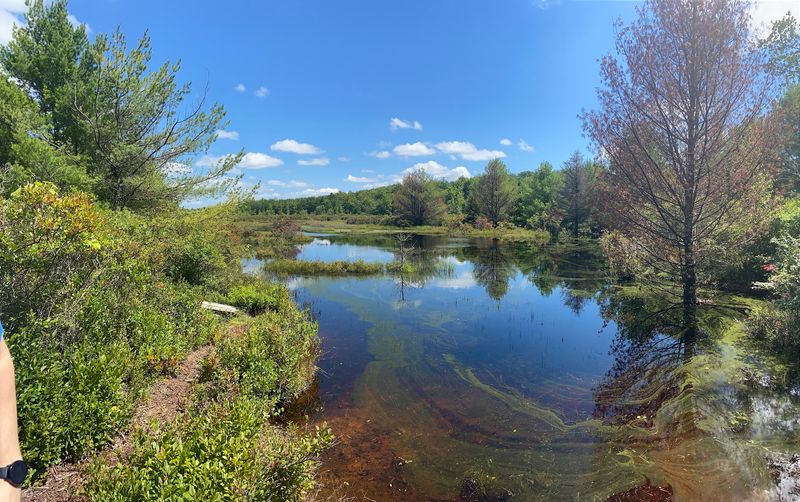
Most Pennsylvania hiking destinations offer pleasant forests and decent views, but this preserve offers something genuinely different: a living piece of glacial history that has been carefully protected and thoughtfully opened to the public. The combination of rare boreal habitat, expanding wildlife populations, and a well-built trail system is not something you stumble across often.
Conservation efforts here have been ongoing for over two decades, and the results are measurable: bird species counts have more than tripled, rare plants are thriving, and the wetland ecosystem continues to recover. A visit supports that ongoing work simply by generating awareness and appreciation for what careful stewardship can accomplish in a landscape that most people would have overlooked entirely.
Share this story