Pennsylvania has no shortage of Italian restaurants, but a select few have become part of their neighborhoods rather than simply places to eat. Some have been serving red-sauce classics for more than a century, while others built loyal followings during the second half of the 20th century and never lost them.
A few of these spots are so deeply woven into local life that regulars show up not just for the food, but because it feels like the right thing to do on a Tuesday night. From South Philadelphia dining rooms filled with old photographs to Old Forge pizza institutions and longtime Pittsburgh favorites, these 13 restaurants have survived changing tastes by giving generations of customers a reason to return.
Each one has a story worth knowing before you pull up a chair.
1. Dante & Luigi’s, Philadelphia, Pennsylvania
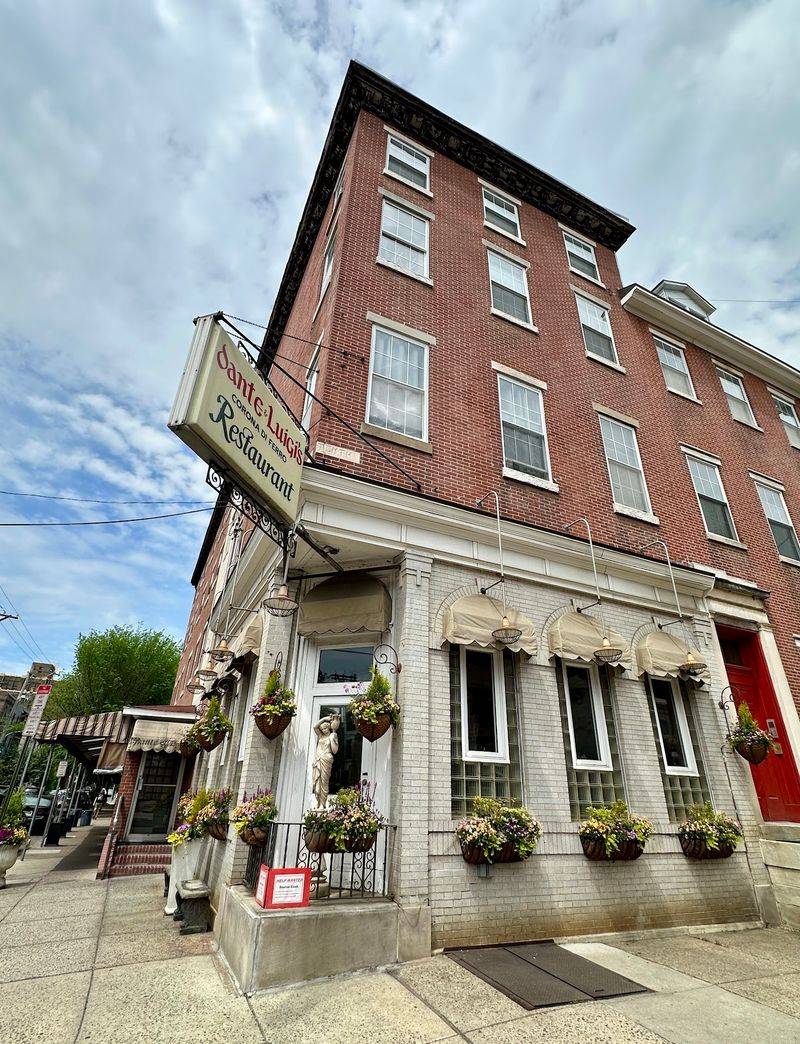
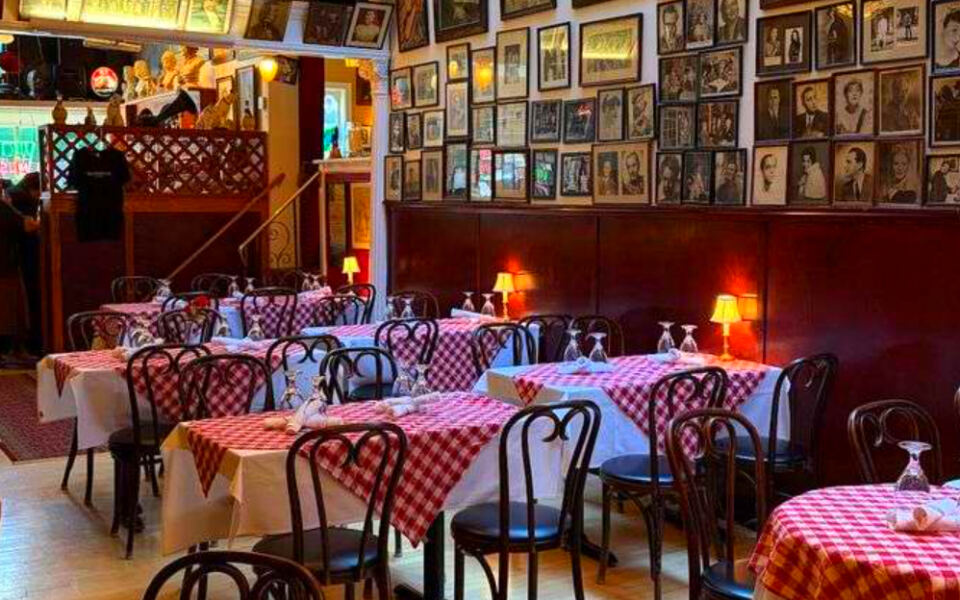
One of the oldest surviving Italian restaurants in the entire country, this South Philadelphia landmark has been feeding its community since 1899. Originally called “Corona di Ferro,” meaning iron crown, the restaurant served as a refuge for Italian immigrants who arrived in Philadelphia without English language skills, offering lodging and work alongside hearty meals.
The Dante & Luigi’s name came later, after founder Michael DiRocco passed the business to his sons in the late 1930s. The restaurant occupies two old South Philadelphia townhouses and still specializes in traditional Italian cooking, including homemade pasta and the kind of red-sauce dishes that feel inseparable from the neighborhood’s history.
Current owners Connie and Michael LaRussa took over in 1996 and have maintained the family recipes, including a notably rich Italian gravy that longtime regulars consider a point of civic pride.
2. Ralph’s Italian Restaurant, Philadelphia, Pennsylvania
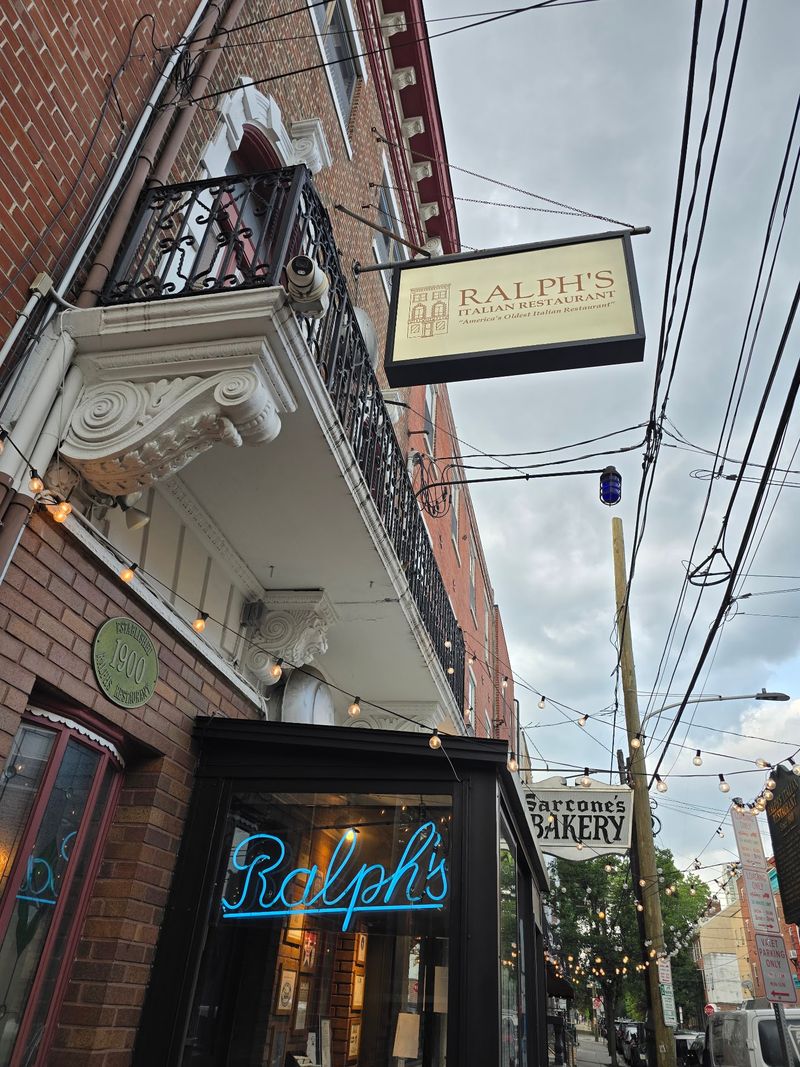
The title of oldest family-owned Italian restaurant in America belongs to Ralph’s, and the Dispigno family has held that distinction since 1900. Francesco Dispigno immigrated from Naples in 1893 and, after working in the shellfishing trade, pursued his dream of opening a full-service restaurant named after his son Ralph.
The restaurant moved from its original Montrose Street location to a larger bi-level space on South 9th Street in 1915, where it continues to operate today. Fourth-generation owners Jimmy Rubino Jr. and Eddie Rubino now run the place, upholding family recipes and values that have remained consistent across more than a century of service.
During the Great Depression, Ralph Dispigno himself managed the restaurant and offered inexpensive meals and temporary lodging to newly arrived immigrants, a detail that speaks to the character of the place as much as any dish on the menu.
3. The Victor Café, Philadelphia, Pennsylvania
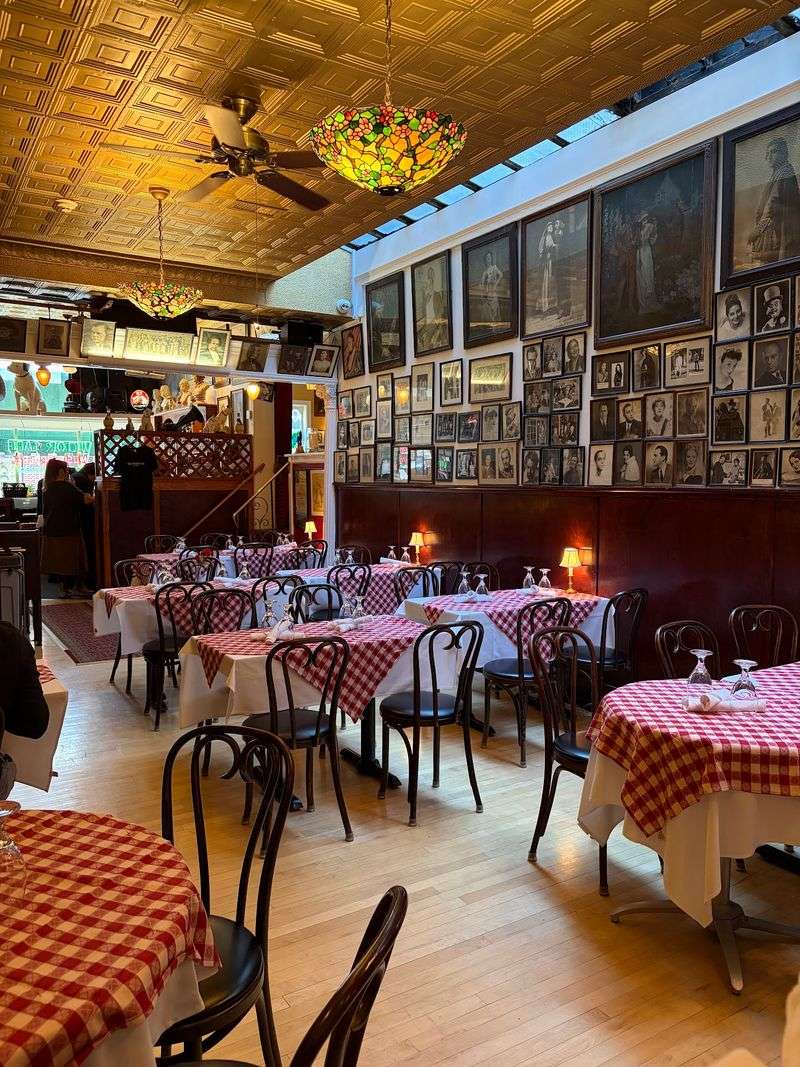
Every 20 minutes or so, a bell rings inside this South Philadelphia restaurant, and a member of the classically trained waitstaff stops what they are doing and performs a full operatic aria. That tradition began organically in 1979 when an opera student working as a waiter started singing for customers, and it has continued ever since.
The Victor Cafe’s origin story predates that tradition by decades. Italian immigrant John DiStefano opened a gramophone shop on Dickinson Street in 1918, where locals gathered to listen to operatic recordings.
After Prohibition ended in 1933, DiStefano converted the shop into a restaurant he called a “Music Lover’s Rendezvous.”
Now in its third generation of DiStefano family ownership, the dining rooms are packed with musical memorabilia, vintage recordings, and photographs. Film fans may also recognize it as the inspiration for “Adrian’s” restaurant in the Rocky franchise.
4. Bomb Bomb Bar, Philadelphia, Pennsylvania
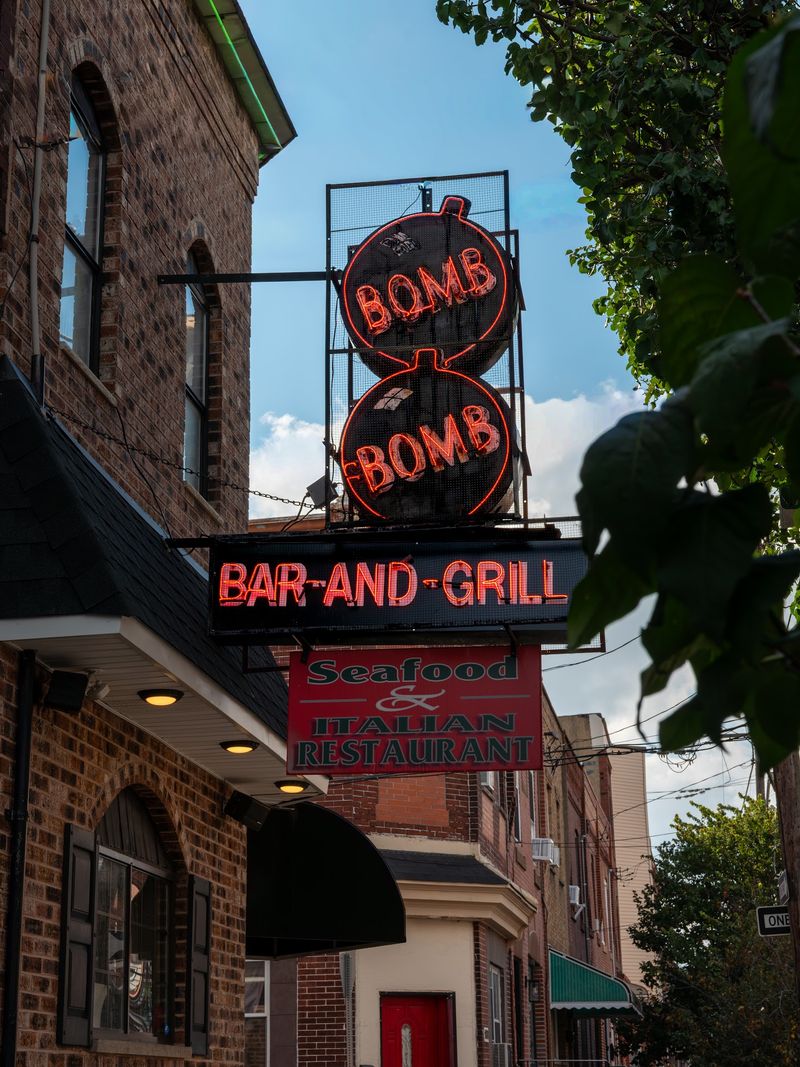
The name alone raises eyebrows, and the backstory is even more surprising. In the 1930s, the original corner bar at this South Philly address was bombed twice by a rival, and rather than shutting down, the place turned that infamy into identity.
Frank Barbato Sr. purchased the bar in 1951, renamed it Bomb Bomb, and built it into a cherished neighborhood institution over the next several decades.
Chef Joey Baldino, also known for Palizzi Social Club and Zeppoli, eventually took over and made careful updates while preserving the nostalgic corner-bar atmosphere that regulars had come to expect. The front room functions as a lively gathering spot for locals, while a separate entrance leads to a back dining room focused on Italian seafood.
Red-and-white checkered tablecloths, nautical-themed artwork, and original lighting fixtures give the dining room a personality that feels earned rather than designed.
5. Villa di Roma, Philadelphia, Pennsylvania
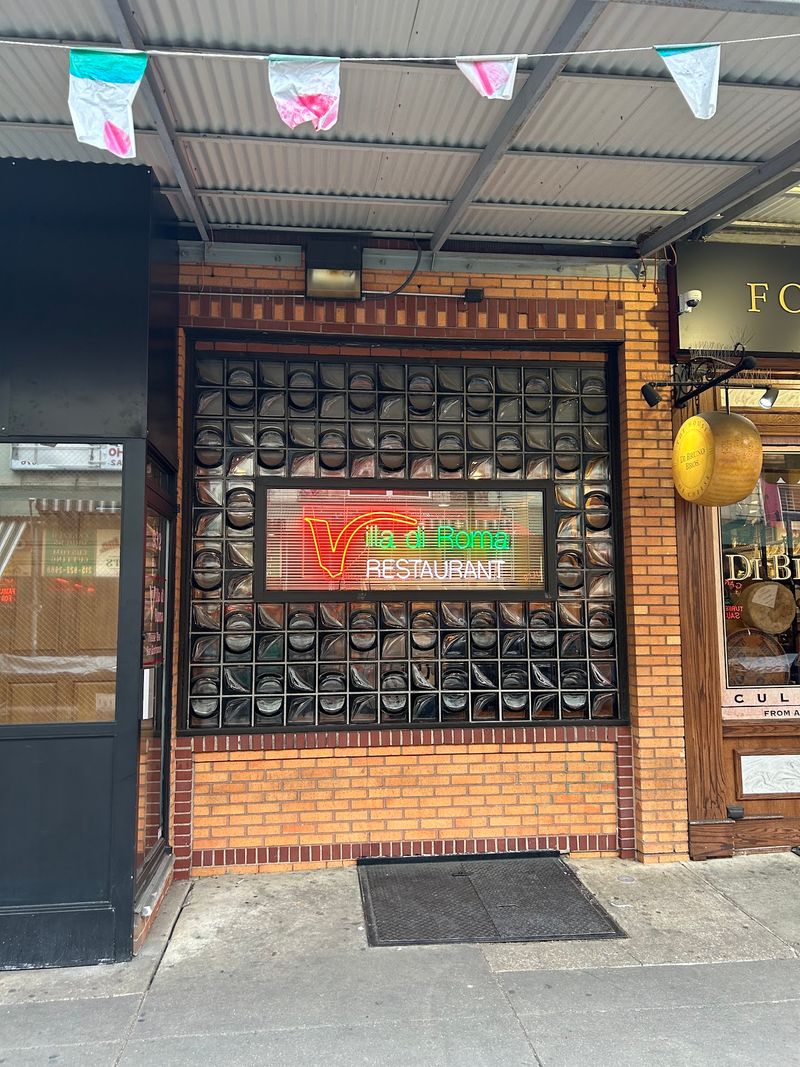
Tucked into the Italian Market, Villa di Roma has been connected with the De Luca family since 1963, and remarkably little about its appeal depends on restaurant trends. The dining room is decorated with family photographs that tell a story of continuity, and the menu reads like a greatest hits of South Philadelphia Italian-American cooking.
Red sauce, meatballs, and pasta are the pillars here, served in portions and with a consistency that has kept the same customers coming back across multiple generations. There is no reinvention on the menu, and that is precisely the point.
Regulars know exactly what they are getting, and they return because that predictability is a feature, not a flaw.
For many South Philly residents, a meal at Villa di Roma is less about discovery and more about returning to something that has always been there, reliable and unchanged.
6. Arcaro & Genell, Old Forge, Pennsylvania
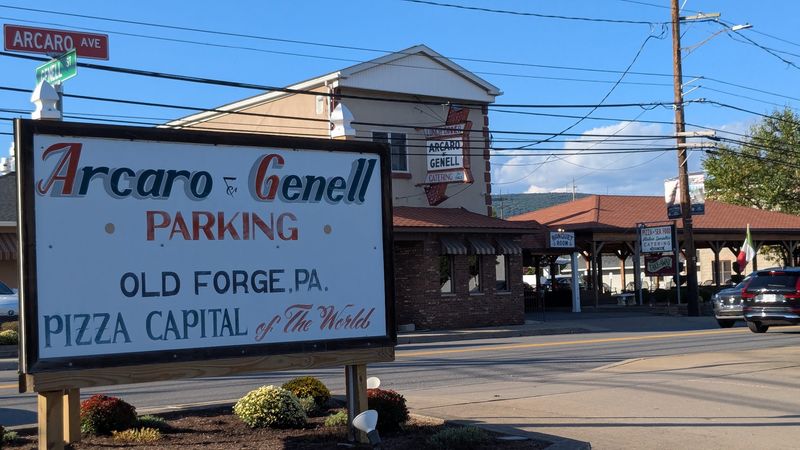
Old Forge calls itself the Pizza Capital of the World, and Arcaro & Genell has been one of the most important reasons for that claim since 1962. The Arcaro and Genell families took over the former Laurenzi’s Restaurant on South Main Street and built it into a cornerstone of the town’s distinctive pizza culture.
The pizza here is rectangular, cut into squares, and comes in red and white varieties, a style known locally as a “tray.” It is the kind of regional specialty that outsiders discover with curiosity and then drive hours to revisit. The white pizza, in particular, has a devoted following among people who consider it the definitive Old Forge version.
Beyond the pizza, the restaurant maintains the comfortable familiarity of a place that has served the same community for more than six decades, with little need for reinvention along the way.
7. Saloon Restaurant, Philadelphia, Pennsylvania
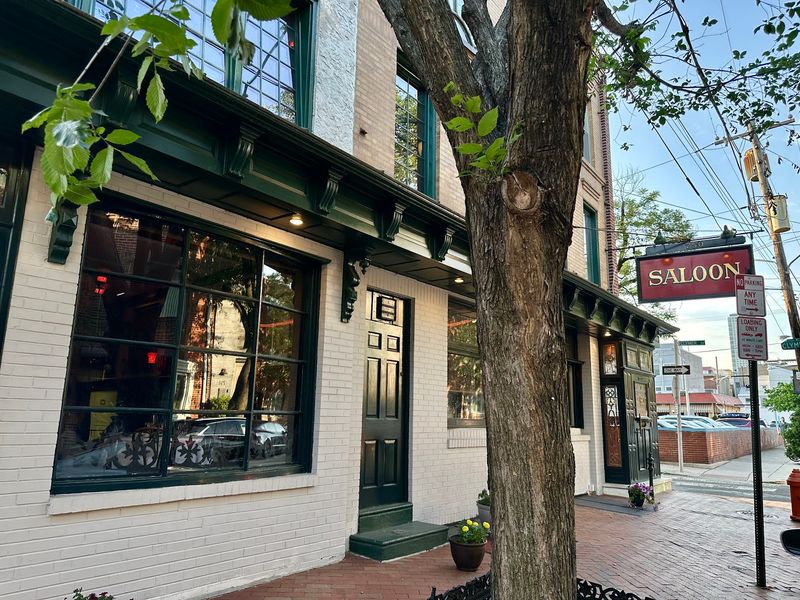
Dark wood, polished brass, and a collection of antiques give Saloon Restaurant an interior that looks more like a preserved piece of old Philadelphia than a typical dining room. Since 1967, this family-run South Philly institution has built its reputation on being the right place for a significant evening out, and it has delivered on that promise consistently for more than five decades.
The menu covers serious territory: Italian dishes, seafood, steaks, and veal chops, all served in a setting that signals occasion without tipping into pretension. The vintage bars lining the space are genuine antiques, not reproductions, which gives the room a weight that newer restaurants struggle to manufacture.
Celebrations, anniversaries, and milestone dinners have filled these tables for generations, and the restaurant’s ability to feel both timeless and special is the clearest explanation for why it has outlasted so many of its contemporaries.
8. Revello’s Pizza Cafe, Old Forge, Pennsylvania
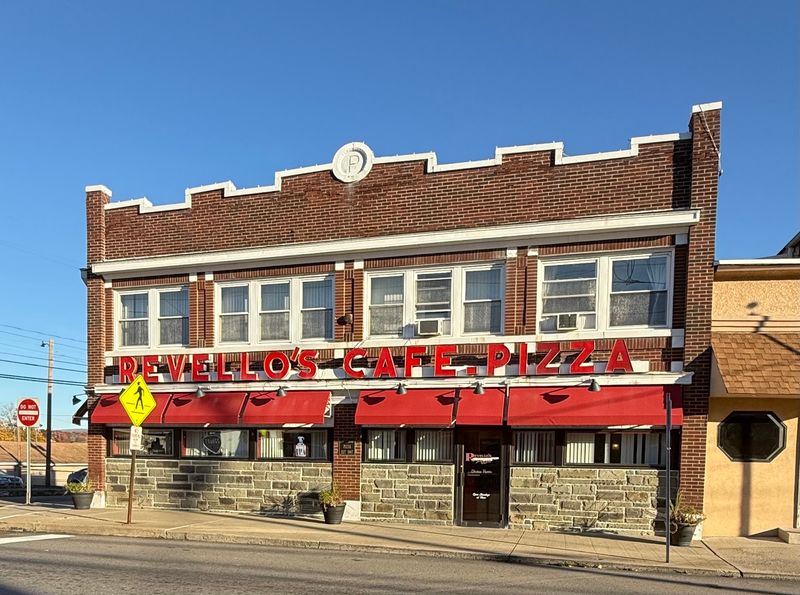
Family-owned since 1967, Revello’s Pizza Cafe has been one of the most recognized names in downtown Old Forge for more than half a century. The restaurant built its identity around the distinctive rectangular Old Forge-style pizza, a regional specialty that draws visitors from well outside the area who want to understand what all the local fuss is about.
The handmade approach to the pizza is central to what sets Revello’s apart from places that treat the style as a formula. Each tray reflects a consistent standard that has been maintained across decades of operation, which is a harder achievement than it sounds for any restaurant.
Beyond the pizza, the menu includes Italian specialties that round out the experience for diners who want more than one dish. The overall impression is of a place that knows exactly what it does well and has no interest in changing the formula that has kept its community coming back reliably for generations.
9. Bistro Romano, Philadelphia, Pennsylvania
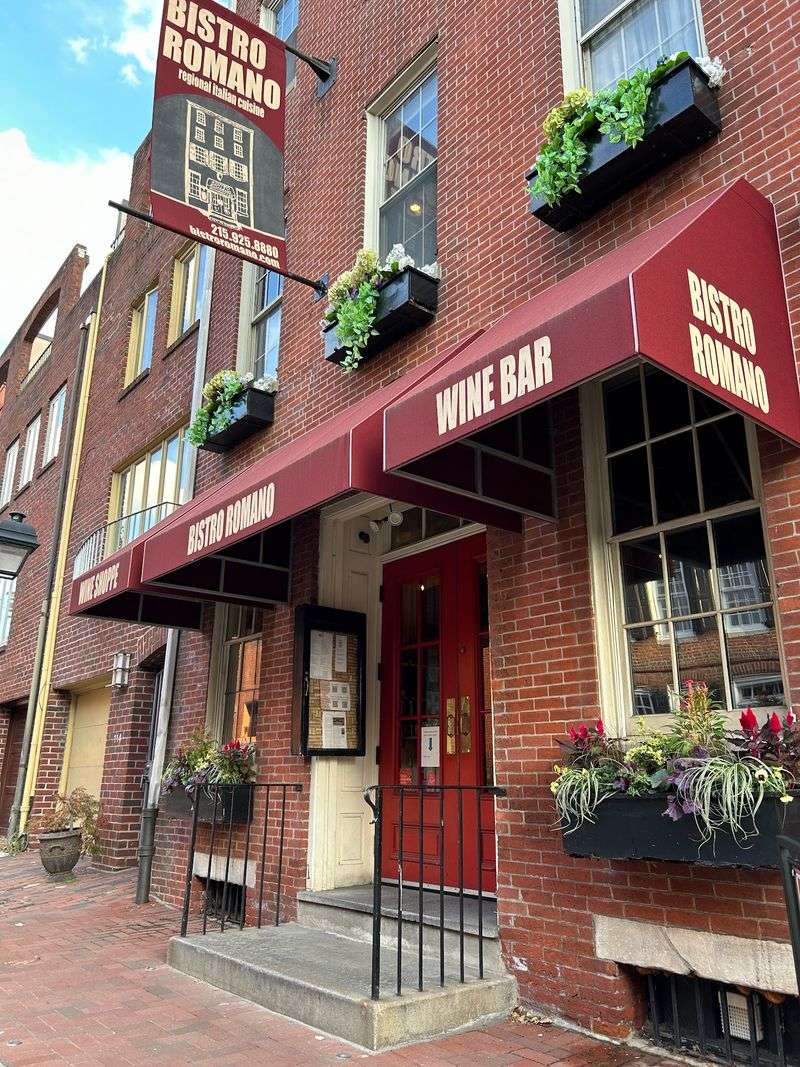
Few restaurants in Philadelphia can claim a building as old as the one housing Bistro Romano. The 18th-century former granary in Society Hill provides stone walls and architectural character that newer construction simply cannot replicate, and the restaurant has spent nearly four decades making the most of that setting.
House-made pasta anchors the Italian menu, and the wine cellar adds a layer of seriousness to the dining experience that suits the historic surroundings. A weekend piano bar gives the space an additional dimension, attracting guests who want the evening to extend comfortably beyond dinner.
The combination of genuine historical architecture, classic Italian cooking, and a setting that rewards slow, unhurried meals has made Bistro Romano a long-standing favorite for anniversaries and special occasions. Newer restaurants may try to recreate this kind of old-city atmosphere, but the building itself gives Bistro Romano an advantage that no amount of interior design can fully substitute.
10. Alfredo’s Cafe, Scranton, Pennsylvania
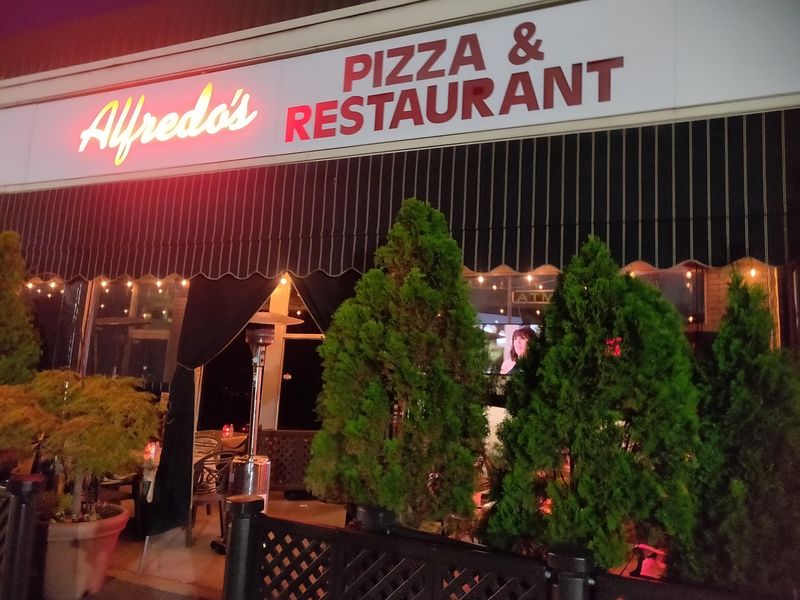
Scranton residents have been visiting Alfredo’s Cafe since 1982, when it started as a neighborhood spot focused on pizza and sandwiches before growing into a full-service restaurant with a loyal and enthusiastic following. The square pan pizza became its signature, drawing comparisons to Old Forge-style pizza and earning a devoted audience that considers it among the best in the region.
Fans of the television series The Office may already know the name. Alfredo’s is the real Scranton restaurant behind the show’s recurring joke about “Alfredo’s Pizza Cafe,” a reference that Kevin Malone declared the winner in a fictional pizza debate.
That pop culture connection has brought curious visitors from far beyond Scranton, though locals were already well aware of its quality long before the show aired.
The menu also includes traditional Italian dishes, homemade soups, and sandwiches, served in a casual, inviting atmosphere with indoor and outdoor seating options.
11. D’Angelo’s Ristorante Italiano, Philadelphia, Pennsylvania
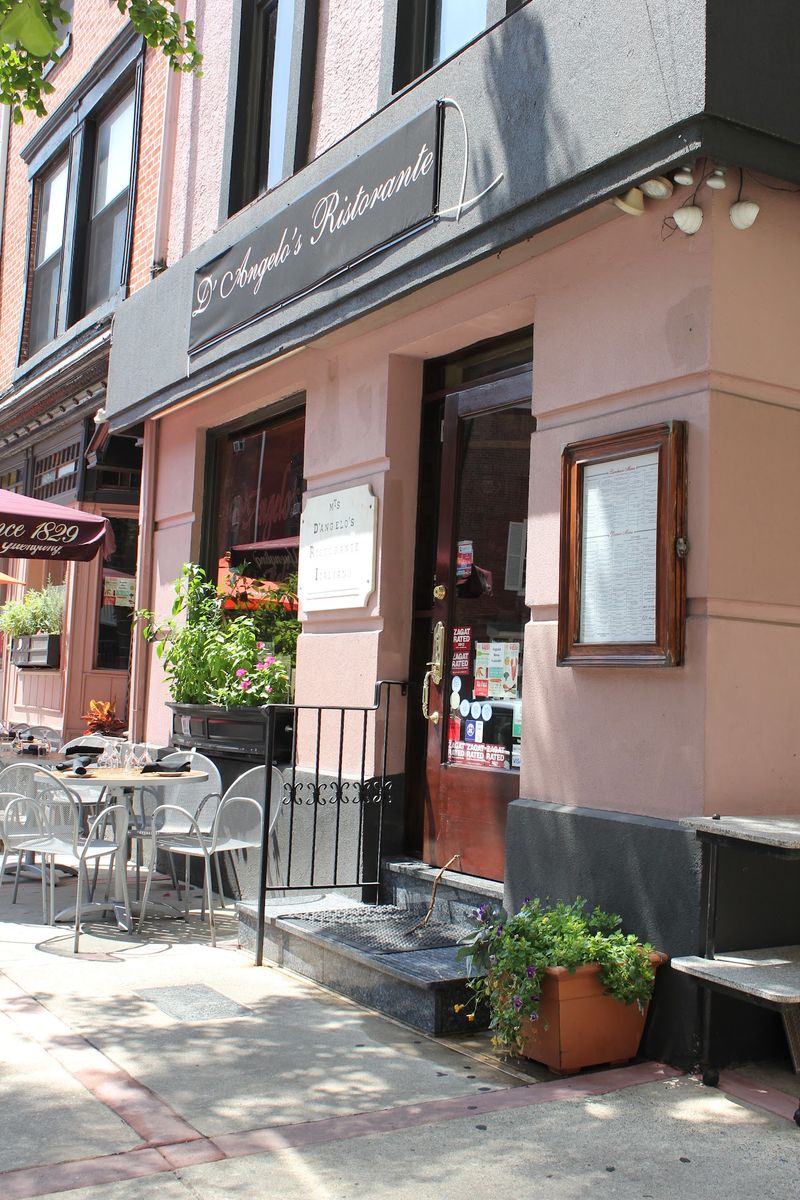
Siblings Tony, Sal, and their late sister Lena D’Angelo opened this Rittenhouse Square institution in 1990, drawing on family recipes brought from Messina, Sicily, and refined during years in Milan. The menu reflects generations of cooking passed down from their mother’s kitchen, and that personal connection to the food is evident in dishes that range from homemade pasta to fresh seafood preparations.
The walls are lined with photographs of well-known guests, including Sylvester Stallone and Mark Wahlberg, giving the dining room the comfortable personality of a place that has welcomed both neighborhood regulars and notable visitors without treating either group differently. Sal D’Angelo has been known to serenade guests with his guitar on occasion, adding an unscripted warmth to the evening.
Private VIP rooms and a carefully selected Italian wine list make D’Angelo’s a practical choice for special events, and it has handled that role for more than three decades without losing its family-run character.
12. Alla Famiglia, Pittsburgh, Pennsylvania
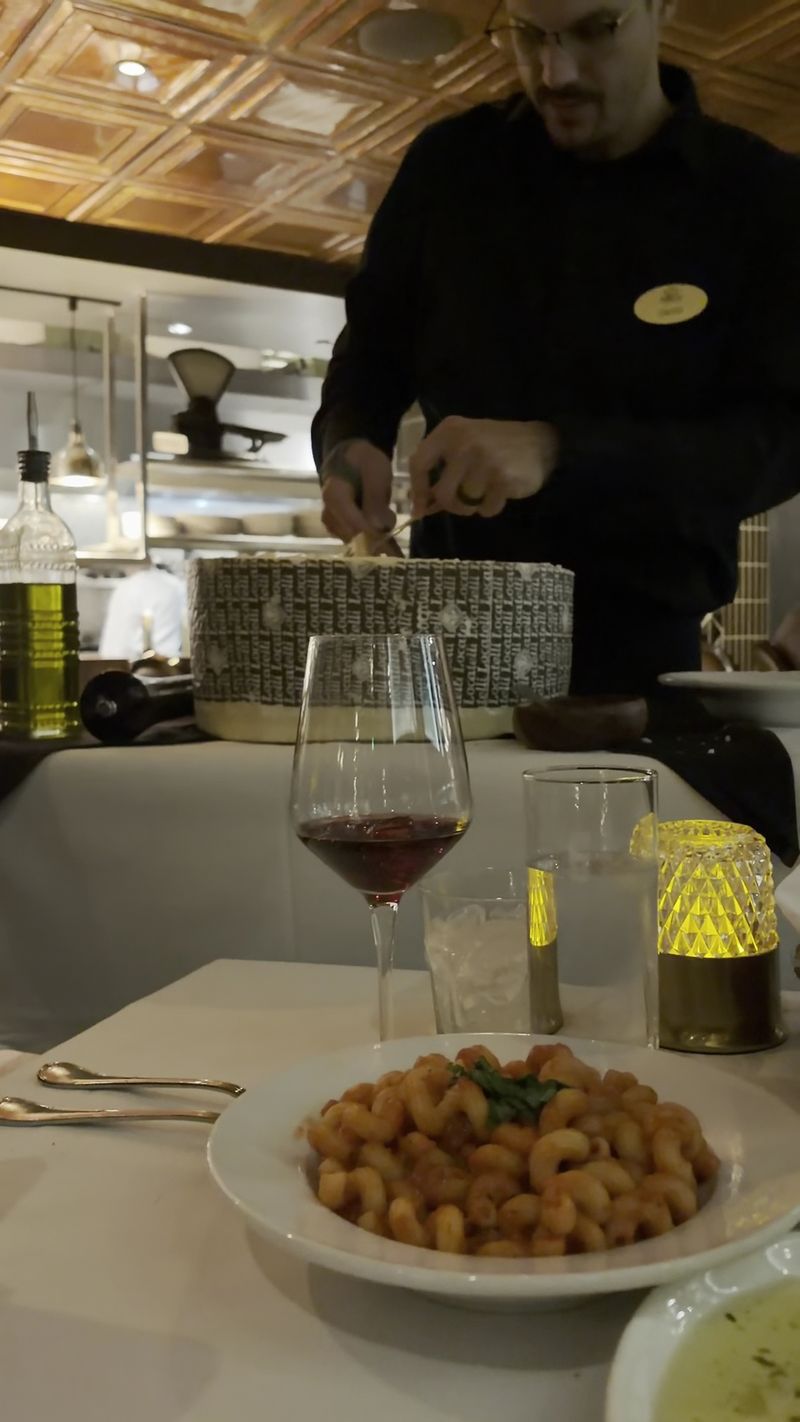
What started as an eight-table restaurant in 1997 has grown into one of South Pittsburgh’s most distinguished Italian dining destinations. Alla Famiglia built its reputation on a polished approach to Italian cooking, pairing refined preparation with a focus on traditional flavors that kept diners coming back as the restaurant expanded its footprint over the years.
The most dramatic element of the current space is Il Teatro, an adjoining early 20th-century theater that was carefully restored and integrated into the restaurant. The Art Deco character of the theater provides a backdrop that is genuinely striking, offering diners a setting that combines architectural history with contemporary Italian cuisine in a way that few Pittsburgh restaurants can match.
The combination of consistently high-quality food and a visually distinctive space has made Alla Famiglia a prominent choice for special occasions in the city, attracting guests who want their surroundings to be as memorable as what arrives on the plate.
13. L’Angolo Ristorante, Philadelphia, Pennsylvania
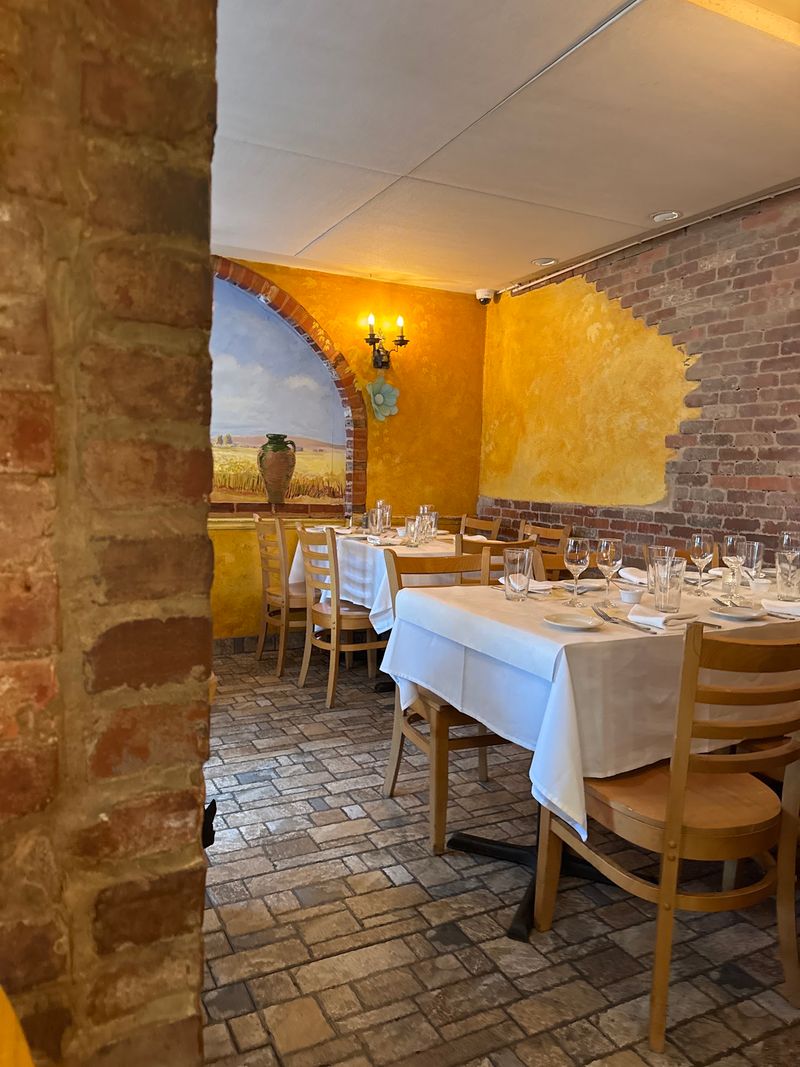
Davide and Kathryn Faenza opened L’Angolo Ristorante in South Philadelphia in 2000 with a clear culinary focus: the regional cooking of Puglia, the heel of Italy’s boot. That specificity set the restaurant apart from more generalized Italian-American offerings in the city, attracting diners interested in a more particular take on the cuisine rather than the familiar red-sauce standards.
The intimate neighborhood setting has always been part of the appeal. The restaurant occupies a small, welcoming space just off Broad Street, making it a practical choice for pregame dinners before South Philly events as well as quieter weeknight meals for locals who live nearby.
More than 25 years after opening, L’Angolo has maintained its focus and its following without significant reinvention, which is itself a statement about the quality of the cooking. Regional Italian fare done consistently well, in a warm and unpretentious environment, turns out to be a formula with remarkable staying power.
Share this story