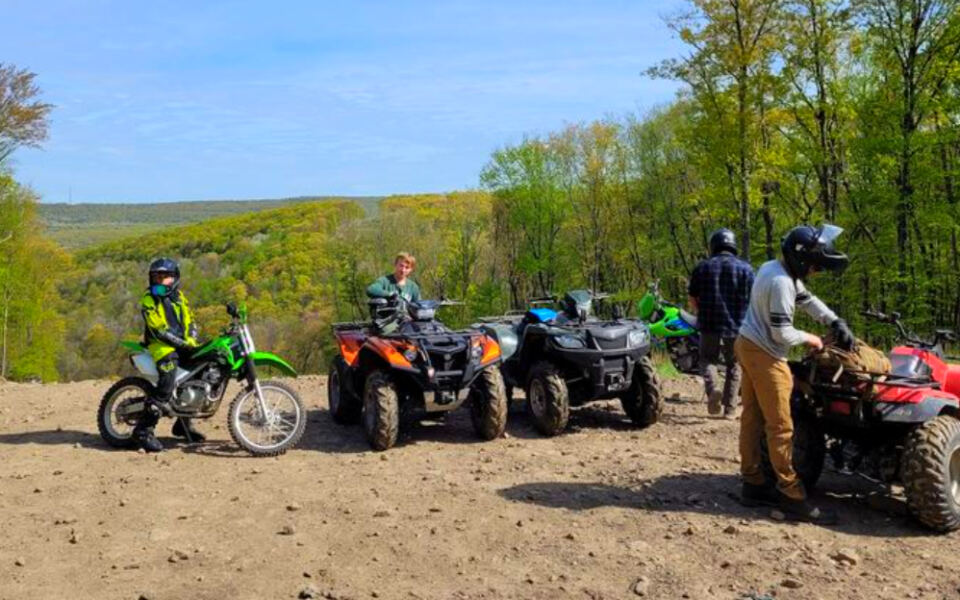
Picture nearly 8,500 acres of rugged Pennsylvania terrain, where old coal mines once thundered with industrial power and now hum with the roar of ATVs, UTVs, dirt bikes, and four-wheel-drive rigs. The Anthracite Outdoor Adventure Area, known to regulars simply as AOAA, sits at 4100 PA-125, Coal Township, Pennsylvania 17866, right in the heart of Northumberland County’s historic anthracite coal region.
What was once a scarred, abandoned landscape has been transformed into one of the top ten off-road destinations in the entire United States, offering hundreds of miles of color-coded trails for every skill level. I spent time exploring this incredible park and came away genuinely amazed by its scale, its history, and the sheer variety of adventures packed into a single destination.
From beginner-friendly green trails to gnarly rock gardens that will test even seasoned pros, this place delivers on every promise, and then some.
A Former Coal Country Reborn as an Off-Road Kingdom
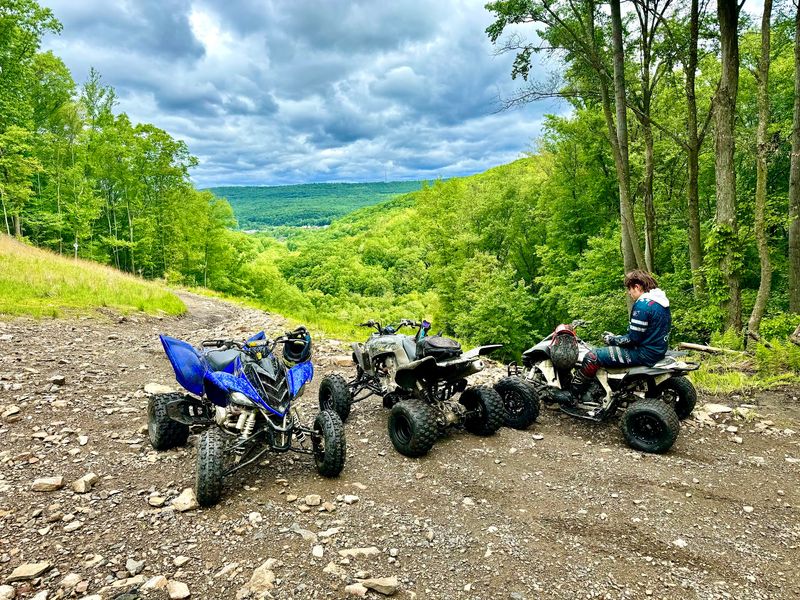
Few recreational destinations carry a backstory as compelling as this one. The land that now makes up AOAA was extensively mined for anthracite coal during the 1950s, leaving behind a heavily impacted landscape of stripped earth, dangerous highwalls, and unauthorized dumping sites that sat neglected for decades.
The turnaround began in the early 2000s, when forward-thinking community leaders and county officials started envisioning a new purpose for these thousands of rugged acres. The Northumberland County Anthracite Outdoor Adventure Area Authority was formally established in January 2013, with a clear mission: create a legitimate, safe, and exciting off-road riding environment that would replace the chaotic, unregulated riding already happening on county forest and coal lands.
AOAA officially opened its gates to the public in 2014, and the transformation has been nothing short of remarkable. What was once written off as industrial wasteland now draws riders from across the Northeast and beyond, generating tourism revenue and community pride in equal measure.
The Staggering Scale of the Trail Network
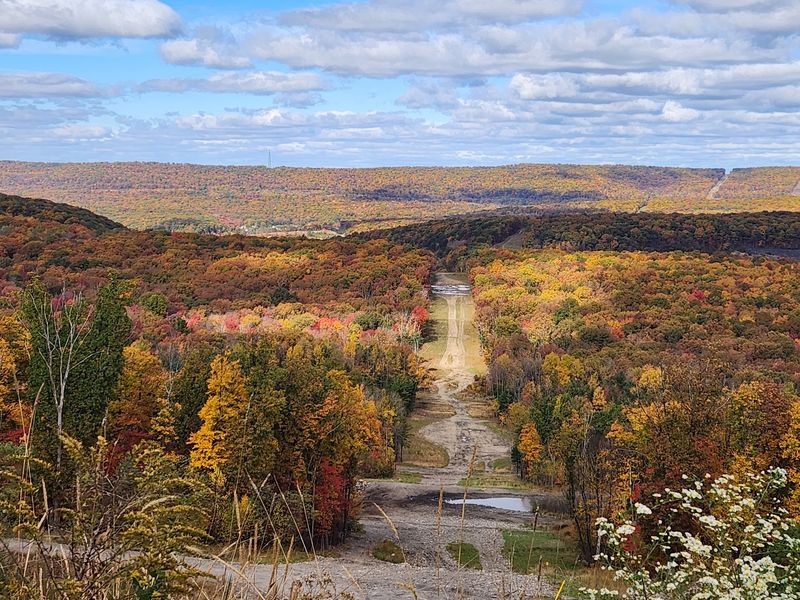
Hundreds of miles of trails spread across roughly 8,000 to 8,500 acres, and those numbers only start to make sense once you are actually out there riding. The trail system uses a color-coded difficulty rating that makes navigation intuitive: green for beginners, blue for intermediate riders, and black or red for those chasing serious challenges.
The park is divided into two primary riding zones. The Eastern Reserve tends to feature less rocky terrain, making it a strong recommendation for dirt bike riders and sports quad enthusiasts who prefer trails where they can open up the throttle without constantly dodging boulders.
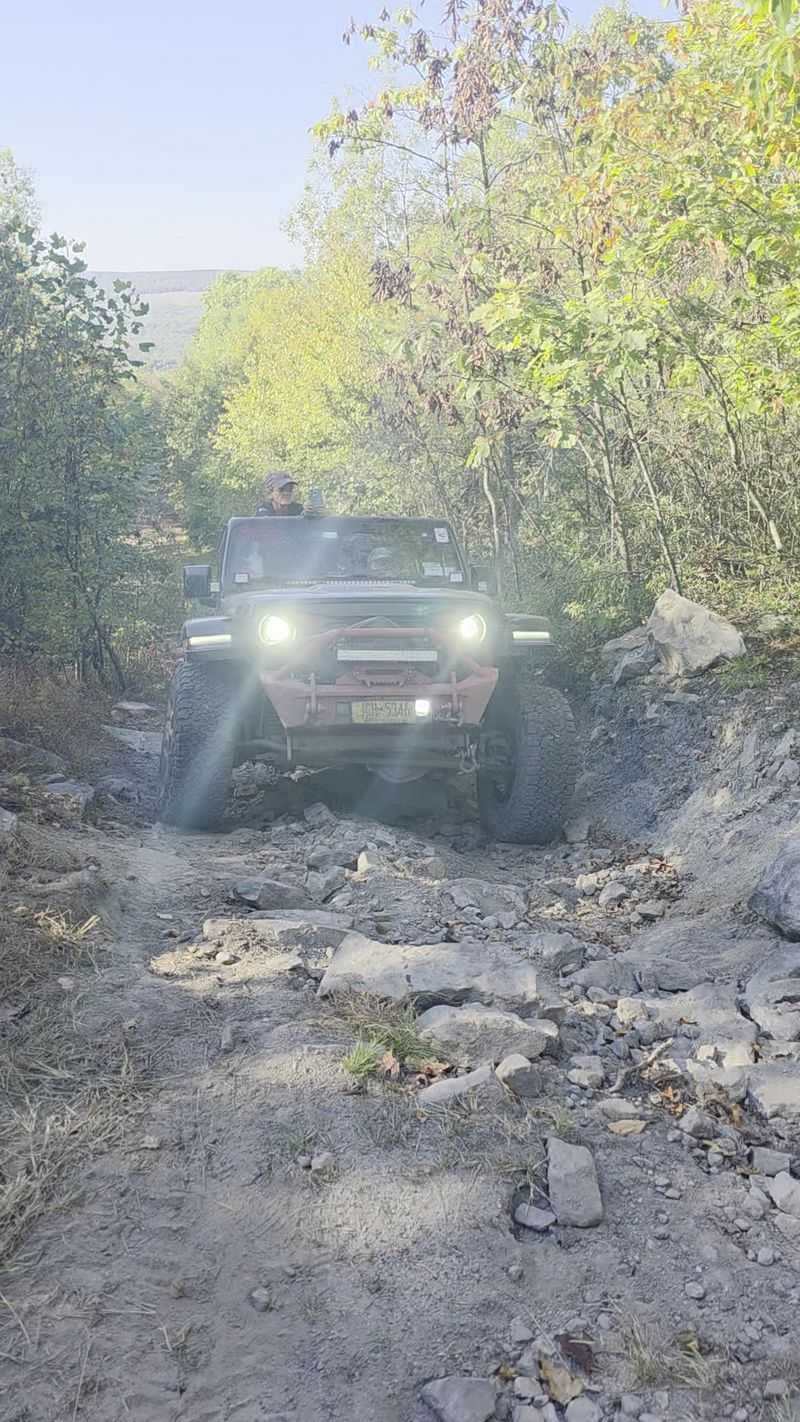
The Western Reserve, by contrast, is rockier and more technical, a paradise for UTVs, side-by-sides, and Jeep-style rigs built for crawling over obstacles.
Even on a busy weekend, the sheer size of the network means trail congestion is rarely a real issue. Riders regularly log 30 or more miles in a single day without retracing their route, which says everything about the depth of what is on offer here.
The Mammoth: A Reclamation Project That Became a Legend
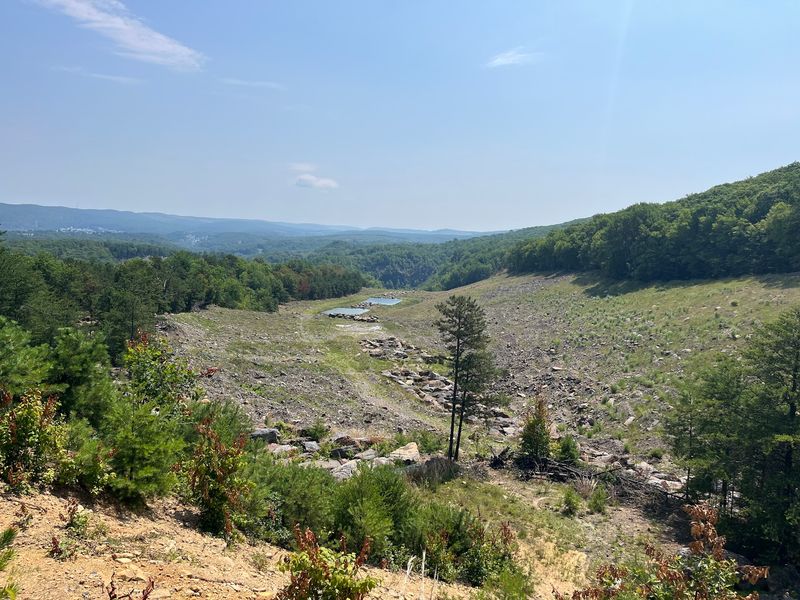
The most talked-about section of AOAA carries a name that perfectly matches its ambition. The Mammoth is an 88-acre project built on what was once a severely impacted former strip mining valley, named after the Mammoth Vein, a massive anthracite coal seam that defined this landscape for generations.
Completing this project required removing over two million cubic yards of overburden and addressing hazards like dangerous highwalls and steep drop-offs left behind by past extraction. The result, completed in spring 2022, is some of the most challenging off-road terrain in the entire United States, drawing rock crawling enthusiasts from hundreds of miles away.
Navigating The Mammoth feels less like a trail ride and more like a conversation between your vehicle and the earth itself, every boulder placement demanding a deliberate response. For riders who want to genuinely test the limits of their rig, this section delivers a kind of raw, technical intensity that most off-road parks simply cannot replicate.
The Mammoth alone is worth the trip.
Planning Your Visit: Passes, Hours, and Smart Prep
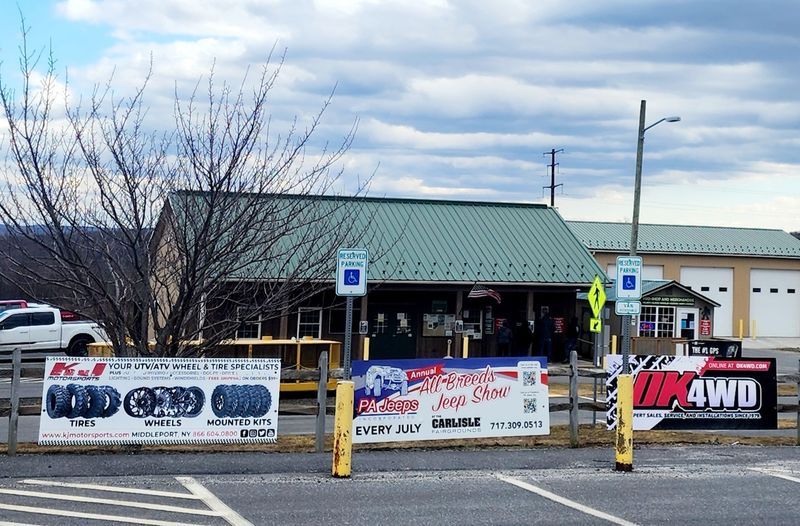
Getting into AOAA is straightforward, but a little planning goes a long way toward maximizing your day. Day passes start at $40 per machine, and multi-day and annual passes are available for those planning repeat trips.
Northumberland County residents enjoy discounted rates, a thoughtful local benefit built into the park’s structure.
Operating hours generally run from 9 AM to 6 PM, with the gates locking promptly at closing time. The park recommends arriving early, both to beat any morning rush at the welcome center and to give yourself the maximum window on the trails.
Liability waivers are required for all riders but remain valid for an entire calendar year, which simplifies repeat visits considerably.
Packing smartly matters here. Bring plenty of water, snacks, and weather-appropriate clothing.
A GPS app like onX Offroad is strongly recommended, as AOAA has an official partnership with the platform. And remember the helpful local mnemonic: pink and black signs will take you back to the parking area whenever you are ready to call it a day.
Safety Culture That Actually Means Something
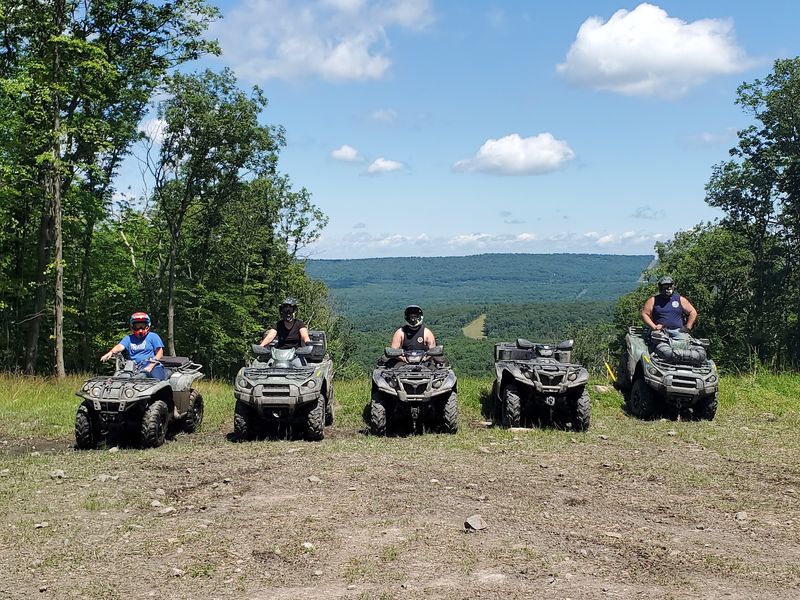
AOAA takes rider safety seriously in a way that feels genuine rather than performative. Helmets are non-negotiable for ATV, UTV, and dirt bike riders, and they must meet DOT certification standards, not just any action sports lid pulled from a closet.
Staff members actively monitor the trails and operate safety checkpoints at key entry points, creating an atmosphere where rules are respected rather than tolerated.
The park’s enforcement approach is notably firm. Violations typically result in being asked to leave without warning, and arguing with staff about it only makes things worse.
That no-nonsense culture actually benefits everyone on the trails, keeping behavior predictable and the environment welcoming for families and newcomers.
Riding in groups is strongly encouraged, especially on technical terrain. Carrying vehicle recovery gear, including a winch, tow straps, and D-rings, is a smart move for anyone tackling the more demanding routes.
Staying on designated trails is both a park rule and a practical safety measure, since venturing off-route on this terrain can lead to genuinely difficult situations.
A Destination Built for Families of All Skill Levels
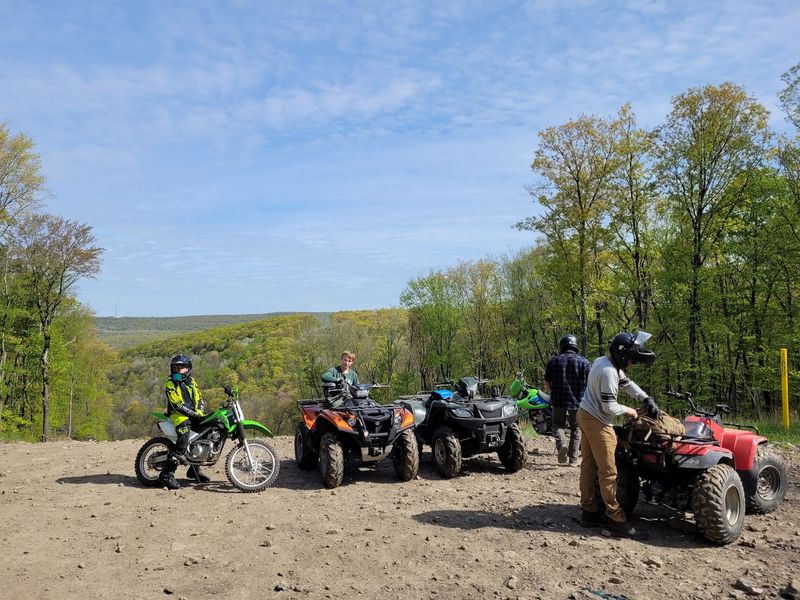
Not every off-road park manages to cater genuinely to beginners and kids while still satisfying hardcore enthusiasts, but AOAA pulls it off with conviction. A dedicated Youth Riding Area on the Eastern Reserve, just off Quarry Road, is reserved exclusively for riders aged 10 and under, with machines capped at 90cc.
It is a structured, supervised space where parents can introduce children to riding without the stress of sharing trail space with larger vehicles.
For older beginners, the green-rated trails across both reserves provide a welcoming entry point, with enough variety to keep things interesting without overwhelming new riders. Families regularly spend full weekends here, with parents and kids exploring together on UTVs or side-by-sides along the wider, more scenic routes on the Western Reserve side.
The park also features a free, non-motorized walking trail approximately 2.5 miles long, complete with four exercise stations, giving non-riders a way to enjoy the landscape and fresh air. Sunset Ridge, accessible from the walking trail, offers a genuinely beautiful panoramic view that caps the experience perfectly for everyone in the group.
The Rocky Reality: What Kind of Terrain to Expect
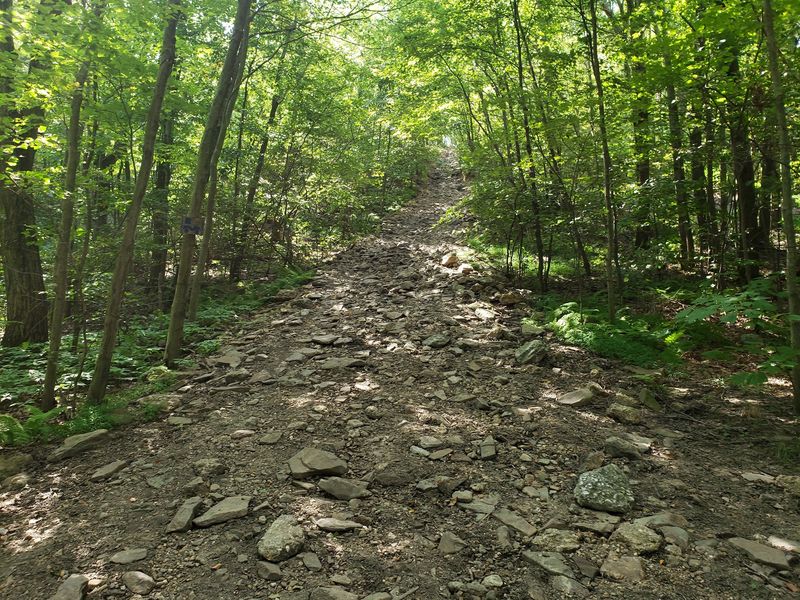
Let’s be honest about what kind of terrain dominates AOAA, because it genuinely shapes the experience. The park is rocky, seriously so, and that characteristic defines almost every section of the trail network.
Riders on sport quads and dirt bikes sometimes find the relentless rock gardens more punishing than expected, particularly on the Western Reserve where the average trail speed can drop to around 10 miles per hour.
UTVs, side-by-sides, and Jeep-style rigs with solid suspension setups are generally in their element here, thriving on the technical surfaces that challenge lighter machines. The Eastern Reserve offers a somewhat smoother experience for two-wheeled riders, with trails that allow occasional bursts of speed between the rocky sections.
Understanding this before you arrive helps set realistic expectations and shapes which trails you prioritize. The rockiness is not a flaw; it is a feature, born directly from the geological and industrial history of the land.
Those boulder gardens are authentic remnants of a coal country landscape, and they make AOAA unlike anything else in the region.
Scenic Views That Catch You Off Guard
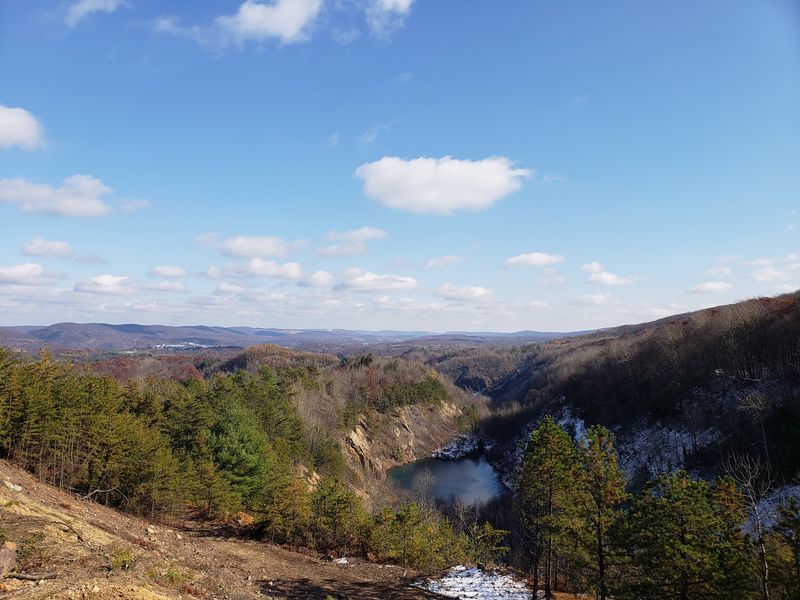
Amid all the technical riding and adrenaline, AOAA quietly delivers some genuinely stunning scenery that catches many first-time visitors completely off guard. Elevated sections of the trail network open up to sweeping panoramic views of the surrounding Pennsylvania countryside, a landscape that blends dense forest with the distinctive topography left behind by decades of coal extraction.
Sunset Ridge, reachable via the non-motorized walking trail, is arguably the most rewarding viewpoint in the park. From up there, the vast scale of the property becomes tangible in a way that trail maps simply cannot convey.
The contrast between reclaimed industrial land and untouched woodland creates a visual experience that feels genuinely unique to this corner of Pennsylvania.
Even mid-trail, there are unexpected moments of beauty. Dense tree tunnels suddenly open onto wide clearings, and old mining benches, flat ledges carved into hillsides by past extraction work, now serve as trail segments with dramatic drop-off views on one side.
These scenic surprises reward attentive riders who slow down long enough to notice the world around them.
Events, Community, and the Spirit of Camaraderie
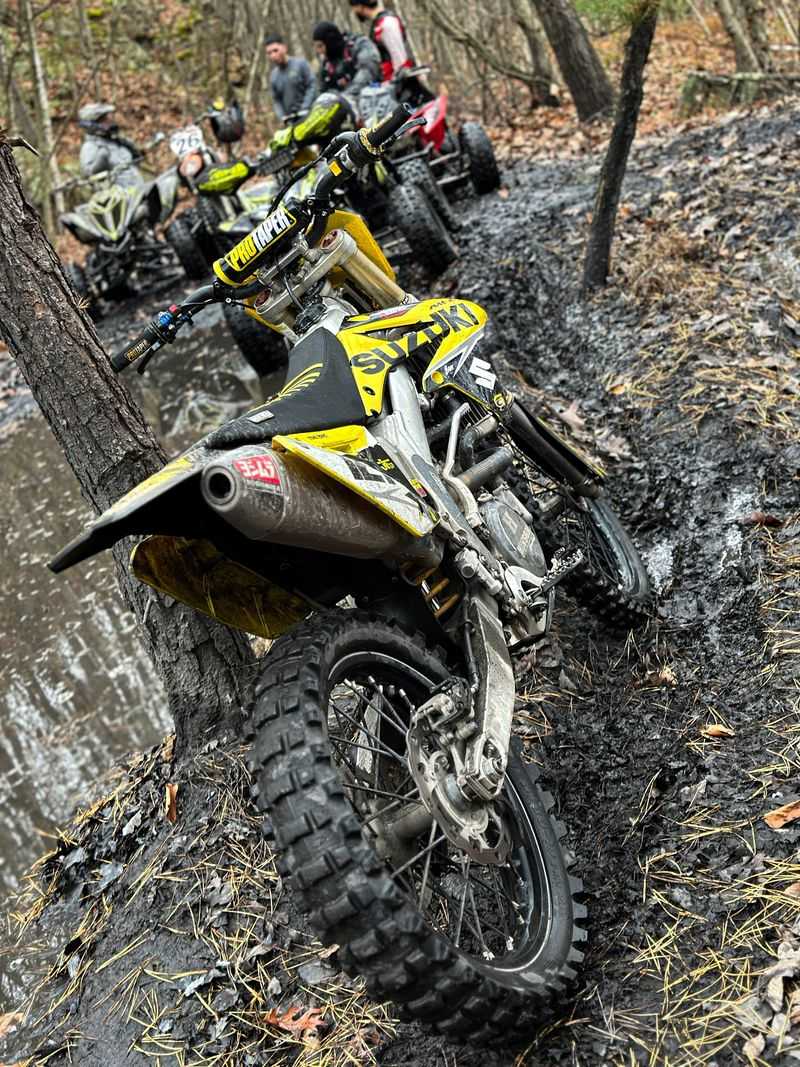
AOAA functions as more than a trail system; it operates as a genuine community hub for off-road enthusiasts across the Northeast and beyond. Throughout the year, the park hosts a rotating calendar of events including ATV races, rallies, Jeep Jamborees, and organized guided trail rides that draw participants from multiple states.
The Fourth of July weekend stands out as a particular highlight. The park opens its elevated grounds to campers and nearby town residents to watch fireworks lighting up the valley below, an unexpected community tradition that speaks to how deeply AOAA has woven itself into the fabric of local life.
That kind of moment transforms a riding destination into something that genuinely feels like home.
Day-to-day camaraderie on the trails is equally strong. Riders readily share tips, offer recovery assistance, and swap trail recommendations at the welcome center and parking areas.
There is an unwritten code of helpfulness here that makes solo visitors feel welcome and groups feel like part of something bigger than a single day ride.
The Portal Trail: Connecting the Park to Shamokin
One of the more unexpected features at AOAA is the Portal Trail, a designated route that connects the park directly to the nearby town of Shamokin on weekends. This trail-to-town link is a clever touch that sets AOAA apart from most off-road parks, where riders typically stay contained within the property boundaries for the entire day.
The Portal Trail gives riders the option to cruise into Shamokin for fuel, food, or a quick look around a genuine small-town Pennsylvania community. Local spots like Brewsers offer hearty meals that are perfectly suited to refueling after a demanding morning on the trails.
The ability to step off the property and experience the surrounding area adds a cultural layer to the adventure that many visitors genuinely appreciate.
This connection also reinforces the economic relationship between AOAA and its neighboring communities, something the park’s founders specifically prioritized when developing the concept. Riders spending money in Shamokin businesses on a Saturday afternoon is exactly the kind of tourism benefit that made the case for the park’s creation in the first place.
Camping, Rentals, and Making the Most of a Full Weekend
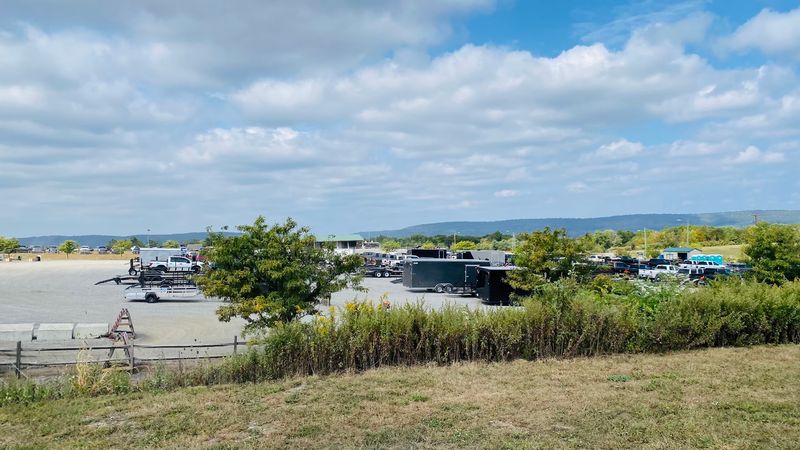
A single day at AOAA is genuinely not enough to scratch the surface of what the park offers, which is exactly why the attached trailhead campground exists. Staying on or near the property overnight transforms a day trip into a full weekend adventure, letting riders head back out first thing in the morning without the long drive back.
For those who do not own an off-road vehicle, the barrier to entry is lower than you might expect. Trailhead Adventure Rentals offers machines available for hire, making it possible to experience the trails without hauling your own equipment.
This rental option opens the park to curious newcomers who want to try off-roading before committing to buying a rig of their own.
The food trailer operating on weekends adds another layer of convenience, providing a quick and easy lunch option without leaving the property. Between the campground, the rental service, the food options, and the sheer volume of trails still left unexplored, it is genuinely easy to fill an entire weekend at AOAA and still feel like you have barely scratched the surface.
Share this story