Somewhere in Florida, an 800-year-old Spanish monastery stands in the shade of palm trees. In Boston, a Venetian-style courtyard sits quietly behind a museum door.
These are not replicas or movie sets. They are real places, built using actual stones, arches, columns, and ceilings carried across the Atlantic Ocean by collectors, museums, and wealthy dreamers who wanted a piece of the Old World on American soil.
During the late 19th and early 20th centuries, a remarkable wave of architectural rescue missions unfolded. European buildings were dismantled, numbered stone by stone, packed into thousands of crates, and shipped to the United States.
Some were saved from demolition. Others were purchased at auction.
A few were gifts. The result is a surprising collection of American places that feel centuries older than they actually are, and each one has a story worth knowing.
1. The Met Cloisters, New York City, New York
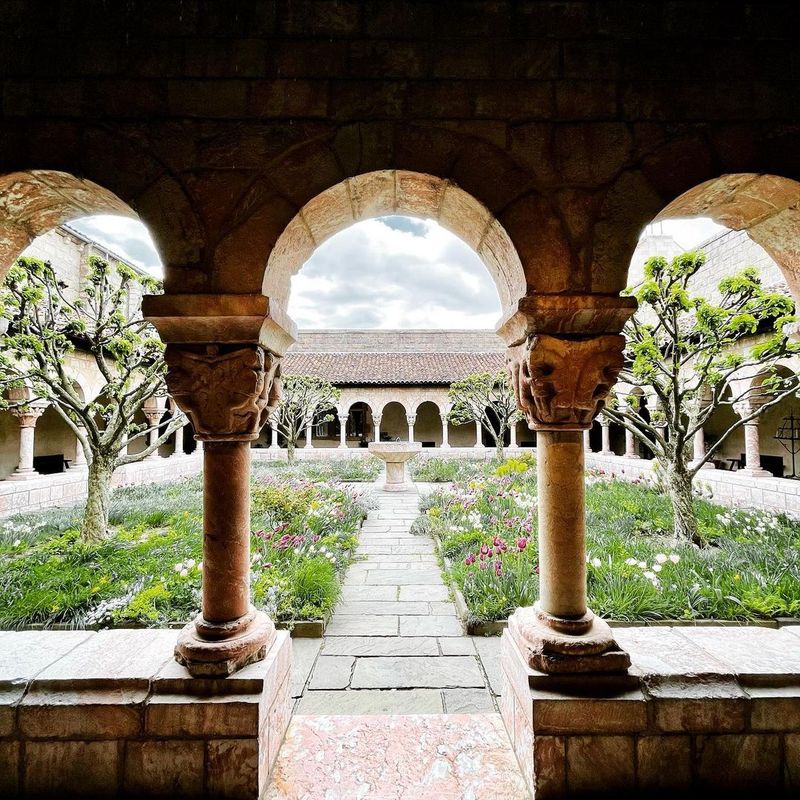
At the northern tip of Manhattan, a medieval monastery appears where you would least expect one. The Met Cloisters was assembled in the 1930s using actual stonework from French religious sites, and it remains one of the most ambitious architectural transplants in American history.
Four reconstructed cloisters form the core of the building: Cuxa, Saint-Guilhem, Bonnefont, and Trie-sur-Baïse. The Cuxa Cloister is the showstopper, featuring original pink marble columns and capitals carved around 1130 from the Benedictine Abbey of Sant Miquel de Cuixa in the French Pyrenees.
Art dealer George Grey Barnard first gathered these materials before 1913, and financier John D. Rockefeller Jr. later purchased the collection for the museum.
Three of the four cloisters contain gardens planted according to medieval horticultural texts. Visiting feels less like touring a museum and more like accidentally wandering into a monastery that relocated without telling anyone.
2. The Ancient Spanish Monastery, North Miami Beach, Florida
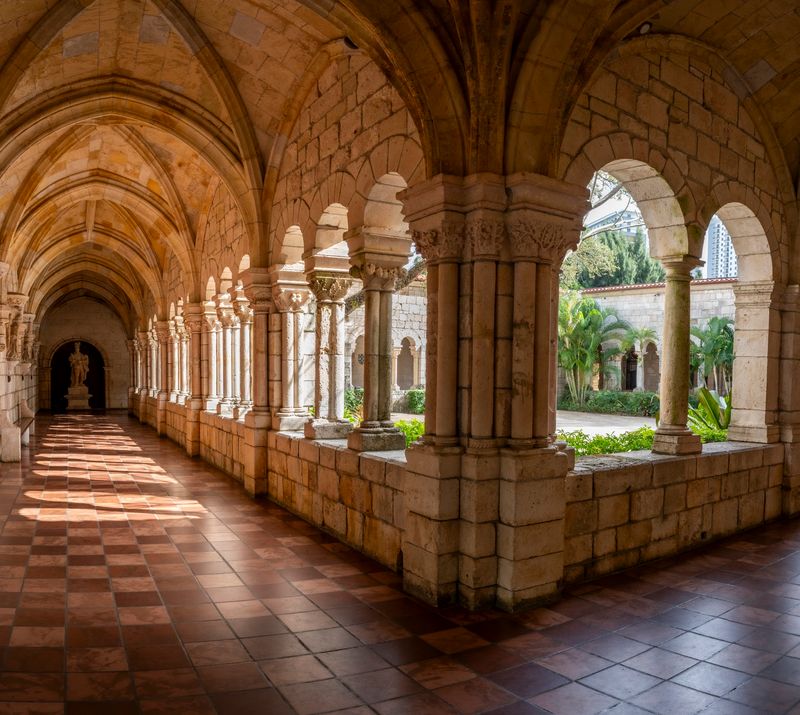
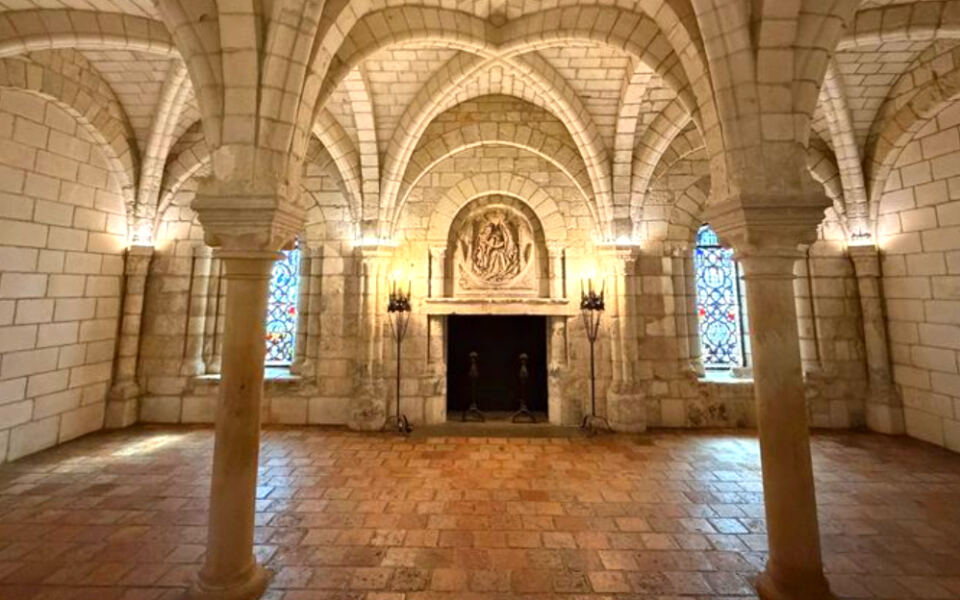
Few buildings in America have had a stranger journey than this one. Originally constructed in Sacramenia, Spain, beginning in 1133, the monastery served Cistercian monks for nearly seven centuries before being converted into a granary after Spain’s 1830s religious upheaval.
William Randolph Hearst purchased the cloisters in 1925 for $500,000, dismantled them stone by stone, and packed more than 11,000 numbered crates bound for California. Financial trouble shelved his plans, and the crates sat in a Brooklyn warehouse for 26 years before two American buyers purchased the lot for $19,000 and moved everything to Florida.
Reassembly took 19 months and cost nearly $1.5 million. Time magazine called it the biggest jigsaw puzzle in history, which is both accurate and a masterpiece of understatement.
Today the structure functions as an active Episcopal parish, holds over 35,000 stones, and sits surrounded by gardens designed to echo traditional Spanish monastic landscapes.
3. Agecroft Hall & Gardens, Richmond, Virginia
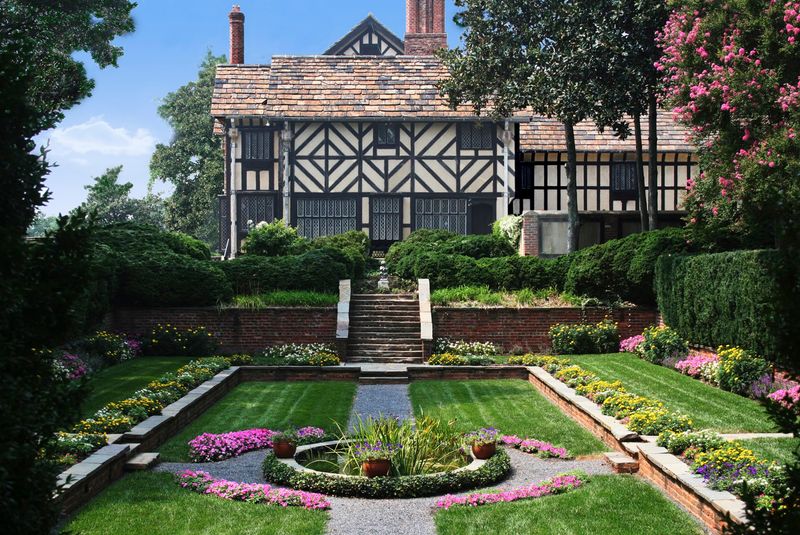
Coal pits and railway tracks were closing in on a 500-year-old Lancashire manor when Richmond businessman Thomas C. Williams Jr. stepped in with a transatlantic solution.
He purchased Agecroft Hall at auction in 1925 and hired architect Henry G. Morse to dismantle, ship, and reconstruct it on a 23-acre estate overlooking the James River.
The original house dated primarily from the late 15th and early 16th centuries, and the move preserved genuine Tudor-era stained glass, paneling, stonework, and timber framing that might otherwise have been lost entirely. The relocation caused enough public outrage in England to reach the floor of the House of Commons, which suggests the British were paying attention even if they could not stop it.
Richmond’s Windsor Farms neighborhood was deliberately chosen to echo the manor’s English setting. Agecroft opened as a museum in 1969, displaying 16th and 17th-century English furnishings alongside Charles Gillette’s classic Elizabethan-style gardens, including a meticulously clipped knot garden.
4. Virginia House, Richmond, Virginia
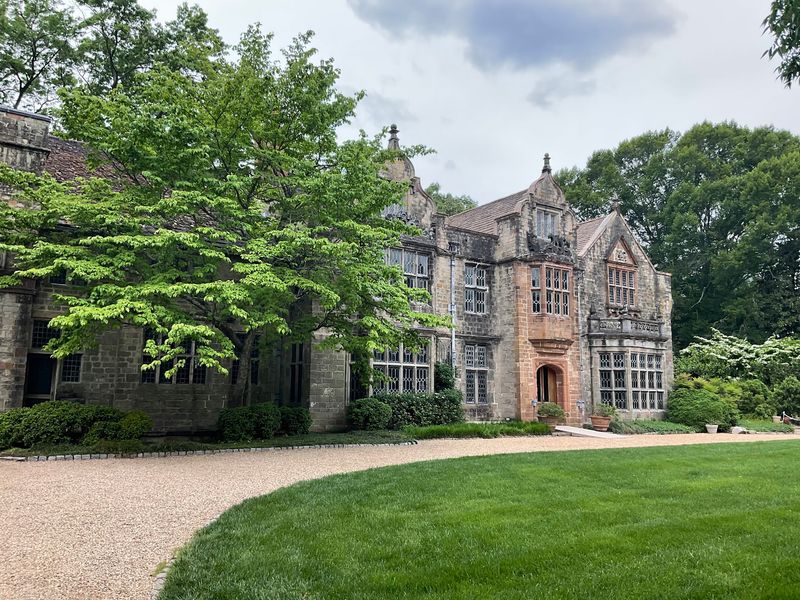
Richmond apparently decided one transplanted English estate was not enough. Virginia House sits just steps from Agecroft Hall, and its origins are equally dramatic.
Alexander and Virginia Weddell purchased the 16th-century Warwick Priory at a demolition sale in England in 1925 for 3,500 pounds, a move that a Member of Parliament publicly called an act of vandalism.
The materials arrived in Virginia soaked with seawater and required six months of drying in a barn before construction could begin. The finished house, completed in January 1929 at a cost of over $236,000, is not a faithful reconstruction of the priory.
Instead, it blends Tudor Revival, Classical Revival, and Flemish elements drawn from multiple English sources.
Despite its historical bones, the house was thoroughly modern for its era, with seven full baths, central heating, and a contemporary kitchen. The Weddells intended from the start to deed the property to the Virginia Historical Society, which now owns and operates it as a preserved historic site.
5. Detroit Institute of Arts, Detroit, Michigan
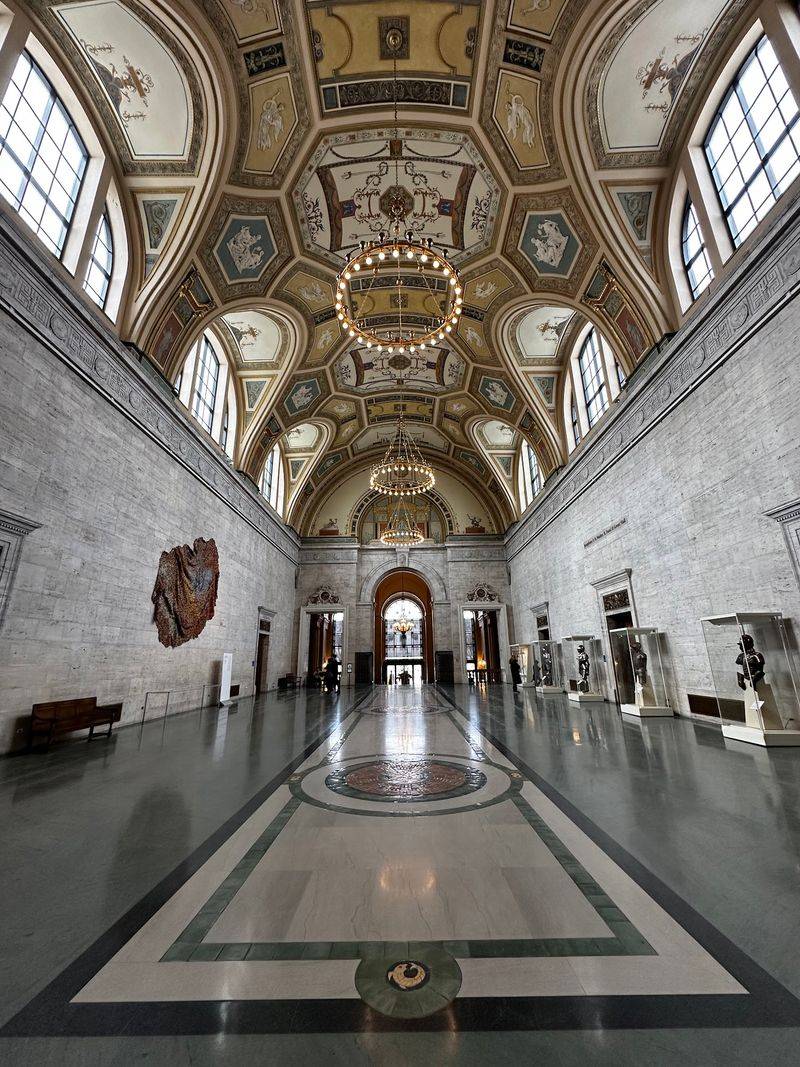
One doorway inside the Detroit Institute of Arts opens into early 16th-century France, and most visitors do not see it coming. The museum contains a genuine late Gothic chapel built between 1522 and 1524 for a noble family at the Chateau de Herbeviller in Lorraine, complete with its original limestone architecture and period stained glass.
The chapel is a prime example of French flamboyant Gothic design, a style named for the flame-shaped tracery that decorates its windows. It originally served as a projecting feature on the chateau’s facade, a position that emphasized its symbolic importance to the family who commissioned it.
Ralph H. Booth, then president of the city arts commission, arranged the chapel’s acquisition and transport to Detroit in 1924.
The axial windows above the altar and the tracery panels are original, while 15th-century German medallions were later added to the lower windows. Finding a 500-year-old French chapel inside a Detroit museum remains one of the more genuinely surprising architectural moments on this entire list.
6. Worcester Art Museum, Worcester, Massachusetts
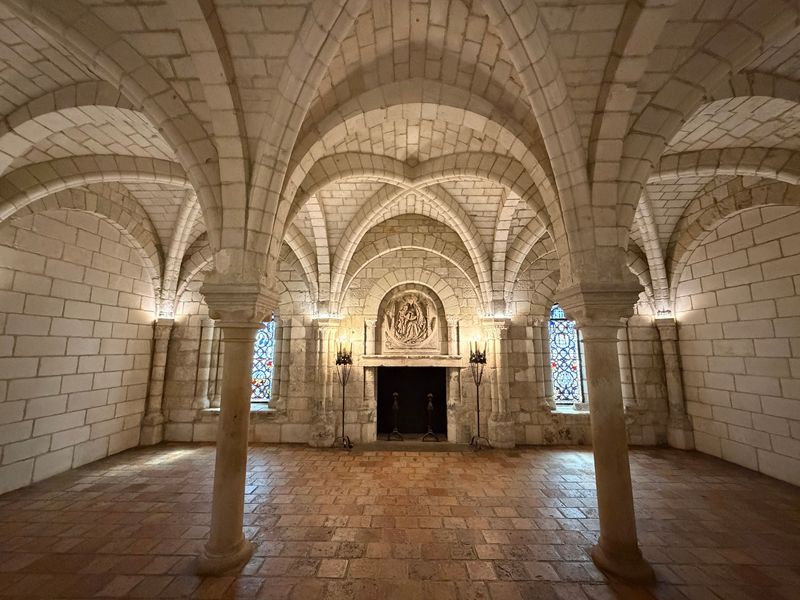
A Benedictine chapter house built between 1150 and 1190 now stands inside a Massachusetts art museum, which is either a triumph of preservation or the most elaborate room renovation in New England history. The Worcester Art Museum acquired the entire structure from the Priory of Saint John at Le Bas-Nueil in France in 1927, making it one of the first medieval buildings ever transported from Europe to America.
Every stone was numbered, disassembled, and shipped across the Atlantic in two separate shiploads. The pieces sat in storage for six years before the museum completed reconstruction in 1933.
That year, more than 200,000 visitors arrived specifically to see the result, which is a remarkable attendance figure for a single room.
Today visitors can stand beneath original stone vaulting in a space where monks once gathered for daily meetings more than eight centuries ago. The museum also holds a 14th-century Spanish painted ceiling, giving the chapter house some worthy company in the European architecture department.
7. Hammond Castle Museum, Gloucester, Massachusetts
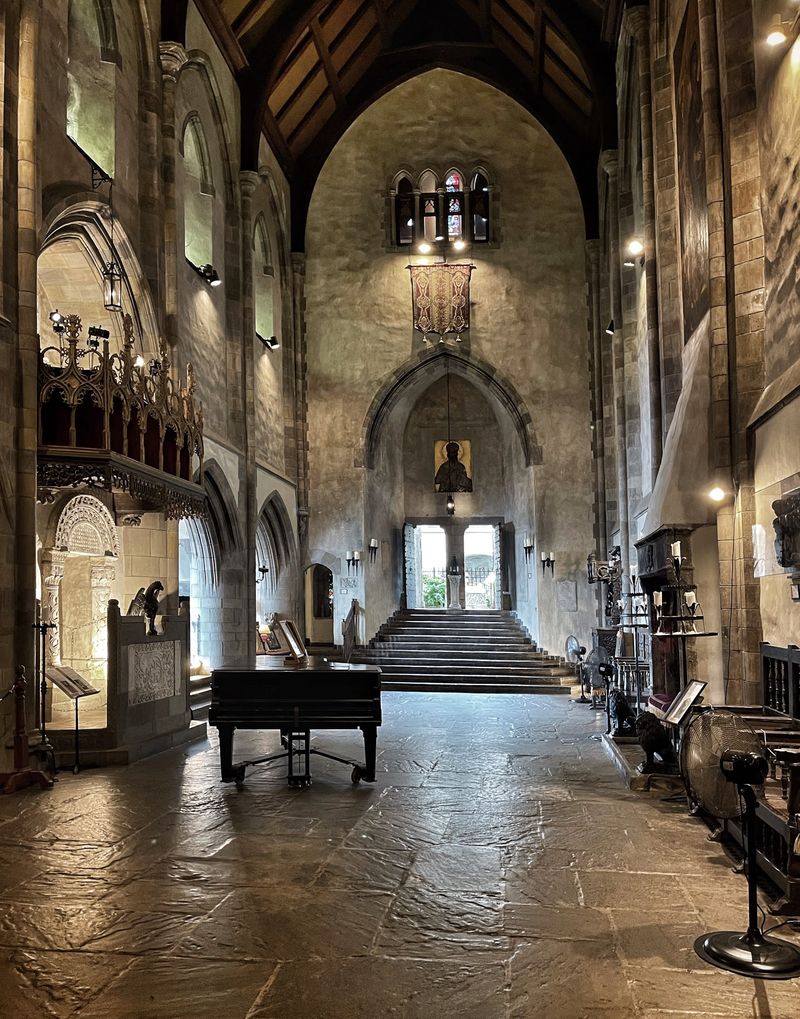
John Hays Hammond Jr. held over 400 patents and pioneered remote control technology, but his most theatrical creation was a medieval castle built on the Massachusetts coast between 1926 and 1929. He called it Abbadia Mare, meaning Abbey by the Sea, which accurately describes both its location and its general attitude toward subtlety.
Hammond traveled through Europe after World War I collecting architectural salvage on a serious scale. The castle blends Romanesque, Gothic, and Renaissance styles, incorporating genuine fragments from old European buildings, including a tufa archway believed to originate from a church in Ravello, Italy.
An enclosed interior courtyard features facades from 15th-century structures, creating the impression of a small medieval village inside a New England home.
The collection also includes a Roman sarcophagus carved between 290 and 310 CE and a 15th to 17th-century screen from Germany’s Marienkirche in Lubeck. Hammond reportedly built the entire castle around his massive pipe organ, which contains 8,400 pipes and remains one of the largest in the world.
8. Isabella Stewart Gardner Museum, Boston, Massachusetts
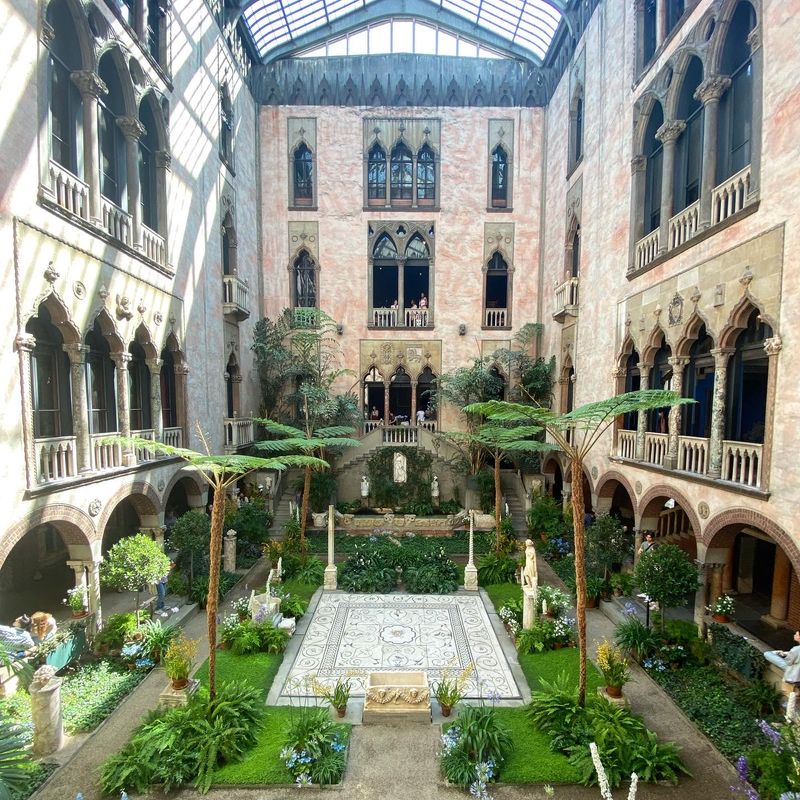
Isabella Stewart Gardner did not simply build a museum to house her art collection. She built a building that is itself part of the collection.
Constructed between 1898 and 1901 and opened in 1903, the museum evokes a 15th-century Venetian palace without being a direct copy of any specific one.
Gardner made multiple collecting trips through Venice, Florence, and Rome in 1897 and 1899, gathering columns, windows, doorways, reliefs, balustrades, capitals, and statuary spanning Roman, Byzantine, Gothic, and Renaissance periods. These were not placed in display cases.
They were built directly into the structure itself.
Eight balconies on the courtyard’s east and west sides once belonged to the Ca’ d’Oro, a prominent palace on the Grand Canal in Venice. Gardner moved into her fourth-floor private quarters in 1901 and arranged more than 2,500 works of art with such precise intention that her will legally requires the collection to remain exactly as she left it, forever.
9. The Nelson-Atkins Museum of Art, Kansas City, Missouri
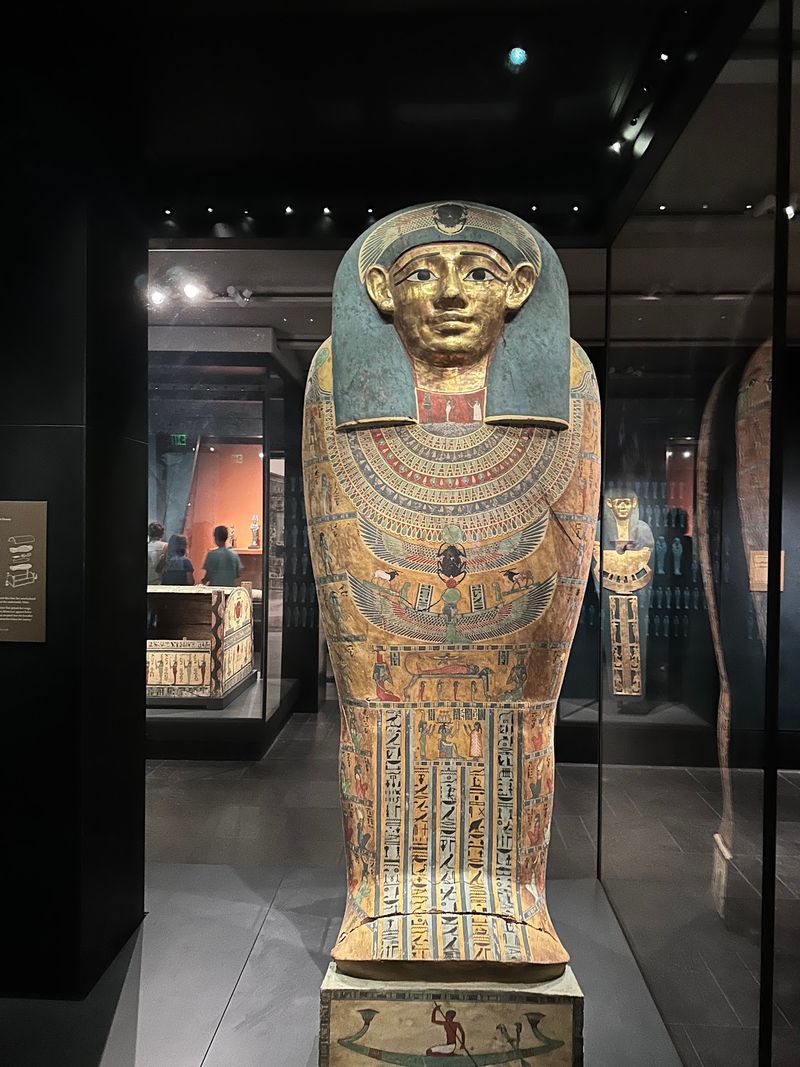
Kansas City is not the first city that comes to mind when thinking about medieval French architecture, which makes the Nelson-Atkins Museum of Art’s prize acquisition all the more unexpected. The museum holds a genuine 14th-century French stone cloister, a substantial piece of medieval construction that connects the Missouri city to a history stretching back seven centuries.
William Randolph Hearst purchased the cloister in 1930 as part of his famously vast collecting operation. When Hearst began selling off portions of his collection, the Nelson-Atkins acquired the cloister in 1941.
Its precise original location in France is not fully confirmed, though museum records point toward the Beauvais region.
The cloister is displayed as a prominent example of medieval French architectural design, giving visitors a direct sense of the scale and craftsmanship involved in monastic construction. Its presence in Missouri is a direct result of the extraordinary ambition that defined early 20th-century American collecting, and it rewards a close look from anyone who makes the trip.
10. Glencairn Museum, Bryn Athyn, Pennsylvania
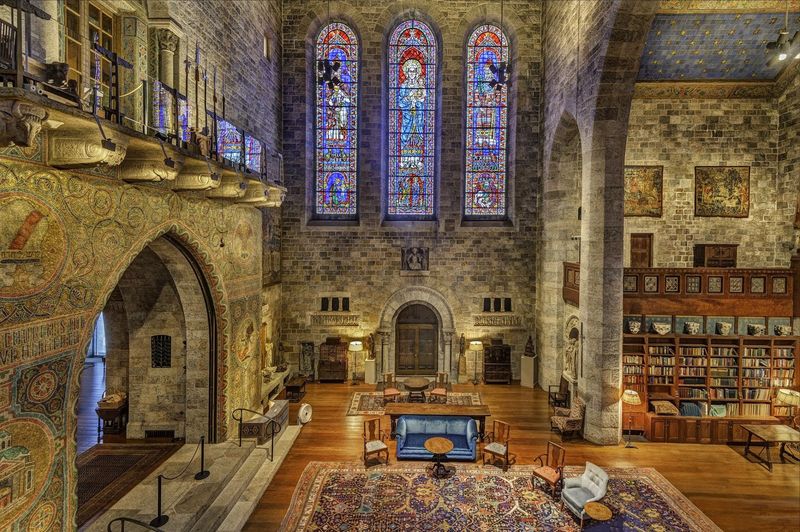
Raymond Pitcairn built Glencairn as his family home in Bryn Athyn, Pennsylvania, but he had a different idea of home decor than most people. Instead of treating his medieval European collection as objects to be displayed in cases, he installed them directly into the building itself, making the walls and windows as historically significant as anything sitting on a pedestal.
Original stained glass from the 12th-century Abbey Church of Saint-Denis in France fills windows in the Great Hall, positioned to function as it originally did rather than simply to be admired from a distance. The combination of genuine medieval pieces and 20th-century craftsmanship is blended so effectively that it takes deliberate attention to identify where one era ends and the other begins.
Glencairn’s collections focus on religious art across multiple cultures, with a particular strength in medieval Europe. The museum encourages close observation of structural details and craftsmanship, making it a thoughtful destination for anyone interested in how medieval builders and artists actually worked.
11. Hearst Castle, San Simeon, California
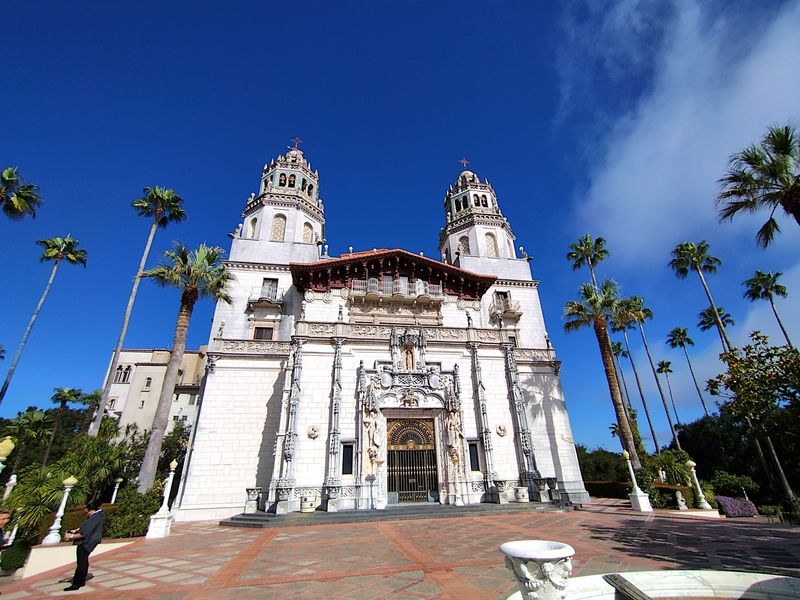
William Randolph Hearst once described his California estate as a museum of the best things he could secure, which is a modest way of saying he acquired European architectural history on an industrial scale. Architect Julia Morgan, the first woman licensed as an architect in California, spent three decades incorporating his acquisitions into the sprawling hilltop complex known as La Cuesta Encantada.
Historic ceilings from Italy and Spain dating from the late 14th through early 18th centuries were installed inside Casa Grande, the main residence. The main entrance features genuine stone and grillwork from a 15th-century Spanish convent.
The twin bell towers are modeled on the Spanish Church of Santa Maria la Mayor. Morgan’s work unified all of this into a Mediterranean Revival design spanning more than 100 rooms.
Casa Grande includes 56 bedrooms, 61 bathrooms, 30 fireplaces, two libraries, and a theater. The famous Neptune Pool was rebuilt three times.
The estate holds enough authentic European material that portions of it can easily read as several centuries older than they actually are.
12. Philadelphia Museum of Art, Philadelphia, Pennsylvania
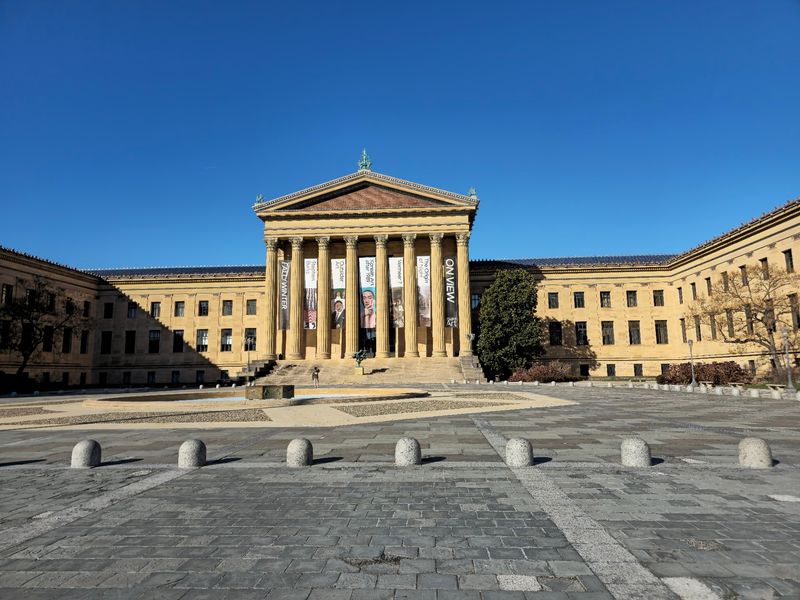
The Philadelphia Museum of Art contains a fountain that monks used for bathing and washing clothes in 12th-century France, which is not a sentence that typically applies to a Philadelphia landmark. The fountain dates from 1125 to 1150 and originally stood at the Abbey of Saint-Michel-de-Cuxa in the Roussillon region of southern France.
Carved from pale pink Languedoc marble, the fountain features six columns supporting an upper basin with a continuous arcade that mirrors the architectural style of the surrounding cloister. Water flows from five spouts into a reproduction lower basin, an important distinction that makes the authentic medieval sections above it even more worth examining carefully.
American sculptor George Grey Barnard discovered the fountain around 1906 and 1907. It was gifted to the museum in 1930.
Interestingly, other pieces Barnard collected from the same abbey ended up at the Met Cloisters in New York, meaning one French monastery contributed to two major American museum collections simultaneously, which is quite an architectural legacy for a single site.
13. Cleveland Museum of Art, Cleveland, Ohio
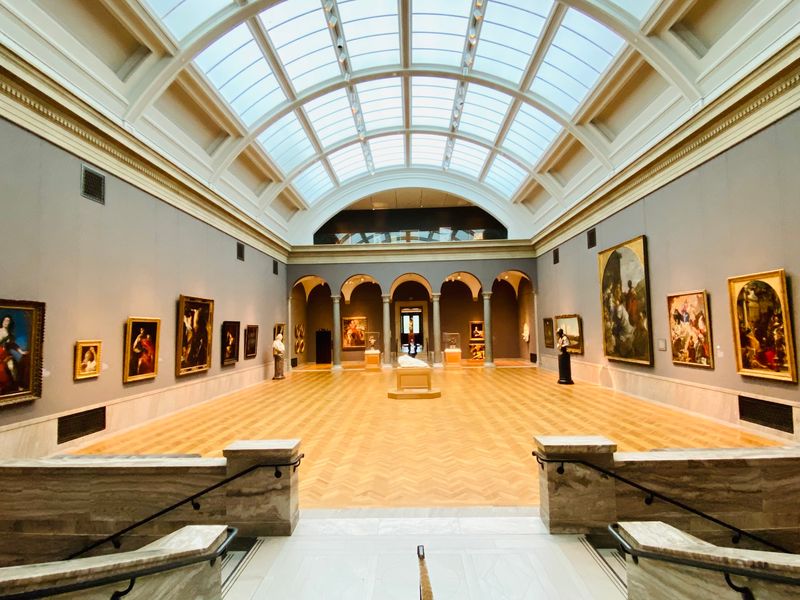
Not every American encounter with old European architecture requires a reconstructed building or a transplanted cloister. The Cleveland Museum of Art takes a different approach, preserving medieval and Renaissance architectural fragments as carefully studied museum objects rather than reassembling them into new structures.
European art galleries at the museum are arranged chronologically, guiding visitors through the development of artistic and architectural styles across centuries. Carved stonework, column sections, and decorative panels appear alongside period sculpture, religious works, and decorative arts, placing each fragment within the broader context that produced it.
This method allows for close examination of construction techniques and stylistic details that larger reconstructions sometimes obscure.
Unlike Agecroft Hall or the Ancient Spanish Monastery, Cleveland is not trying to recreate a place. Instead, it treats each piece as a document of how European builders and craftspeople actually worked.
As the final stop on this list, it serves as a fitting reminder that old European architecture found its way to America in more forms than anyone might reasonably expect.
Share this story