Potatoes and cheese have been sharing the same plate for generations, and for good reason. One brings the hearty, filling base while the other adds richness, saltiness, and a melted finish that can turn a simple side dish into the first thing people reach for.
Some of these combinations grew from practical farmhouse cooking, while others became restaurant classics, holiday staples, or regional specialties tied to specific decades and cultural moments. From bubbling Alpine casseroles to crispy fried dumplings, the 14 dishes ahead prove that potatoes and cheese rarely need much help to become something memorable.
1. Potatoes au Gratin
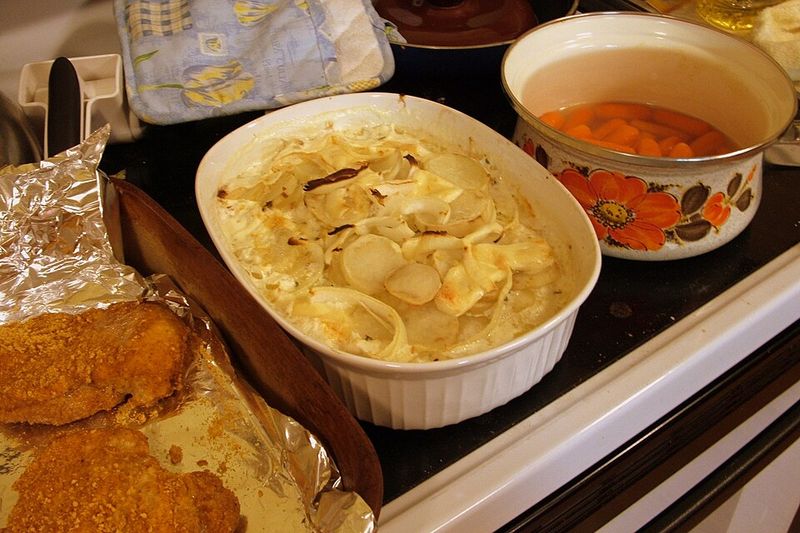
The year 1788 marked a notable moment for this dish when it appeared at a state dinner in the Dauphiné region of southeastern France. Known as Gratin Dauphinois, the original version featured thinly sliced potatoes baked in cream, often without cheese.
The word “gratin” itself comes from the French “gratiner,” referring to any dish finished with a browned crust.
Potatoes arrived in Europe from South America in the 16th century and found an especially receptive culinary home in France. American versions and many modern French interpretations embrace good melting cheeses like Gruyère, Emmenthal, or Comté.
The result is a creamy interior beneath a deeply browned, savory top layer that consistently overshadows every other dish on the table.
2. Loaded Baked Potatoes
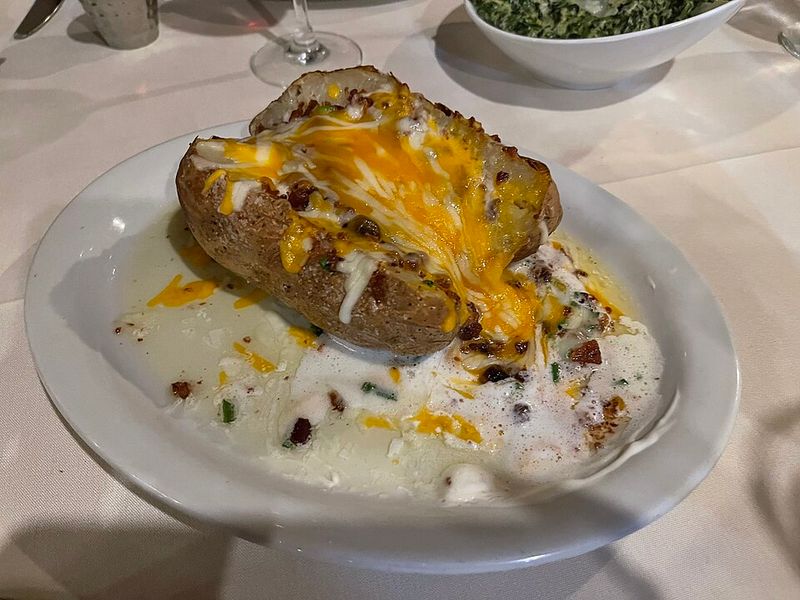
The baked potato has been a dietary staple since 16th-century Ireland, but its “loaded” American form is a product of 1970s restaurant culture. The Northern Pacific Railway had already been marketing oversized baked potatoes to train passengers as early as 1908, planting the seed for the potato’s larger ambitions.
Steakhouses and casual dining chains took that idea further by piling on shredded cheddar, sour cream, bacon, butter, and chives until the potato became a meal in its own right. The heat from the freshly baked potato does the work of melting the cheese and blending the toppings together.
Customization became a key part of the dish’s appeal. Chili, broccoli, pulled pork, or leftover roast chicken can all find a home in a split-open baked potato without anyone complaining.
3. Twice-Baked Potatoes
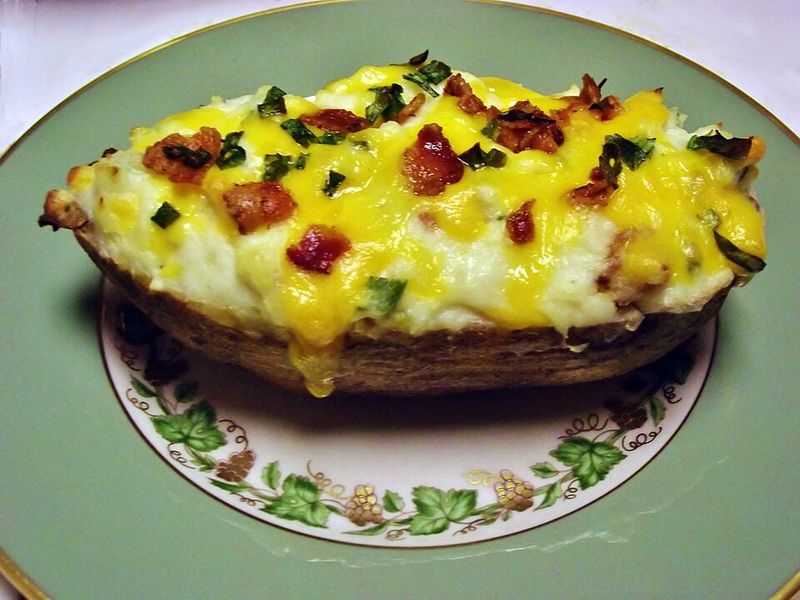
A single bake was apparently not enough for this particular potato preparation. After the first round in the oven, the fluffy interior is scooped out and mixed with cheese, butter, sour cream, bacon, and sometimes milk before being loaded back into the original skin.
A second bake sets everything together and creates a golden, slightly crisped cheese layer across the top. The result is essentially mashed potatoes served inside an edible, crunchy bowl, which is a significantly more dramatic presentation than a standard scoop on the side of a plate.
Steakhouses helped popularize twice-baked potatoes as a special-occasion side dish during the mid-20th century. Despite their slightly involved preparation, home cooks adopted them readily for holiday dinners and dinner parties where the extra step feels worth the effort.
4. Tartiflette
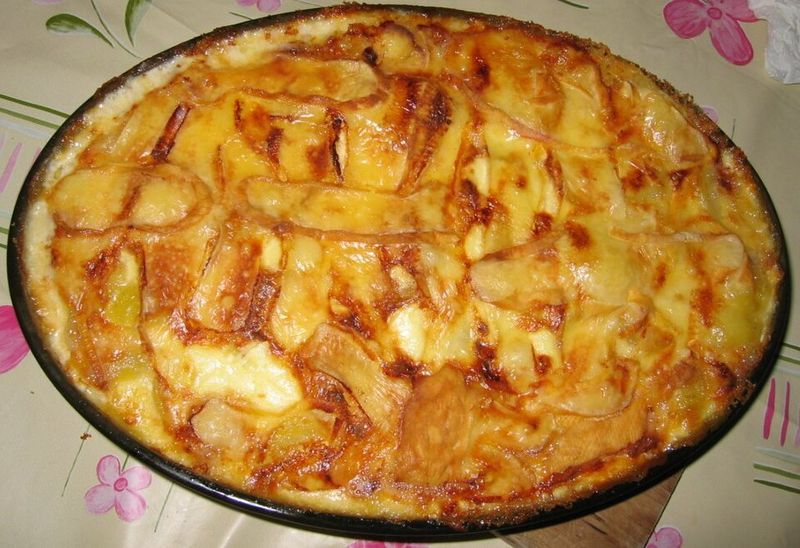
Savoy’s most famous potato dish carries a rustic reputation that is only partially deserved. Tartiflette combines potatoes, onions, lardons, and Reblochon cheese into a rich baked casserole, and its name is thought to derive from the Arpitan word for potato, “tartiflâ.”
The dish’s modern popularity, however, owes a significant debt to marketing. In the 1980s, Le Syndicat Interprofessionnel du Reblochon promoted a version of an older regional gratin called “péla” as a way of moving excess Reblochon inventory.
Savoy’s historical ties to the Holy Roman Empire meant the region encountered potatoes earlier than much of France, giving the ingredient a longer local history to draw on.
The combination proved durable. Tartiflette became the defining après-ski meal of the French Alps, appearing on resort menus and in home kitchens well beyond the Savoie region.
5. Poutine
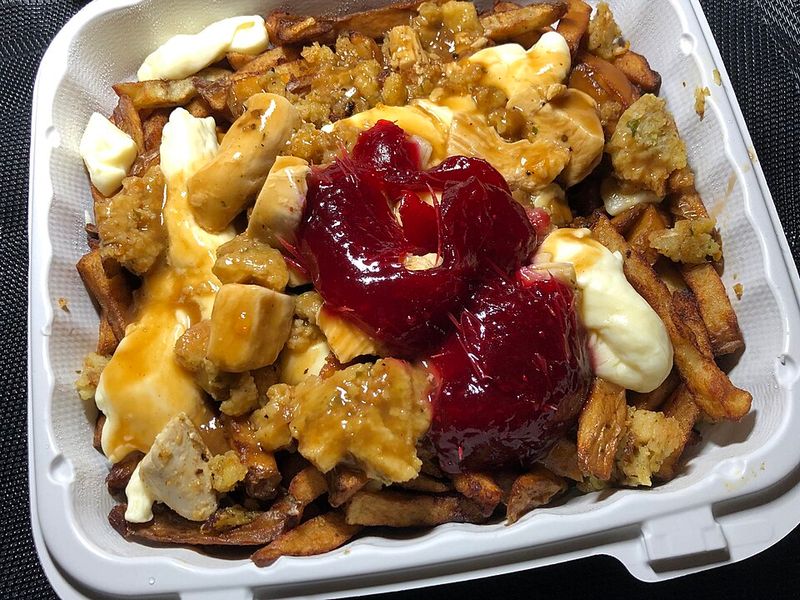
Quebec’s most recognizable contribution to North American comfort food emerged from the province’s rural snack bars during the late 1950s. One popular account attributes its creation to Fernand Lachance of Café Ideal in Warwick in 1957, where cheese curds were added to fries and gravy was included to keep the dish warm during colder months.
The name comes from Québécois slang roughly meaning “mess,” which accurately describes the dish’s appearance and does nothing to diminish its appeal. Fresh cheese curds, heated by the gravy but not fully melted, retain a distinct, slightly springy texture that separates proper poutine from inferior imitations.
By the 1990s, poutine had moved from regional curiosity to national symbol, appearing on menus from fast-food chains to upscale restaurants. Countless topping variations have since emerged, but the original three-ingredient formula remains the standard by which all versions are measured.
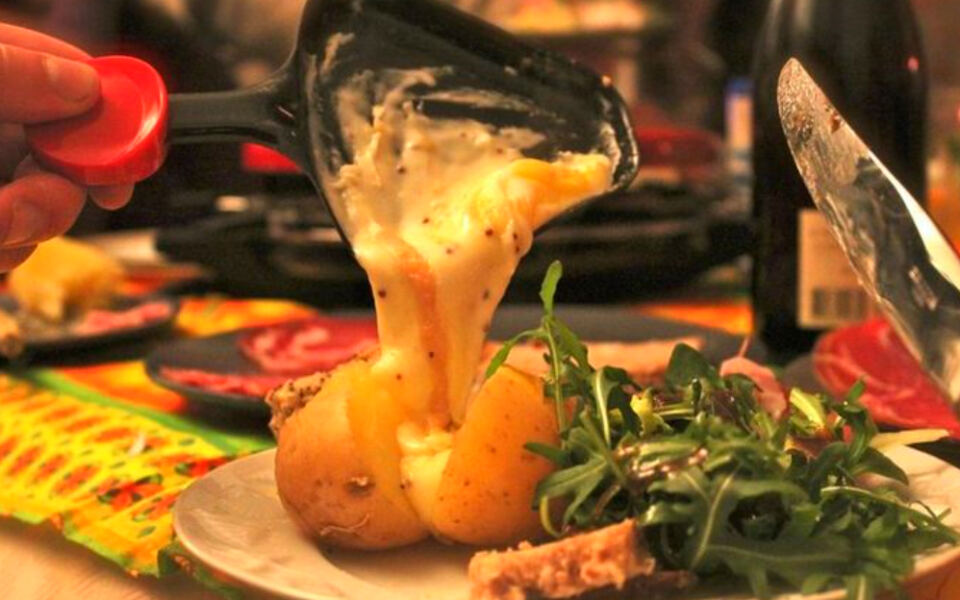
6. Raclette Potatoes
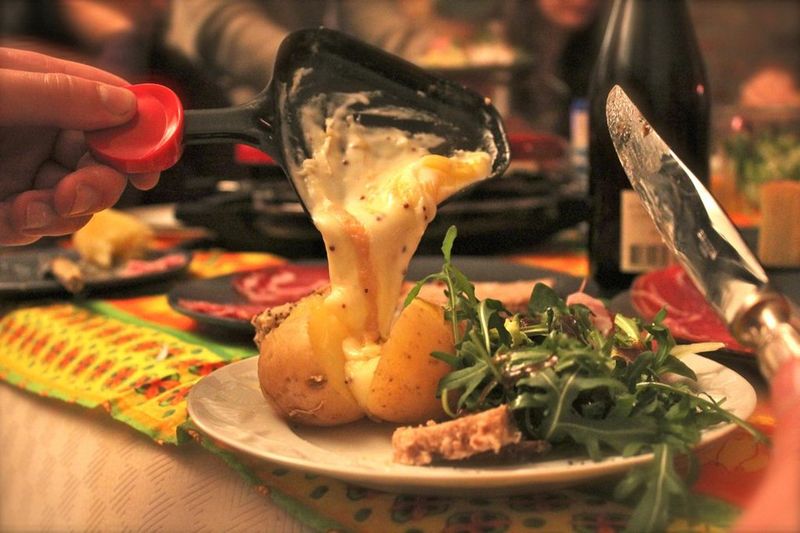
Swiss cow herders in the Valais region were melting cheese next to open fires and scraping it over bread and potatoes as far back as the 13th century, with documented references appearing in Swiss convent records from 1291. The word “raclette” comes directly from the French verb “racler,” meaning to scrape, which describes the preparation method with complete accuracy.
Raclette was promoted as a regional specialty at the 1909 Cantonal Exhibition of Sion and gained broader national recognition at the 1964 Swiss National Exhibition. Tabletop raclette grills, widely available since the 1950s, transformed the meal into a communal event where diners melt their own cheese portions and pour them over small, firm boiled potatoes.
Pickles and small onions serve as sharp counterpoints to the intensely savory melted cheese. The boiled potato remains the dish’s most essential partner, providing a mild, sturdy base.
7. Funeral Potatoes
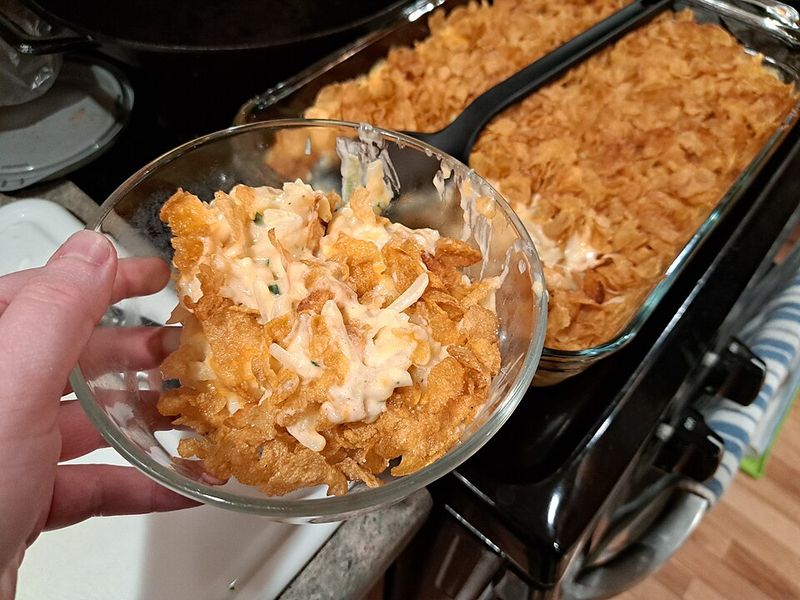
Few dishes carry a name this specific or a cultural history this well-documented. Funeral potatoes are deeply tied to Utah and the broader Intermountain West, where the Relief Society, a women’s organization within the LDS Church, made cheesy potato casseroles a staple of post-funeral meals and community gatherings throughout the late 19th and early 20th centuries.
The dish relied on pantry staples that Mormon households kept stocked, including hash browns, cheddar, sour cream, condensed soup, and butter. A crunchy topping of crushed cornflakes became its most recognizable finishing touch.
By the 2002 Winter Olympics in Salt Lake City, the dish was famous enough to appear on a souvenir collector pin. It has long since moved beyond solemn occasions into holiday tables and Sunday dinners across the American Midwest.
8. Cheesy Hash Brown Casserole
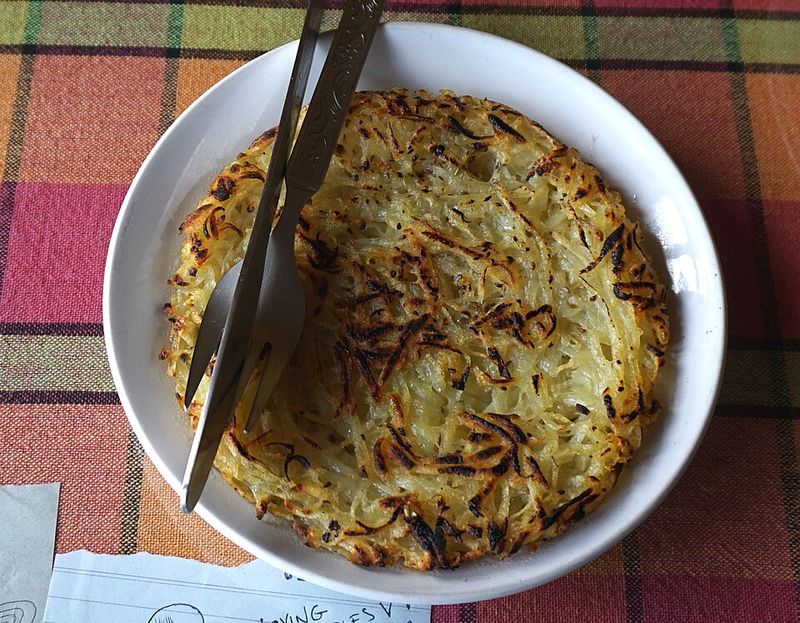
Shredded hash browns, a breakfast staple across the United States, found a second life in the American casserole tradition sometime during the mid-20th century. The combination of frozen hash browns, condensed cream soup, sour cream, butter, and cheddar cheese produced a dish that could be assembled quickly and baked for a crowd.
A crunchy topping of crushed cornflakes or potato chips became a defining feature, adding contrast to the creamy potato layers underneath. The dish overlaps significantly with funeral potatoes, and the two names are often used interchangeably depending on the region and the family recipe in question.
Holiday breakfasts, church potlucks, and family reunions helped establish the cheesy hash brown casserole as a reliable fixture in Midwestern and Southern American cooking. Its make-ahead convenience and crowd-pleasing simplicity have kept it in regular rotation for decades.
9. Aligot
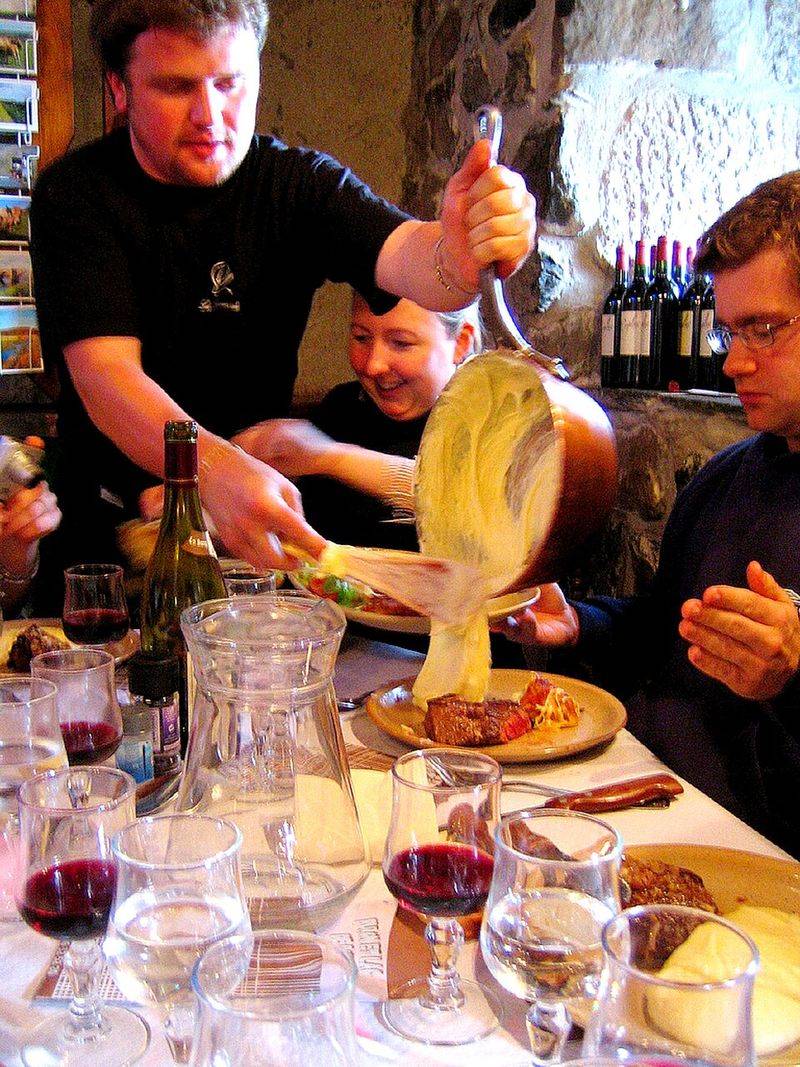
Standard mashed potatoes aim for lightness and fluff. Aligot, from France’s Aubrac region in the Massif Central, aims for something far more dramatic: a smooth, elastic, cheese-laden mass that forms long, flowing ribbons when lifted from the pot.
Monks at Aubrac monasteries were preparing early versions of the dish as far back as the 12th century, originally using melted cheese and bread as a meal for pilgrims traveling to Santiago de Compostela. Potatoes arrived in the 16th century and eventually replaced bread in the recipe, particularly after poor wheat harvests pushed rural communities toward more reliable crops.
The cheese used traditionally is Tome fraîche de l’Aubrac, combined with butter, cream, and garlic. What began as farmhouse sustenance has since become a celebrated fixture at French street markets, regional festivals, and restaurants well beyond the Aveyron department.
10. Pierogi With Potato and Cheese
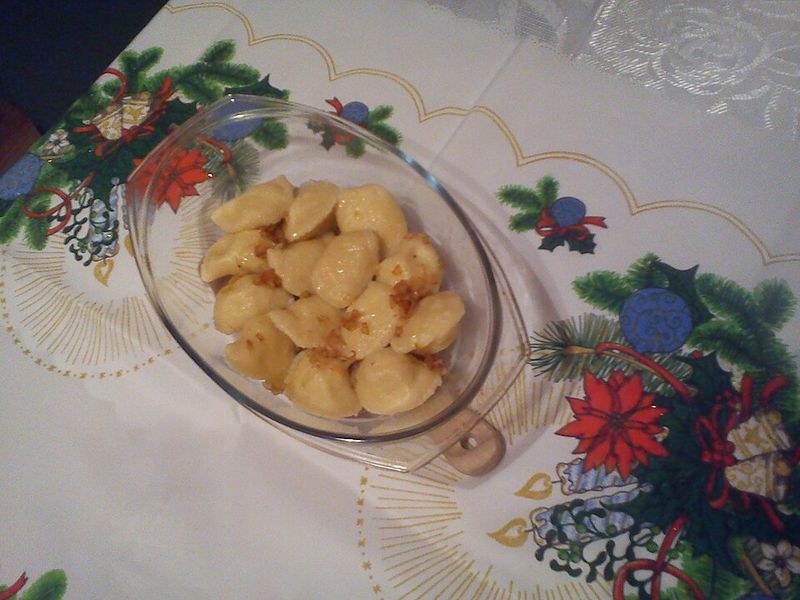
Polish pierogi have been a fixture in Central and Eastern European kitchens for centuries, with legends tracing their origins to Asian dumpling traditions brought westward during the 13th century. By the 17th century, they had moved from peasant food to a dish enjoyed across social classes throughout Poland and neighboring regions.
Pierogi ruskie, despite the name suggesting a Russian connection, actually reference the historical Ruthenian region of present-day Ukraine. The filling combines mashed potatoes, twaróg (a fresh curd cheese), and fried onions, and has remained one of the most popular pierogi varieties in Poland for generations.
Immigration in the early 20th century carried potato-and-cheese pierogi into American cities including Pittsburgh, Chicago, and Detroit. Church fundraisers and ethnic restaurants introduced them to wider audiences, and by the 1960s, they had become a common frozen supermarket item in the United States and Canada.
11. Cheesy Potato Skins
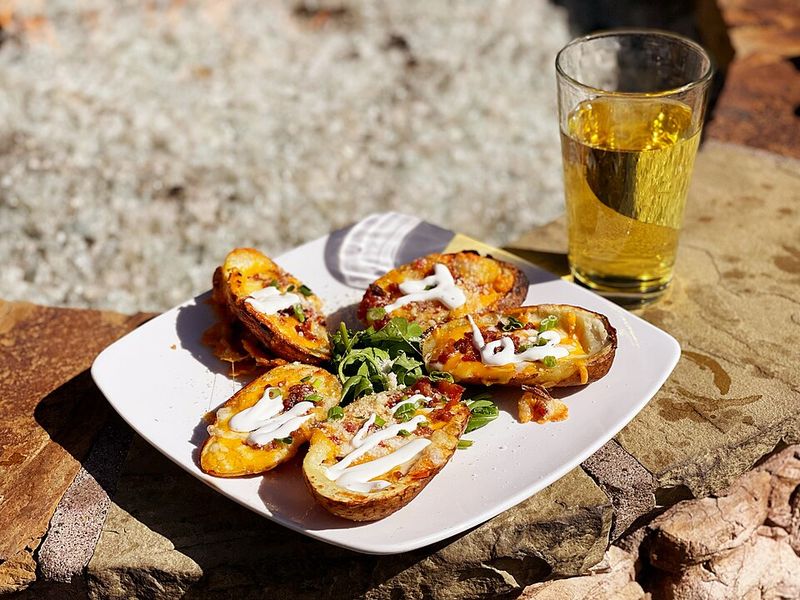
The mid-1960s American restaurant scene produced an unlikely star by focusing on the part of the potato most home cooks threw away. Restaurants including R.J.
Grunts in Chicago and early TGI Fridays locations in Dallas were among the pioneers in serving crisped potato shells as a dedicated appetizer.
The inspiration for R.J. Grunts reportedly came from a radio story about sailors consuming vitamin-rich potato skins to prevent illness at sea.
That detail prompted kitchen experimentation that led to a dish built around scooped-out, oven-crisped potato shells loaded with cheddar and bacon.
Casual dining chains helped spread potato skins across American menus throughout the 1970s and 1980s, where they became a bar-food standard alongside mozzarella sticks and chicken wings. The dish cleverly reframes a discarded ingredient as the entire point of the recipe, which is a neat trick by any standard.
12. Cheese and Potato Croquettes
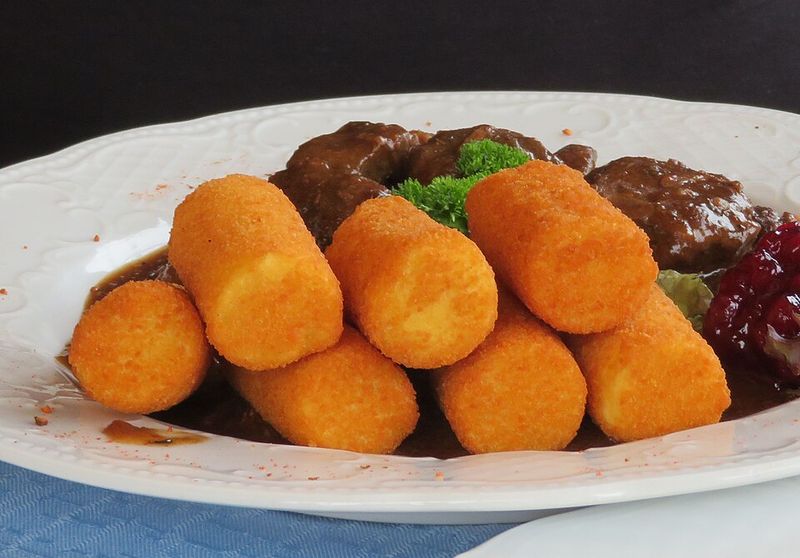
The croquette’s lineage runs back to 17th-century France, where the first documented recipes appeared in 1691 under the direction of King Louis XIV’s kitchen staff. Early versions featured luxurious fillings of meat, truffles, and cheese encased in a fried, breadcrumbed shell, placing them firmly in fine-dining territory from the start.
Auguste Escoffier, the influential French chef who shaped modern classical cooking, later popularized mashed potato croquettes through his recipes and culinary school teachings during the late 19th and early 20th centuries. Adding cheese to the potato interior, whether mixed throughout or hidden as a molten center, became a natural progression of the form.
Cheesy potato croquettes now appear across dozens of cuisines, from Spanish tapas bars featuring Manchego to Hungarian home kitchens serving them alongside stews. The consistent appeal is the contrast: a crunchy breadcrumb exterior giving way to soft potato and warm, melted cheese inside.
13. Cheesy Potato Pancakes
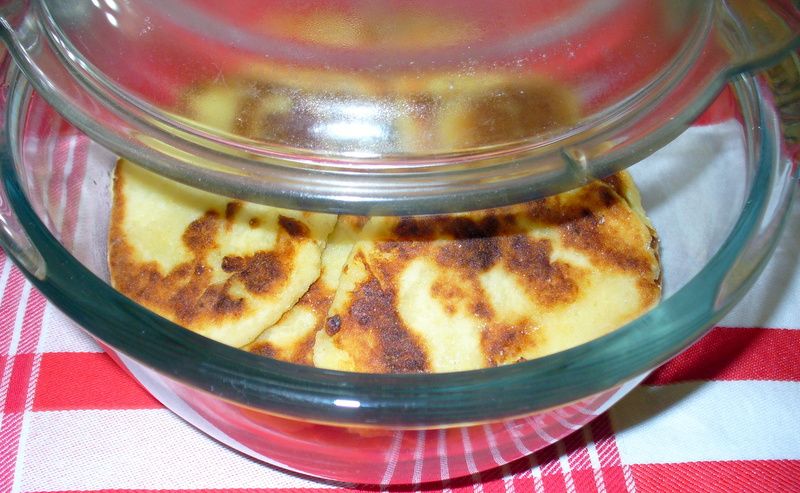
Potato pancakes carry a long cultural history across Eastern Europe, but the cheesy version represents a more modern adaptation that prioritizes richness over tradition. Jewish latkes, documented in their potato form from the early 1800s following widespread potato cultivation in Eastern Europe, originally avoided cheese due to kosher dietary laws separating meat and dairy.
Modern cheesy potato pancakes sidestep those restrictions entirely, mixing shredded or mashed potatoes with cheddar or another good melting cheese, egg, and a flour binder before frying until the outside is browned and the inside stays soft and savory.
One practical advantage is their usefulness as a vehicle for leftover mashed potatoes, which can otherwise be difficult to repurpose without them feeling diminished. Served alongside eggs for breakfast or next to roasted meat at dinner, cheesy potato pancakes adapt readily to whatever the meal requires.
14. Cheesy Mashed Potatoes
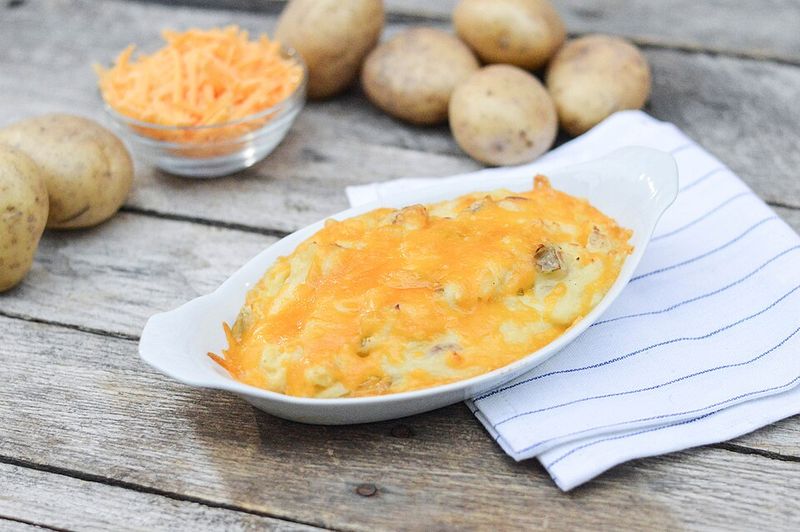
Mashed potatoes have a history stretching back thousands of years to the Andes Mountains, where indigenous peoples first cultivated and processed potatoes as a dietary staple. Potatoes reached Europe in the 16th century, and mashed preparations began gaining widespread popularity by the 18th century, particularly in Britain and France.
Folding cheese directly into hot mashed potatoes is less a formal recipe than a practical habit that generations of home cooks arrived at independently. Cheddar is the most common American choice, but Gruyère, Parmesan, Fontina, and cream cheese each shift the flavor in a noticeably different direction.
The cheese melts into the butter and cream already present in a standard mash, adding richness and a subtle sharpness without requiring any additional technique. When ordinary mashed potatoes need more personality, a handful of cheese addresses the problem with minimal effort and reliable results.
Share this story