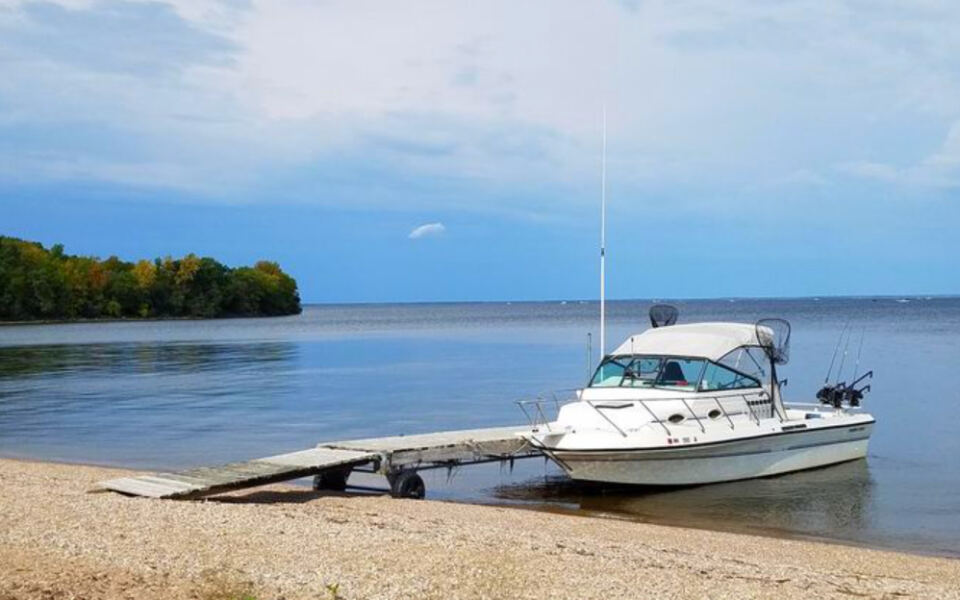
There is a state recreation area in northern Minnesota that you simply cannot drive to. No road connects it to the mainland, and that is entirely the point.
The only way to reach it is by boat, which means every visit starts with a water crossing across one of the largest lakes in the United States. That unusual fact alone makes Garden Island State Recreation Area one of the most genuinely distinctive public lands in the entire state.
An Island You Can Only Reach by Boat
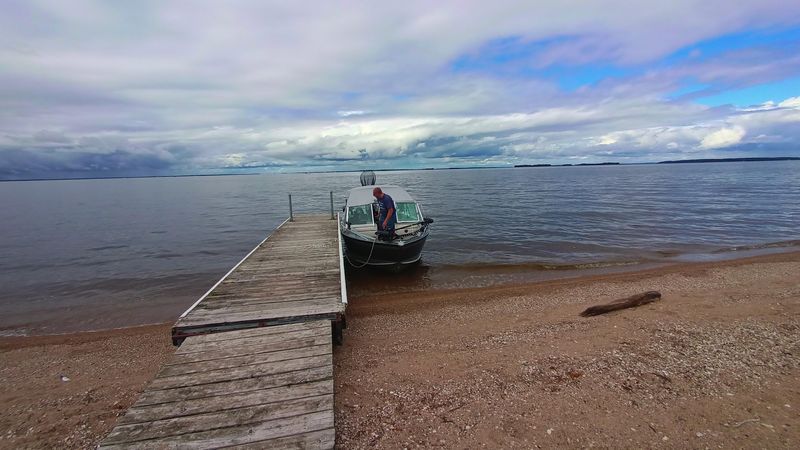
Most state parks have a parking lot. Garden Island State Recreation Area, located on Lake of the Woods near Williams, Minnesota, does not have one because there is no road leading to it at all.
The only way visitors can set foot on the island is by arriving on the water.
That single fact changes everything about the experience. You cannot simply pull off a highway and wander in.
Getting there requires a boat, a plan, and a real sense of adventure.
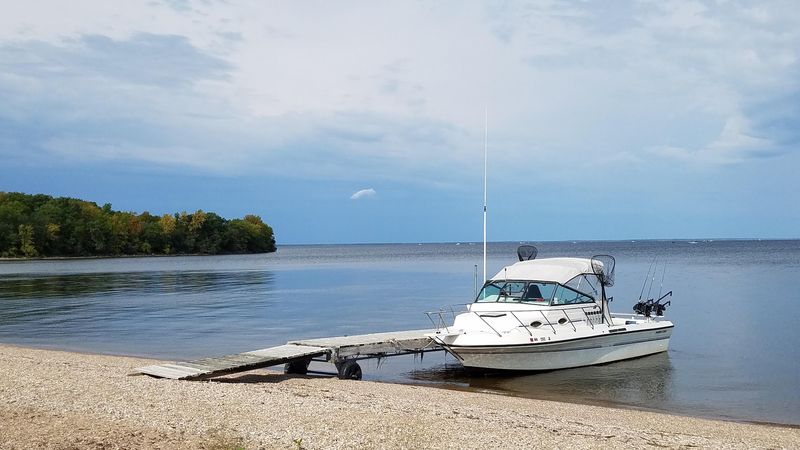
The island sits in Lake of the Woods, a massive body of water that stretches across the Minnesota-Canada border. Boaters often depart from nearby access points, including Zippel Bay State Park, which itself is a journey of over an hour by water.
The trip out is part of the experience, not just the means of getting there.
Where Exactly Garden Island Sits on the Map
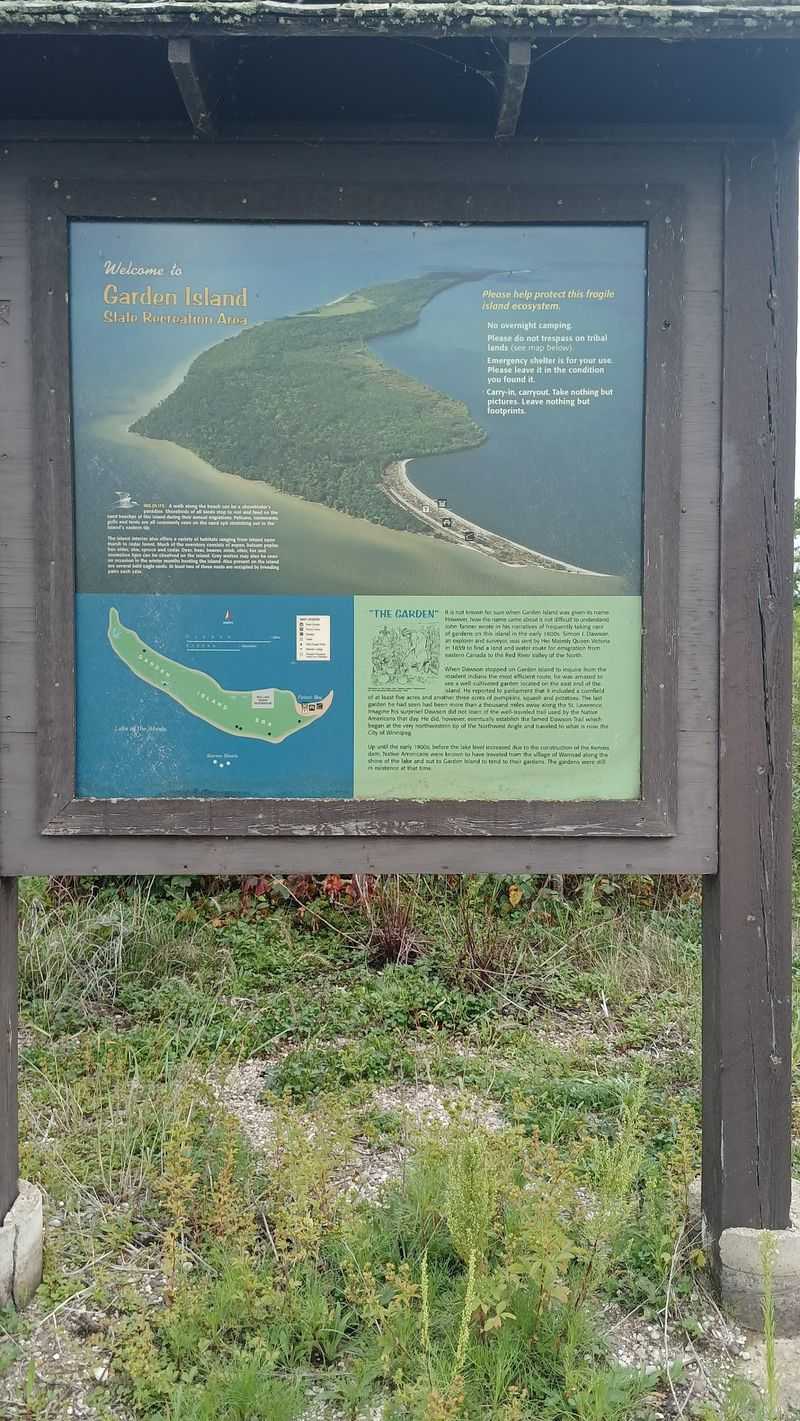
Garden Island State Recreation Area is managed by the Minnesota Department of Natural Resources and is addressed through Williams, Minnesota 56686, in the far northwestern corner of the state. The island itself rests within Lake of the Woods, one of the largest freshwater lakes in North America.
Lake of the Woods covers more than 1,700 square miles and contains thousands of islands. Garden Island is one of the few that carries official state recreation area status, which means it comes with public amenities and managed access.
The remote location in Beltrami County puts it close to the Canadian border, giving the surrounding landscape a wild, almost untouched quality. Cell service is minimal out here, and that is not a complaint.
It is a feature. The farther you travel from shore, the more the noise of everyday life fades behind you.
The Sandy Beach That Surprises First-Time Visitors
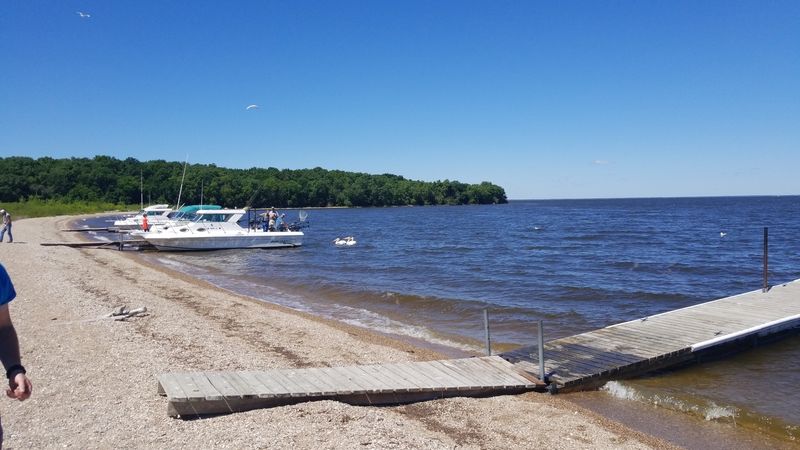
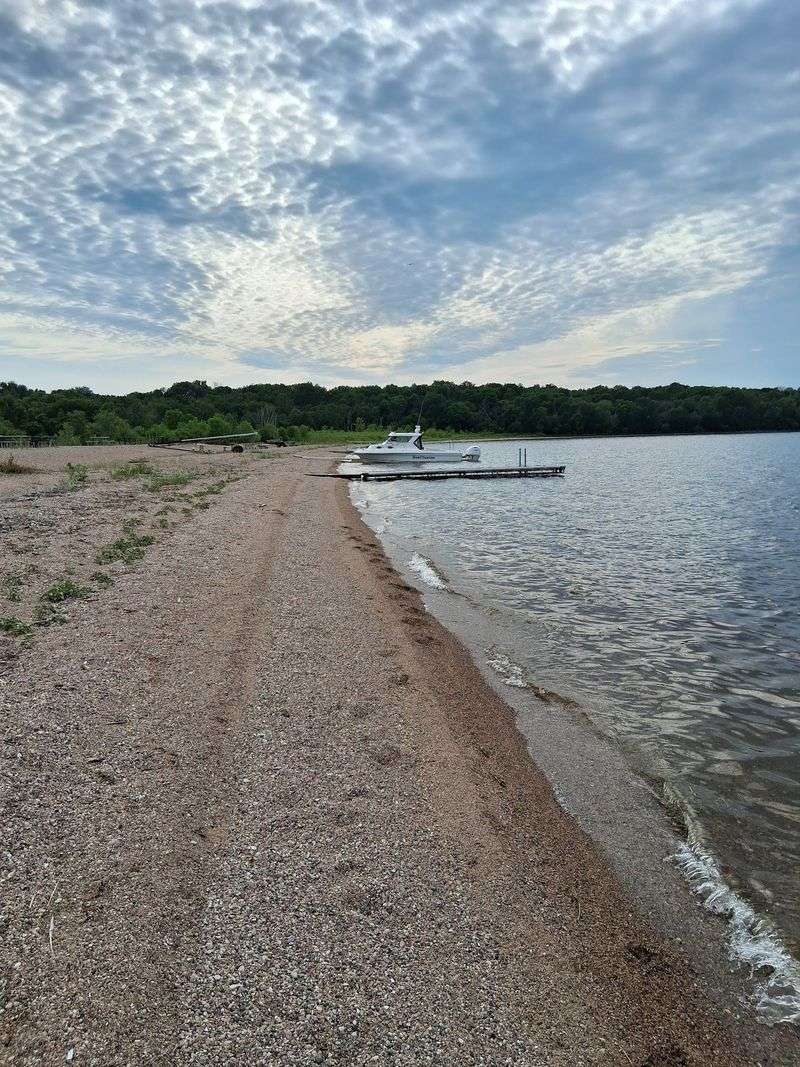
One of the first things visitors notice when they step off their boat is that Garden Island has a real sandy beach. That might sound simple, but on a remote island in the middle of Lake of the Woods, finding a wide stretch of clean sand feels genuinely surprising.
The beach is well suited for swimming on calm days, and the sandy point that extends from one end of the island draws visitors who enjoy beachcombing and wading in shallow water. The setting is quiet in a way that crowded public beaches rarely are.
There are no lifeguards, no concession stands, and no beach chairs for rent. What you bring is what you have.
That simplicity is exactly what draws people who want a beach experience without the usual summer crowds pressing in from every direction.
Shore Lunch: A Northern Minnesota Tradition at Its Best

Shore lunch is a deeply rooted tradition among anglers in northern Minnesota, and Garden Island is one of the most beloved spots on Lake of the Woods to enjoy one. The idea is simple: catch fish on the water, pull up to an island, and cook the catch fresh over a fire.
The island has fire grates available for exactly this purpose, and the combination of a sandy beach, open sky, and the smell of fresh walleye frying in a pan makes for a meal that no restaurant could quite replicate. Multiple visitors have described the experience as the kind of lunch you think about long after the summer ends.
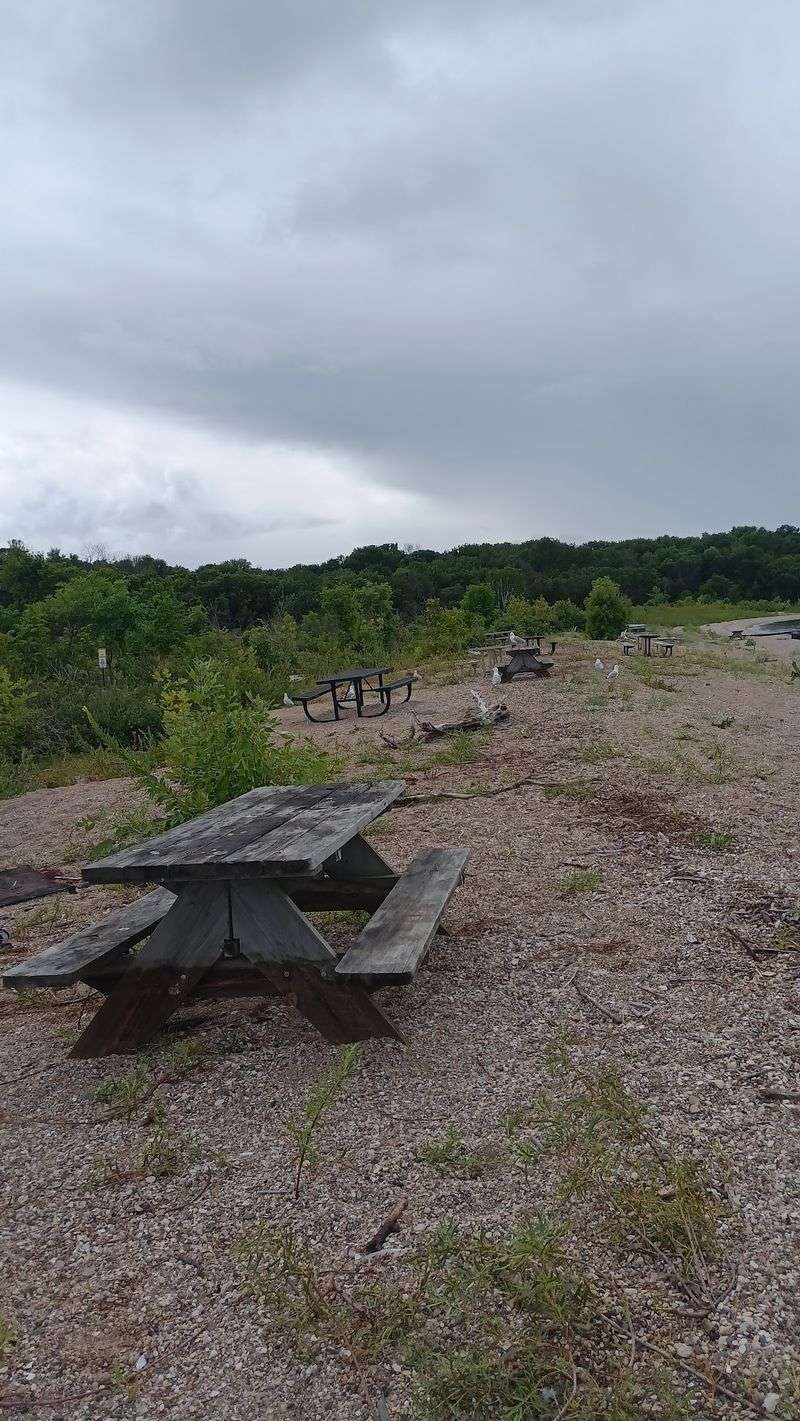
Picnic tables on the island give groups a place to gather. Bringing your own cooking gear, oil, and seasoning is essential since the island offers no services or supplies of any kind.
What the Island Actually Looks Like Up Close
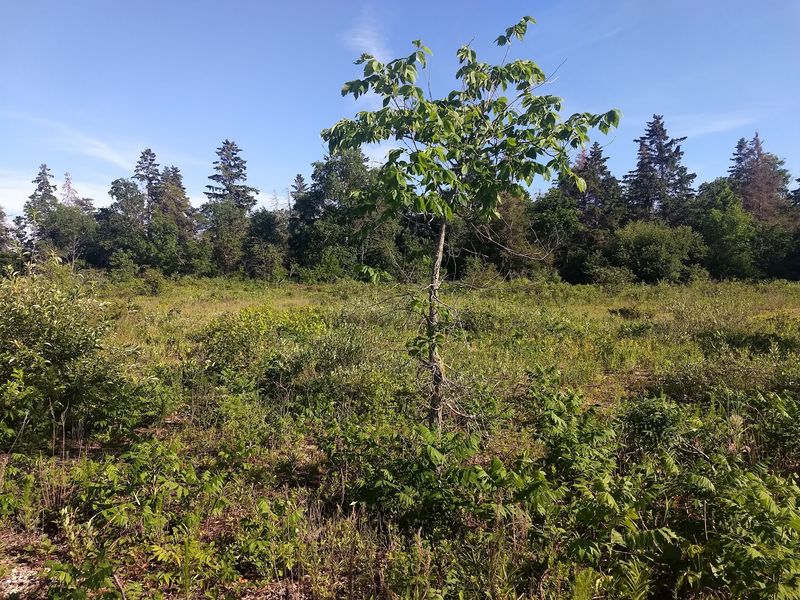
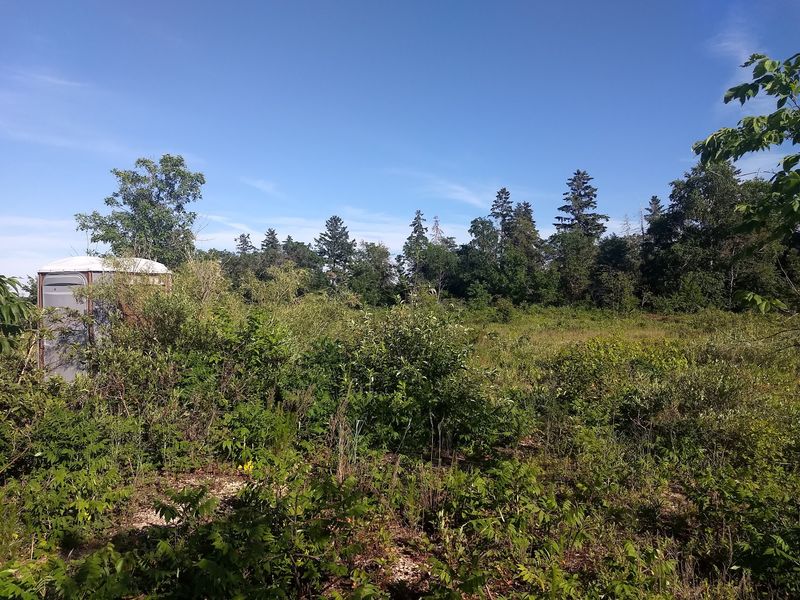
Beyond the beach and the shoreline amenities, Garden Island is mostly wild. Dense forest covers the interior of the island, and much of it goes unexplored by the majority of visitors who stop in for a few hours.
The undergrowth is thick, and navigating through the interior without a defined trail is genuinely challenging. Poison ivy is present on the island, which is worth knowing before anyone decides to wander off the cleared areas.
Insects, particularly biting flies, can be heavy depending on the time of year and weather conditions.
The wild character of the interior is not a flaw. It reflects what Lake of the Woods islands actually look like when left largely undisturbed.
Visitors who appreciate raw, unmanicured wilderness will find the contrast between the open beach and the tangled forest interior genuinely compelling.
Docks, Fire Grates, and Outhouses: The Amenities List
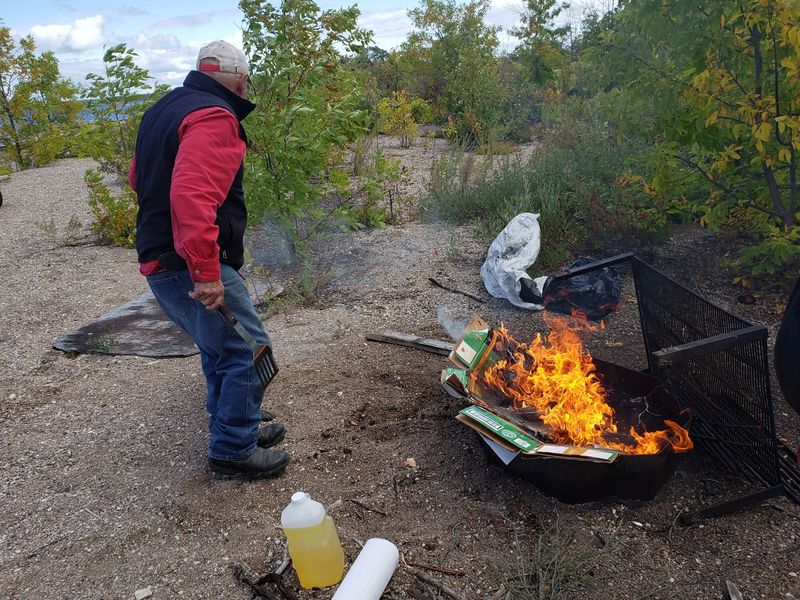
For a place with no road access, Garden Island offers more than most people expect. The island has docks where boaters can tie up, fire grates for cooking and campfires, picnic tables for shore lunches or rest stops, and outhouses for basic restroom facilities.
A storm shelter is also on the island, which is a practical addition given how quickly weather on Lake of the Woods can shift. Informational signs provide context about the island’s history and natural features, giving curious visitors something to read while they rest.
The condition of these amenities has varied over the years, and some visitors have noted that maintenance can be inconsistent. Going in with realistic expectations is wise.
The infrastructure is rustic by design, and the experience rewards those who come prepared rather than those expecting polished facilities.
The History Attached to This Remote Piece of Land
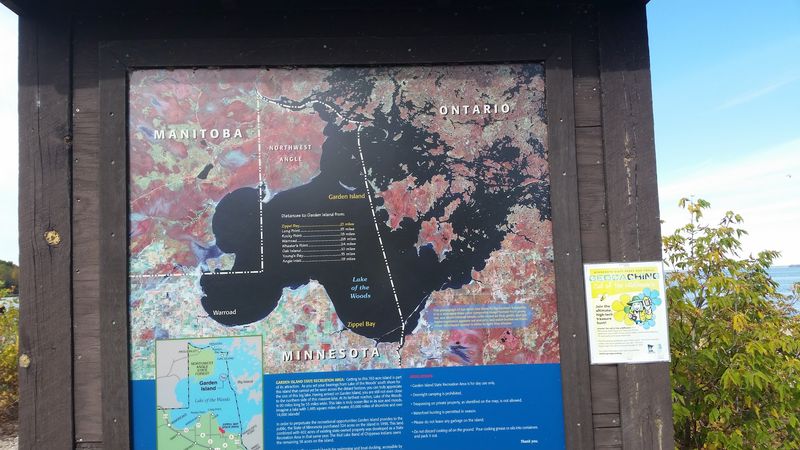
Garden Island carries history that stretches back well before it became a state recreation area. Lake of the Woods itself has a long record of human presence, from Indigenous peoples who lived and traveled across the region for thousands of years to European fur traders who used the lake as a transportation corridor.
The island’s informational signs touch on this layered past, giving visitors a sense of the place beyond its current recreational use. That historical dimension adds weight to what might otherwise feel like a simple day trip destination.
Knowing that people have been stopping at this particular island for generations changes how you look at the shoreline. The beach and the trees have witnessed far more than canoes and fishing boats.
The island has been a waypoint, a rest stop, and a landmark in a vast and demanding landscape for a very long time.
Getting There from Zippel Bay State Park
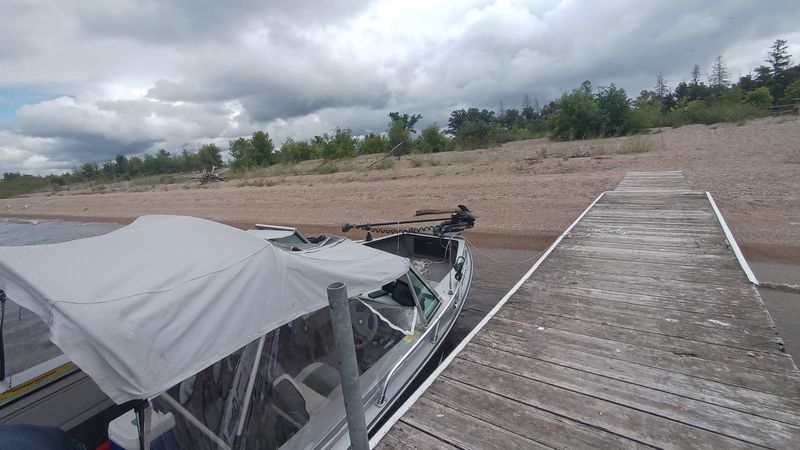
One of the most common launch points for reaching Garden Island is Zippel Bay State Park, which sits on the southern shore of Lake of the Woods. The boat ride from Zippel Bay to Garden Island takes well over an hour each way under typical conditions, which gives you a real sense of how far out into the lake the island sits.
That crossing is not trivial. Lake of the Woods is known for its ability to produce rough water quickly, and the open sections between islands can feel surprisingly exposed when the wind picks up.
Checking weather forecasts before departure is not optional, it is genuinely important.
Boaters who make the trip often describe the crossing itself as part of the adventure. Watching the mainland shrink behind you while the island slowly takes shape ahead creates a sense of arrival that no parking lot can match.
Why No Overnight Camping Is Allowed
One of the more notable limitations of Garden Island State Recreation Area is that overnight camping is not permitted. The island is designed for day use only, which means every visitor who arrives by boat must also leave by boat before nightfall.
That restriction shapes the entire character of visits to the island. Shore lunches, afternoon swims, and short rest stops define the experience rather than multi-day backcountry stays.
Some visitors find this frustrating, while others appreciate that it keeps the island from becoming overcrowded.
The no-camping rule also means the island retains a certain quietness. There are no tent sites to fill, no reservation systems to navigate, and no competition for a specific spot.
You arrive, enjoy the island for a few hours, and head back across the water before the light fades. That rhythm has its own appeal.
Wildlife and Natural Features Worth Watching For
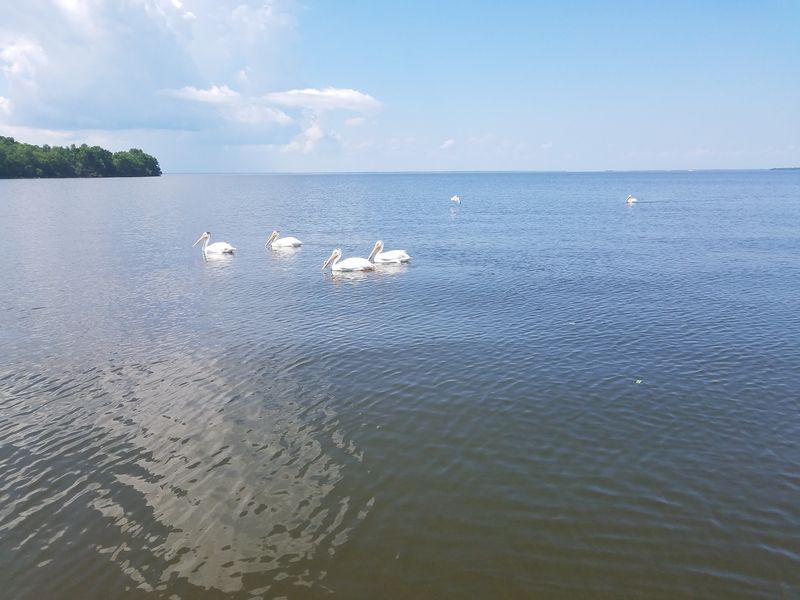
Lake of the Woods and the islands within it support a wide range of wildlife. Bald eagles are commonly spotted in the area, and the remote nature of Garden Island means animal activity near the shoreline is more visible than at busier, more developed parks.
One visitor review mentioned the possibility of large animals in the island’s interior, a detail that adds a layer of genuine wildness to any exploration beyond the beach. The dense forest provides cover for a range of species that thrive in this far northern environment.
Shorebirds, waterfowl, and the occasional osprey add to the natural backdrop. The island sits within a region known for exceptional walleye fishing, and the waters surrounding it are part of what draws anglers from across the Midwest each season.
The wildlife presence is quiet but consistent for those paying attention.
Fishing on Lake of the Woods Around the Island
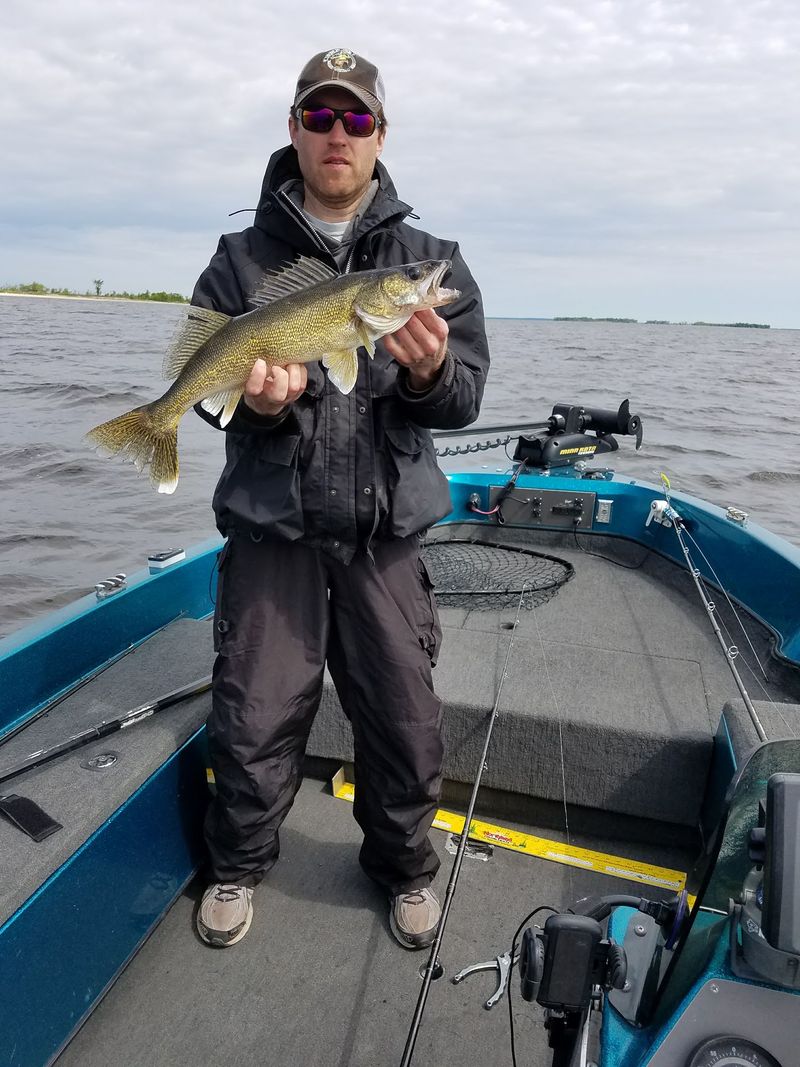
Lake of the Woods has a well-earned reputation as one of the premier walleye fisheries in North America. The waters surrounding Garden Island are part of that broader ecosystem, and many boaters who visit the island combine their stop with a morning or afternoon of fishing in the surrounding area.
The island itself functions as a natural reference point on the lake. Anglers familiar with the region use the island as a landmark when navigating between fishing spots, and pulling up to the dock for a shore lunch after a successful morning on the water is a routine that many repeat visitors look forward to each summer.
Ice fishing is also part of the Lake of the Woods culture during winter months, and the island has been noted as a year-round destination for those willing to make the trip across the ice by snowmobile or other means.
What to Pack for a Day Trip to Garden Island
Arriving at Garden Island underprepared is a mistake that is easy to make and hard to fix once you are out on the water. The island has no stores, no running water, and no staff on site.
Everything you need for the day has to come with you on the boat.
Insect repellent is near the top of every practical packing list. Biting flies can be intense depending on the season, and going without protection makes any extended time on shore uncomfortable.
Sunscreen matters too, especially during the open-water crossing where shade is nonexistent.
Bringing your own food and plenty of water is essential. A basic first aid kit is a smart addition given the remote setting.
Sturdy footwear helps if you plan to explore beyond the beach. A weather radio or satellite communication device is worth considering for anyone making the longer crossing from Zippel Bay.
The Bug Situation: An Honest Assessment
Visitors who have made the trip to Garden Island consistently mention the insects, and it is worth addressing that honestly rather than glossing over it. Biting flies are part of the experience during certain parts of the season, and they can be numerous enough to make exploring the interior of the island genuinely unpleasant without proper protection.
The beach tends to offer some relief when a breeze is moving across the water, since flies and mosquitoes struggle in moving air. The interior forest, however, can be a different story entirely on still, humid days.
Timing your visit matters. Early season and later summer visits sometimes see fewer insects than the peak of midsummer.
Wind direction and temperature also play a role. The bugs are not a reason to skip the island, but going in with the right gear and realistic expectations makes the difference between a great day and a miserable one.
Winter Access and the Snowmobile Crowd

When Lake of the Woods freezes in winter, the dynamic around Garden Island changes completely. The water barrier that keeps summer visitors from driving to the island disappears under ice, and snowmobilers gain a frozen highway that connects the mainland to the island and beyond.
The lake is well known within the regional snowmobile community, and Garden Island sits within a network of ice routes that connect various points across the frozen surface. Winter visitors have described it as a good stop during longer rides across the lake.
Ice thickness and conditions vary from year to year and season to season, and local knowledge is essential before venturing out. The same weather awareness that applies to summer boating applies in winter, just in a different form.
The island itself looks dramatically different under snow, quieter and more austere than its summer version, but recognizable by the treeline rising above the ice.
Why This Island Keeps Drawing People Back
There is something about Garden Island that stays with visitors after they leave. It is not a polished destination.
The facilities are rustic, the bugs can be fierce, and getting there requires real effort. Yet people come back, and the reason seems consistent across different kinds of visitors.
The island offers a version of solitude that is increasingly rare. No car traffic, no commercial development, no soundtrack except wind and water and birdsong.
For anglers, it is the perfect backdrop for a shore lunch tradition that connects them to generations of Lake of the Woods fishermen before them.
For families, it is the kind of adventure that kids remember. For solo travelers, it is a genuine escape.
The effort required to reach Garden Island is, in a real sense, what protects it. The water crossing acts as a natural filter, leaving behind anyone unwilling to make the trip.
Share this story